Trees
Trees and shrubs — identification, uses, and where each one belongs.
Trees Cheatsheet
Quick reference for choosing, identifying, and using trees and shrubs.
Go deeper
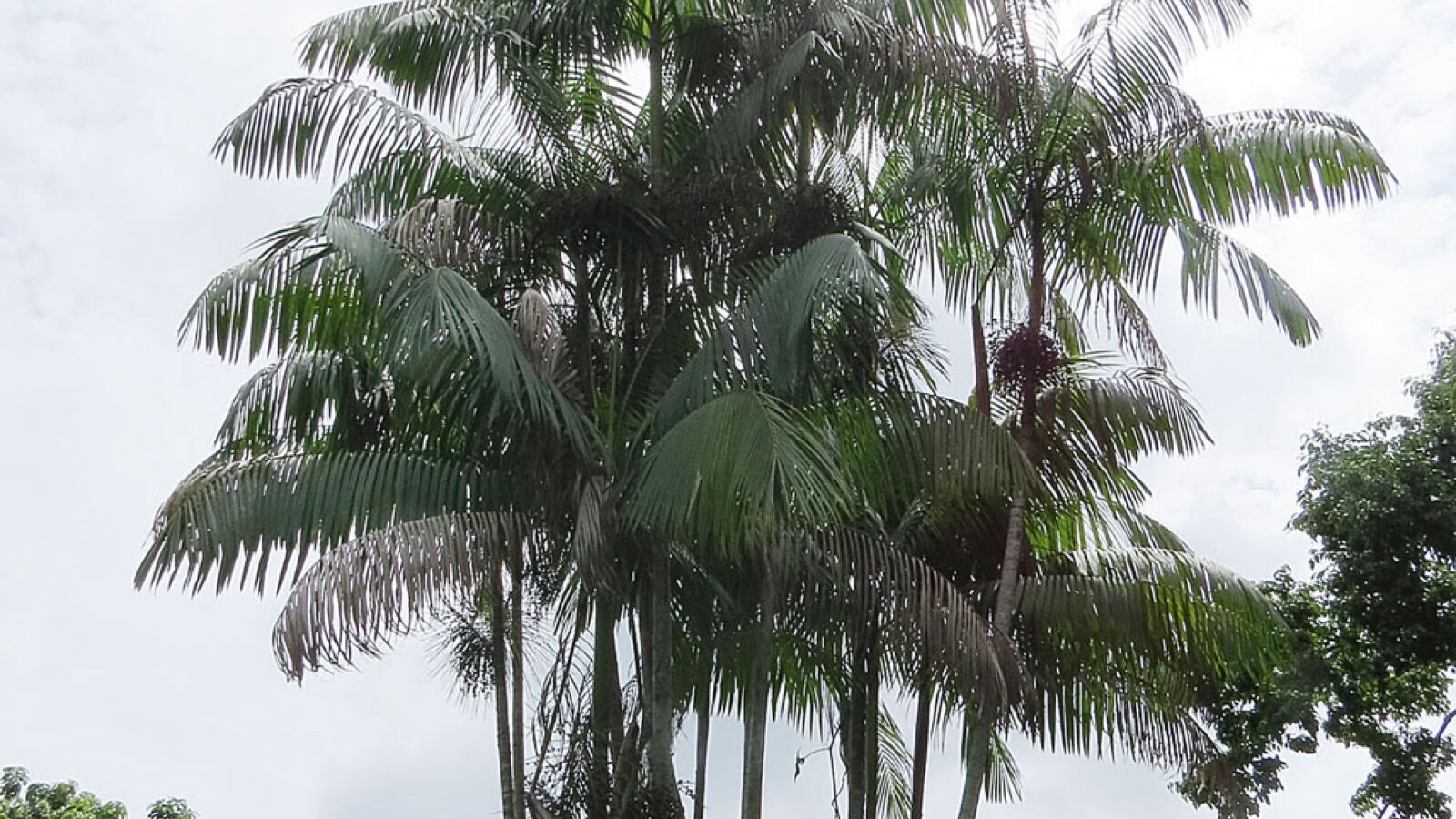 № 002
№ 002Açaí: The Amazon Palm Berry That Became a Superfood
A slender floodplain palm of the Amazon whose deep-purple berries are a staple food of the river people — and, blended and frozen, a global 'superfood' whose boom has reshaped an economy and a forest.
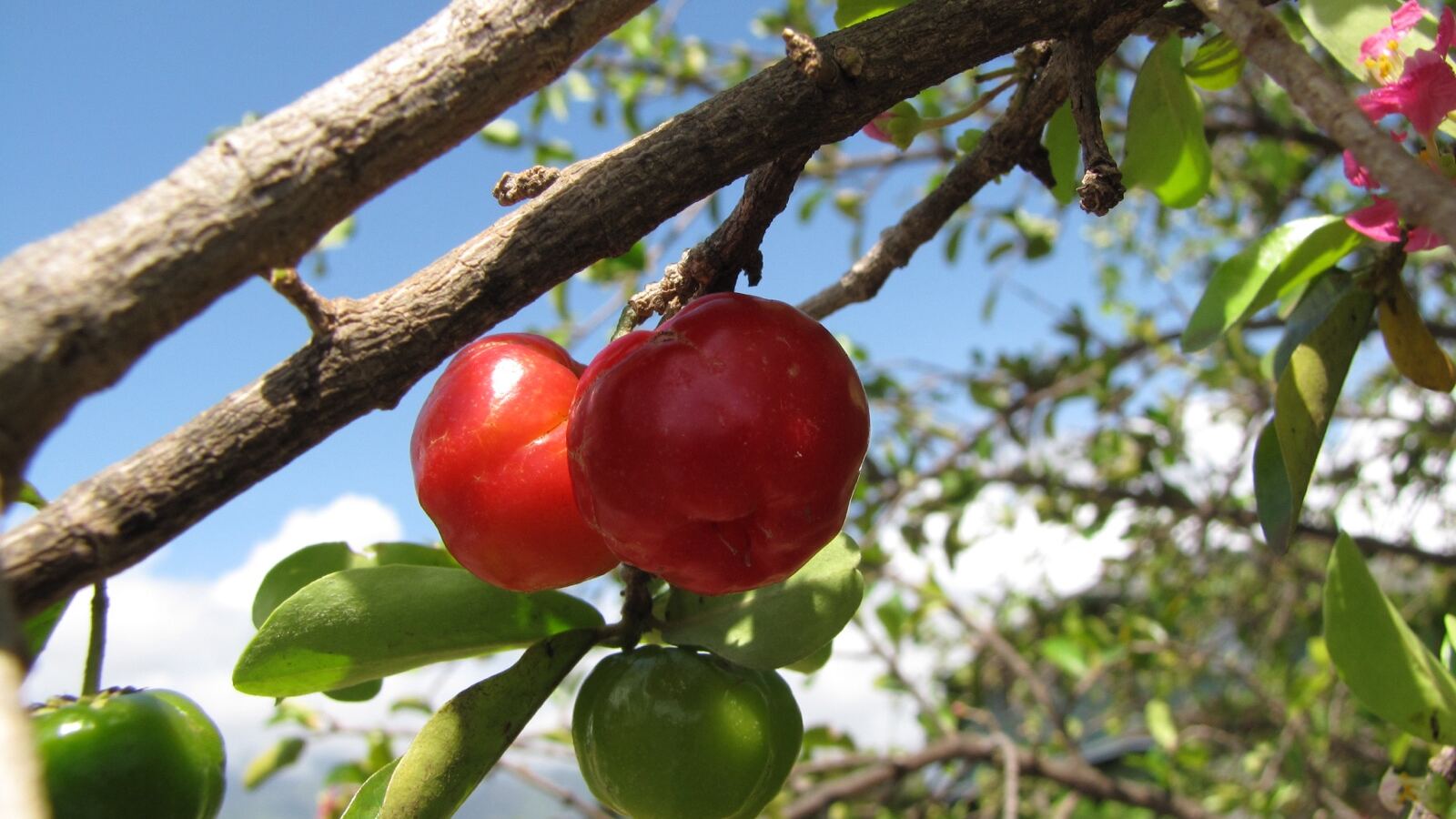 № 003
№ 003Acerola: The Little Cherry Bursting With Vitamin C
A small tropical American tree whose tart, cherry-like fruit is one of the richest natural sources of vitamin C on Earth — too perishable to sell fresh, so grown across the world for the supplement bottle.
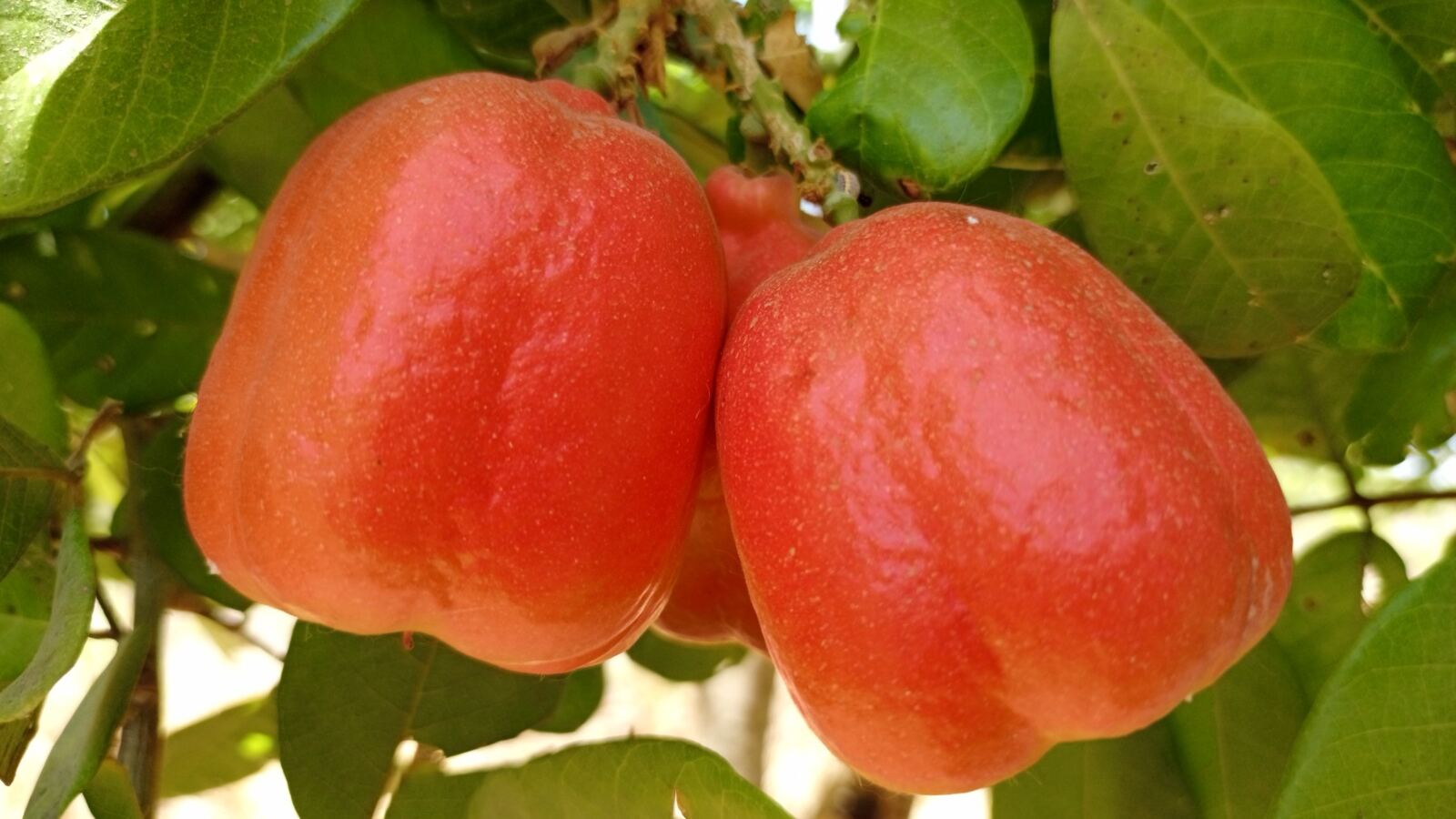 № 004
№ 004Ackee: Jamaica's National Fruit and Its Deadly Twin Toxin
A West African tree, carried to the Caribbean on a slave ship and named for a mutineer's captain, whose fruit must be eaten at exactly the right moment — too early and it causes a lethal 'vomiting sickness'.
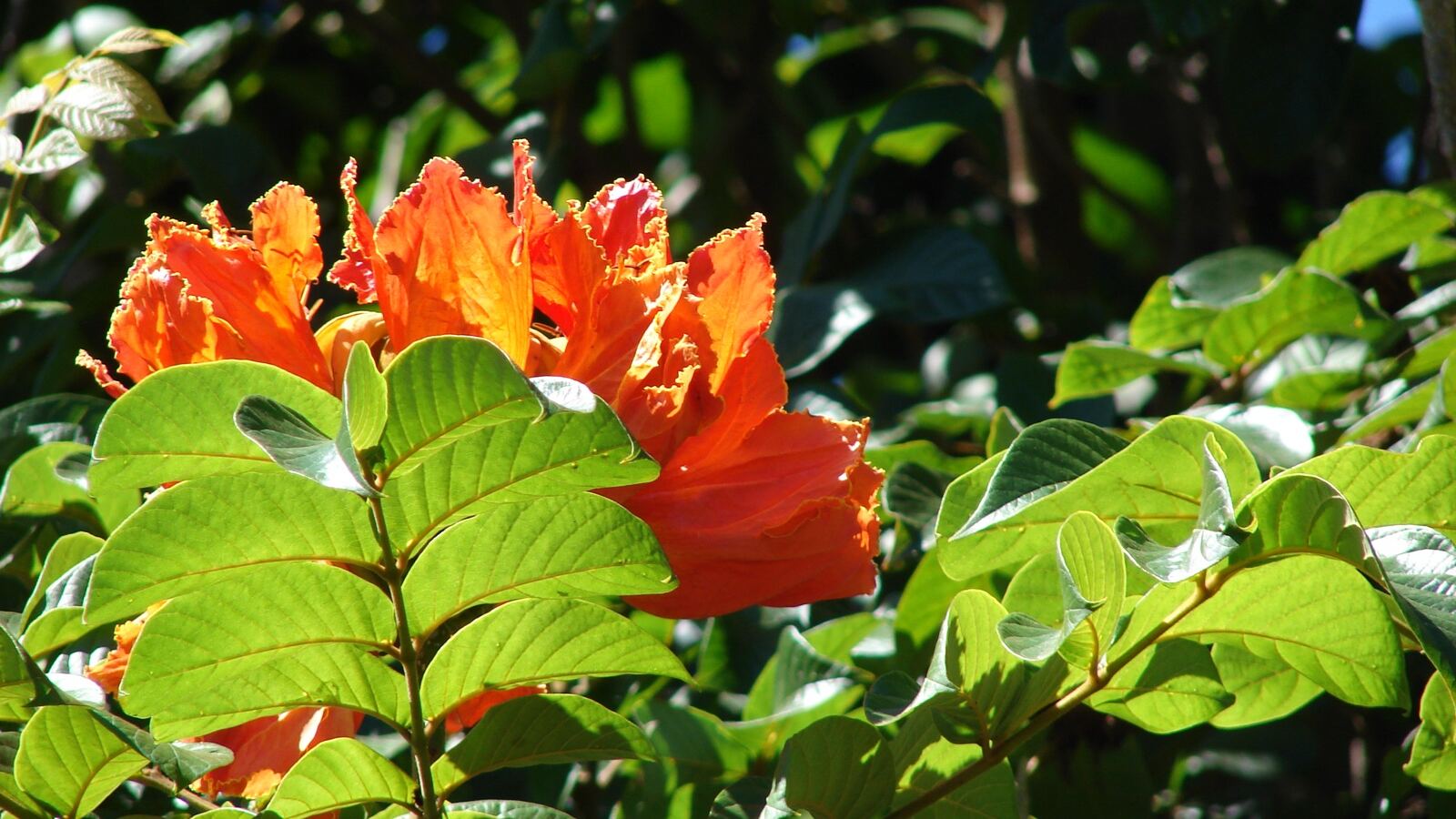 № 005
№ 005African Tulip Tree: The Flame of the Forest That Squirts Water
A blazing scarlet-flowered giant whose unopened buds hold water children squirt at each other — planted worldwide for its beauty and now one of the worst invaders of the Pacific islands.
 № 010
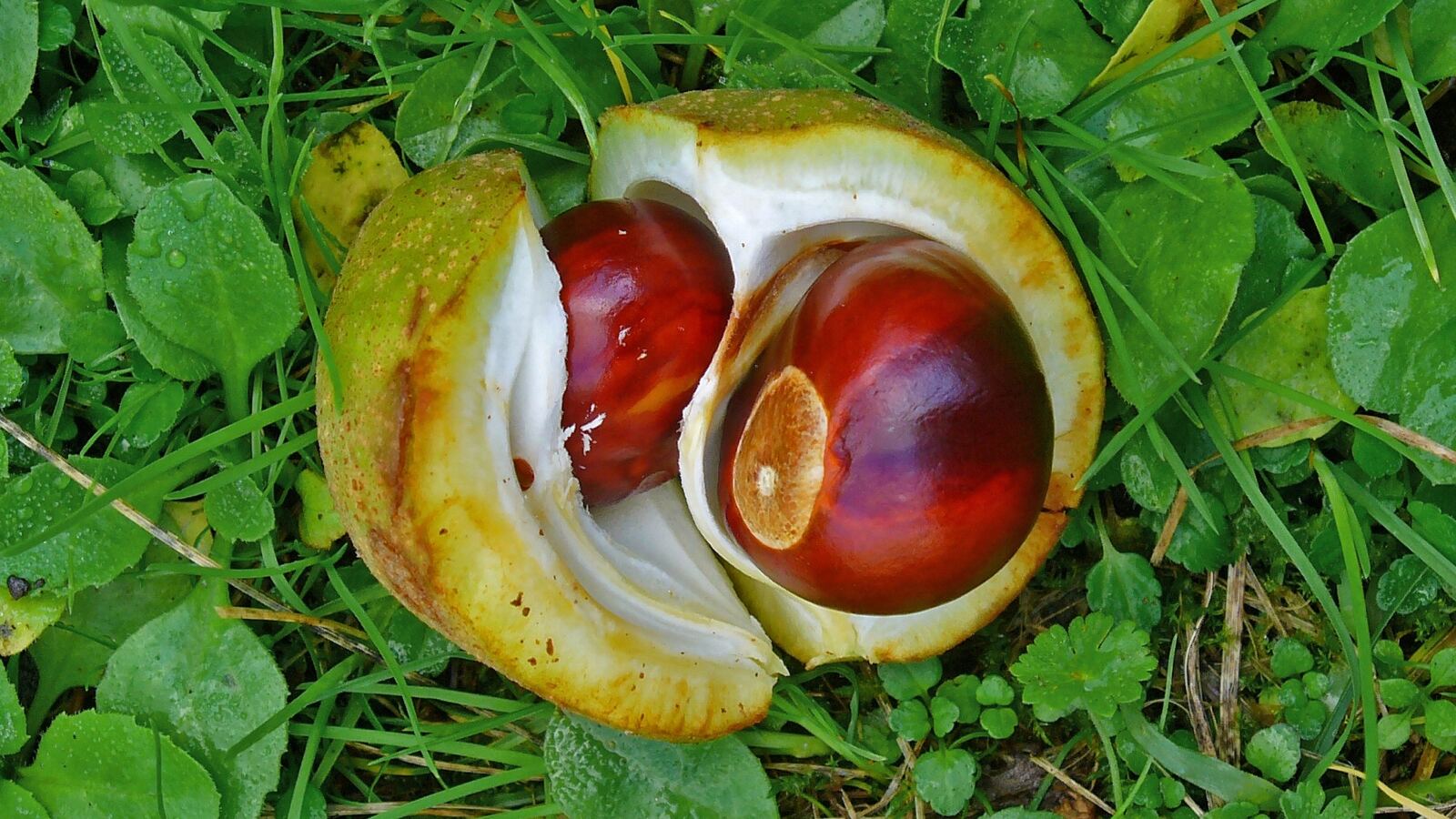
№ 010American Buckeyes: The Lucky Nuts of the New World Chestnuts
The New World cousins of the horse chestnut — from the Ohio state tree to the hummingbird-red buckeye and the California buckeye that drops its leaves in summer and poisons honeybees — all bearing the glossy 'lucky' nut.
 № 011
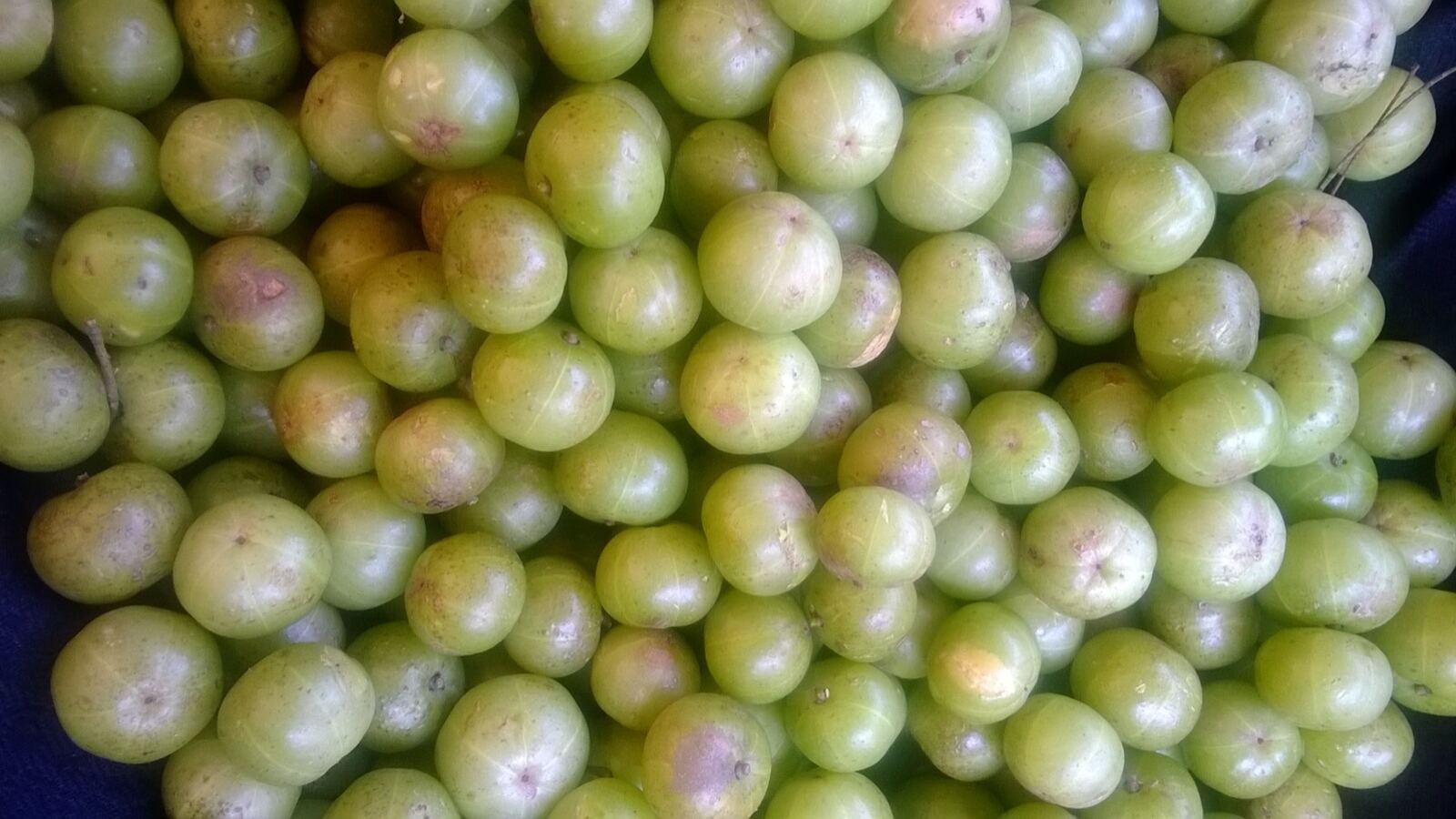
№ 011Amla: The Sacred Sour Fruit of a Thousand Remedies
The Indian gooseberry — a translucent, mouth-puckeringly sour fruit extraordinarily rich in vitamin C, revered as the holiest of trees in Ayurveda, and the keystone of India's most famous herbal tonics.
 № 013
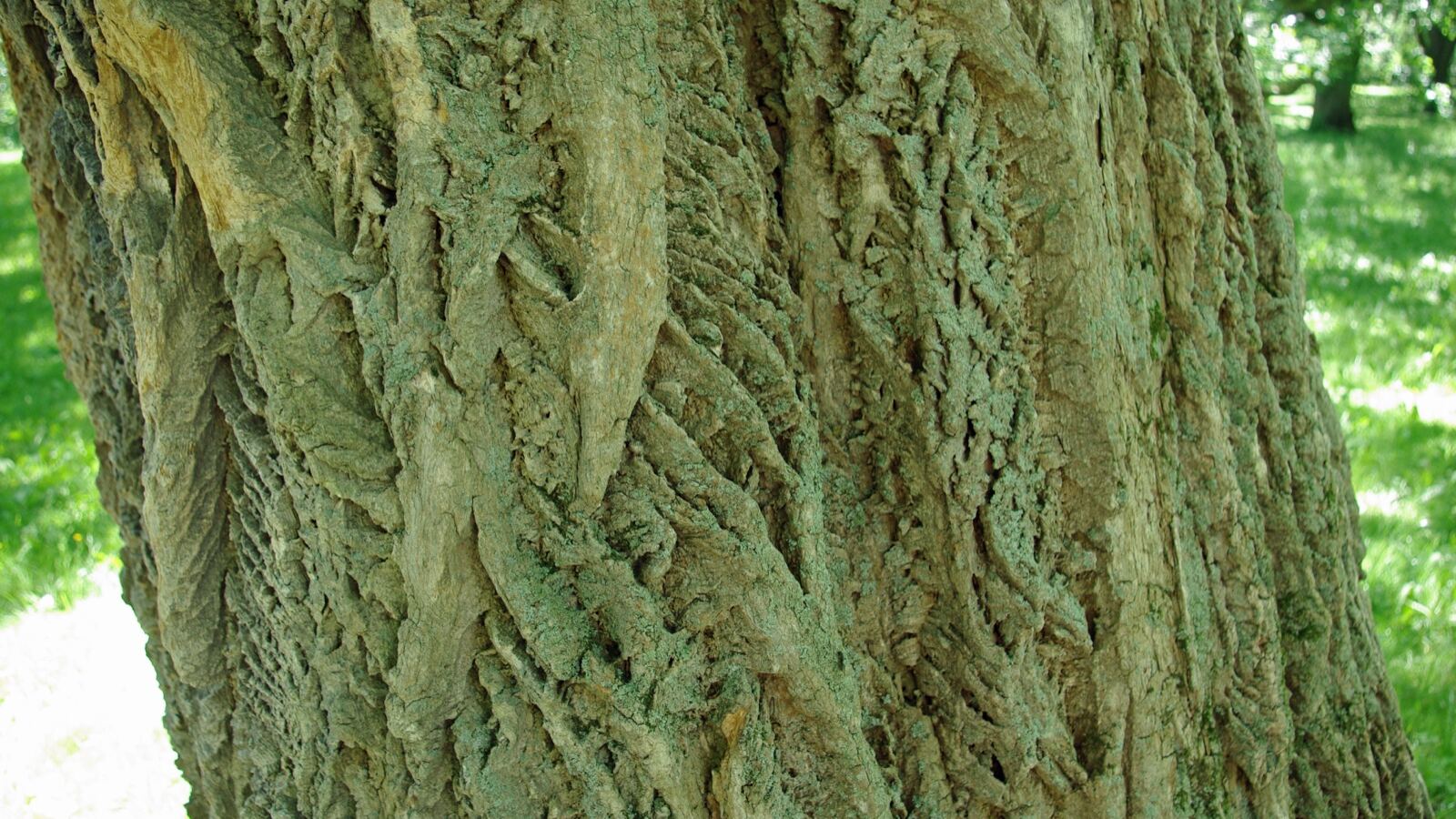
№ 013Amur Cork Tree: The Corky-Barked Medicine That Turned Invasive
An East Asian tree with thick, soft, corky bark and a place among the fundamental herbs of Chinese medicine — planted widely as a tough ornamental, and now a spreading invader of North American woods.
 № 014
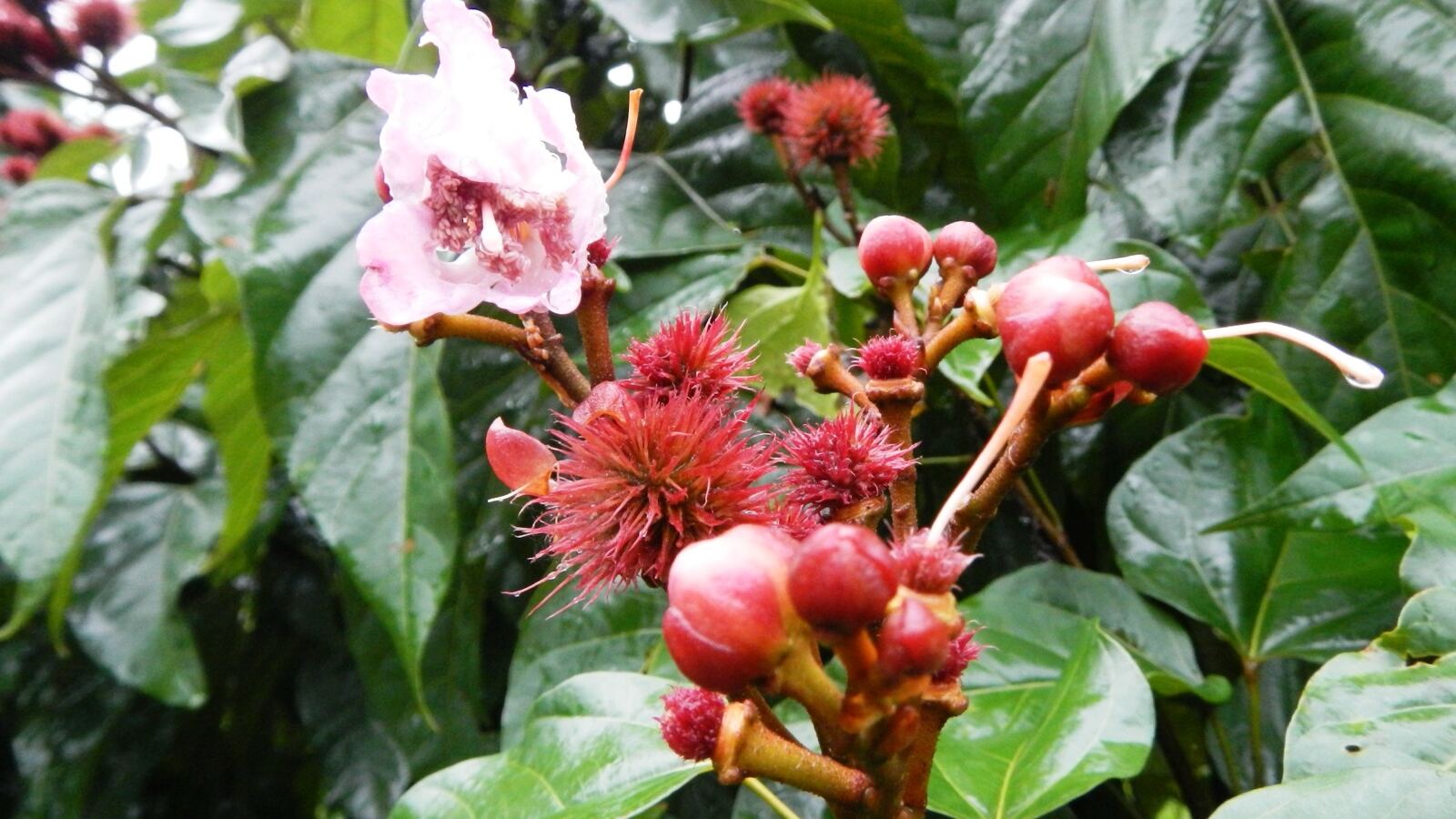
№ 014Annatto: The Lipstick Tree That Colours Your Cheese
A small tropical tree whose spiny red pods are packed with seeds coated in a vivid orange dye — the body paint of Amazonian peoples, the natural colouring of cheddar, butter, and rice, and the original 'lipstick'.
 № 019
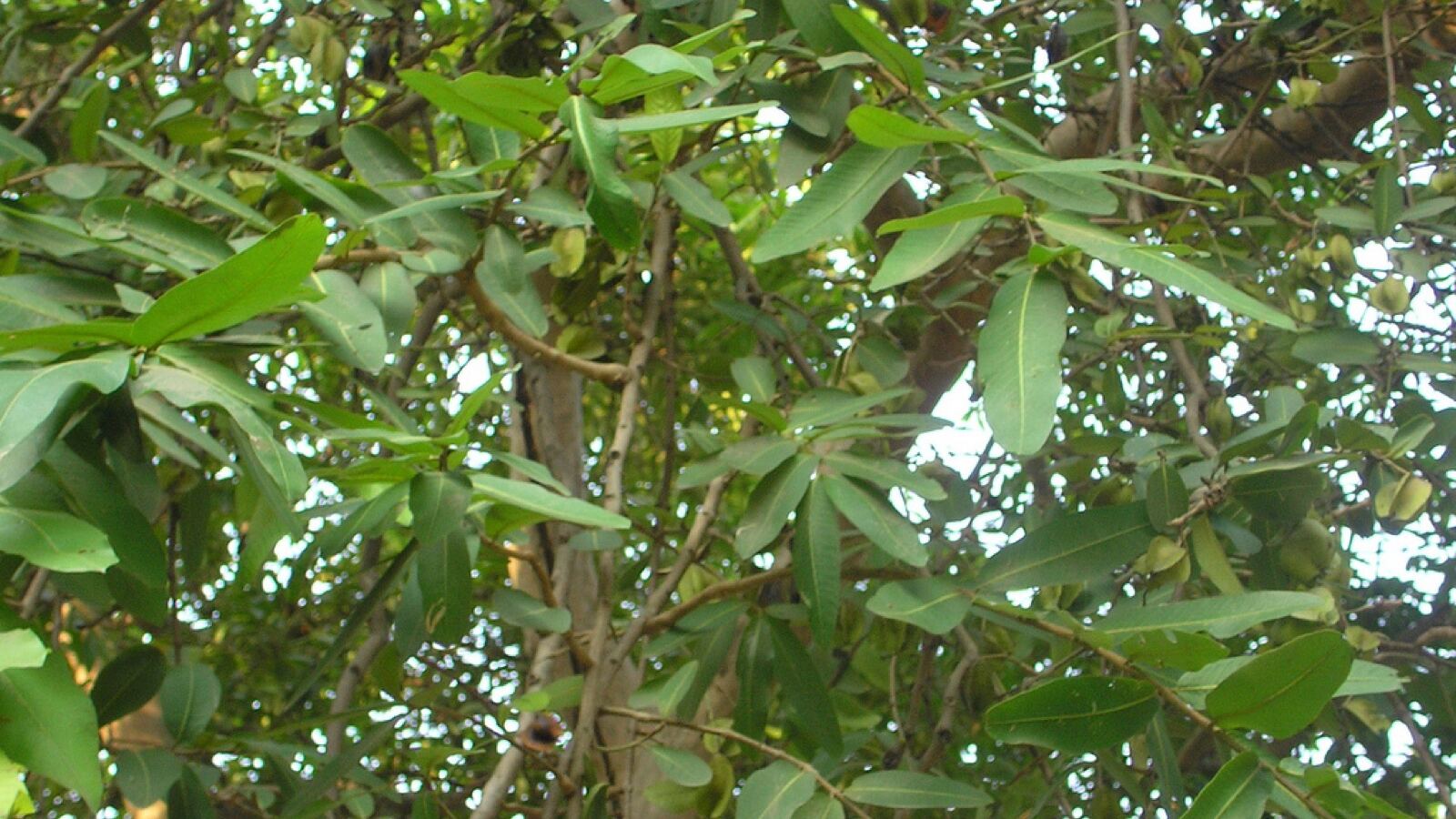
№ 019Arjuna: The Heart Tree of the Riverbanks
A great buttressed tree of Indian riverbanks whose smooth bark has been the Ayurvedic medicine for the heart for three thousand years — a use that modern cardiology has taken seriously.
 № 021
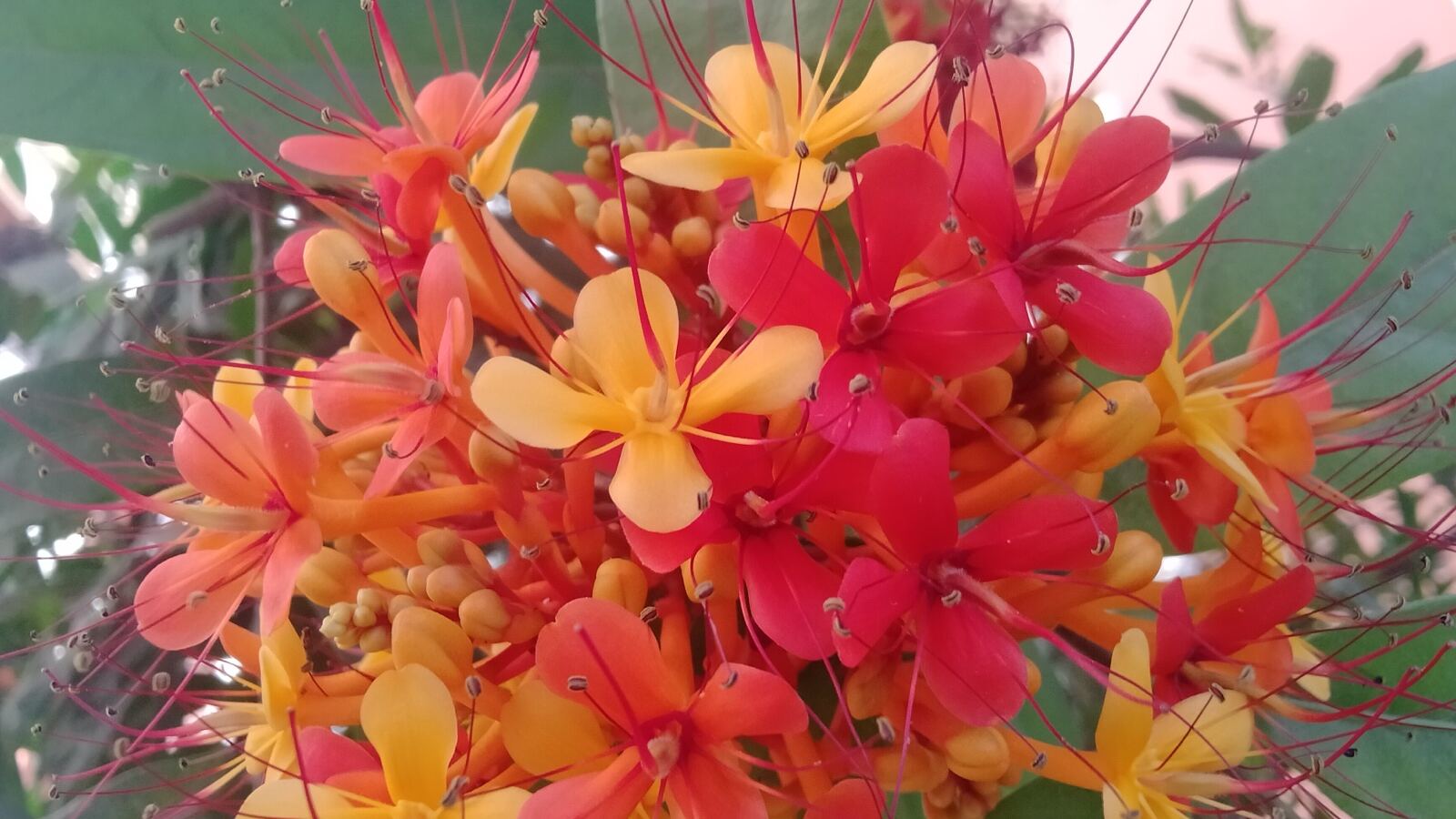
№ 021Ashoka Tree: The Sorrowless Tree of Gods and Women
A small, sacred, orange-flowered tree woven through the myths of Hinduism, Buddhism, and Jainism — associated with love, fertility, and 'the removal of sorrow' — and long a medicine for women, now over-harvested and threatened.
 № 026
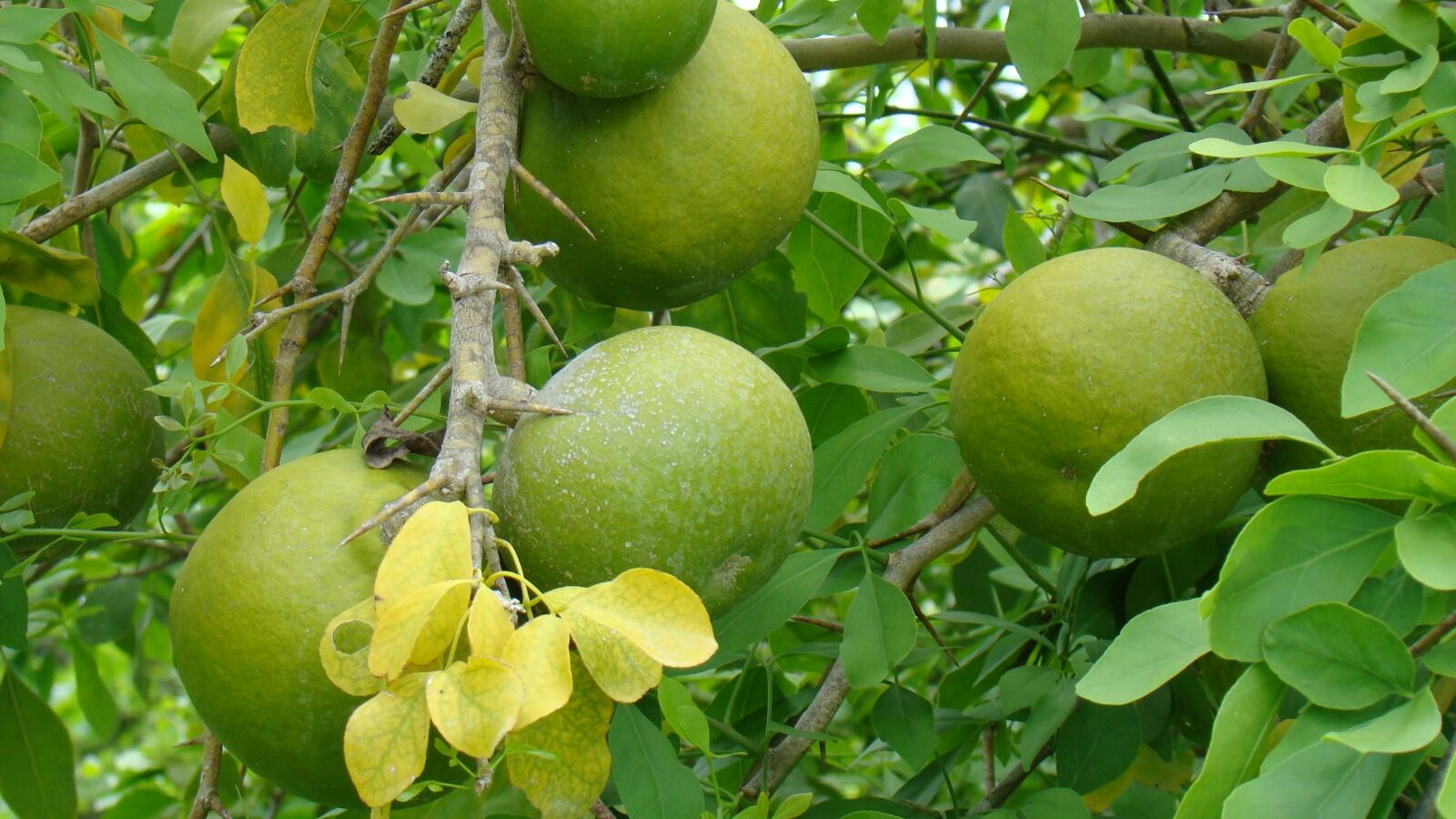
№ 026Bael: The Stone-Shelled Fruit Sacred to Shiva
A thorny citrus-family tree whose hard-shelled fruit hides a sweet aromatic pulp made into a cooling drink — and whose trifoliate leaves are the holiest offering to the god Shiva.
 № 030
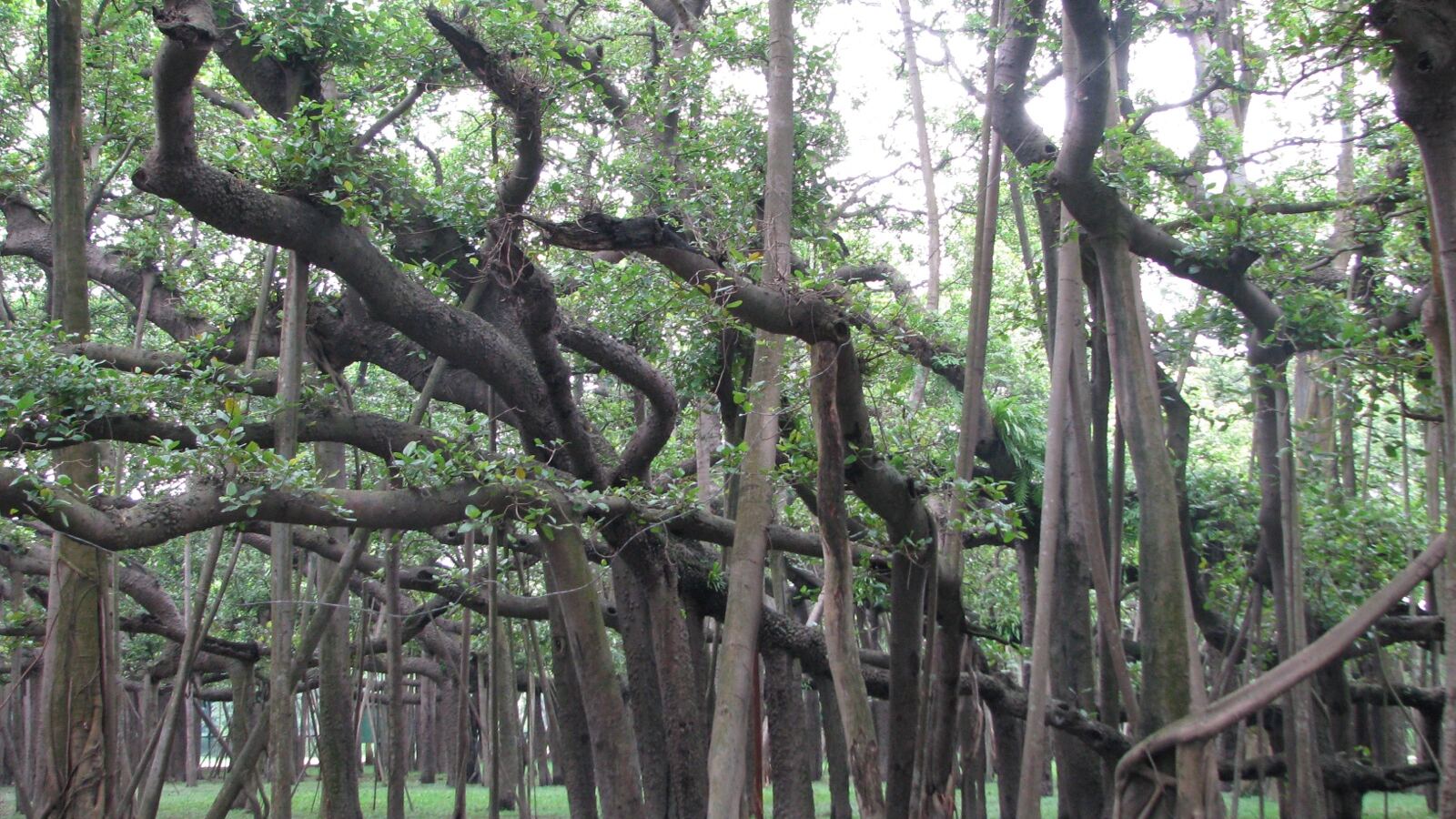
№ 030Banyan and Strangler Figs: The Trees That Grow Downward and Kill Their Hosts
Figs that begin life in the treetops, send roots down to strangle the tree that hosted them, spread into forests of a single individual, feed half the rainforest — and depend on a wasp that lives one day.
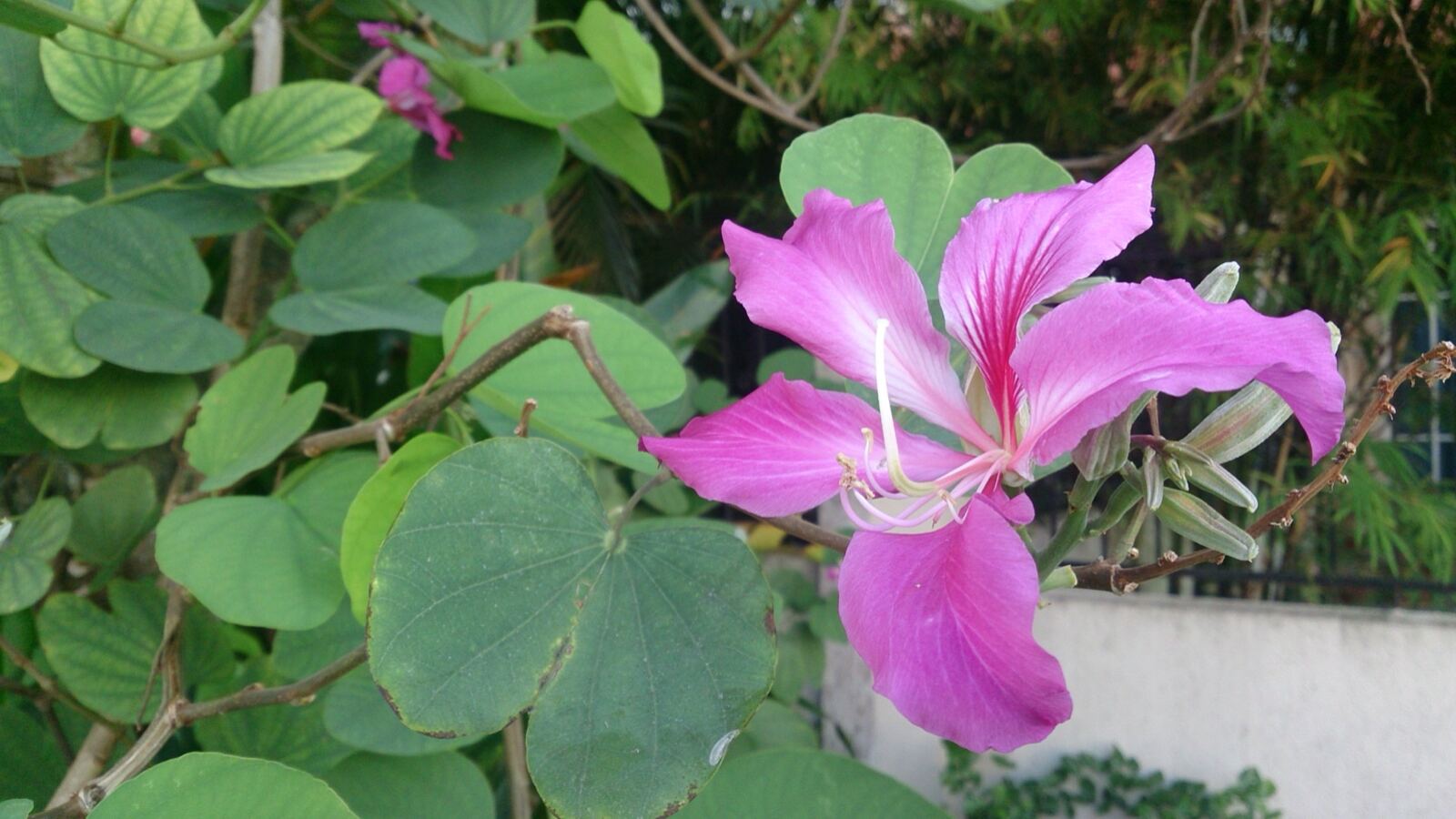 № 034
№ 034Bauhinia: The Orchid Tree With Butterfly Leaves
A flowering legume whose blooms mimic orchids and whose twin-lobed leaves fold like a butterfly's wings or a camel's foot — including a sterile hybrid so admired it became the emblem of Hong Kong.
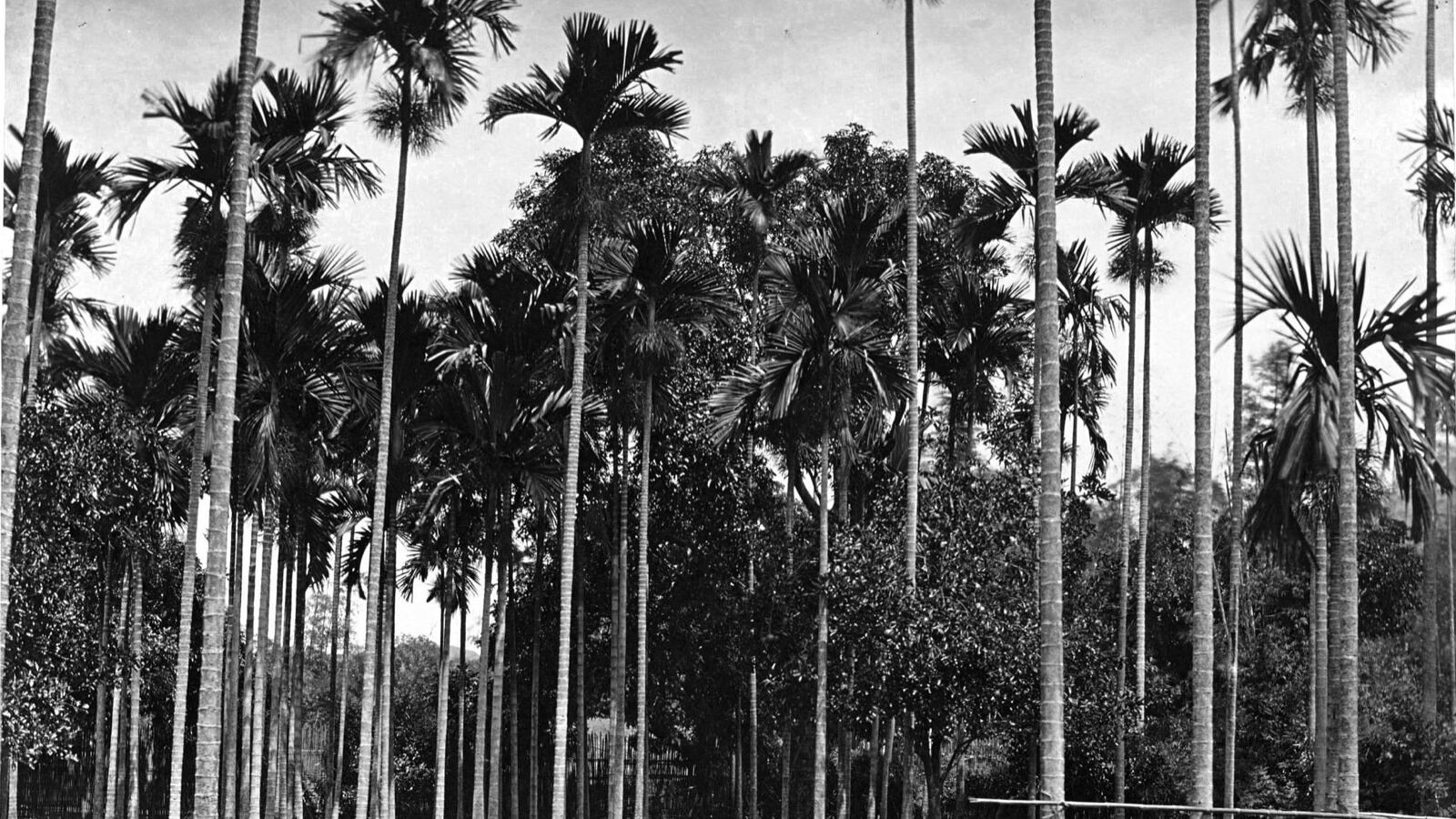 № 041
№ 041Betel Nut: The Areca Palm Chewed by Half a Billion People
The slender areca palm whose seed — the 'betel nut' — is chewed by hundreds of millions across Asia and the Pacific for its mild stimulant buzz, staining the world red, and carrying a serious cancer risk.
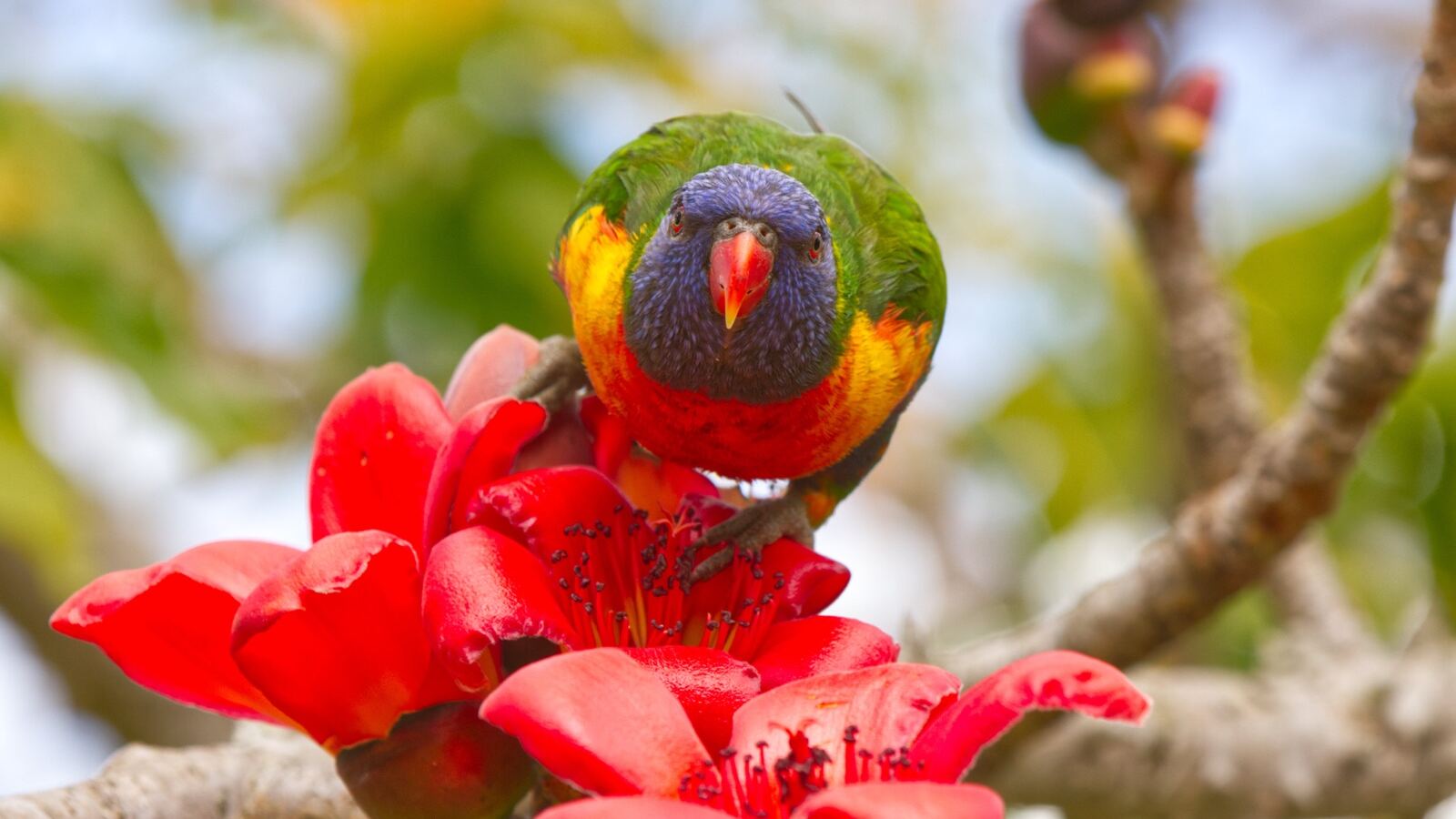 № 050
№ 050Bombax: The Red Silk-Cotton Tree That Blazes on Bare Branches
A big Indian relative of the kapok that erupts in huge waxy red flowers on its leafless branches each spring — pouring nectar for birds, packing its pods with silky floss, and feeding the season with edible blooms.
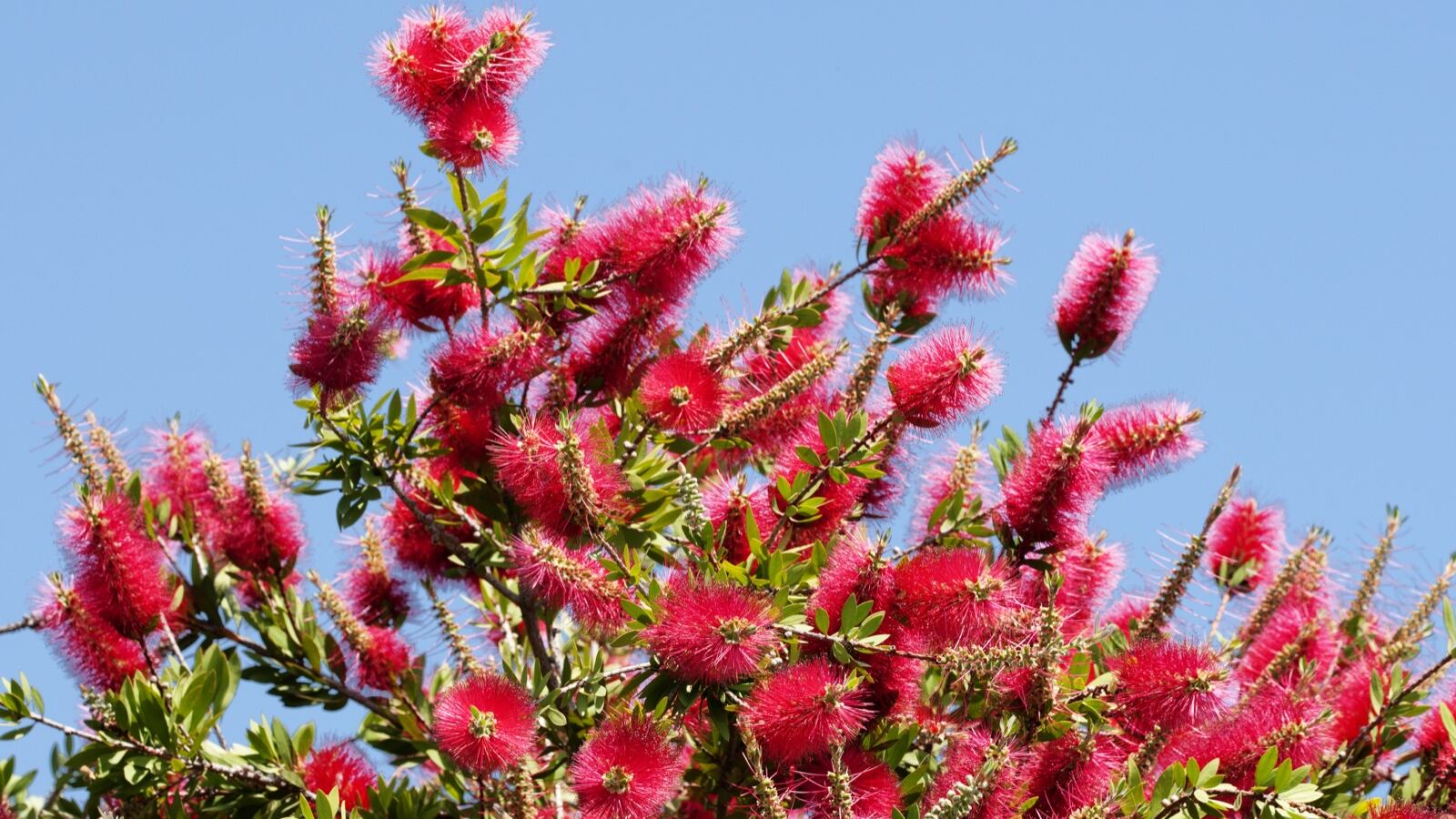 № 051
№ 051Bottlebrush: The Red Brushes Built for Birds and Fire
Australian shrubs whose flower spikes are dead ringers for a bottle-brush — all stamens and no petals, brimming with nectar for birds, and holding their woody seed capsules shut for years until fire comes.
 № 054
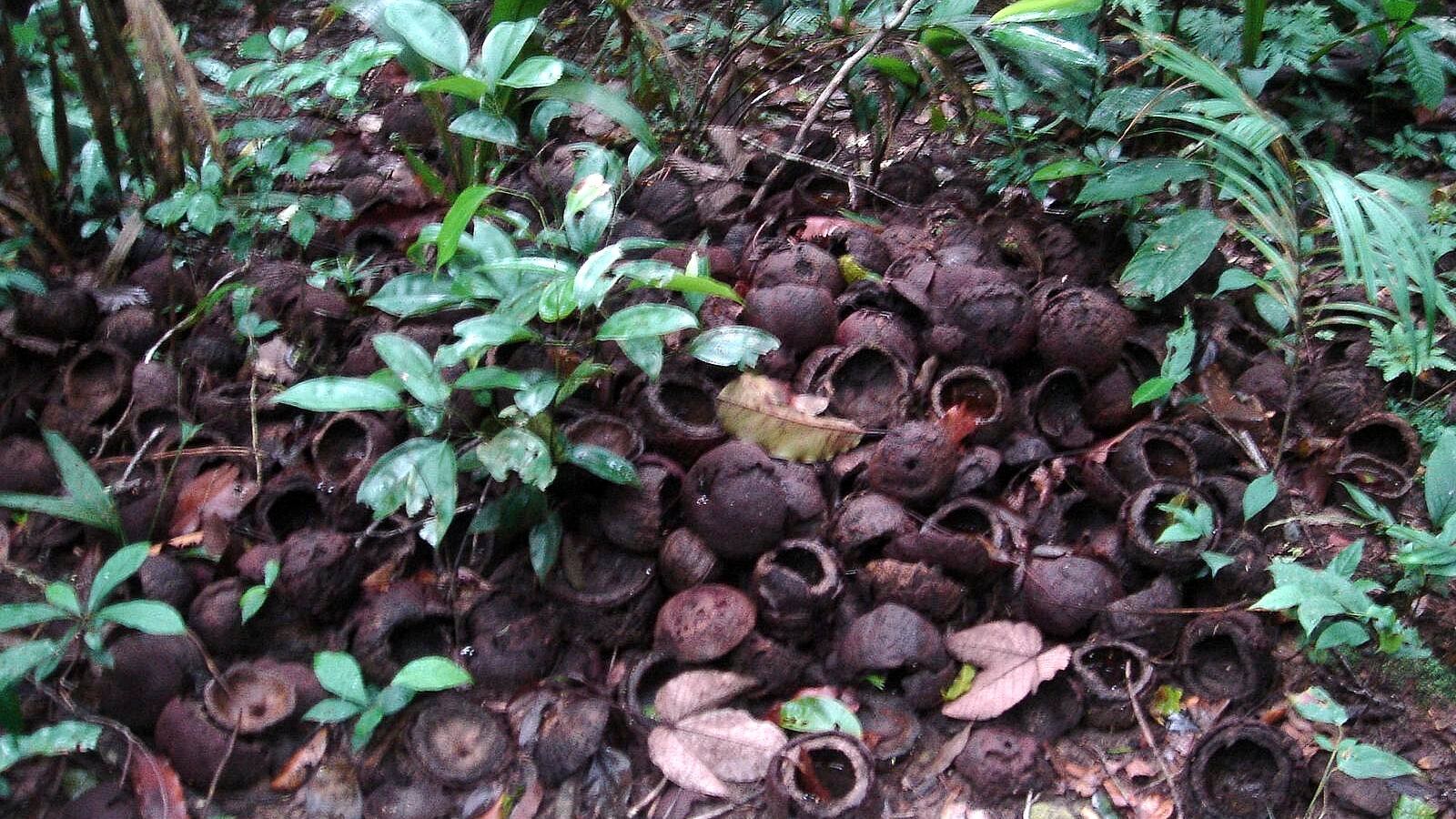
№ 054Brazil Nut: The Nut That Cannot Be Farmed
An Amazonian giant whose nuts are gathered only from wild rainforest — because the tree depends on a specific orchid bee to pollinate it and a specific rodent to plant it, and neither exists in a plantation.
 № 055
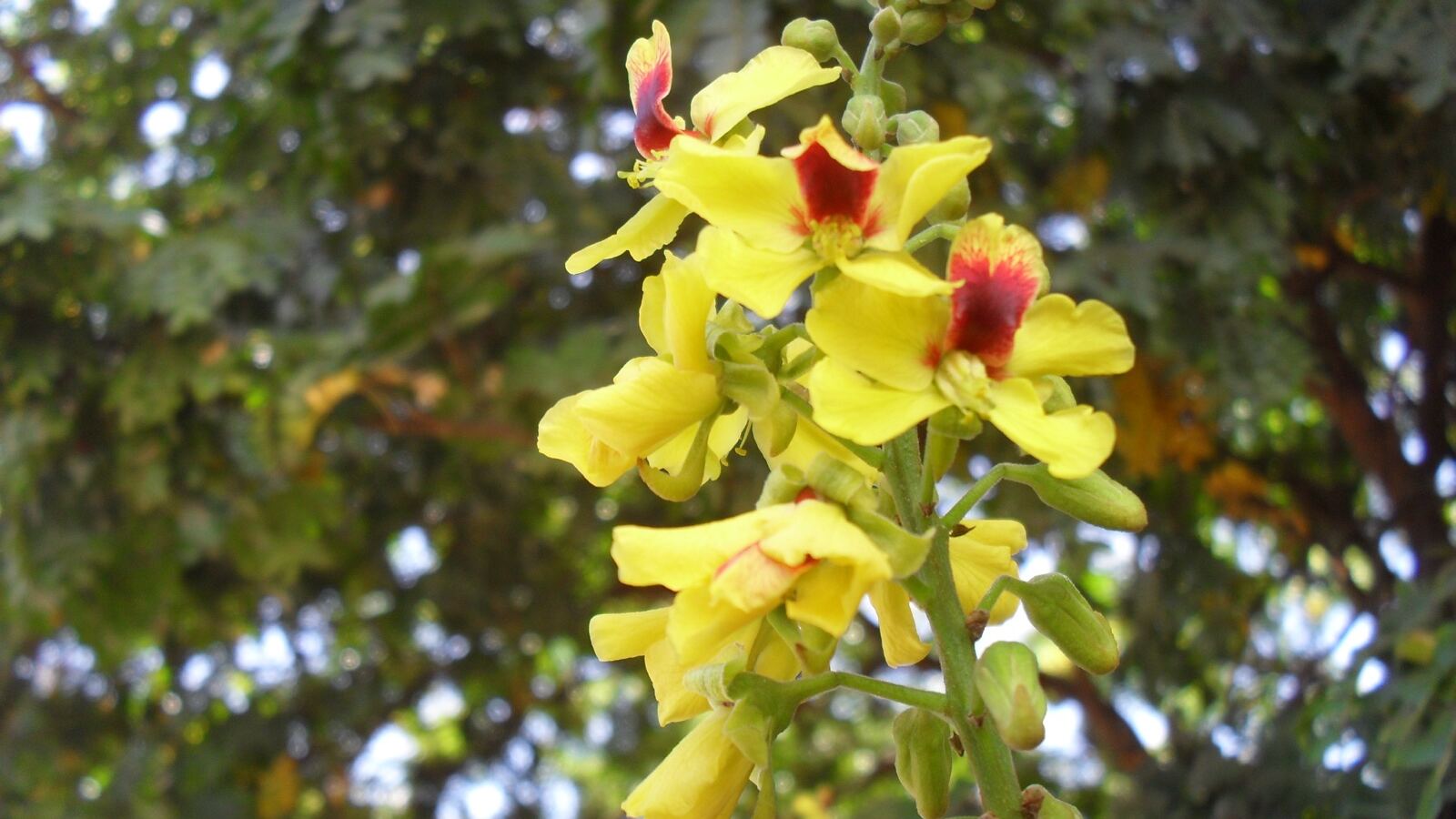
№ 055Brazilwood: The Tree That Named a Country and Voices the Violin
A red-dye tree so coveted it gave Brazil its name — and whose dense, resonant wood makes the finest violin bows in the world, a demand that has now driven the tree itself to the edge of extinction.
 № 057
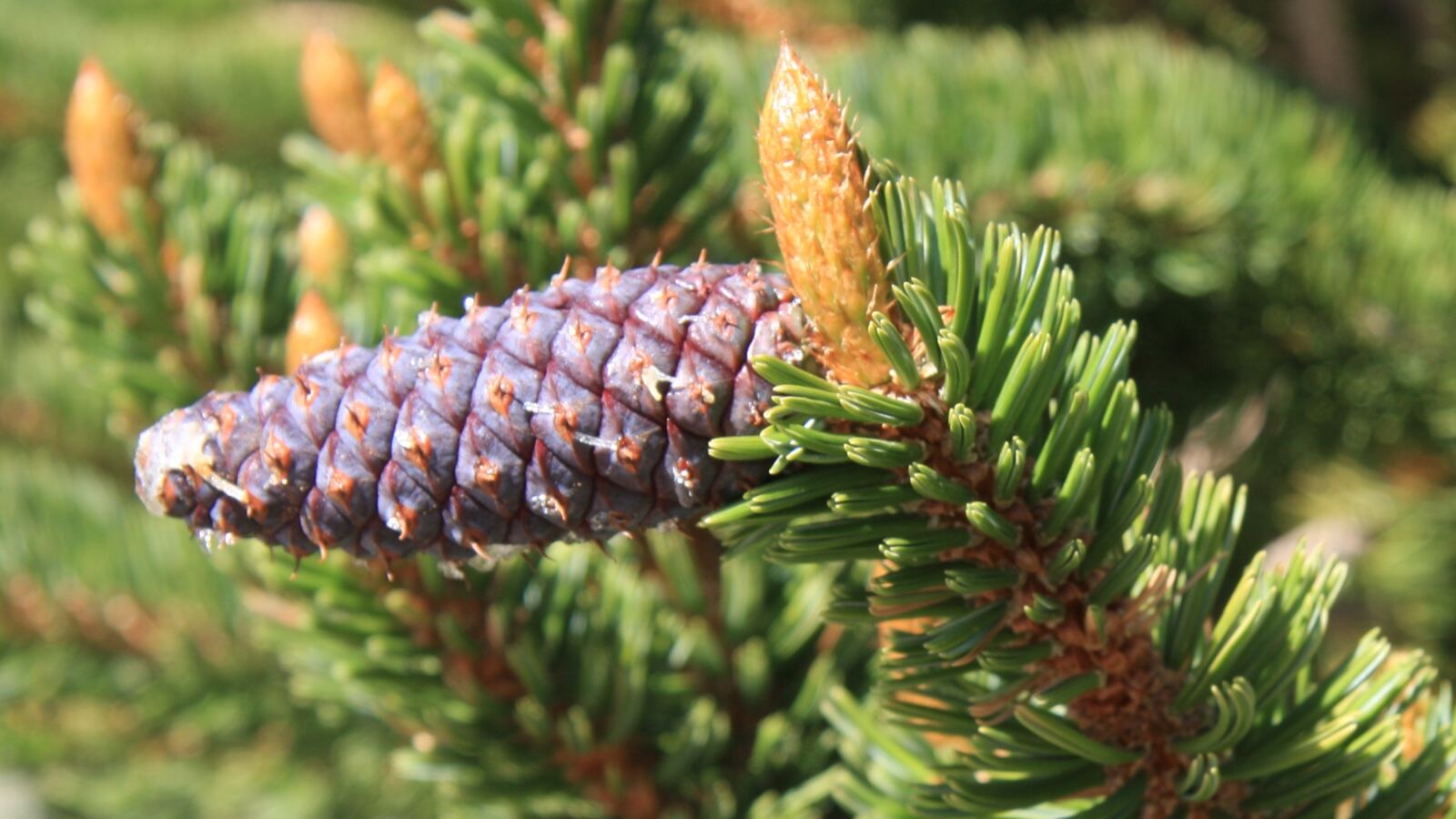
№ 057Bristlecone Pine: The Oldest Living Things on Earth
Gnarled high-desert pines that live nearly five thousand years by growing as slowly and as tough as possible — and whose rings have let us calibrate the dating of the ancient world.
 № 061
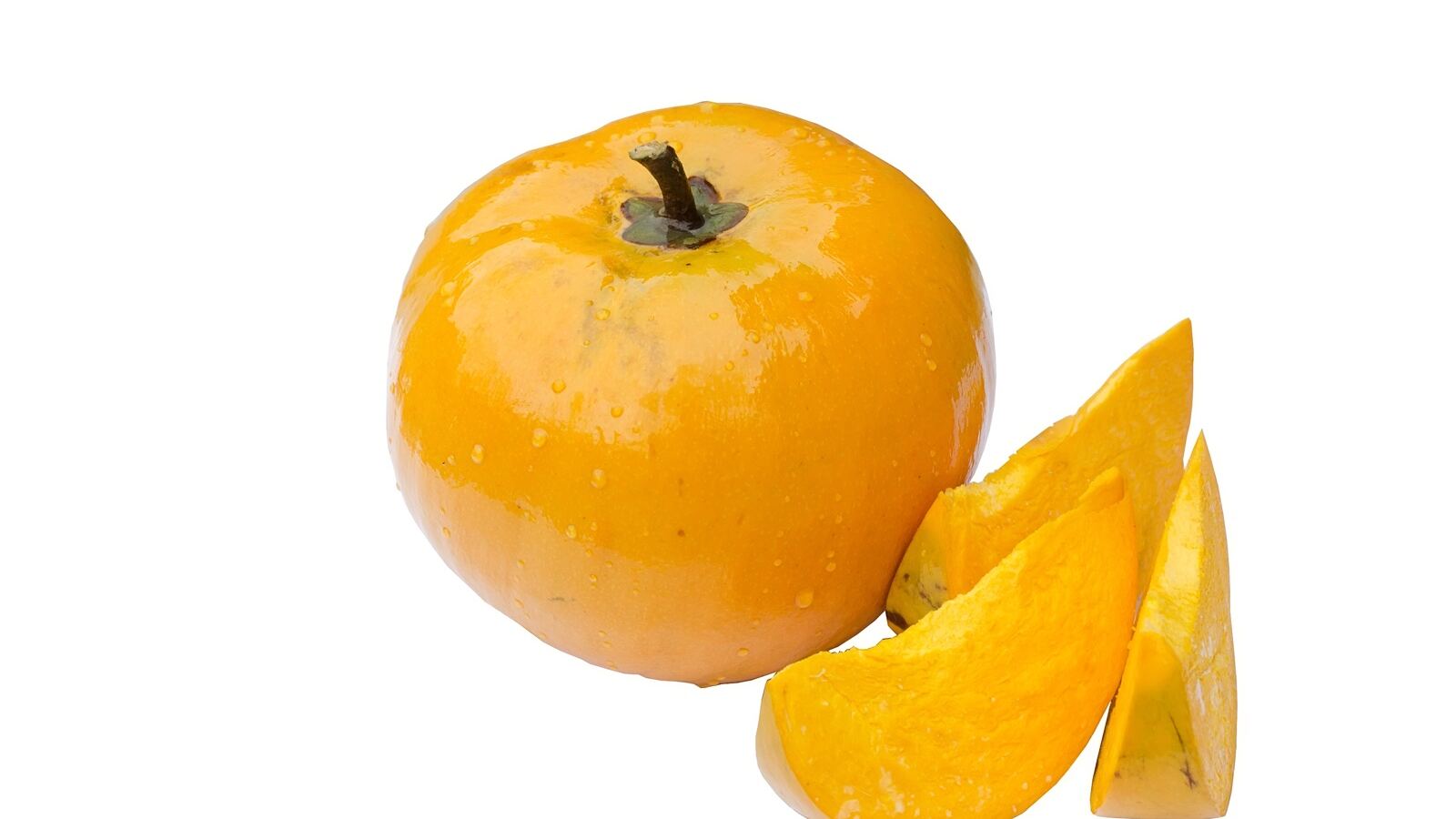
№ 061Canistel and Abiu: The Custard Fruits of the Sapote Family
Two tropical American fruits of the sapodilla family — the canistel, whose dense orange flesh eats like a baked egg-yolk or sweet potato, and the abiu, a golden ball of clear caramel-jelly sweetness.
 № 062
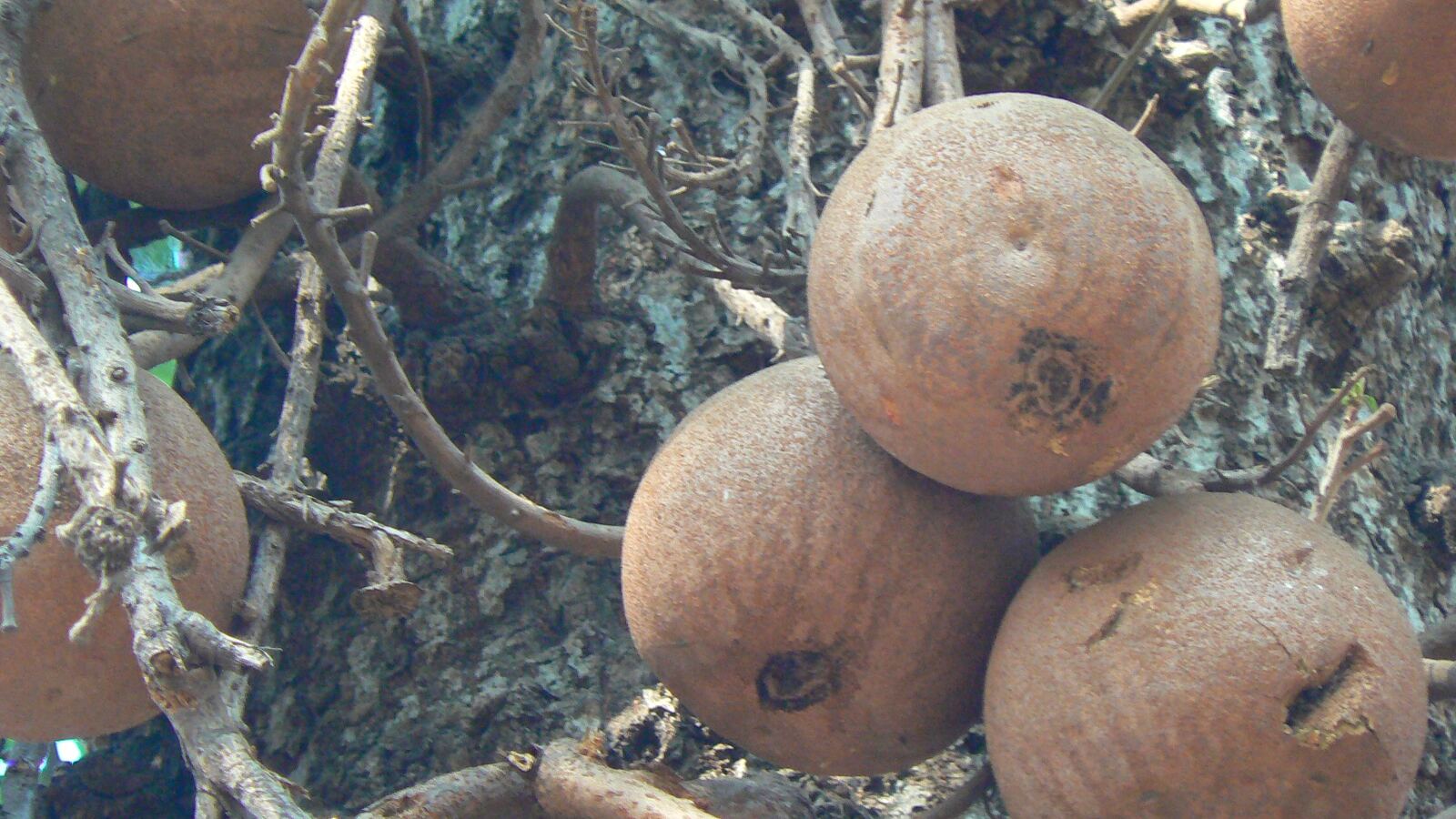
№ 062Cannonball Tree: The Sacred Tree of Trunk-Grown Bombs
A rainforest relative of the brazil nut that flowers in gorgeous fragrant blooms straight from its trunk, then hangs it with huge, heavy, foul-smelling cannonballs — and is revered as sacred in India.
 № 063
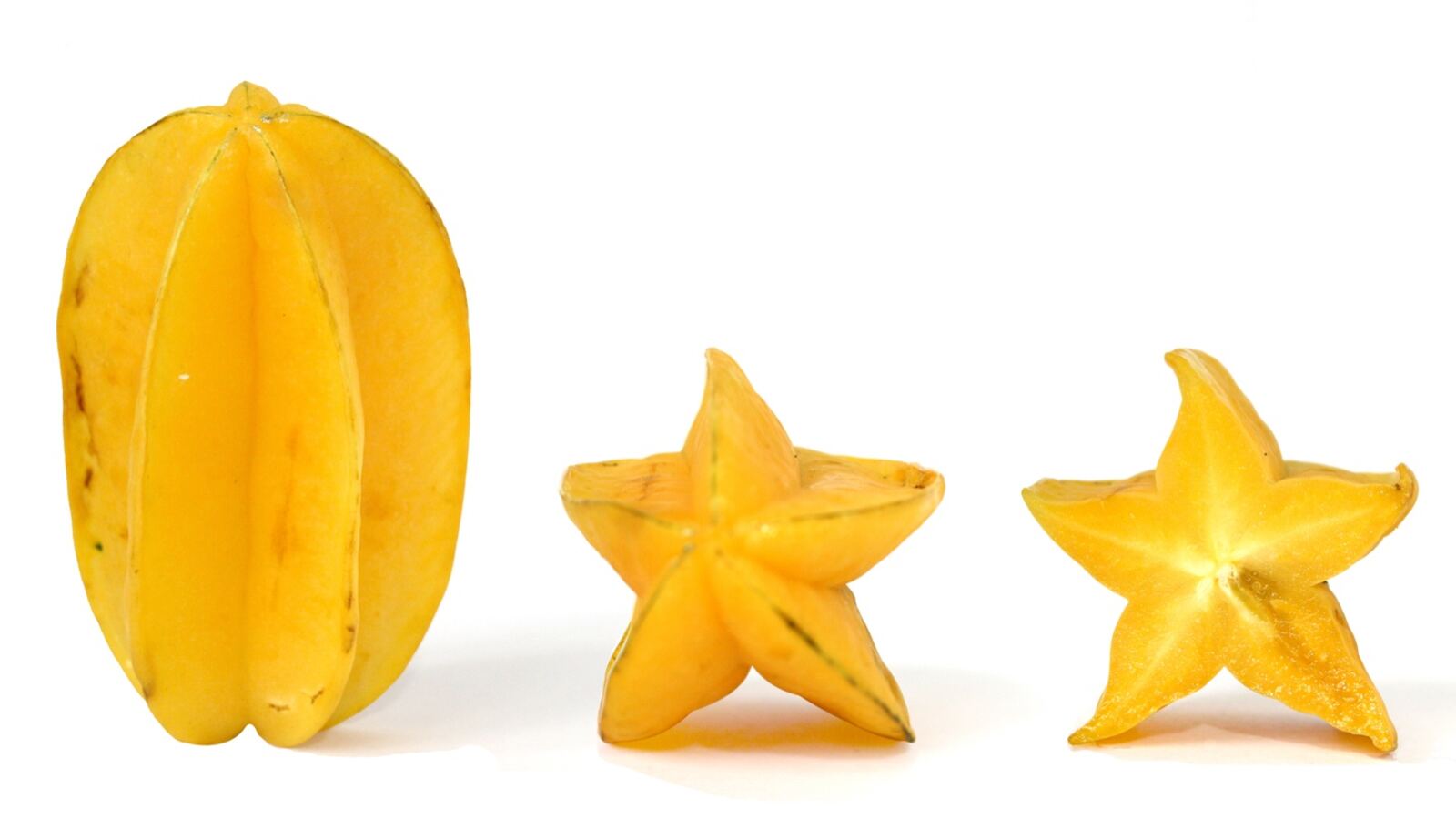
№ 063Carambola: The Star Fruit With a Hidden Danger
A pretty tropical fruit that slices into perfect stars — and carries a neurotoxin that is harmless to most people but can poison, even kill, anyone with kidney disease.
 № 071
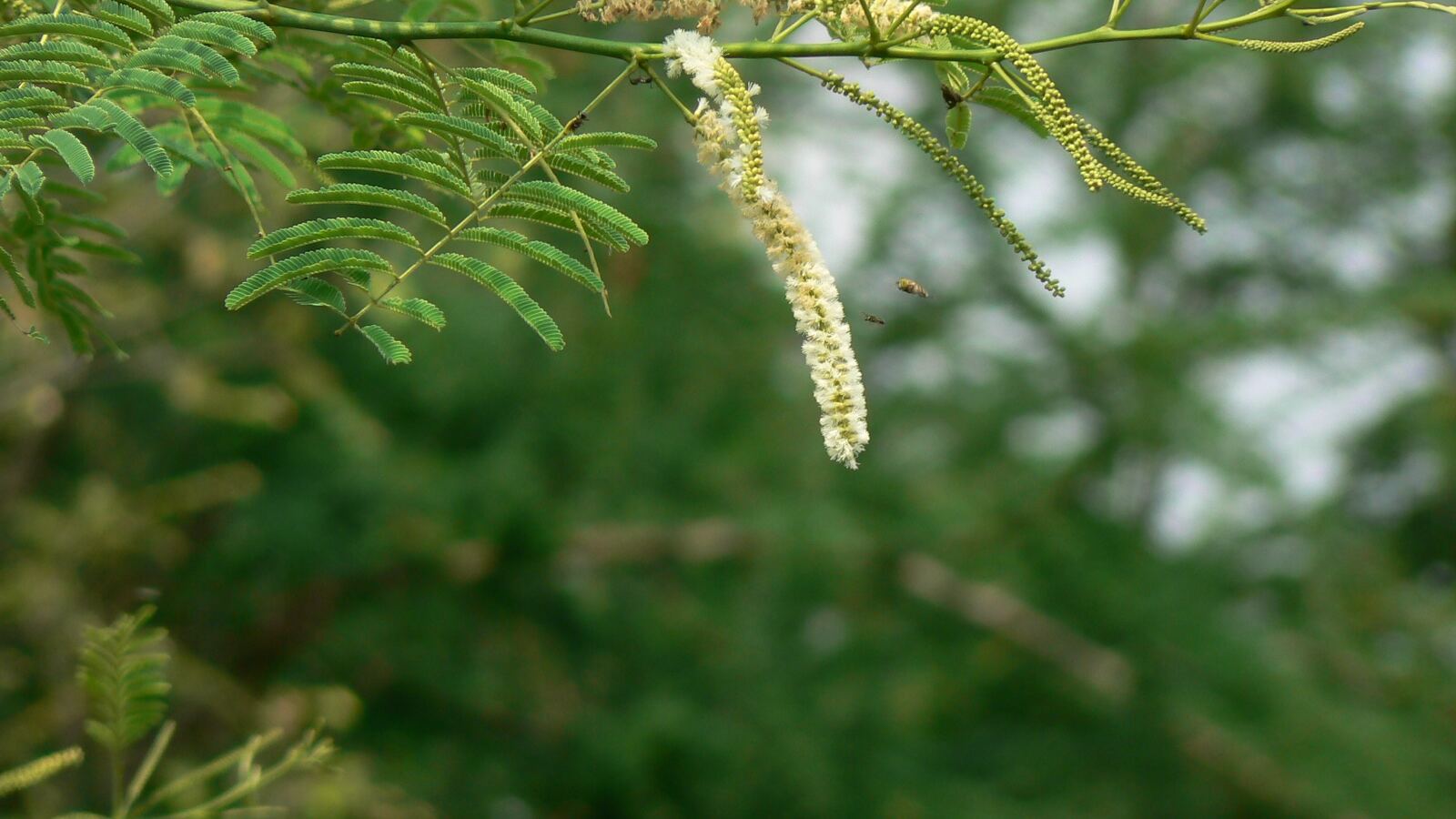
№ 071Catechu: The Thorny Acacia in Every Betel Quid
A thorny Asian acacia boiled down to 'cutch' — the astringent brown extract that reddens the betel quid chewed by hundreds of millions, tanned leather, dyed khaki, and gave chemistry the word 'catechin'.
 № 073
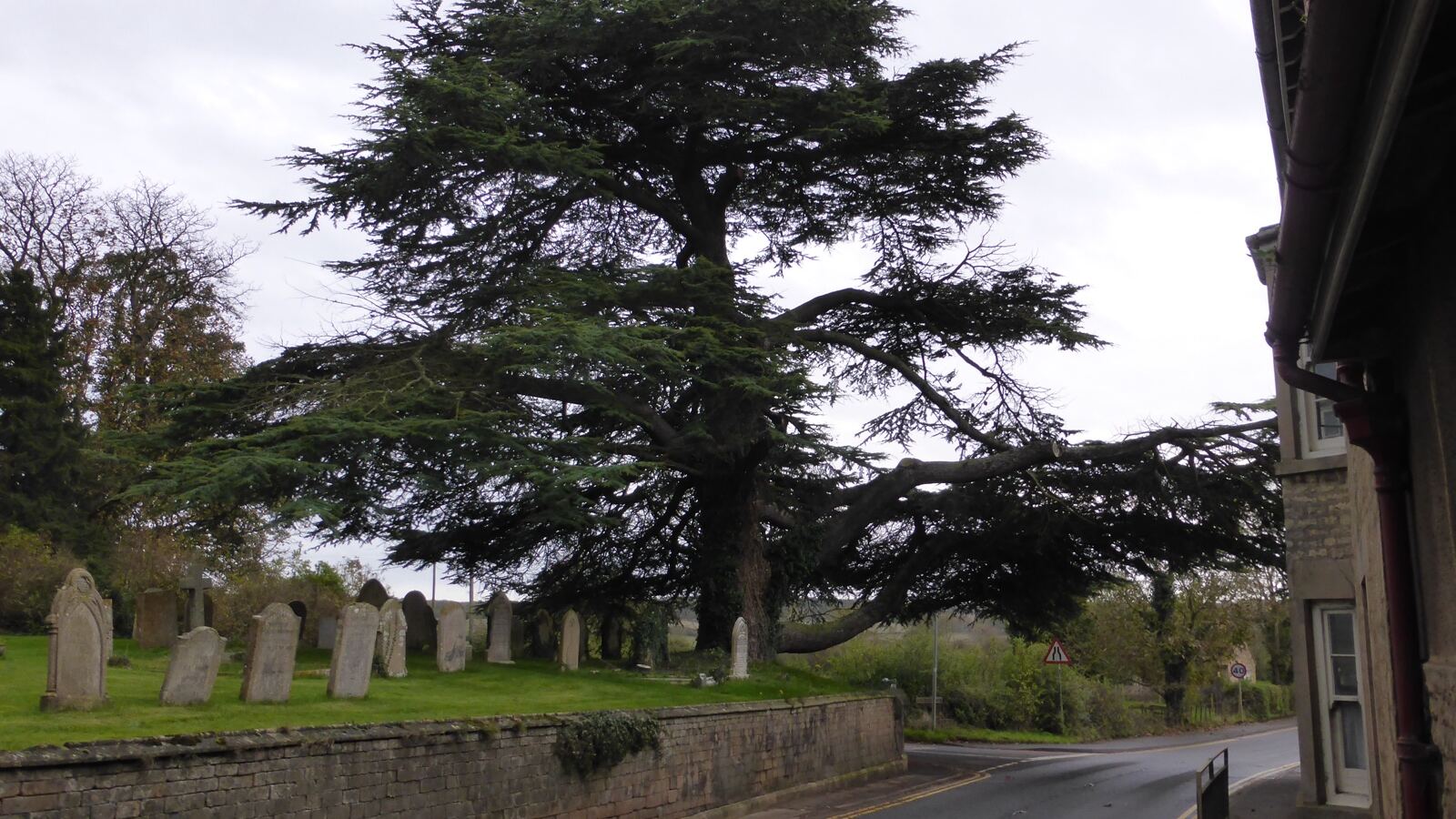
№ 073Cedar of Lebanon: The Tree of Kings and Scripture
The majestic flat-topped cedar that built Solomon's temple and the Phoenician fleets, appears on Lebanon's flag, and whose once-vast forests have been logged for five thousand years down to a few protected groves.
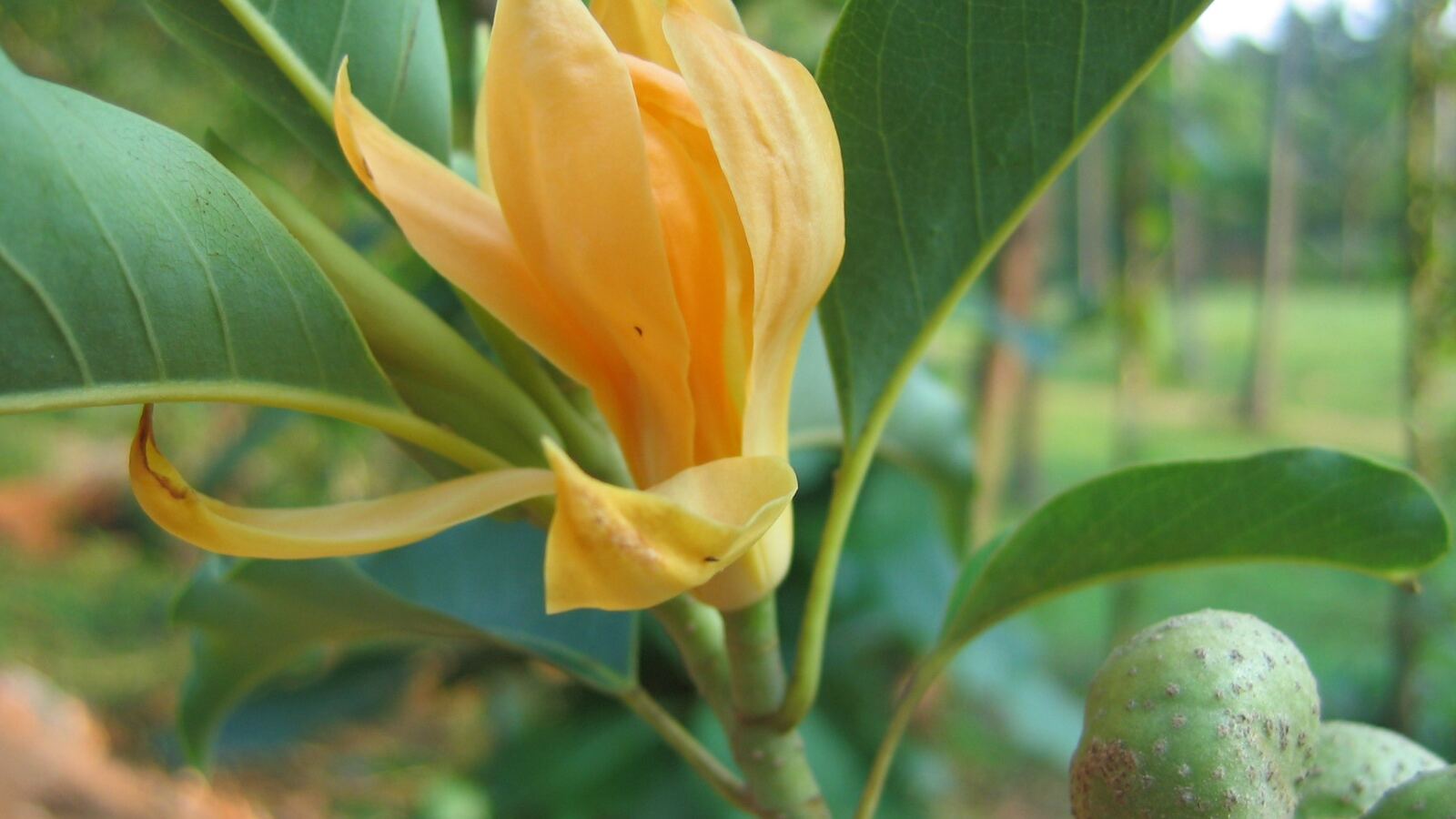 № 077
№ 077Champak: The Golden Magnolia of Temple and Perfume
A tall tropical magnolia whose small golden-orange flowers carry one of the most intoxicating scents in the plant world — sacred across South and Southeast Asia, worn in the hair, offered to the gods, and captured in fine perfume.
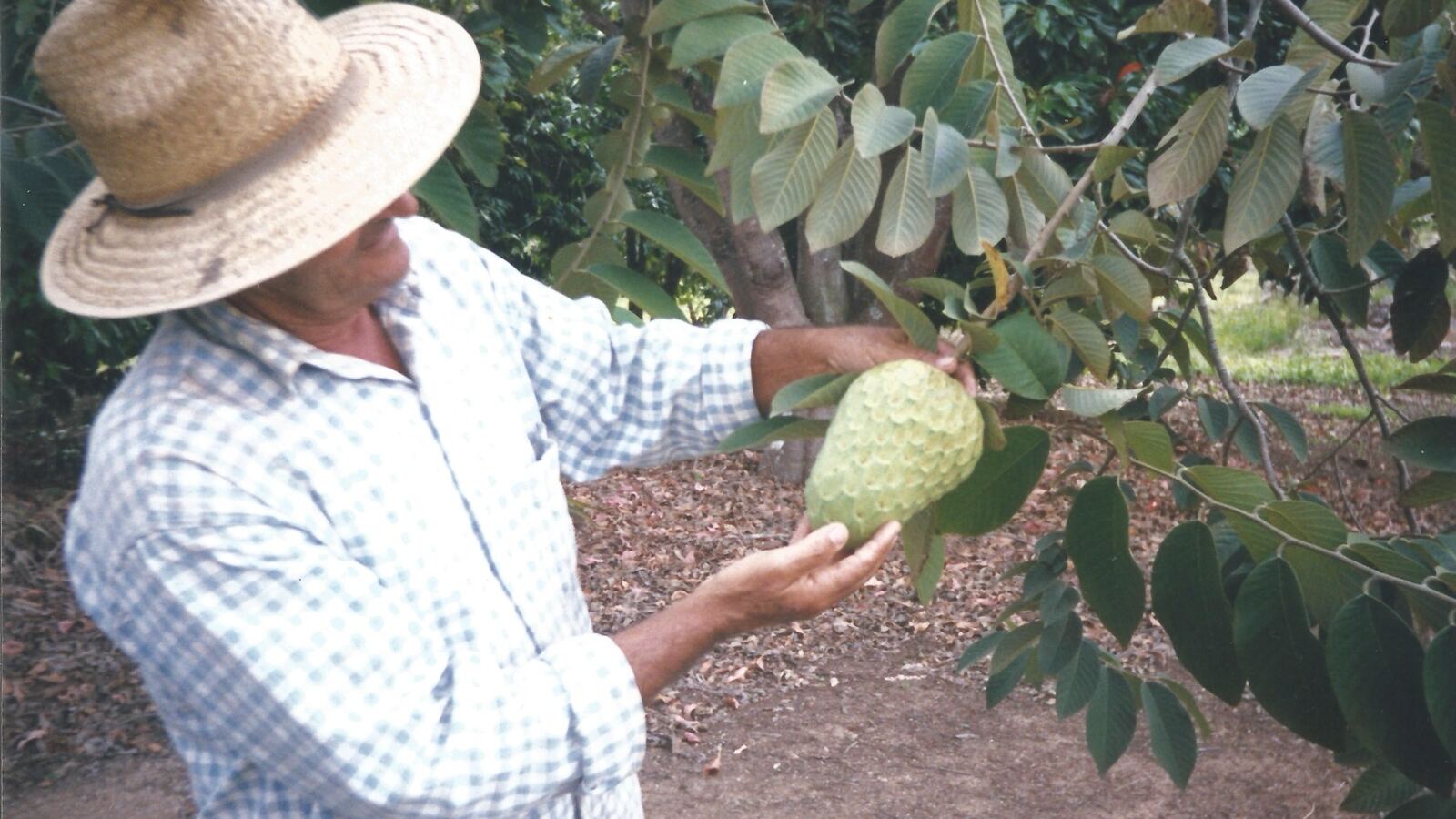 № 079
№ 079Cherimoya and Annonas: The Custard Fruits That Must Be Hand-Pollinated
Soft, creamy tropical fruit — cherimoya, soursop, sugar apple — that Mark Twain called deliciousness itself, relatives of the pawpaw, often pollinated by hand because their beetle is missing.
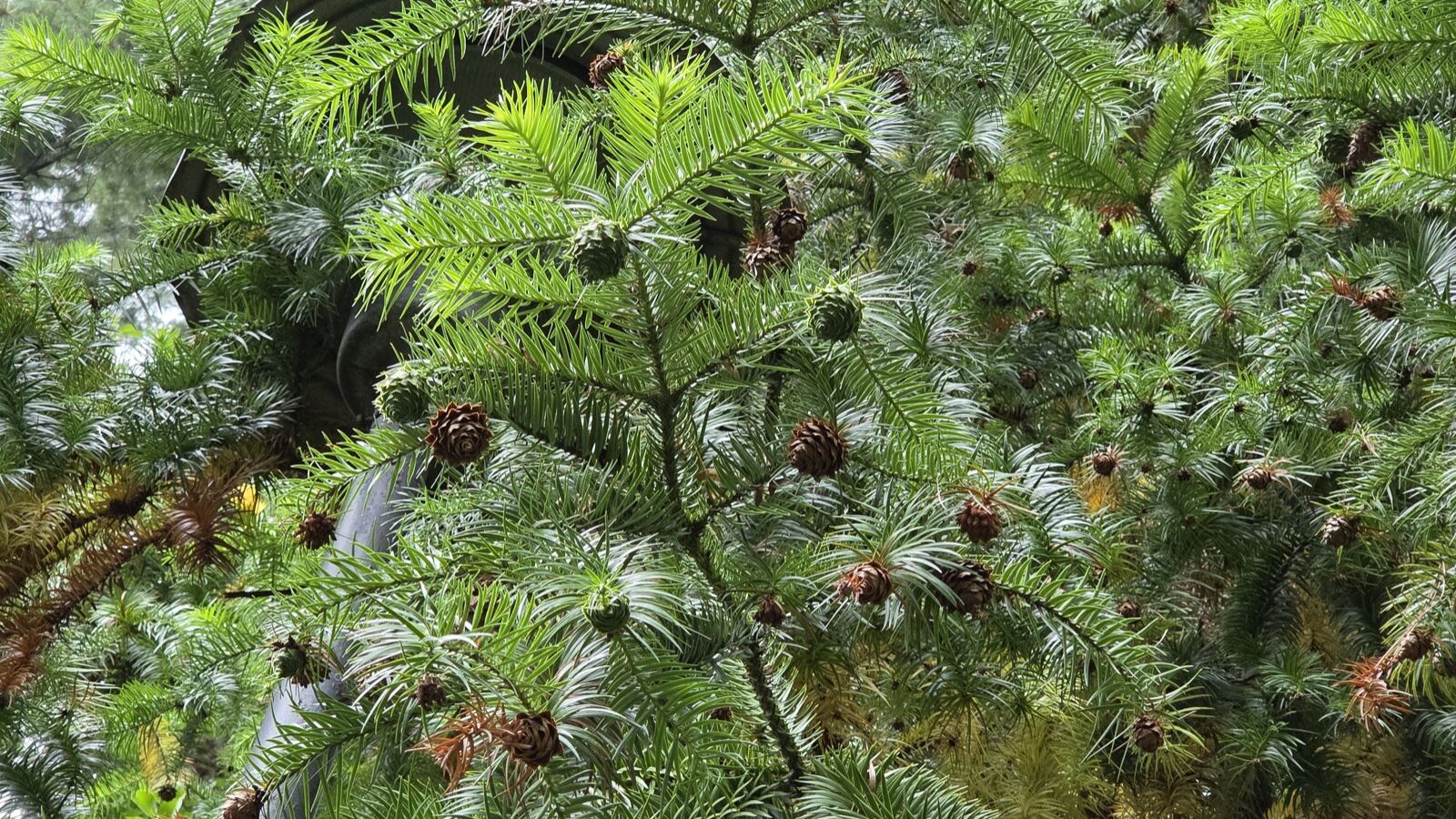 № 081
№ 081China Fir: The Conifer That Regrows From the Stump
A major Chinese timber conifer with broad, sharp, spiralling needles — and the rare distinction, almost unheard of among conifers, of resprouting from the cut stump like a broadleaf, so it can be coppiced.
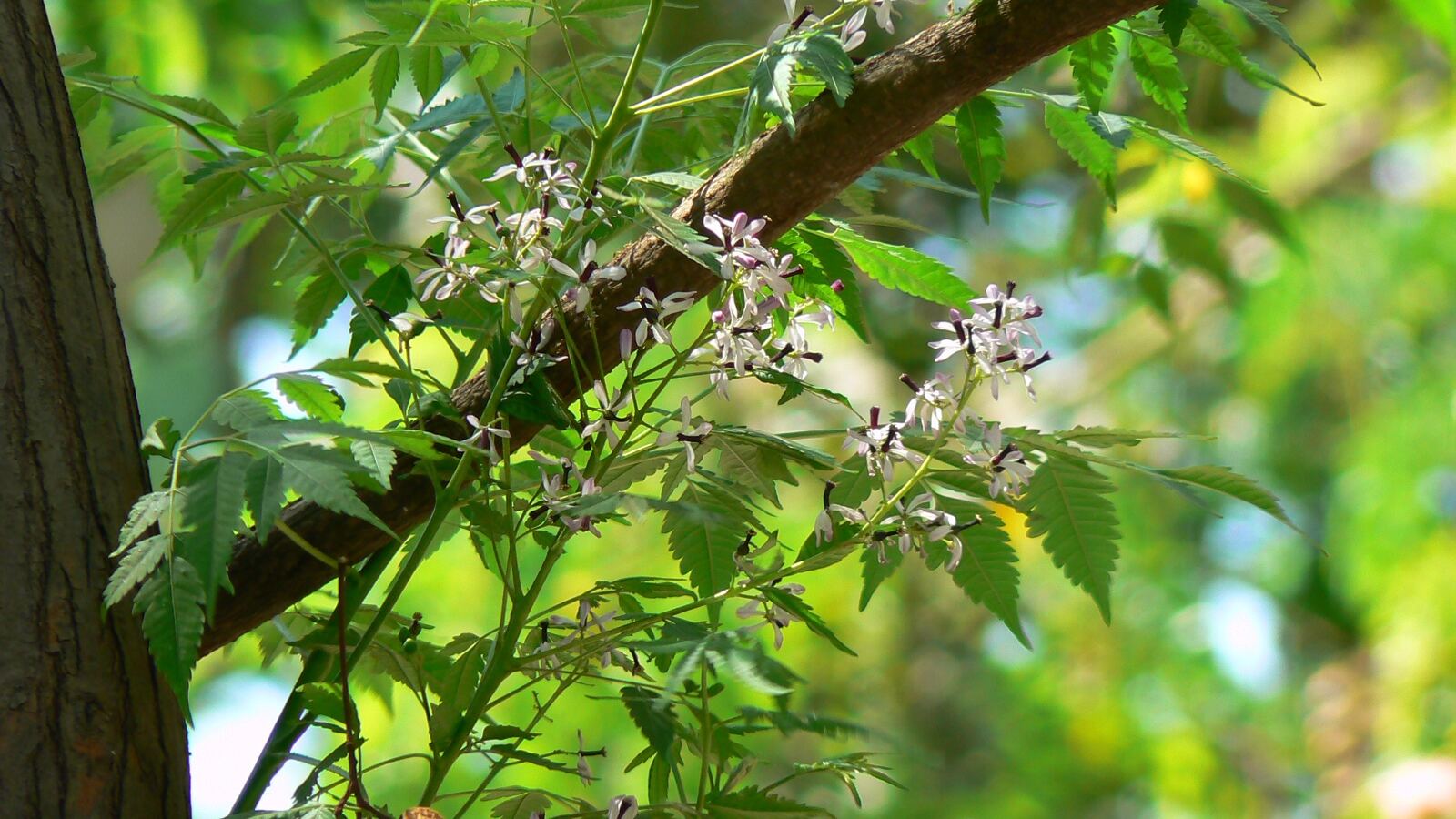 № 082
№ 082Chinaberry: The Bead Tree That Feeds Insects to Nothing
A fast, pretty, lilac-flowered relative of neem — carrying the same natural insecticide, strung into rosary beads for centuries, poisonous to people, and now a widespread invader of warm countrysides.
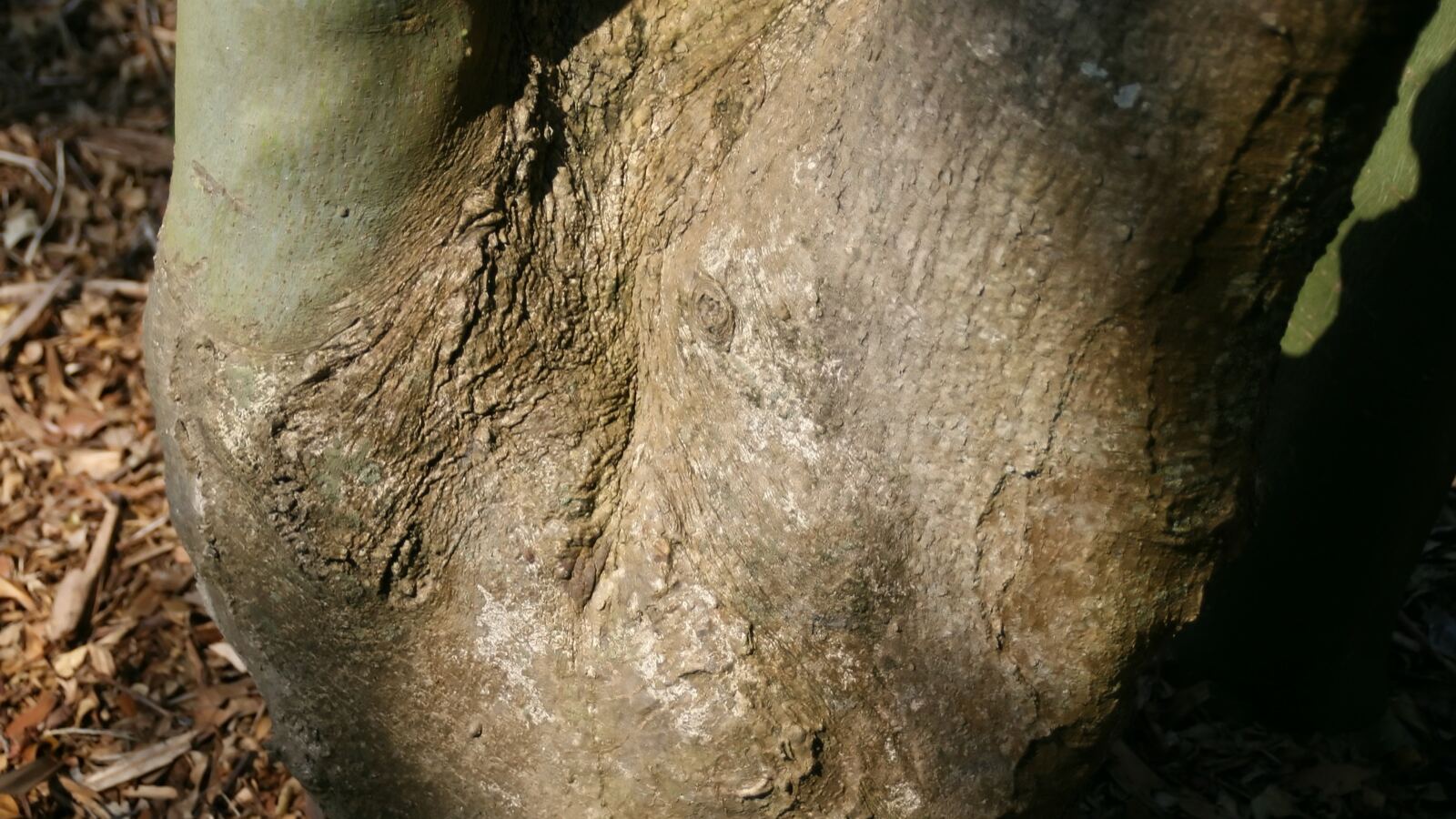 № 083
№ 083Chinese Parasol Tree: The Green-Trunked Perch of the Phoenix
An East Asian tree with a smooth, vivid-green trunk and huge parasol leaves, sacred in Chinese legend as the only tree the phoenix will alight on — bearing curious leafy 'boat' pods, and now an invader of the American South.
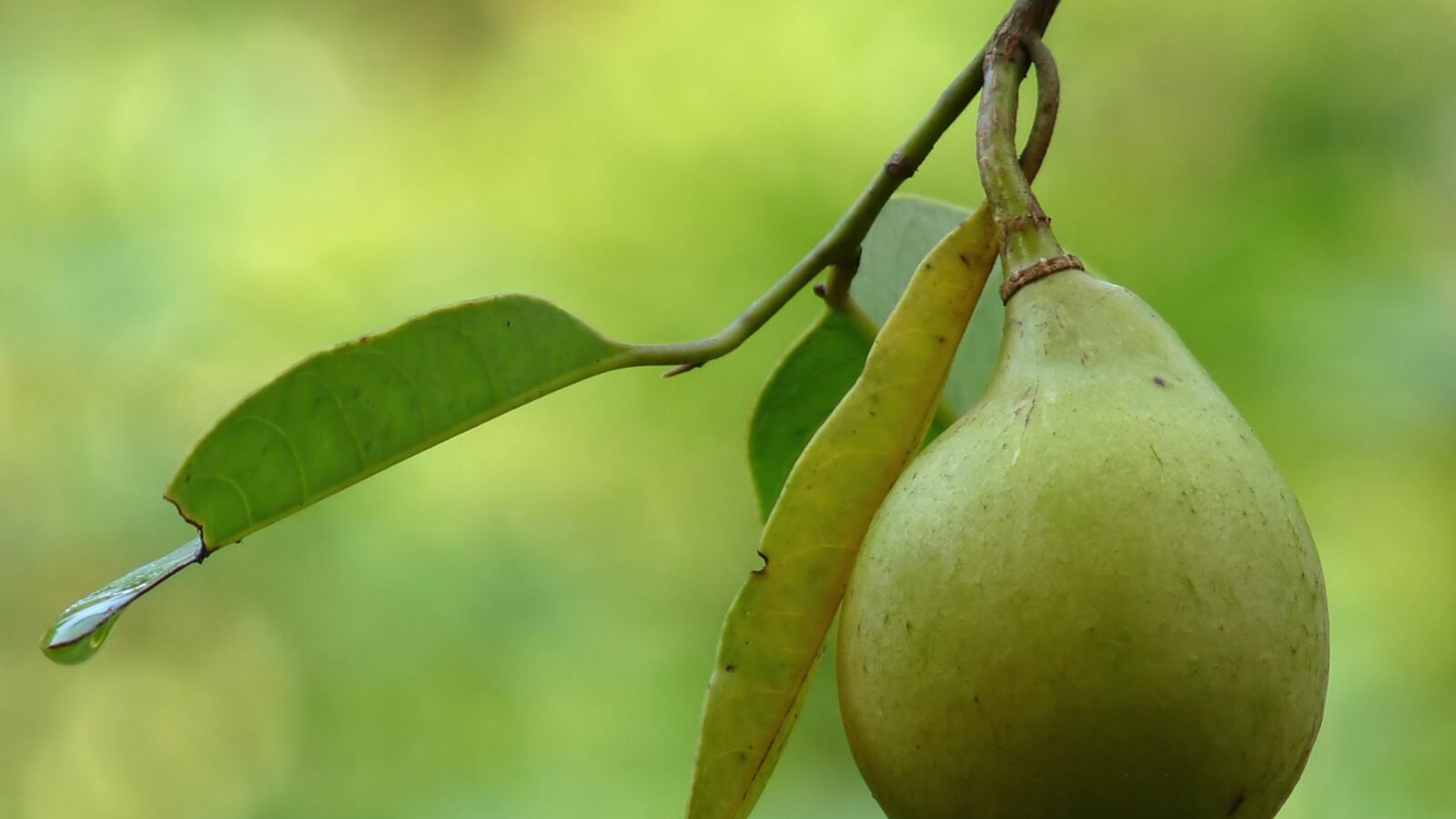 № 089
№ 089Clove, Nutmeg, and Allspice: The Spice Trees Nations Killed For
Tropical evergreens whose dried buds, seeds, and berries were once worth wars and massacres — the two spices from one nutmeg tree, the clove flower never allowed to open, and the New World's answer to them all.
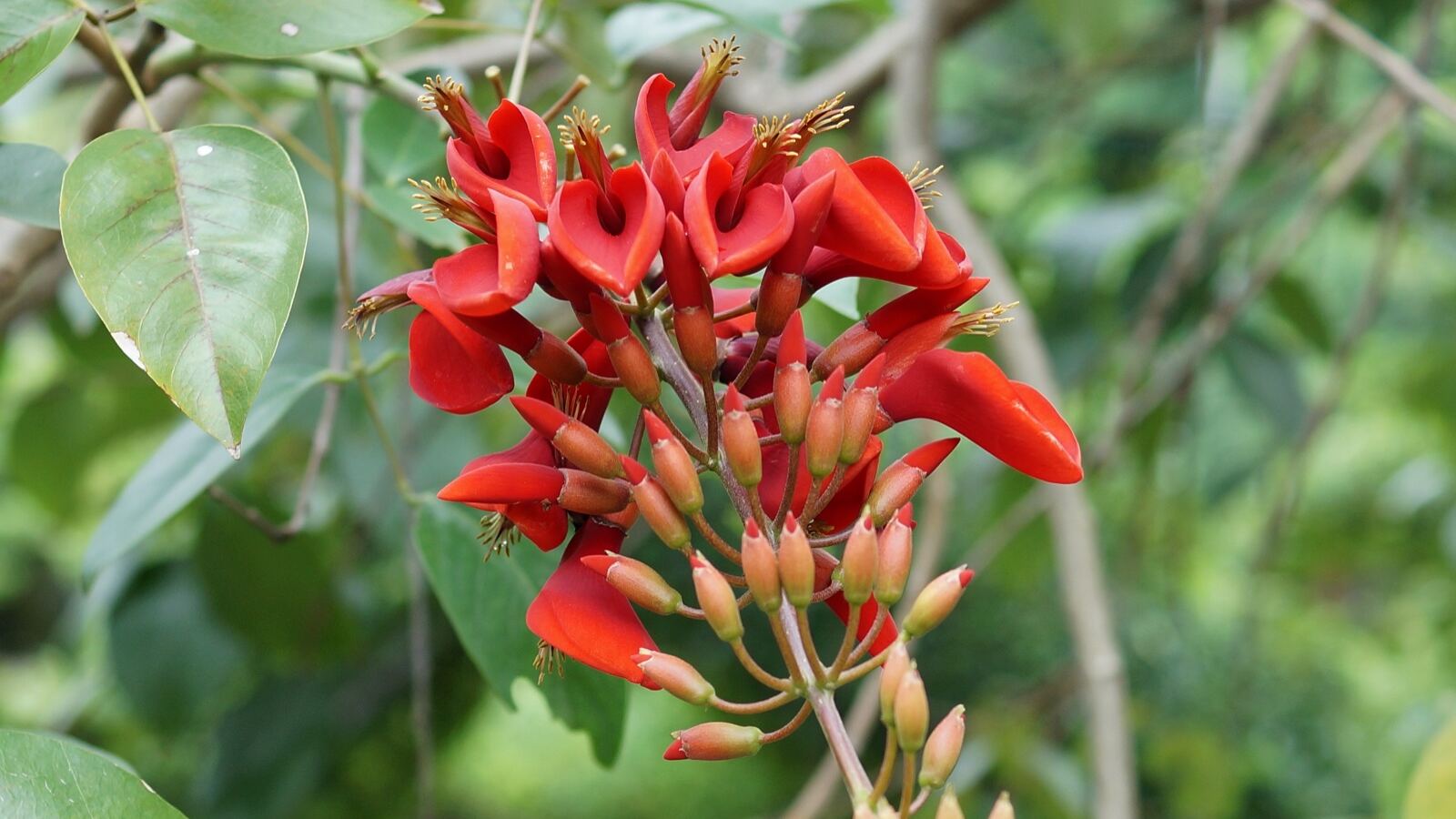 № 104
№ 104Coral Tree: Scarlet Flowers, Living Fences, and Nitrogen for Free
A thorny tropical legume that blazes with red bird-flowers on bare branches, roots from a cut stake to make an instant living fence, fixes nitrogen — and hides toxic seeds.
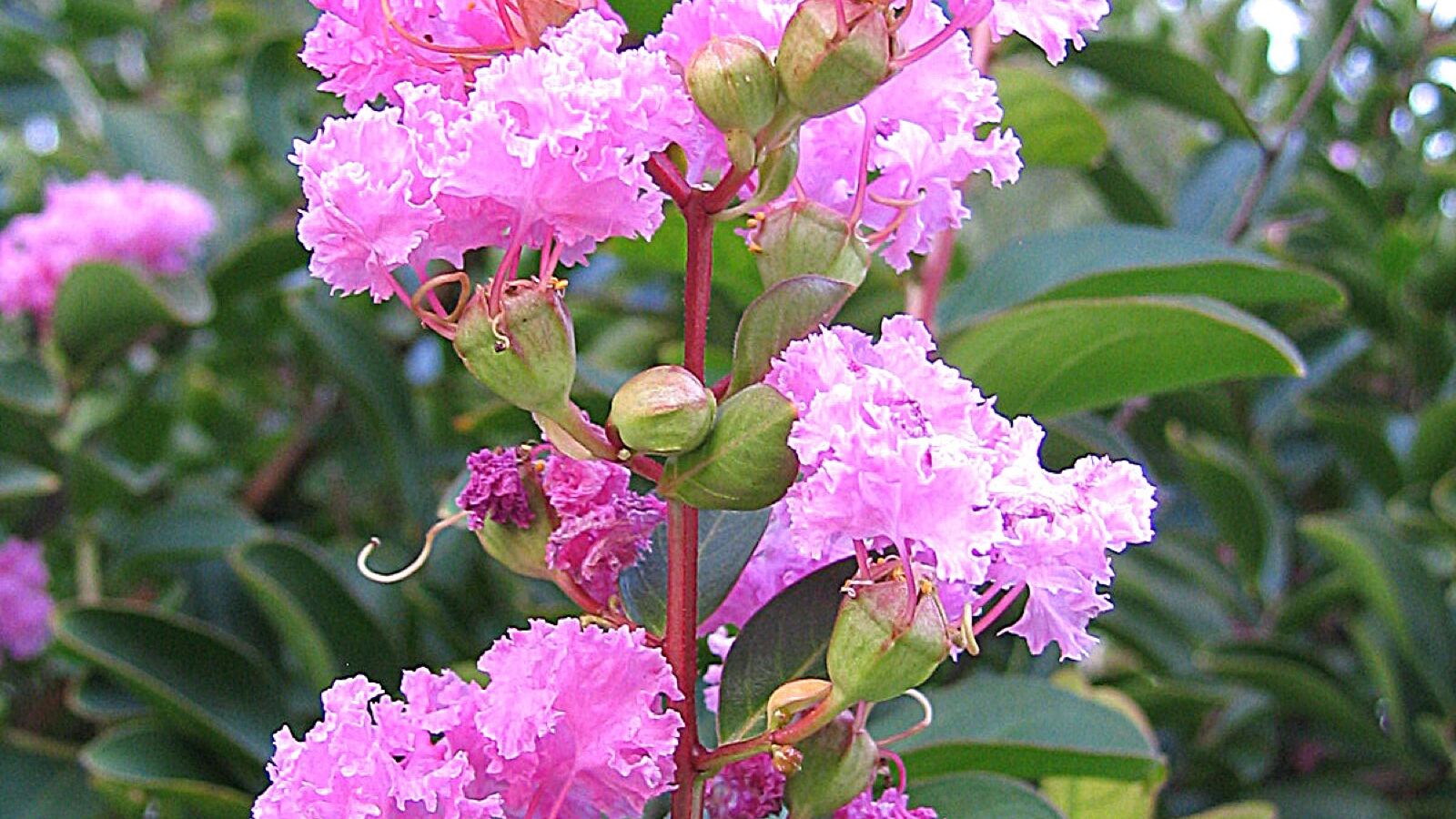 № 109
№ 109Crape Myrtle: A Hundred Days of Bloom and the Crime of Bad Pruning
The signature summer tree of the American South — crinkled crepe-paper flowers for months, sculptural cinnamon bark all winter — and 'crape murder,' the butchering that ruins millions of them.
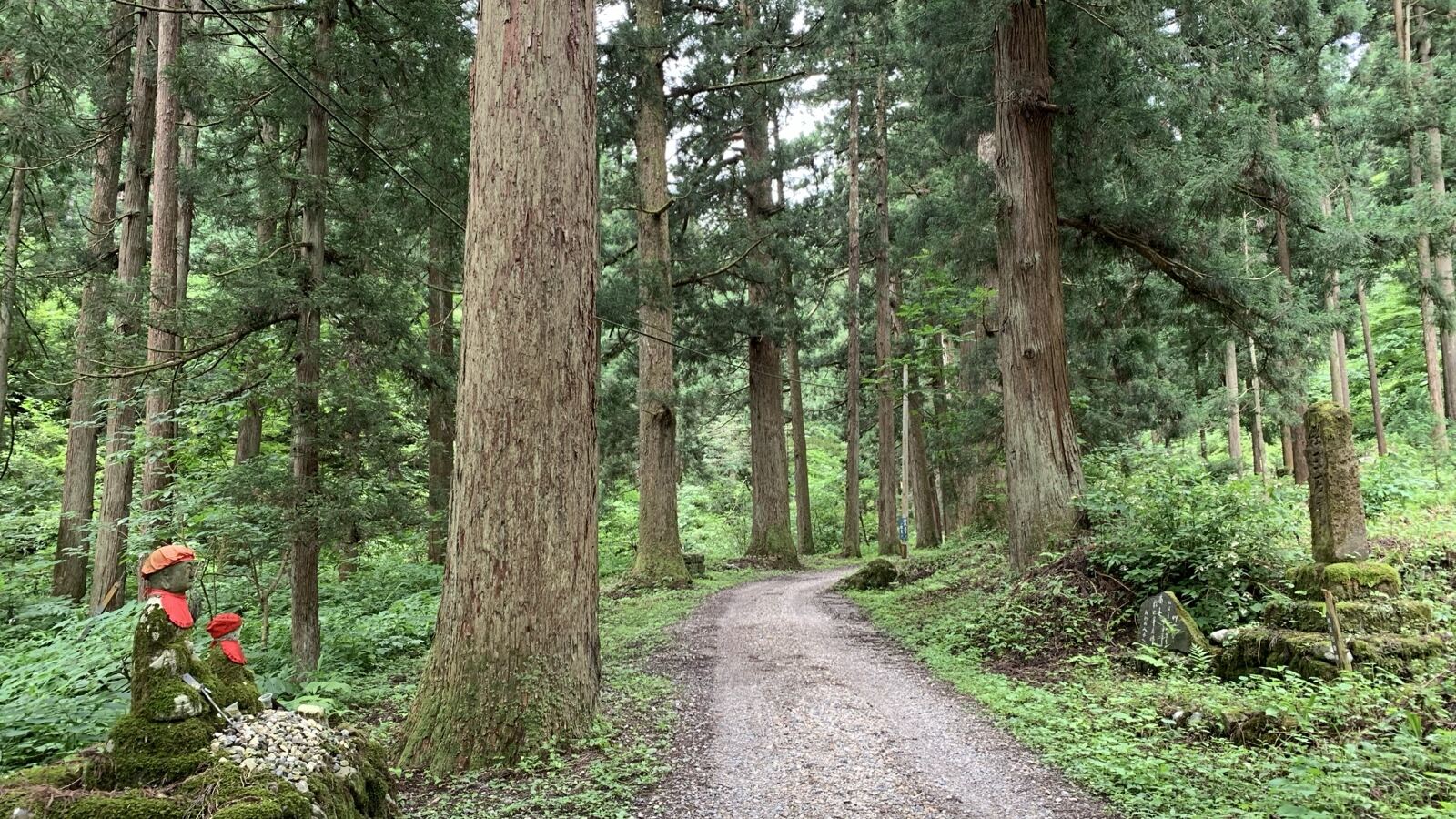 № 111
№ 111Cryptomeria: Japan's Sacred Cedar and Its Pollen Problem
The towering national tree of Japan — the sugi — lining the avenues of shrines, reaching thousands of years old on Yakushima, planted across the country for timber, and now the cause of a nationwide hay-fever epidemic.
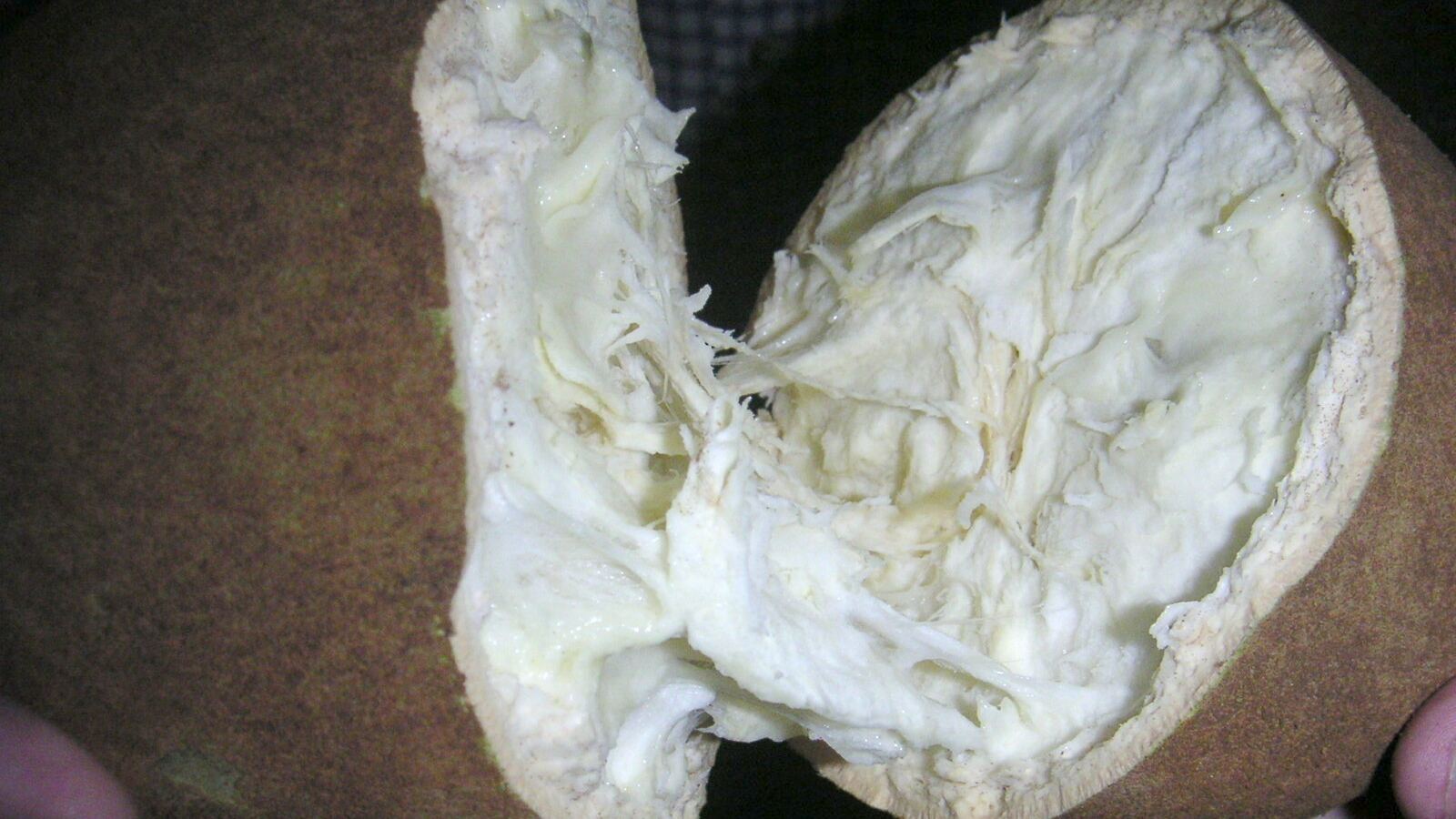 № 114
№ 114Cupuaçu: Cacao's Amazonian Cousin
A close relative of the cacao tree whose large brown pods hold a fragrant, creamy white pulp beloved across the Amazon — eaten as fruit and pressed into 'cupulate', a chocolate made without cocoa.
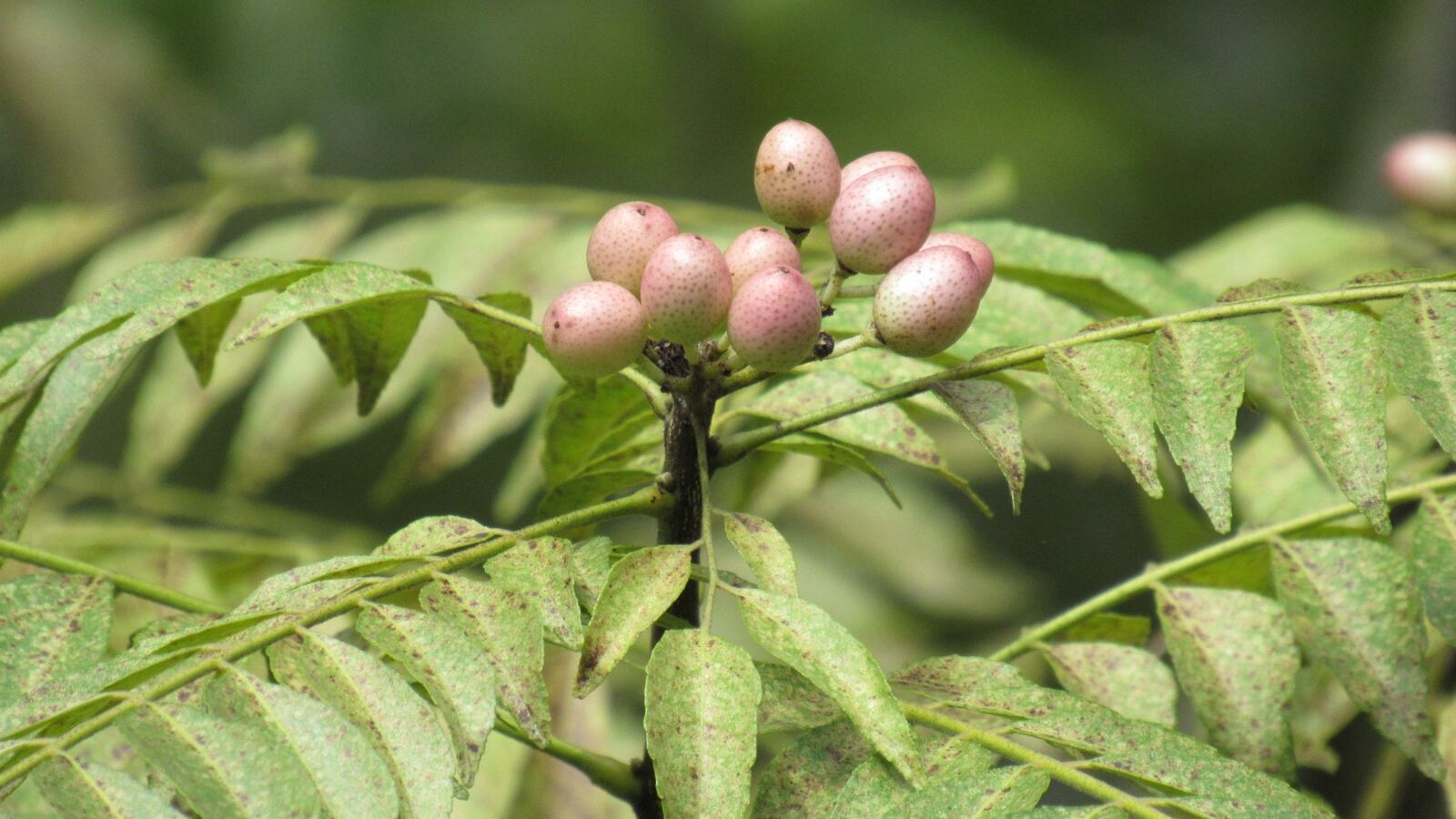 № 116
№ 116Curry Tree: The Leaf That Flavours a Subcontinent
A small citrus-family tree whose intensely aromatic leaves are indispensable to South Indian cooking — fried whole to release their scent, best used fresh, and easy to grow in a pot on a windowsill.
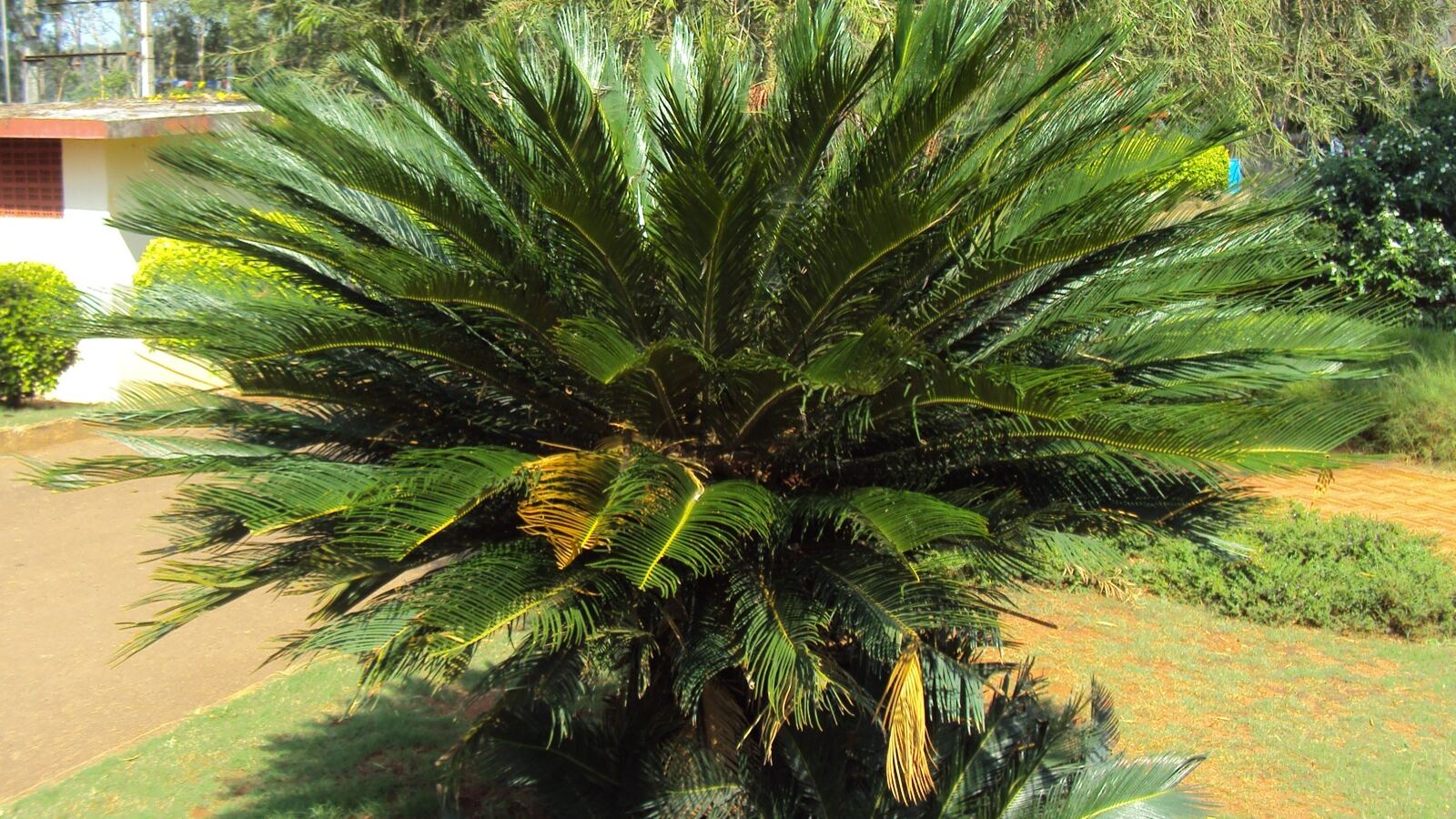 № 117
№ 117Cycads: Living Fossils That Grow Their Own Fertiliser
Ancient seed plants that look like palms but predate the dinosaurs, host nitrogen-fixing bacteria in special upward-growing roots, guard toxic seeds — and are among the most trafficked plants on Earth.
 № 120
№ 120Davidson Plum: The Sour Rainforest Plum on the Trunk
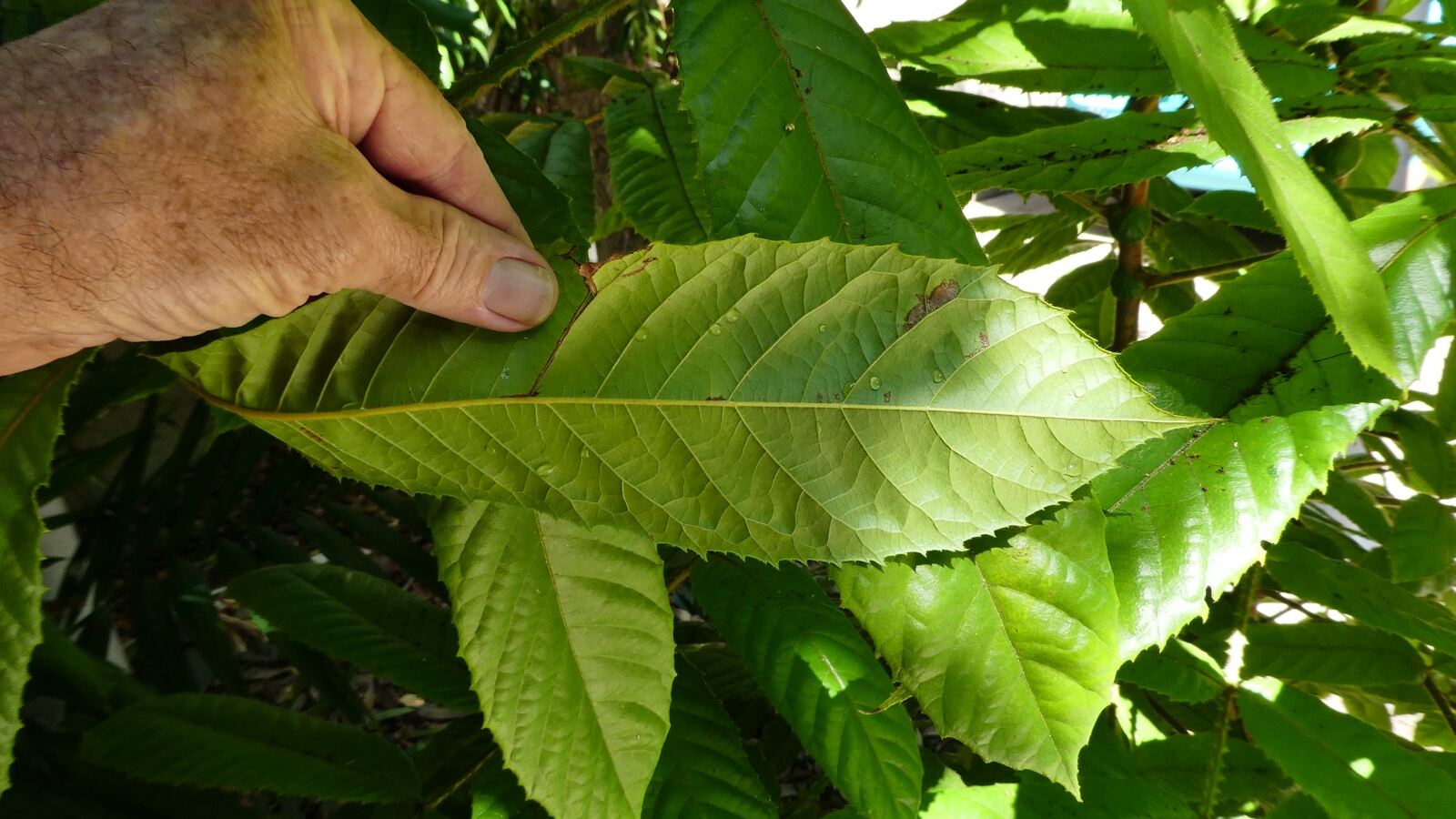
An Australian rainforest tree that hangs deep-purple, intensely sour plum-like fruit directly from its slender trunk — not a true plum at all, but a prized bush food for jams, sauces, and a striking magenta wine.
 № 126
№ 126Desert Date: The Thorny Tree That Fights a Disease in the Water
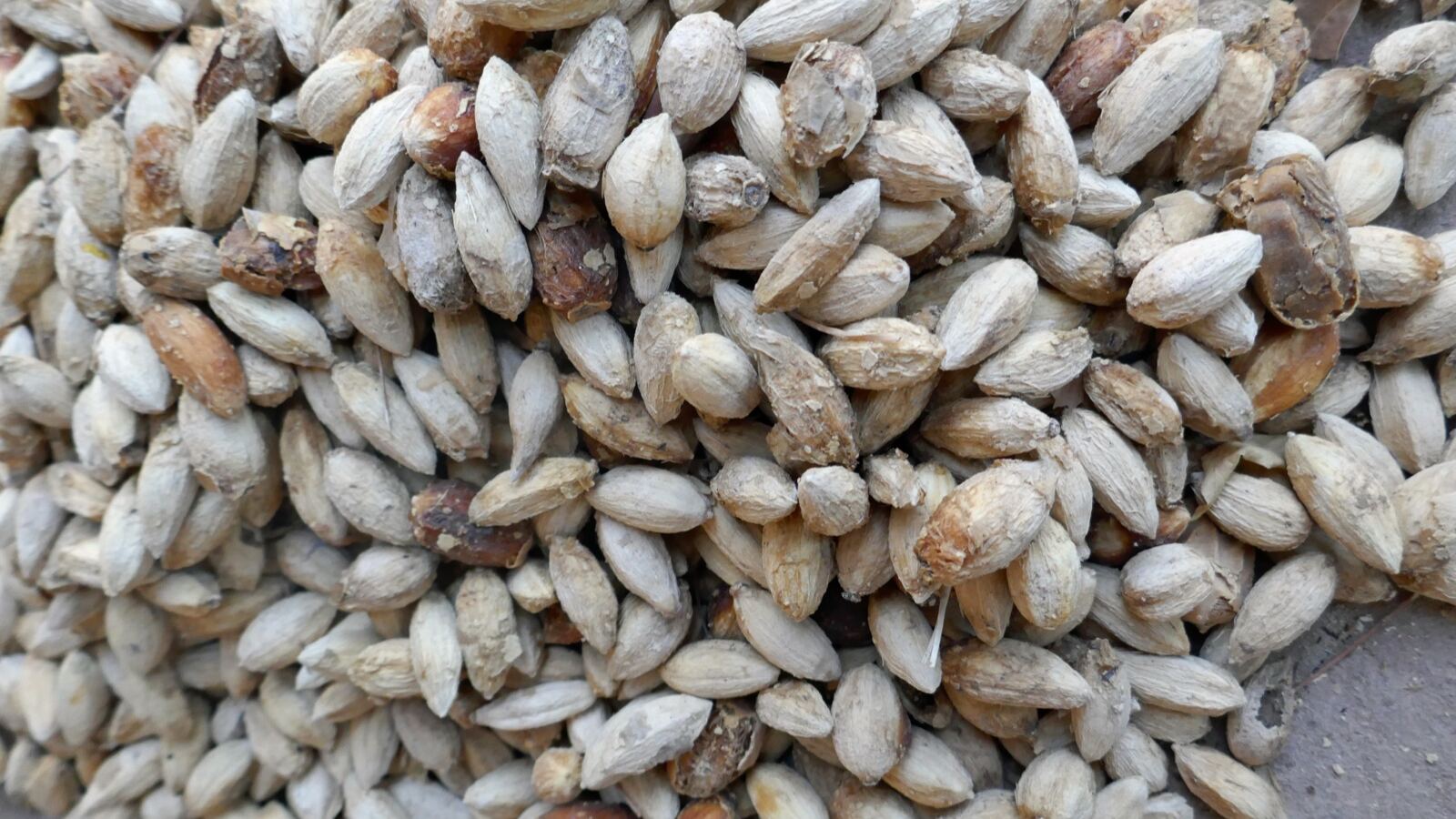
A spiny, drought-proof tree of the Sahel whose bitter-sweet 'date' feeds the dry country, whose seeds press a fine oil — and whose fruit, dropped in water, kills the snails that carry one of Africa's great parasitic diseases.
 № 127
№ 127Desert Ironwood: The Nurse Tree With Wood That Sinks
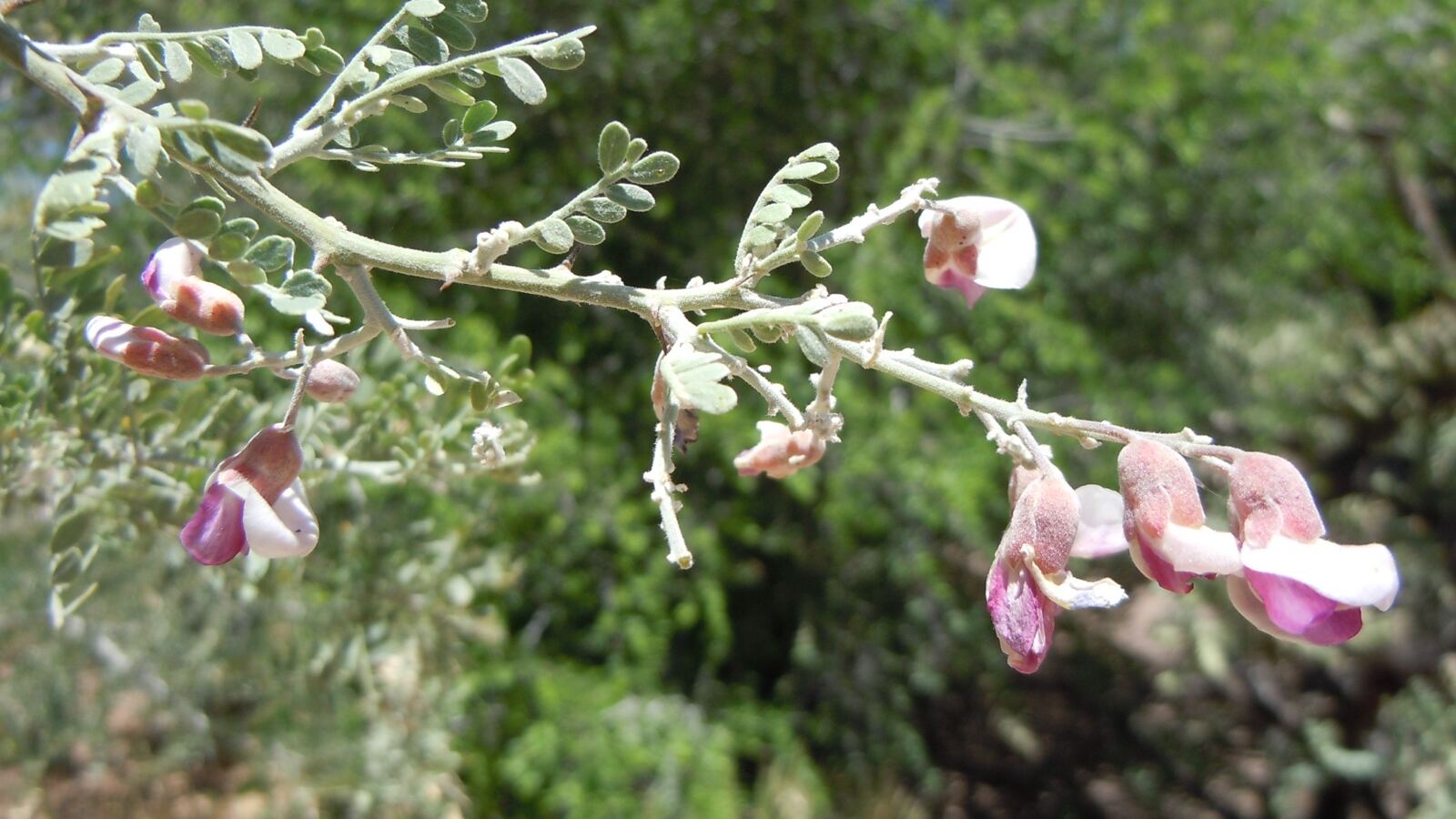
A slow Sonoran Desert legume that fixes nitrogen, shelters the desert's seedlings under its canopy, lives over a thousand years, and grows wood so dense it sinks — carved into art and, illegally, into charcoal.
 № 128
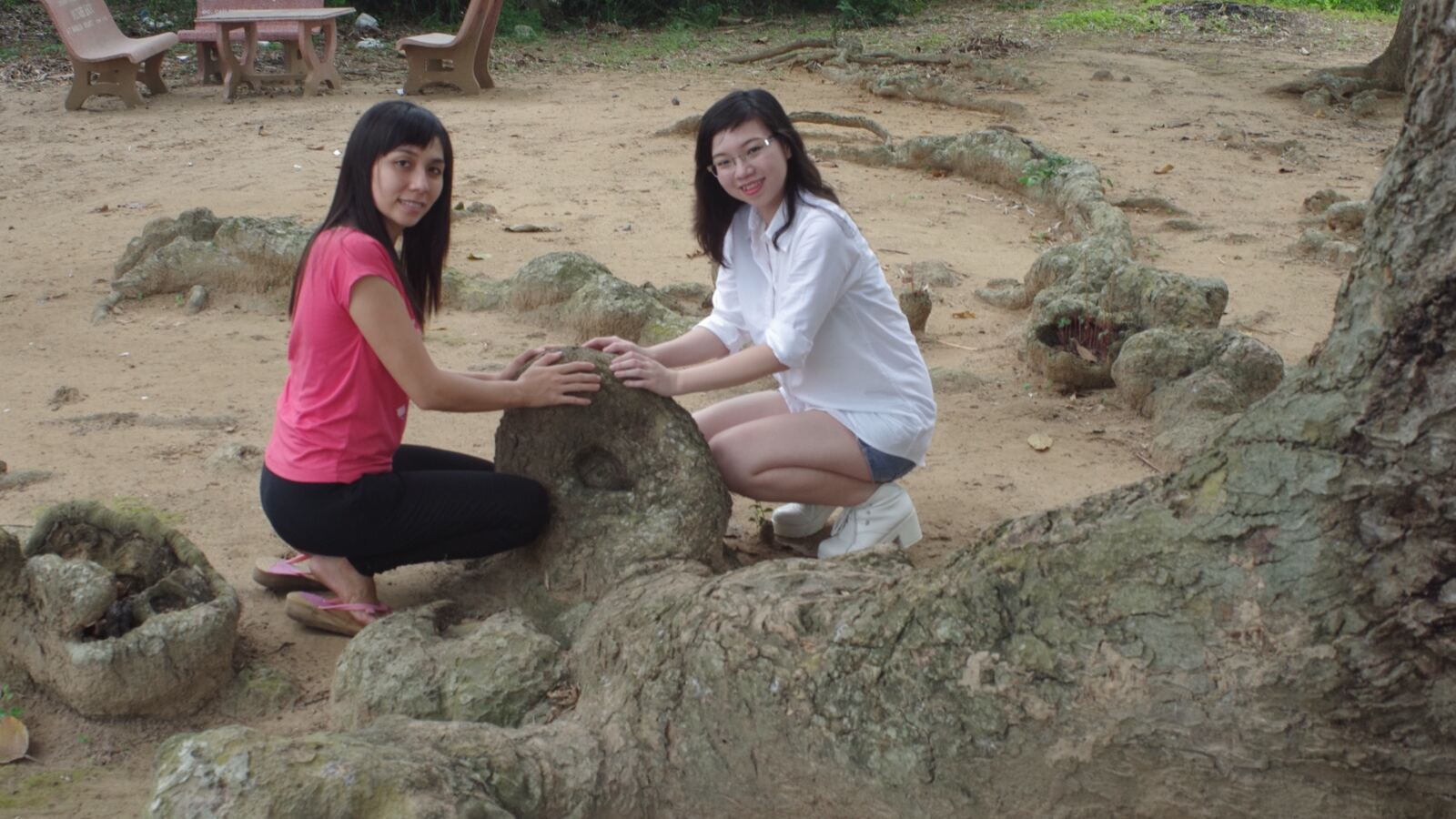
№ 128Devil's Walking Stick: The Spiny Giant-Leaved Aralia
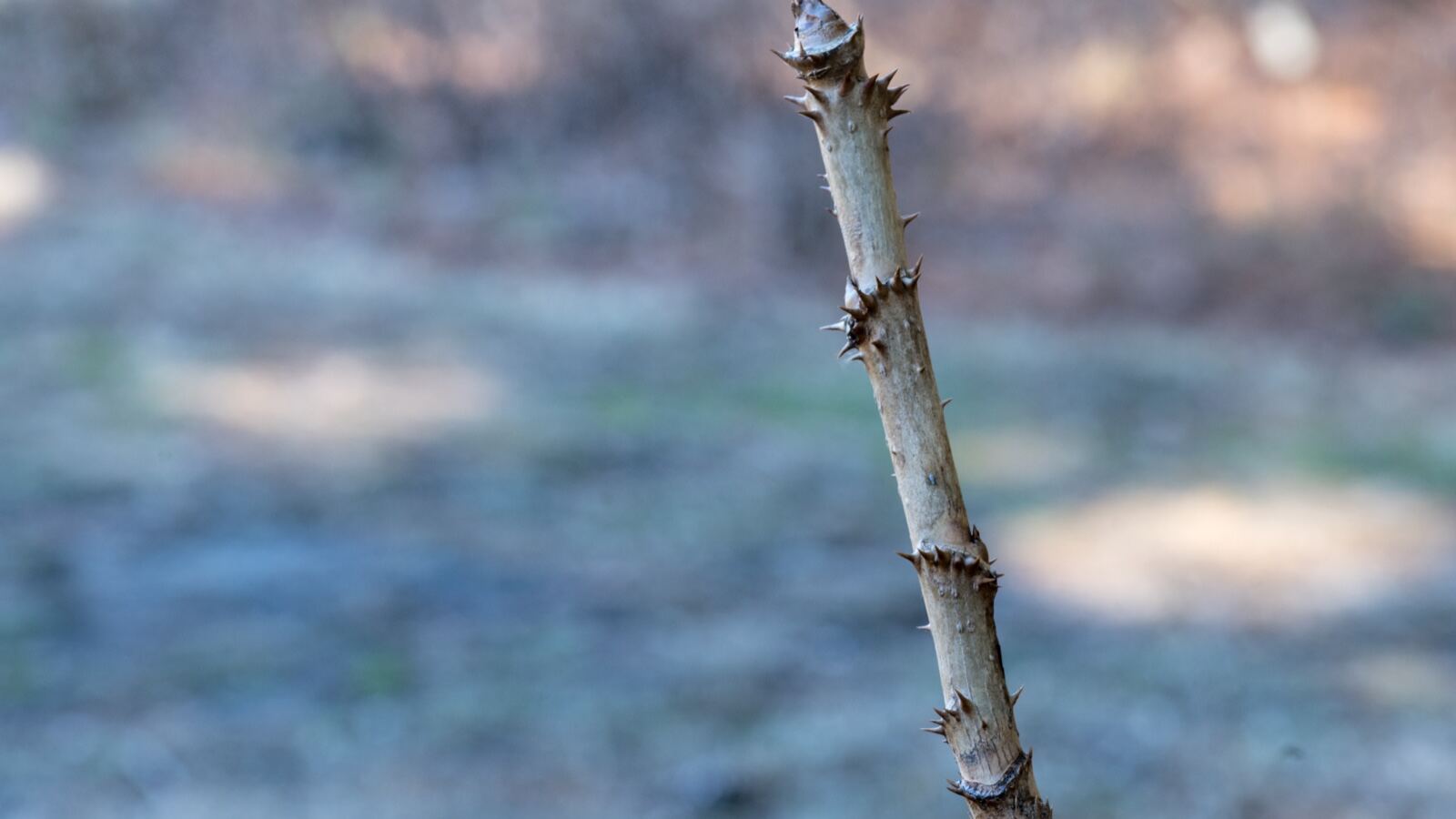
A native American tree armed with vicious spines from root to tip, carrying some of the largest leaves of any temperate tree, and topped in late summer with vast frothy flower heads alive with pollinators.
 № 130
№ 130Dipterocarps: The Two-Winged Giants That Rule the Rainforest
The towering trees that dominate the forests of Southeast Asia, flower en masse only once every few years at a drought's signal, spin their seeds down on paired wings — and supply most of the world's tropical plywood.
 № 134
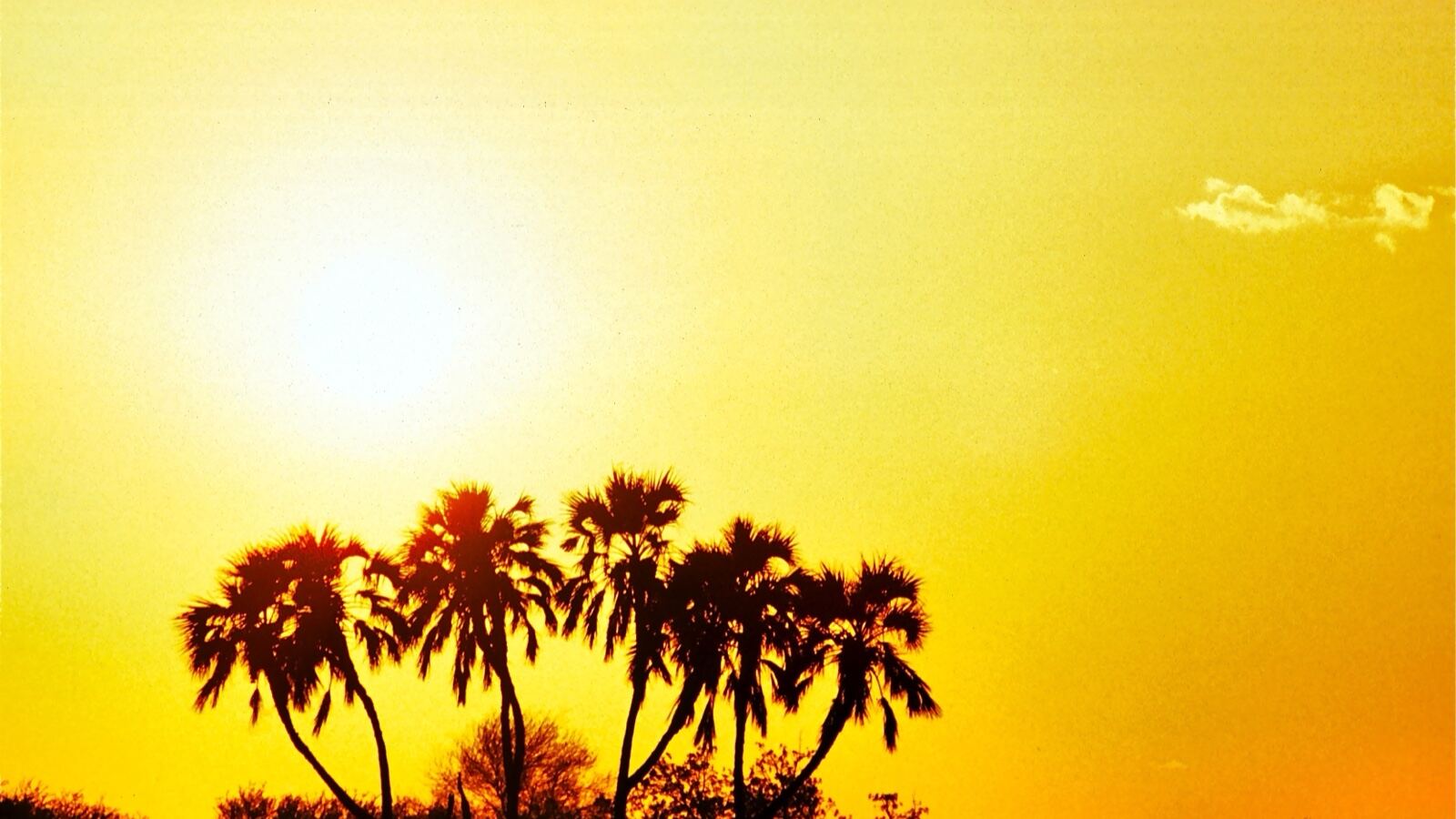
№ 134Doum and Palmyra: The Fan Palms of the Dry Tropics
Two tough fan palms of hot dry country — the doum, the rare palm that forks its trunk, with gingerbread-flavoured fruit, and the palmyra, the 'tree of a thousand uses' tapped for sugar and revered in Tamil culture.
 № 135
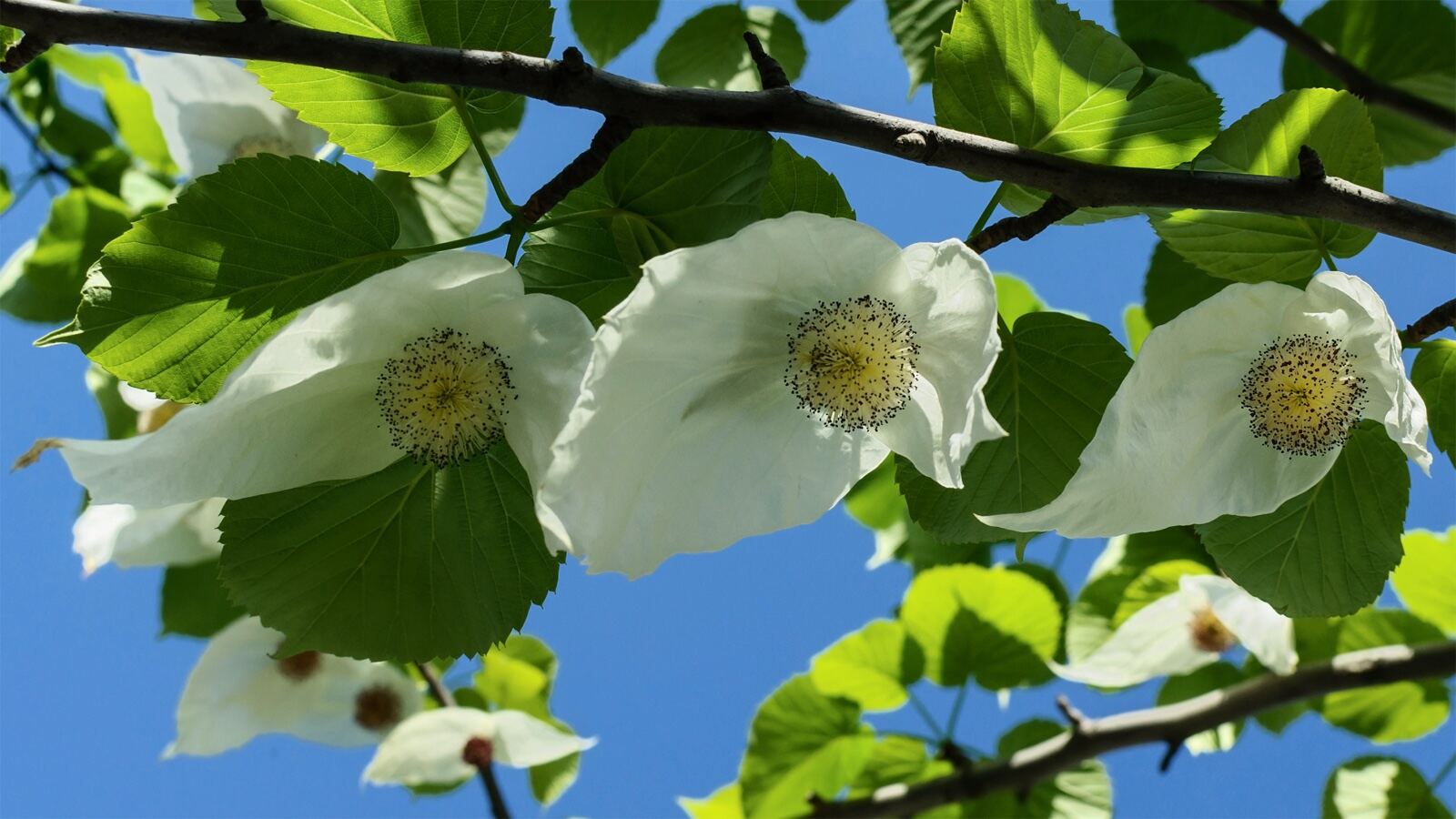
№ 135Dove Tree: The Handkerchief Tree a Plant-Hunter Nearly Died For
A Chinese tree that hangs itself with great white bracts like fluttering handkerchiefs or doves — the object of one of the most famous and calamitous plant-hunting expeditions ever mounted.
 № 136
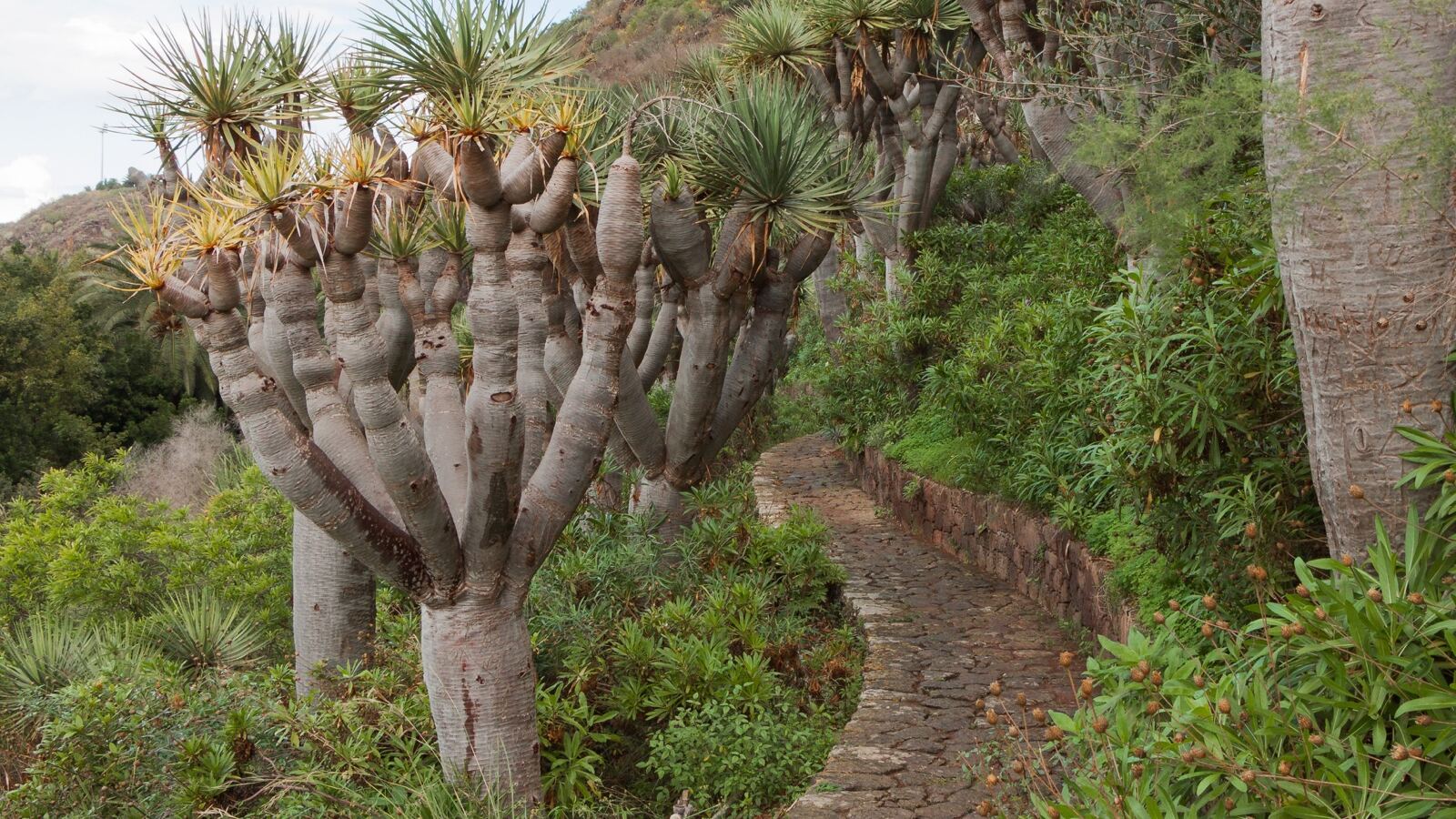
№ 136Dragon Tree: The Umbrella of Red-Sapped Branches
An outlandish monocot 'tree' that bleeds red resin, grows by splitting into ever-more umbrella branches, lives for centuries on desert islands — and can barely reproduce in the wild anymore.
 № 145
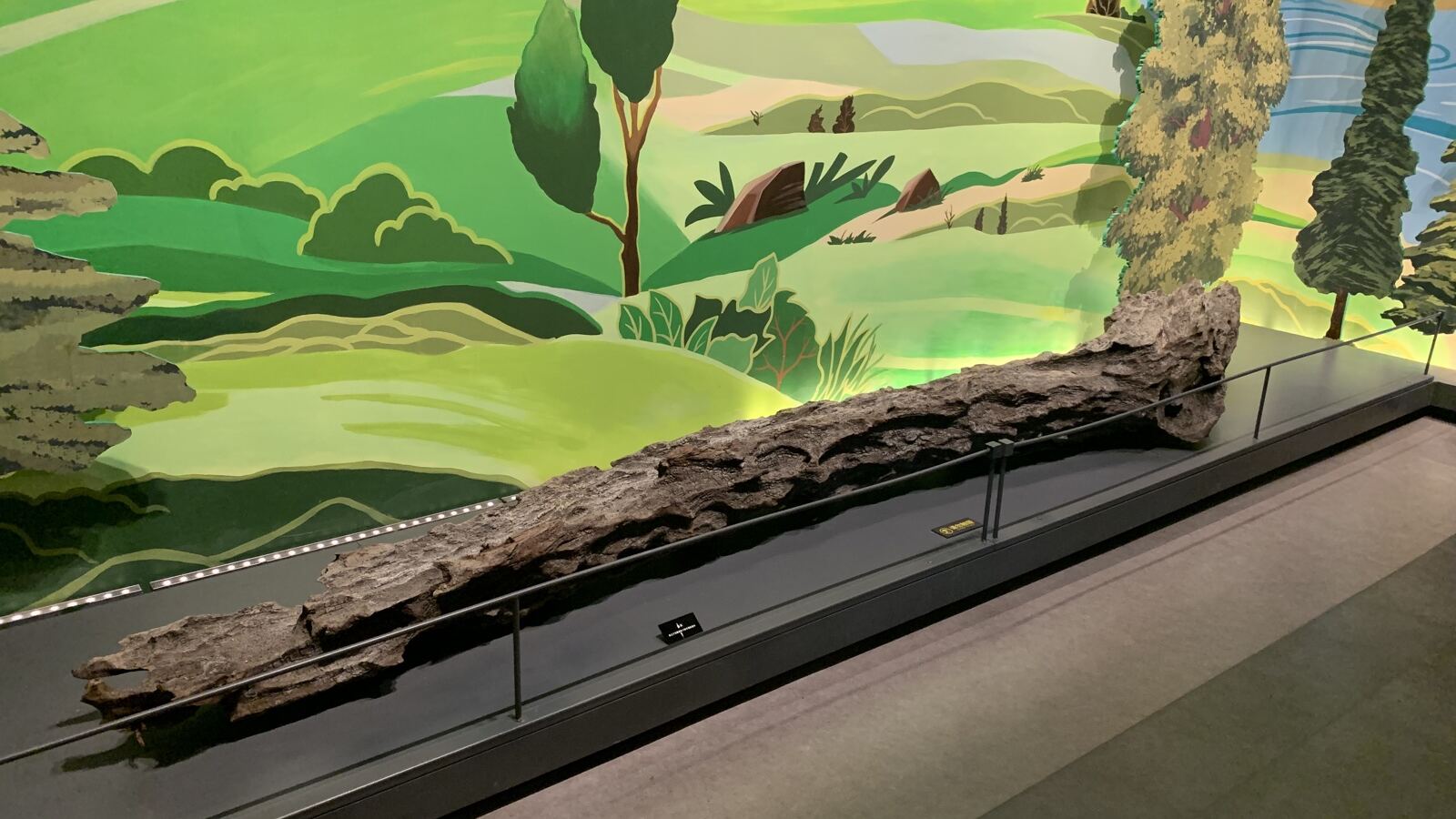
№ 145Ebony and Blackwood: The Black Timbers That Make Music
The jet-black heartwoods prized for piano keys and clarinets — so dense they sink, so slow-grown and over-cut that the trees behind the world's woodwind are now running out.
 № 150
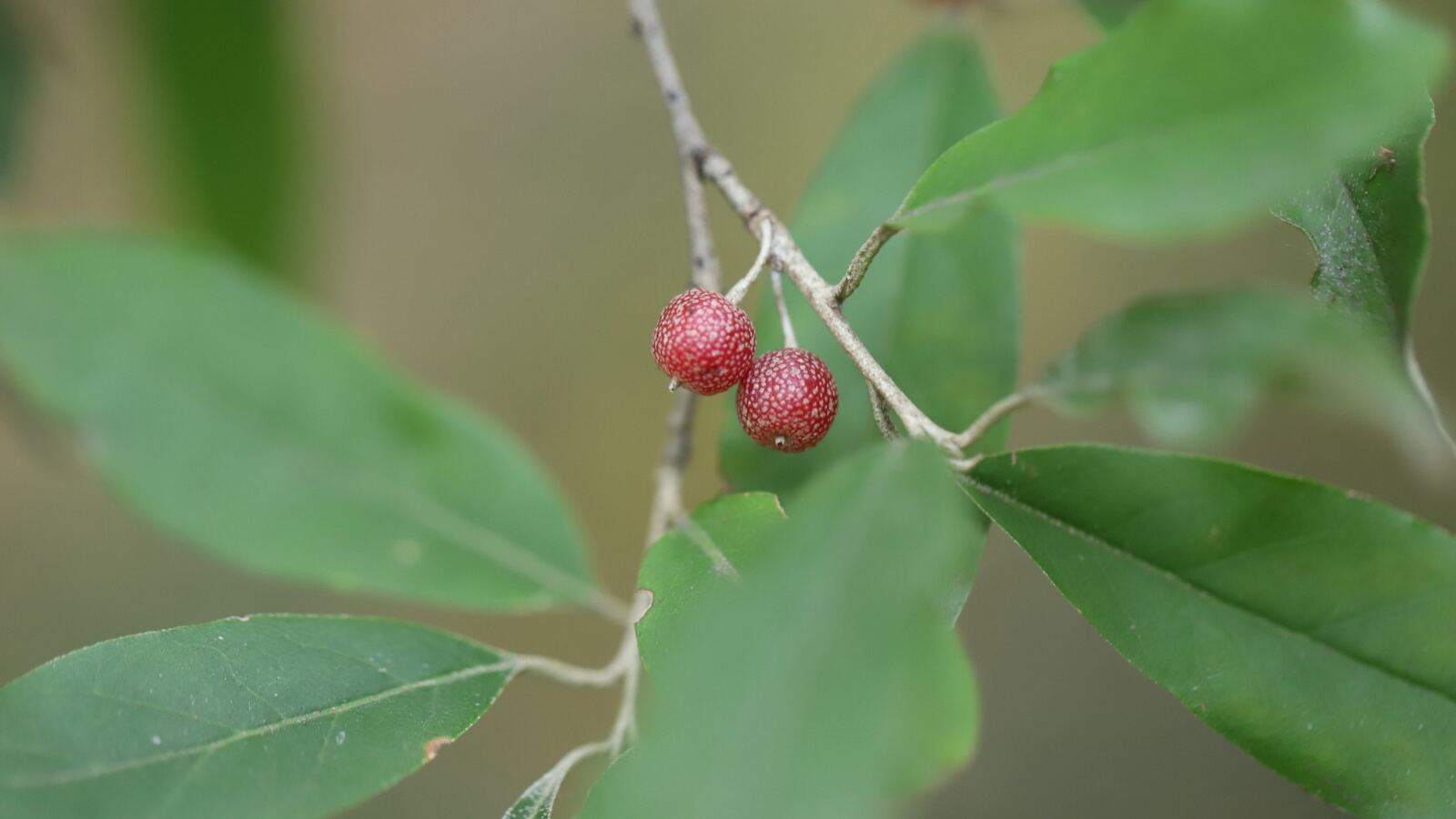
№ 150Elaeagnus: The Silver-Leaved Nitrogen Fixers That Went Rogue
Tough silvery shrubs that fix their own nitrogen without being legumes, bear tart edible berries, and were planted everywhere for wildlife and reclamation — before autumn olive and Russian olive became runaway invaders.
 № 156
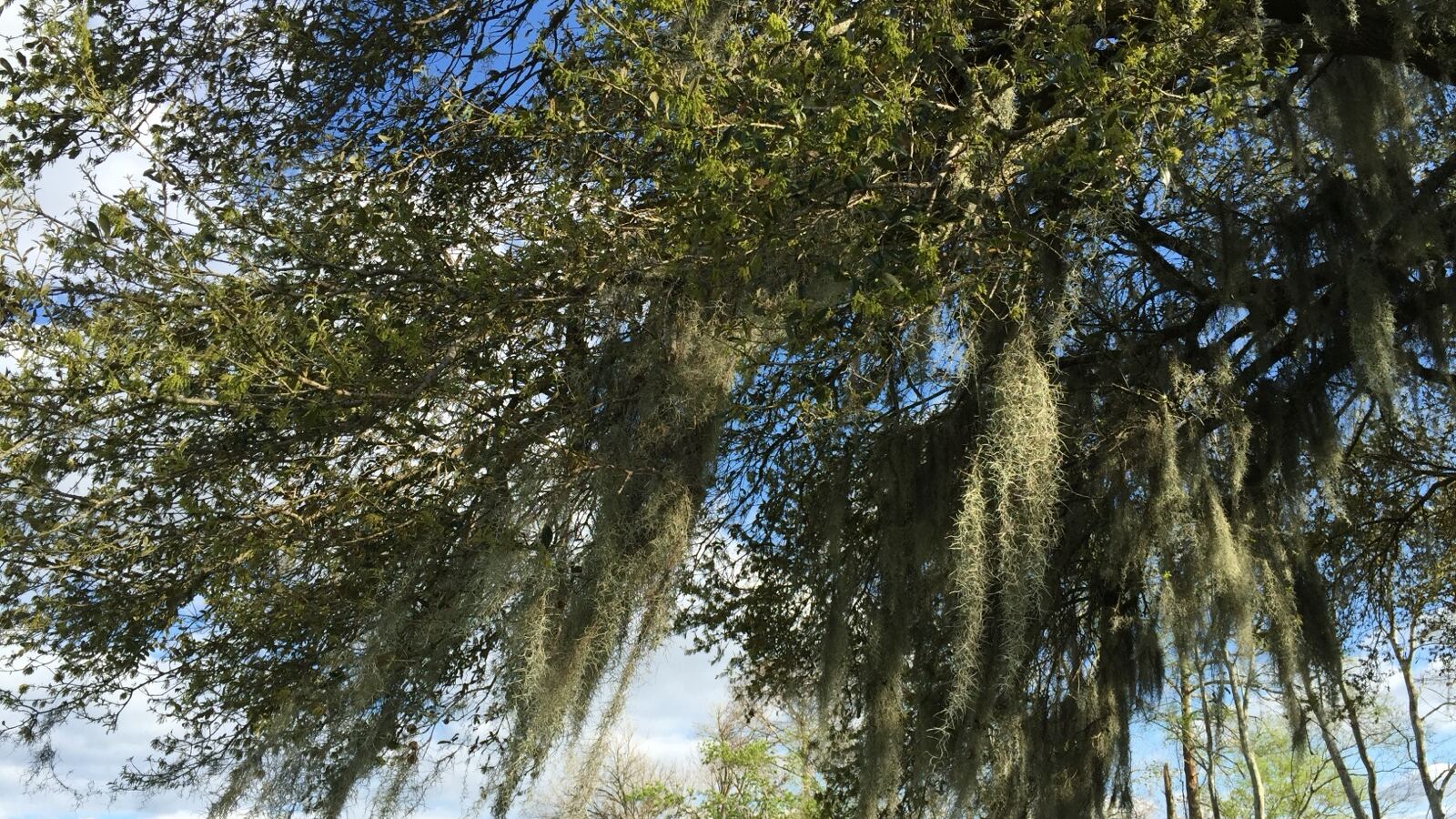
№ 156Evergreen Oaks: The Holm, Holly, and Live Oaks That Never Drop Their Leaves
Oaks that broke the rule and kept their leaves — the holm oak of the Mediterranean and the live oaks of the American South, tough, dense-wooded, and draped in Spanish moss and history.
 № 157
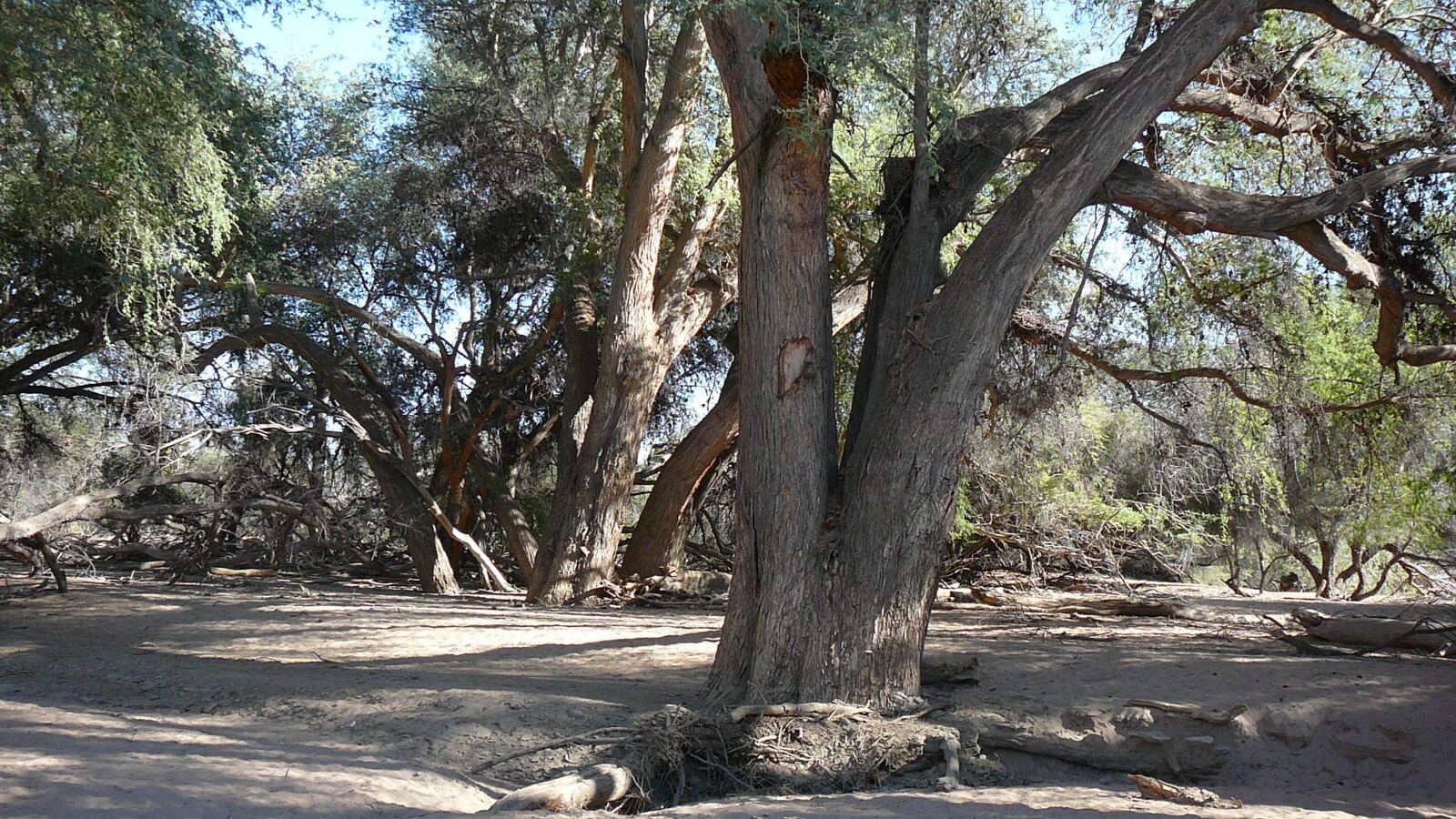
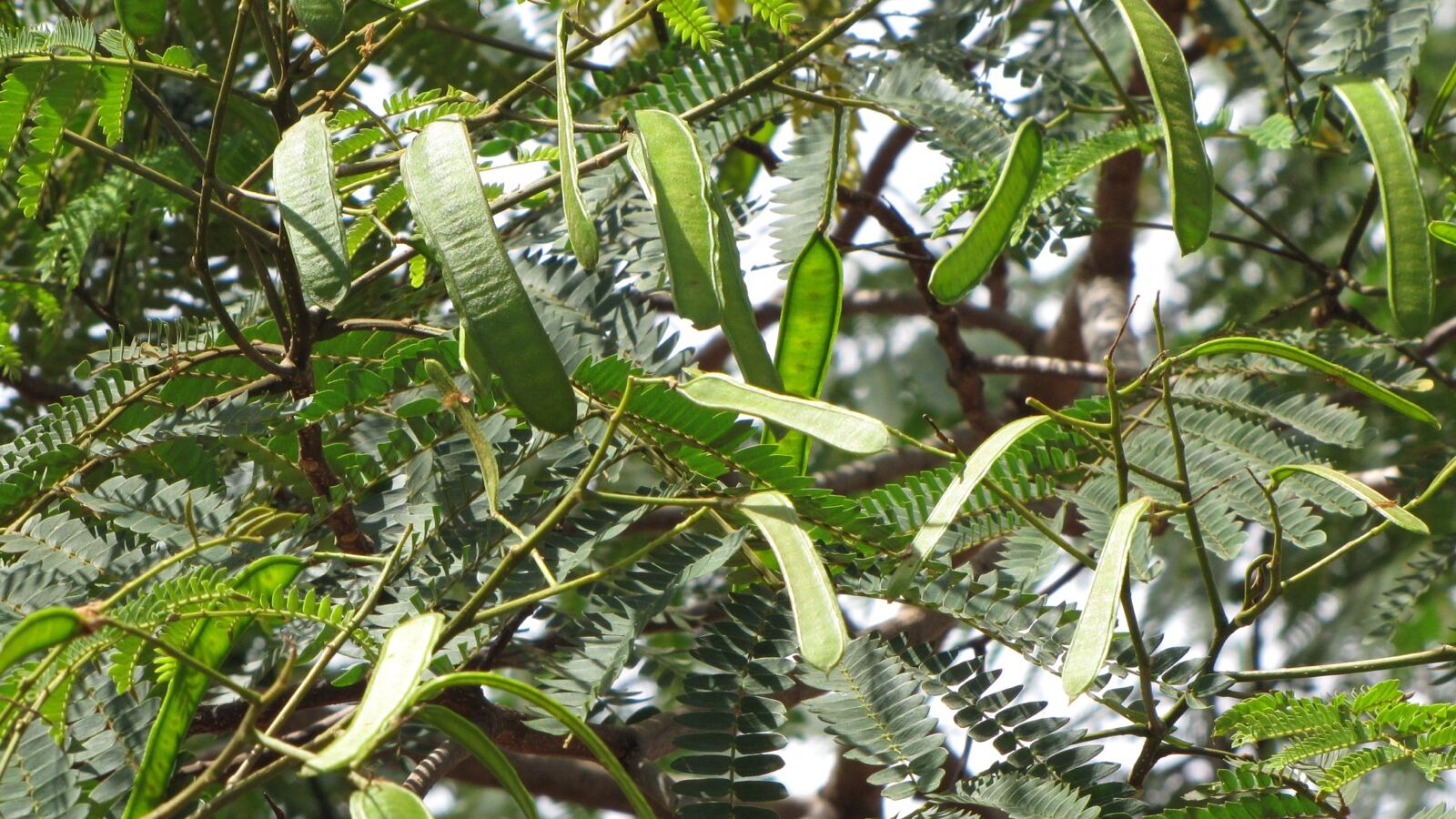
№ 157Faidherbia: The Fertiliser Tree That Grows Backwards
A Sahelian acacia that does everything the wrong way round — dropping its leaves in the rainy season and leafing up in the dry — so that crops thrive right beneath it, fed by its nitrogen and shaded by nothing. Africa's great 'evergreen agriculture' tree.
 № 158
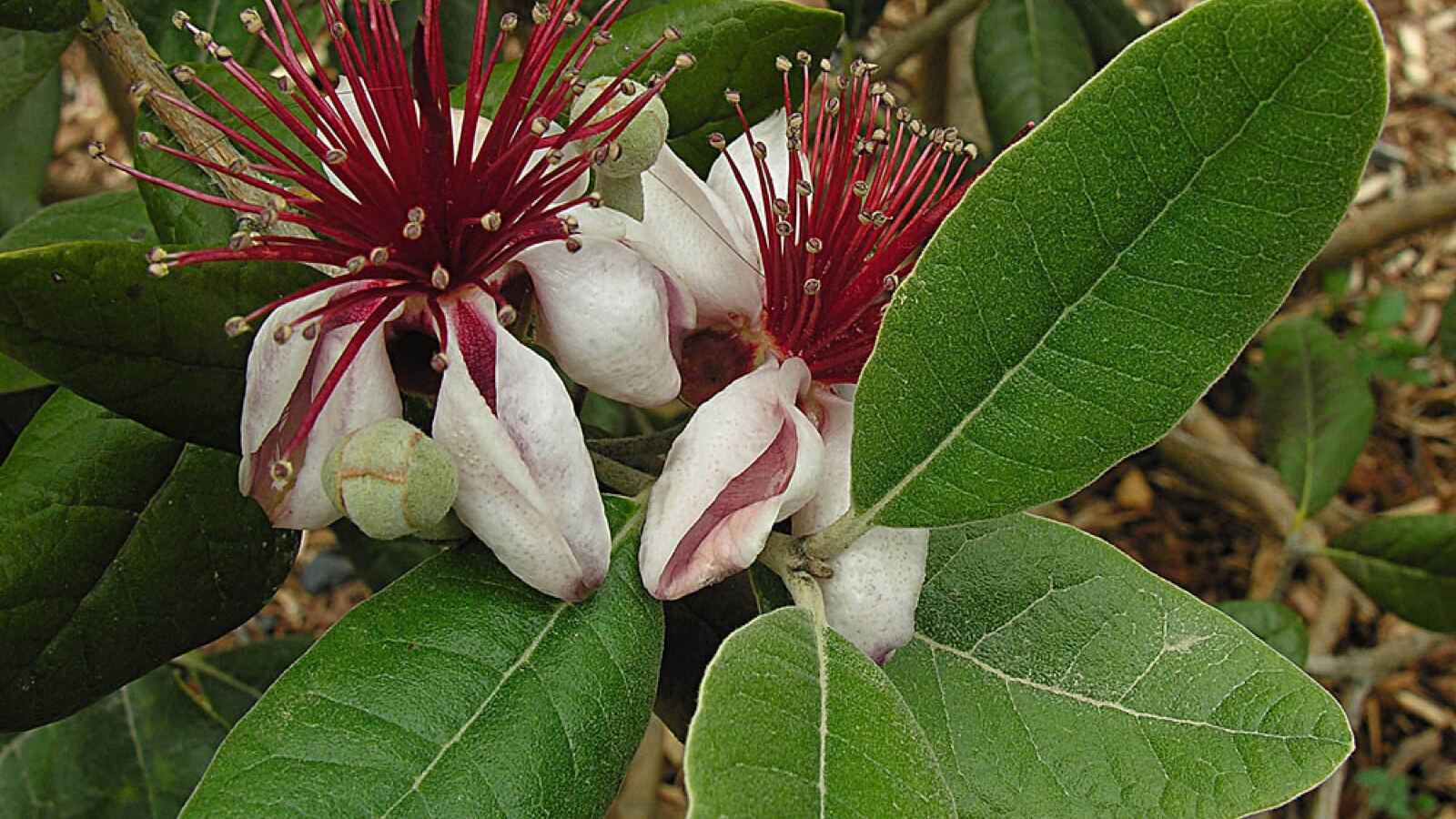
№ 158Falcataria: One of the Fastest-Growing Trees on Earth
A nitrogen-fixing tropical legume that can grow seven metres in a year — a prized fast plantation timber and shade tree that has also become a towering, brittle invader of Pacific islands.
 № 159
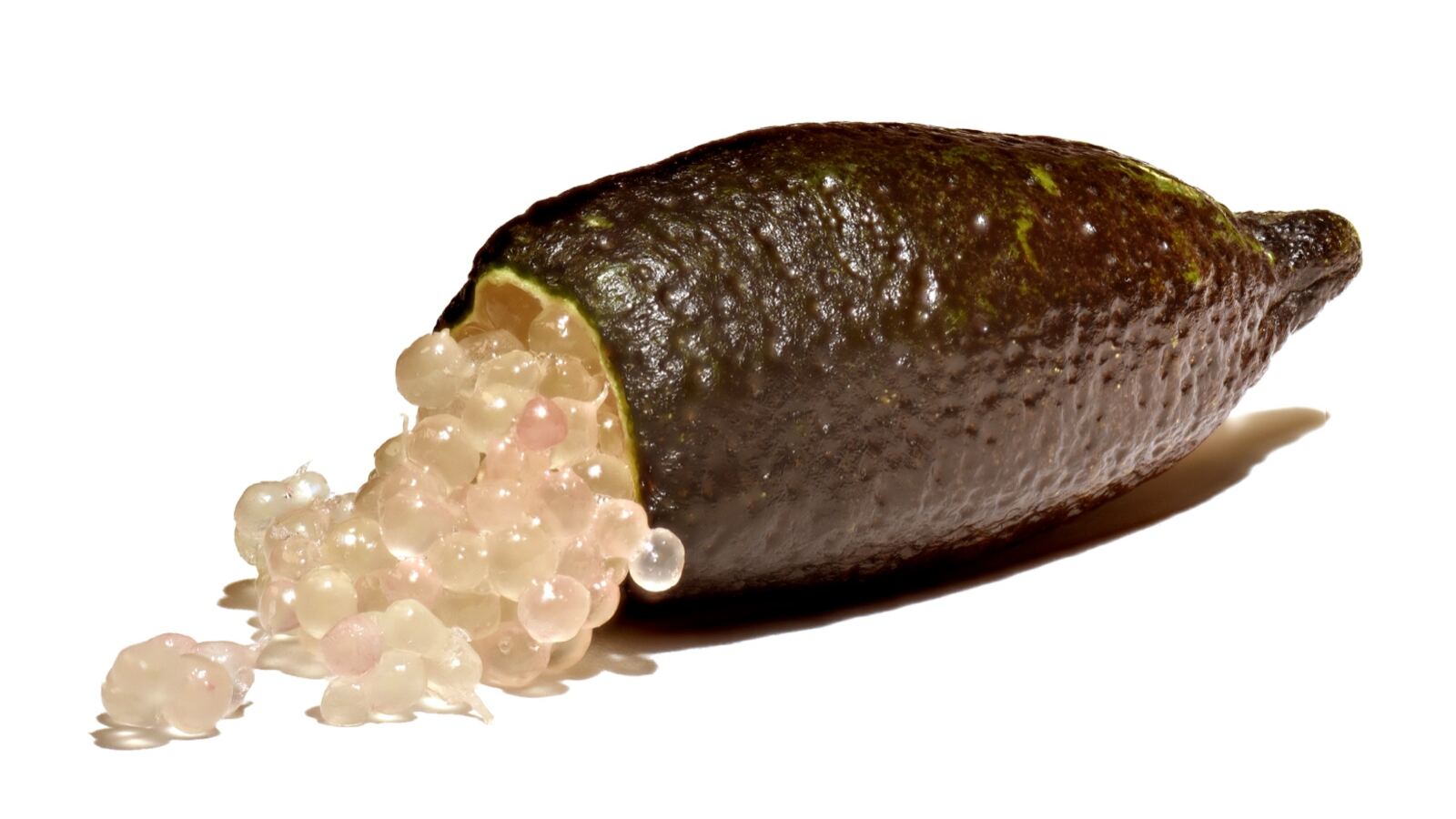
№ 159Feijoa: The Pineapple Guava With Edible Petals
A tough, hardy subtropical myrtle whose flowers you eat as well as its fruit, that tells you it's ripe by dropping to the ground, and that shrugs off frost most of its relatives can't.
 № 163
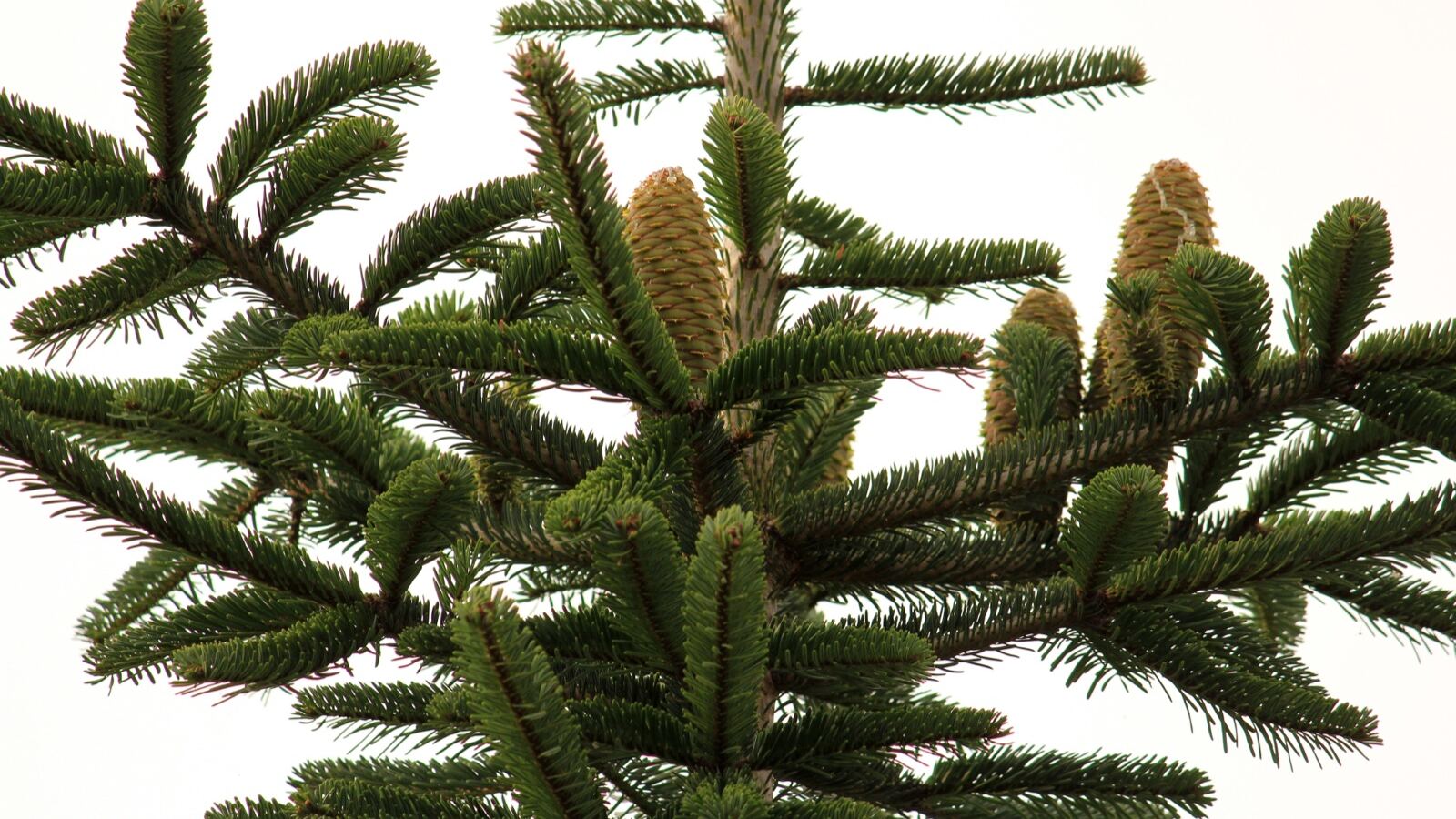
№ 163Finger Lime: The Native Citrus That Pops Like Caviar
An Australian rainforest citrus whose finger-shaped fruit is packed with tiny juicy globes that burst in the mouth like caviar — a gourmet 'citrus caviar' in a rainbow of colours, from a thorny understorey shrub.
 № 165
№ 165Firs: The Christmas Trees With Cones That Stand Up and Fall Apart
The true firs — soft-needled mountain conifers whose cones sit upright and shatter on the branch, that make the world's favourite Christmas trees, and that gave optics its perfect glue.
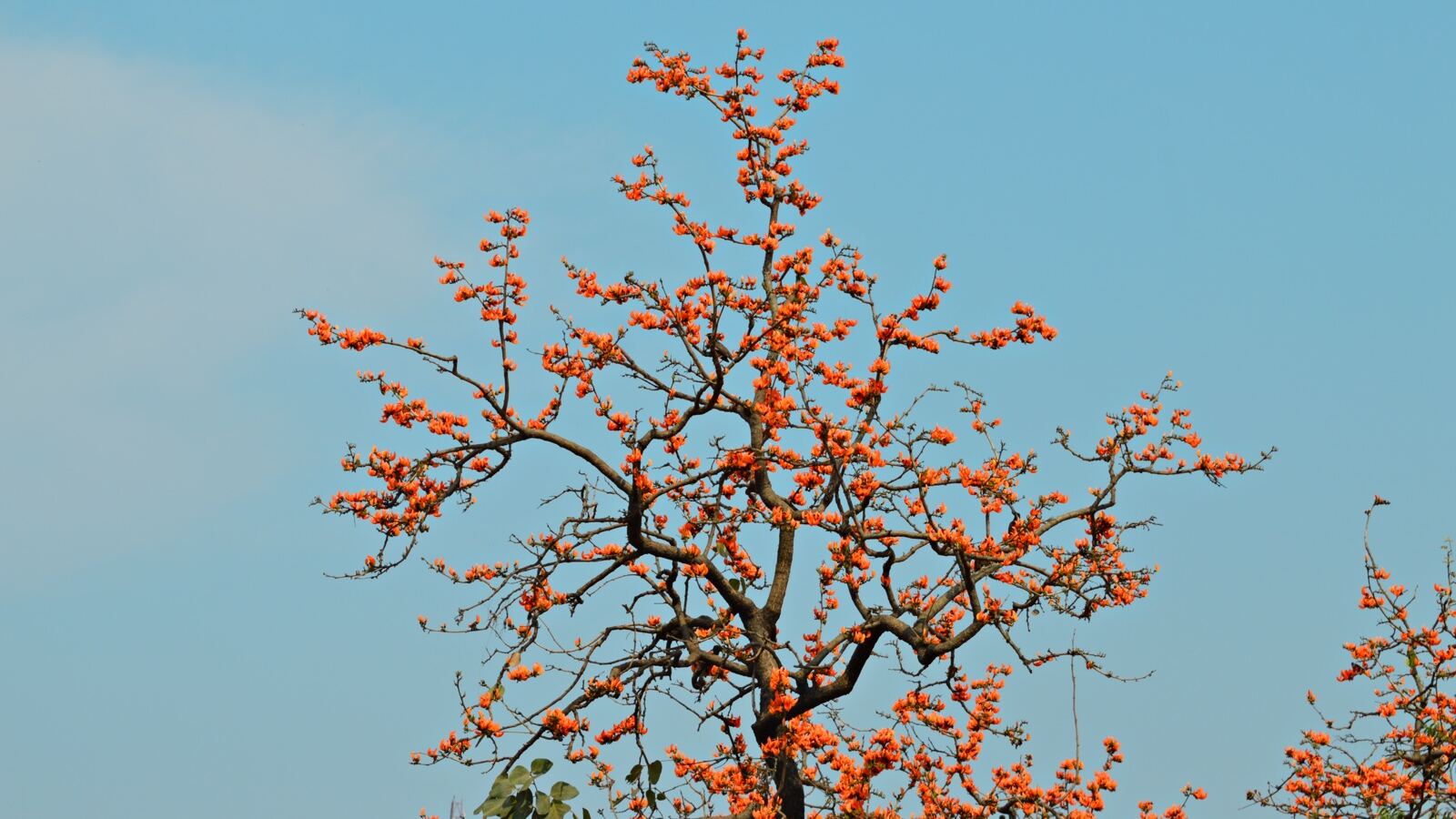 № 167
№ 167Flame of the Forest: The Tree That Colours Holi
A gnarled Indian legume that erupts into scarlet-orange flame on bare branches each spring — sacred, host to the lac insect that yields shellac, and the traditional source of the colours of the Holi festival.
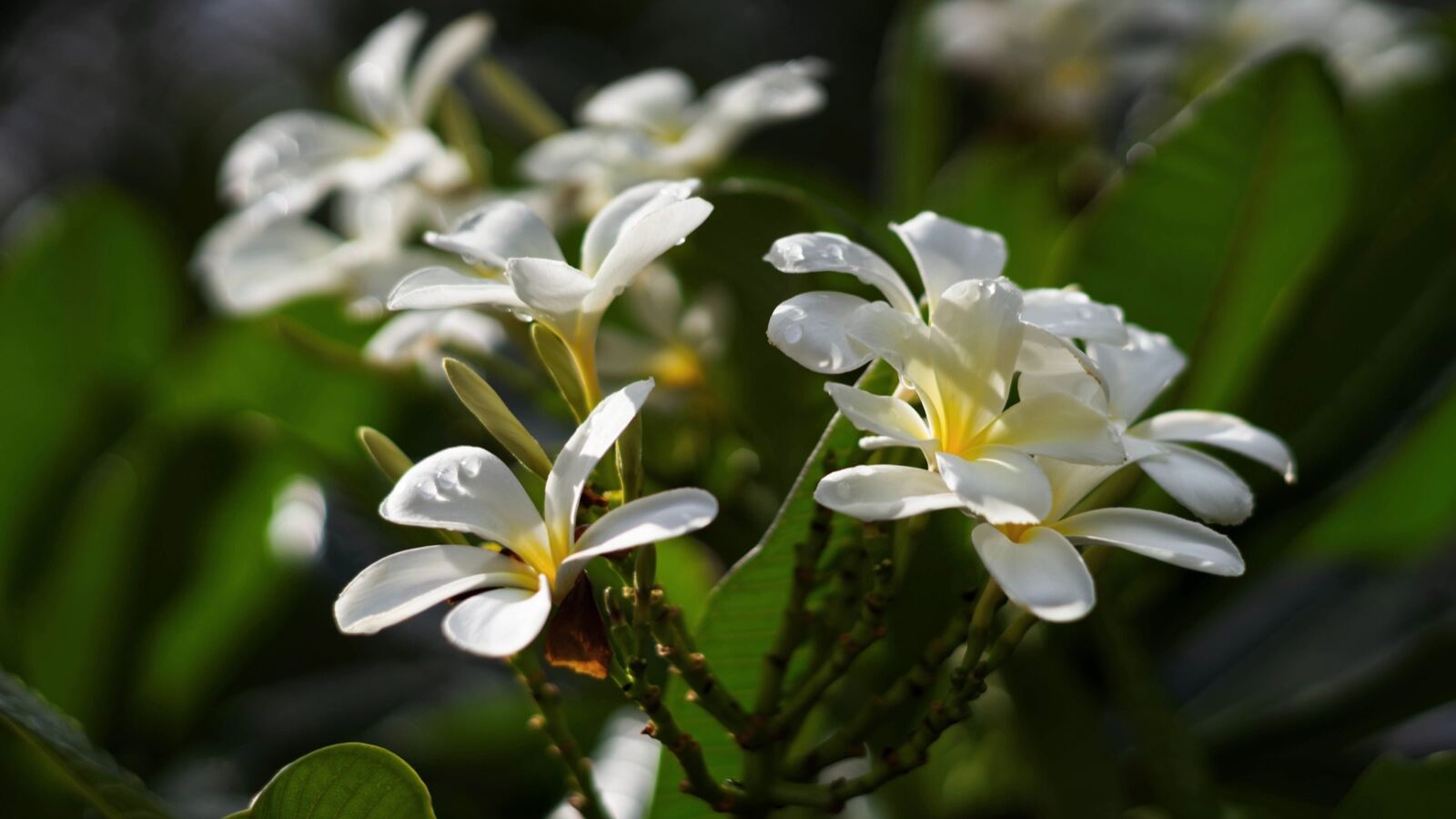 № 173
№ 173Frangipani: The Temple Flower That Fools the Moths
The intensely fragrant tree of temples and leis — that offers its night-scent as a trick, giving hawk moths a promise of nectar it never delivers, and roots from a bare stick pushed in the ground.
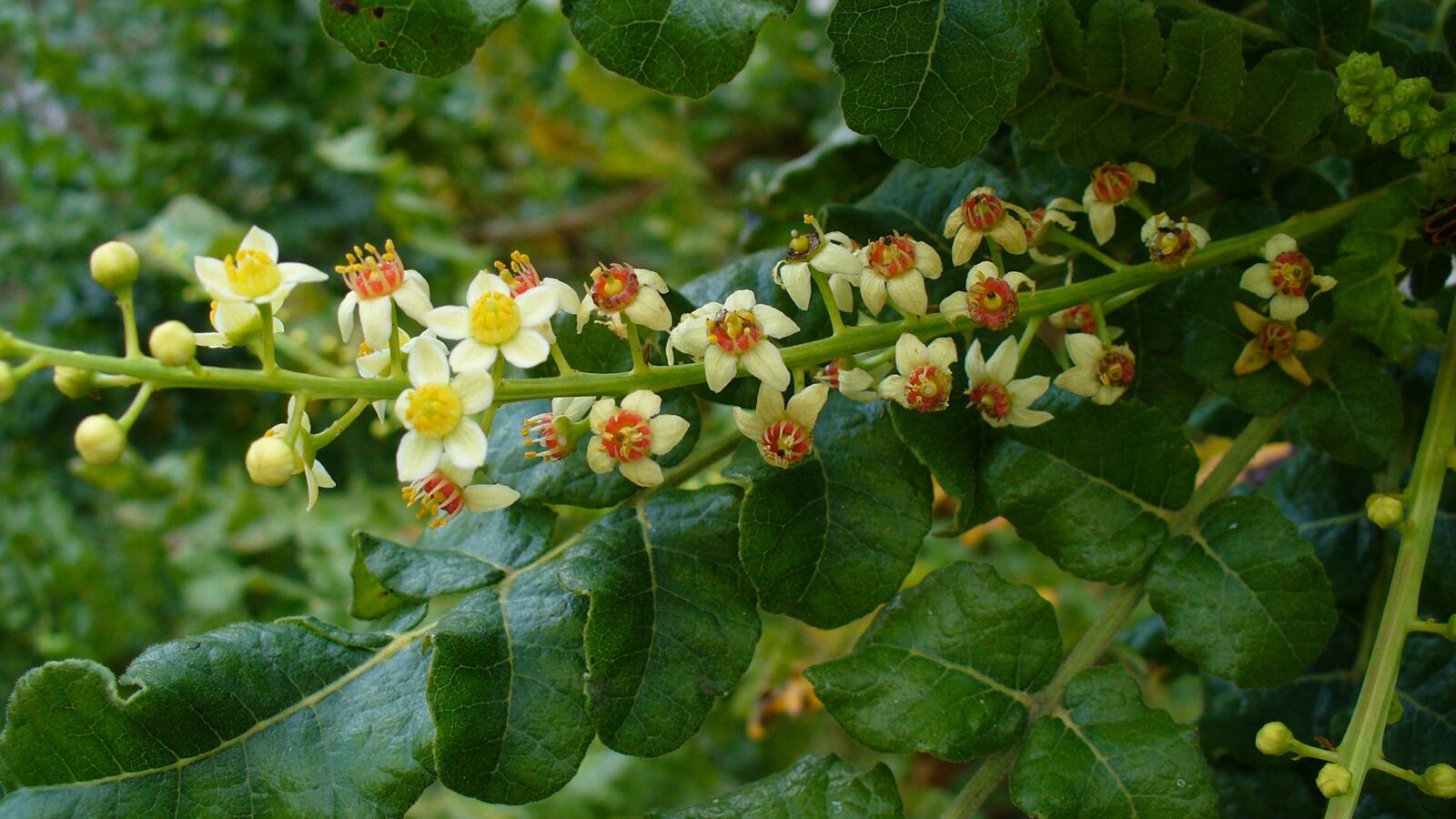 № 174
№ 174Frankincense and Myrrh: The Resin Trees That Built an Ancient Economy
Gnarled desert trees that seal their own wounds with fragrant gum — tapped for the incense that was once worth more than gold, and now threatened by the very tapping that made them famous.
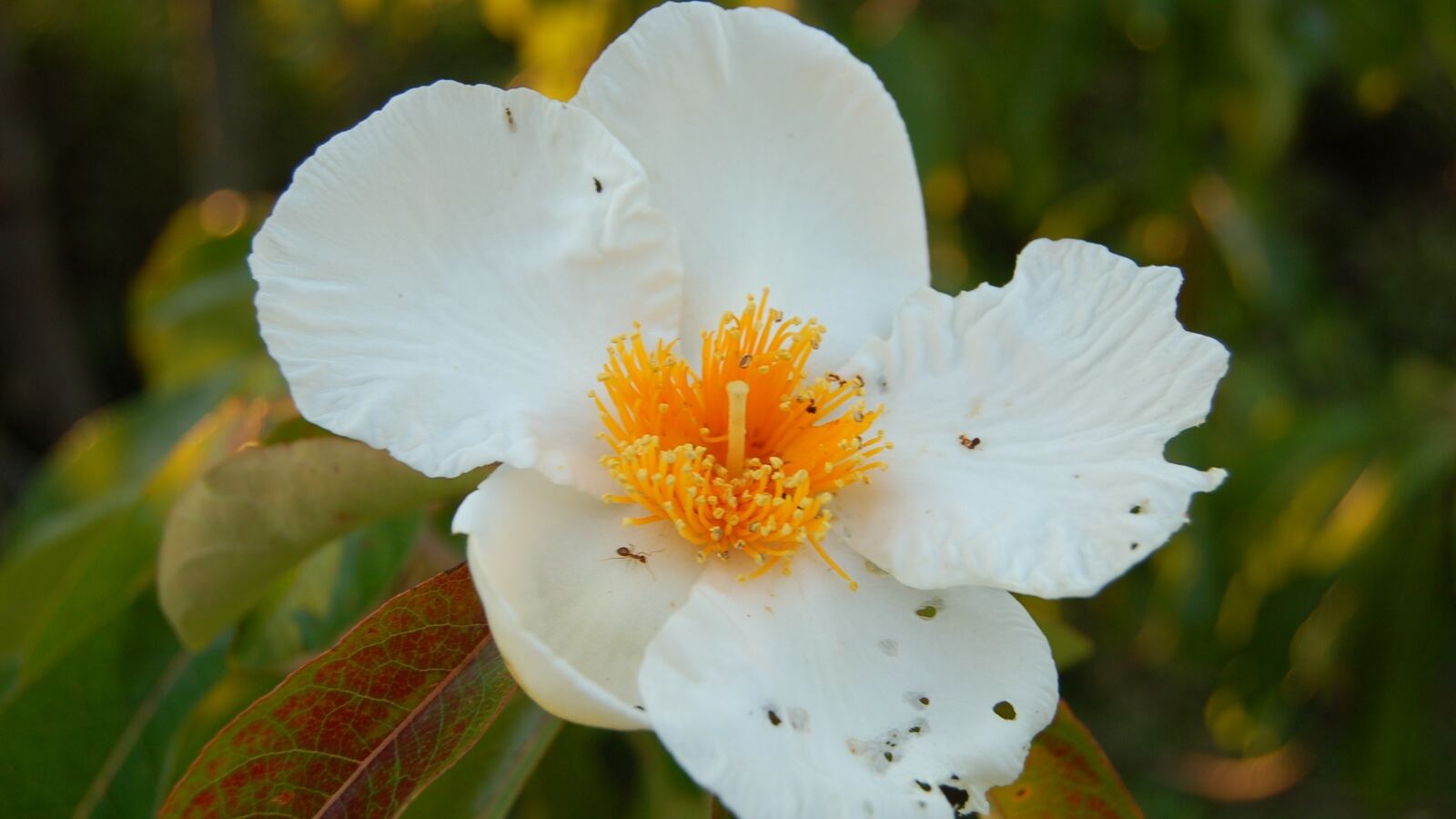 № 175
№ 175Franklinia: The Tree That Exists Only in Gardens
A beautiful flowering tree found once, in one spot in Georgia, then never seen in the wild again — extinct in nature for two centuries, and alive today only because two botanists saved its seed.
 № 176
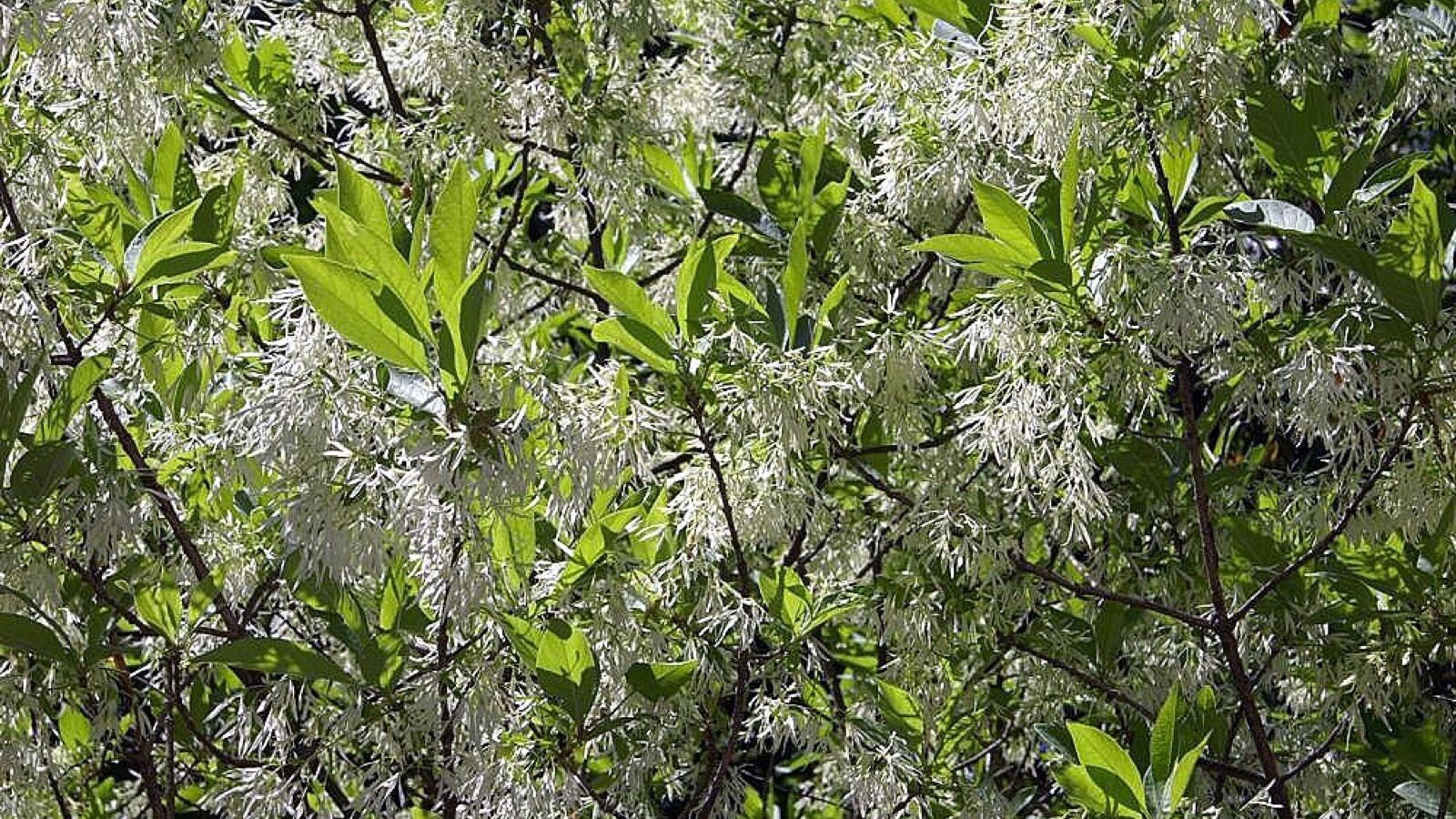
№ 176Fringe Tree: The Old Man's Beard of the Olive Family
A small tree that vanishes each spring under a cloud of fleecy white fringed flowers — a member of the olive family now facing the borer that devastated its cousin the ash.
 № 183
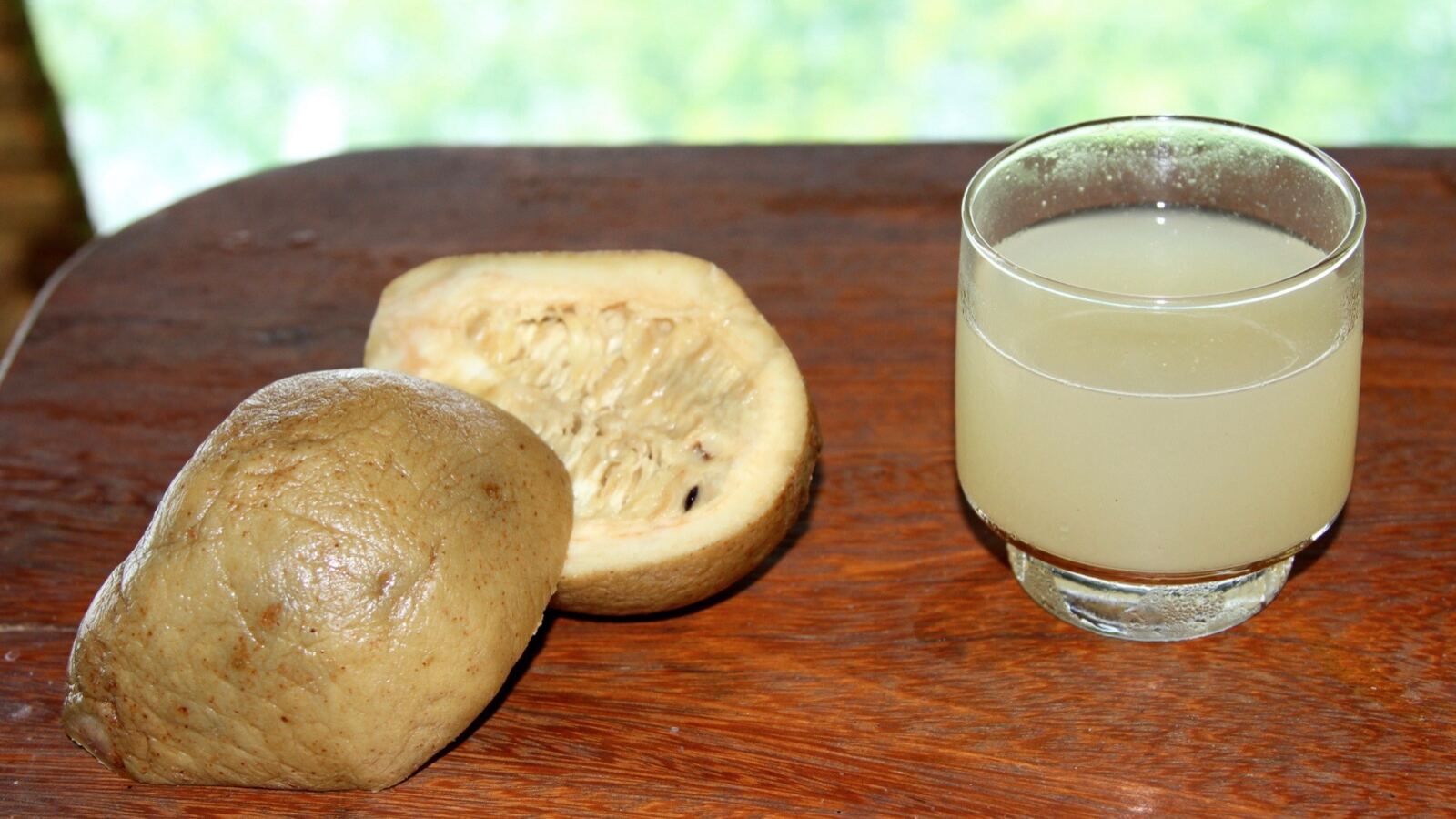
№ 183Genipap: The Fruit That Paints the Skin Blue
A tropical American tree whose green fruit yields a clear juice that turns deep blue-black on the skin — the body paint of Amazonian peoples, indelible for days, alongside a fruit made into drinks and preserves.
 № 188
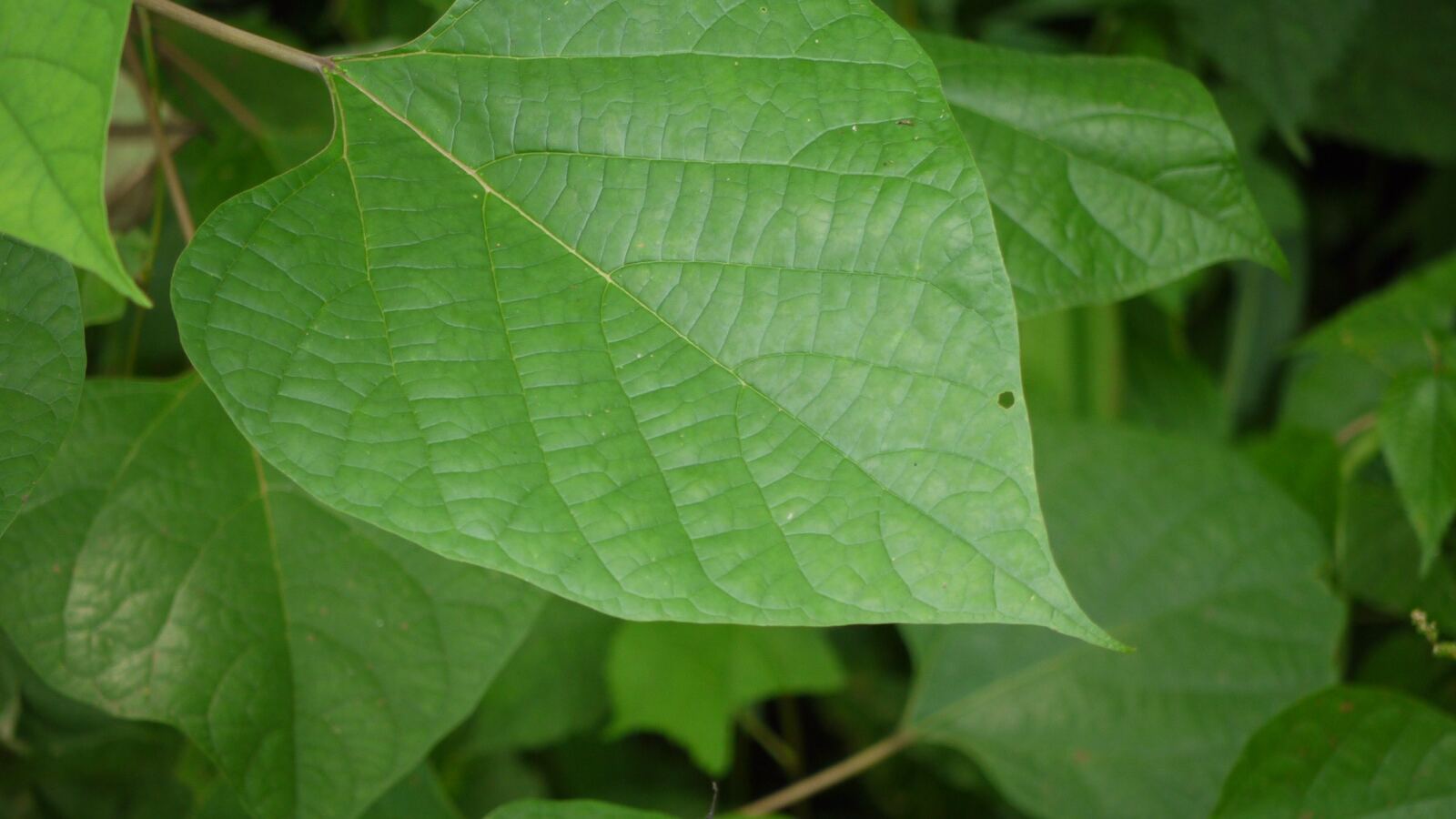
№ 188Gmelina: The Fast Plantation Tree of the Tropics
A quick-growing tropical timber in the teak family, planted across the world for pulp, matchwood, and light construction — a workhorse of the fast-wood plantation, with edible flowers and a place in Ayurveda.
 № 189
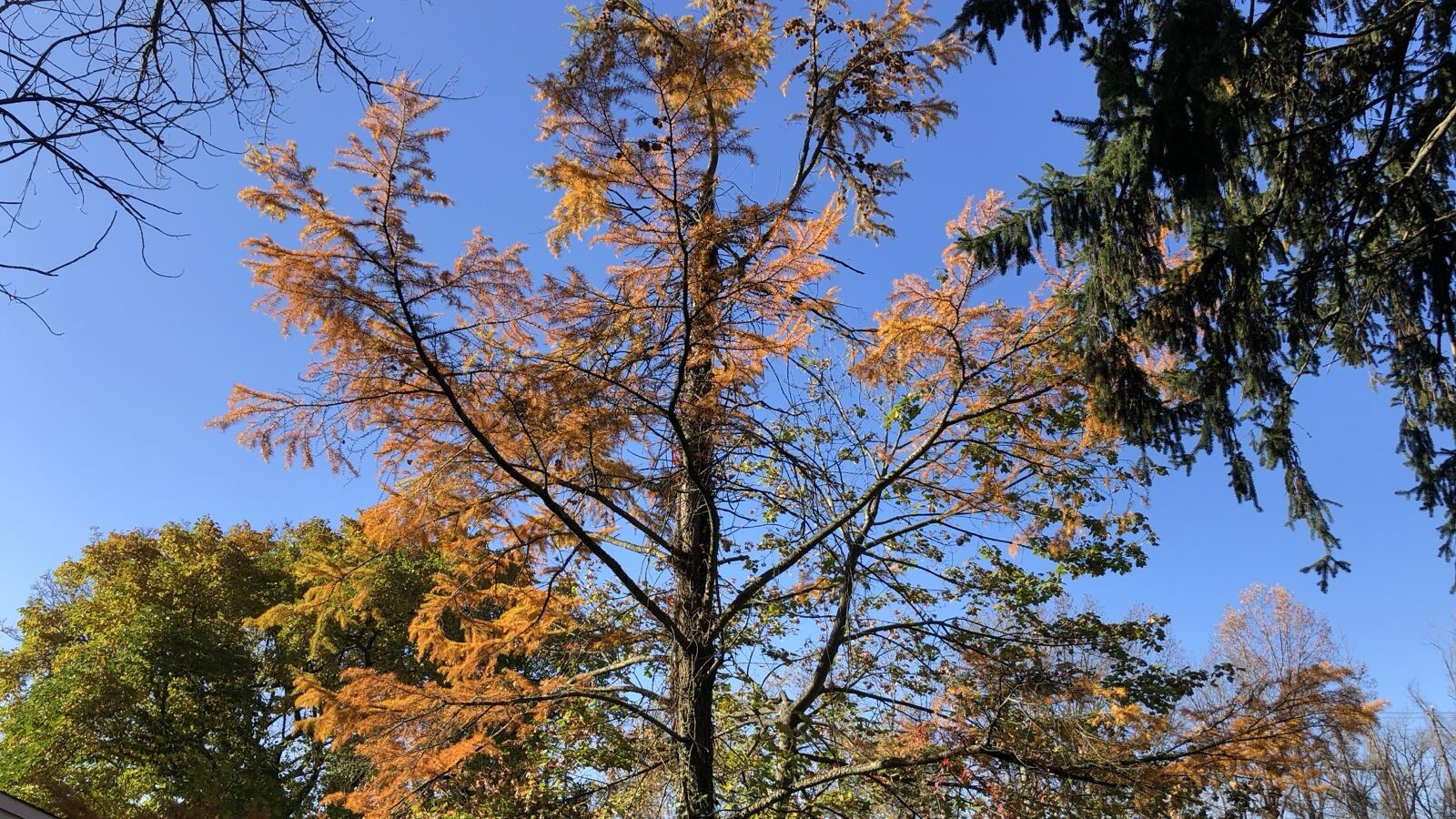
№ 189Golden Larch: The Deciduous Conifer That Turns to Fire
A rare Chinese conifer that, like the true larch, drops its needles each winter — but first turns them a spectacular blaze of pure gold, one of the most beautiful autumn sights of any tree.
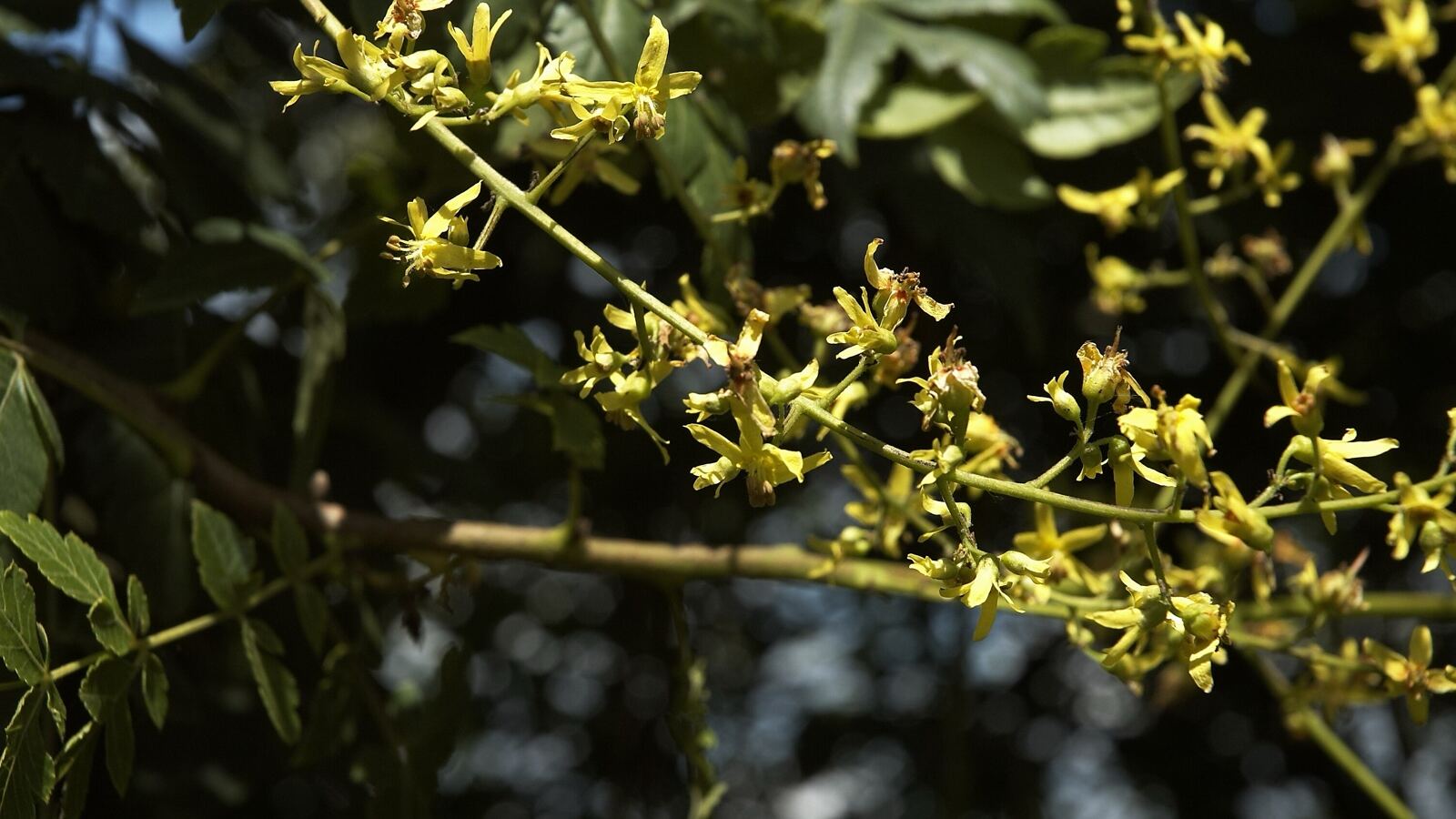 № 190
№ 190Golden Rain Tree: Yellow Flowers and Papery Lanterns
A tough Asian street tree that flowers gold in high summer when little else does, then hangs itself with pink papery lanterns — beloved by bees, and quietly invasive where it seeds too well.
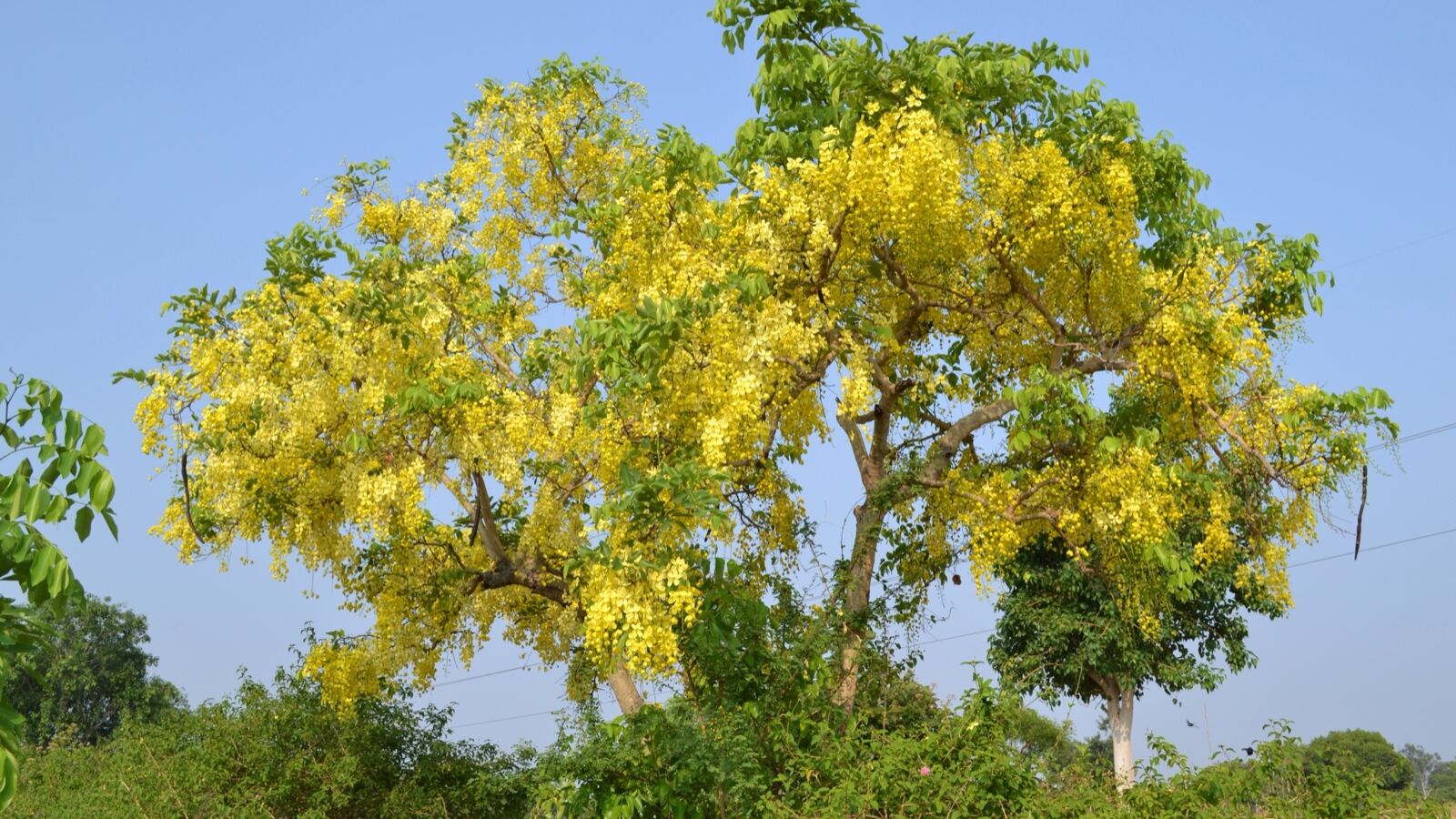 № 191
№ 191Golden Shower Tree: Thailand's Cascade of Gold
A legume that hangs itself with cascading chains of pure golden flowers — the national tree and flower of Thailand — and swings long dark pods whose sticky pulp is an ancient gentle laxative.
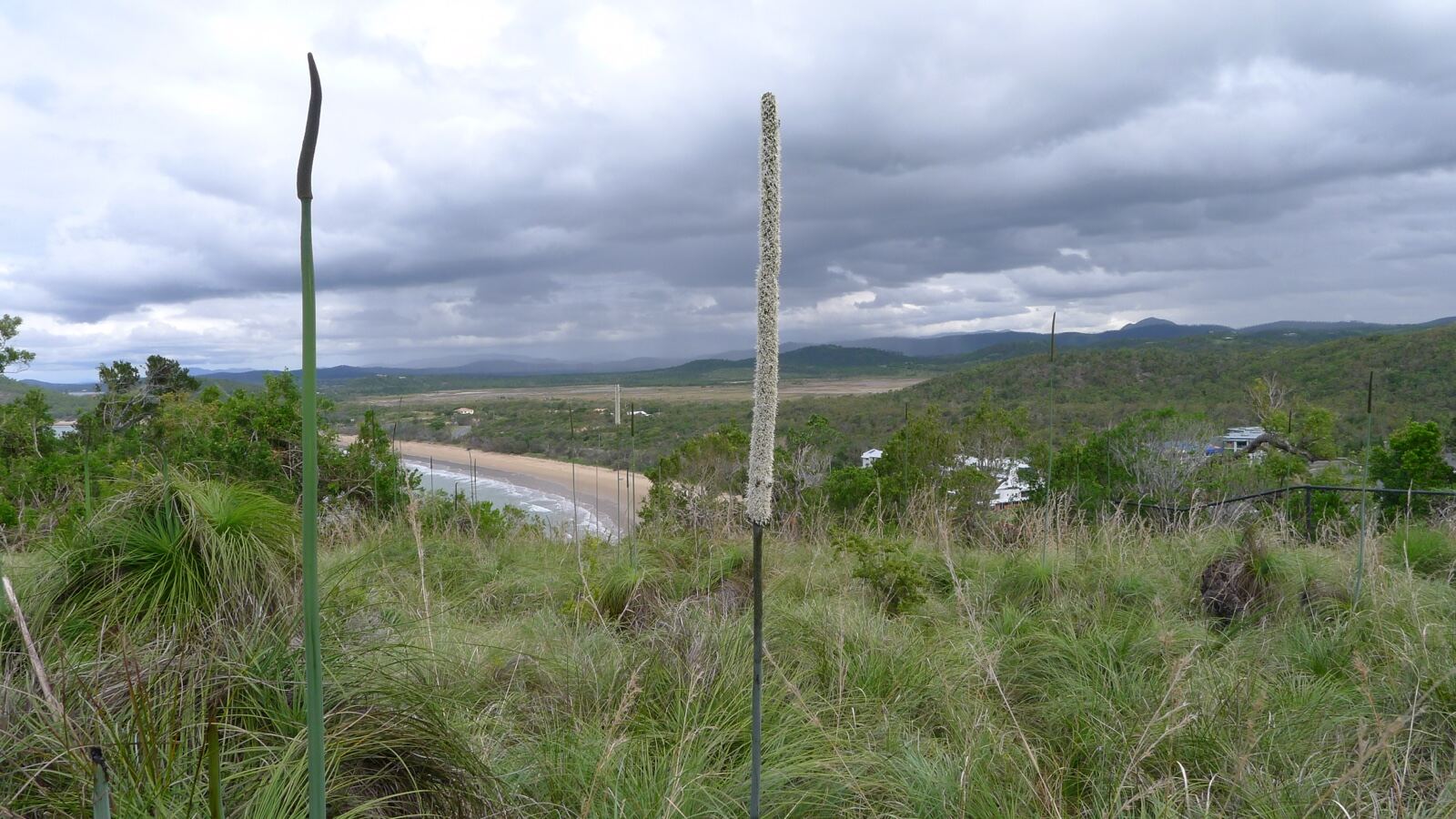 № 195
№ 195Grass Tree: The Fire-Loving Ancient of the Australian Bush
A slow, strange Australian plant that grows a black trunk a centimetre a year, flowers best after being burned, and can be centuries old — an icon of the bush older than it looks.
 № 198
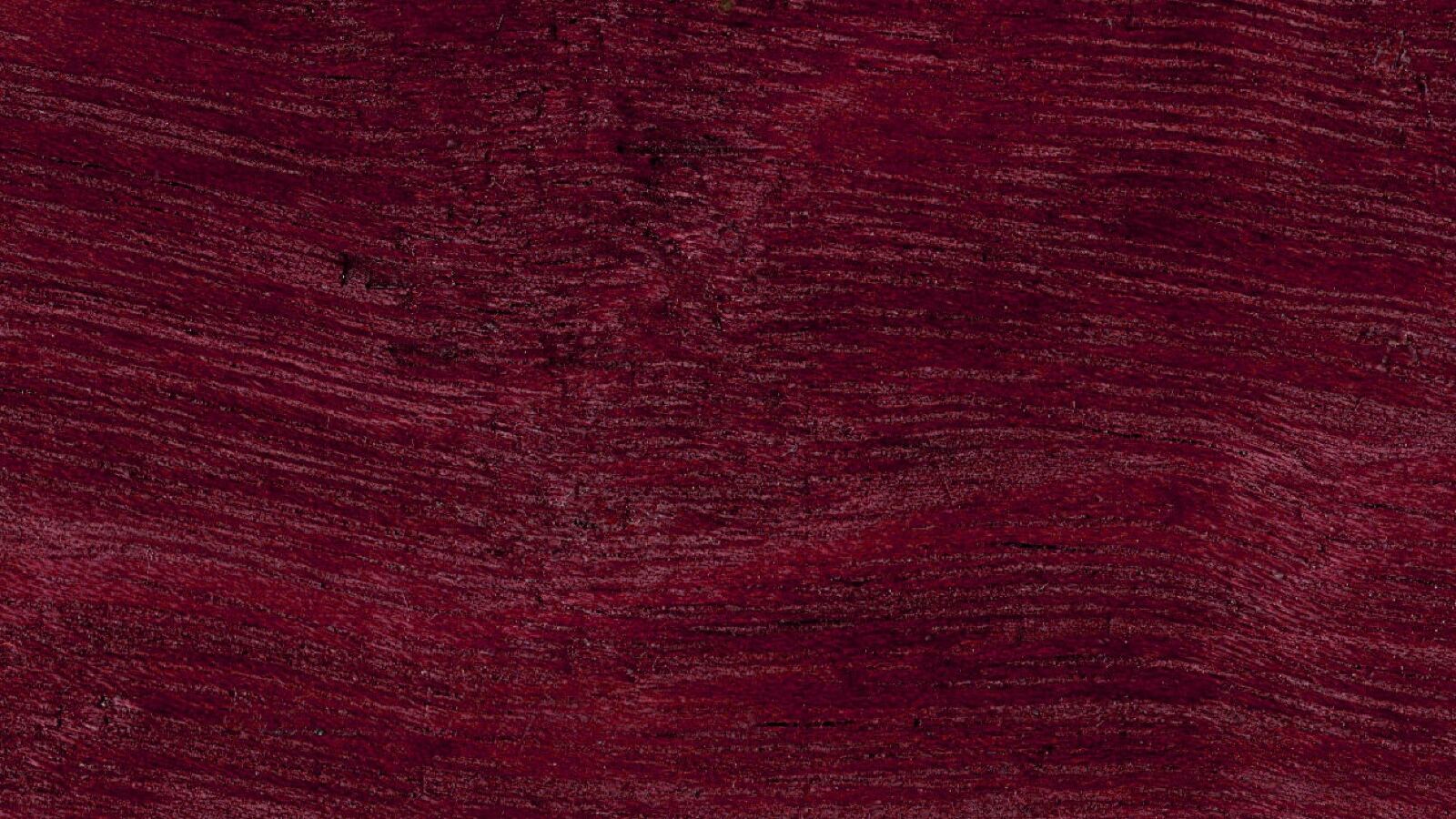
№ 198Greenheart and Purpleheart: The Timbers of Sea and Colour
Two extraordinary South American woods — greenheart, so tough and borer-proof it built the docks and lock gates of the age of empire, and purpleheart, which turns a brilliant royal purple on exposure to air.
 № 203
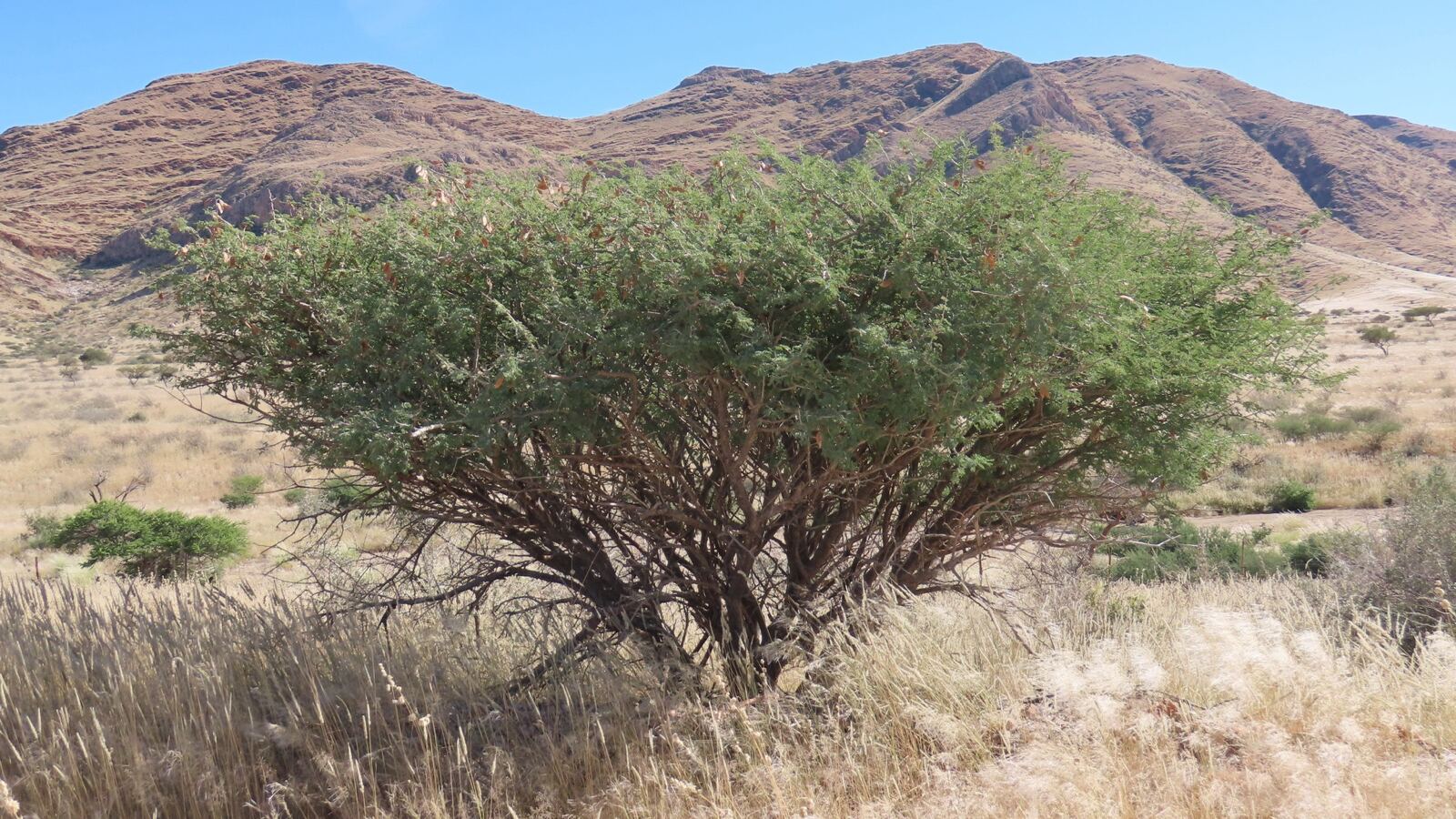
№ 203Gum Arabic: The Acacia Sap in Half Your Groceries
A thorny Sahelian acacia that bleeds a water-soluble gum used to emulsify soft drinks, bind sweets, coat pills, and float watercolours — a Sahara-edge crop that survives where almost nothing grows.
 № 204
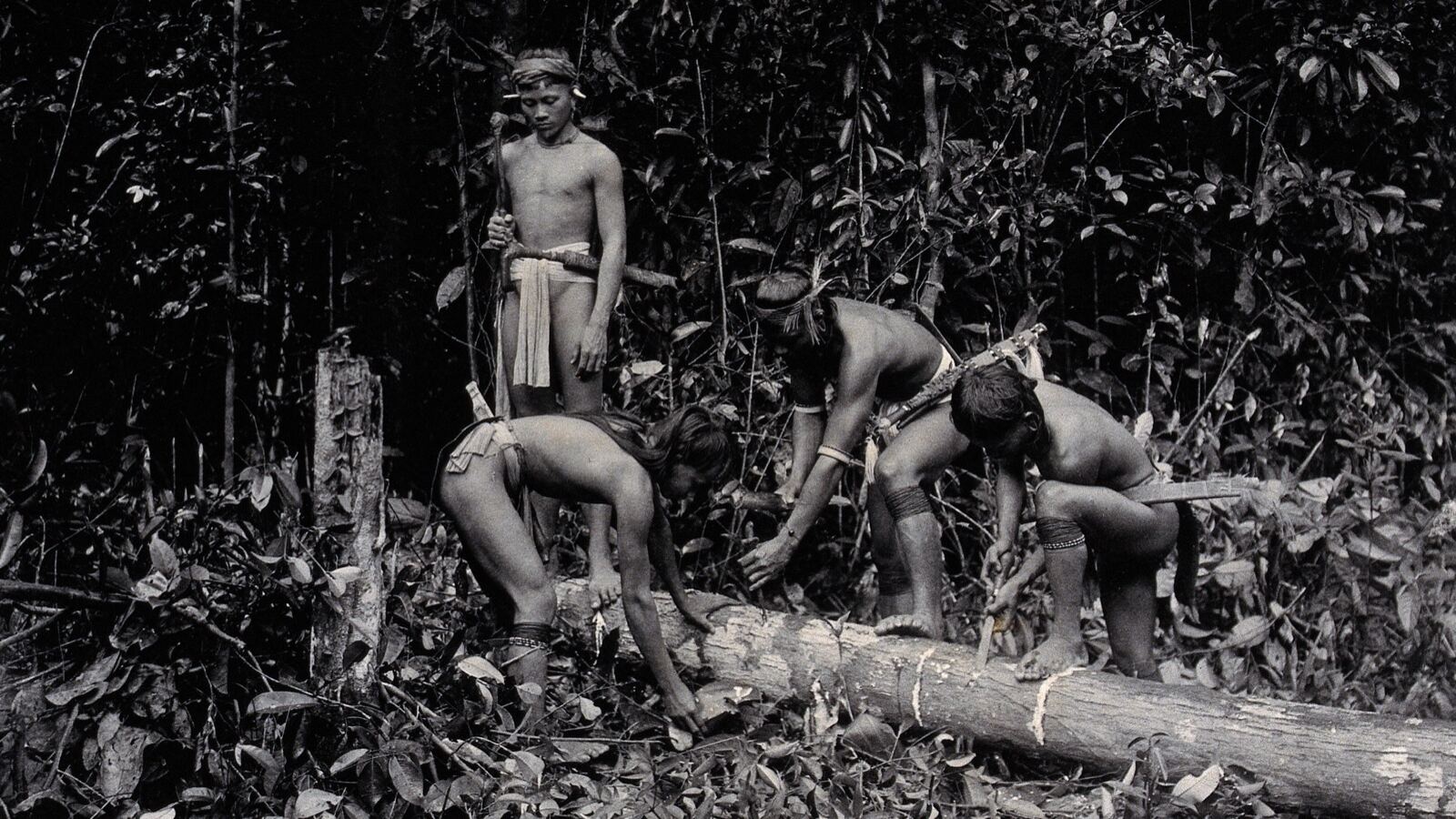
№ 204Gutta-Percha: The Tree Latex That Wired the World
A Southeast Asian tree whose tough, waterproof latex insulated the first undersea telegraph cables and connected the continents — and still fills root canals and cored the golf ball.
 № 207
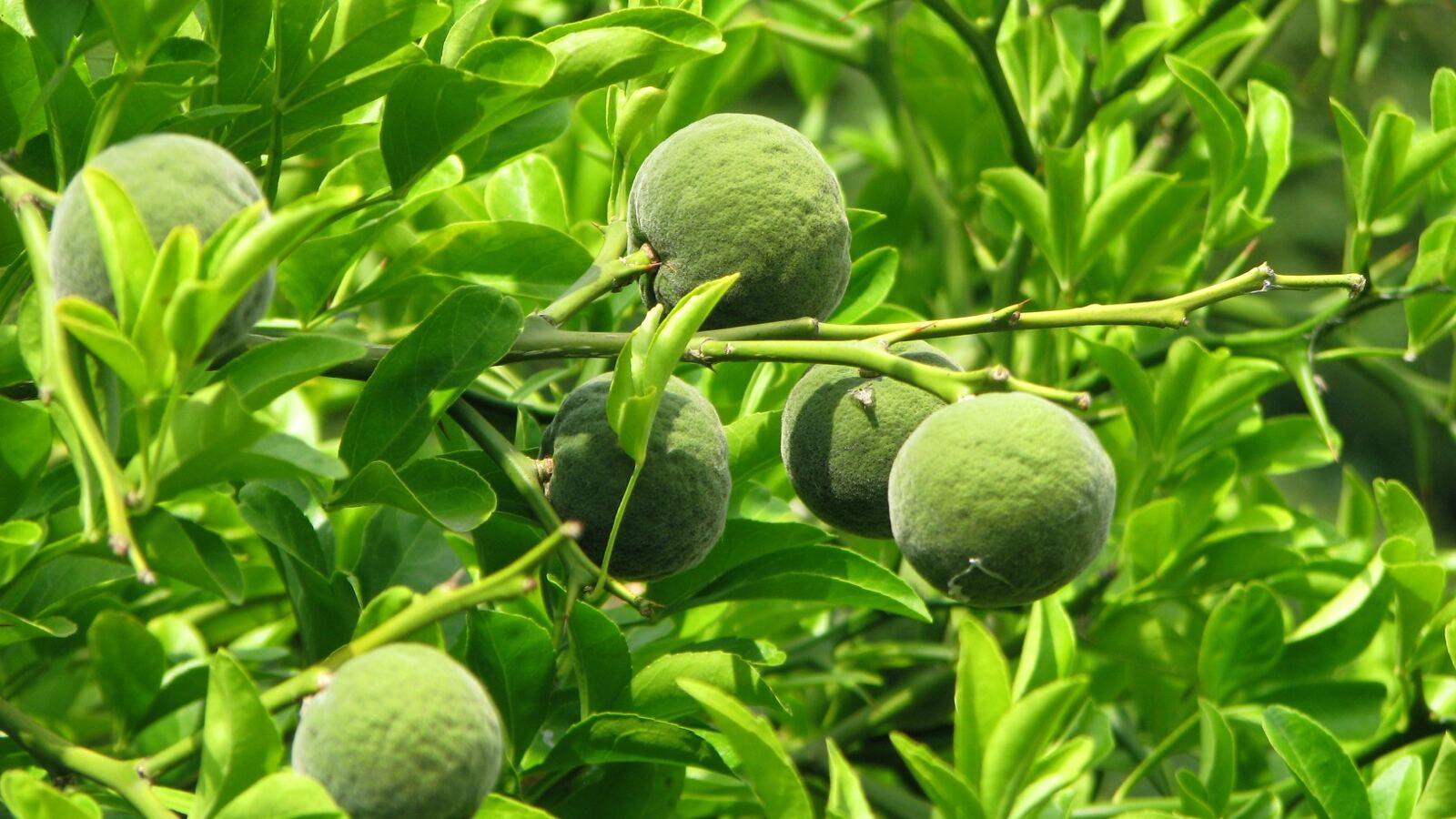
№ 207Hardy Orange: The Thorny Citrus That Survives the Snow
The cold-hardiest of all citrus — a fiercely thorny, deciduous 'trifoliate orange' whose bitter fruit is inedible, but which arms the world's orchards as the rootstock beneath grafted citrus and makes an impenetrable living fence.
 № 225
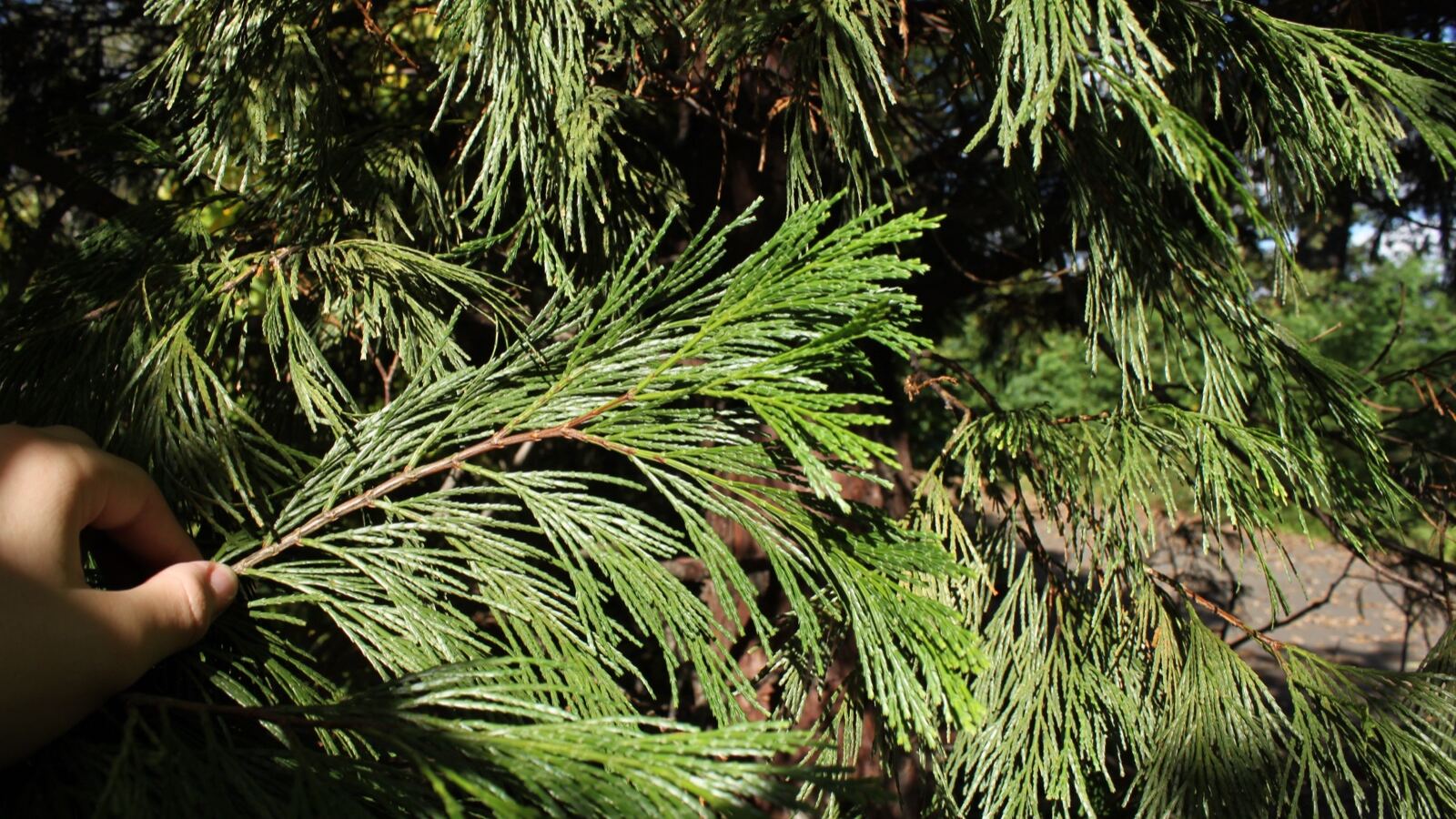
№ 225Incense Cedar: The Tree in Every Pencil
A fragrant Californian conifer whose soft, straight, even grain sharpens without splintering — which is why, with the eastern redcedar, it became the wood the world's pencils are made from.
 № 227
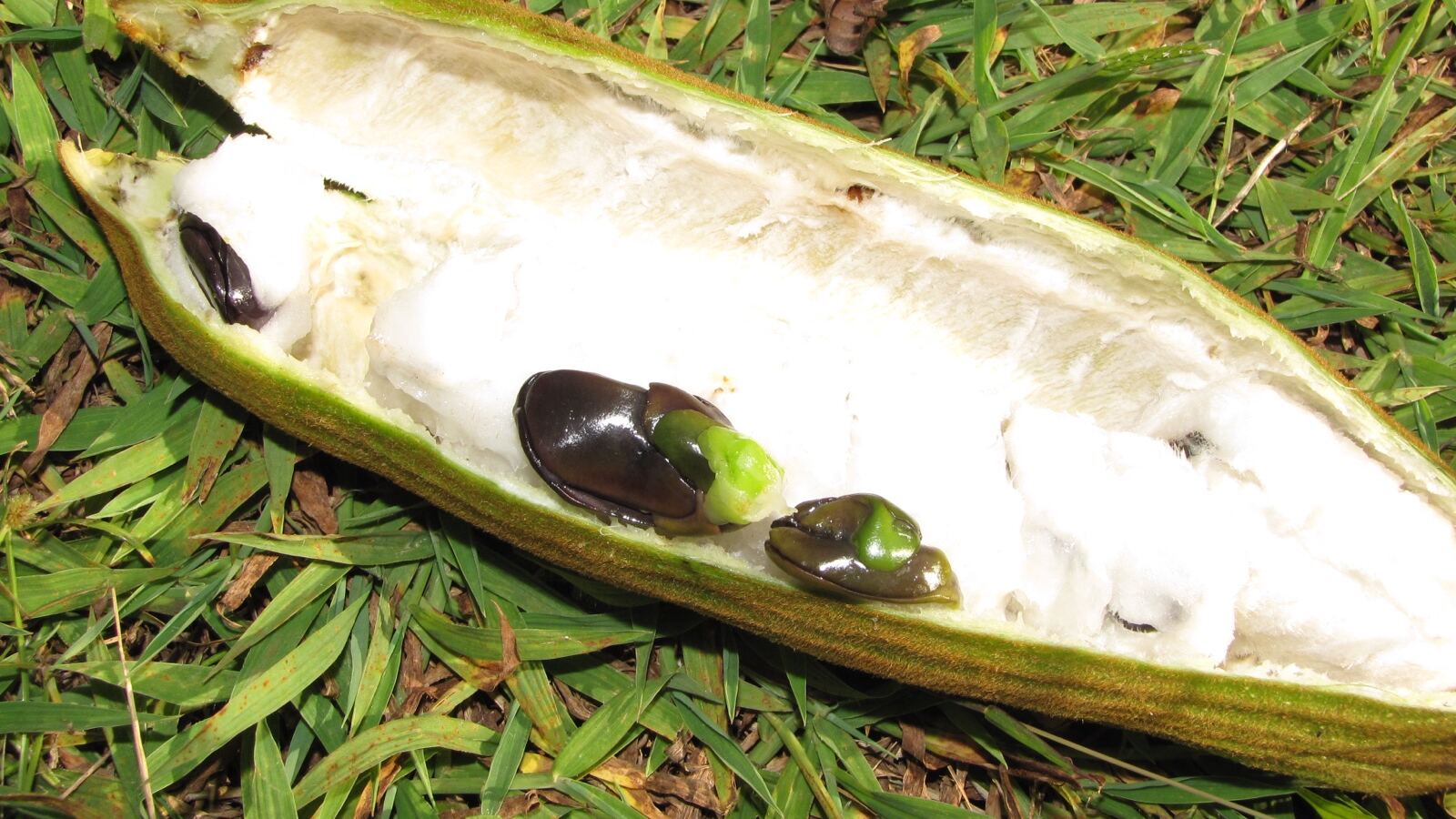
№ 227Inga: The Ice-Cream Bean That Grows Alleys of Fertility
A fast tropical legume with sweet cotton-candy pods, that fixes nitrogen, shades out weeds, and anchors 'inga alley cropping' — a system that lets farmers grow food on the same plot for good instead of burning new forest.
 № 231
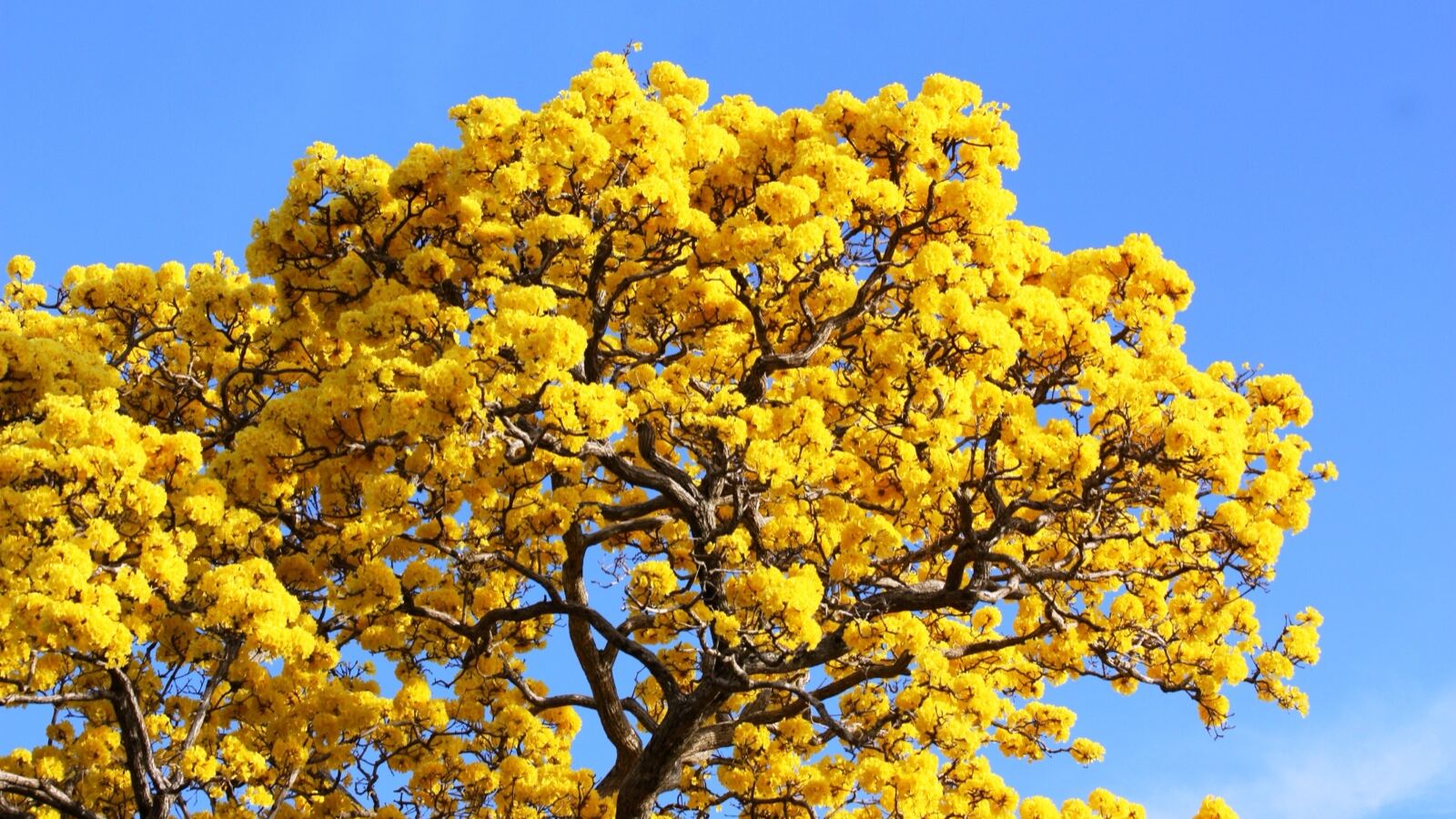
№ 231Ipê and Pau d'Arco: The Trumpet Trees of Flower and Iron
Latin American trees that blaze leafless yellow and pink across whole cities in the dry season — and whose wood is so hard and rot-proof it sinks and outlasts concrete, driving a decking trade that is stripping the forest.
 № 232
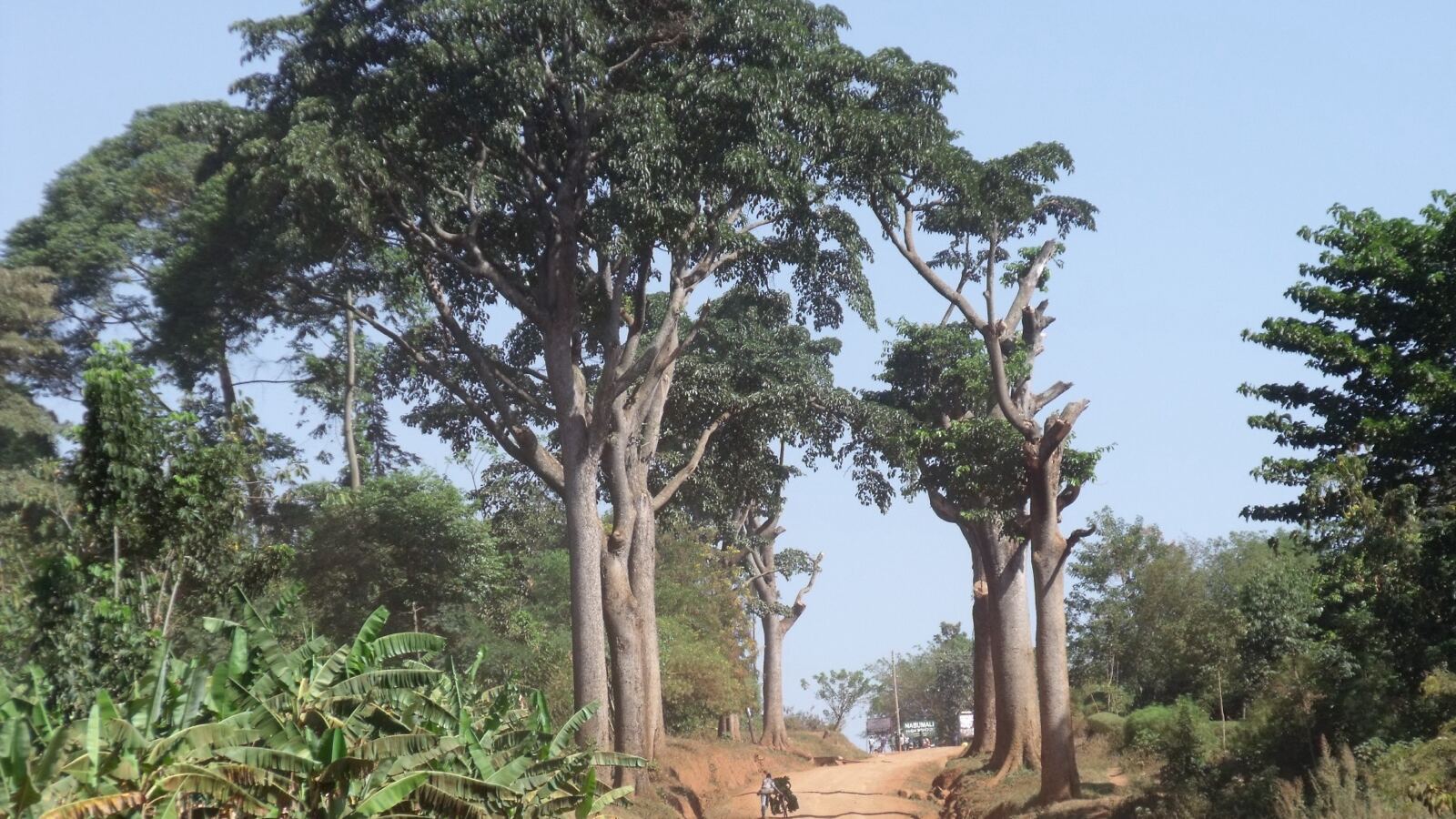
№ 232Iroko: The African Teak and the Tree of Spirits
A durable golden-brown West African timber sold as 'African teak' — a fig-family giant revered as a dwelling of spirits, guarded by taboo, and armoured against the sawmill by stones inside its own wood.
 № 235
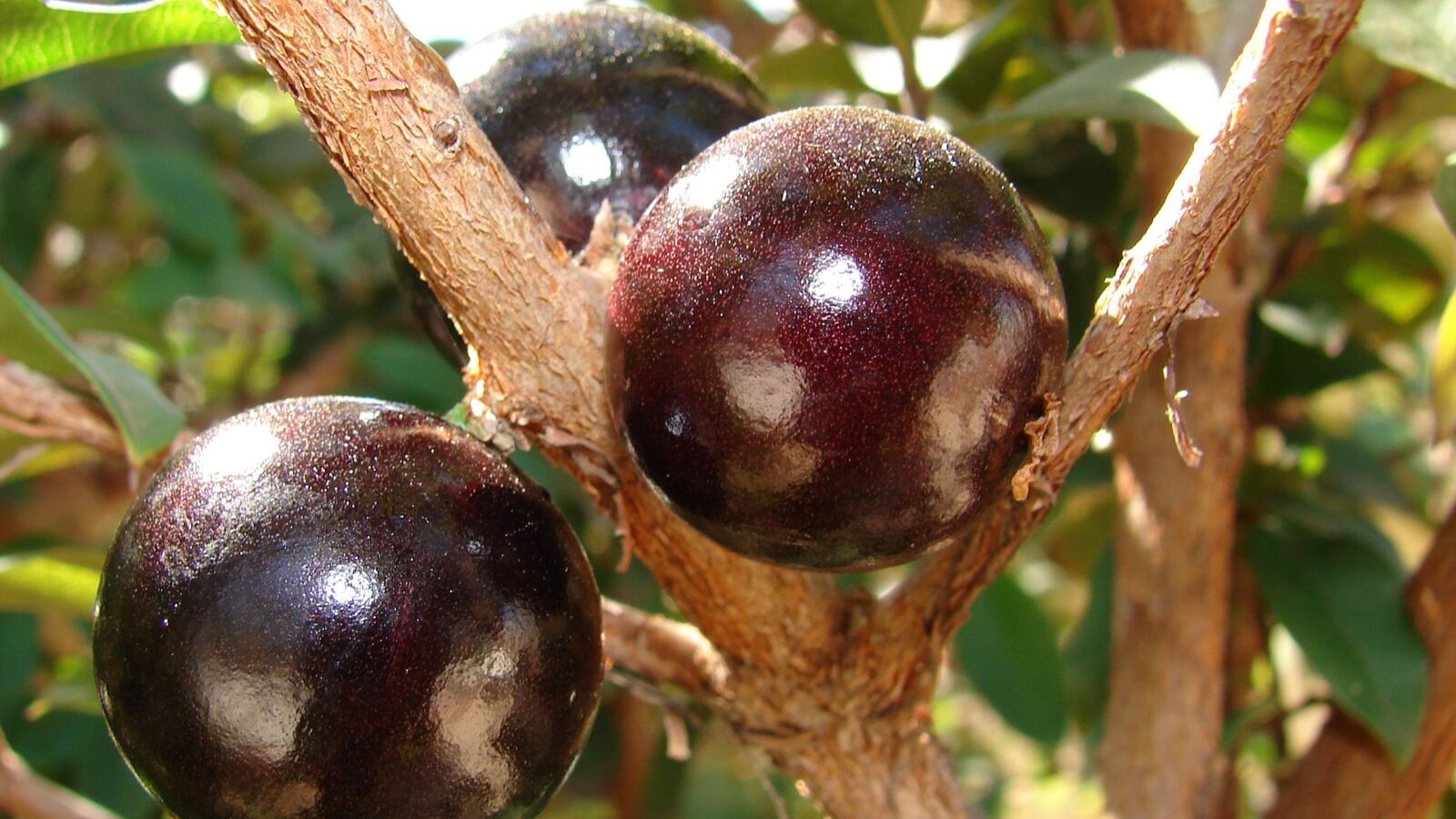
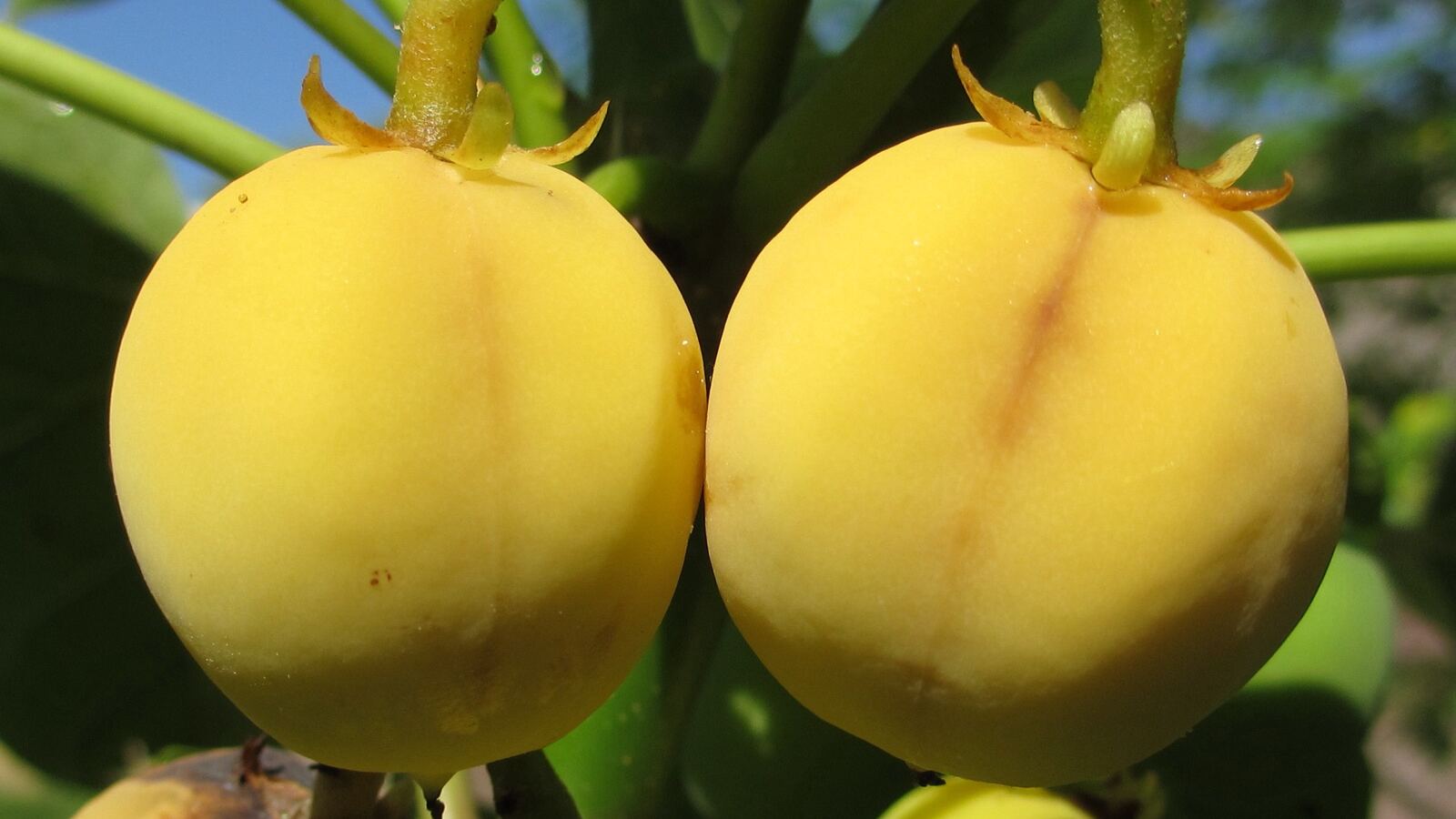
№ 235Jaboticaba: The Tree That Fruits on Its Own Trunk
A Brazilian tree that skips the branches and flowers straight from its bark, so its dark grape-like fruit erupt directly along the trunk — a startling sight, a delicious fruit, and a lesson in cauliflory.
 № 237
№ 237Jatropha: The Biofuel Miracle That Wasn't
A tough, poisonous, oil-seeded shrub hailed as the wonder biofuel that would green deserts and power the world from wasteland — until billions of dollars of plantations failed, in one of the great agricultural bubbles of the century.
 № 239
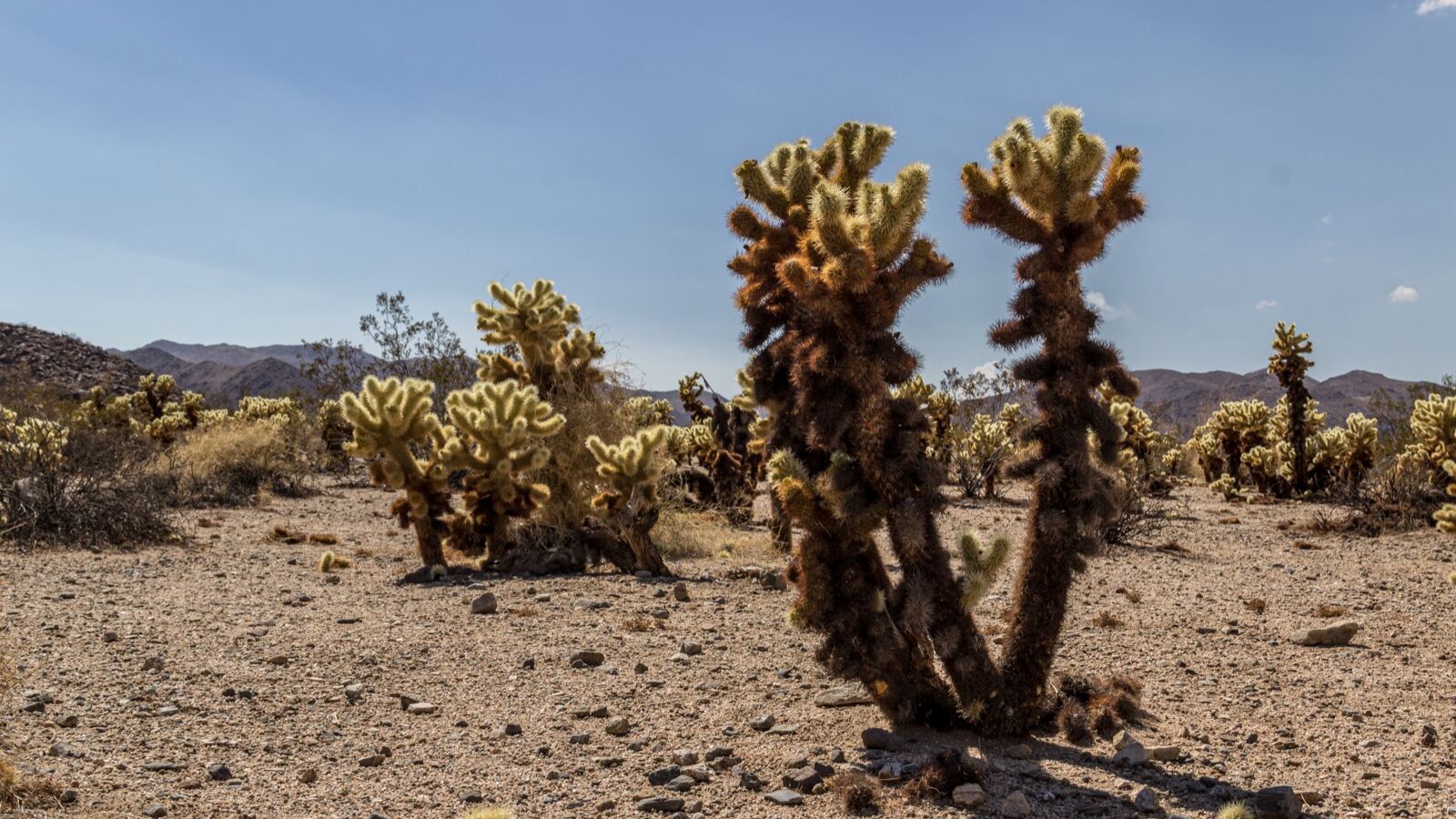
№ 239Joshua Tree and Yuccas: The Desert Trees Bound to a Single Moth
Spiky desert monocots that can only be pollinated by one small moth — and the moth can only breed in them — a partnership so tight that climate change now threatens both at once.
 № 240
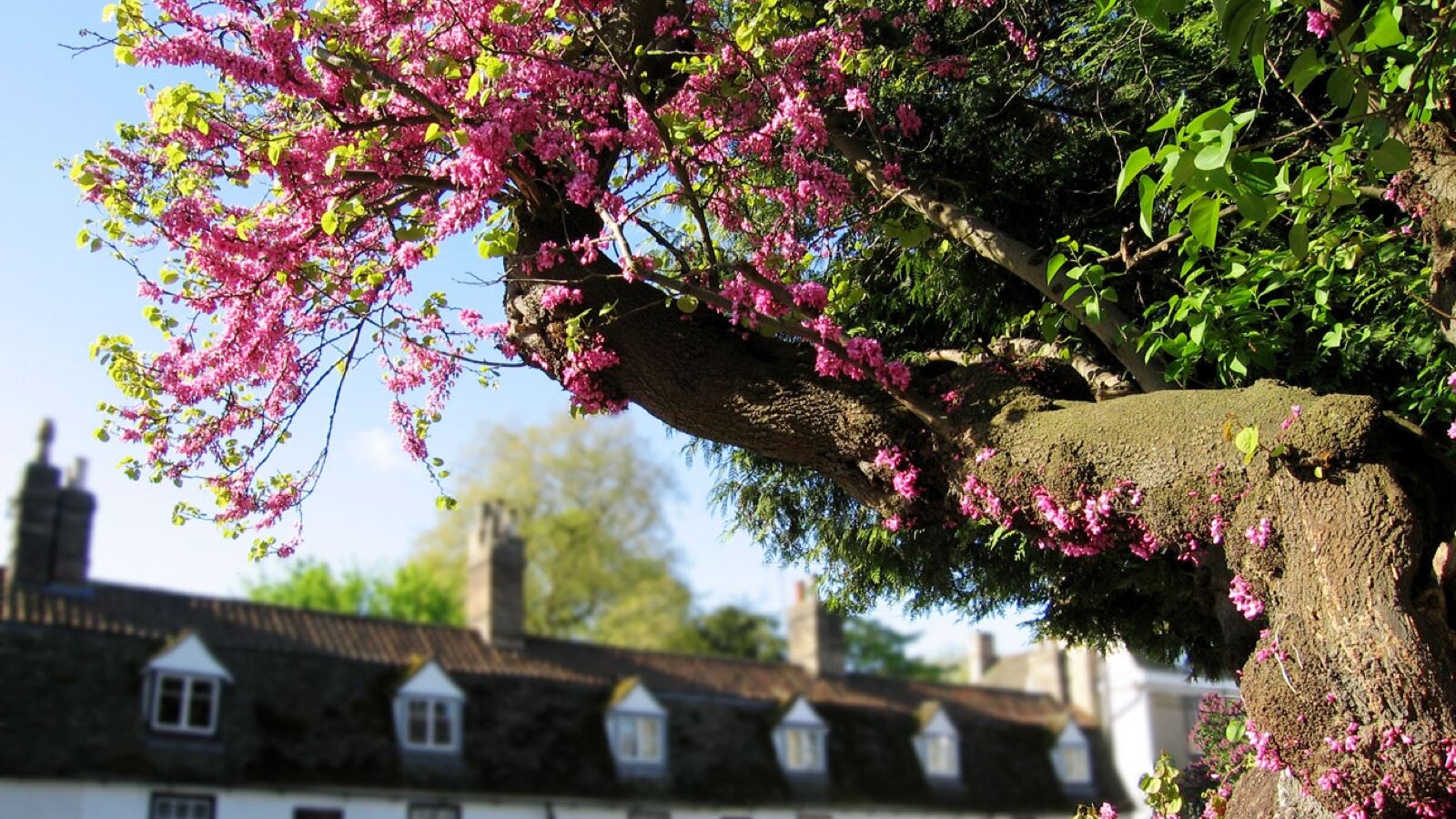
№ 240Judas Tree: The Redbud That Flowers on Its Own Trunk
A Mediterranean redbud that bursts into pink pea-flowers straight from its bare branches and trunk each spring — burdened with a grim legend, blessed with edible blooms, and one of the loveliest small trees of the region.
 № 243
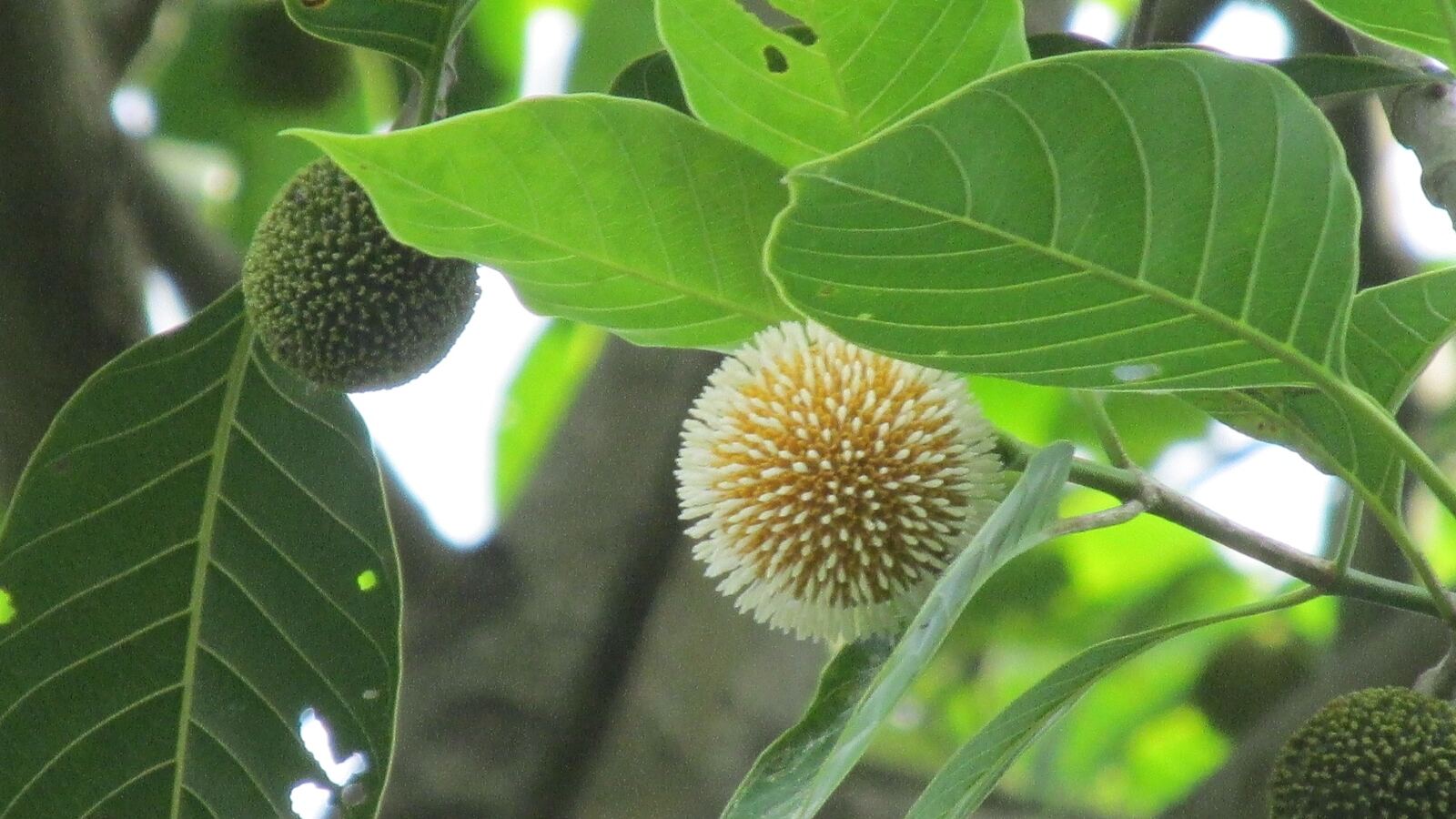
№ 243Kadamba: Krishna's Fragrant Orange Pincushion Tree
A fast tropical tree sacred to Krishna, hung each monsoon with fragrant orange flower-balls like glowing pincushions — a plant of Indian myth and poetry that is also a fast-growing plantation timber.
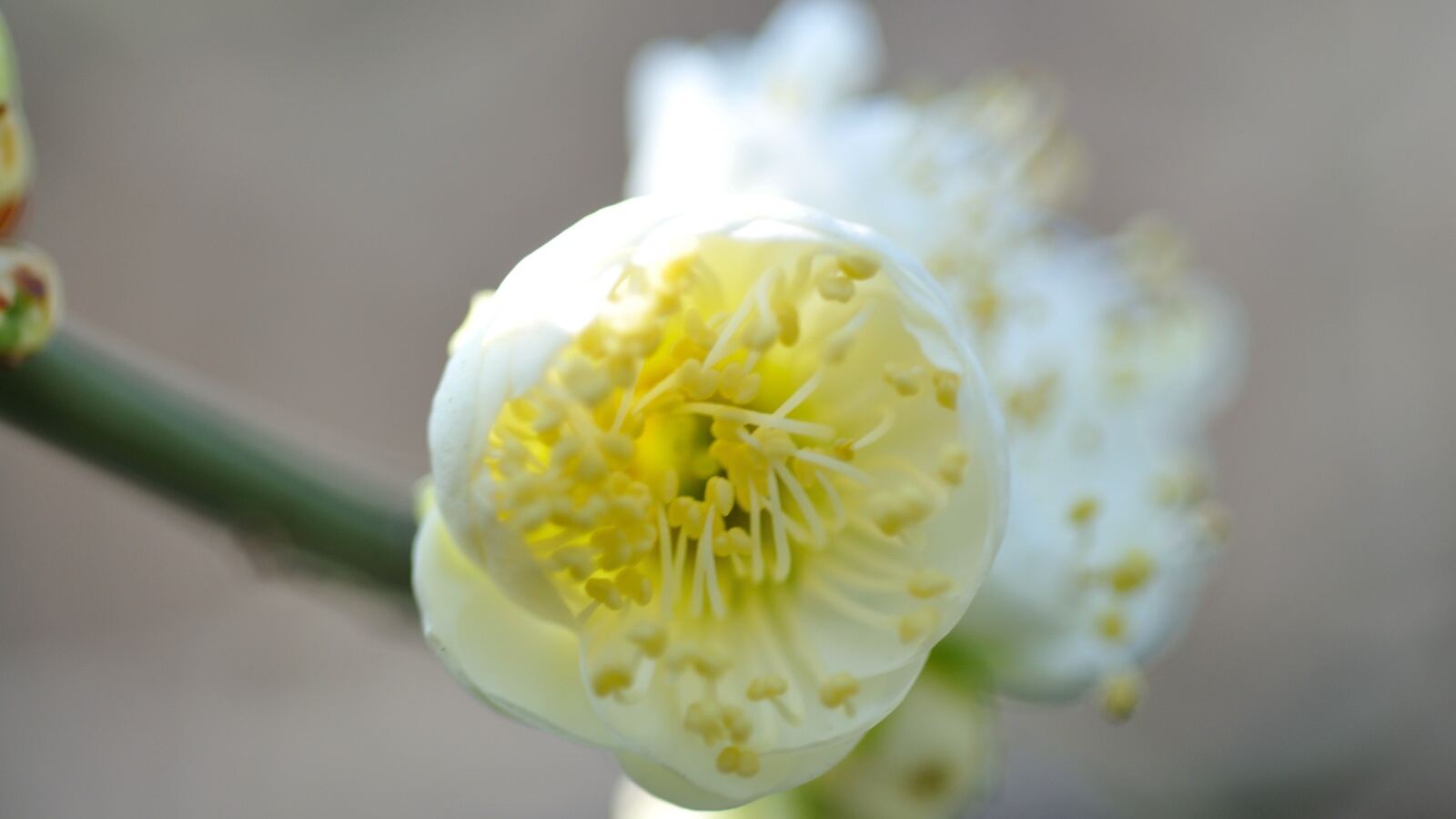 № 244
№ 244Kakadu Plum: The Fruit With the Most Vitamin C on Earth
A tree of northern Australia whose small green plum holds the highest recorded vitamin C of any fruit in the world — an ancient Aboriginal food and medicine, now a booming superfood and cosmetics crop.
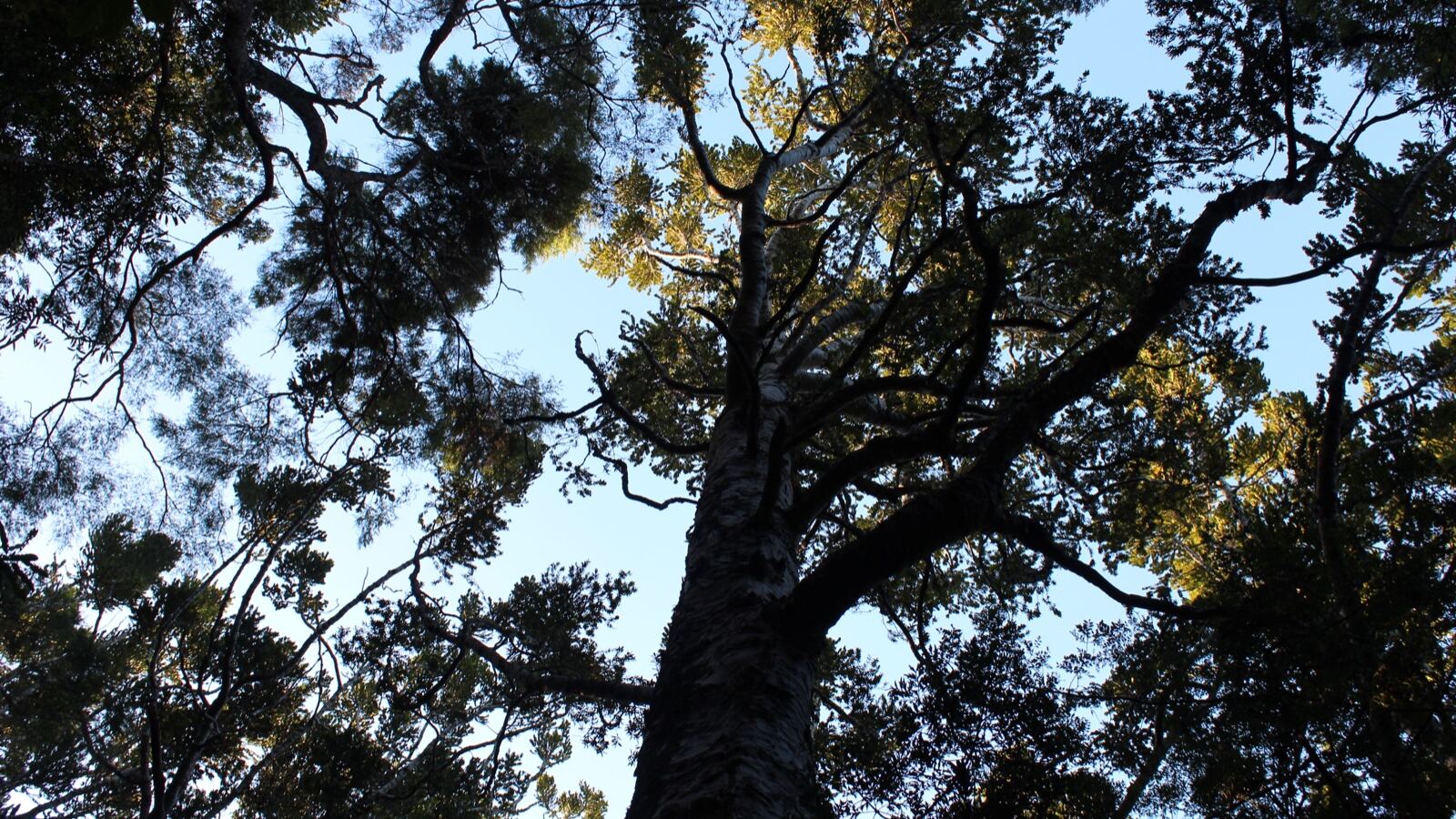 № 247
№ 247Kauri: New Zealand's Colossus and the Disease Closing Its Forests
One of the largest and longest-lived trees on Earth — a Gondwanan conifer that builds vast columnar trunks, made forests of its own, gave up a fossil gold, and is now dying of a soil disease spread on boot soles.
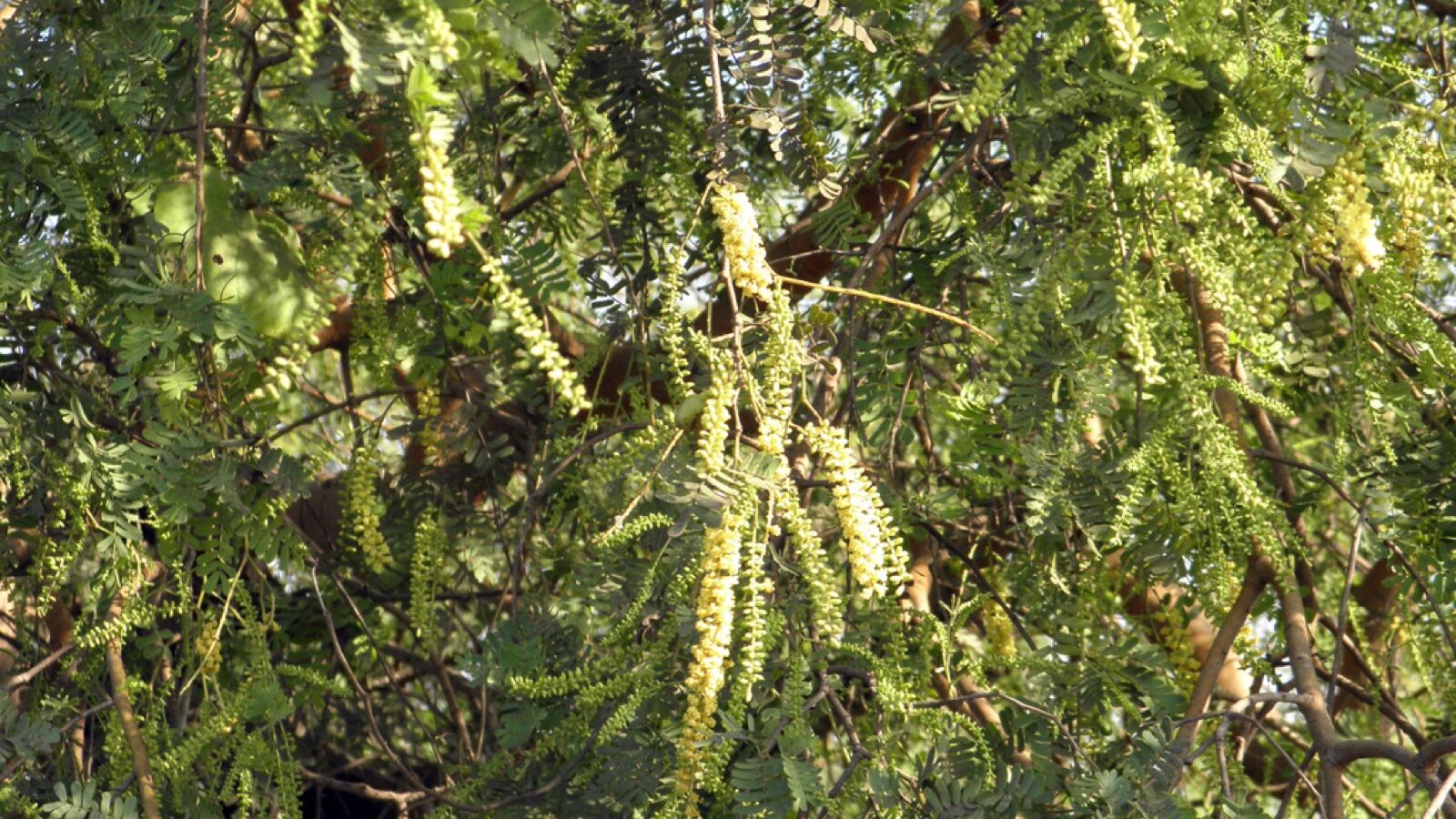 № 252
№ 252Khejri: The Desert Tree People Died to Save
The 'king tree' of the Thar Desert — a nitrogen-fixing legume that feeds people and livestock where nothing else grows, revered by the Bishnoi, and the tree at the heart of history's most famous environmental martyrdom.
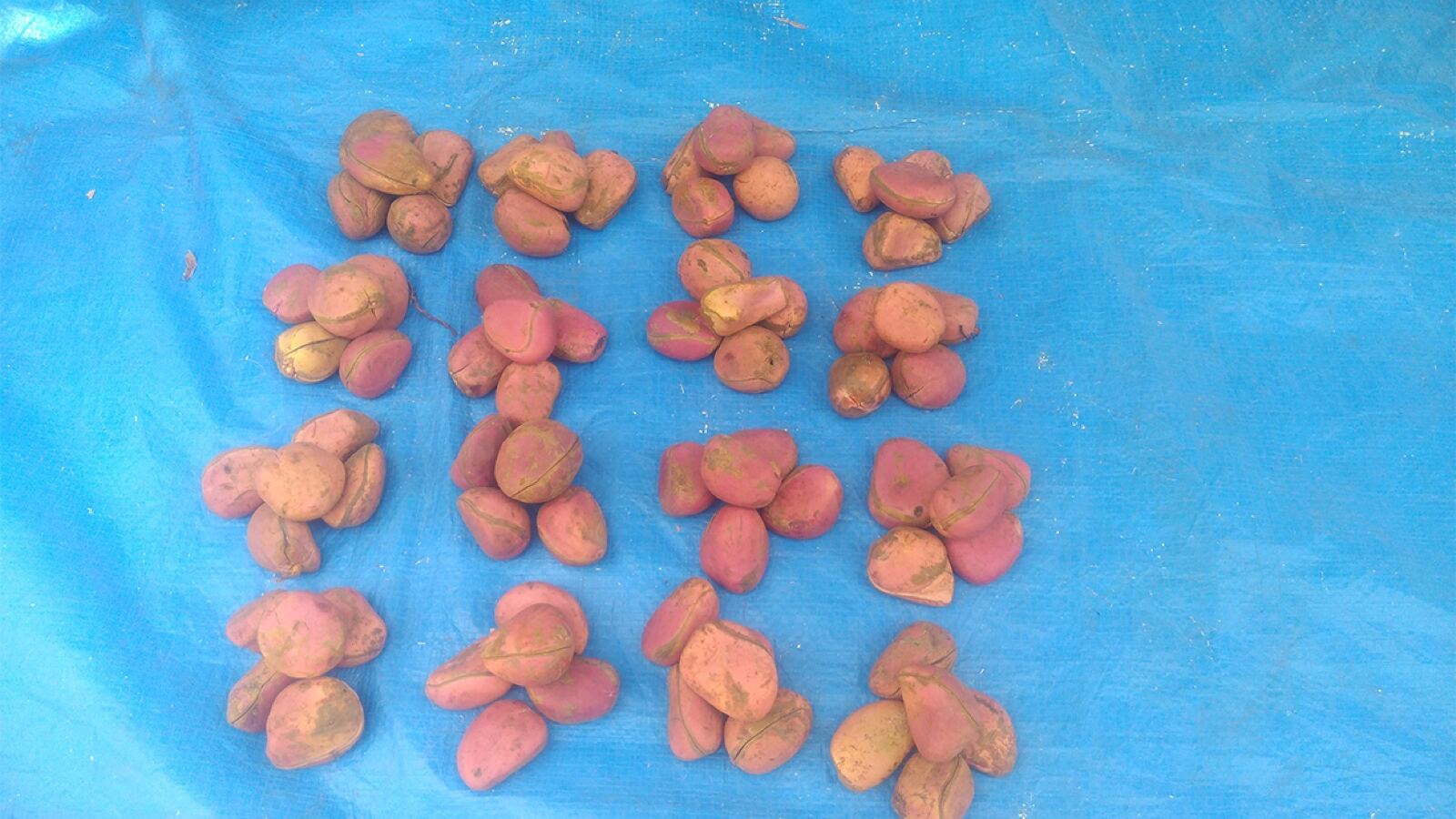 № 253
№ 253Kola Nut: The Caffeine Seed Behind Cola and a Culture of Welcome
A bitter West African seed, chewed for its stimulant kick and shared as the deepest gesture of hospitality — and the original flavouring that gave cola drinks their name.
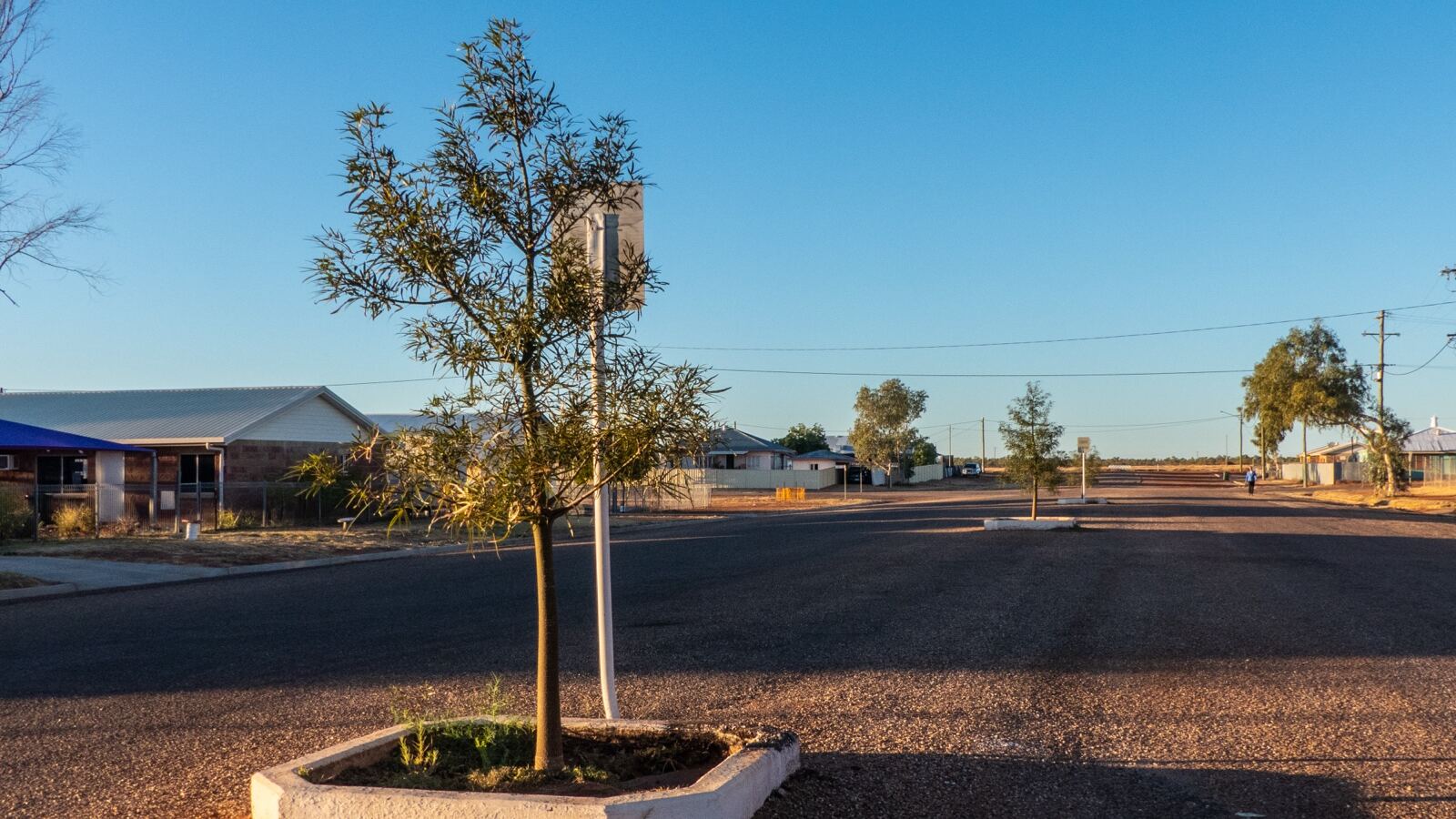 № 254
№ 254Kurrajong and Bottle Trees: The Water-Bellied Trees of Australia
Australian trees that swell their trunks into bottles to store water and food, drop bell-flowers and edible seeds, and carry a fibrous bark that clothed and fed people through drought.
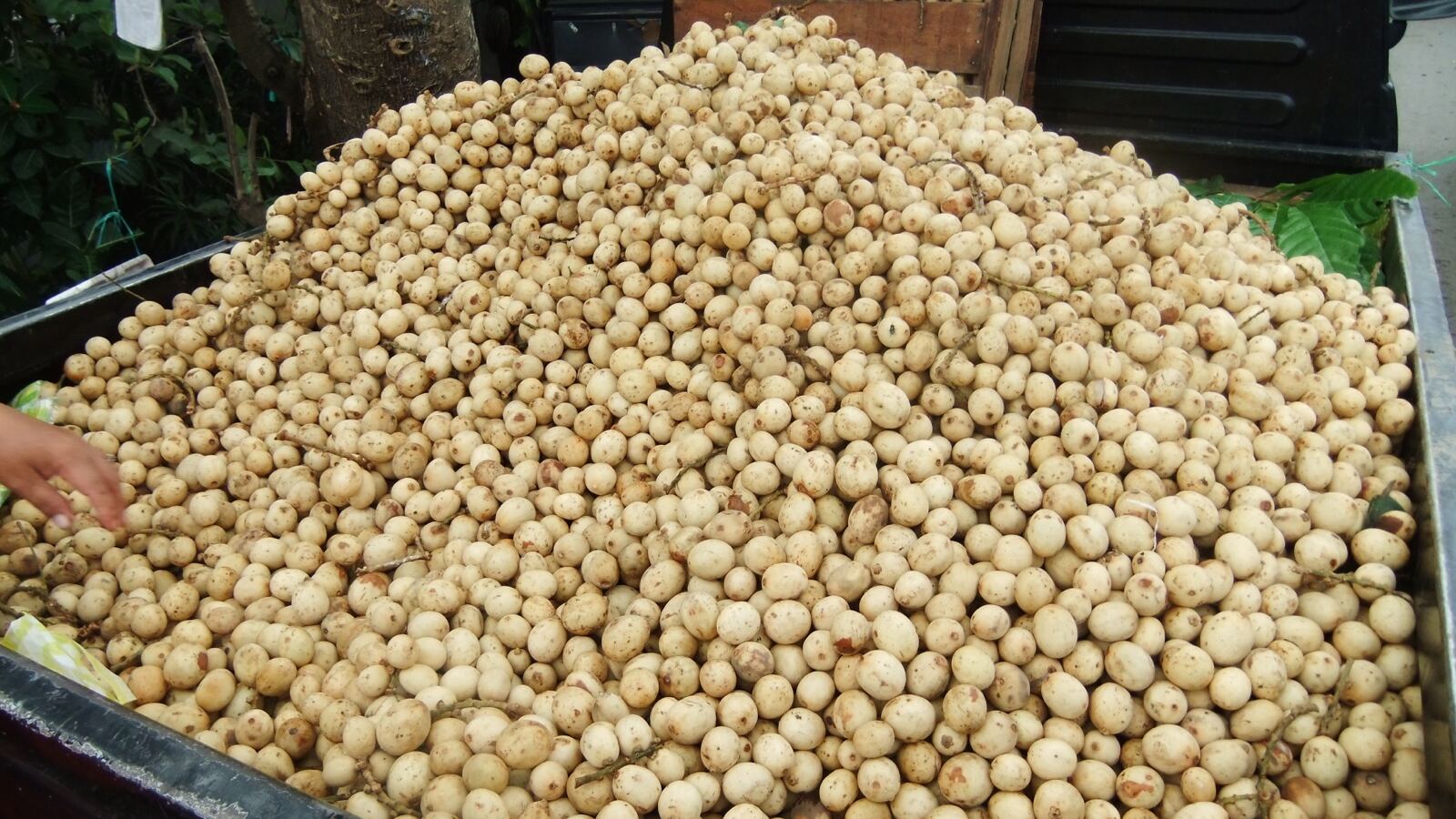 № 258
№ 258Langsat and Duku: The Translucent Fruits of the Mahogany Family
Southeast Asian trees bearing clusters of little tan-skinned fruits that peel to reveal translucent, sweet-sour segments like tiny grapefruit — a beloved tropical treat from a surprising family.
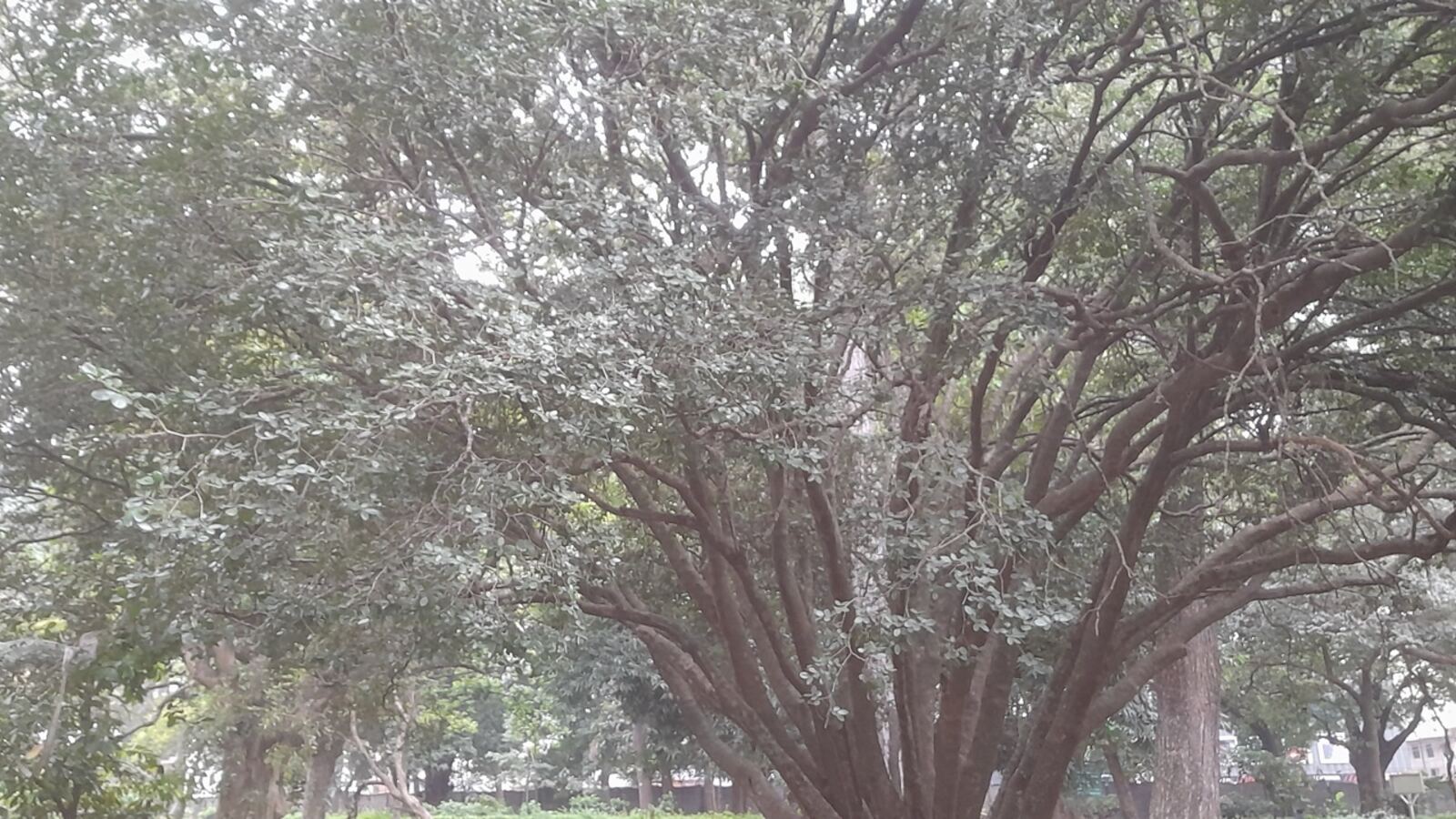 № 267
№ 267Lignum Vitae: The Wood That Oils Itself and Sinks Like Stone
The hardest, densest commercial timber on Earth — self-lubricating with its own resin, it ran the propeller-shaft bearings of ships and submarines, and was once sold as a cure for everything.
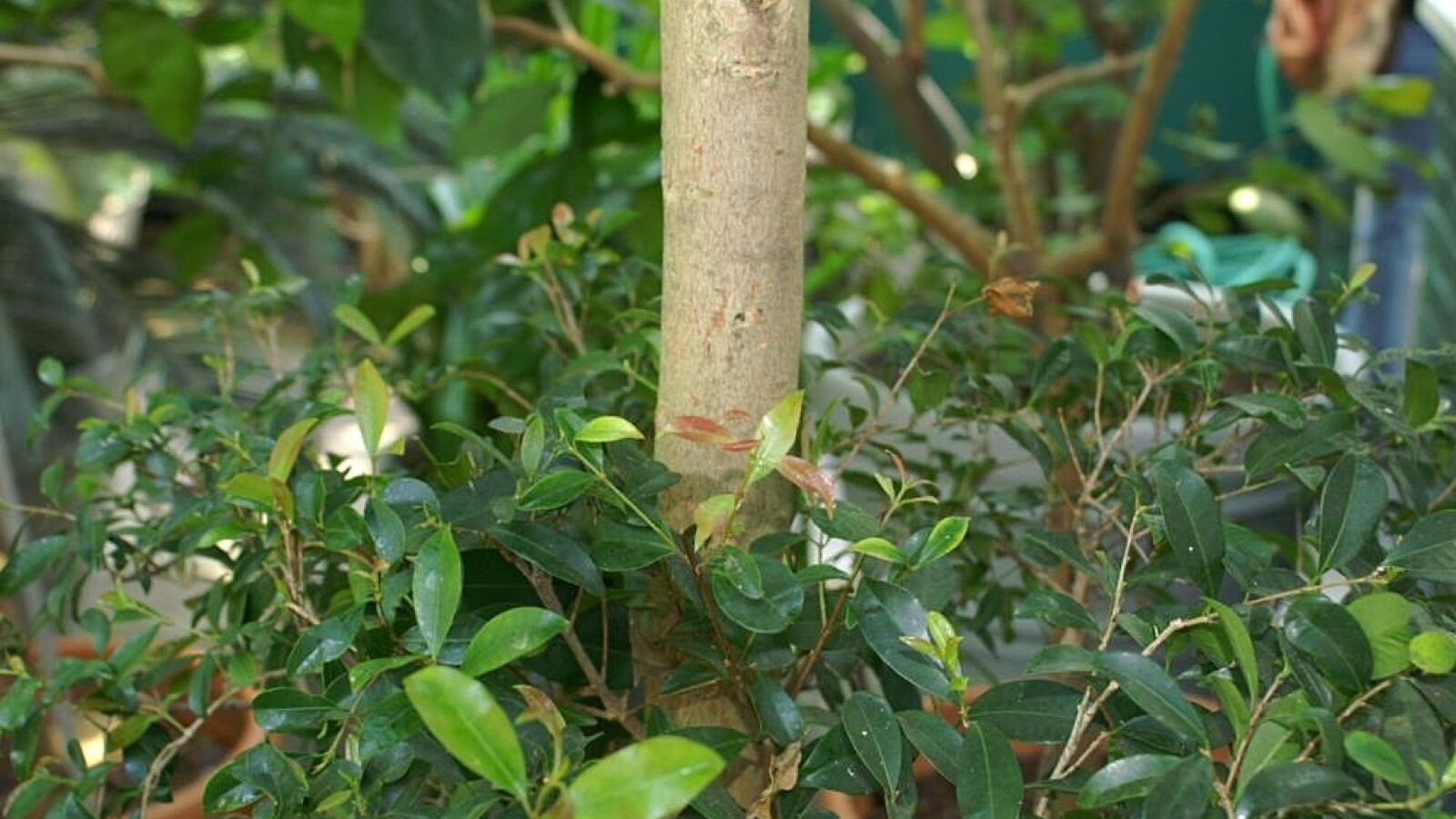 № 268
№ 268Lilly-Pilly: Australia's Hedge, Berry, and Myrtle
The much-loved native evergreens of Australian gardens — dense, glossy, clip-happy myrtles that make the country's favourite hedges, flush their new growth in vivid pink and red, and bear crisp, tart edible berries.
 № 270
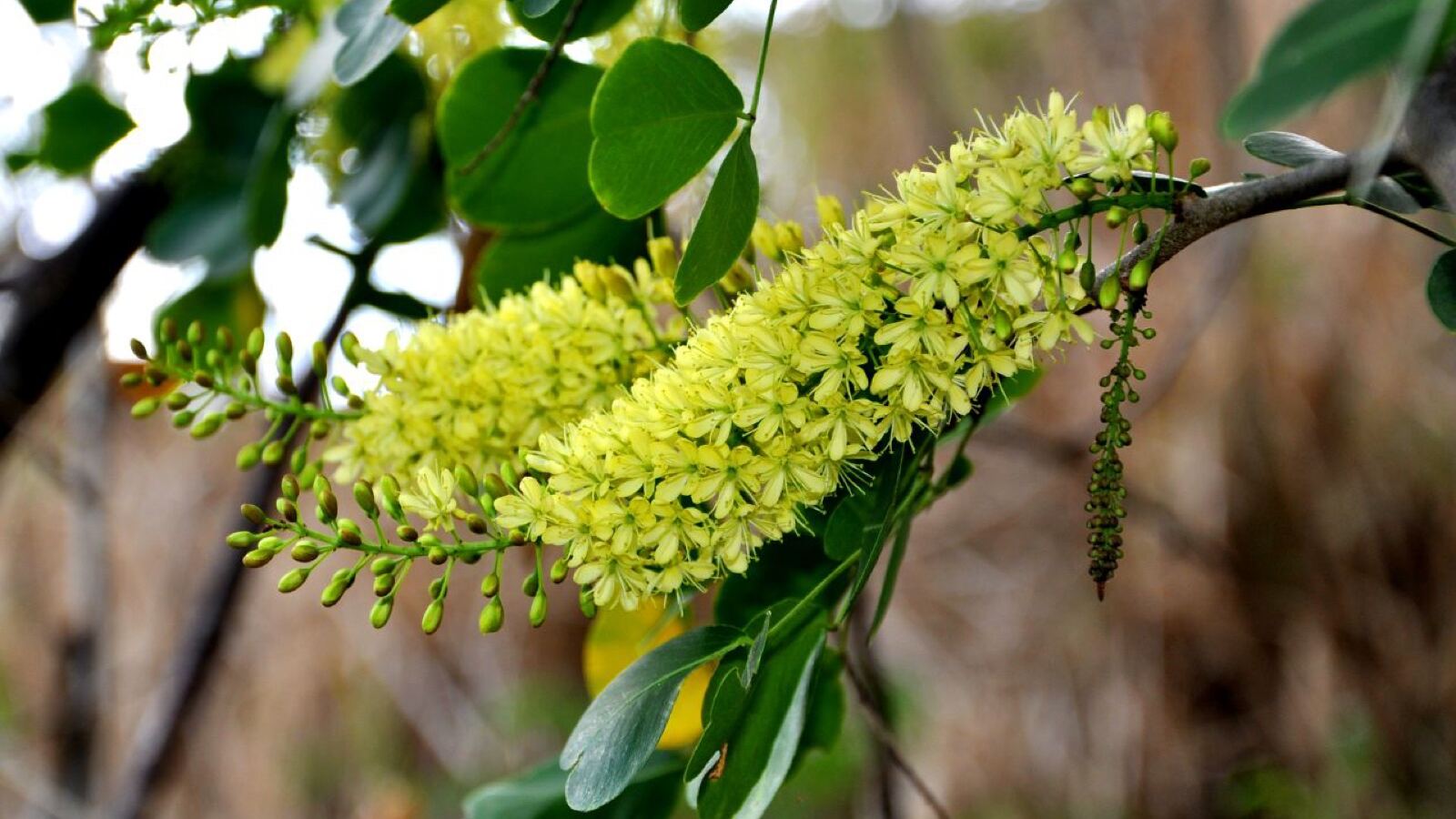
№ 270Logwood: The Dye Tree That Colours Cells Under the Microscope
A thorny Central American tree whose heartwood gave the world its great black and purple dye — fought over by pirates and empires — and still stains almost every microscope slide of human tissue examined today.
 № 272
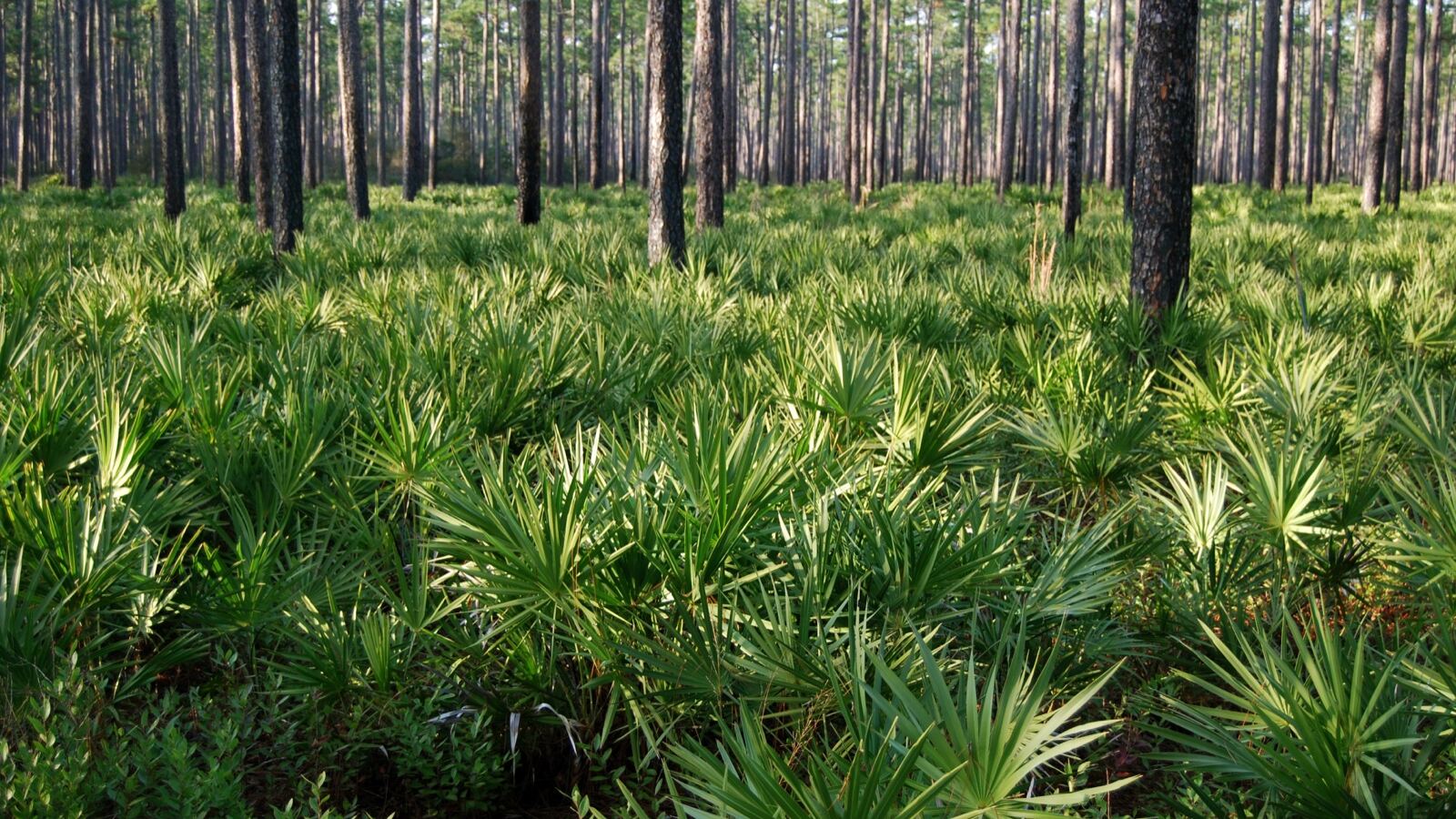
№ 272Longleaf Pine: The Grass That Becomes a Forest of Fire
A southern pine whose seedling hides for years disguised as a clump of grass, whose vast fire-swept savannas were among the richest ecosystems in North America — and are now 97% gone.
 № 275
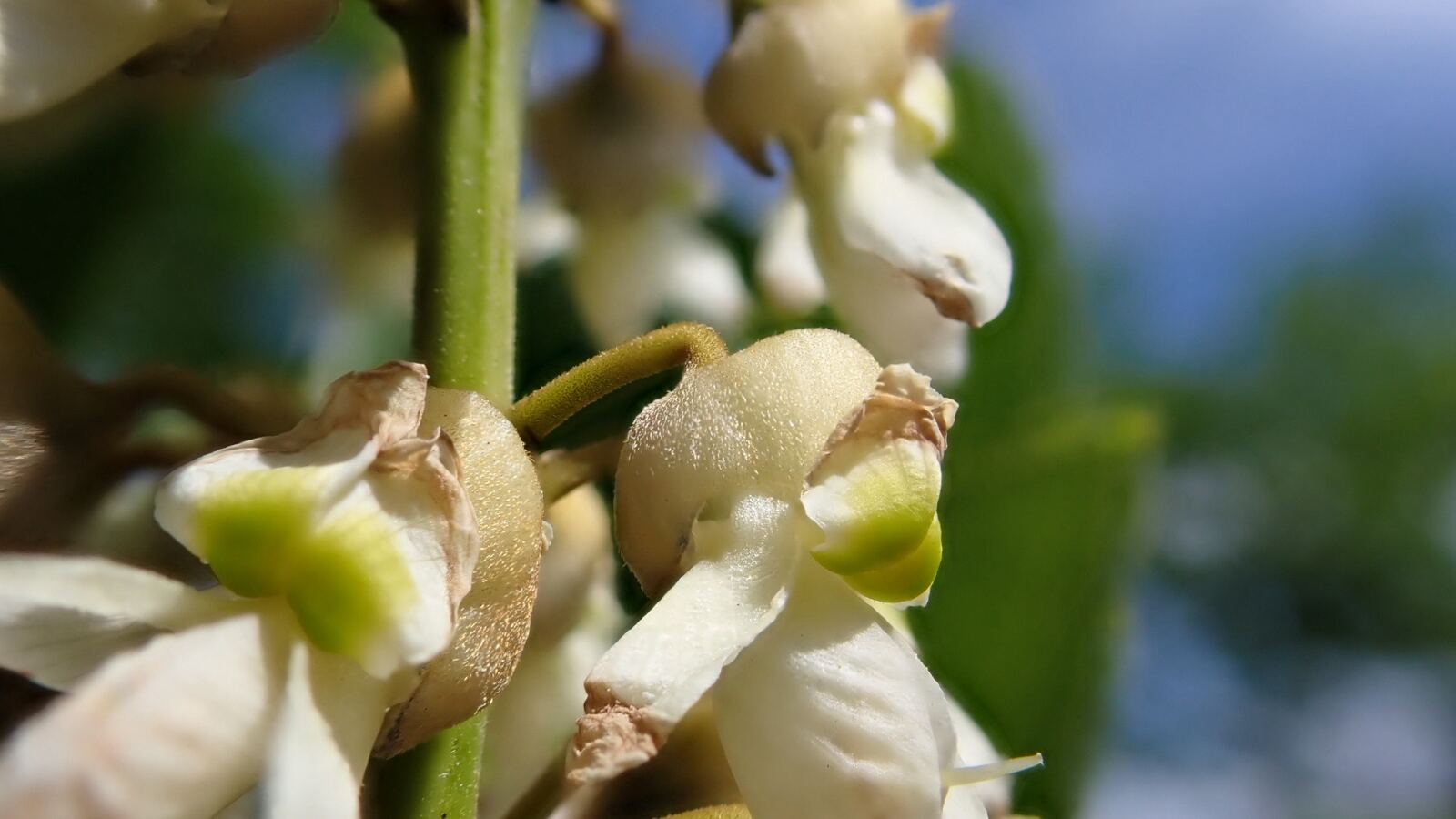
№ 275Maackia: The Iron-Hard Legume for the Coldest Cities
A small, tough, exceptionally cold-hardy legume from Manchuria — shrugging off deep winters, poor soil, and city streets, fixing its own nitrogen, and flowering white in high summer when little else does.
 № 279
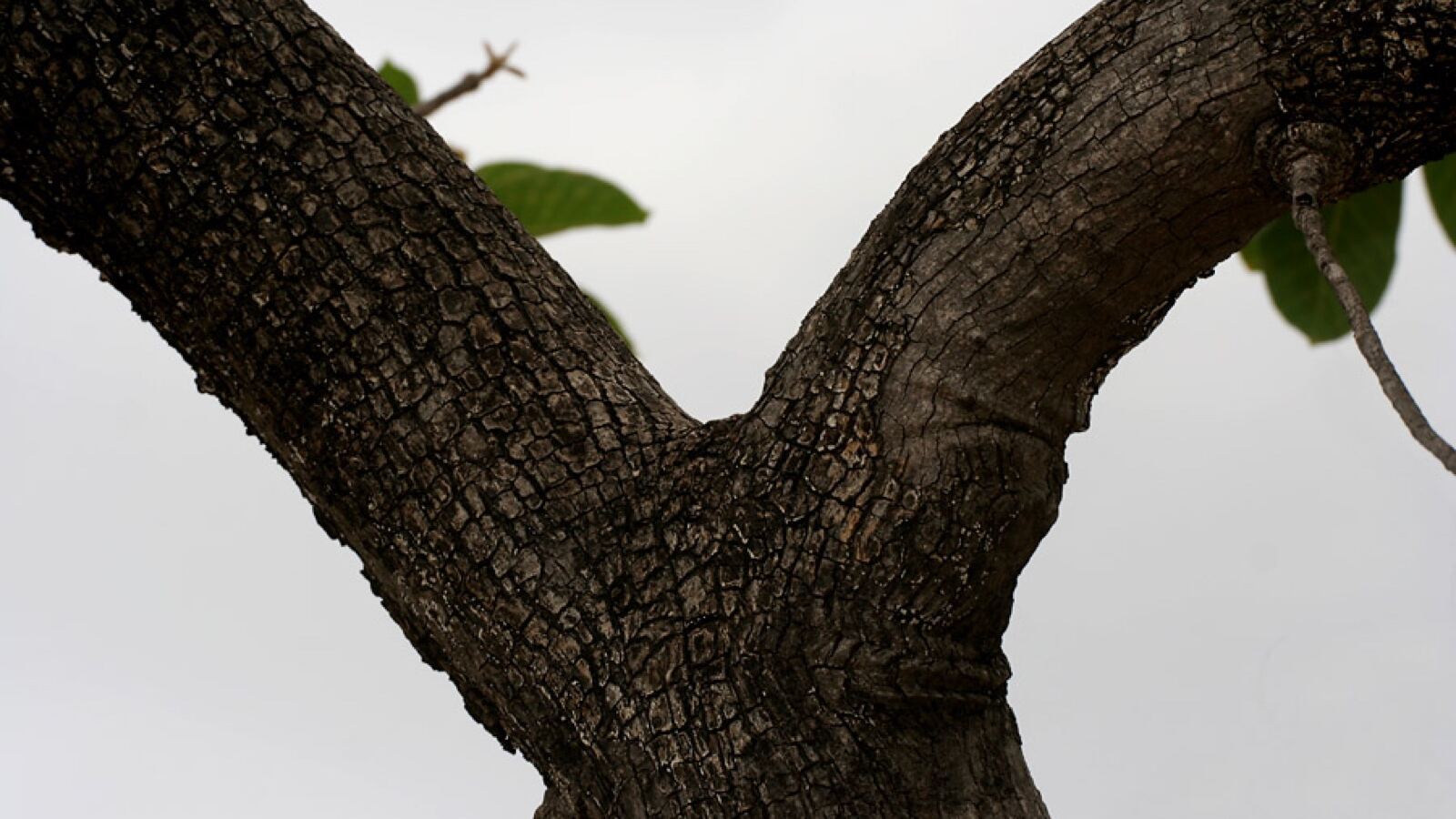
№ 279Mahua: The Tree of Flowers, Liquor, and Forest Livelihoods
A central Indian tree grown for its sweet, fleshy flowers — gathered by the sackful, eaten, and fermented into the country liquor at the heart of tribal (adivasi) culture and economy.
 № 284
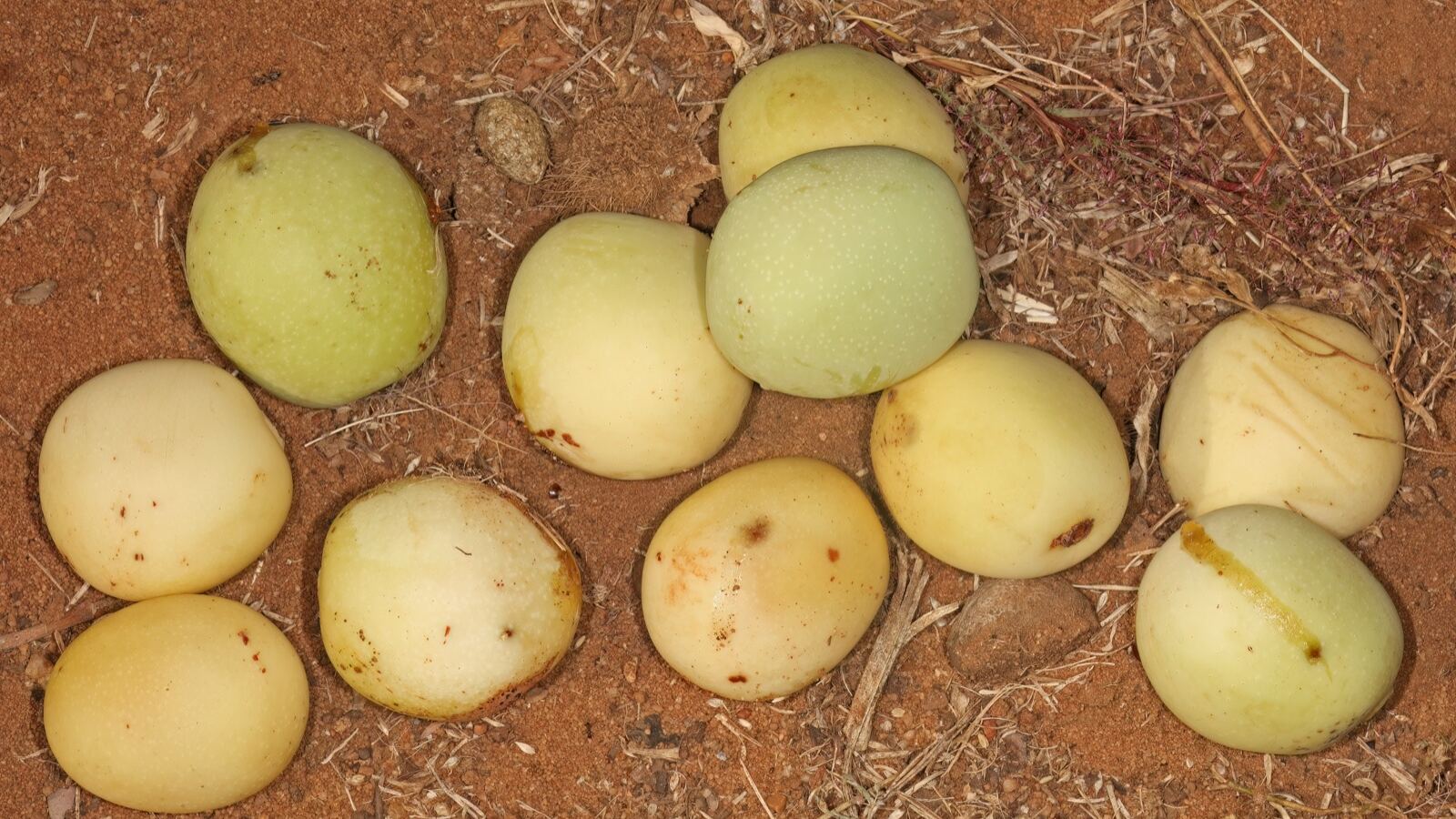
№ 284Marula: The Elephant's Fruit and the Cream Liqueur
A revered African savanna tree whose tangy, vitamin-rich fruit feeds elephants and people alike, flavours a famous cream liqueur, and anchors a women-led rural economy — plus the truth about 'drunk elephants'.
 № 292
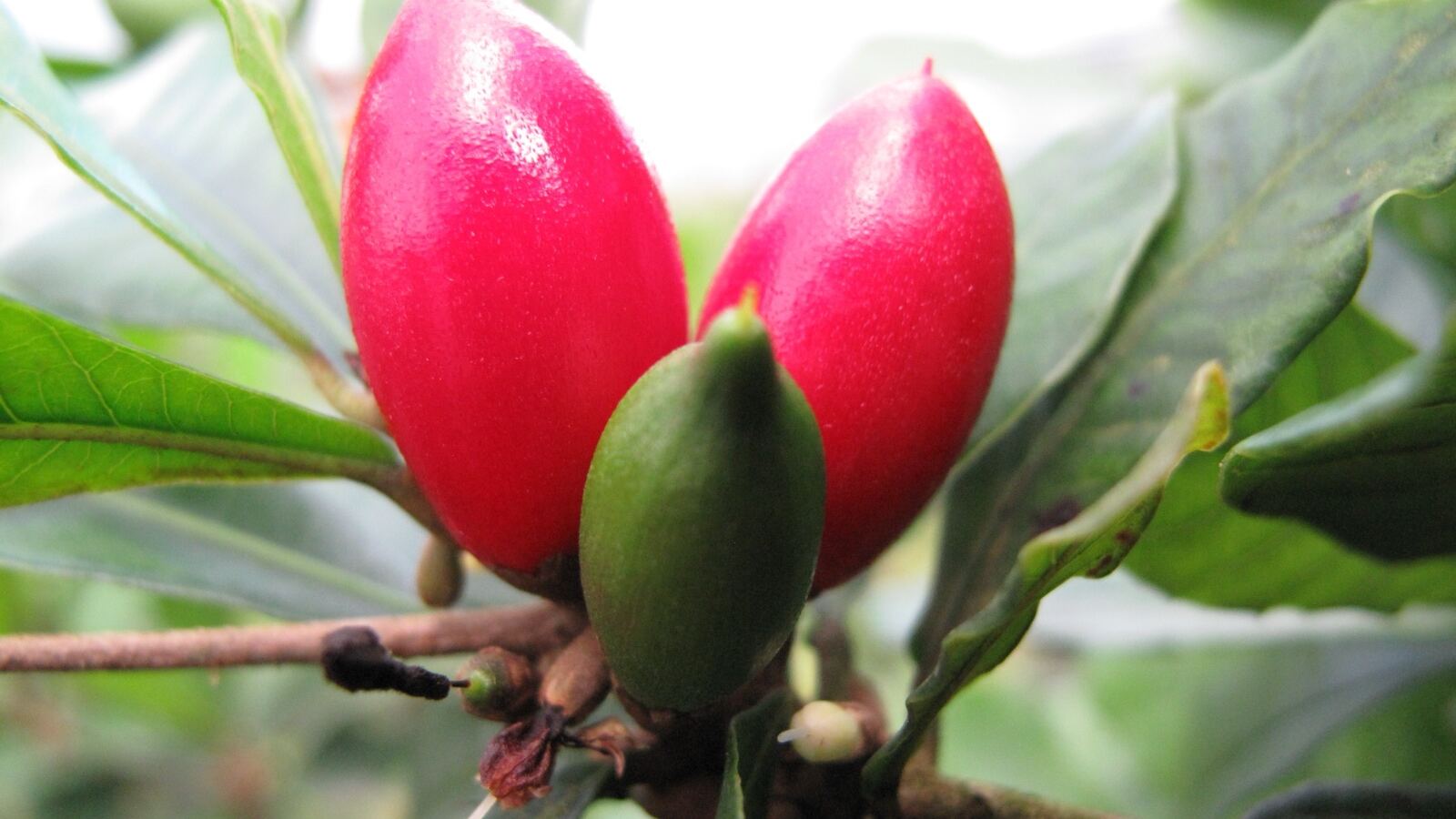
№ 292Miracle Fruit: The Berry That Turns Sour Into Sweet
A West African berry that rewires your tongue — coating it with a protein that makes everything sour taste intensely sweet for half an hour, powering 'flavour-tripping' parties and helping chemotherapy patients eat again.
 № 296
№ 296Mombin and Ambarella: The Hog Plums of the Tropics
Fast, easy Spondias trees — kin to the mango — bearing tart little 'hog plums' and the crunchy June plum, that grow into a fruiting tree from a fence-post cutting pushed in the ground.
 № 298
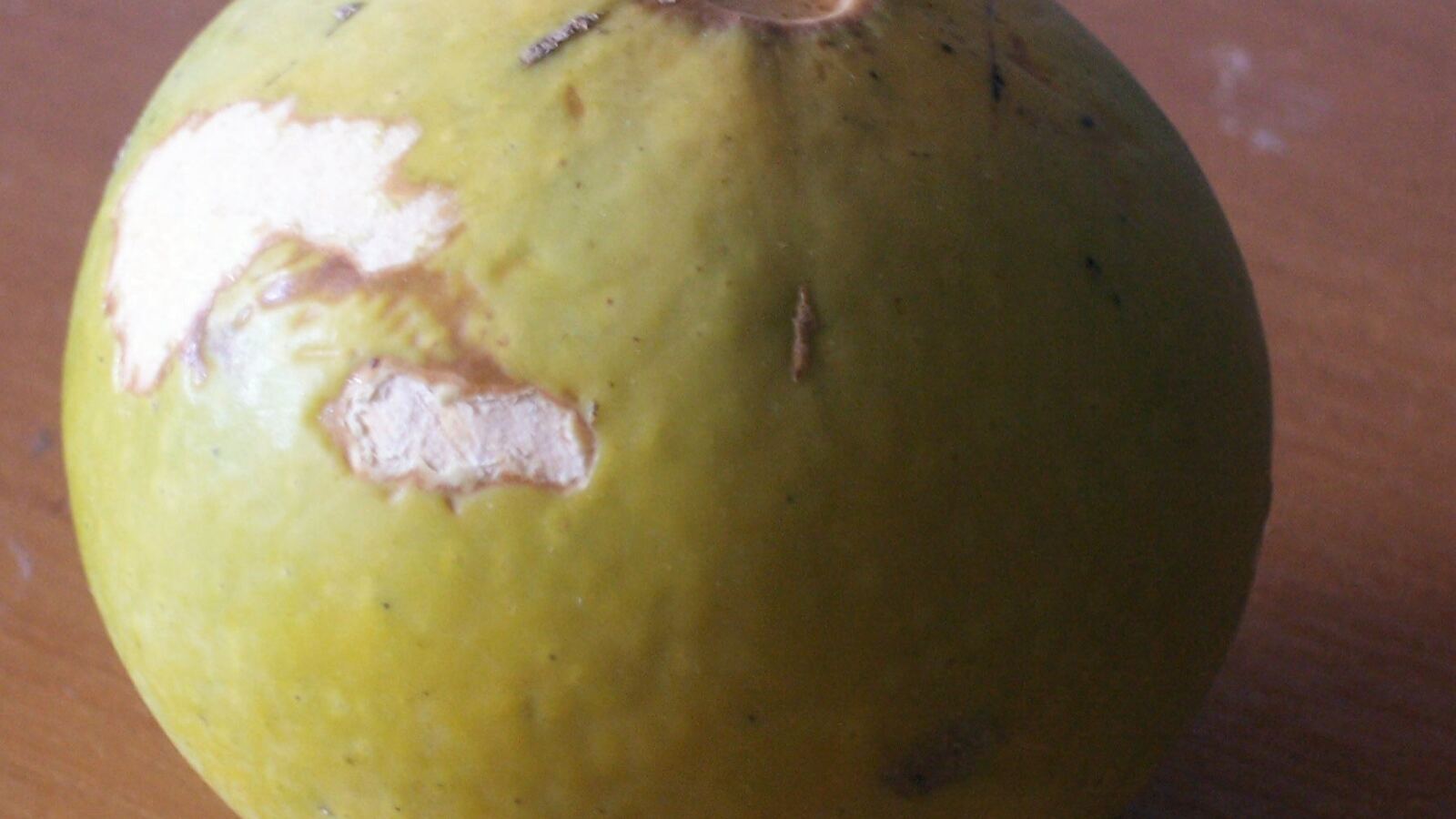
№ 298Monkey Orange: The Sweet Fruit in the Poison Genus
A spiny African tree bearing a hard green ball of sweet-sour pulp beloved by people and monkeys — a member of the same genus that gives the world strychnine and curare, with toxic seeds to prove the kinship.
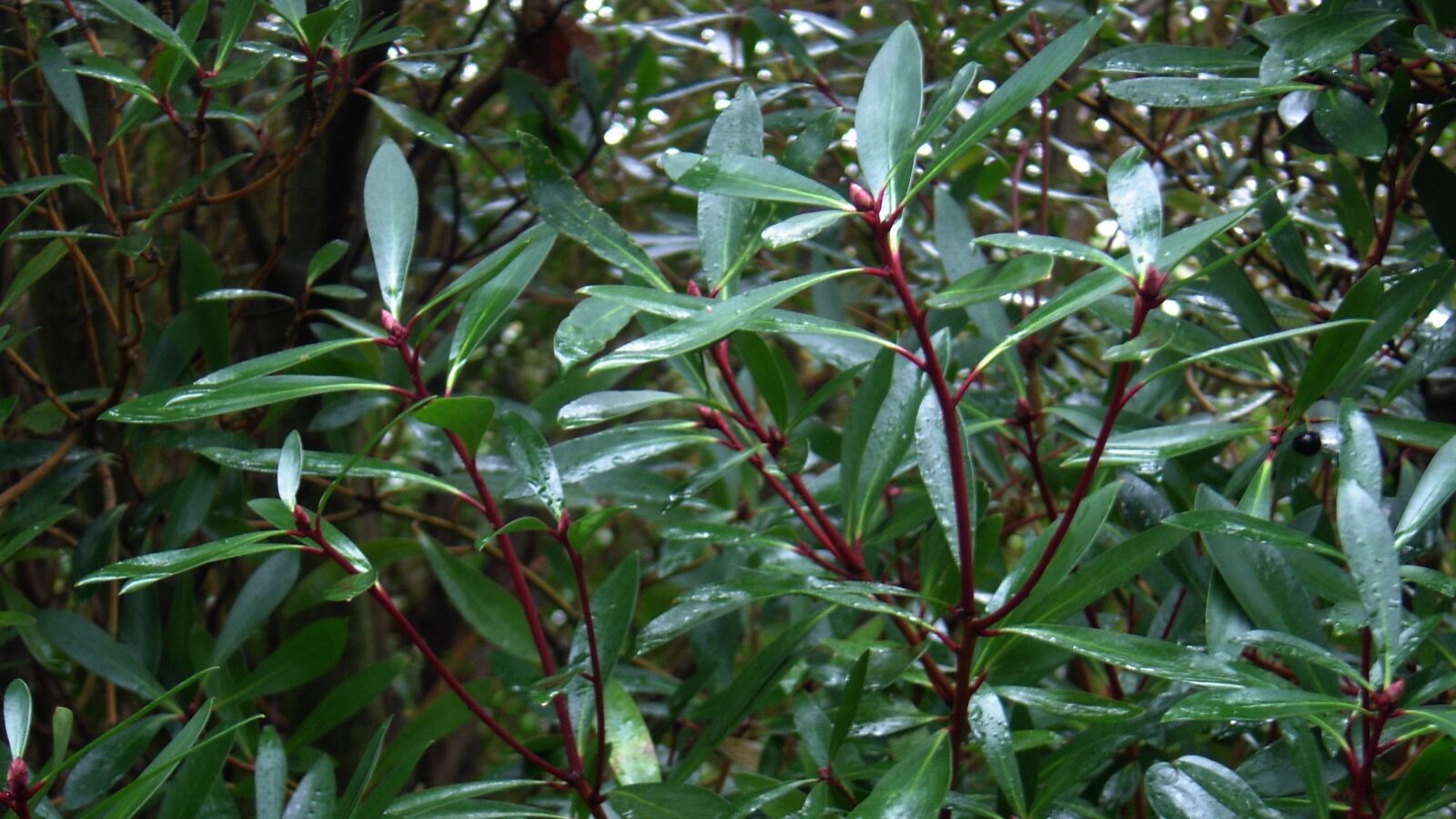 № 301
№ 301Mountain Pepper: The Fiery Berry of an Ancient Lineage
A Tasmanian shrub whose leaves and purple-black berries deliver a slow-building, numbing heat — a native bush spice from one of the most ancient branches of the flowering plants, kin to the magnolias and star anise.
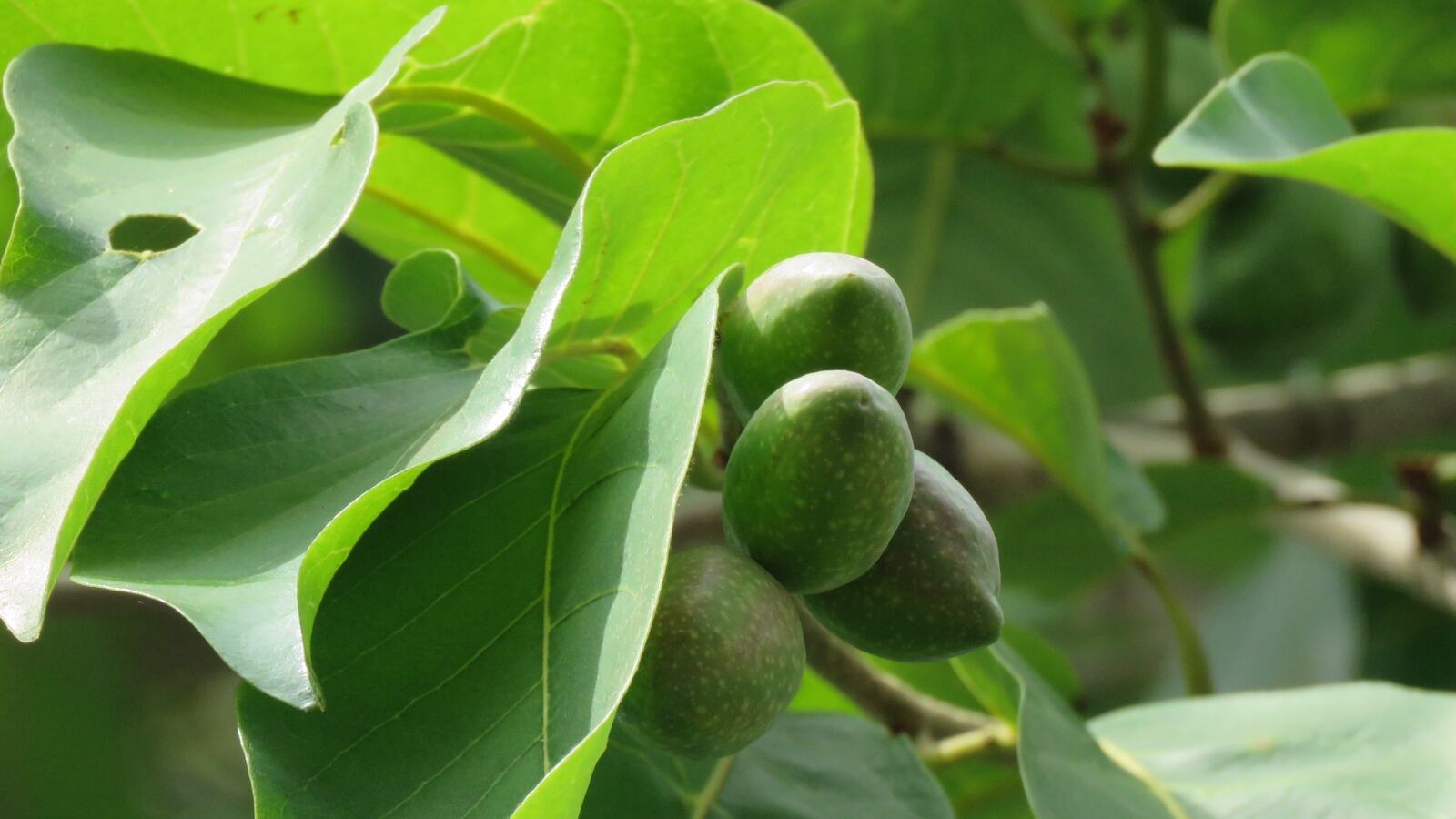 № 307
№ 307Myrobalan: The 'King of Medicines' and the Ink of Empires
The chebulic myrobalan — a Terminalia fruit revered in Ayurveda as the greatest of all herbs, one of the three in triphala, and a tannin so rich it dyed cloth, tanned leather, and made ink for a thousand years.
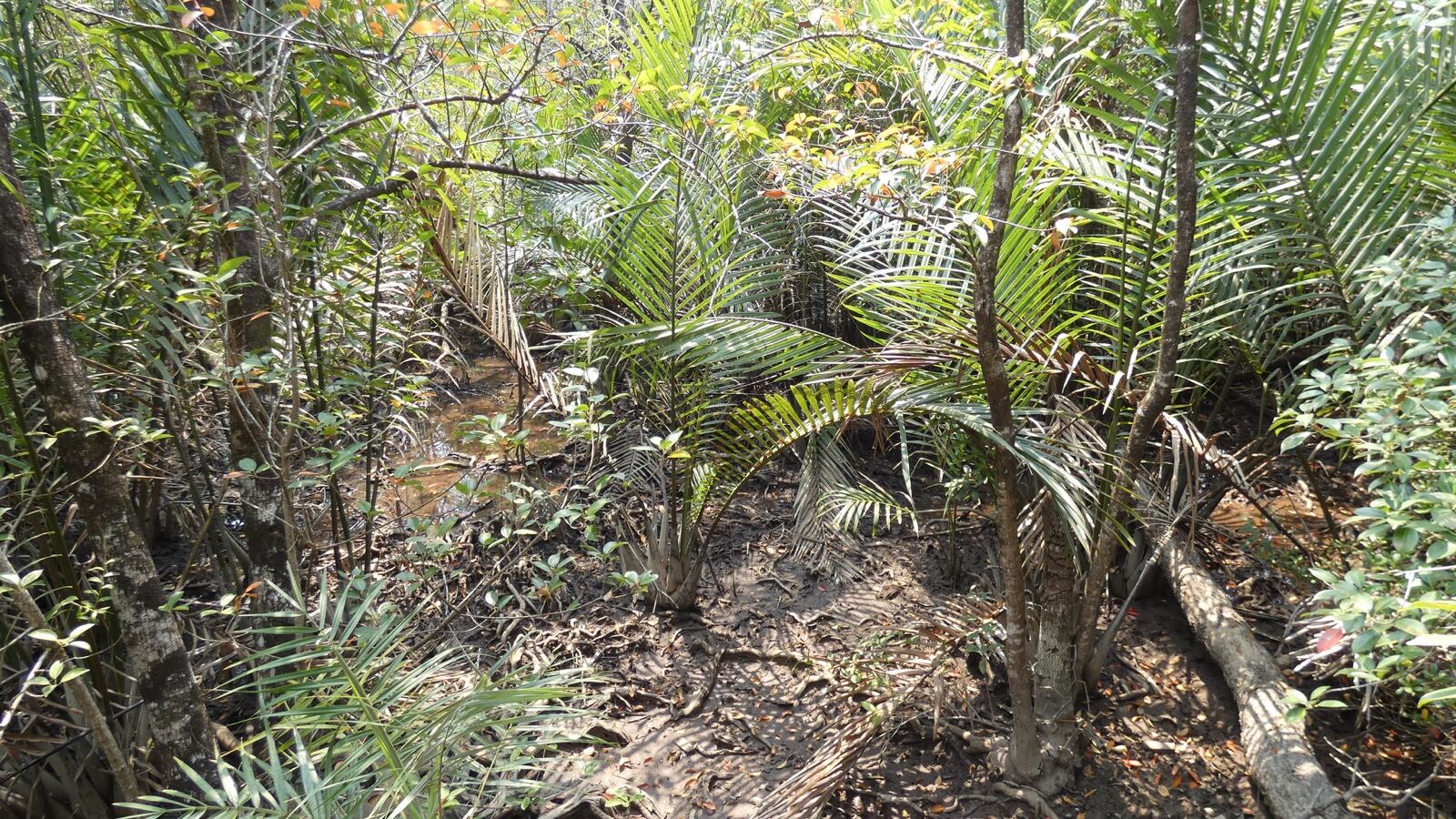 № 313
№ 313Nipa Palm: The Mangrove Palm With No Trunk
A palm of the tidal mangrove that hides its stem in the mud, throwing up only fronds and a spiky ball of fruit — the oldest palm known from fossils, a source of thatch, sugar, and one of the most productive biofuels imaginable.
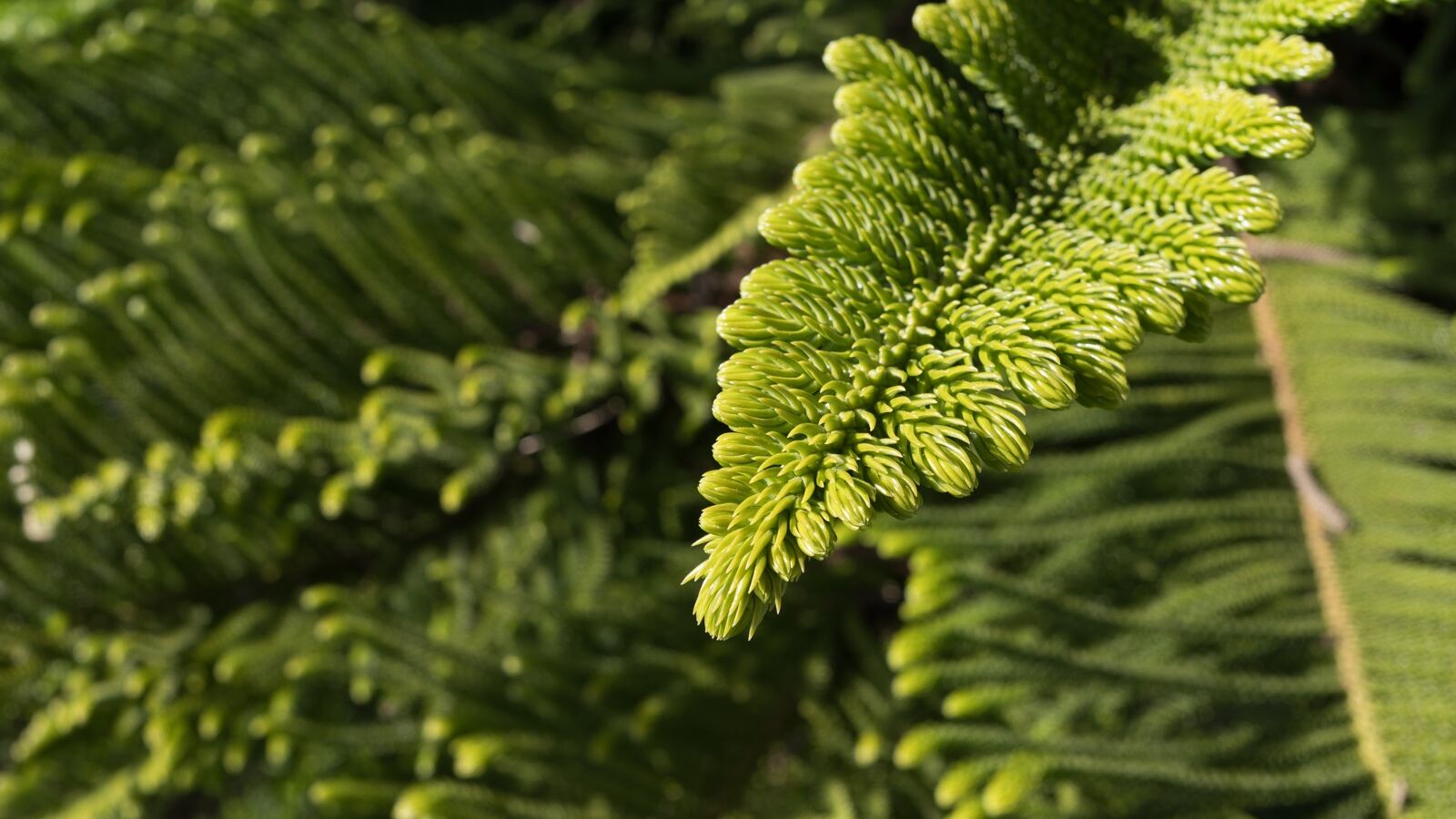 № 319
№ 319Norfolk Island and Bunya Pines: The Araucarias of Symmetry and Feast
Living-fossil conifers of the southern hemisphere — one a perfectly tiered island tree that became the world's living-room Christmas plant, the other a giant that dropped cannonball cones of nuts and drew whole peoples to feast.
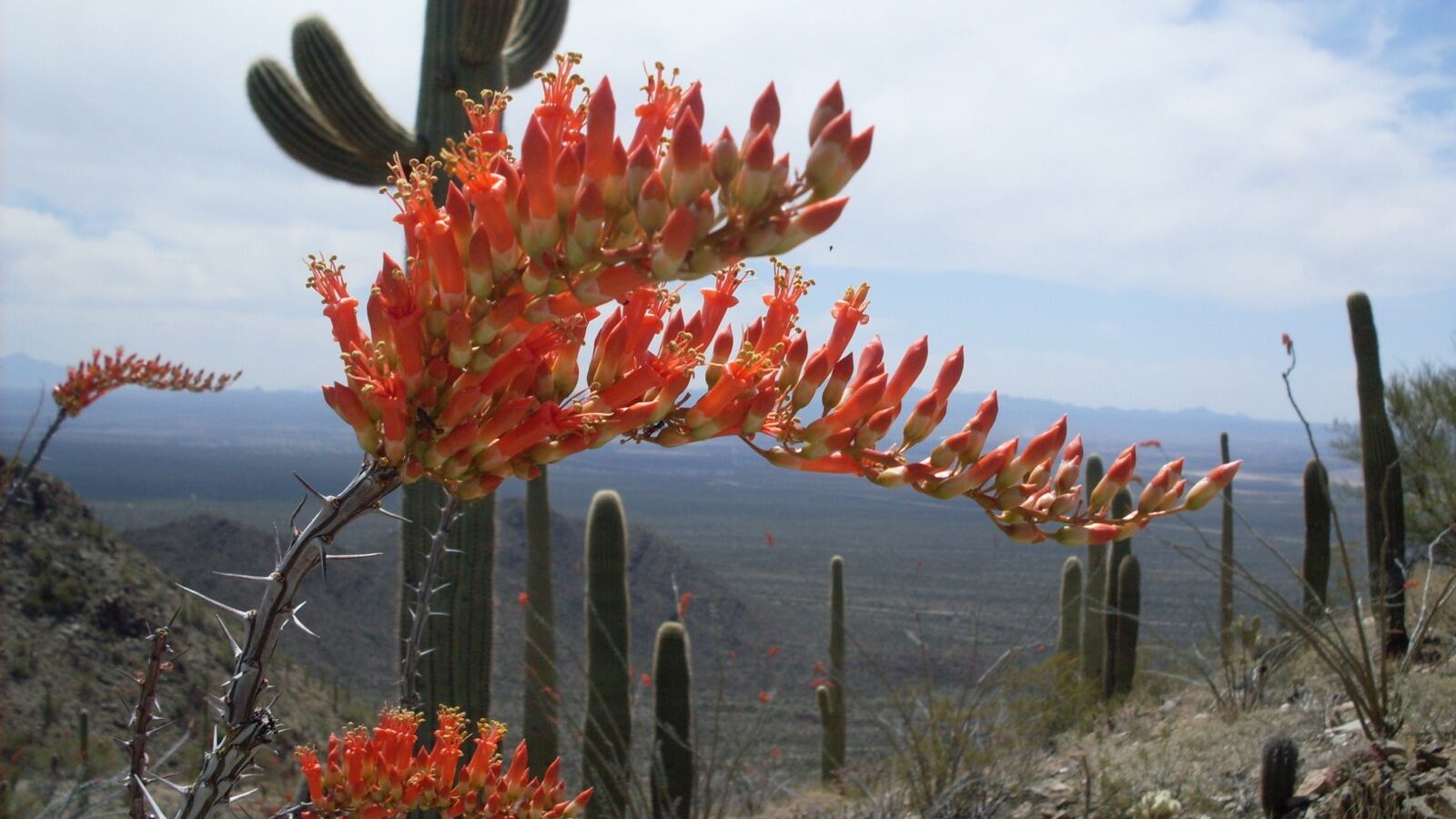 № 326
№ 326Ocotillo and Boojum: The Desert's Strangest Silhouettes
A fountain of thorny wands that leafs out within days of rain and a tapering upside-down carrot that looks drawn by Dr Seuss — two desert oddities that grow leaves only when water comes.
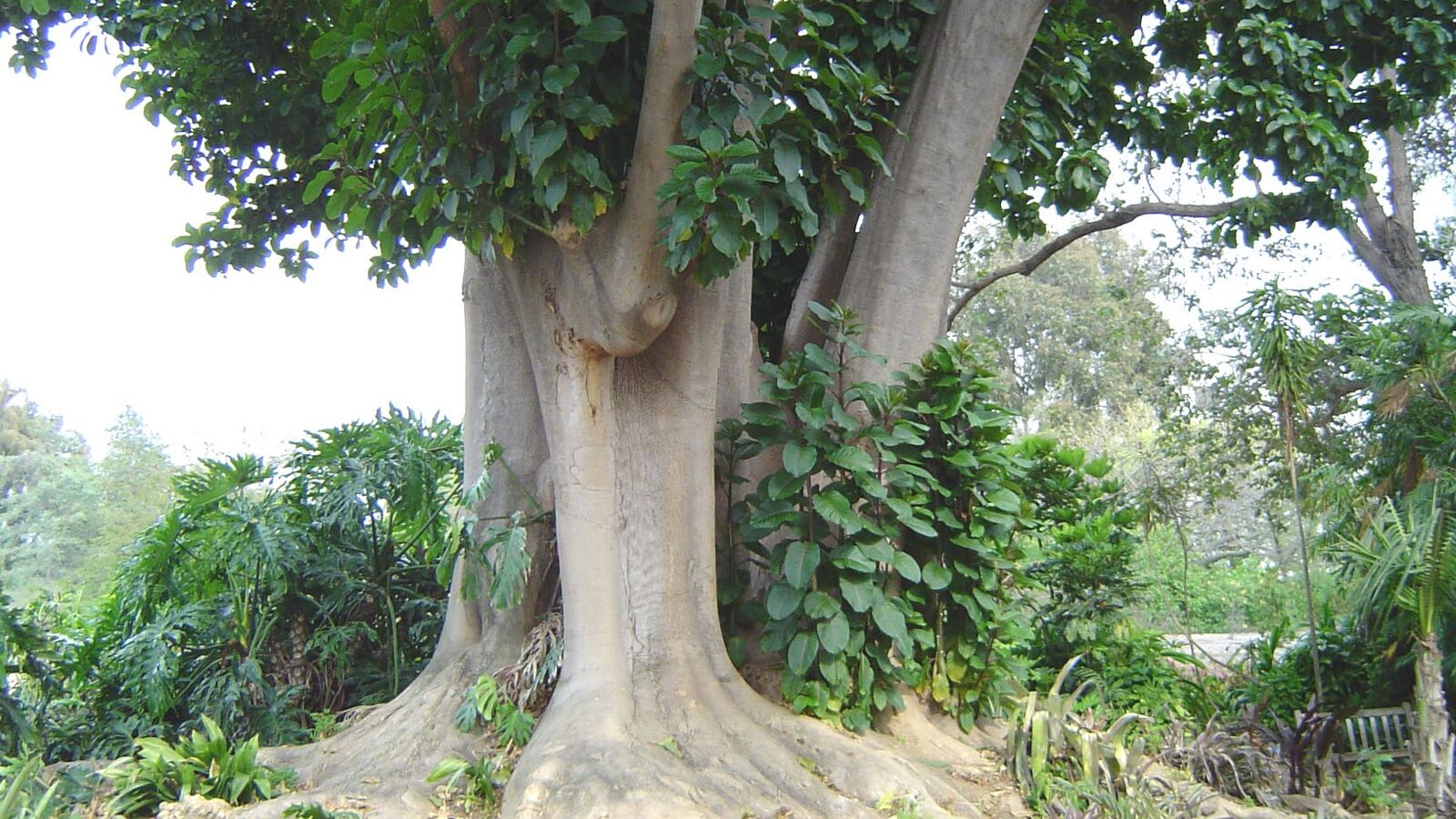 № 330
№ 330Ombú: The Giant Herb That Rules the Pampas
The lone landmark tree of the Argentine pampas — which is not a tree at all but a colossal herb, with a soft, spongy, water-filled trunk that has no wood and no rings, fireproof, poisonous, and beloved.
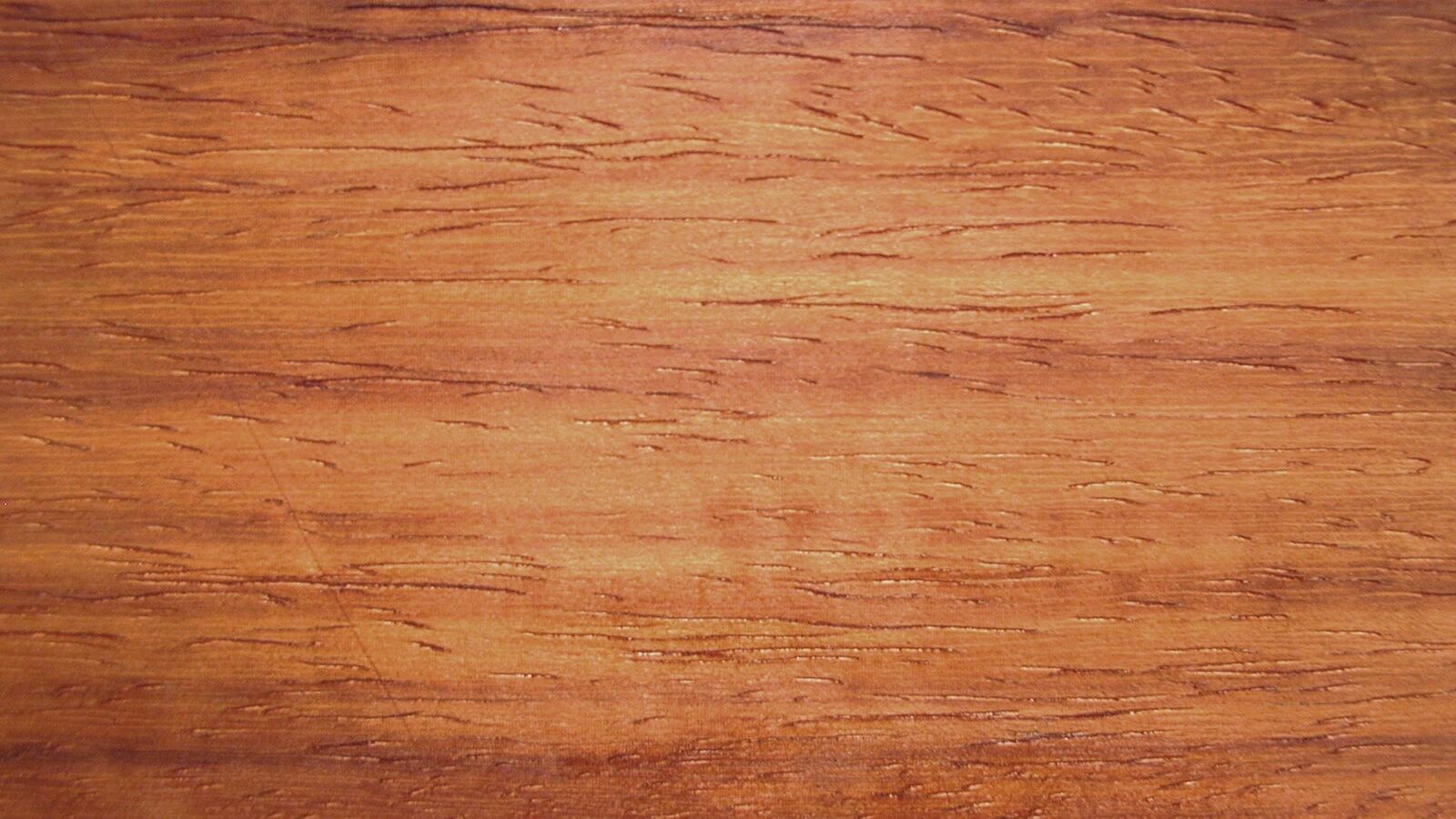 № 337
№ 337Padauk: The Blood-Red Wood of Drums and Bleeding Bark
A nitrogen-fixing legume whose freshly-cut heartwood is a vivid blood-orange-red, prized for instruments and fine woodwork — and whose wounded bark weeps a red 'kino' gum like dragon's blood.
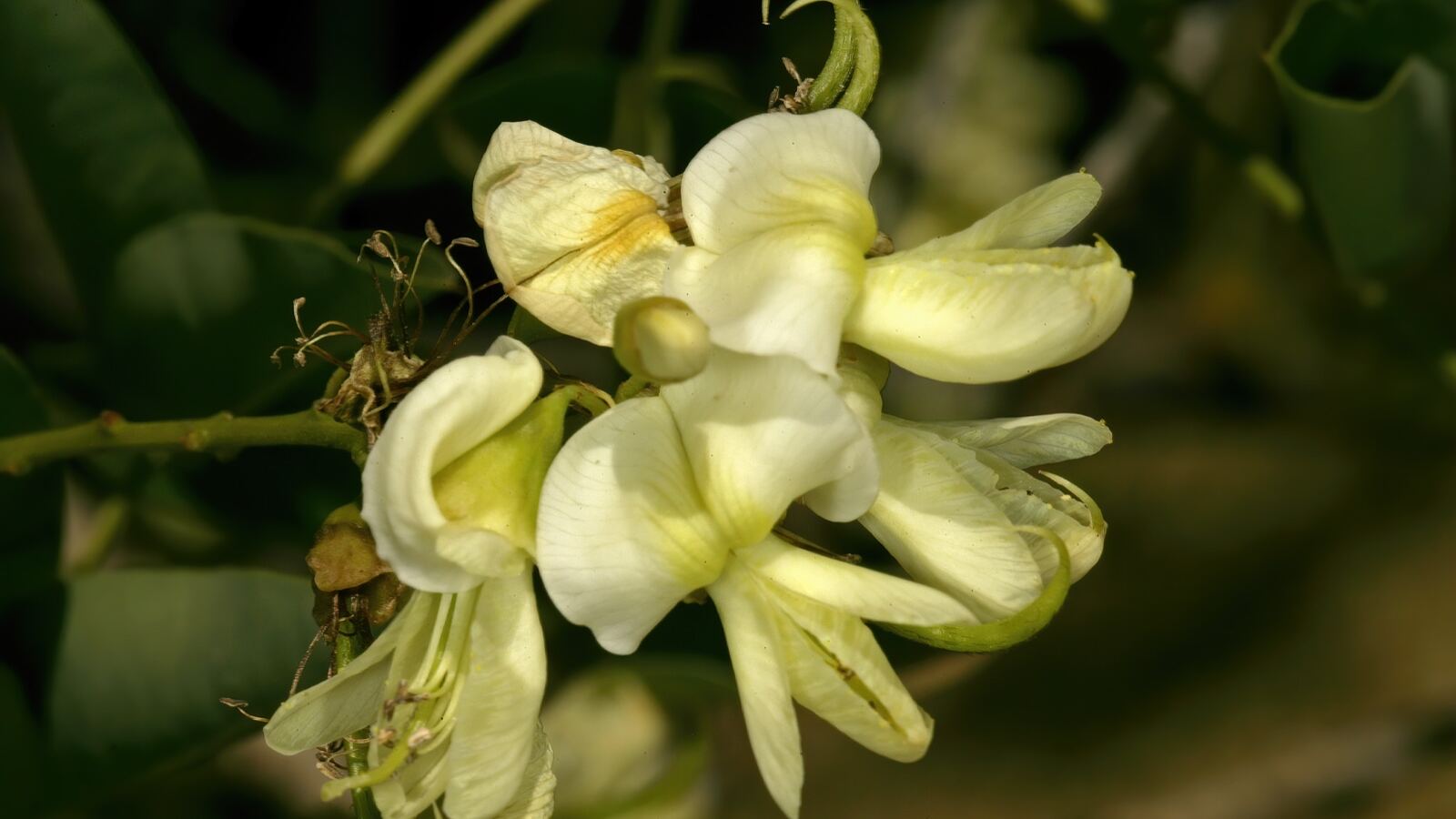 № 338
№ 338Pagoda Tree: The Scholar Tree of the Chinese Temple
A graceful legume planted for millennia at Chinese temples, palaces, and scholars' tombs — flowering cream in the late-summer lull, yielding a yellow dye and a medicine, and, in one famous case, the tree an emperor died on.
 № 339
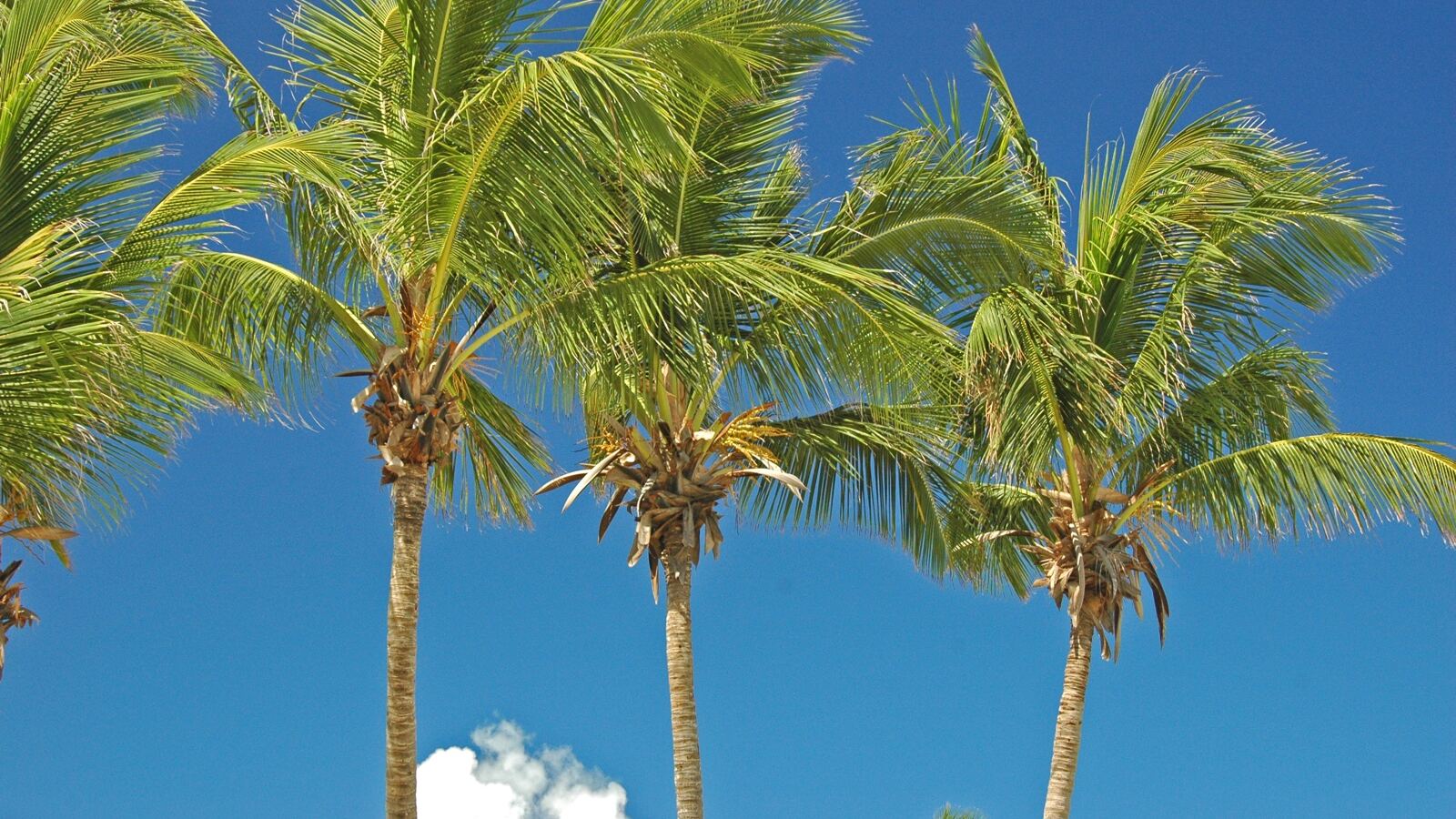
№ 339Palms: The Giant Grasses That Feed the Tropics
Not trees at all but tree-sized monocots with no wood, no branches, and no rings — the plant family that gives the world dates, coconuts, oil, sugar, wax, rattan, and sago.
 № 341
№ 341Papaya: The Giant Herb That a Virus Almost Destroyed
A fast, soft, tree-sized herb bearing melon-like fruit and a meat-digesting enzyme — whose Hawaiian industry was wiped out by a virus and then saved by one of the first genetically engineered crops.
 № 345
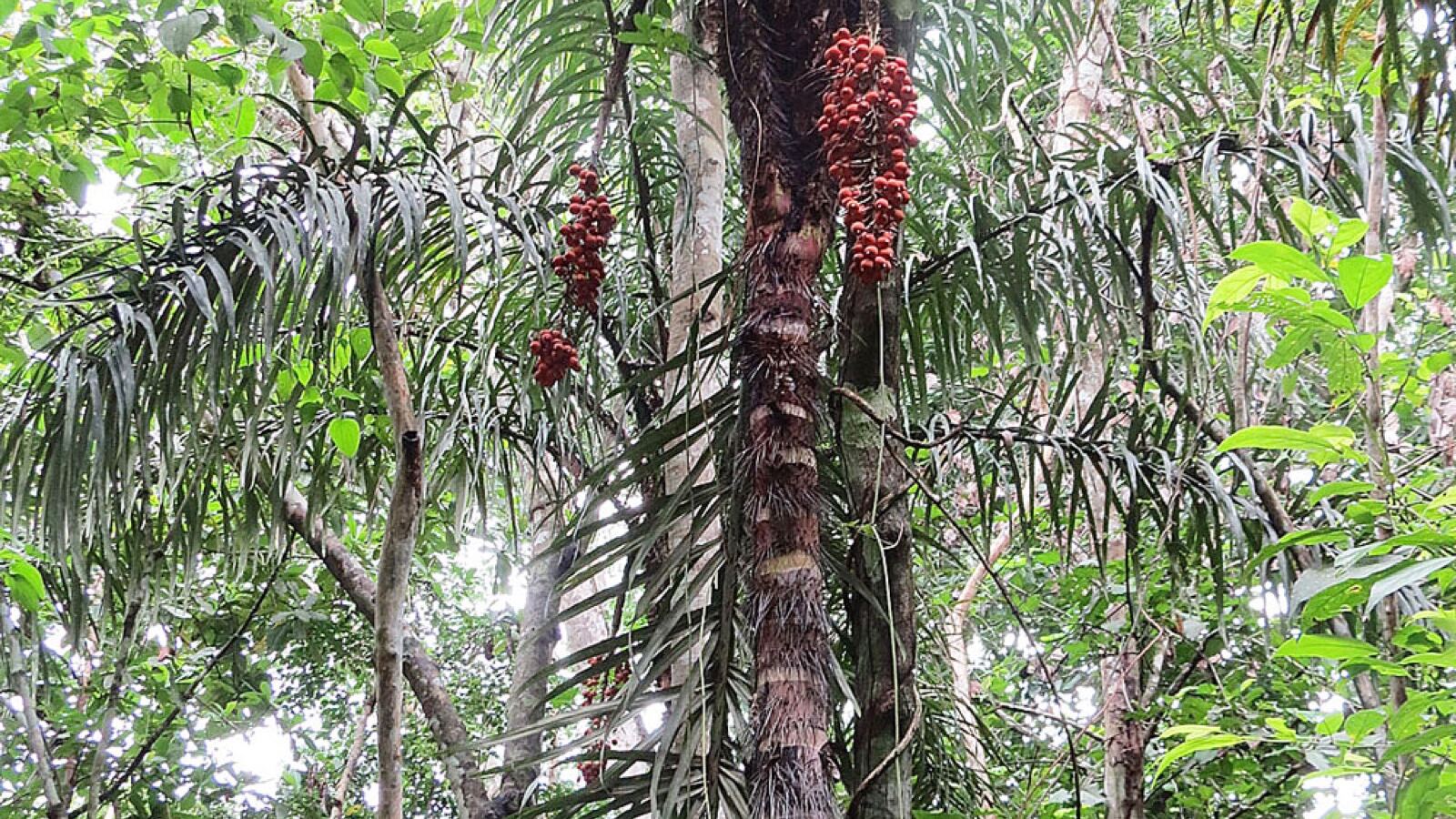
№ 345Peach Palm: The Spiny Staple and the Guilt-Free Heart of Palm
A fiercely spiny Amazon palm domesticated for its rich, cooked, chestnut-like fruit — and now grown as the sustainable, clumping source of heart of palm, so the delicacy no longer means killing a wild tree.
 № 348
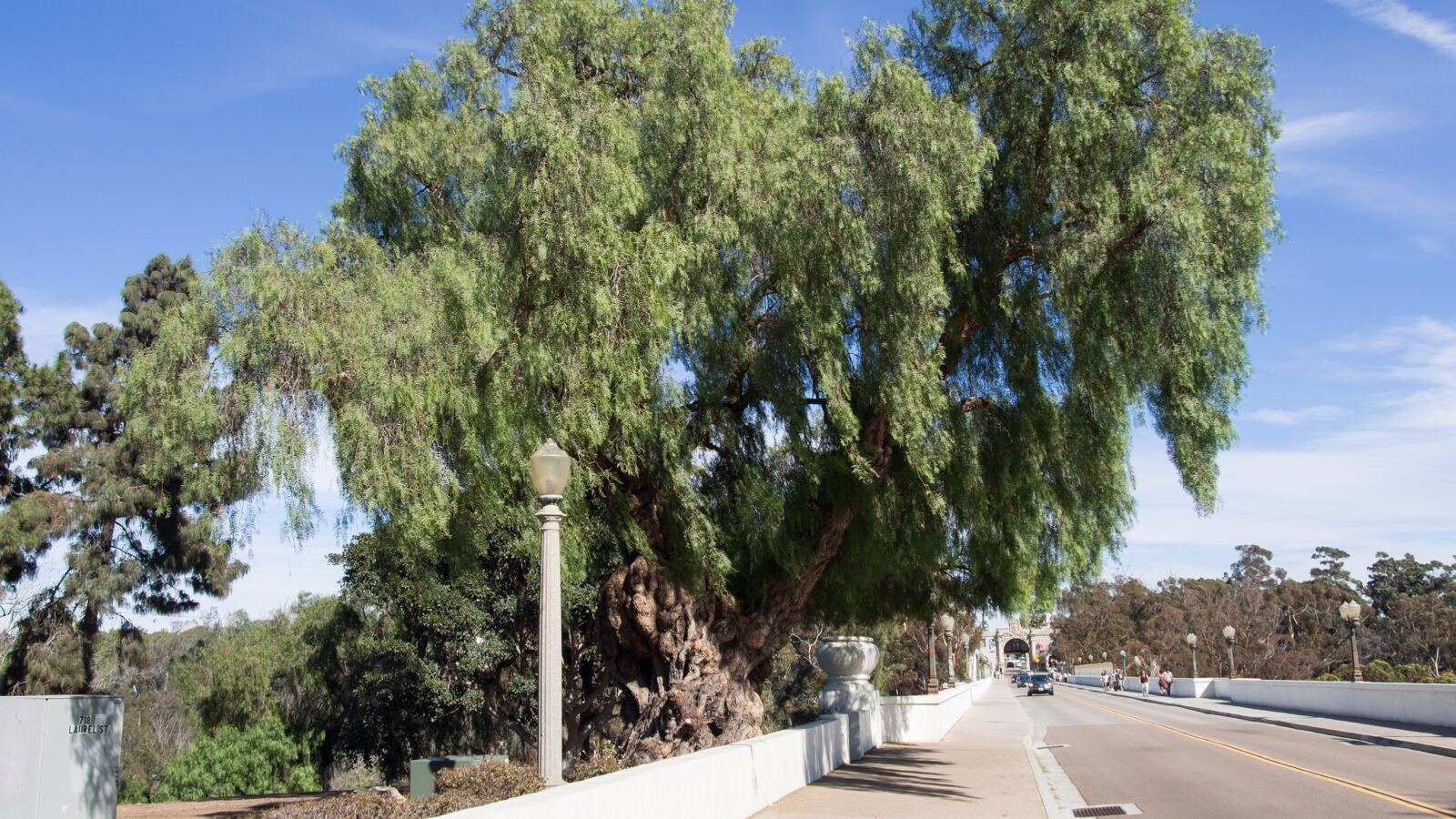
№ 348Pepper Tree: Pink Peppercorns and a Pretty Invader
Graceful, weeping South American trees whose rose-coloured berries are sold as 'pink peppercorns' — kin to the cashew, beloved as ornamental shade, and now among the worst invaders of warm coasts and wetlands.
 № 354
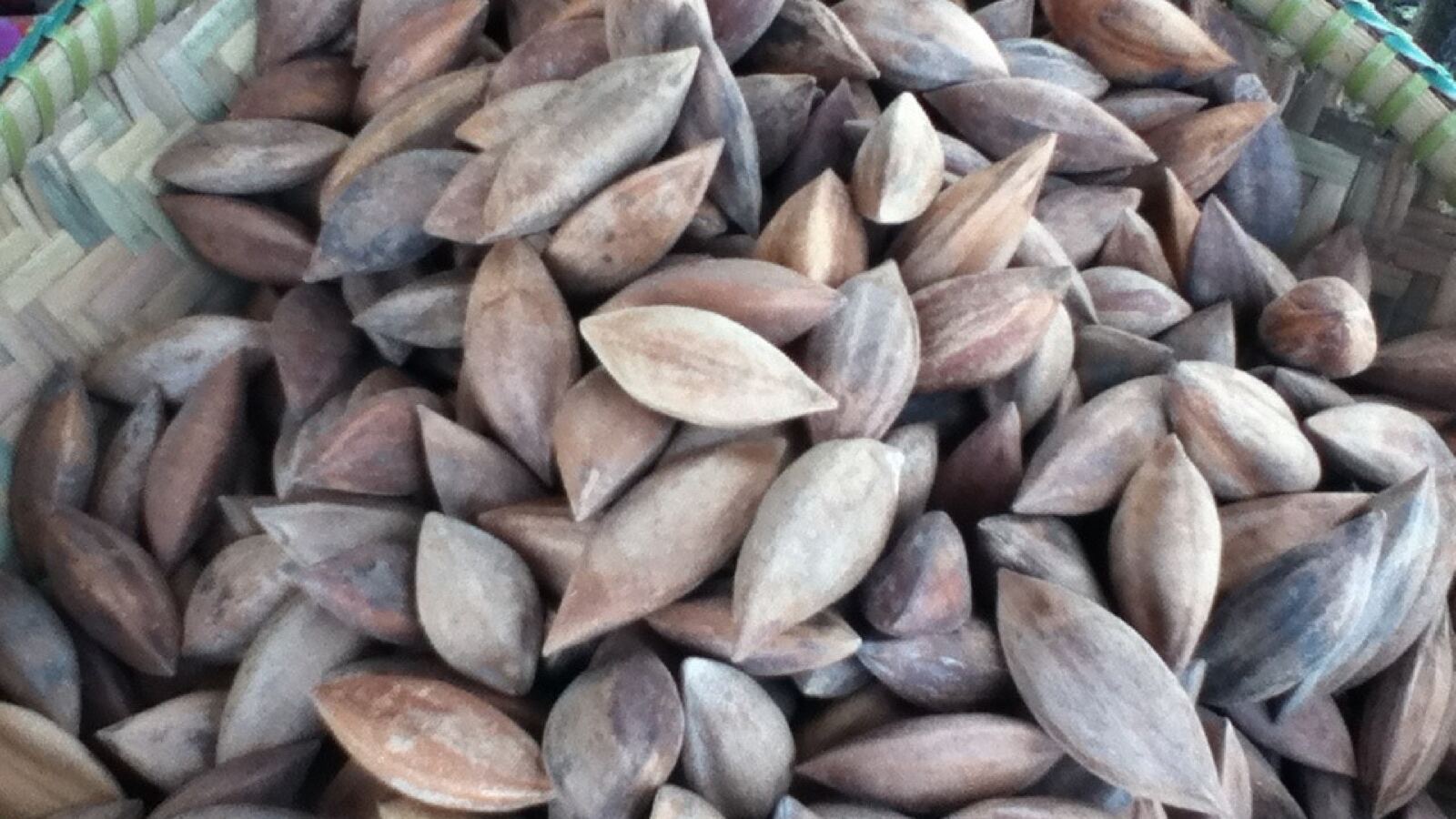
№ 354Pili Nut: The Rich Wild Nut of the Typhoon Coast
A Philippine forest tree, kin to the frankincense trees, whose hard-shelled nut yields one of the richest and most delicious of all kernels — buttery, almond-like, and increasingly sought as a gourmet and keto food.
 № 355
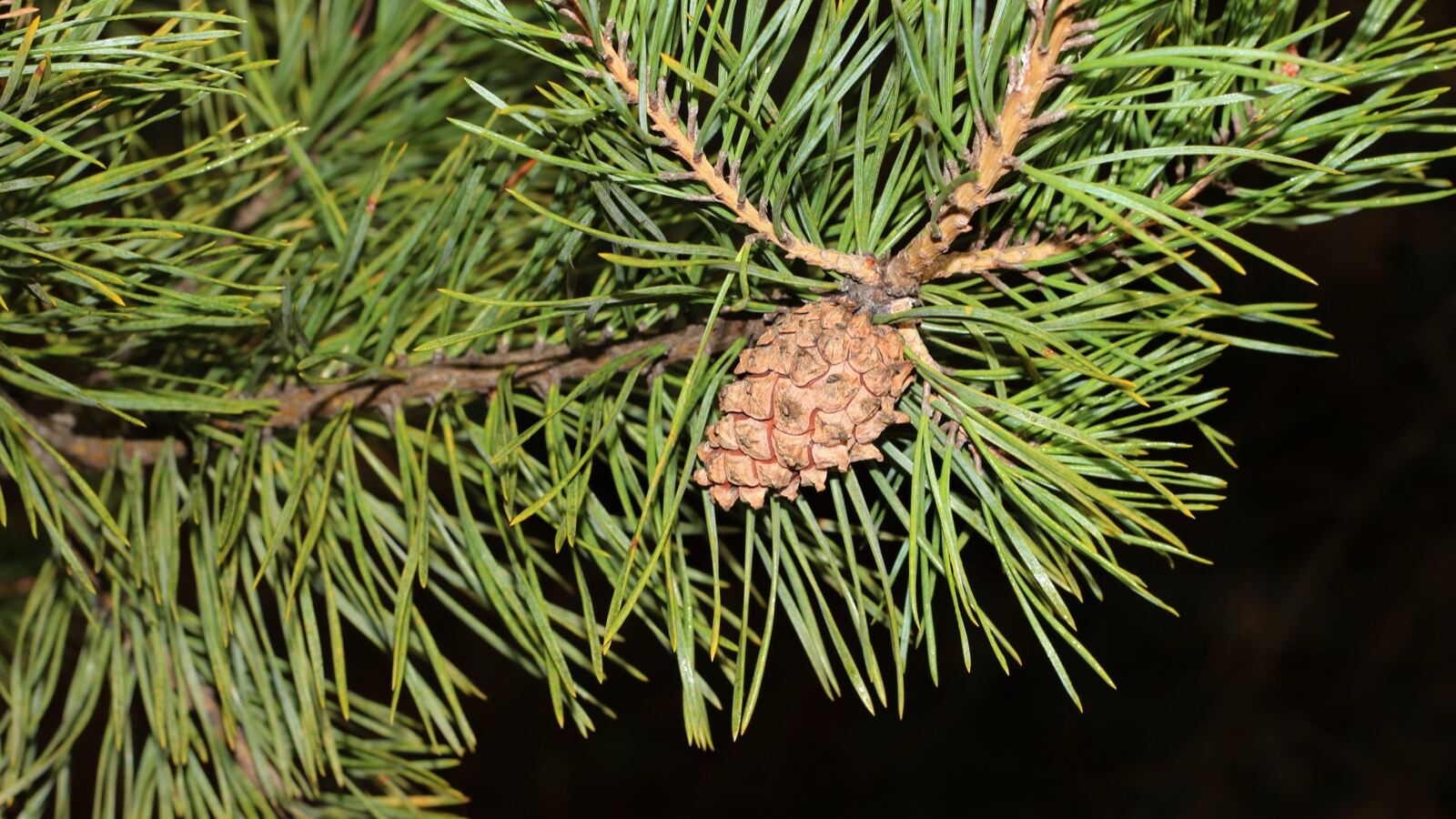
№ 355Pines: The World's Most Important Trees
The great genus of the northern hemisphere — needles in bundles, cones full of winged seed, wood and resin that built civilisations, and a relationship with fire that shaped whole landscapes.
 № 360
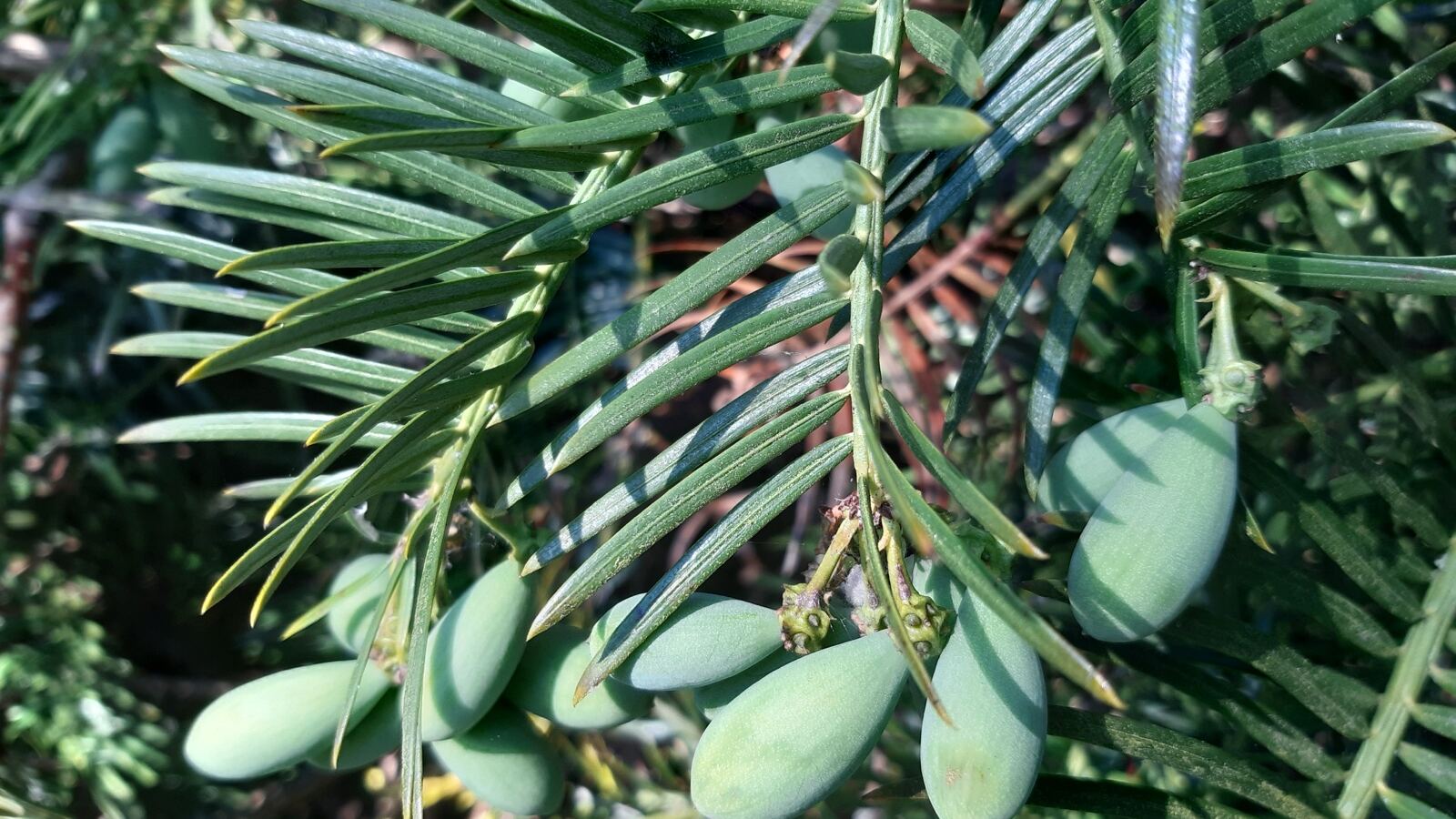
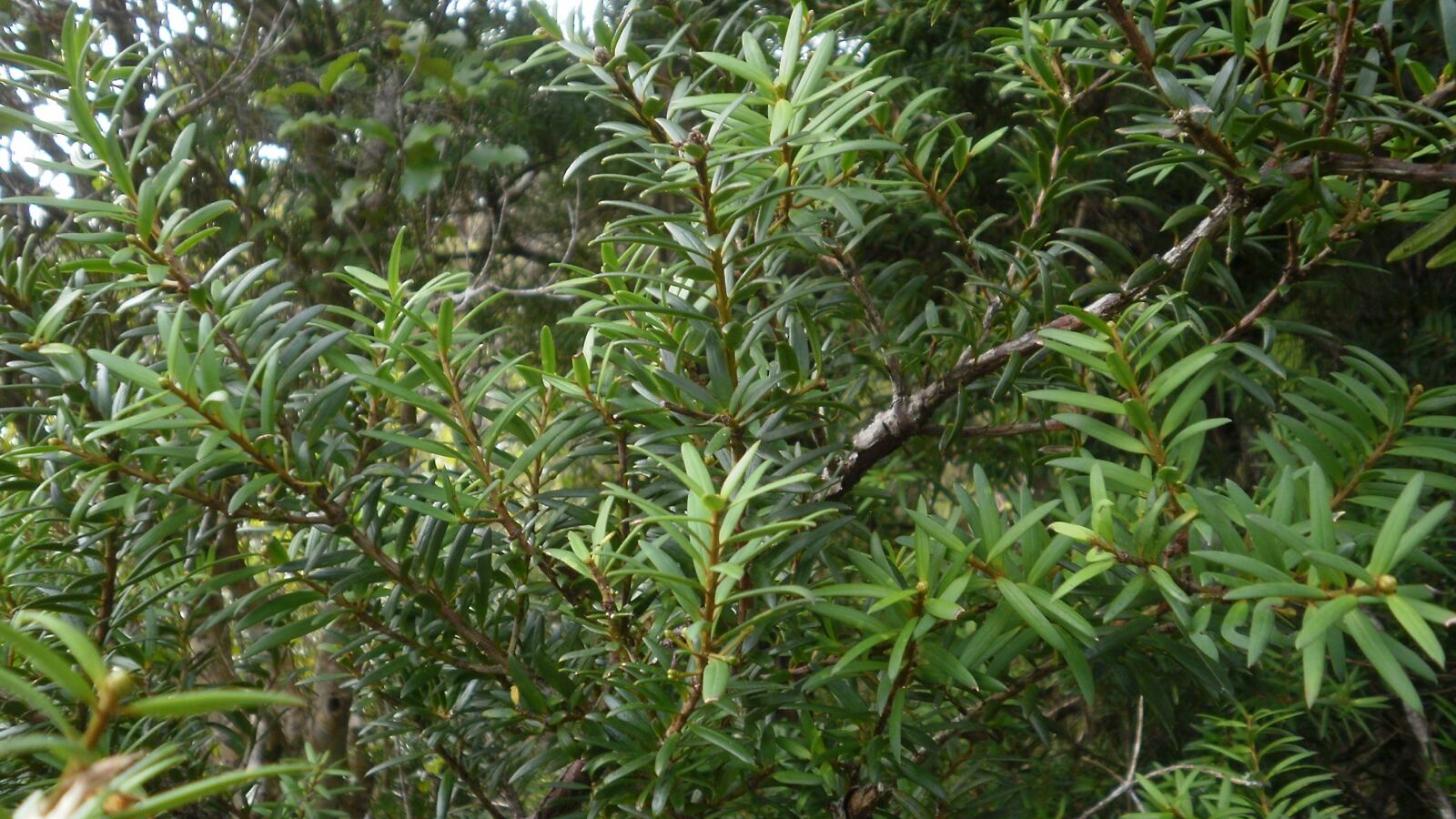
№ 360Plum-Yews and Torreyas: The Yew-Like Trees That Fight Cancer
Shade-loving, yew-like conifers bearing fleshy plum-like seeds — one genus the source of a genuine leukaemia drug, the other holding a Florida tree so blighted it may be the most endangered conifer in North America.
 № 361
№ 361Podocarps: The Southern Conifers That Grow Berries
The dominant conifers of the southern hemisphere — totara, miro, rimu, yellowwood — that swapped dry cones for fleshy, brightly-coloured fruit to feed birds.
 № 366
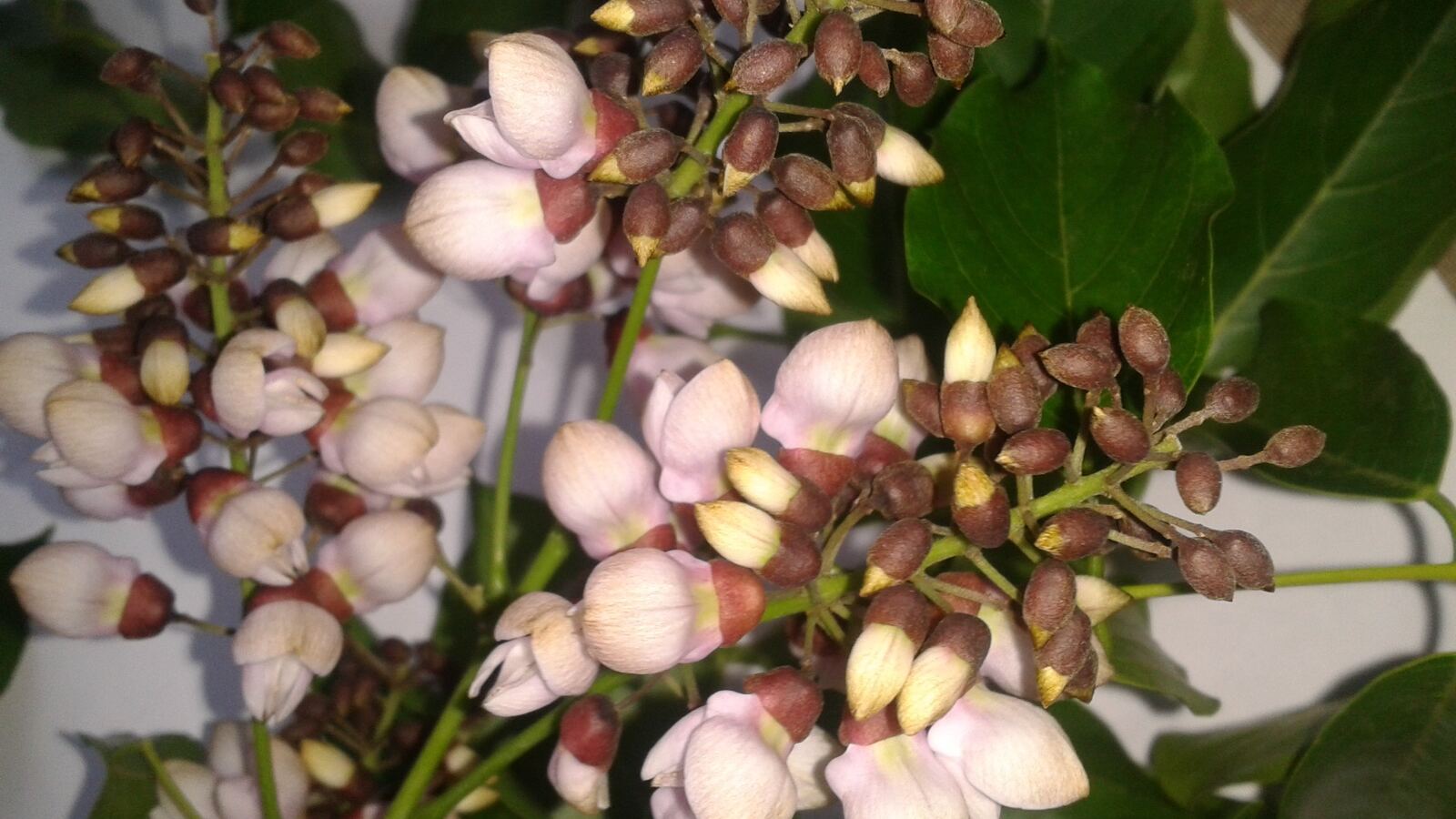
№ 366Pongamia: The Nitrogen-Fixing Tree That Might Actually Fuel Us
A tough coastal legume whose oil-rich seeds lit lamps and repelled pests for centuries — now seriously pursued as a biofuel and reforestation tree, having learned the hard lessons of the jatropha bust.
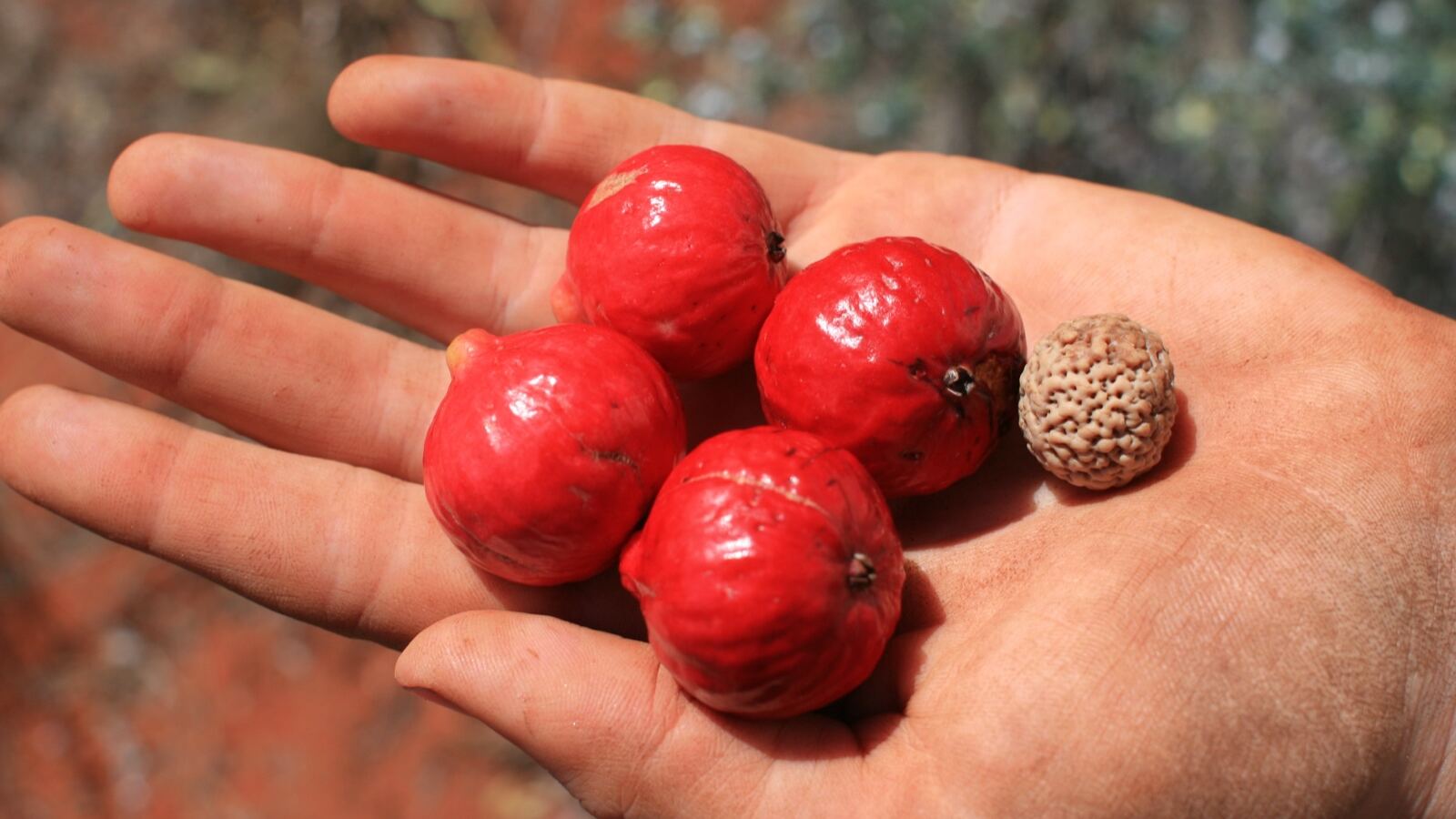 № 375
№ 375Quandong: The Desert Peach That Feeds on Other Plants
An Australian sandalwood relative that lives partly by tapping the roots of its neighbours — bearing a tart, vitamin-rich red 'desert peach' that was a staple of the outback and is now a prized bush food.
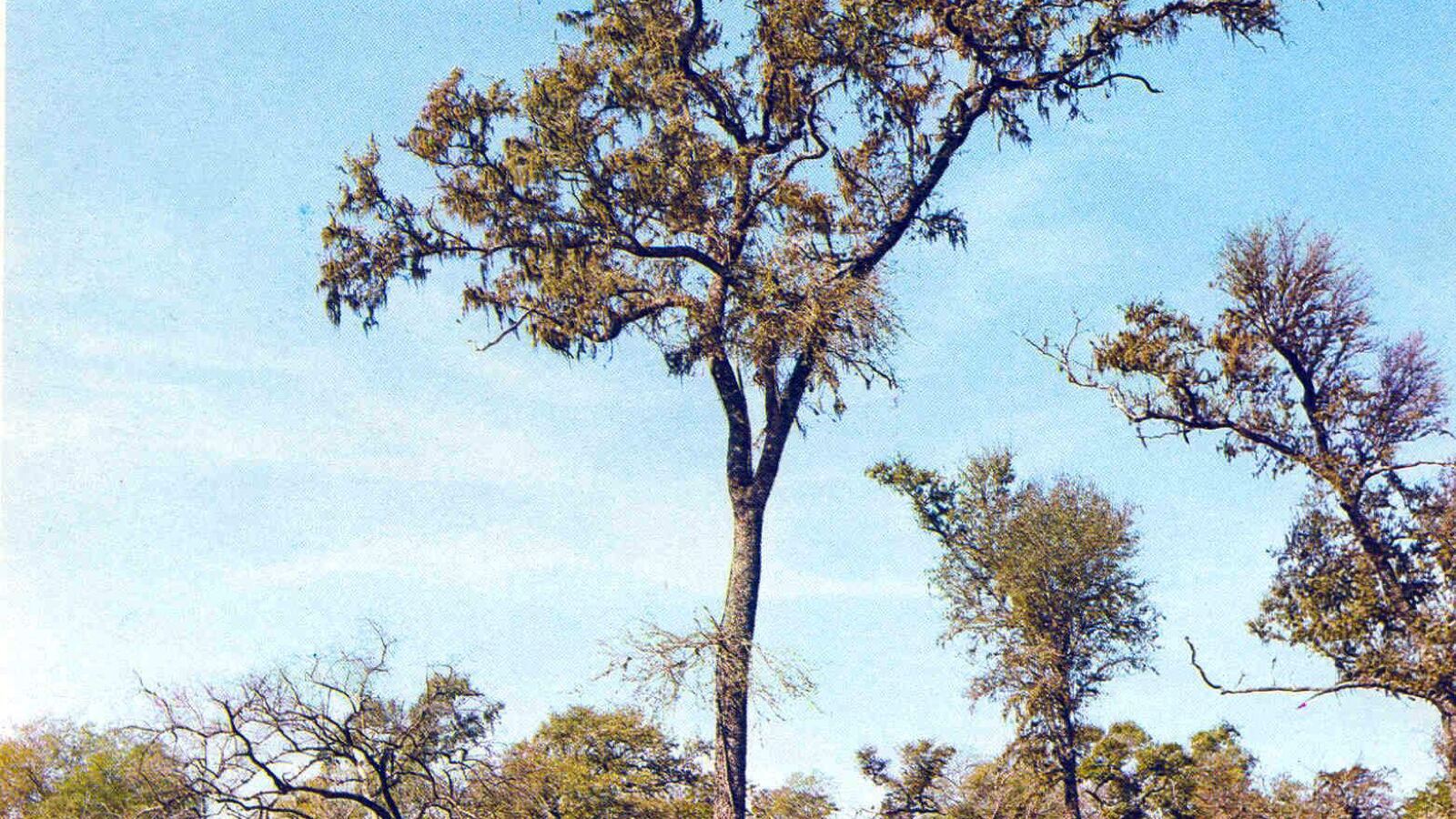 № 376
№ 376Quebracho: The Axe-Breaker That Tanned the World's Leather
A South American tree whose name means 'axe-breaker' — with wood so hard and dense it sinks, and a bark and heartwood so rich in tannin they tanned much of the world's leather, at the cost of a vanishing forest.
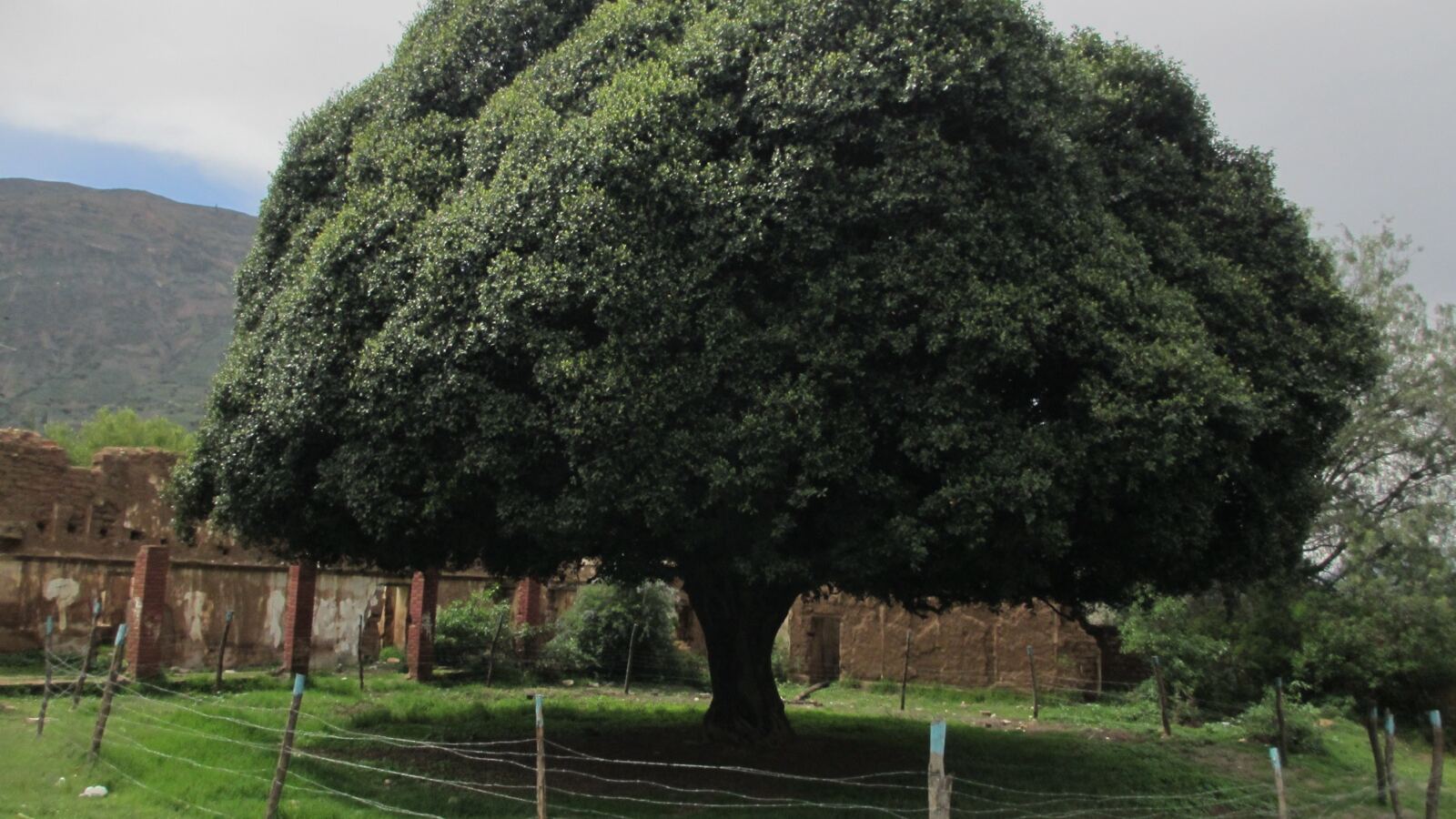 № 378
№ 378Quinine Tree: The Bark That Conquered Malaria and Built Empires
The Andean tree whose bitter bark gave the world its first cure for malaria — a drug so strategic that stealing its seeds broke a national monopoly and reshaped colonial history, and that still flavours your tonic water.
 № 379
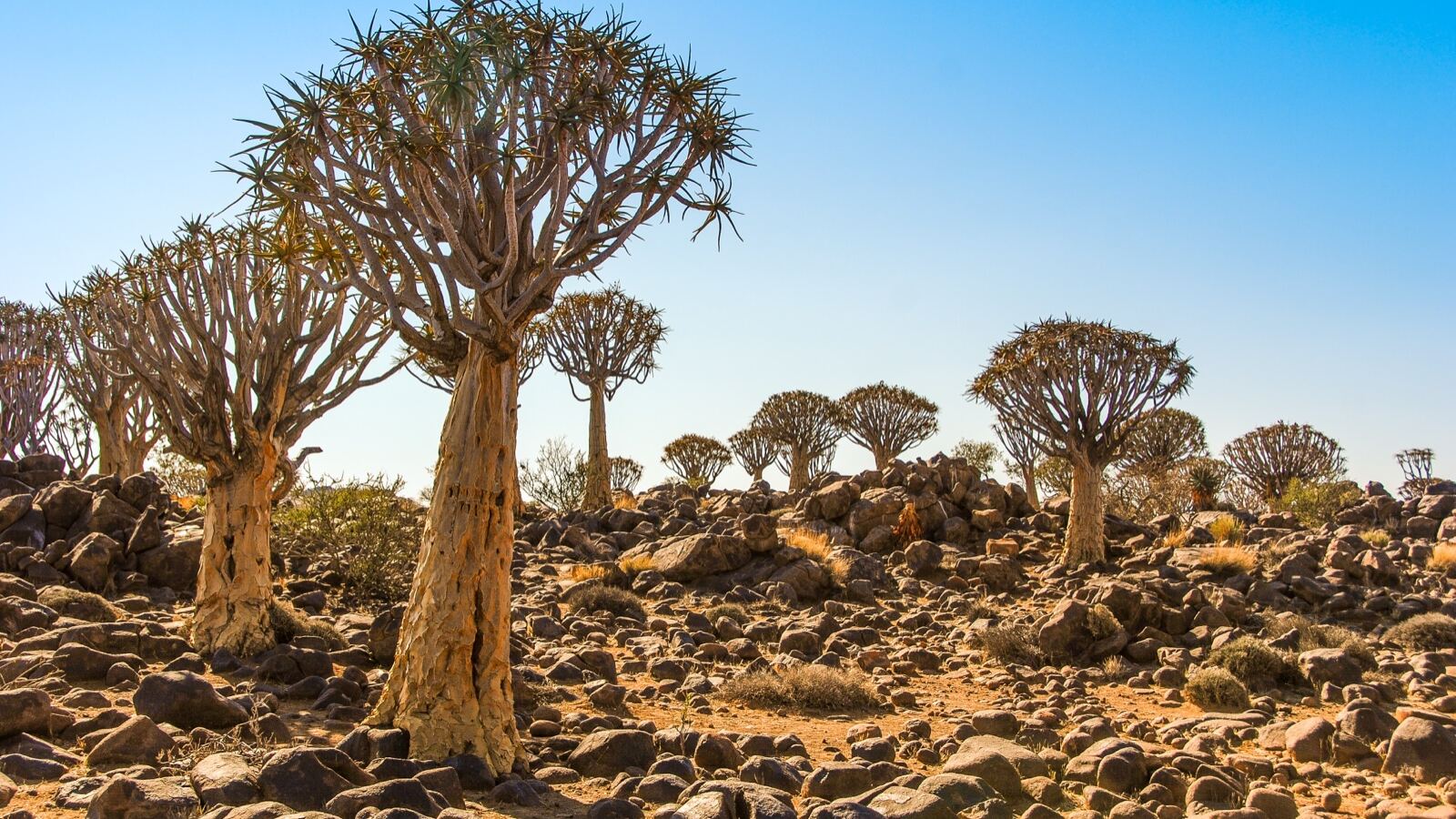
№ 379Quiver Tree: The Desert Aloe on the Move From a Warming Land
A tree-sized aloe of the southern African desert whose hollowed branches made hunters' quivers — and which is now dying at the hot edge of its range and creeping south, one of the clearest living signs of a shifting climate.
 № 381
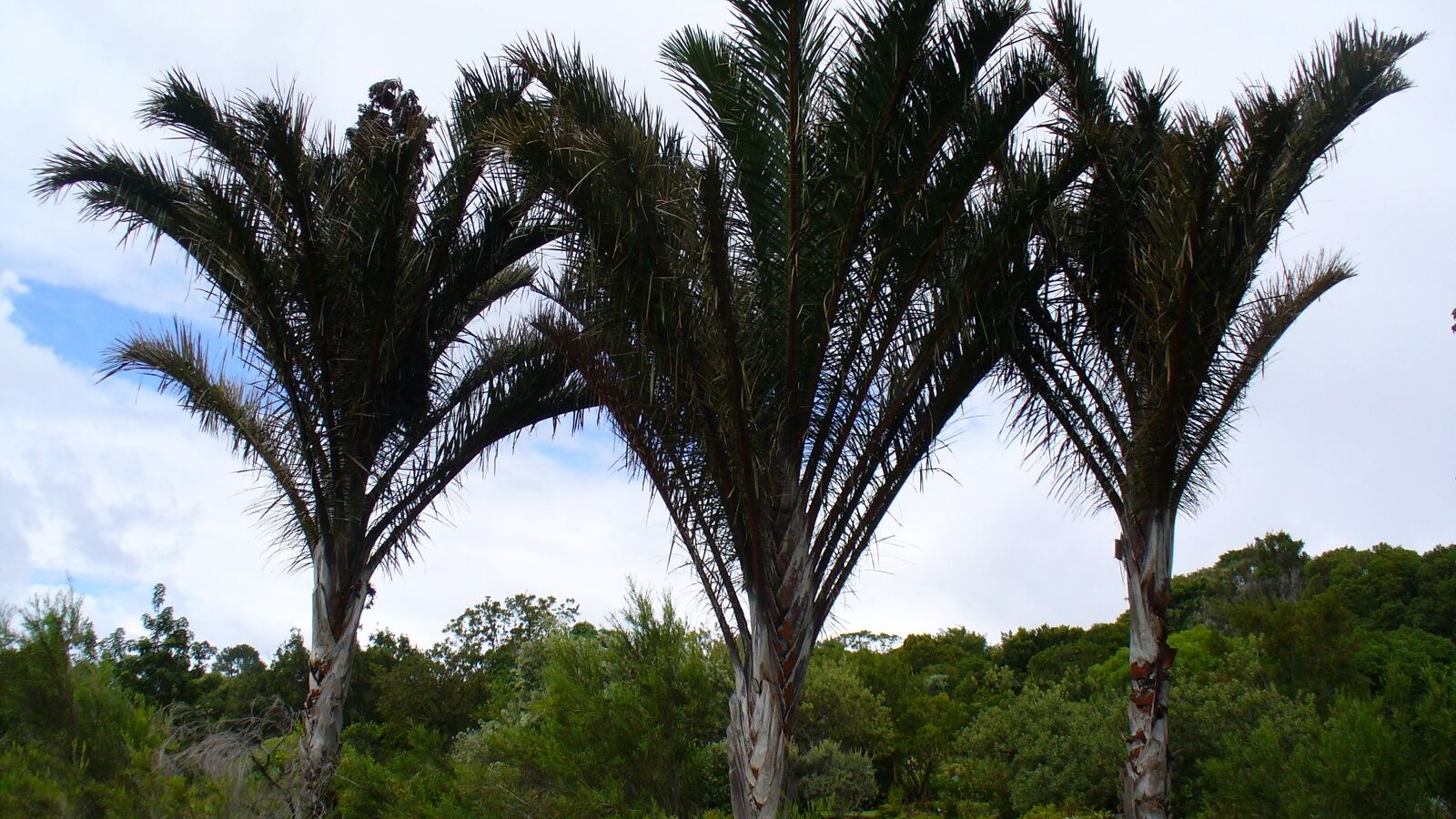
№ 381Raffia Palm: The Longest Leaves on Earth
African swamp palms that grow the largest leaves of any plant in the world — up to 25 metres long — and yield raffia, the soft, strong garden-and-craft fibre, along with palm wine and a scaly 'snake-skin' fruit.
 № 383
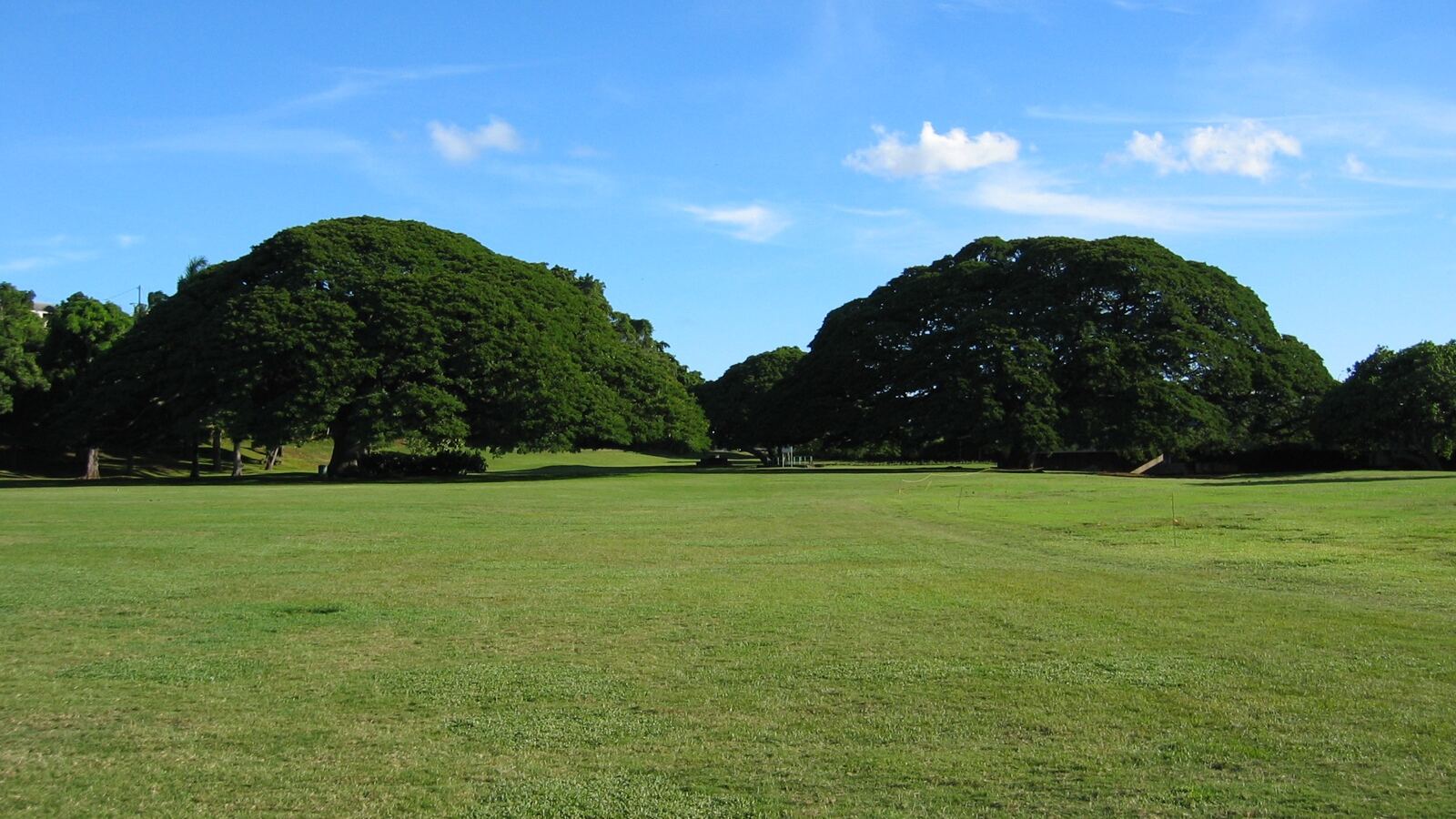
№ 383Rain Tree: The Great Umbrella That Sleeps at Night
A vast, spreading legume that shades whole courtyards under an umbrella crown, folds its leaves shut at nightfall and before rain, fixes nitrogen, drips sweet pods for livestock, and turns into treasured monkeypod wood.
 № 387
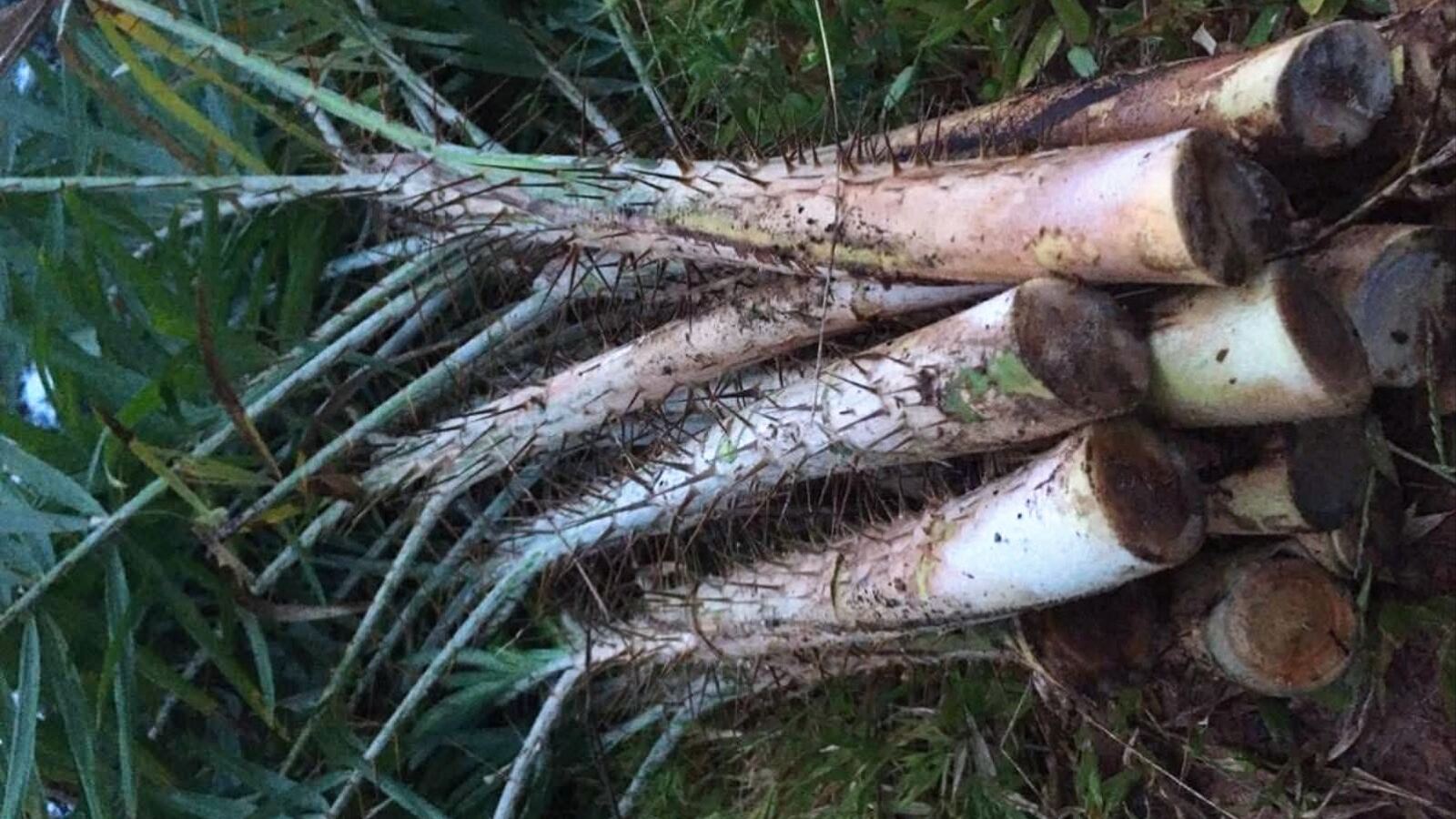
№ 387Rattan: The Climbing Palm That Furnished the World
Spiny climbing palms whose flexible, immensely strong stems are the basis of the global cane-furniture industry — the most valuable non-timber forest product of the tropics, hauling themselves through the canopy on whips of hooks.
 № 397
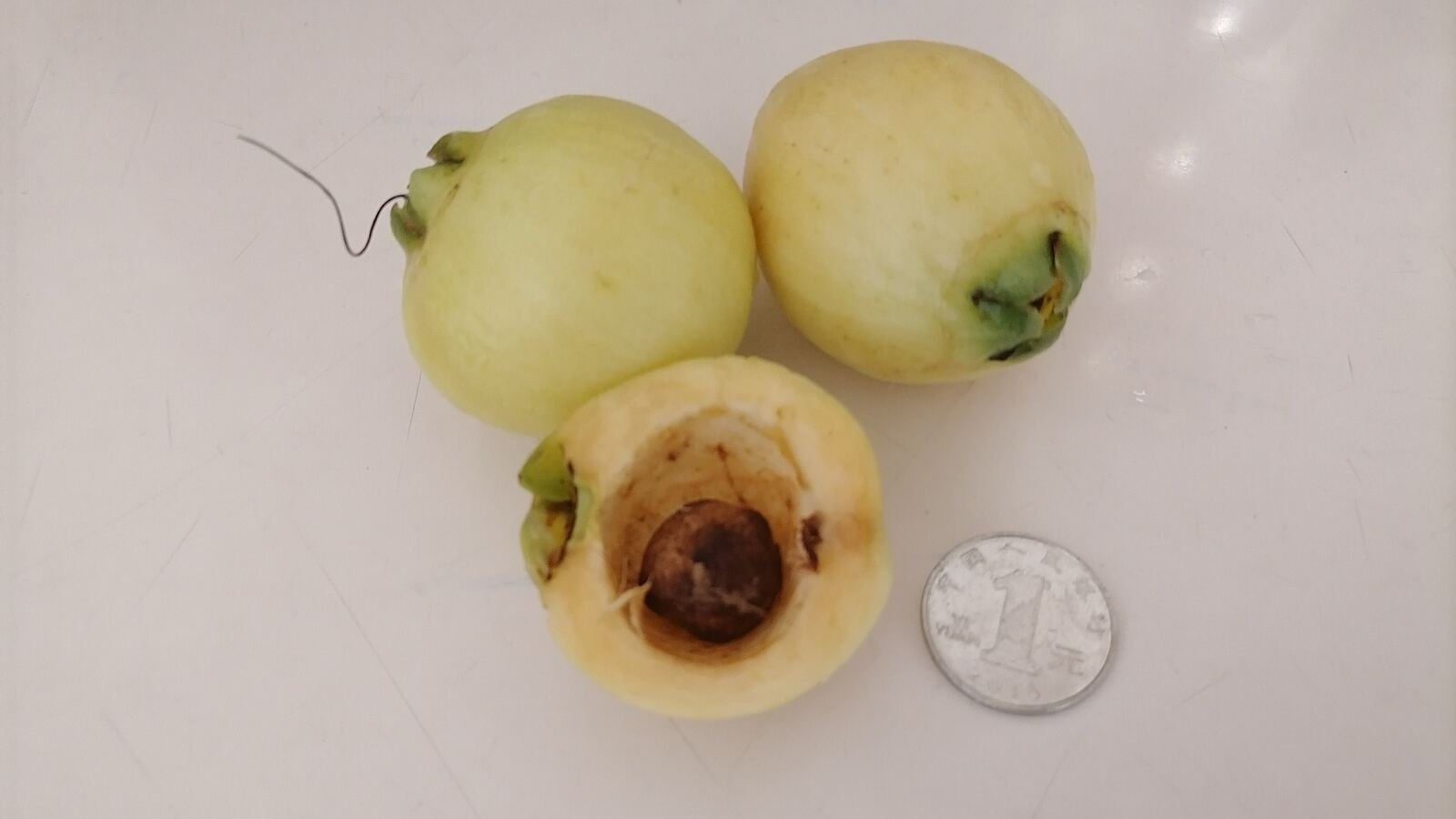
№ 397Rose Apple and Jambolan: The Fragrant Fruits of the Clove Family
Tropical Syzygium trees — one bearing crisp fruit that tastes of rose perfume, one the purple 'java plum' that stains the tongue — close cousins of the clove, and troublesome invaders abroad.
 № 398
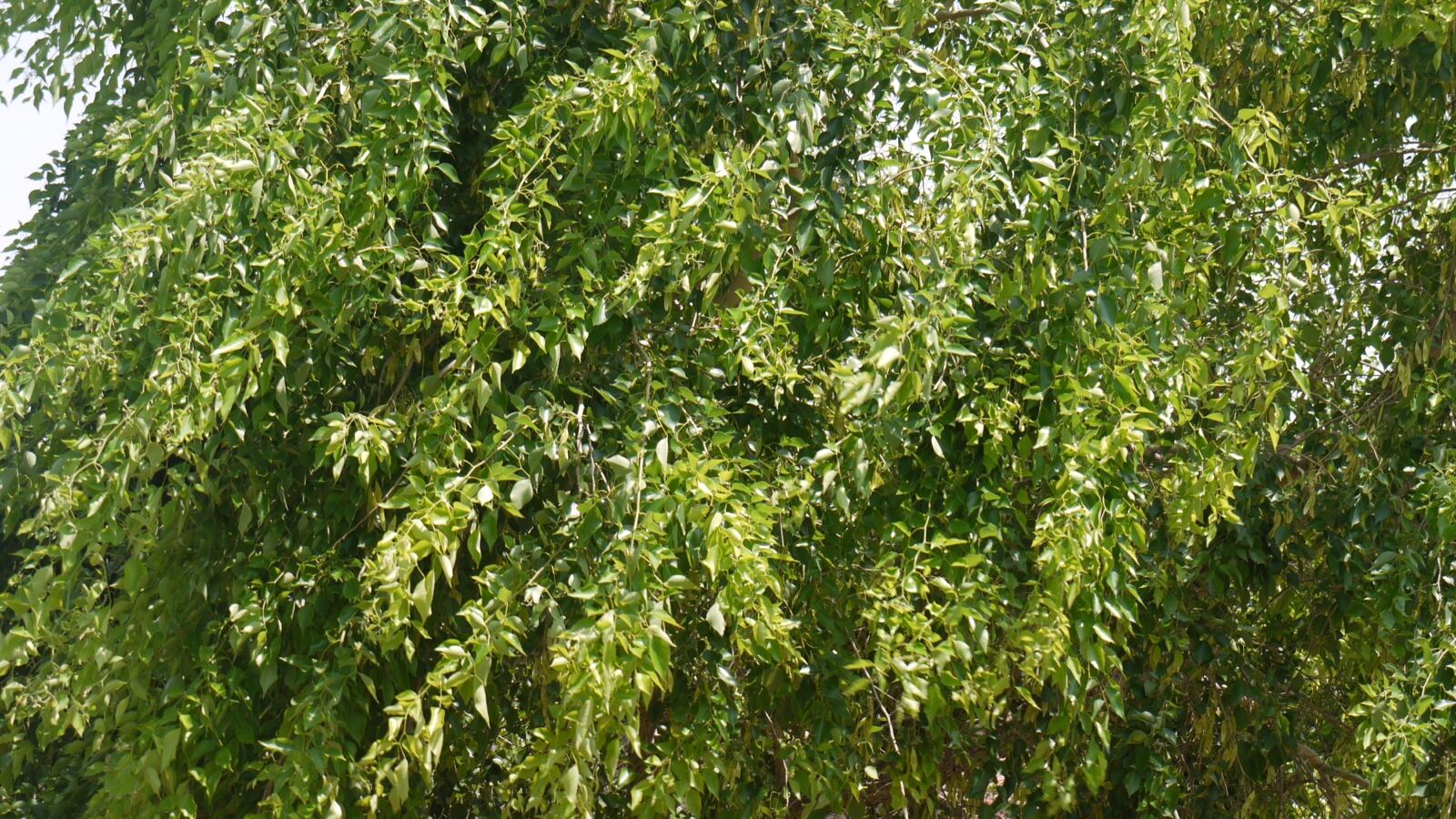
№ 398Rosewood and Sandalwood: The Most Trafficked Trees in the World
The fragrant, rich-grained timbers behind fine guitars and sacred incense — rosewood now the single most illegally traded wild product on Earth, and sandalwood a tree that feeds off its neighbours' roots.
 № 404
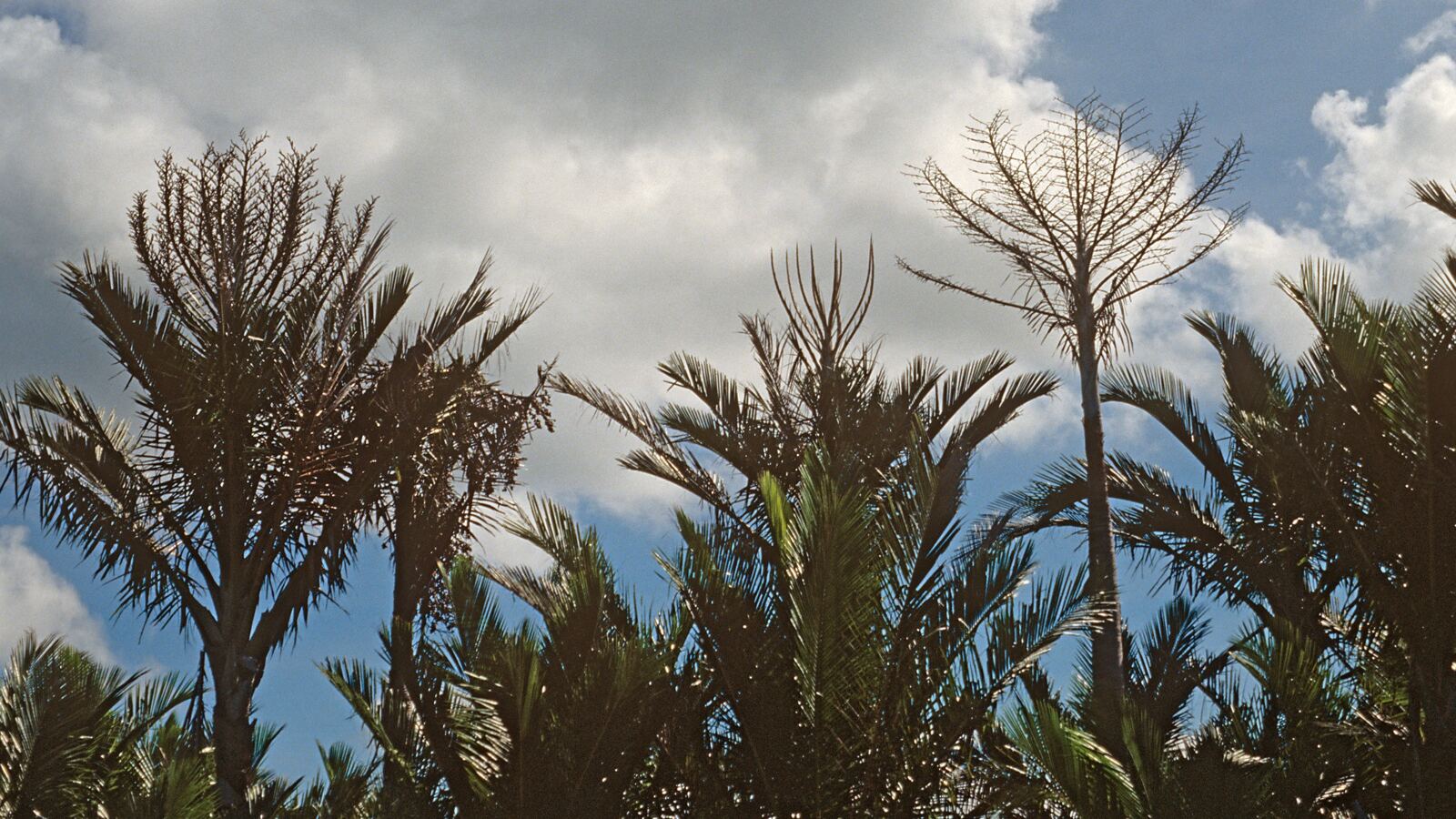
№ 404Sago Palm: The Tree You Eat by Cutting It Down
A swamp palm that stores a lifetime's worth of starch in its trunk to fuel one giant final flowering — starch that feeds much of lowland New Guinea and the Moluccas, harvested by felling the tree at the one right moment.
 № 405
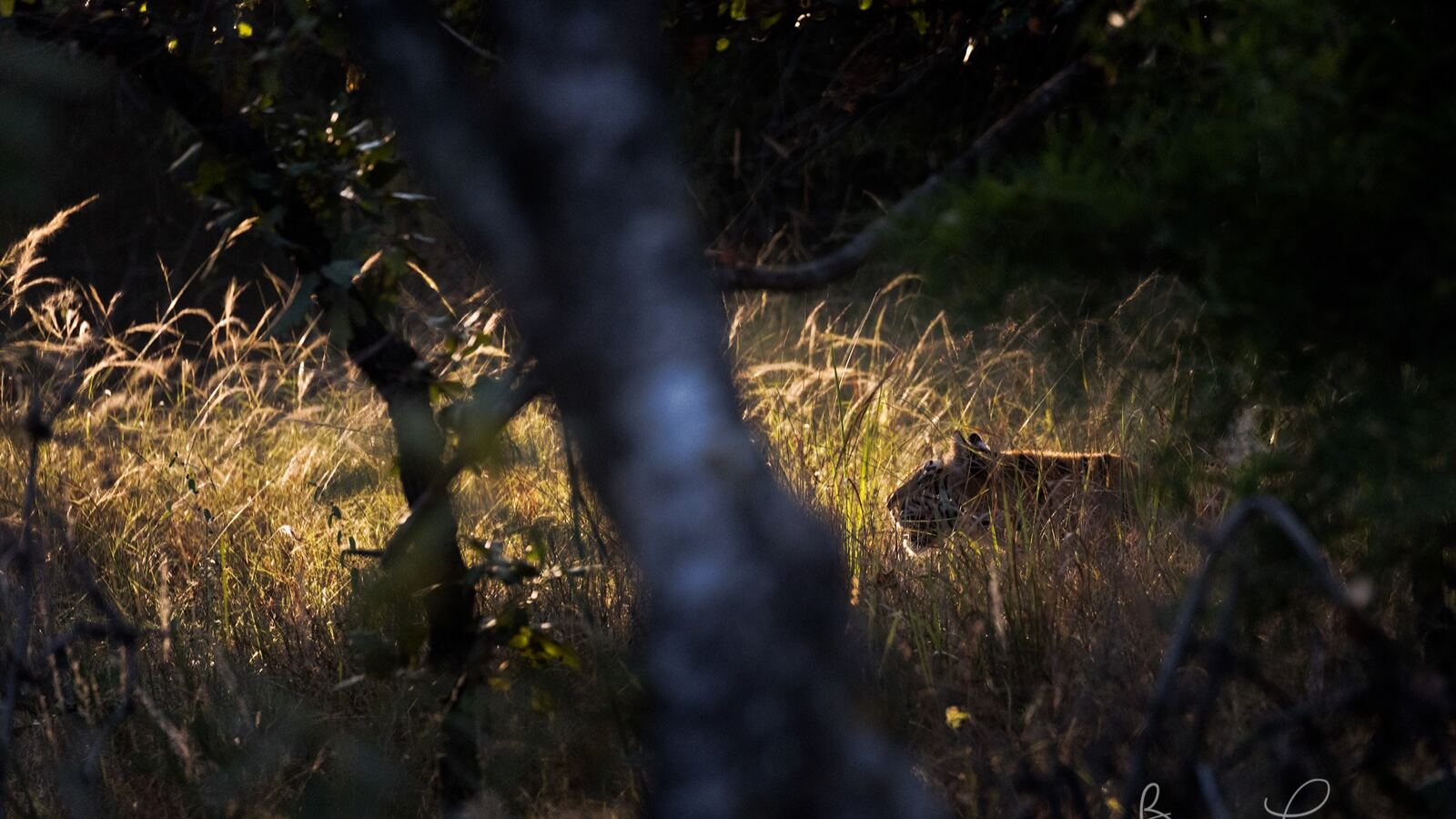
№ 405Sal Tree: The Sacred Timber of the Buddha's Life
A towering dipterocarp that forms the great forests of northern India — the tree under which the Buddha is said to have been born and to have died, a premier timber, a source of resin, and a maker of leaf-plates.
 № 409
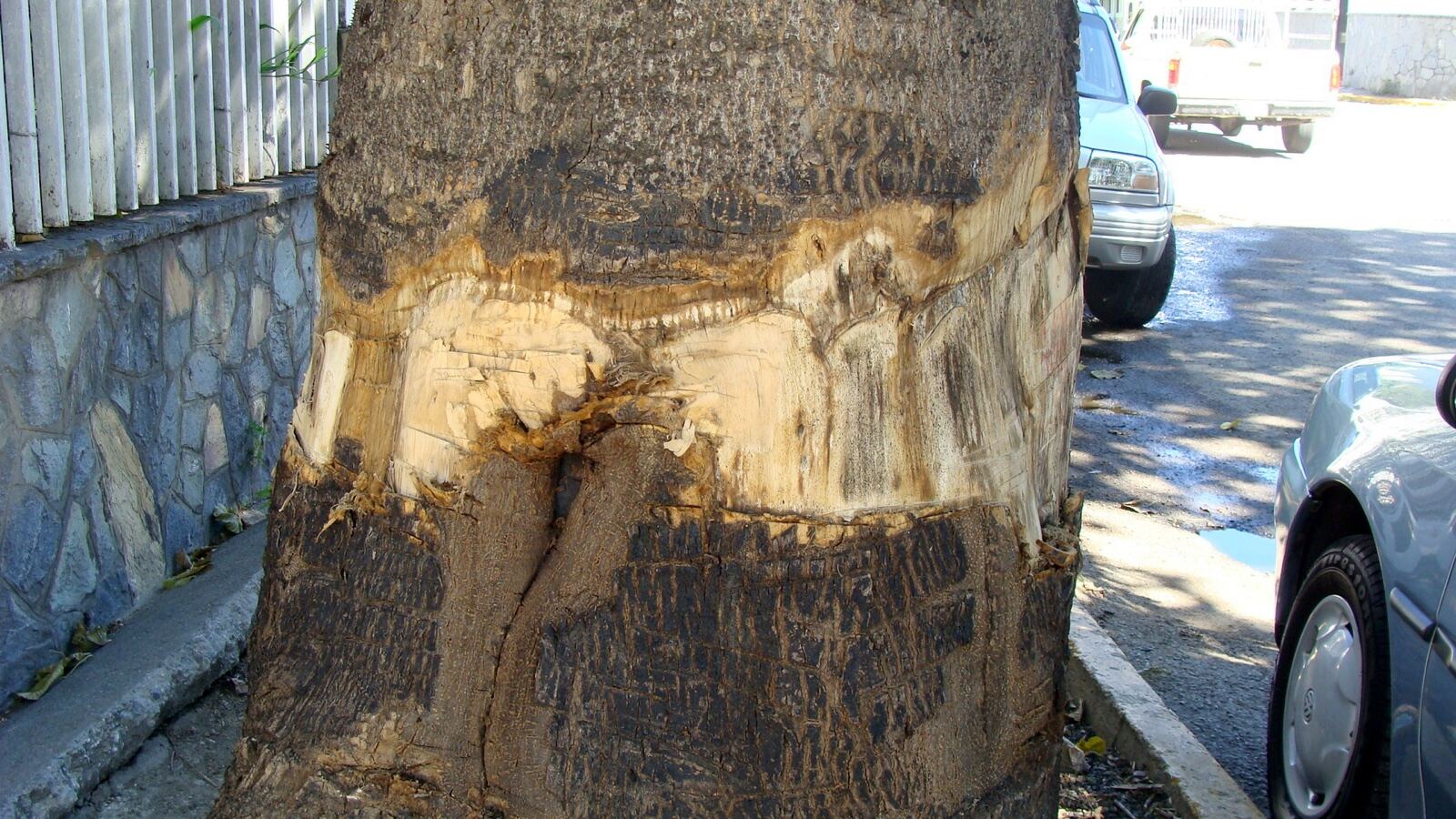
№ 409Sandbox Tree: The Dynamite Tree That Fires Its Seeds
A spiny tropical giant whose ripe seed pods explode like grenades, flinging their seeds at seventy metres a second — armoured with a caustic, poisonous sap once smeared on arrows and poured into rivers to stun fish.
 № 410
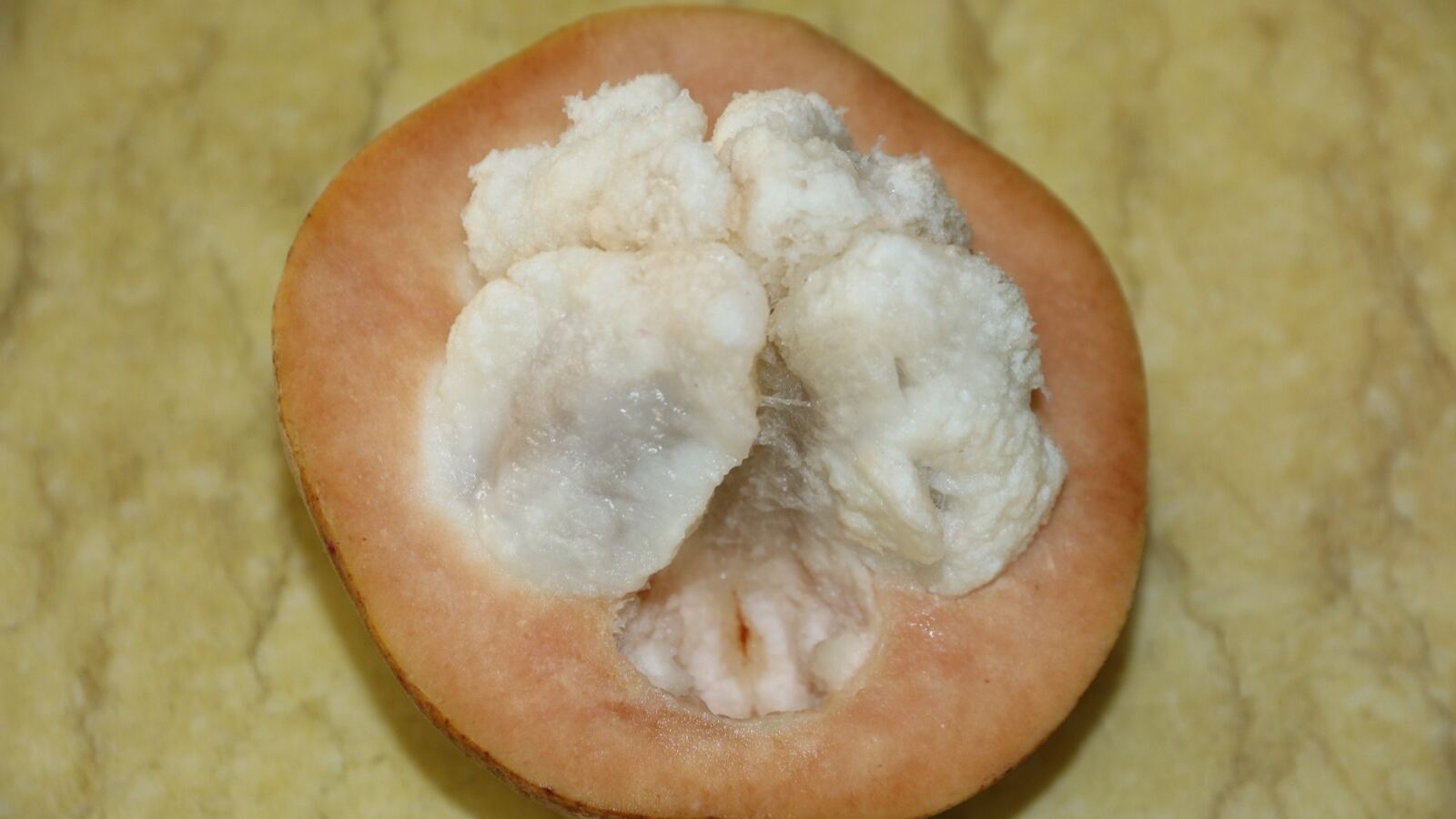
№ 410Santol: The Cotton-Fruit With a Fuzzy Sweet-Sour Heart
A big shady Southeast Asian tree of the mahogany family whose apple-sized fruit hides a cottony white pulp around the seeds — eaten fresh, candied, and cooked, and sucked from the stone like a tropical sweet.
 № 411
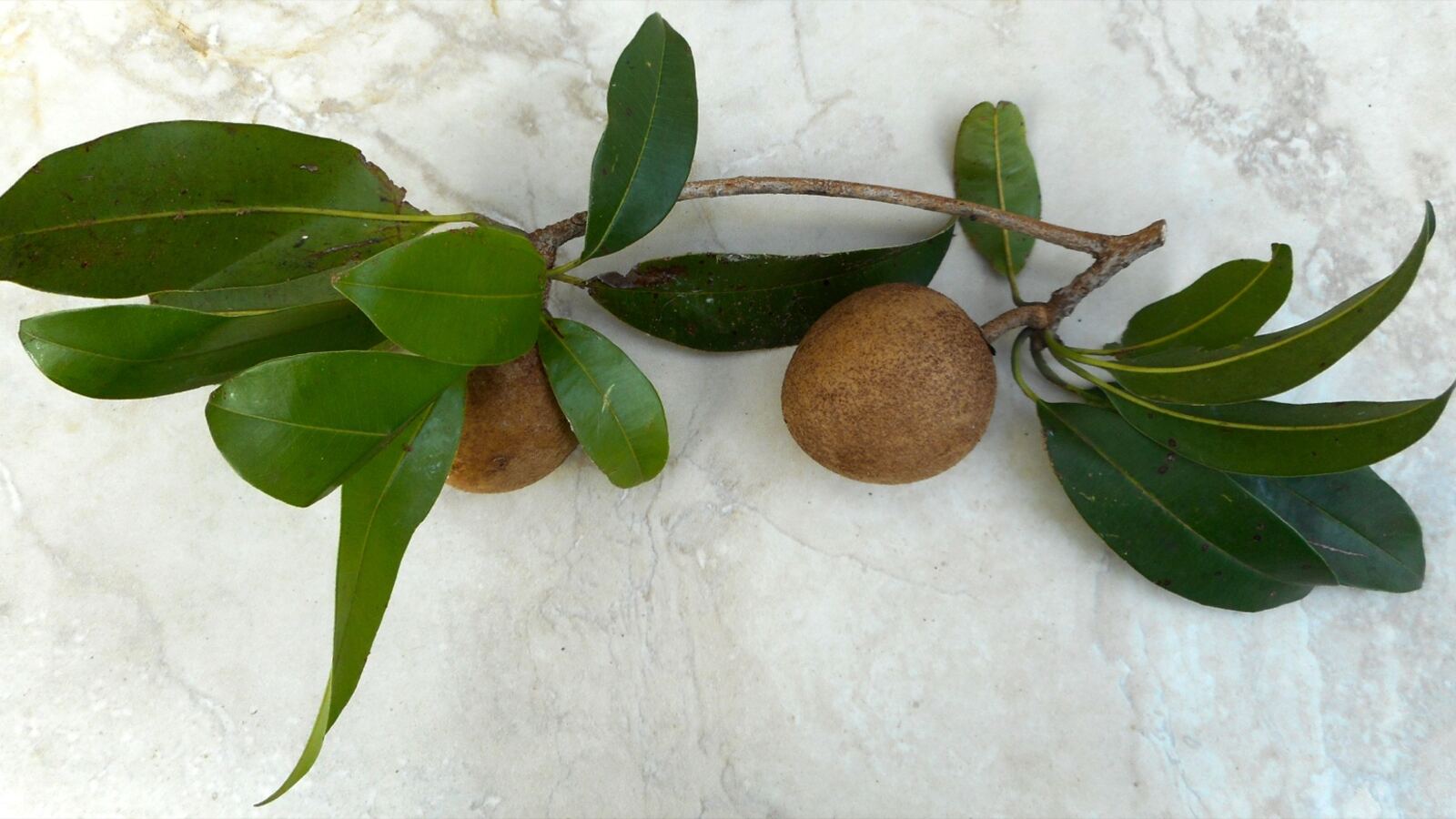
№ 411Sapotes: The Chewing-Gum Tree and Its Chocolate-Pudding Cousins
A confusing group of unrelated tropical fruits sharing one name — including the sapodilla that gave the world chewing gum, and the black sapote that tastes of chocolate mousse.
 № 412
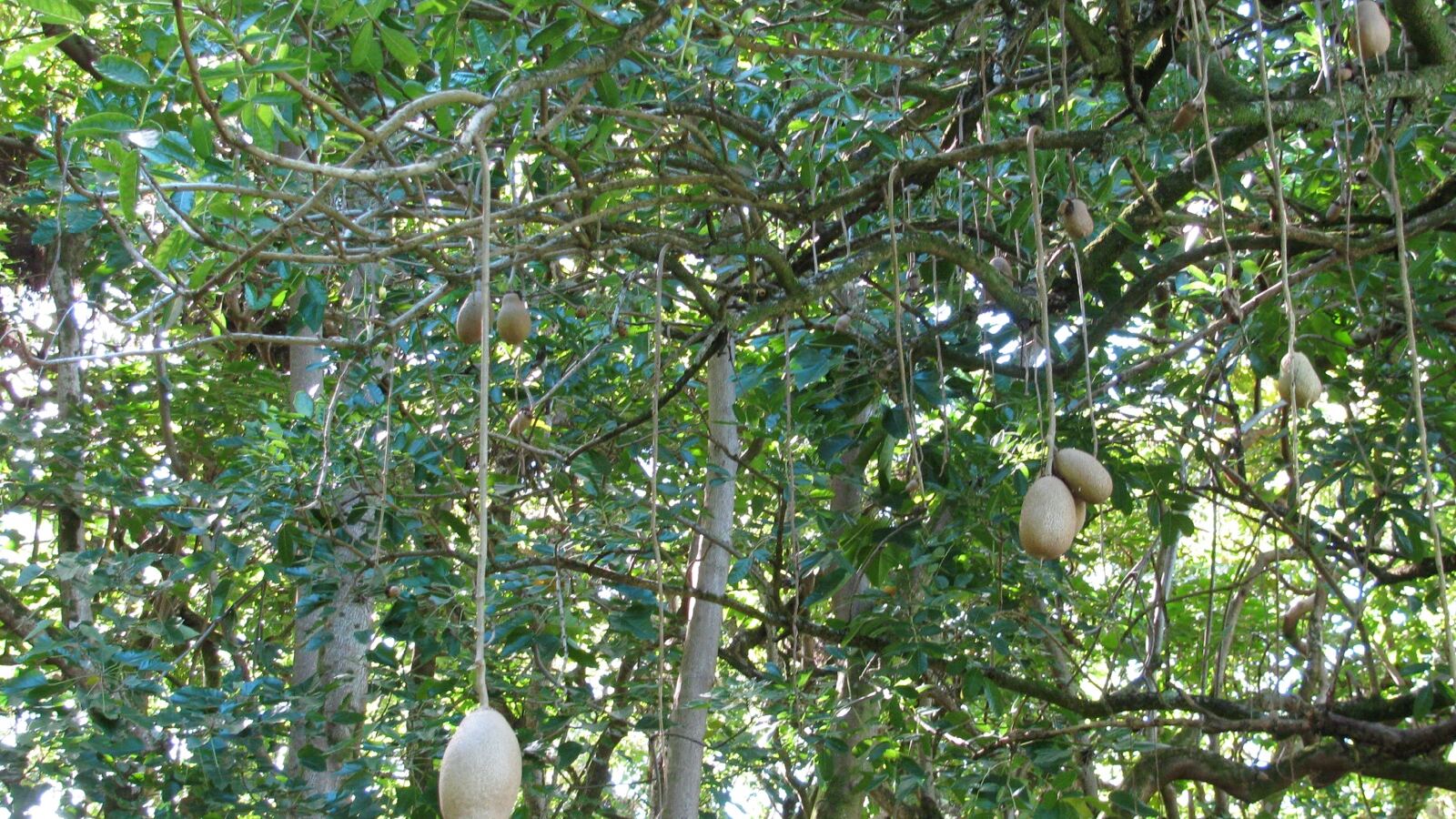
№ 412Sausage Tree: The Bat-Flowered Giant That Hangs Giant Fruit
An African tree that dangles metre-long, several-kilo 'sausages' on long cords, opens blood-red flowers at night for bats, and yields a skin cream now sold around the world.
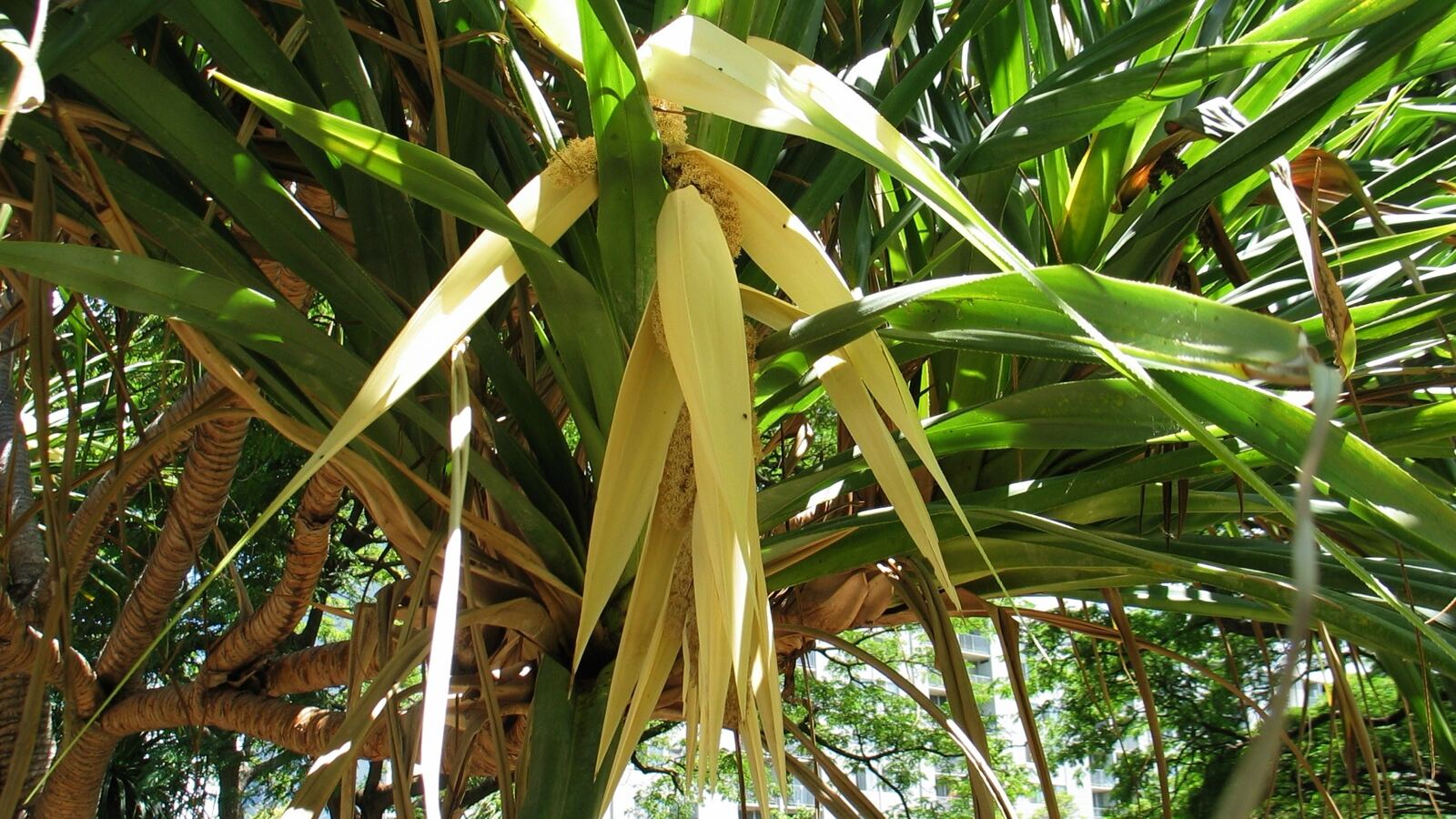 № 414
№ 414Screw-Pine: The Stilt-Rooted Tree of the Tropical Shore
Not a pine at all but a spiral-leaved coastal tree standing on a tripod of stilt roots — holding shorelines together, thatching and weaving whole cultures, and flavouring the kitchens of Asia with its pandan leaf.
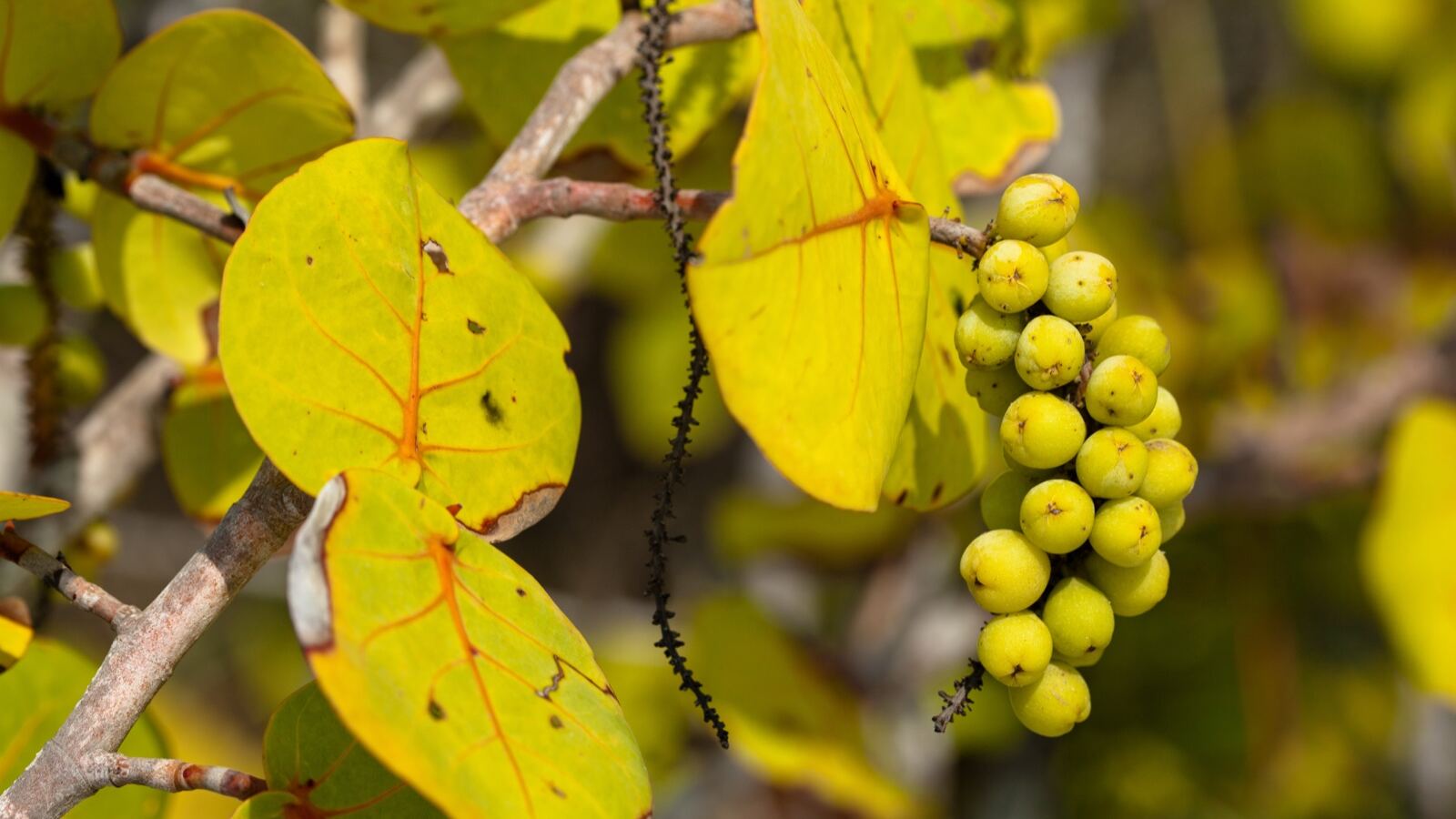 № 416
№ 416Sea Grape: The Tree That Holds the Tropical Beach Together
A sprawling, salt-proof coastal tree with dinner-plate leaves and hanging clusters of grape-like fruit — the front-line stabiliser of Caribbean beaches and a jelly-maker's prize.
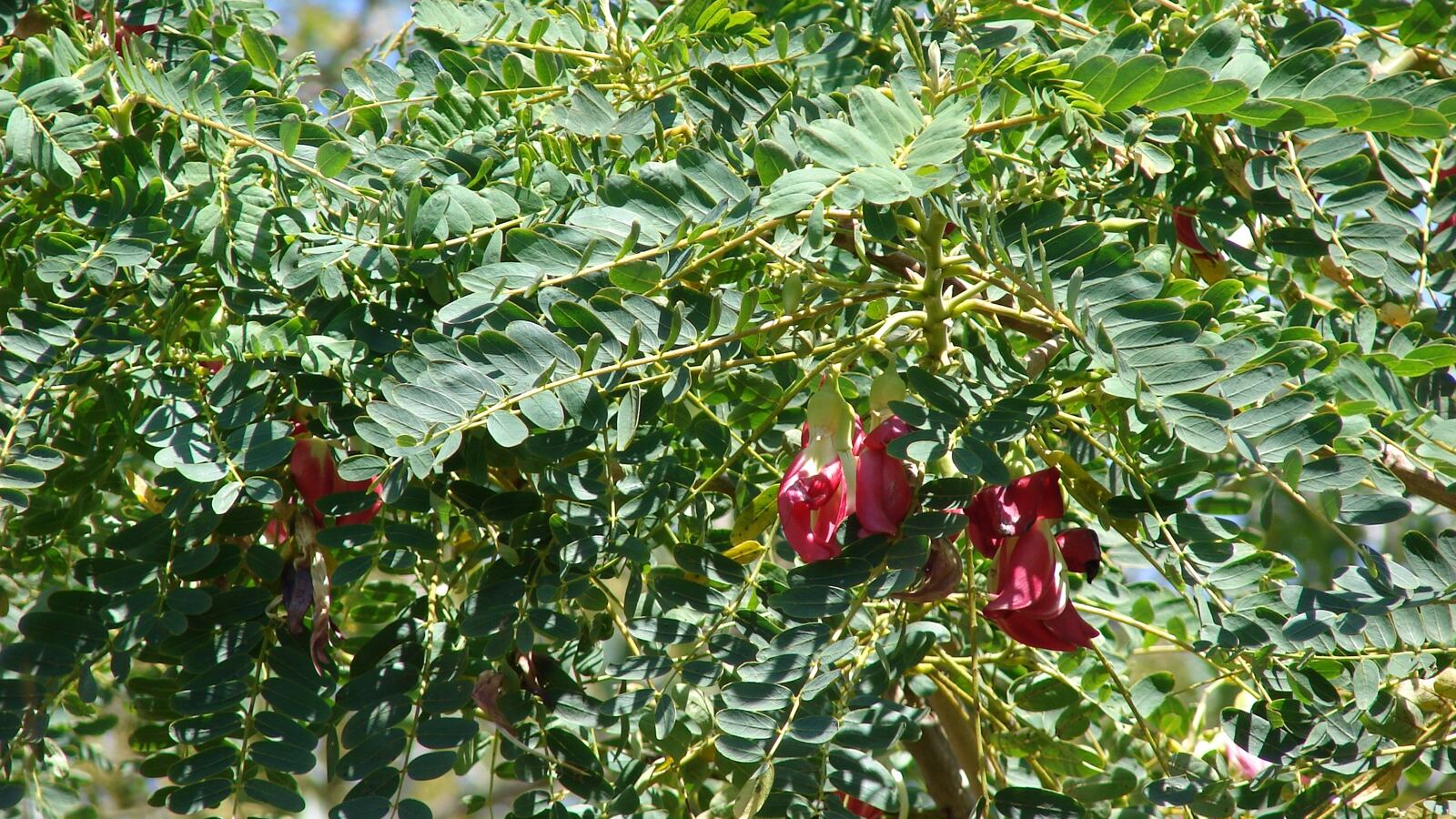 № 424
№ 424Sesbania: The Fast Legume With Flowers You Eat
Quick, soft, short-lived legumes that fix nitrogen fast enough to green a rice field in weeks — and whose big hummingbird-shaped flowers, borne by the hundred, are cooked and eaten as a vegetable across Asia.
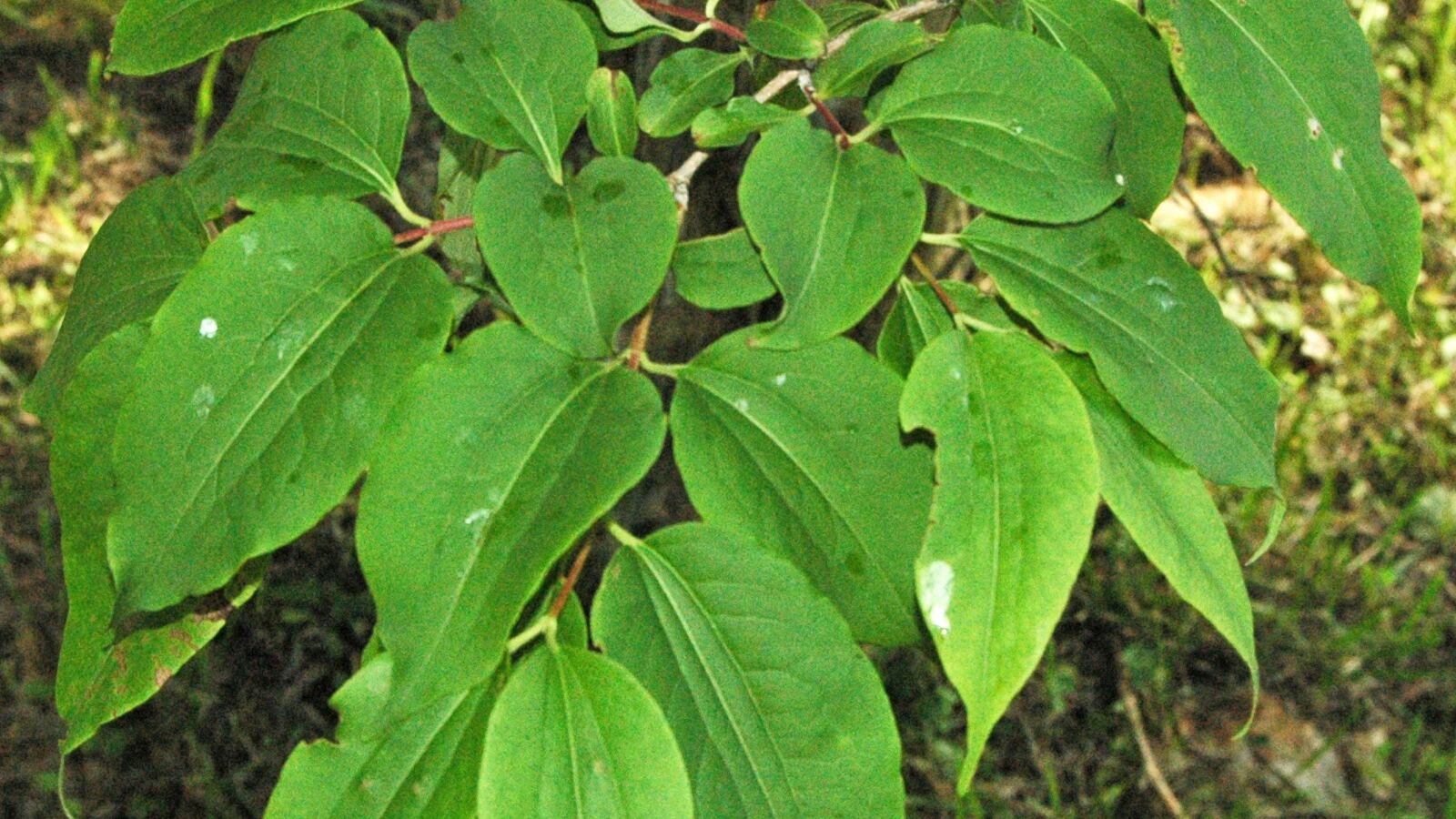 № 425
№ 425Seven-Son Flower: The Tree That Blooms Twice
A rare Chinese tree that flowers fragrant white in late summer, then stages a second show as its calyces turn cherry-red — all above a trunk of beautiful peeling, exfoliating bark for the winter.
 № 428
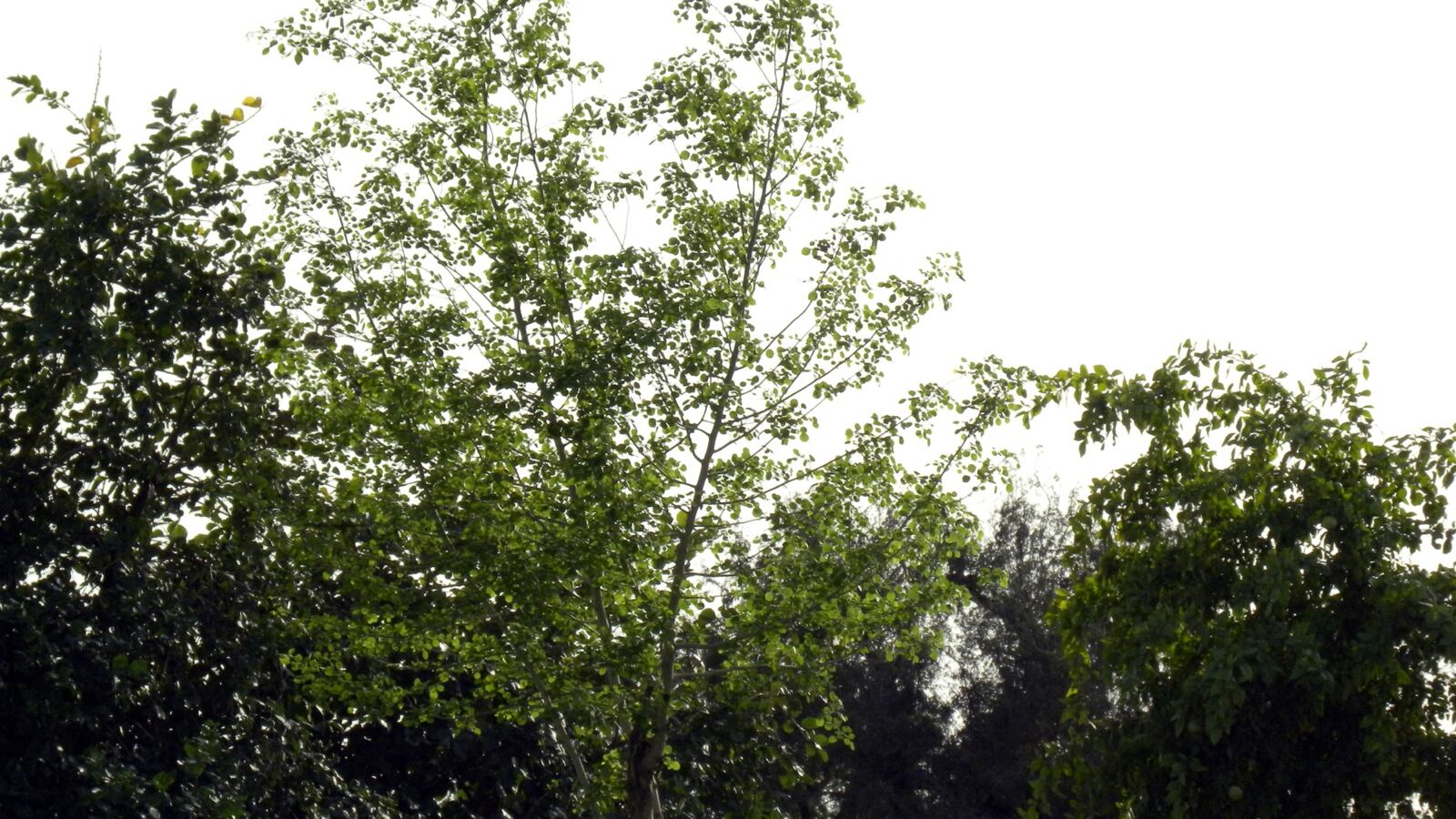
№ 428Shisham: North India's Rosewood of Field and Furniture
A fast, tough, nitrogen-fixing rosewood that lines the canals and roads of northern India — its hard, handsome, durable timber the workhorse of the region's furniture, second in prestige only to teak.
 № 430
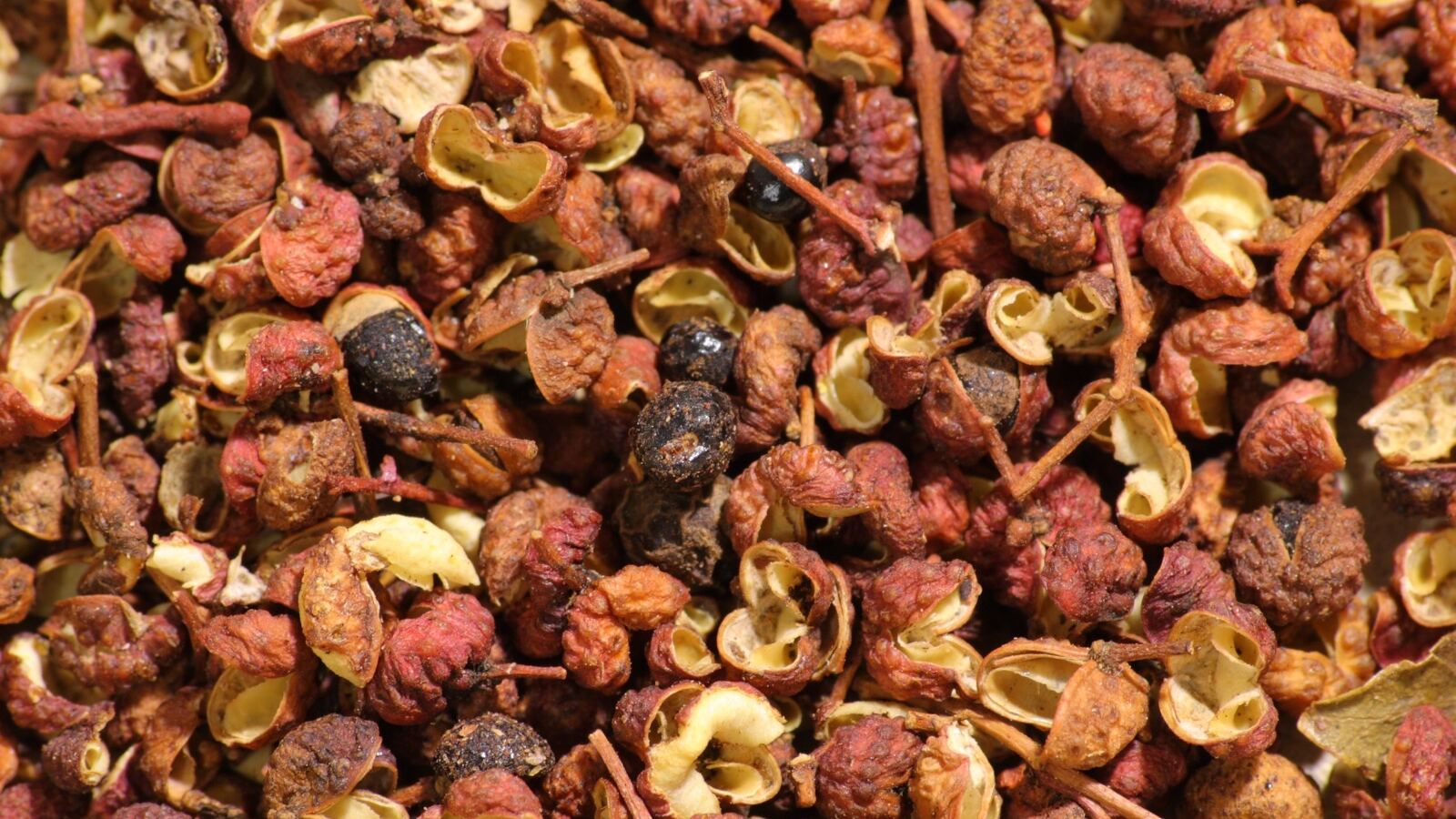
№ 430Sichuan Pepper: The Spice That Makes Your Lips Buzz
A thorny citrus-family tree whose dried berry husks are not hot but tingling — producing the electric, lip-numbing buzz at the heart of Sichuan cooking, a genuine and measurable effect on the nerves.
 № 431
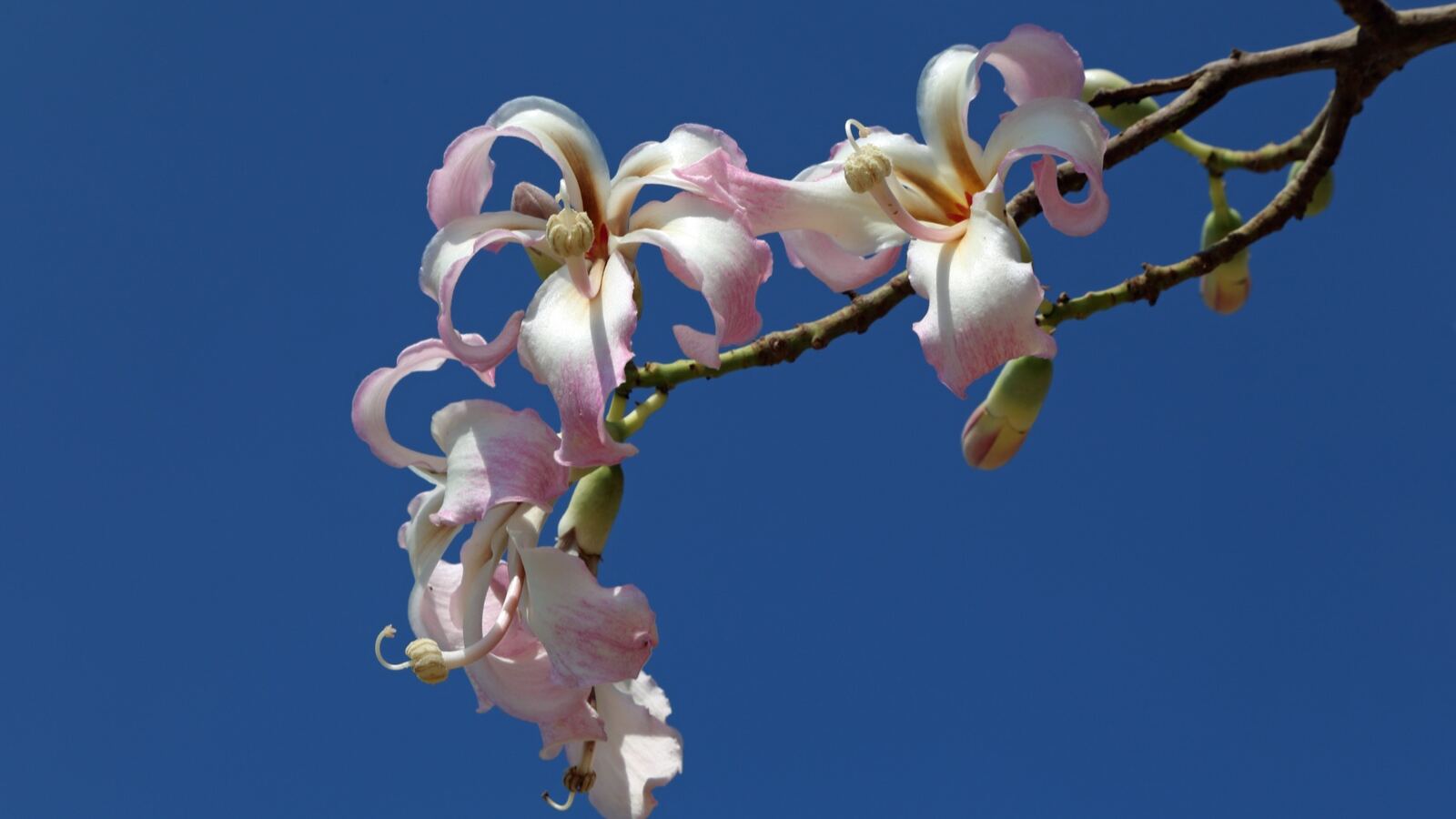
№ 431Silk-Floss Tree: The Spiny-Bellied Tree That Rains Pink Flowers
A relative of the kapok that swells a green, water-storing trunk studded with fierce conical spines, blazes pink-and-cream in autumn, and packs its pods with the same silky floss as its cousin.
 № 435
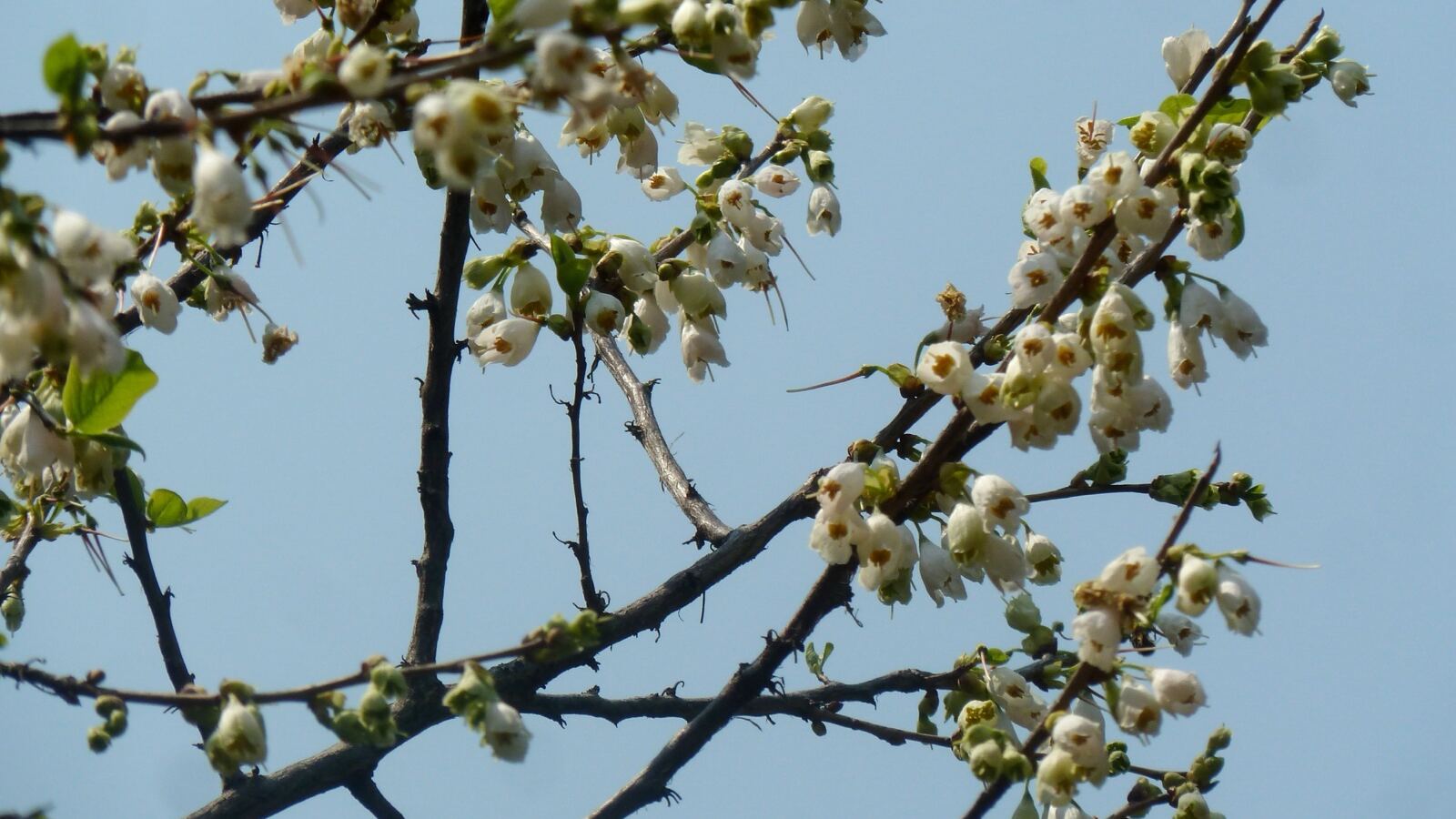
№ 435Silverbell and Snowbell: The Trees Hung With White Bells
Elegant understorey trees that drape themselves in hanging white bell- and star-flowers each spring — and whose family gives the fragrant benzoin resin of incense and old medicine.
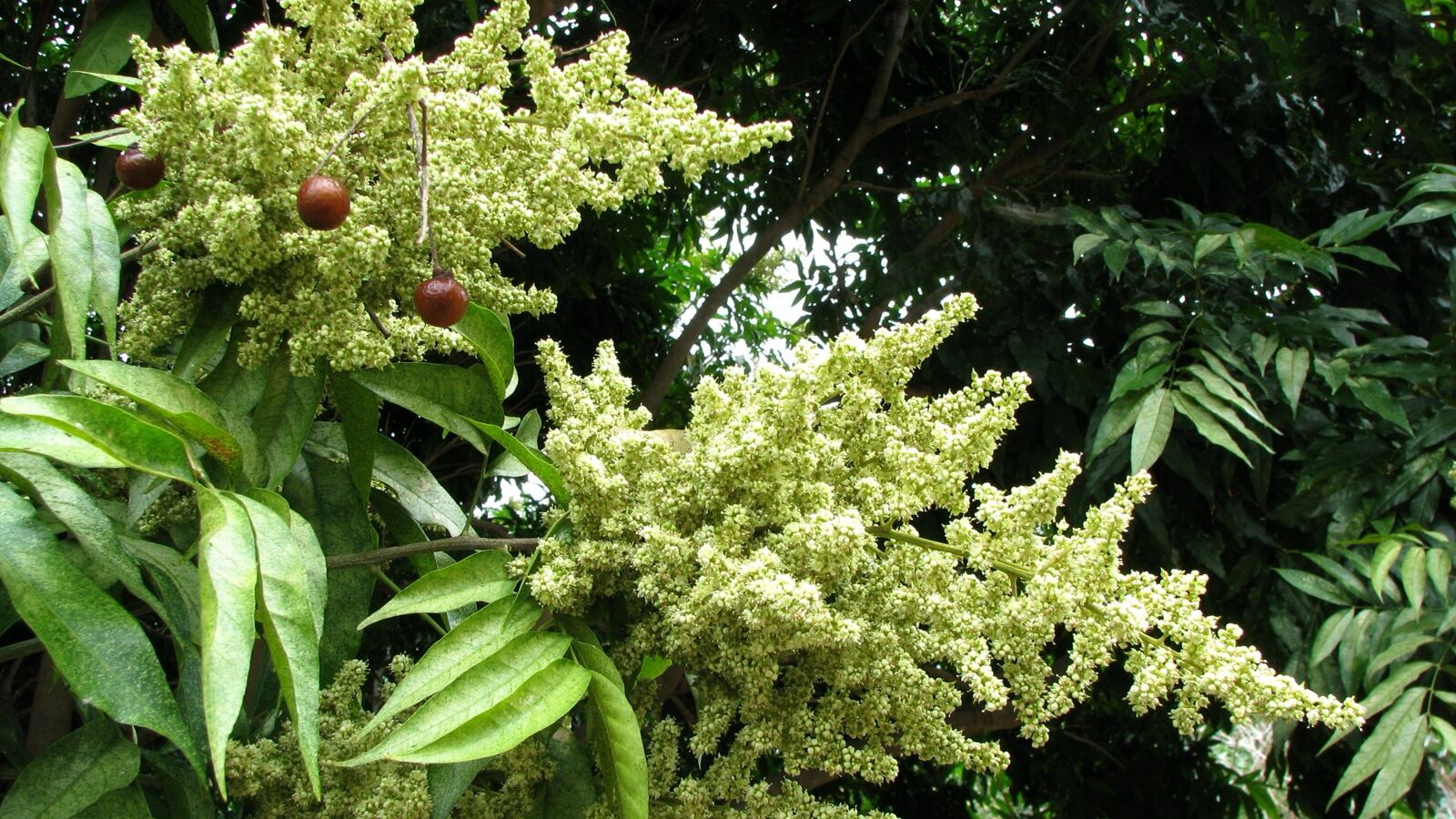 № 440
№ 440Soap Nut: The Tree That Grows Its Own Detergent
A soapberry tree whose fruit shells lather in water like soap — a plastic-free, biodegradable laundry detergent that grows on a tree, used for centuries and rediscovered by the eco-conscious.
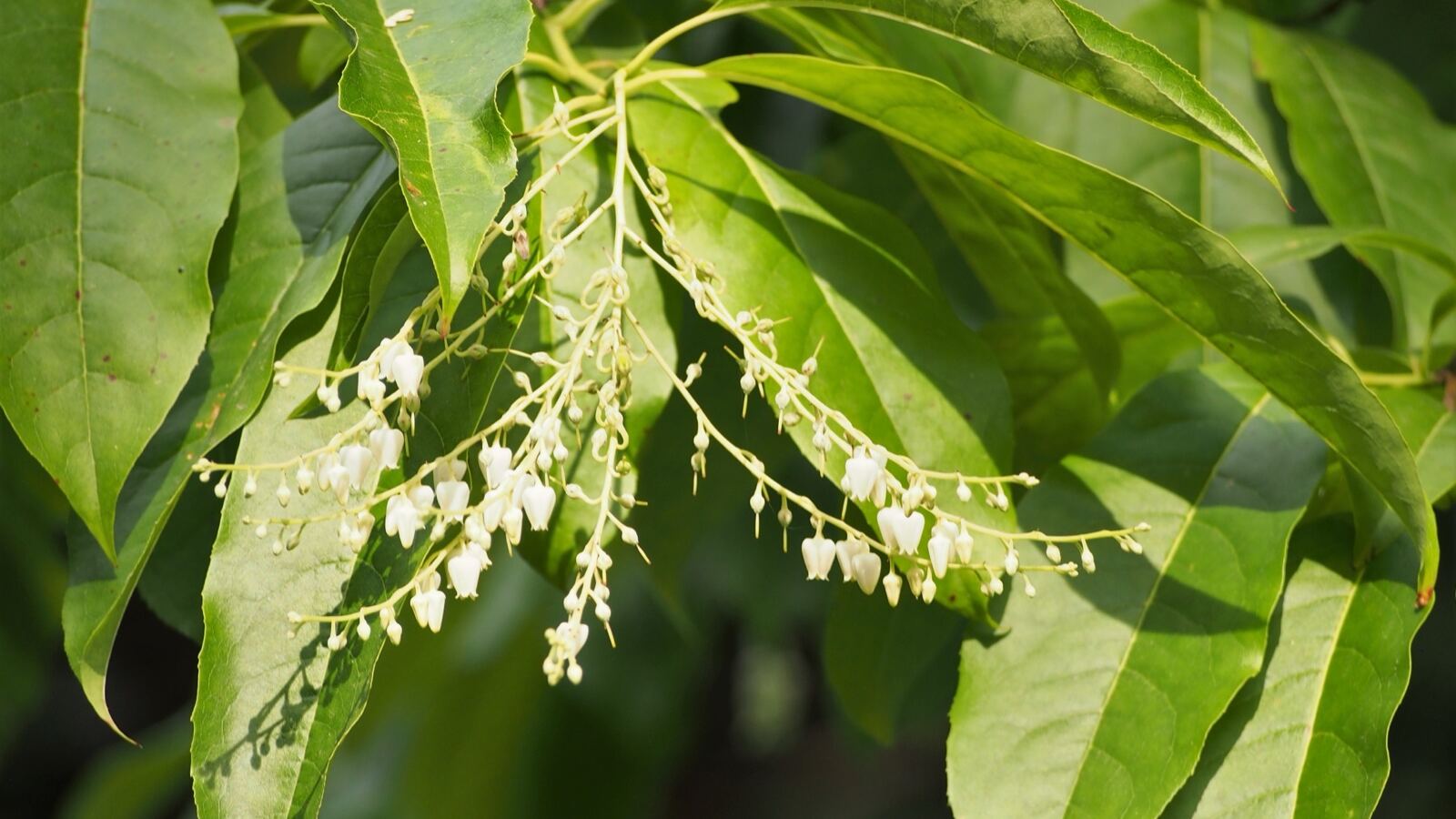 № 449
№ 449Sourwood: The Appalachian Tree That Makes the Finest Honey
A modest Appalachian tree with sour leaves, sprays of lily-of-the-valley flowers, and flaming autumn colour — whose midsummer nectar makes one of the most prized honeys in America.
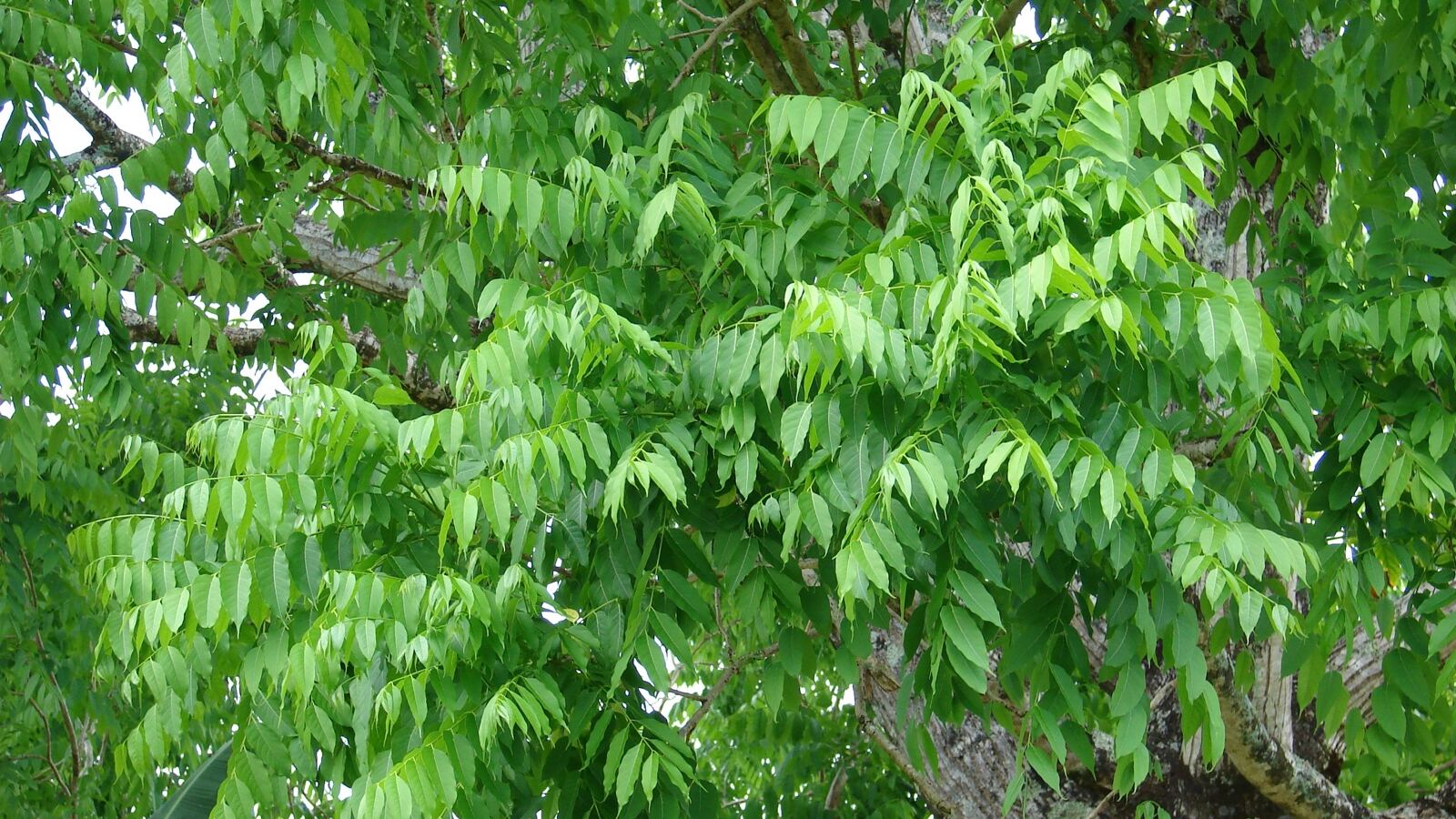 № 451
№ 451Spanish Cedar: The Fragrant Wood of Cigar Boxes
Not a cedar at all but a mahogany relative — an aromatic, insect-repelling, moth-proof tropical wood that lines the world's cigar boxes and humidors, and suffers the same shoot-borer that foils mahogany plantations.
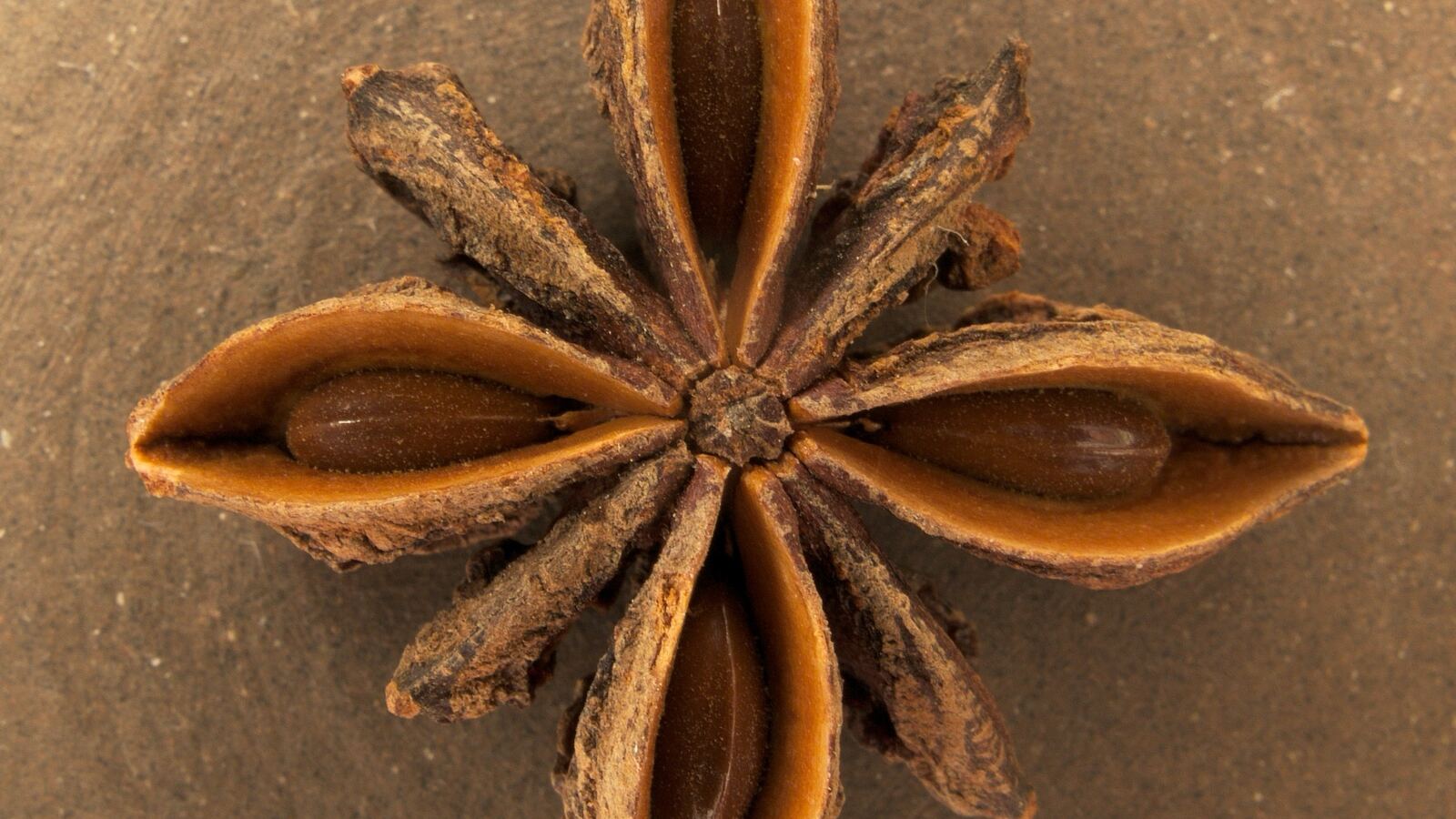 № 461
№ 461Star Anise: The Spice That Made the Flu Drug
A small Chinese tree whose star-shaped seed pods are a fundamental spice of Asian cooking — and, for years, the world's main source of the raw material for the antiviral drug Tamiflu, with a toxic look-alike to beware.
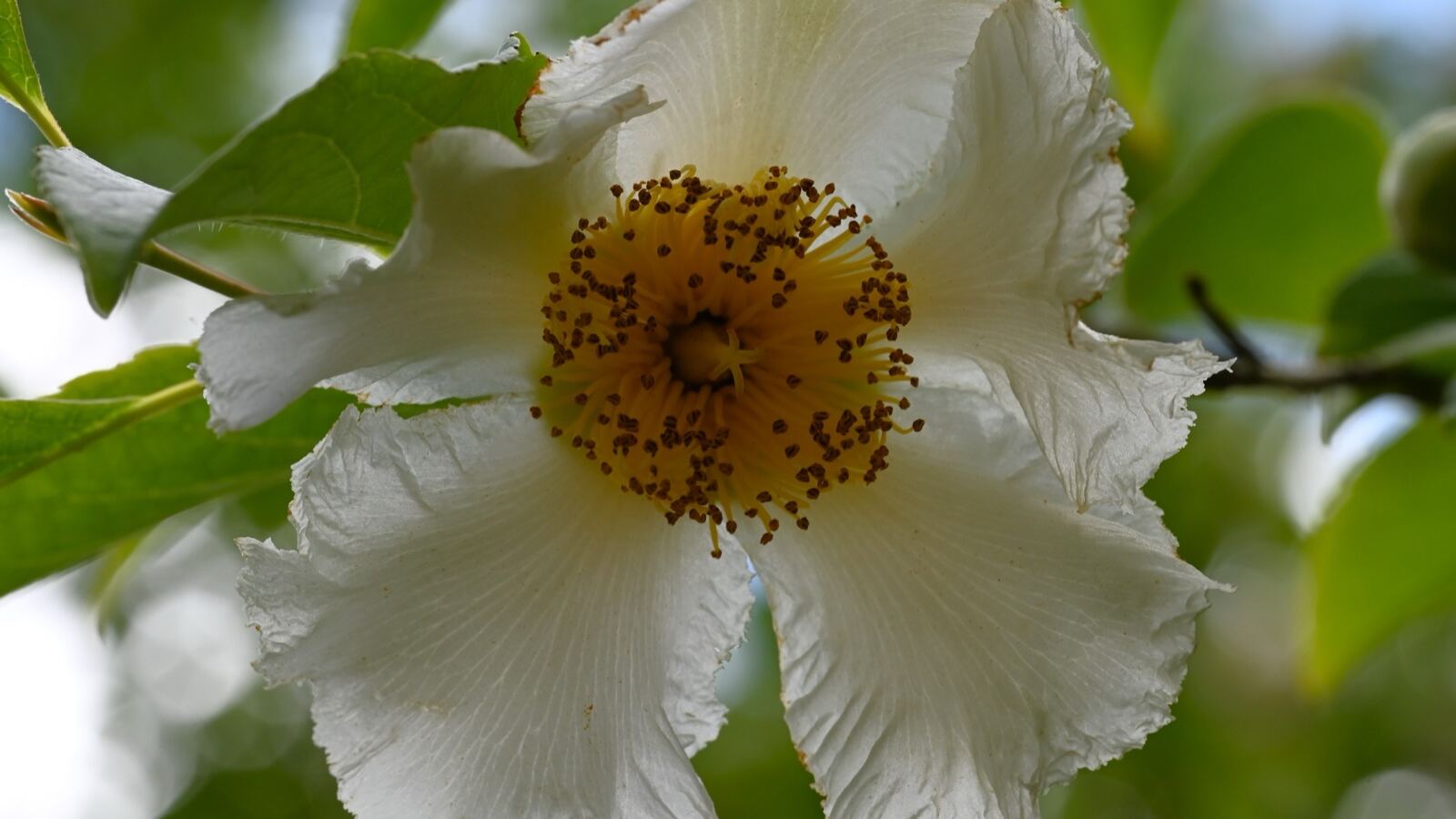 № 462
№ 462Stewartia: Camellia Flowers and Jigsaw Bark
A four-season aristocrat of the tea family — white summer flowers like single camellias, fiery autumn colour, and a flaking patchwork trunk that is the real reason to plant it.
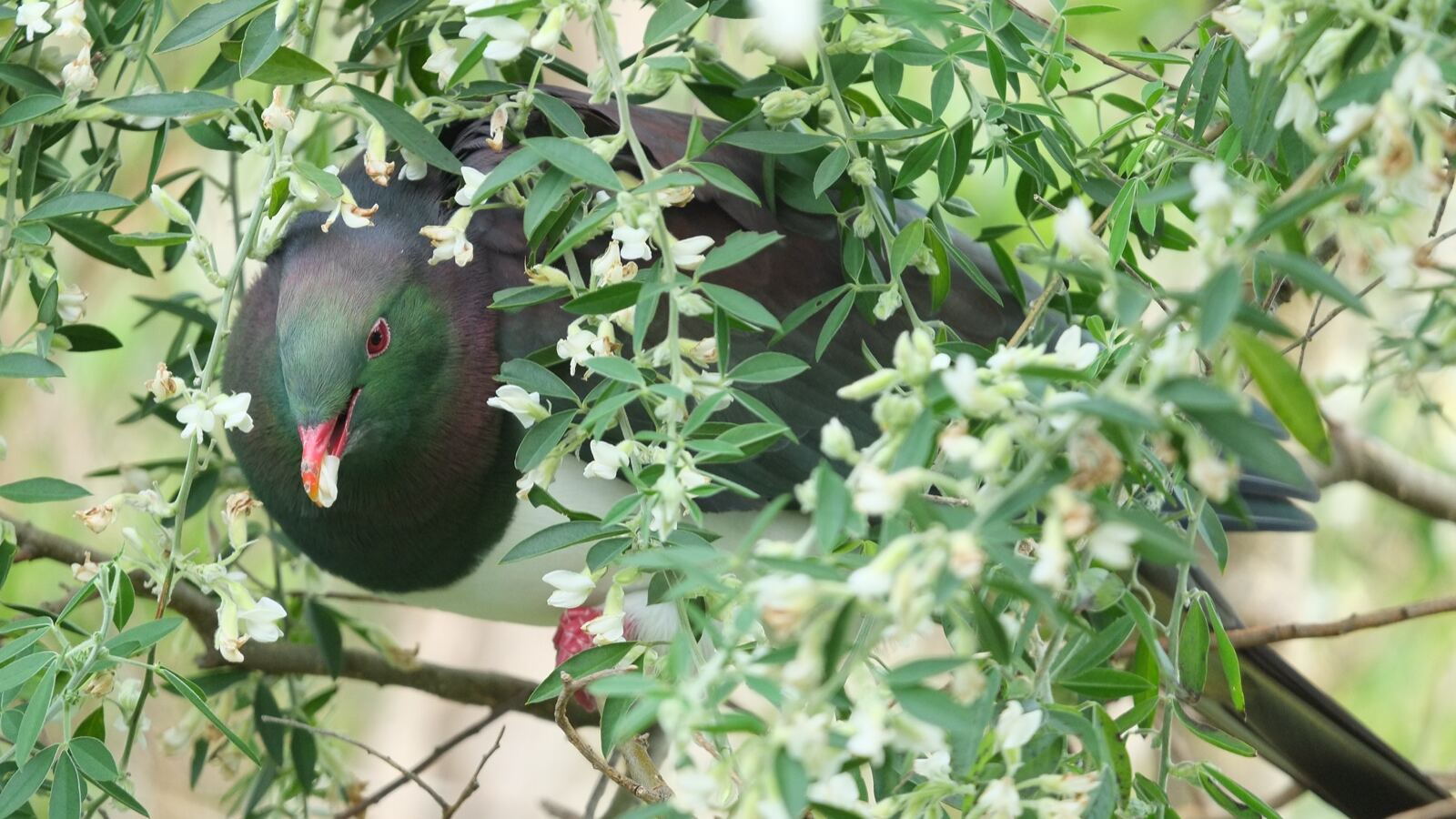 № 480
№ 480Tagasaste: The Evergreen Fodder Tree That Feeds Stock and Bees
A fast, drought-hardy Canary Islands legume — 'tree lucerne' — that fixes nitrogen, stays green and leafy through summer drought when pasture fails, and pours winter nectar for bees.
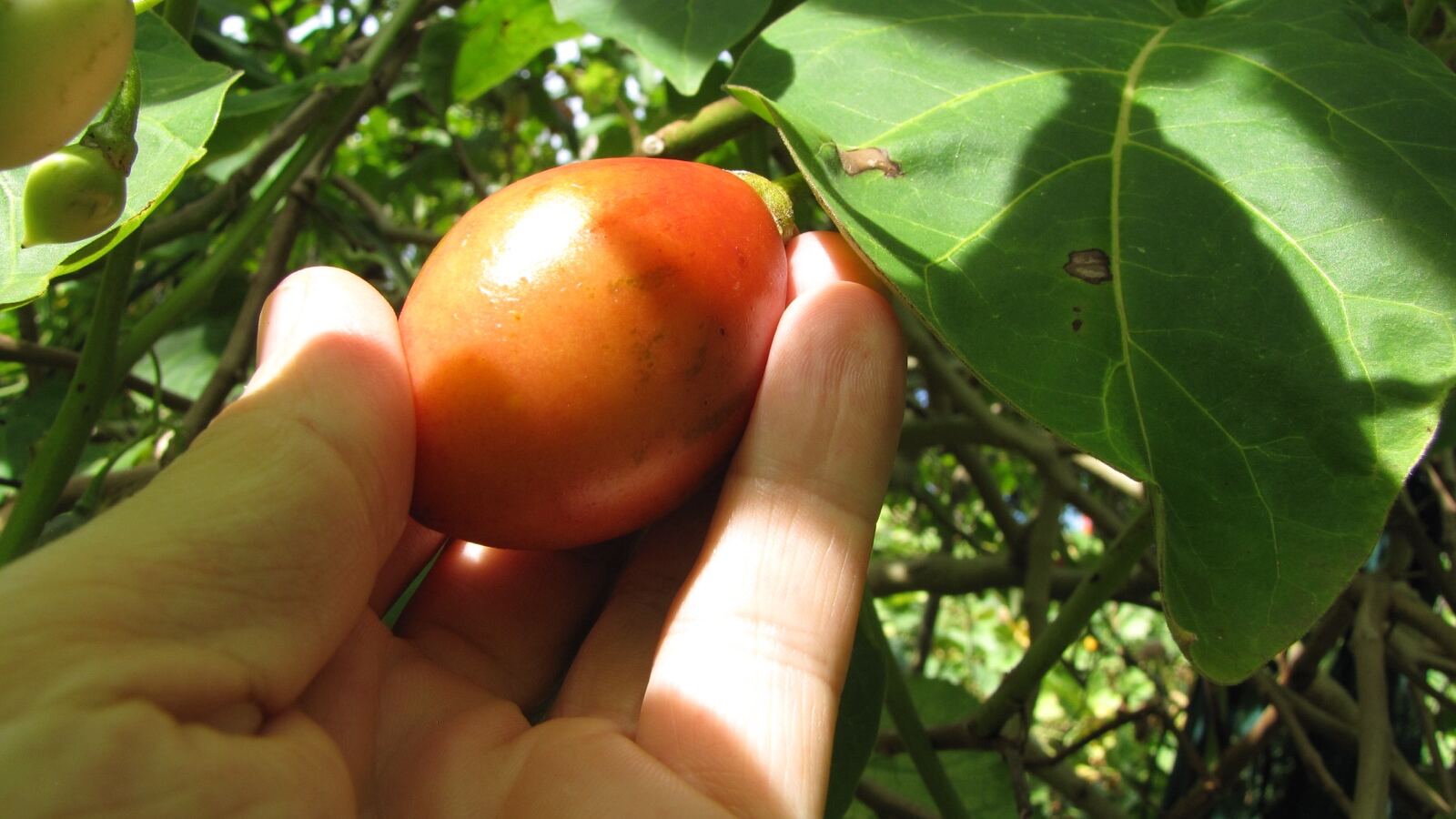 № 481
№ 481Tamarillo: The Tree Tomato That Got a New Name to Sell
A fast subtropical relative of the tomato that fruits in its second year on a soft little tree — renamed by marketers from 'tree tomato' to make it sound exotic.
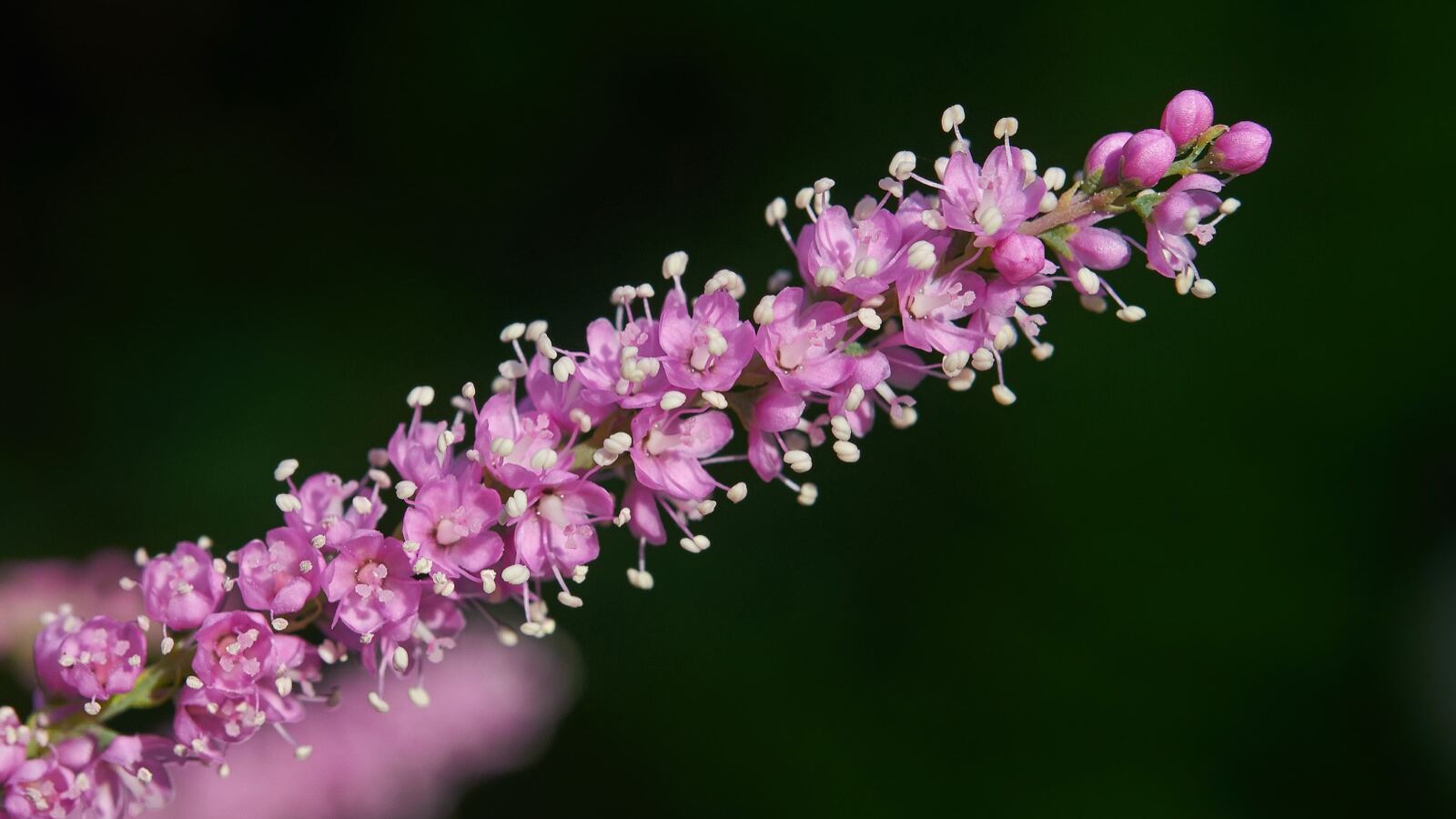 № 483
№ 483Tamarisk: The Feathery Tree That Salts the Ground and Drinks the River
A wispy pink-flowered desert tree that survives on salt water, pumps salt onto the soil to poison its rivals, and became the great water-guzzling invader of the American West.
 № 491
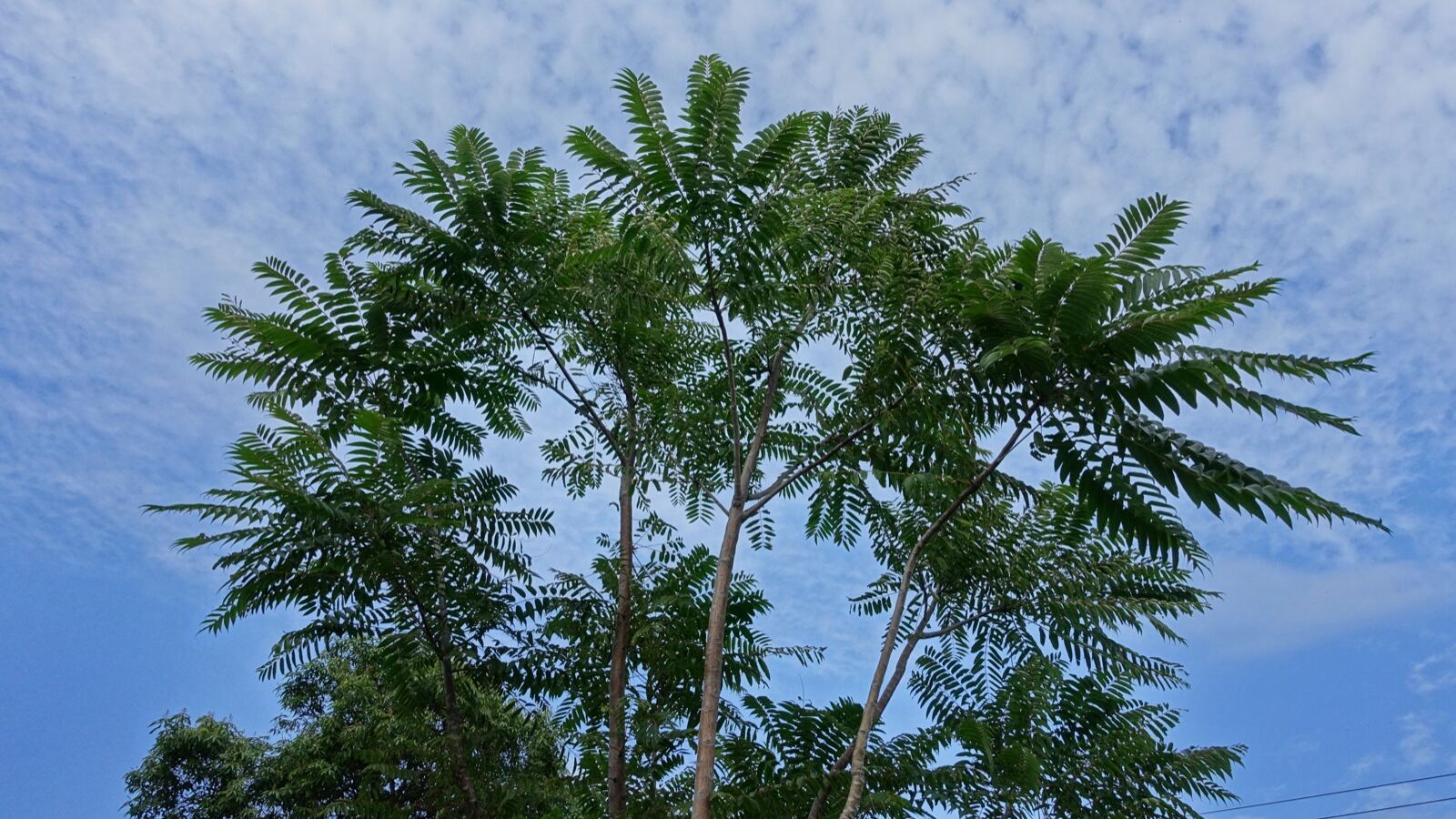
№ 491Toon: The 'Red Cedar' You Can Eat
A mahogany-family tree of two lives — the Australian red cedar, a furniture timber so prized it was logged to scarcity, and the Chinese toon, whose fragrant young shoots are a beloved spring vegetable.
 № 493
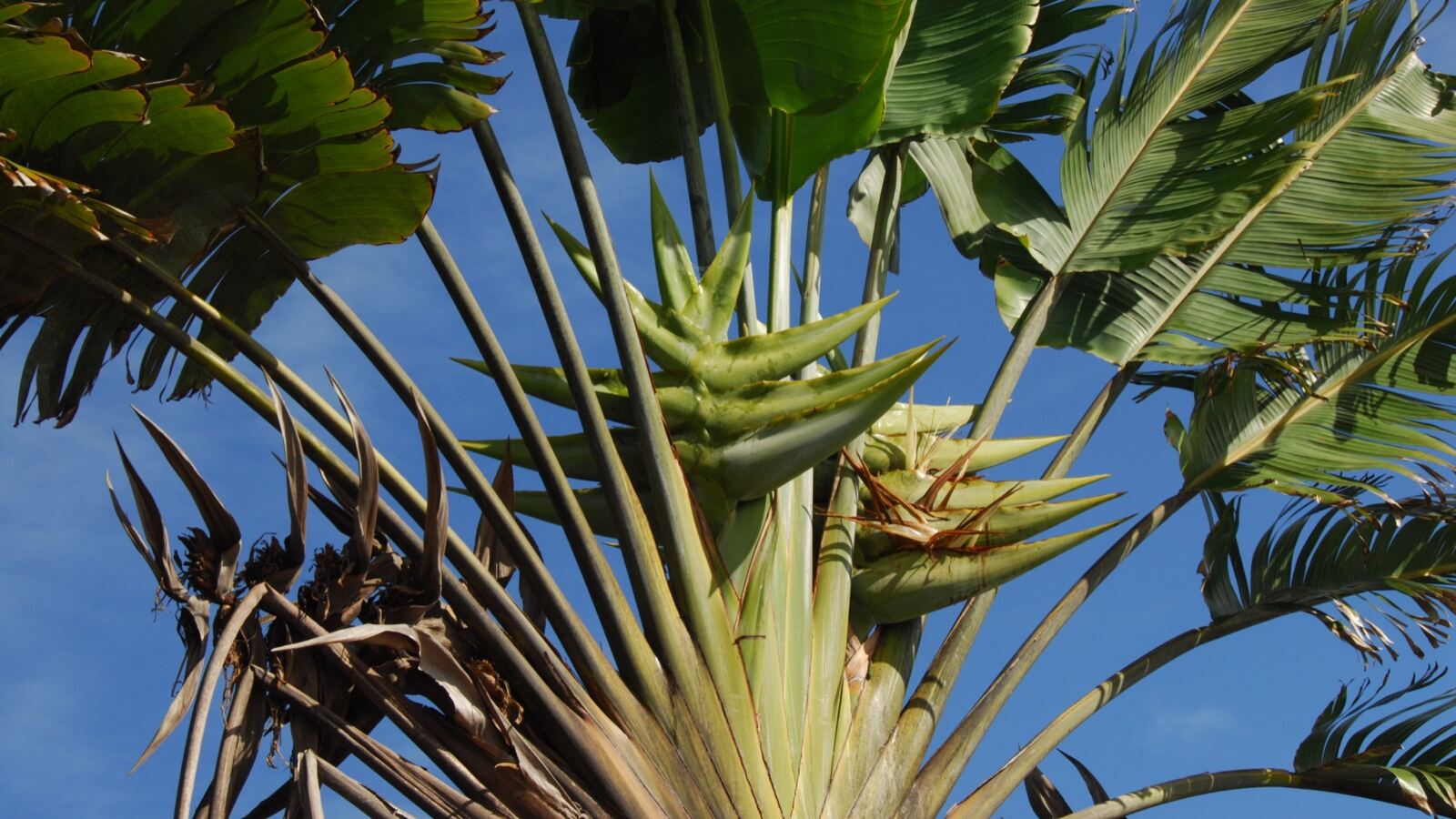
№ 493Traveller's Palm: The Giant Green Fan That Points the Way
A Madagascan icon that is not a palm at all but a giant relative of the bird-of-paradise — its huge leaves ranked in a flat fan said to align east–west, its leaf-bases holding rainwater for a thirsty traveller.
 № 495
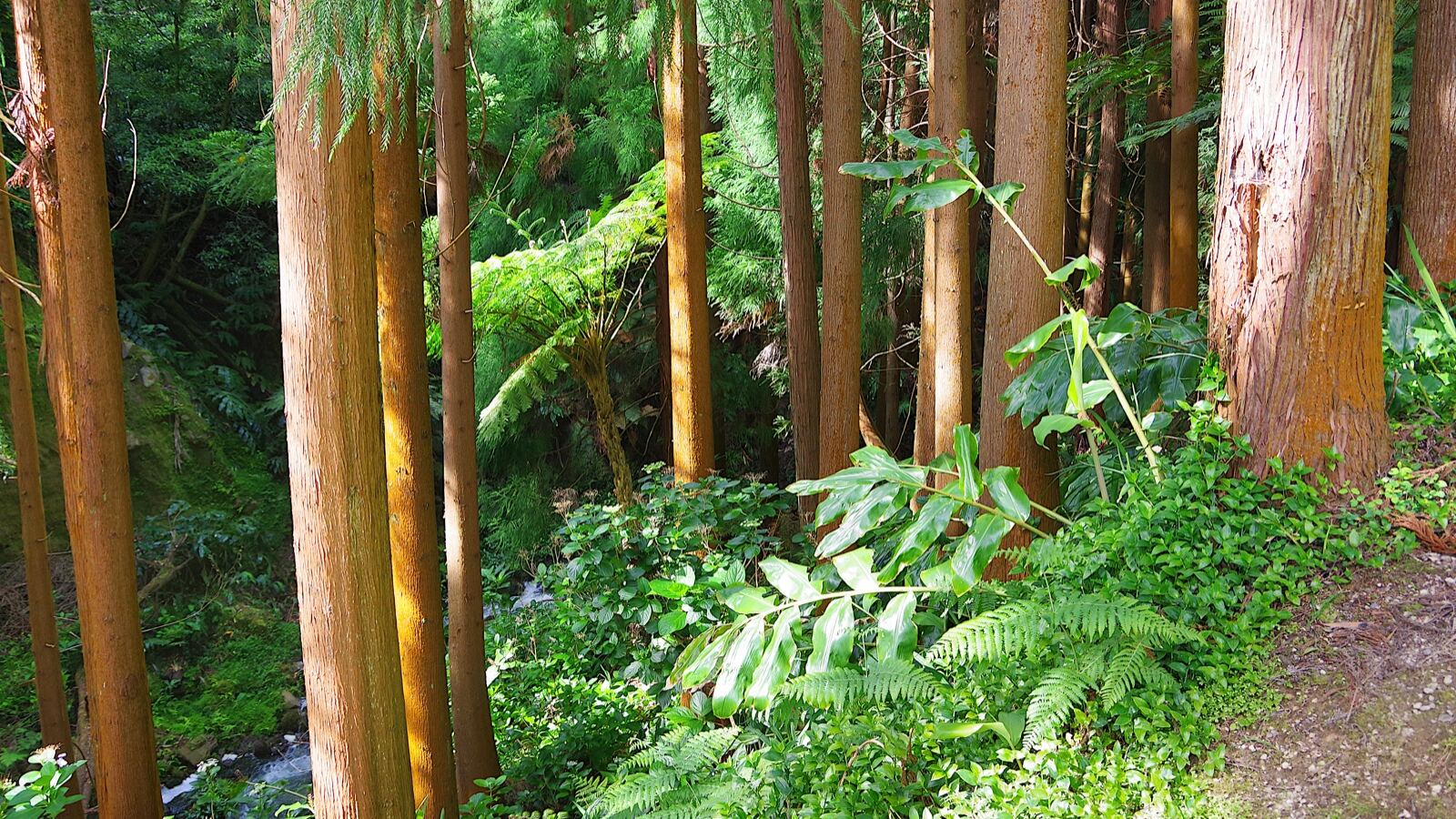
№ 495Tree Ferns: The Trunks That Are Really Roots
Ancient, primitive plants that reach tree size with no wood, no seeds, and no flowers — surviving from the coal forests, building their 'trunks' from a sheath of roots, and reproducing by spore.
 № 496
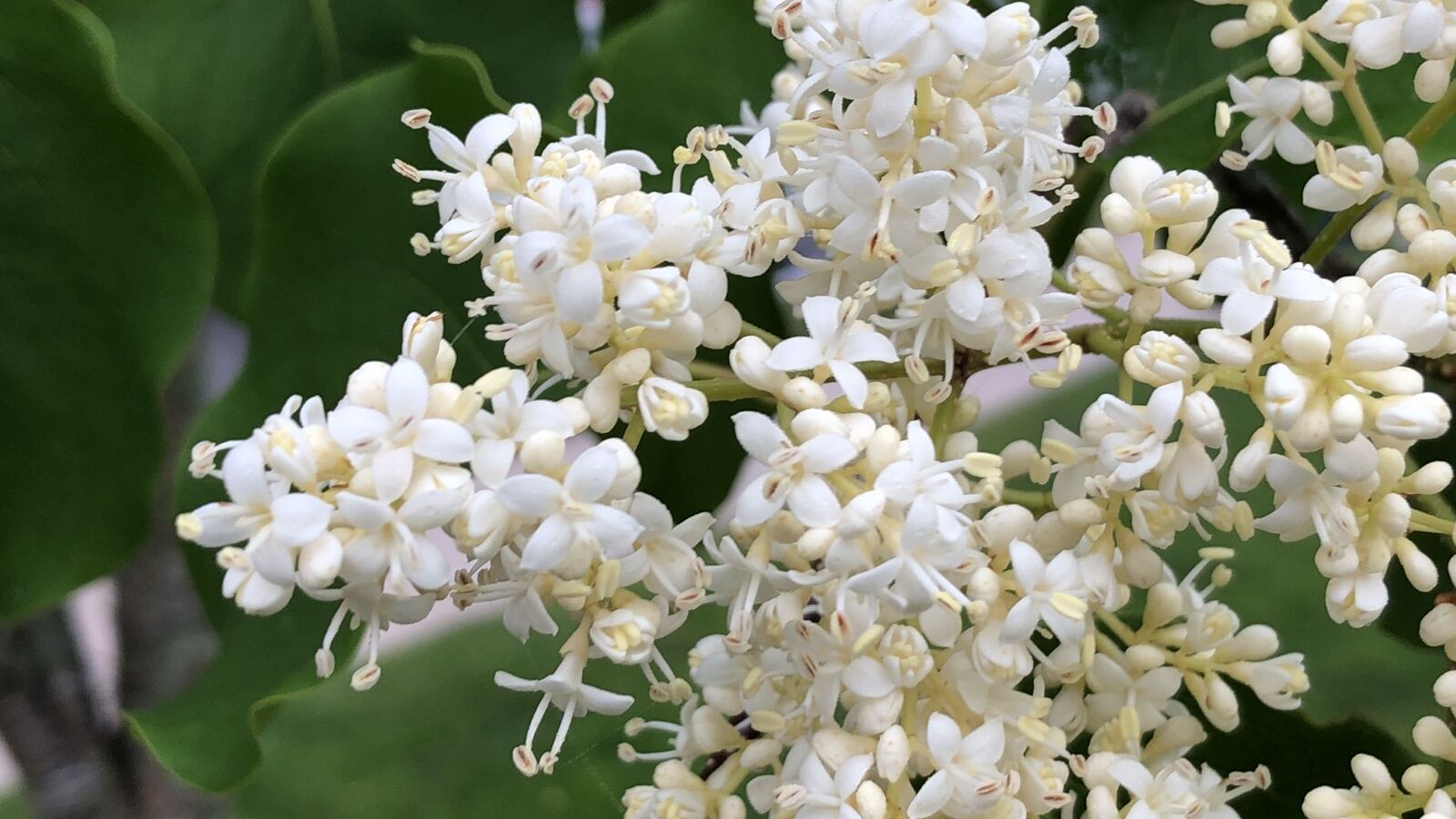
№ 496Tree Lilac: The Lilac That Grew Up Into a Tree
The one lilac that becomes a real tree — tough, hardy, and clean, foaming with fragrant creamy-white flowers in early summer after the shrubby lilacs are done, and shrugging off the hardest city streets.
 № 500
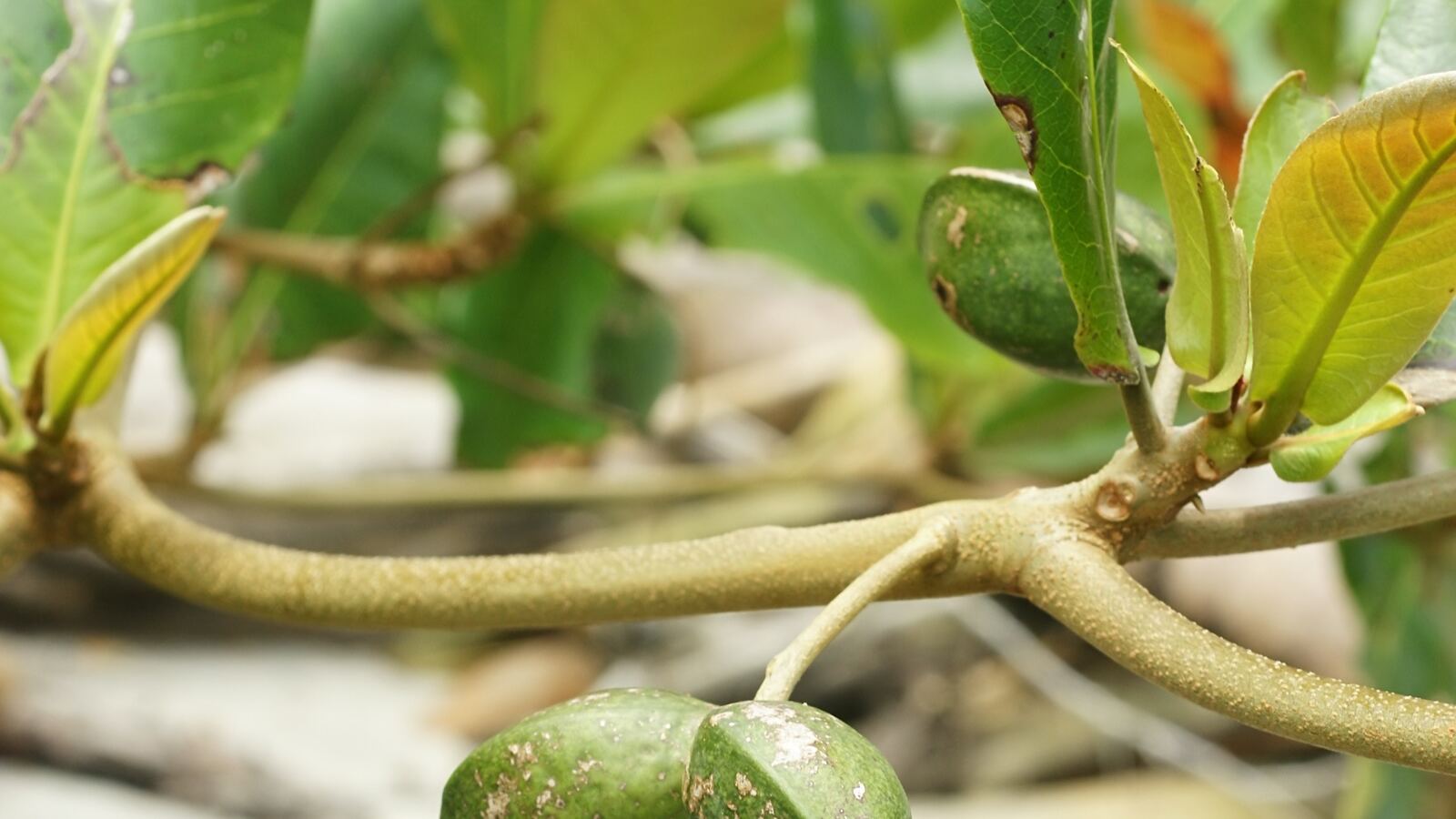
№ 500Tropical Almond: The Pagoda Tree of the Tropical Shore
A pantropical beach tree that builds its crown in perfect tiers, turns its leaves red before dropping them, feeds shorelines and aquariums with tannin — and offers an almond-like kernel worth the effort of cracking.
 № 503
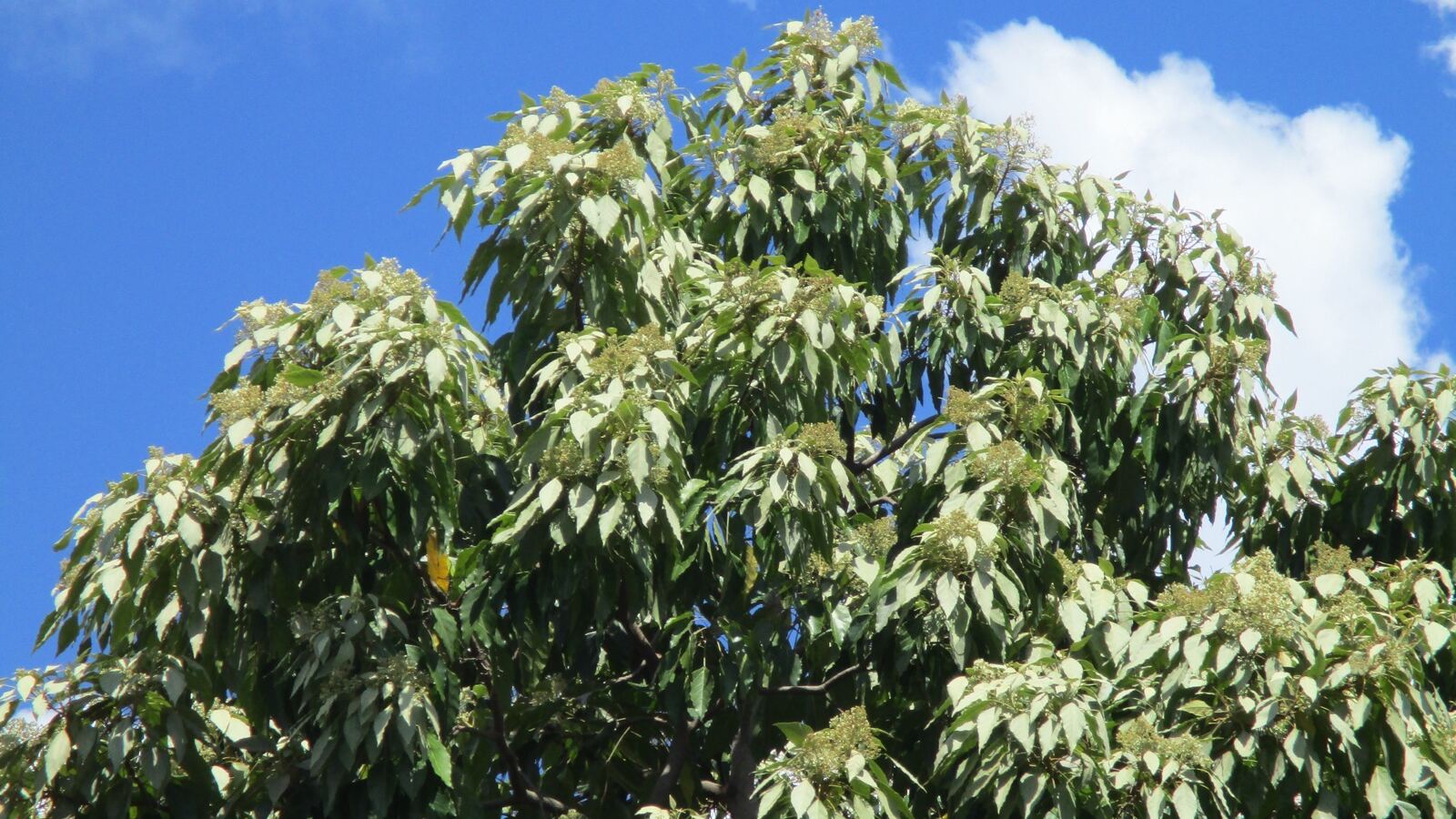
№ 503Tung and Candlenut: The Trees That Gave Oil, Varnish, and Light
Two spurge-family trees whose oily seeds finished the world's woodwork and lit its lamps — tung oil, the classic wood finish, and the candlenut, once burned whole as a candle.
 № 506
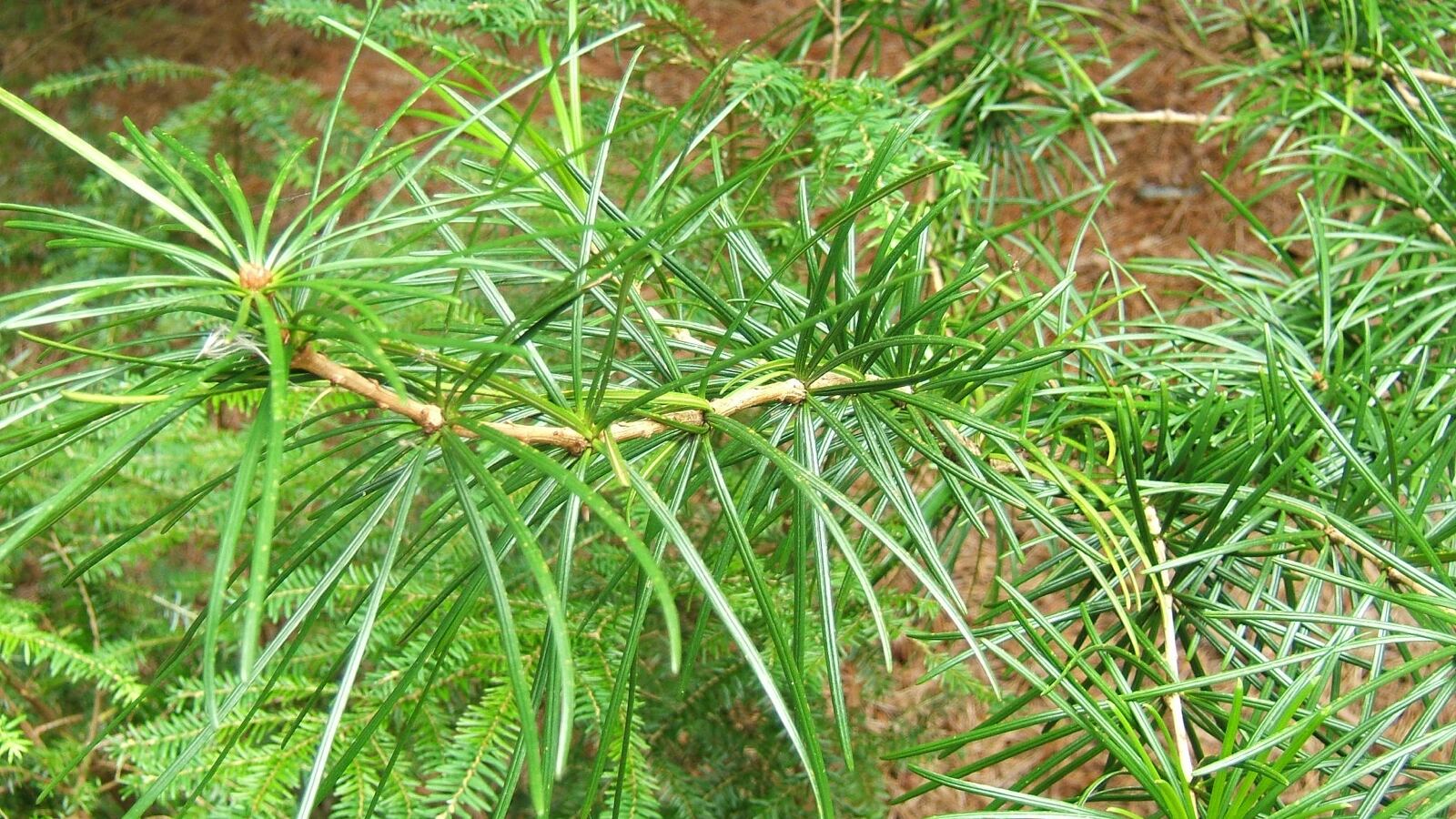
№ 506Umbrella Pine: The Living Fossil With Spokes for Leaves
A Japanese conifer so ancient and so distinct it sits alone in its own family — the last survivor of a 230-million-year-old lineage, with glossy needle-like 'leaves' arranged like the ribs of an umbrella.
 № 528
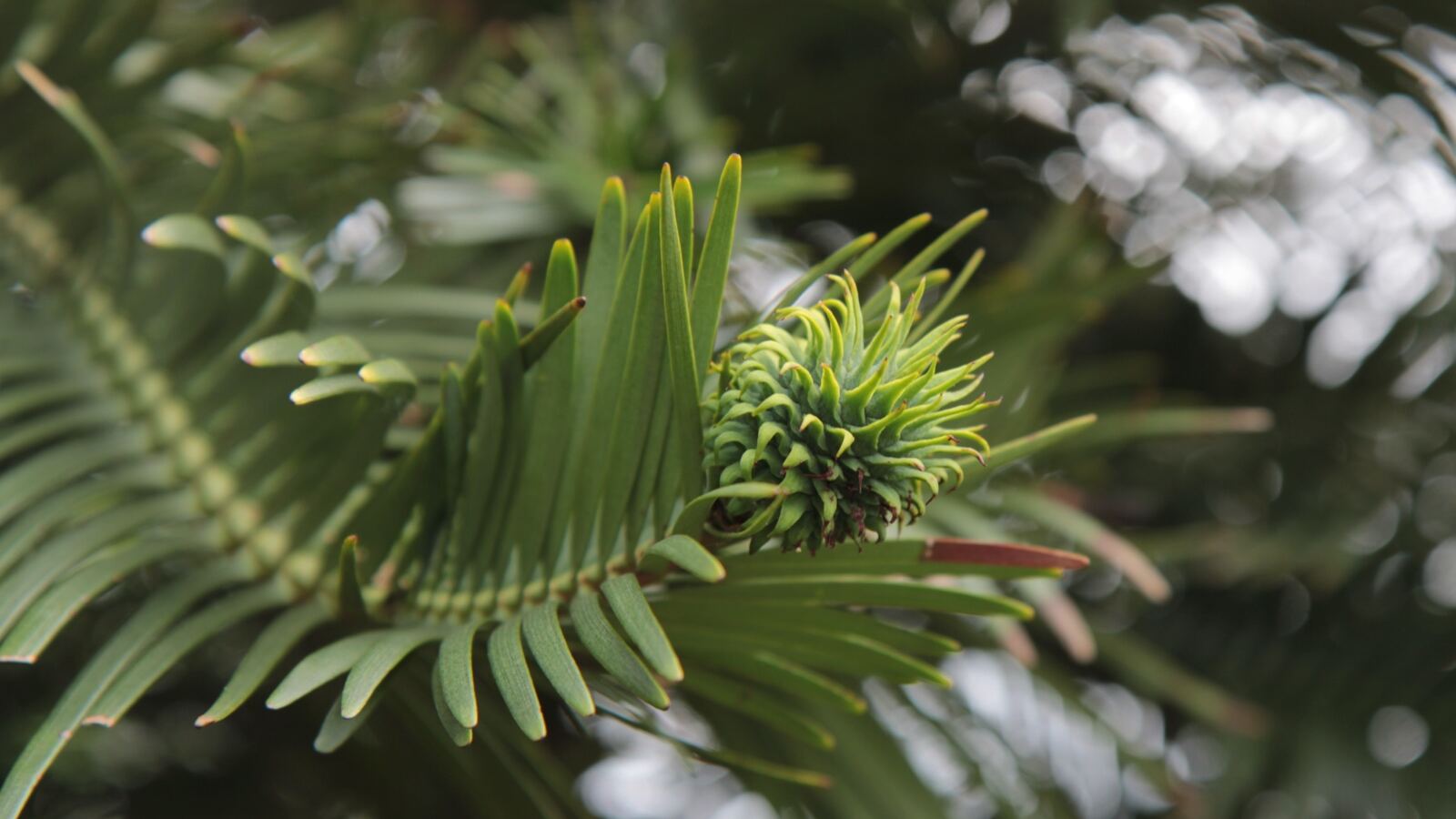
№ 528Wollemi Pine: The Dinosaur Tree Found Alive in a Hidden Gorge
A conifer known only from fossils until a bushwalker abseiled into a canyon in 1994 and found it living — now propagated worldwide to insure a species down to fewer than a hundred wild trees.
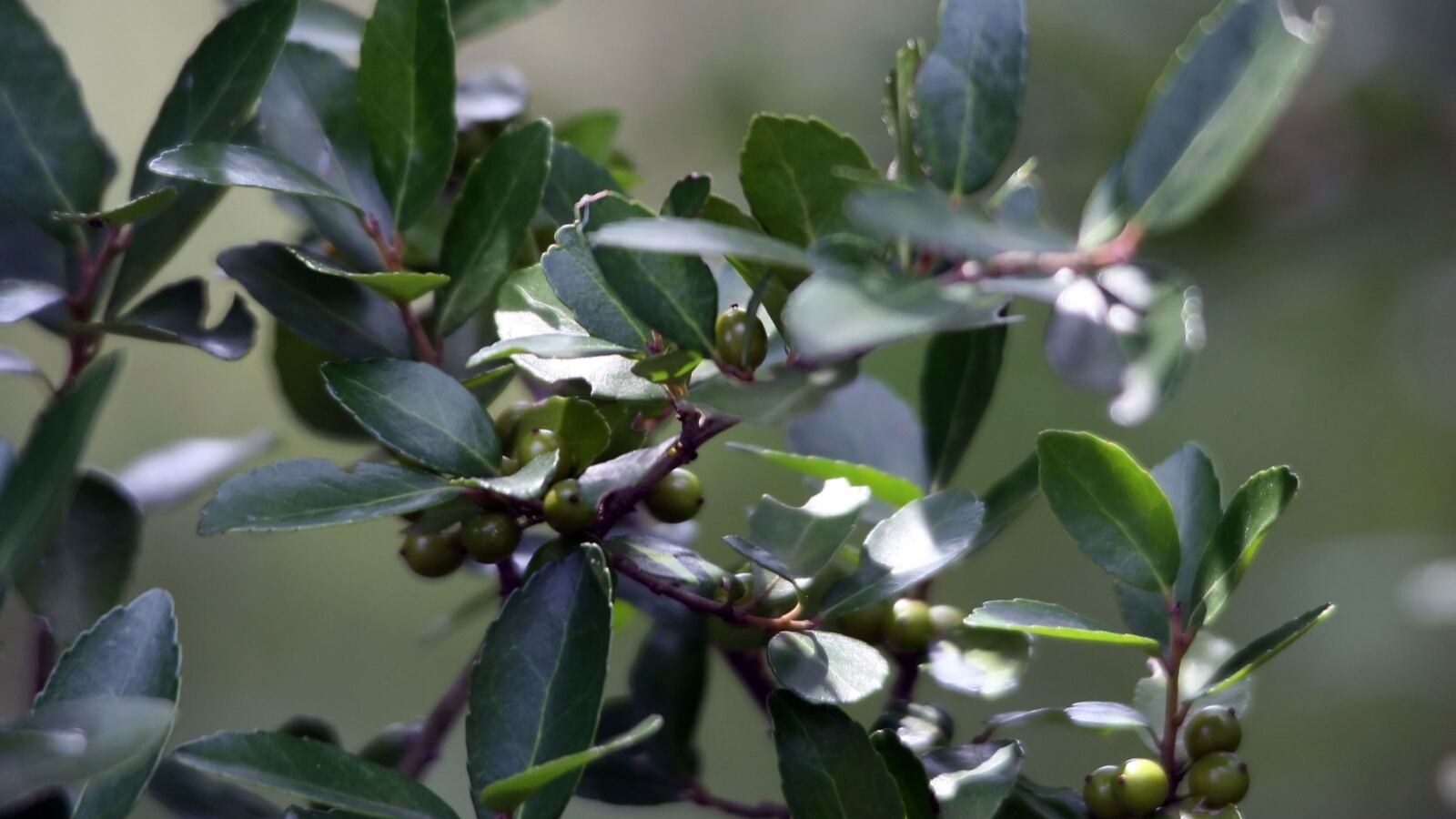 № 531
№ 531Yaupon and Guayusa: The Caffeine Hollies of the Americas
Two American hollies brewed for their caffeine — one the source of the ceremonial 'black drink' of the southeastern tribes, saddled with a libellous scientific name, and North America's only native caffeine plant.
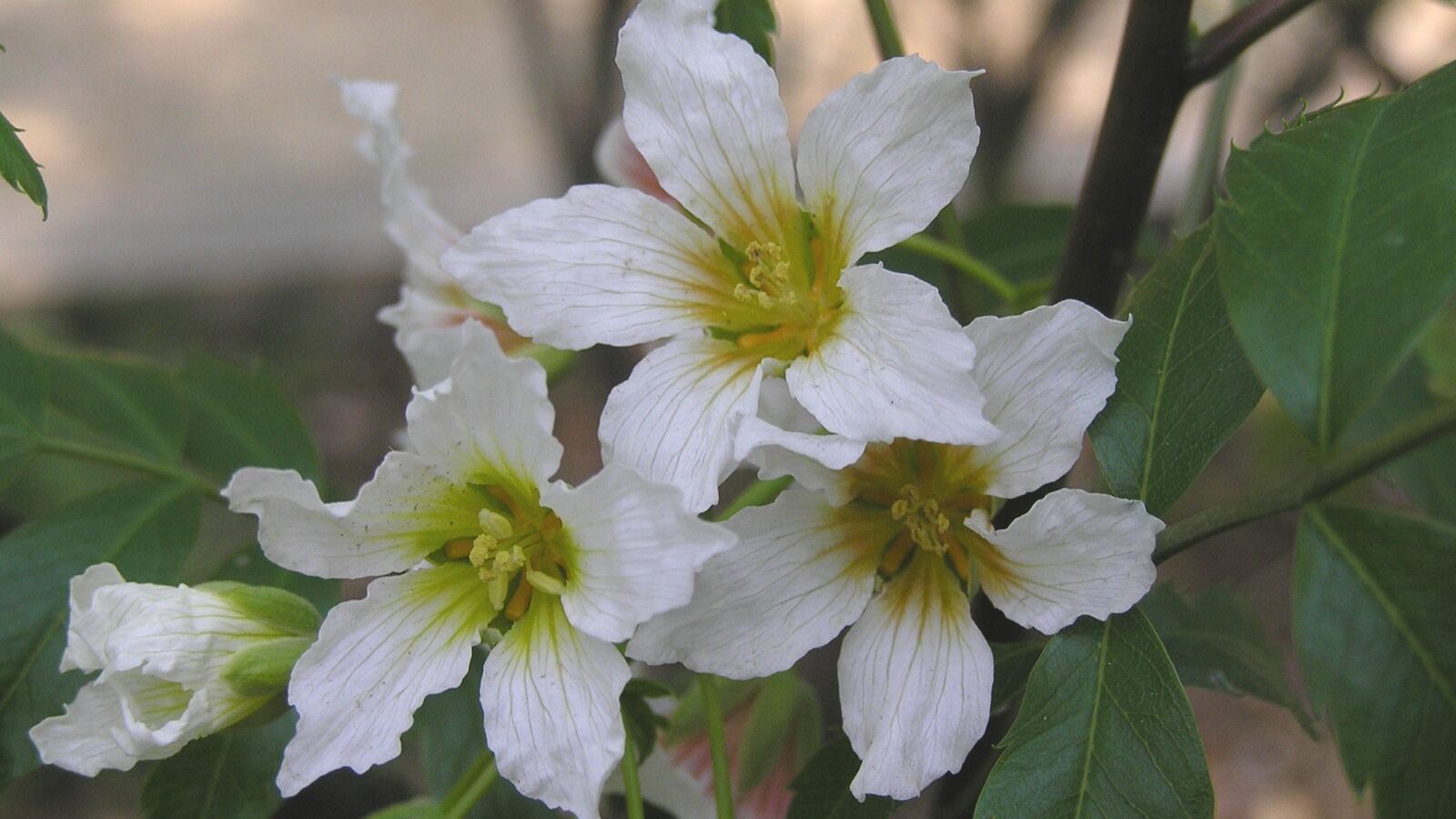 № 532
№ 532Yellowhorn: The Cold-Hardy Nut Tree of the Dry North
A tough, beautiful small tree of northern China, covered in white red-eyed flowers in spring, bearing oil-rich edible nuts — and now pursued as a cold- and drought-hardy oilseed and biofuel crop for marginal land.
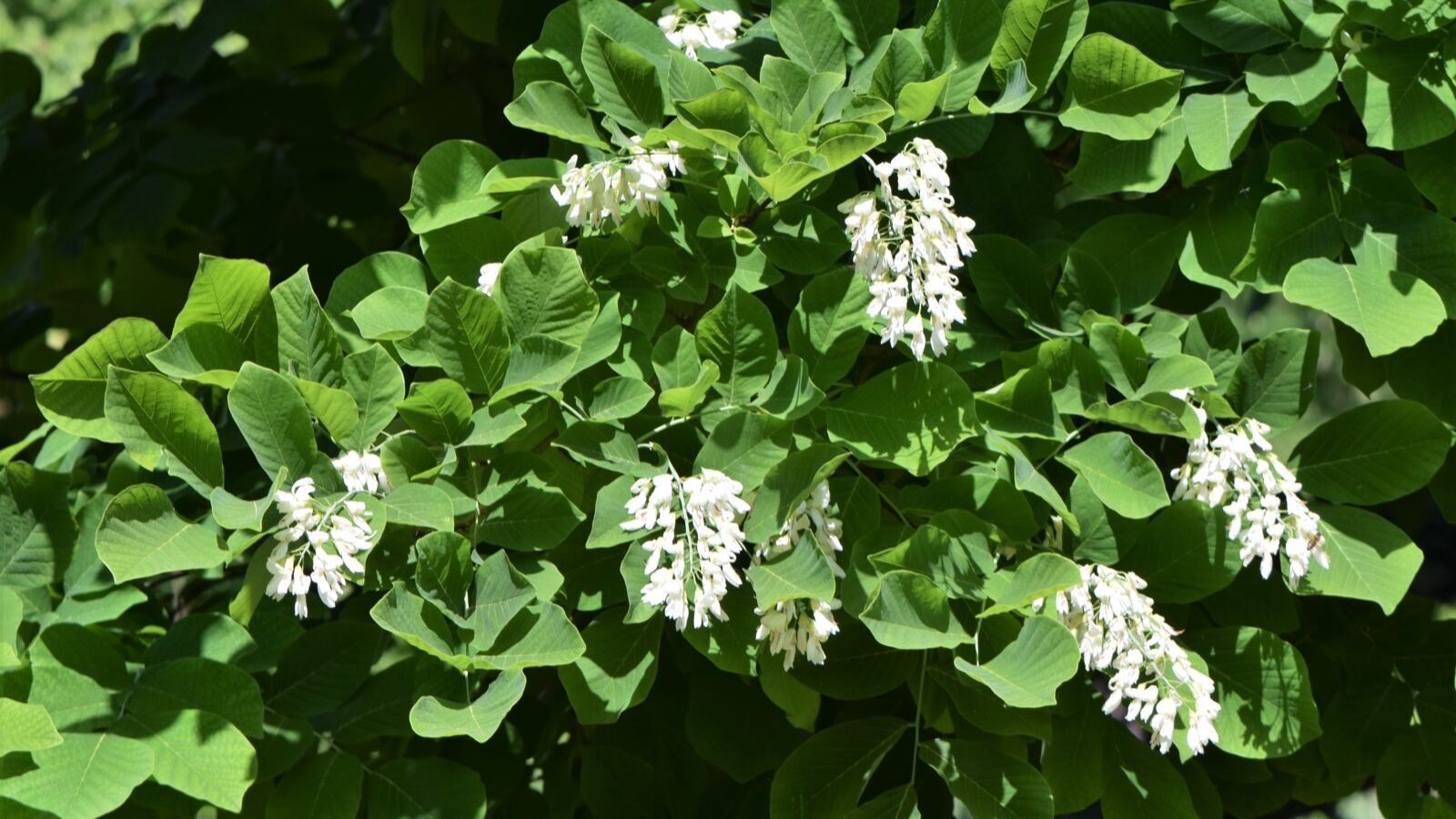 № 533
№ 533Yellowwood: The Rare Native With Wisteria Flowers and a Dyer's Heart
One of the rarest trees in the eastern American forest — a legume with smooth beech-like bark, hanging chains of fragrant white flowers, and yellow heartwood that gave a dye and gunstocks.
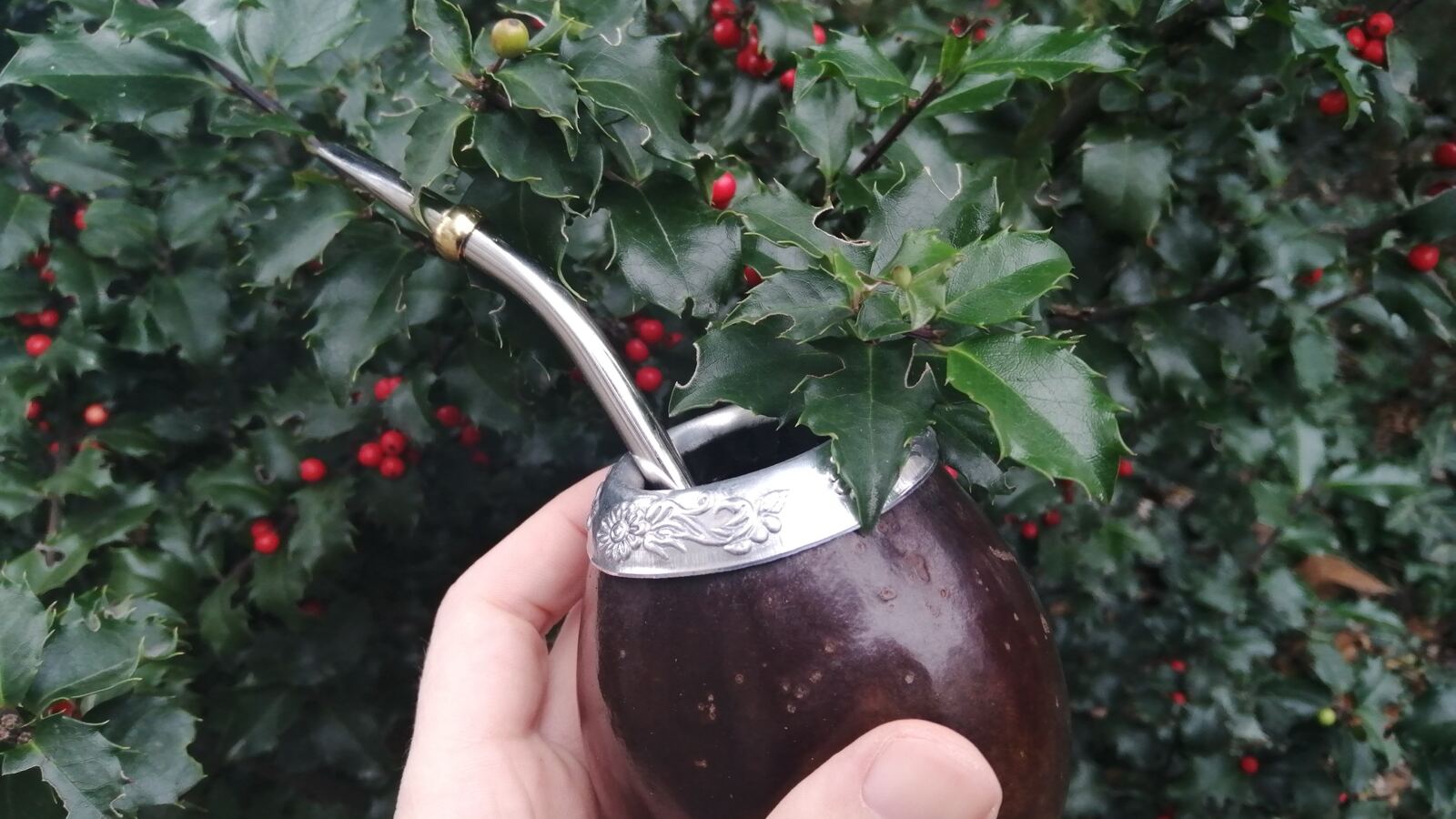 № 534
№ 534Yerba Maté: The Holly Tree Shared From a Gourd
A South American holly whose caffeine-rich leaves make the continent's most social drink — brewed in a gourd, sipped through a metal straw, and passed hand to hand as a ritual of belonging.
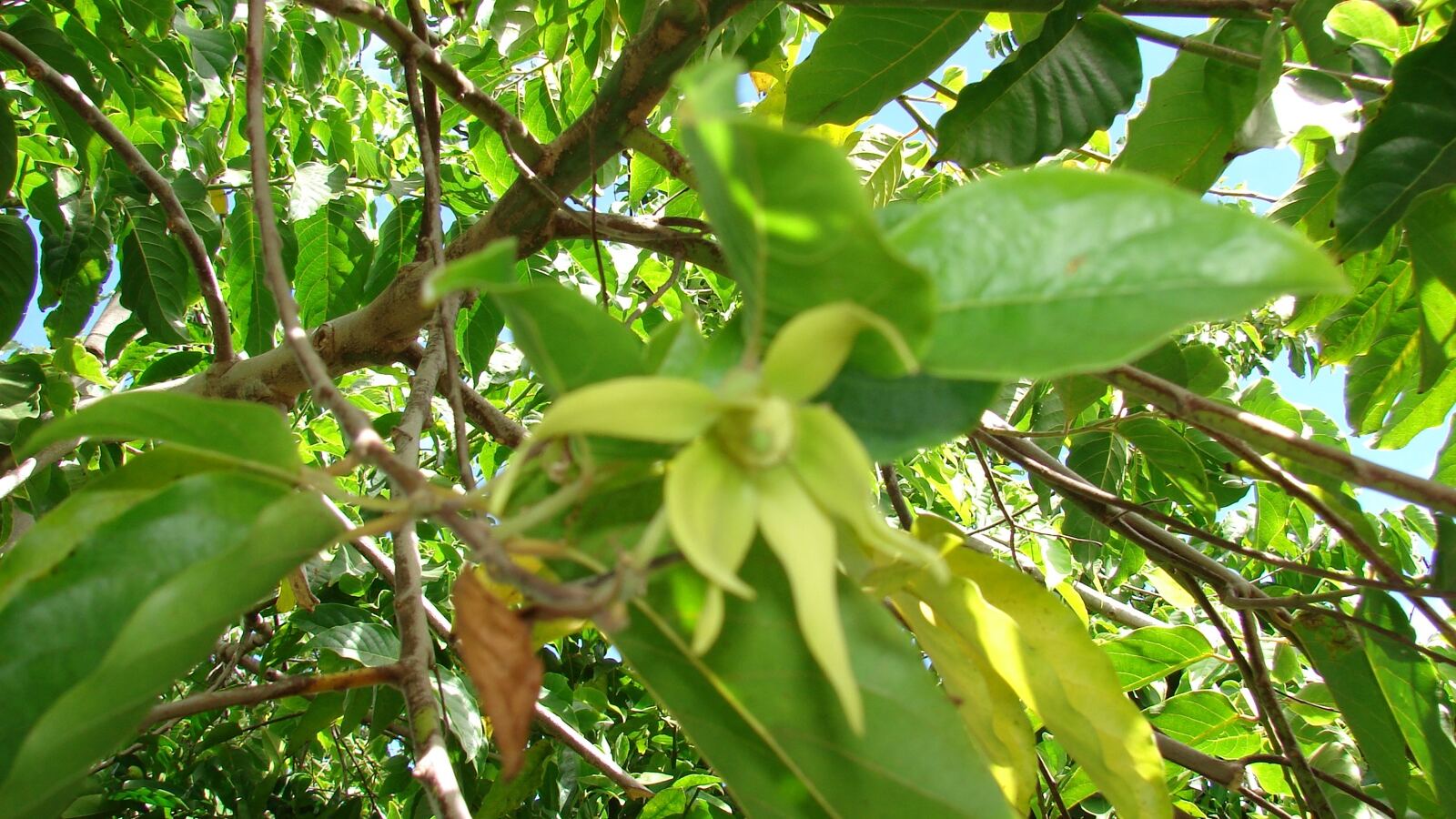 № 536
№ 536Ylang-Ylang: The Flower at the Heart of Chanel No. 5
A tropical tree whose drooping yellow flowers pour out one of the most intoxicating scents in nature — distilled into the perfume oil at the centre of Chanel No. 5 and much of modern perfumery.
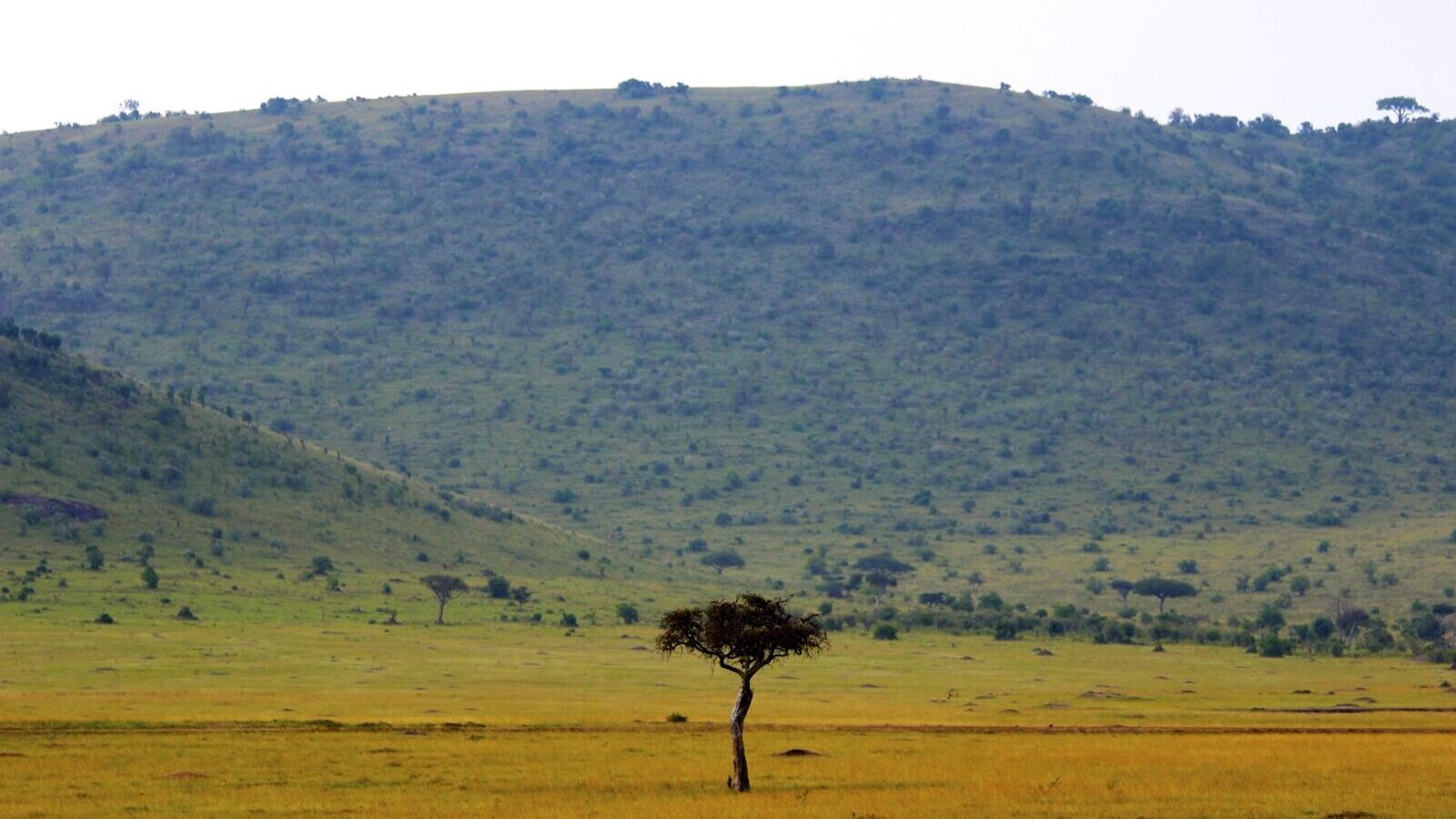 № 001
№ 001Acacia: The Thorn Trees That Hold the Drylands
Nitrogen-fixing dryland keystones, the ant partnerships and chemical defences, and the reverse-phenology tree that fertilises crops beneath it.
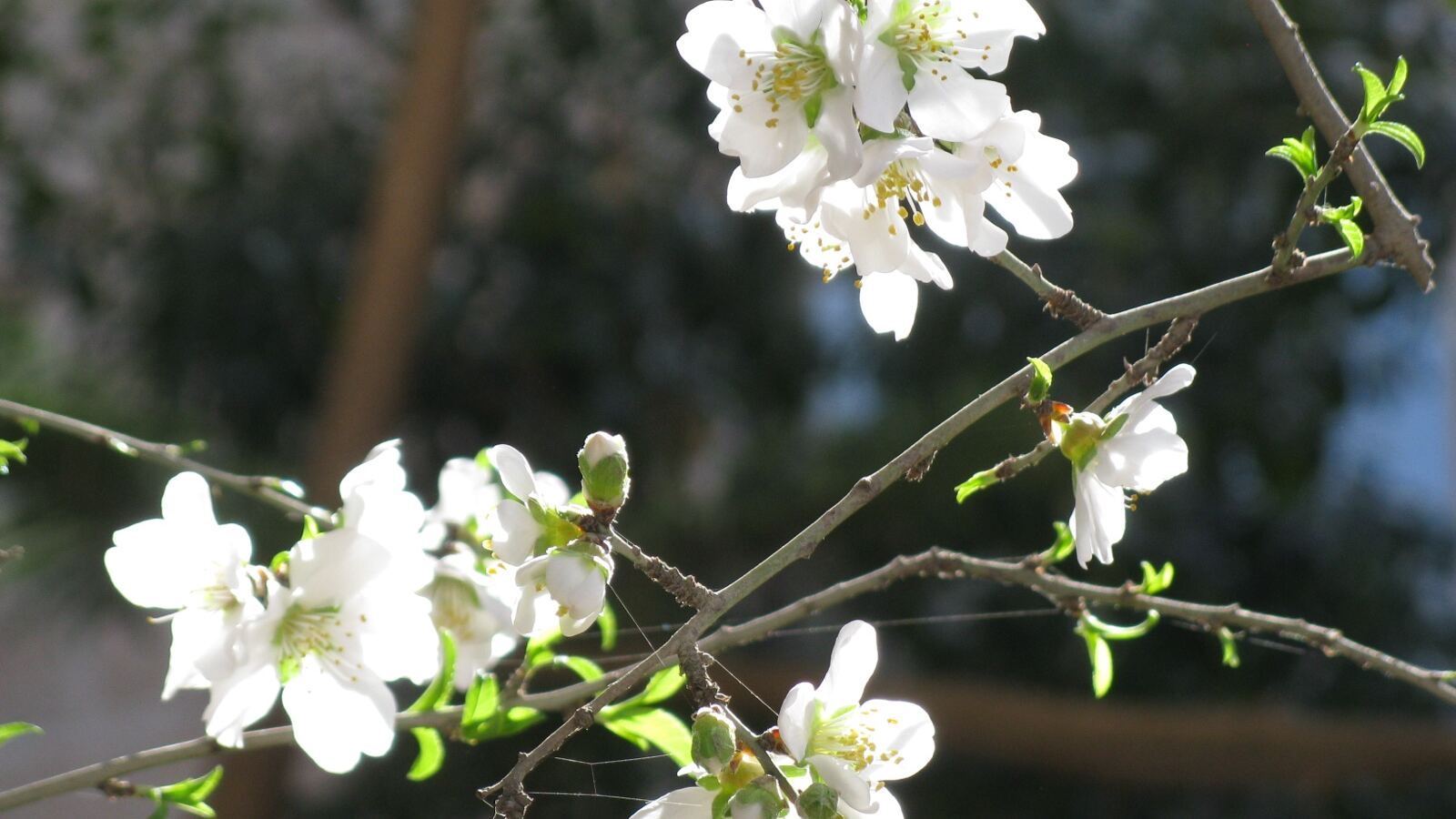 № 009
№ 009Almond: The Blossom That Moves the World's Bees
A stone fruit grown for its seed, whose vast Californian orchards depend on trucking most of the honeybees in North America to one place for two weeks each spring.
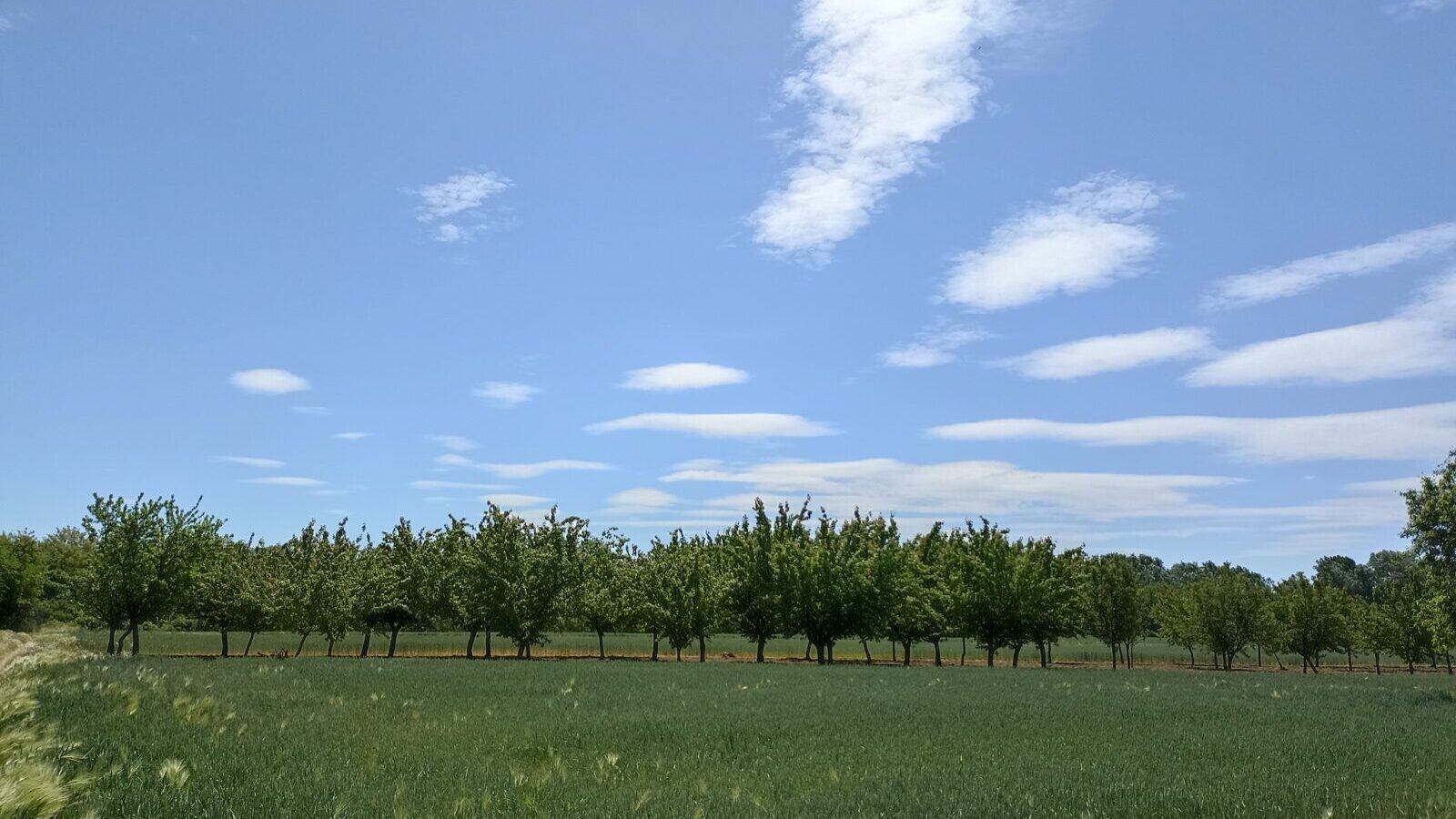 № 017
№ 017Apples and Pears: The Pome Fruits
Pollination groups, rootstock choice, disease-resistant varieties, and why the tree you buy is always a clone on borrowed roots.
 № 020
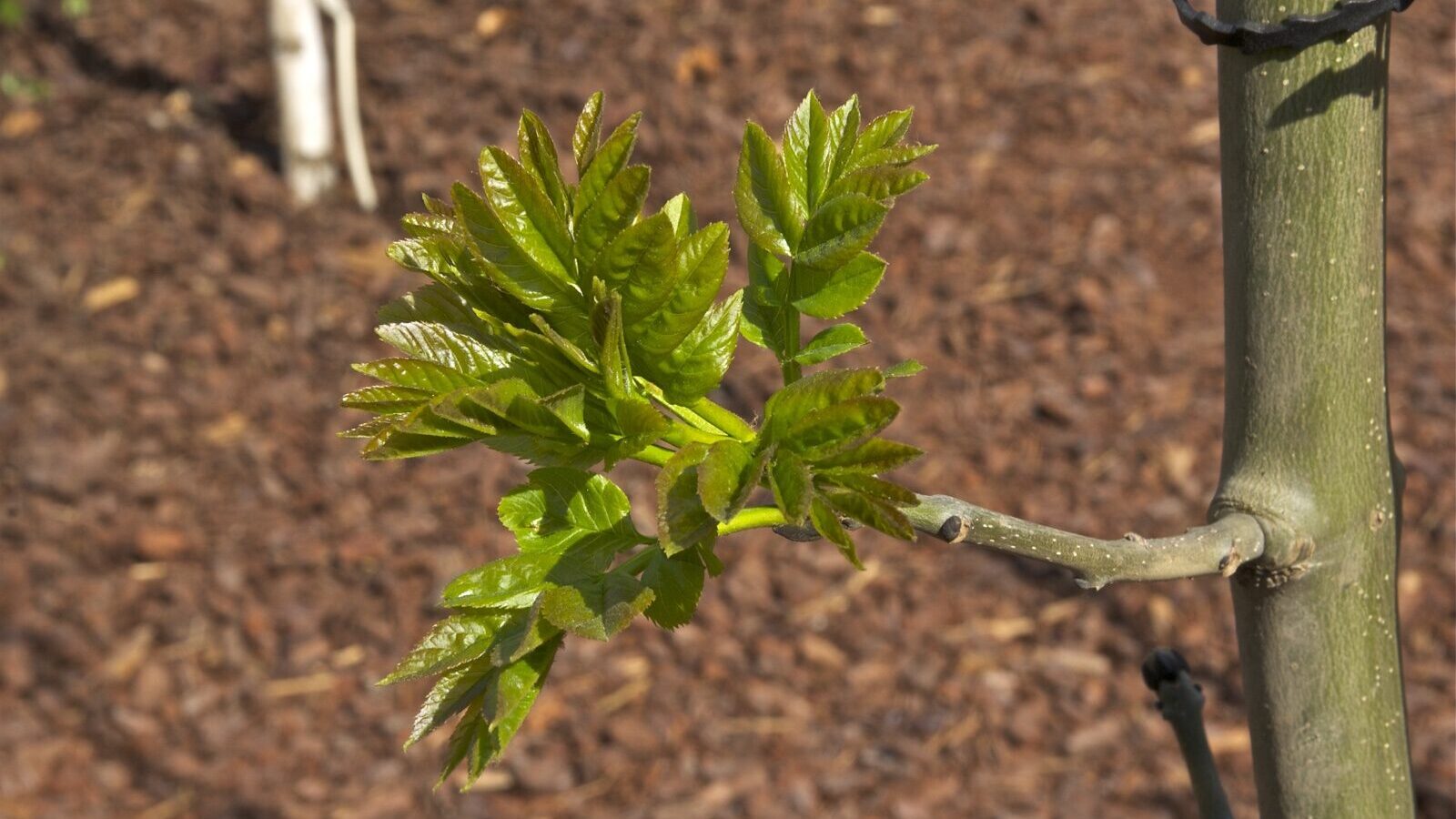
№ 020Ash: The Tree We Are Losing
Light canopy, superb timber, and the fastest-moving tree disease in Europe — plus why the survivors matter more than anything else in the woodland.
 № 025
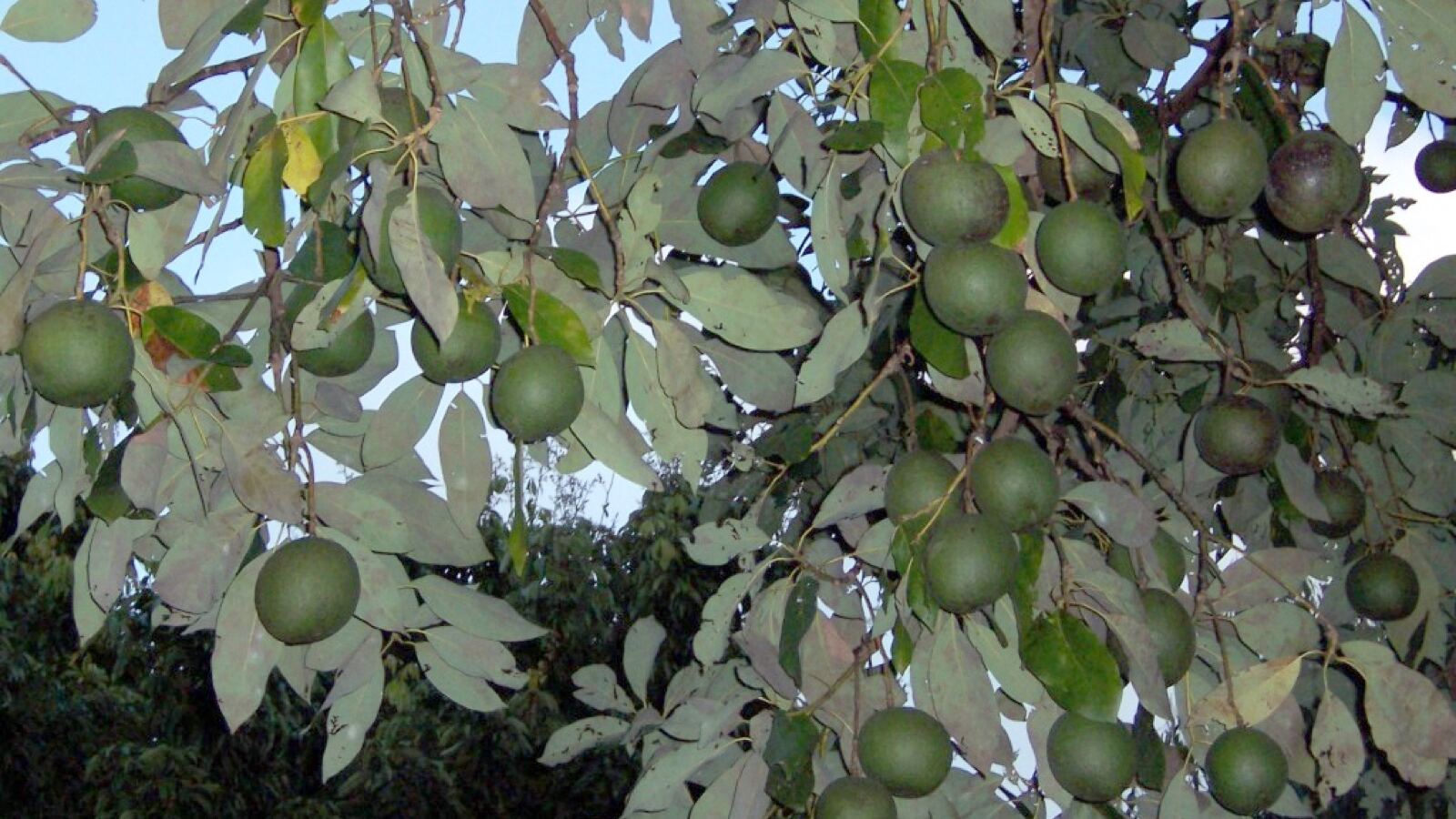
№ 025Avocado: The Fatty Fruit Built for Animals That Vanished
A rich, oily fruit with a giant seed adapted to extinct megafauna, a strange split-timed flowering, a thirst that has made it controversial, and one clone behind most of the crop.
 № 027
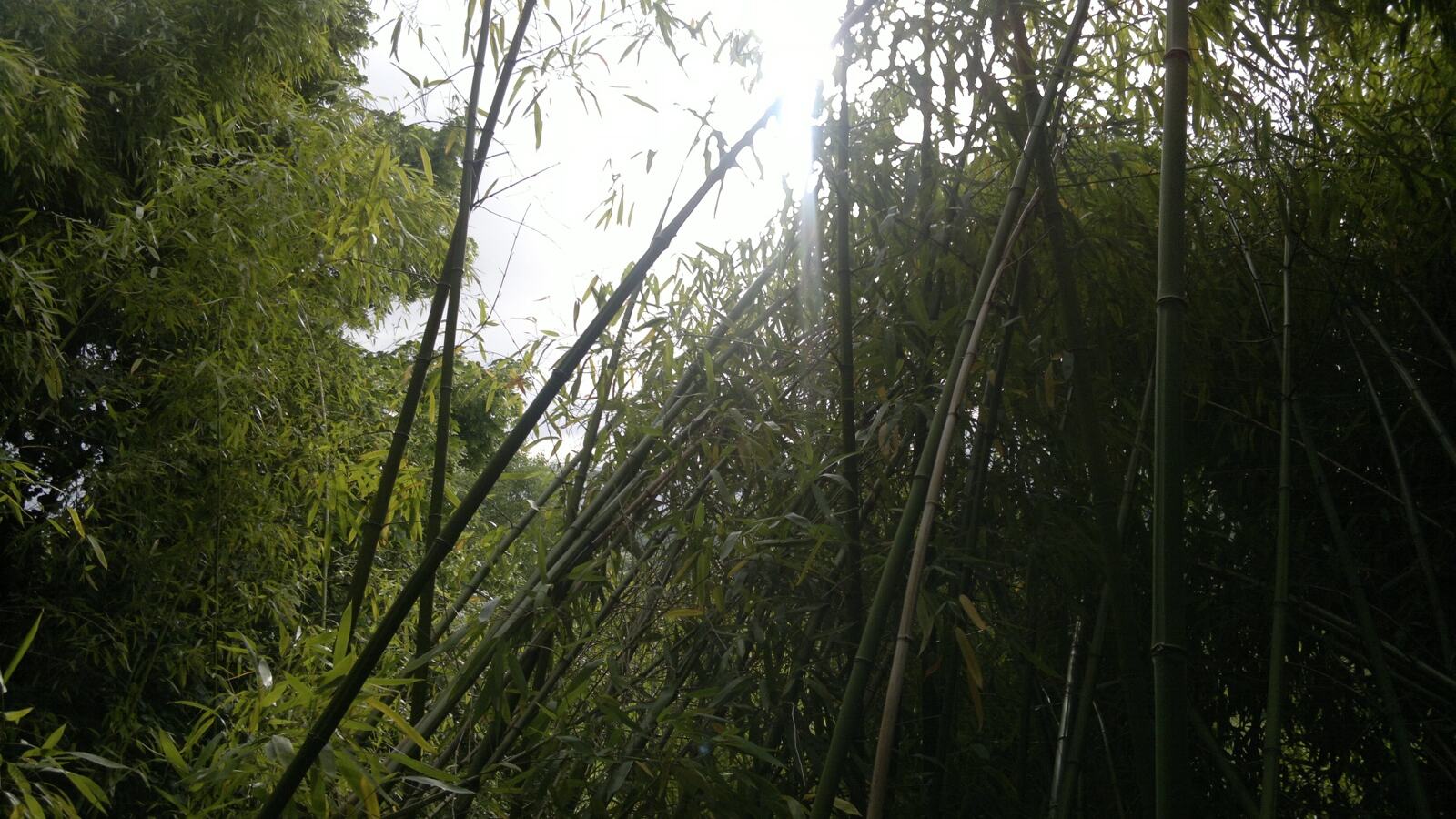
№ 027Bamboo: The Grass That Builds Buildings
The fastest-growing plant on earth, the difference between running and clumping species, and why it flowers once a century and then dies.
 № 028
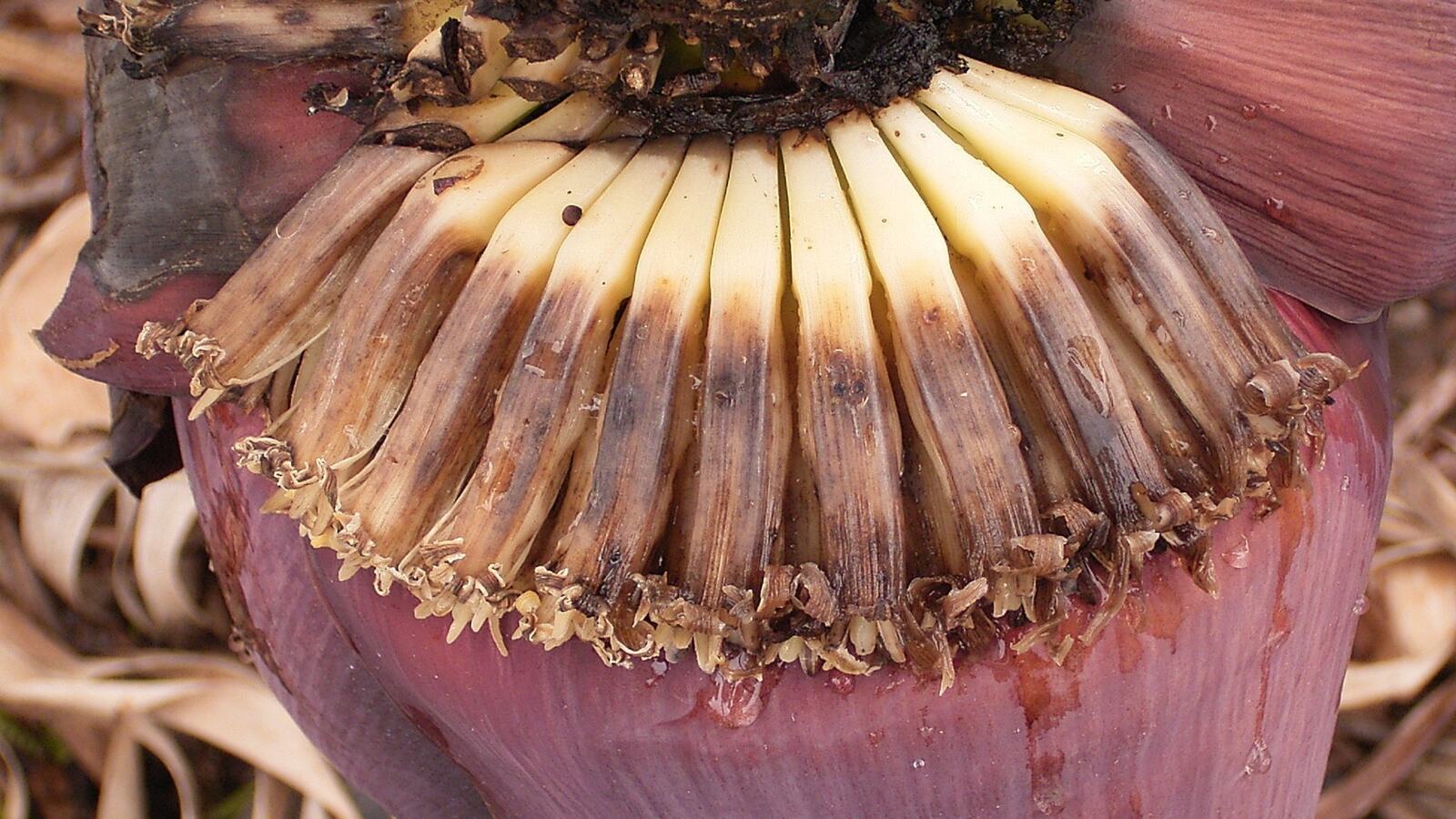
№ 028Banana and Plantain: The Giant Herb That Feeds Millions
Not a tree, seedless, and propagated entirely by suckers — plus the monoculture disease problem that has now destroyed the crop twice.
 № 029
№ 029Banksia and Grevillea: Fire Flowers of the Poorest Soils
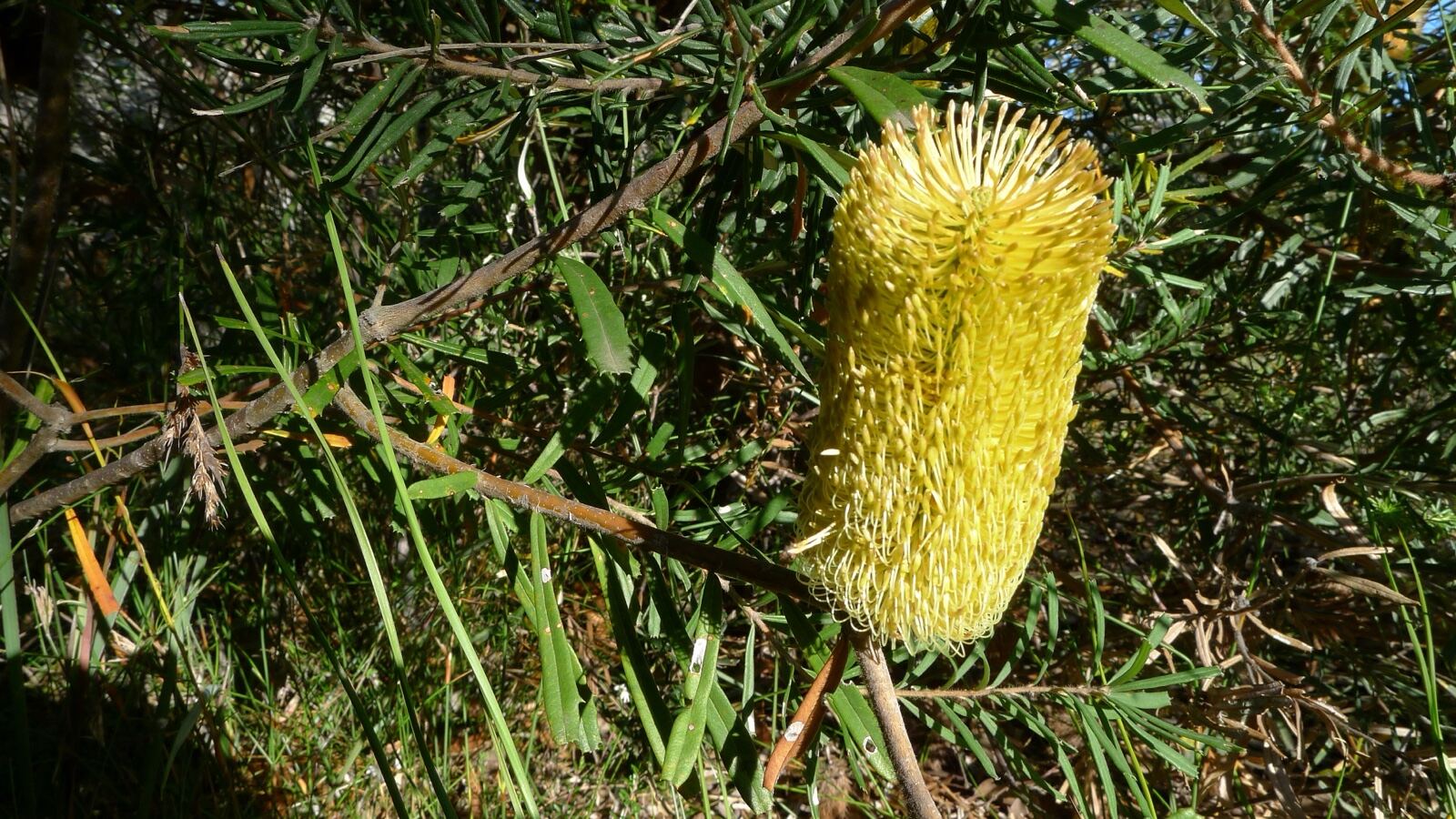
Australian trees that feed on the world's most barren ground with special cluster roots, hoard their seed in woody cones until fire opens them, and pour nectar for birds.
 № 035
№ 035Bay and Laurels: The Wreath of Victory and a Poisonous Impostor
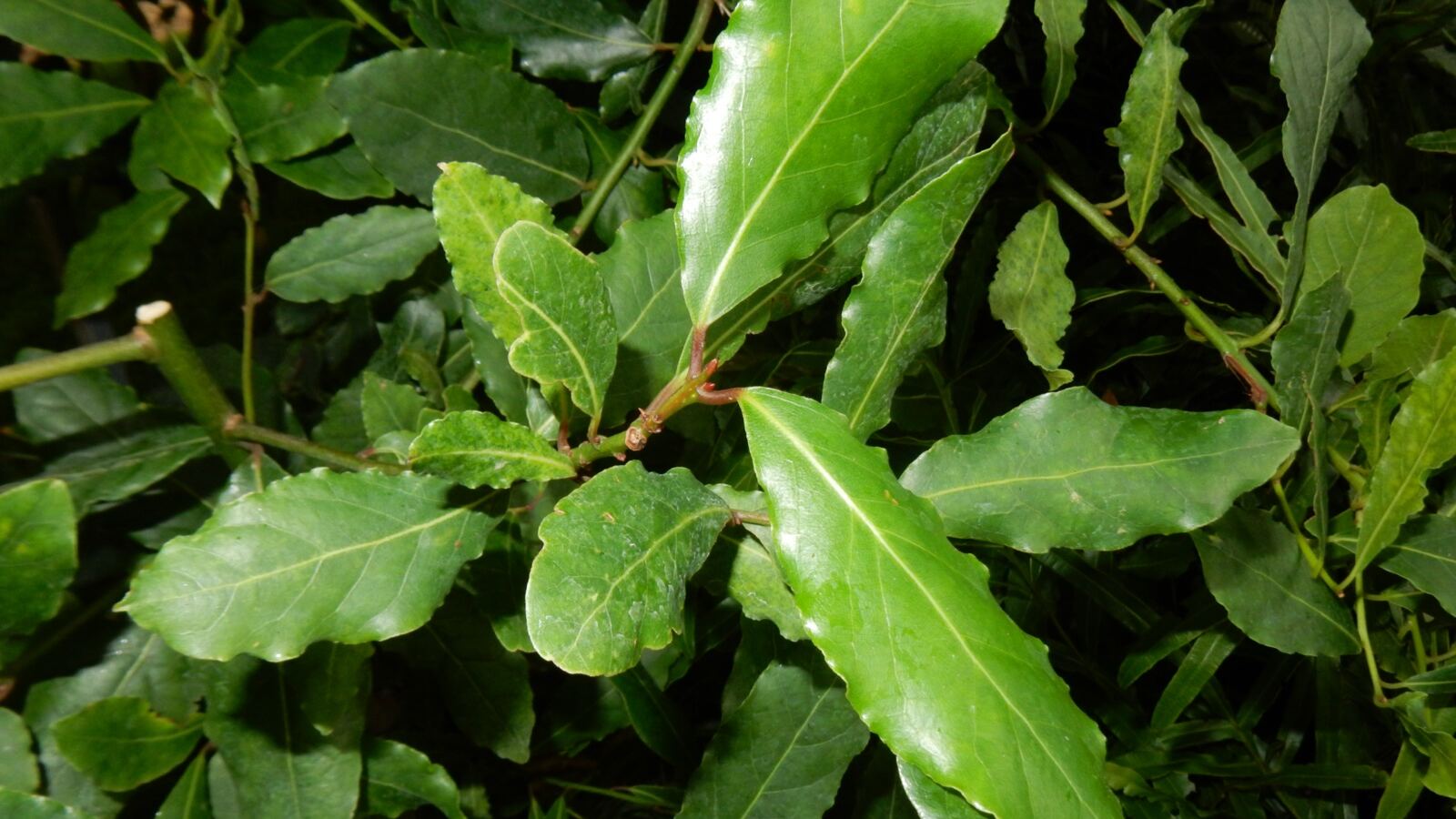
The true bay that crowned poets and flavours the pot, and the unrelated cherry laurel that borrowed its name, poisons browsers, and invades woodland.
 № 037
№ 037Beech: The Tree That Casts the Deepest Shade
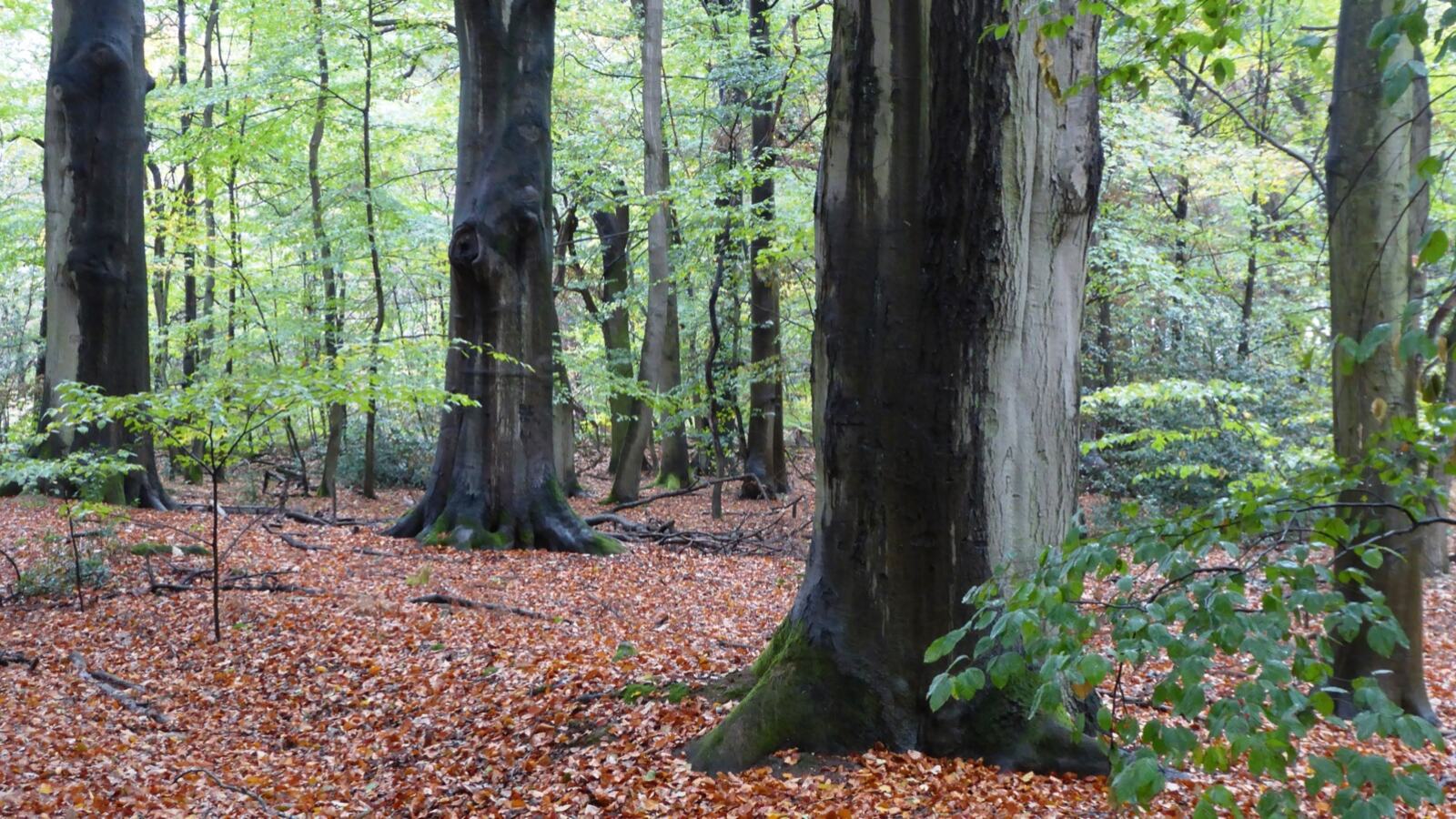
Dense canopy, shallow roots, and a bare forest floor — why beech dominates where it can and why it is the first to fail in drought.
 № 047
№ 047Black Locust: Rot-Proof Timber, Nitrogen, and a Bad Reputation
A nitrogen-fixing tree with fence posts that outlast concrete — and one of the most aggressively invasive trees in Europe.
 № 048
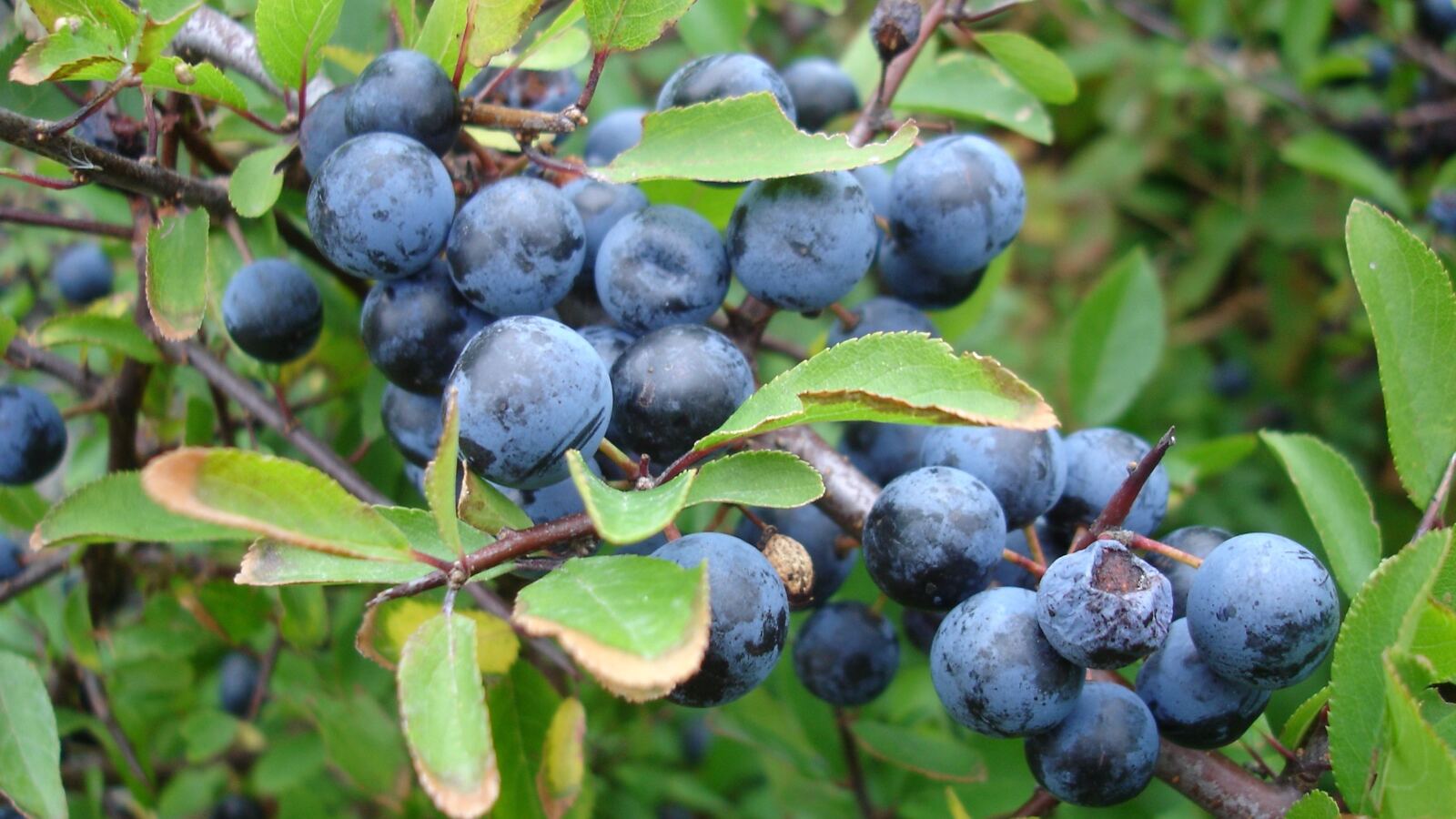
№ 048Blackthorn: Flowers Before Leaves, and a Thorn That Turns Septic
The hedge-layer's backbone — suckering, vicious, first to flower, and the source of sloes.
 № 052
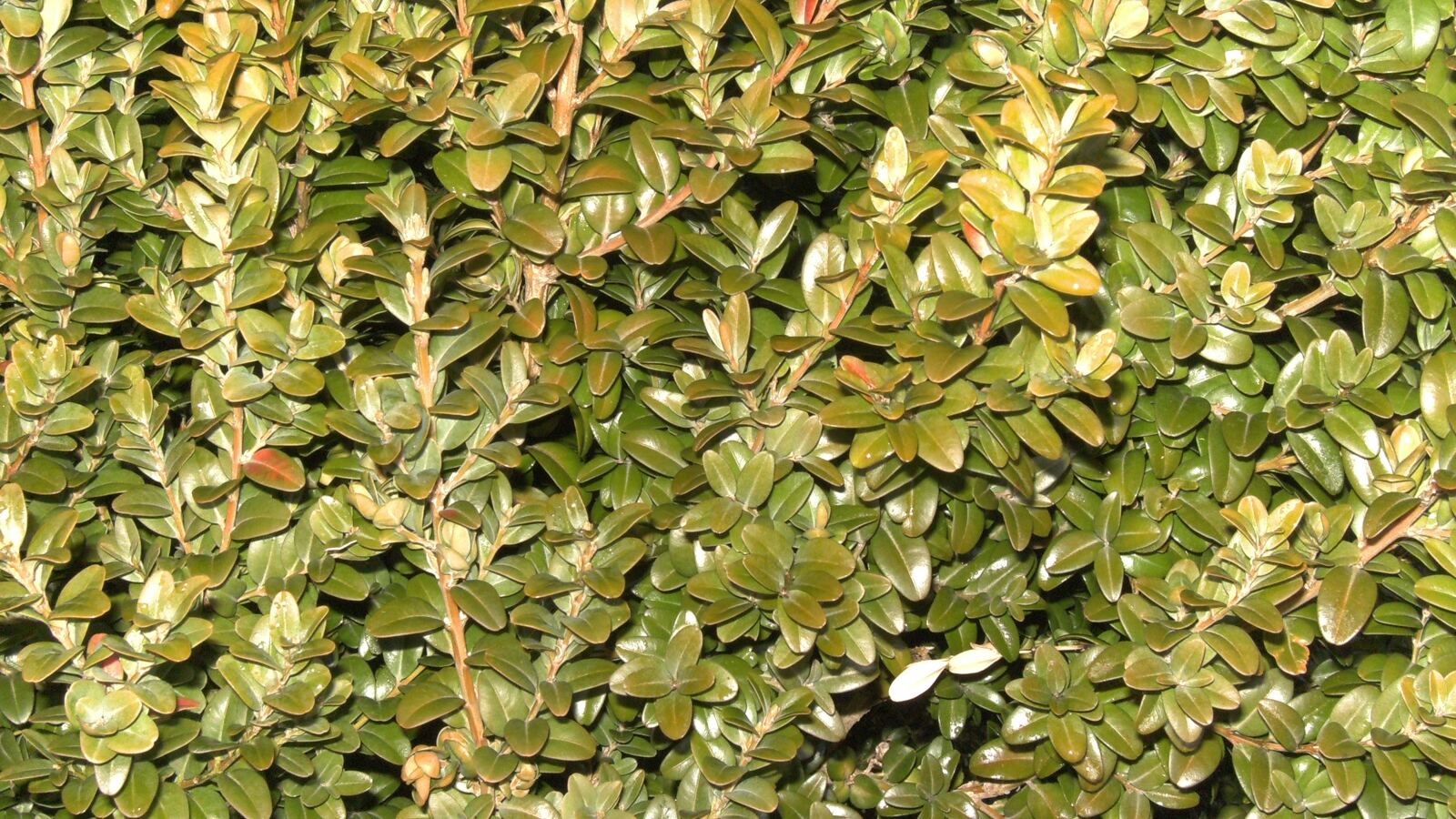
№ 052Box and Privet: The Clipped Hedges Under Siege
The dense evergreens of topiary and suburban hedge — box, whose fine wood carved chess pieces and whose gardens are now collapsing to blight and moth, and fast, tough, poisonous privet.
 № 056
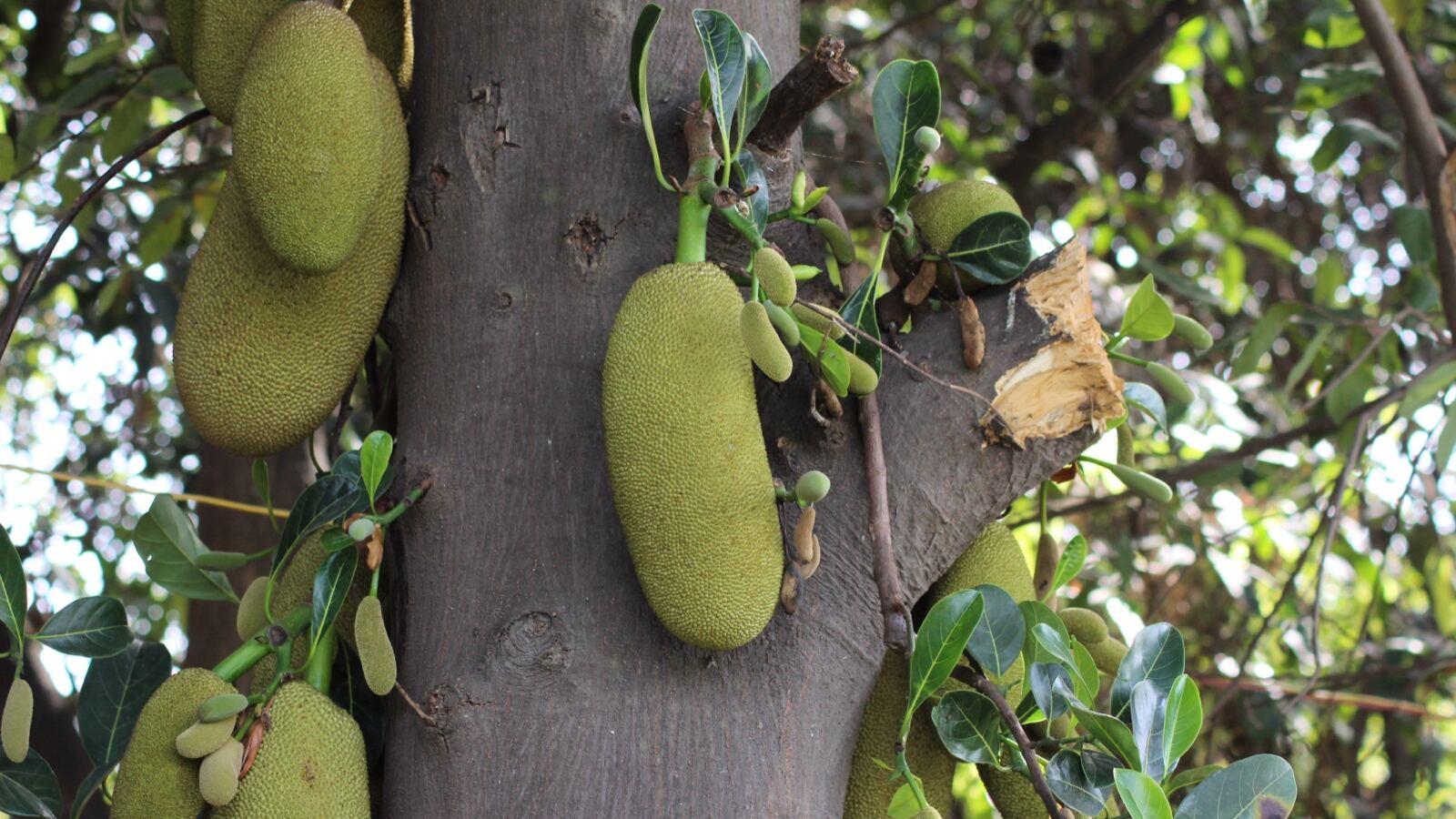
№ 056Breadfruit and Jackfruit: Giant Fruits of the Fig Family
Two Artocarpus trees that feed the tropics with starchy multiple-fruits — one that carried Captain Bligh to mutiny, one that grows the largest fruit borne by any tree.
 № 058
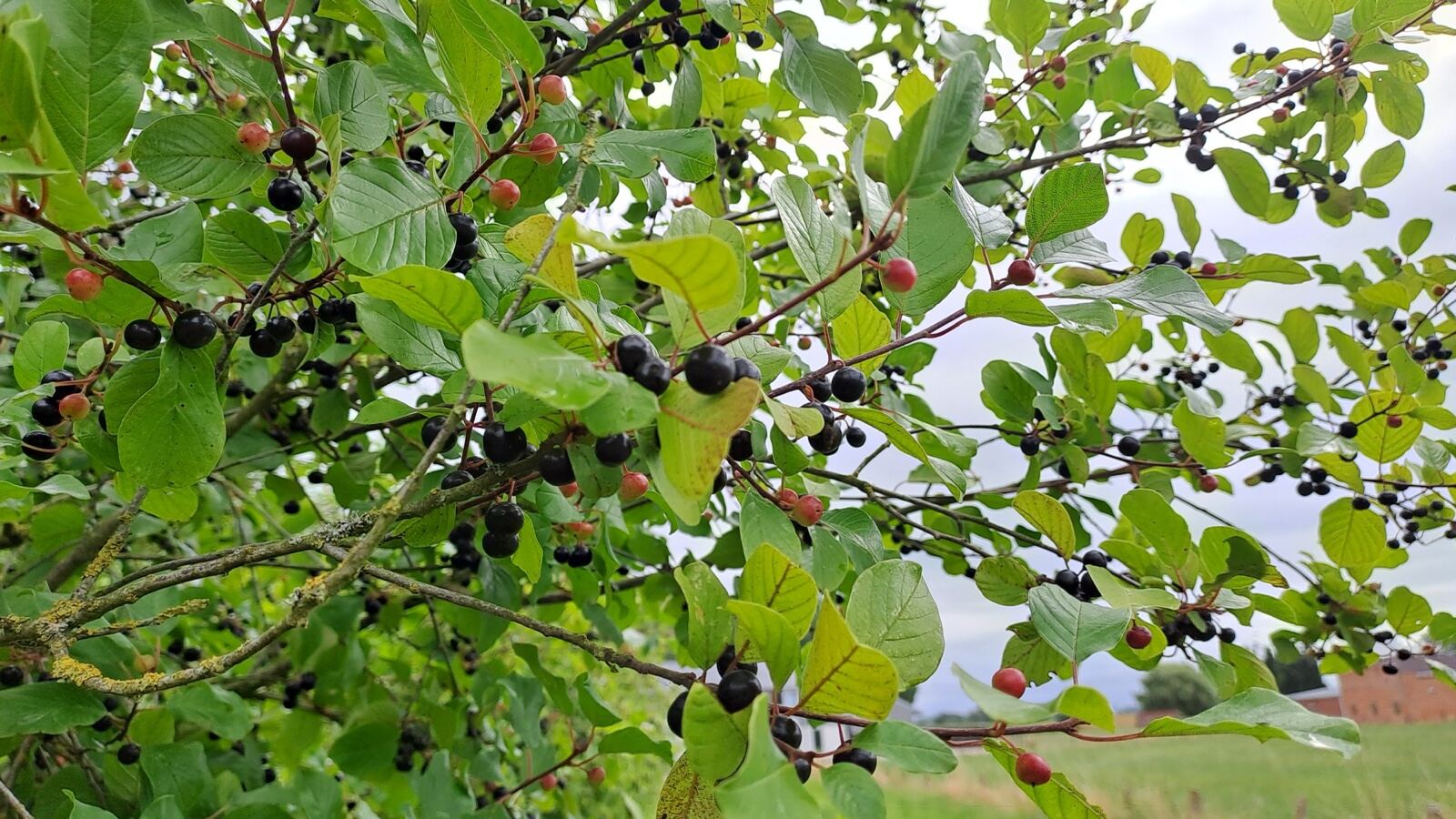
№ 058Buckthorn: Gunpowder Charcoal, a Yellow Butterfly, and a Ferocious Invader
Two modest hedgerow shrubs — one the sole food of the brimstone butterfly, one the source of the finest gunpowder charcoal — and, in North America, a devastating invader.
 № 060
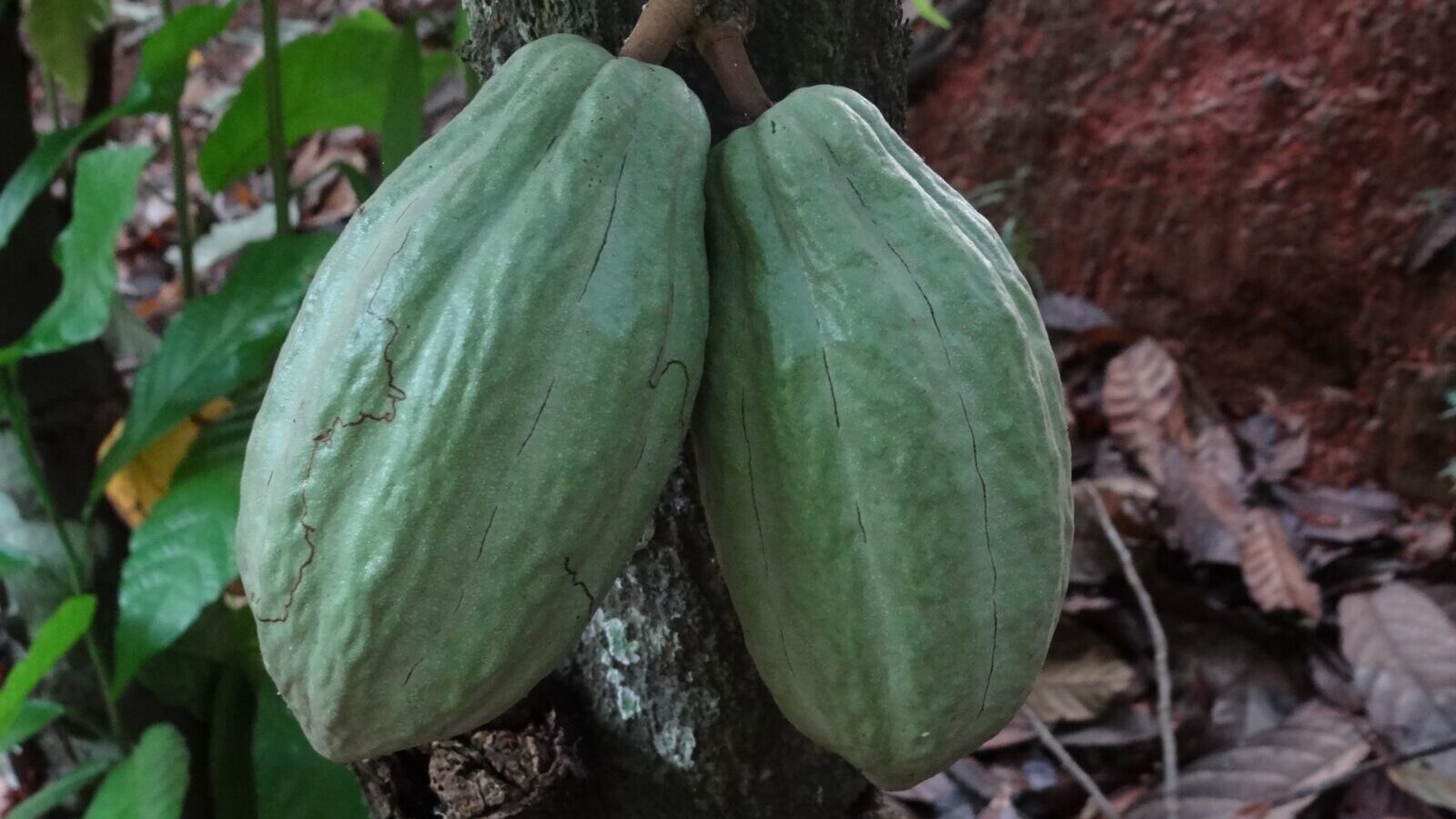
№ 060Cacao and Coffee: The Understorey Cash Crops
Two shade-adapted crops that built agroforestry economies — why sun-grown systems yield more and cost more, and what shade actually buys.
 № 067
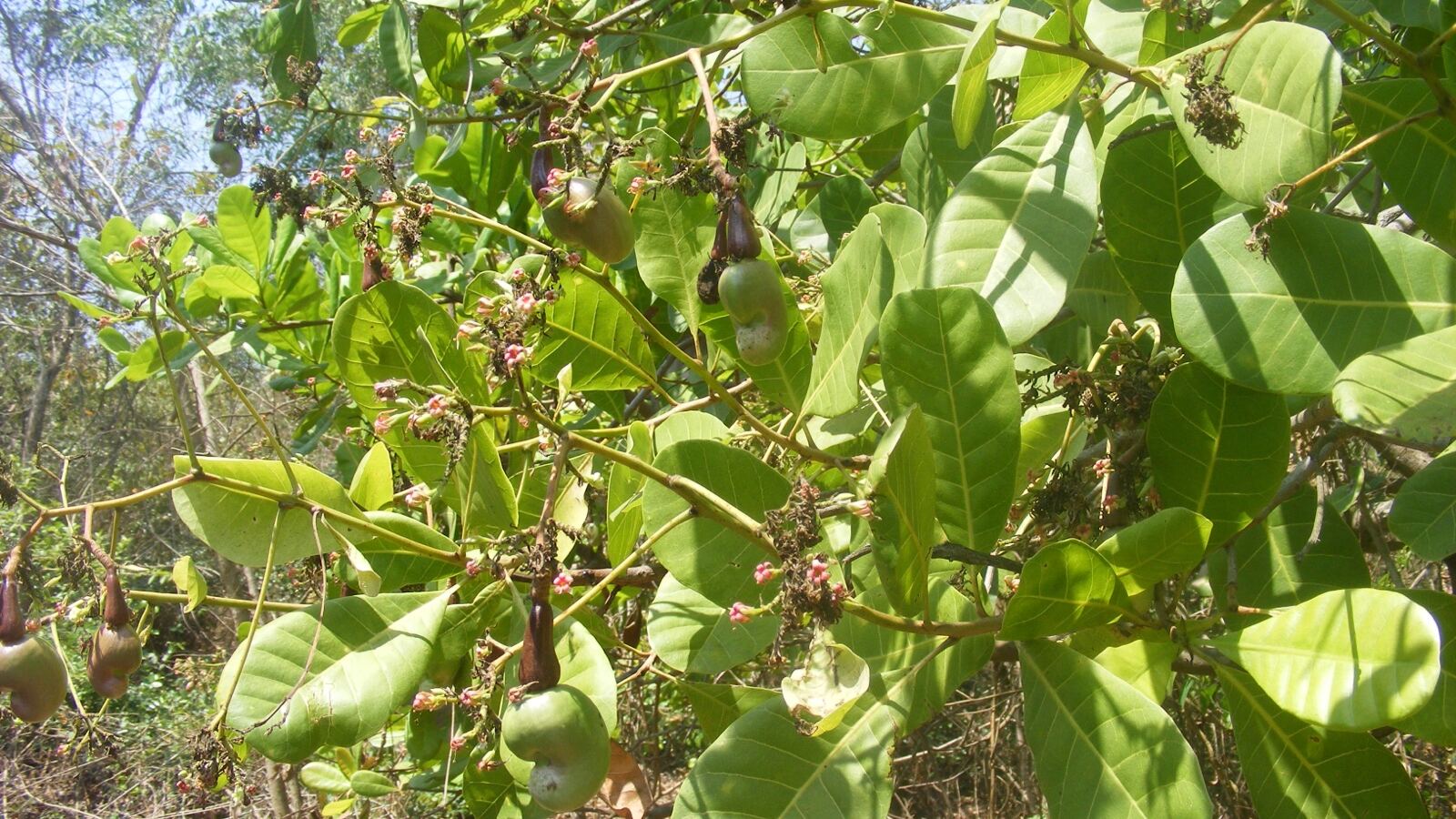
№ 067Cashew: The Nut That Hangs Below Its Own Fruit
A sprawling tropical tree bearing a swollen 'apple' with the true nut dangling beneath — a nut whose shell holds a caustic, blistering oil that must be roasted away.
 № 068
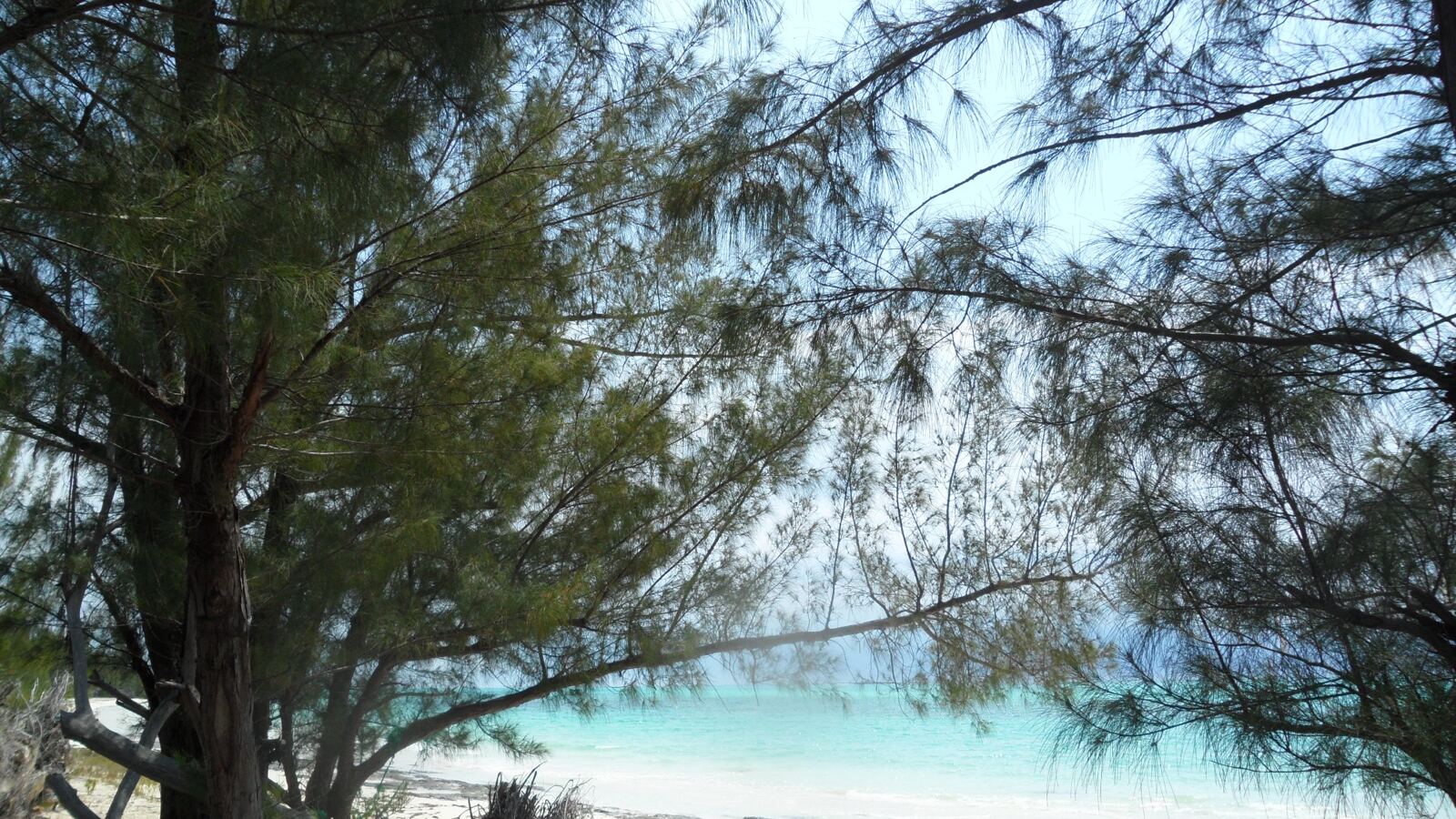
№ 068Casuarina: The She-Oak That Is Neither Pine Nor Oak
An Australian tree that mimics a conifer, fixes nitrogen without being a legume, whistles in the wind, holds the coast together — and smothers beaches where it does not belong.
 № 069
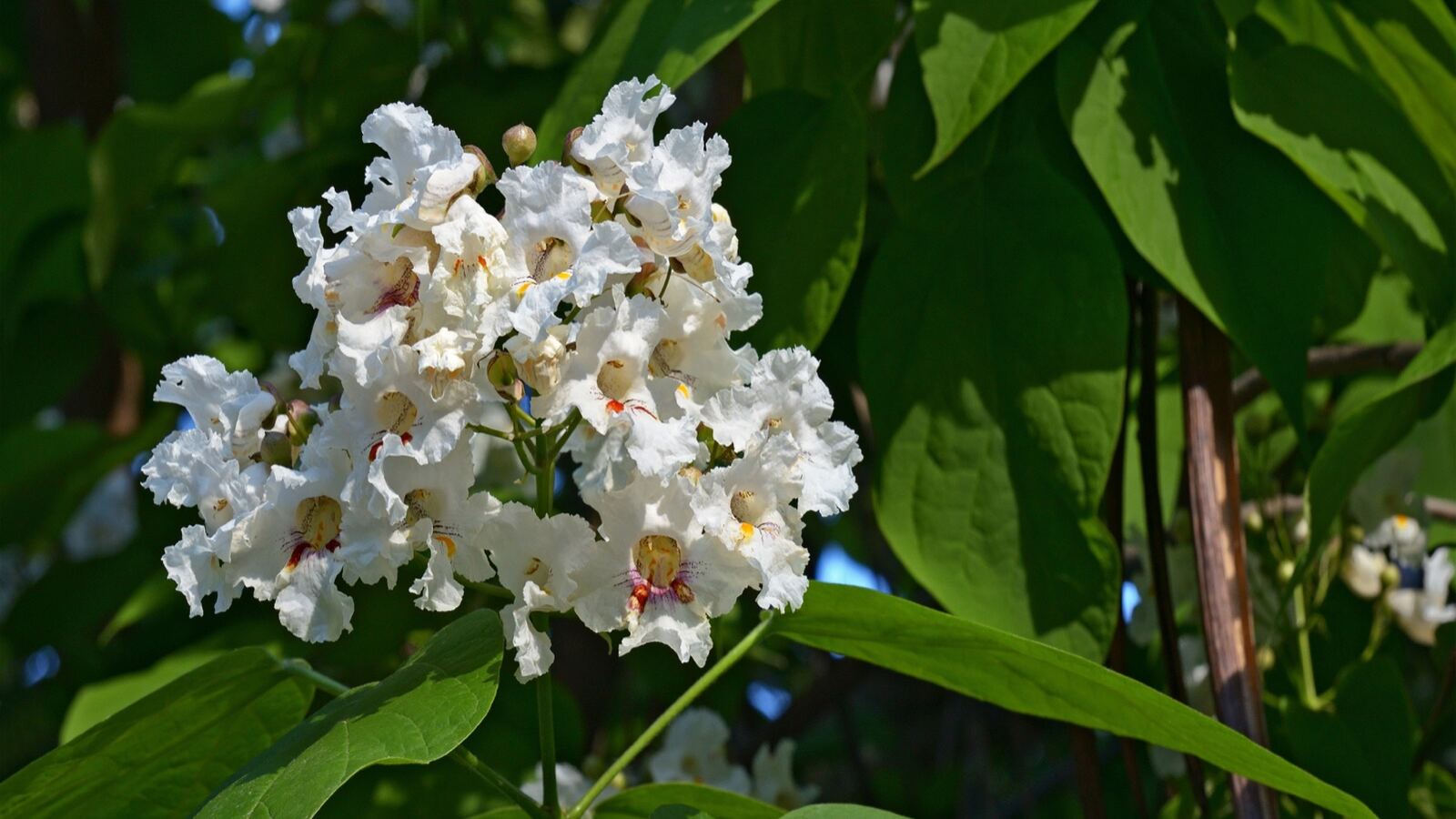
№ 069Catalpa: Giant Leaves, Long Beans, and Fishing Worms
A tree with tropical-looking foliage, orchid-like flowers, metre-long seed pods, and caterpillars that anglers prize above all others.
 № 074
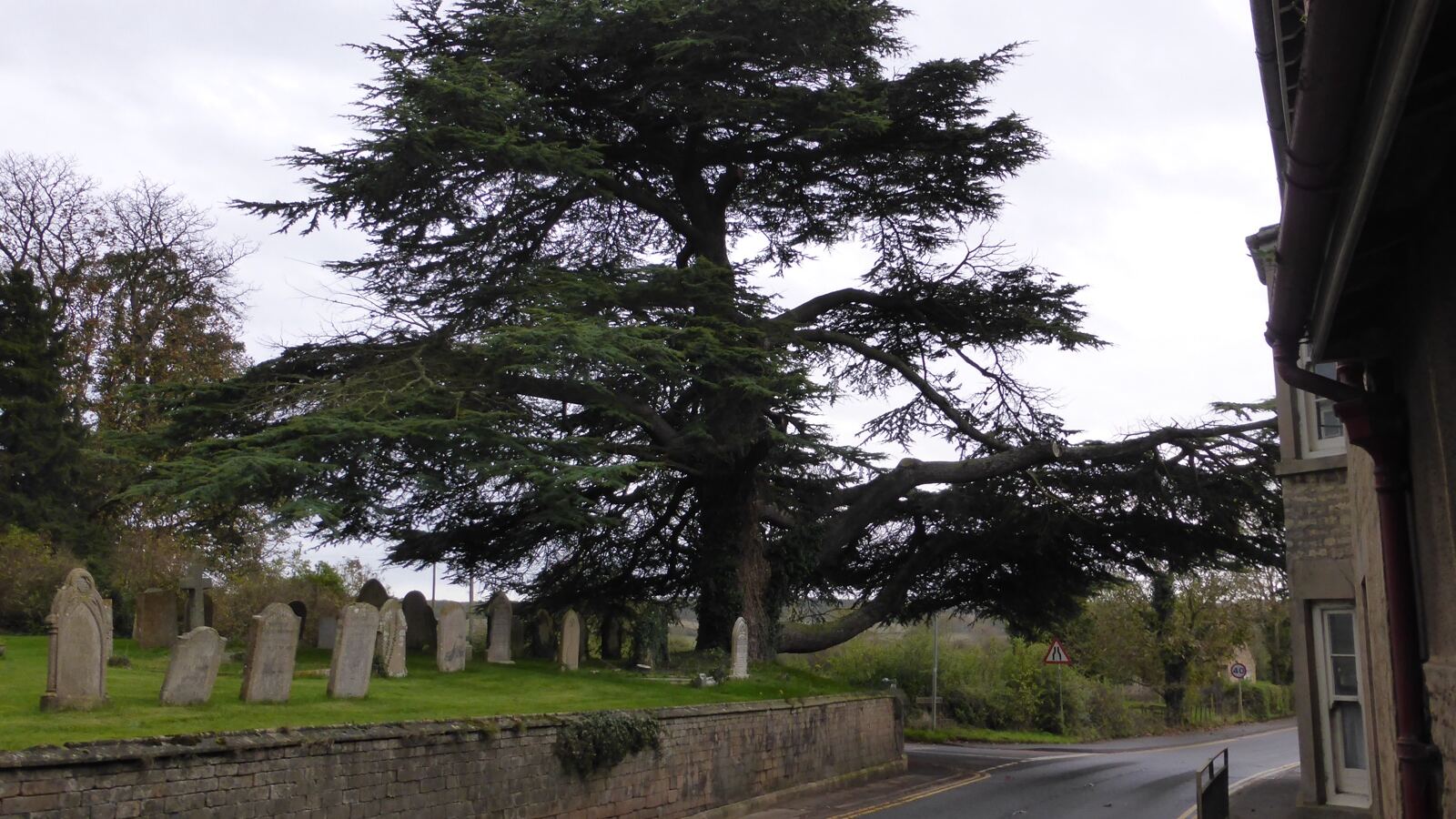
№ 074Cedars: The Real Ones, and Everything Else Called Cedar
Four true Cedrus species with level plated branches — plus the long list of unrelated trees that borrowed the name.
 № 085
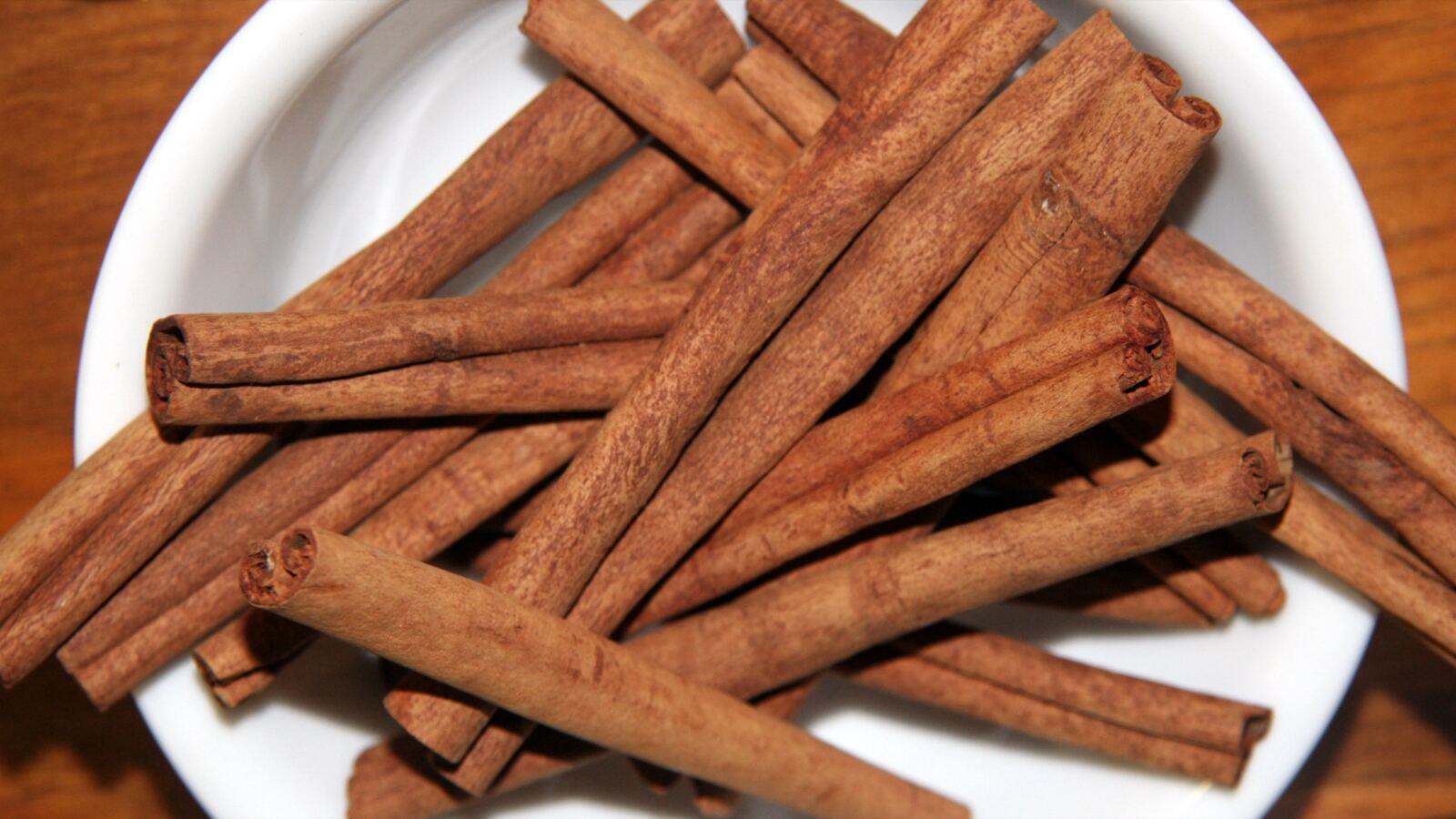
№ 085Cinnamon and Camphor: The Aromatic Bark and the Medicinal Wood
Laurel-family trees whose fragrance is worth harvesting — the peeled inner bark that spiced the ancient trade routes, the true cinnamon and its cassia impostor, and the camphor that heals and invades.
 № 086
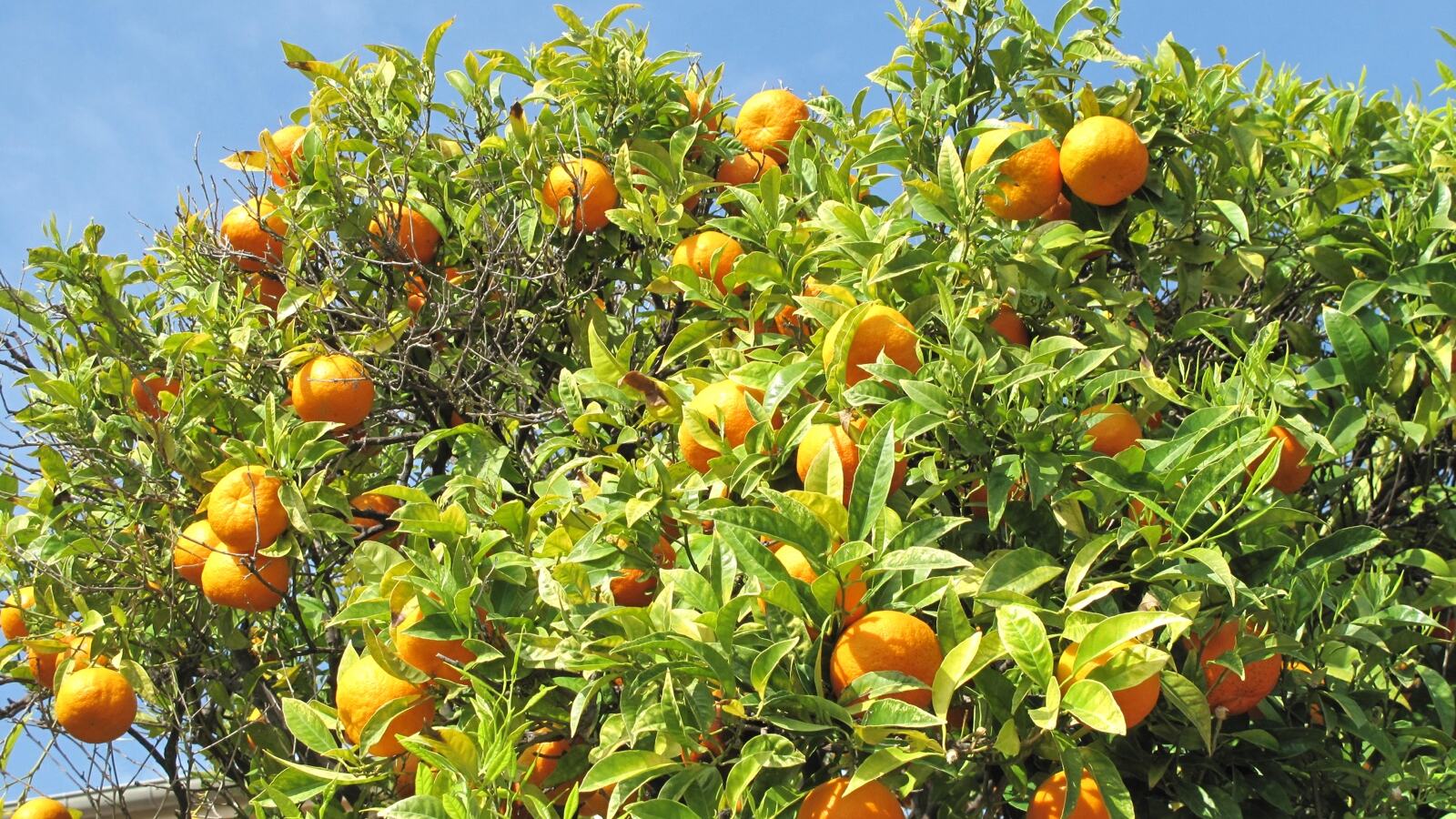
№ 086Citrus: Evergreen Fruit and a Very Small Family Tree
Almost every citrus derives from three wild ancestors — plus rootstock choice, greening disease, and growing them where winters bite.
 № 092
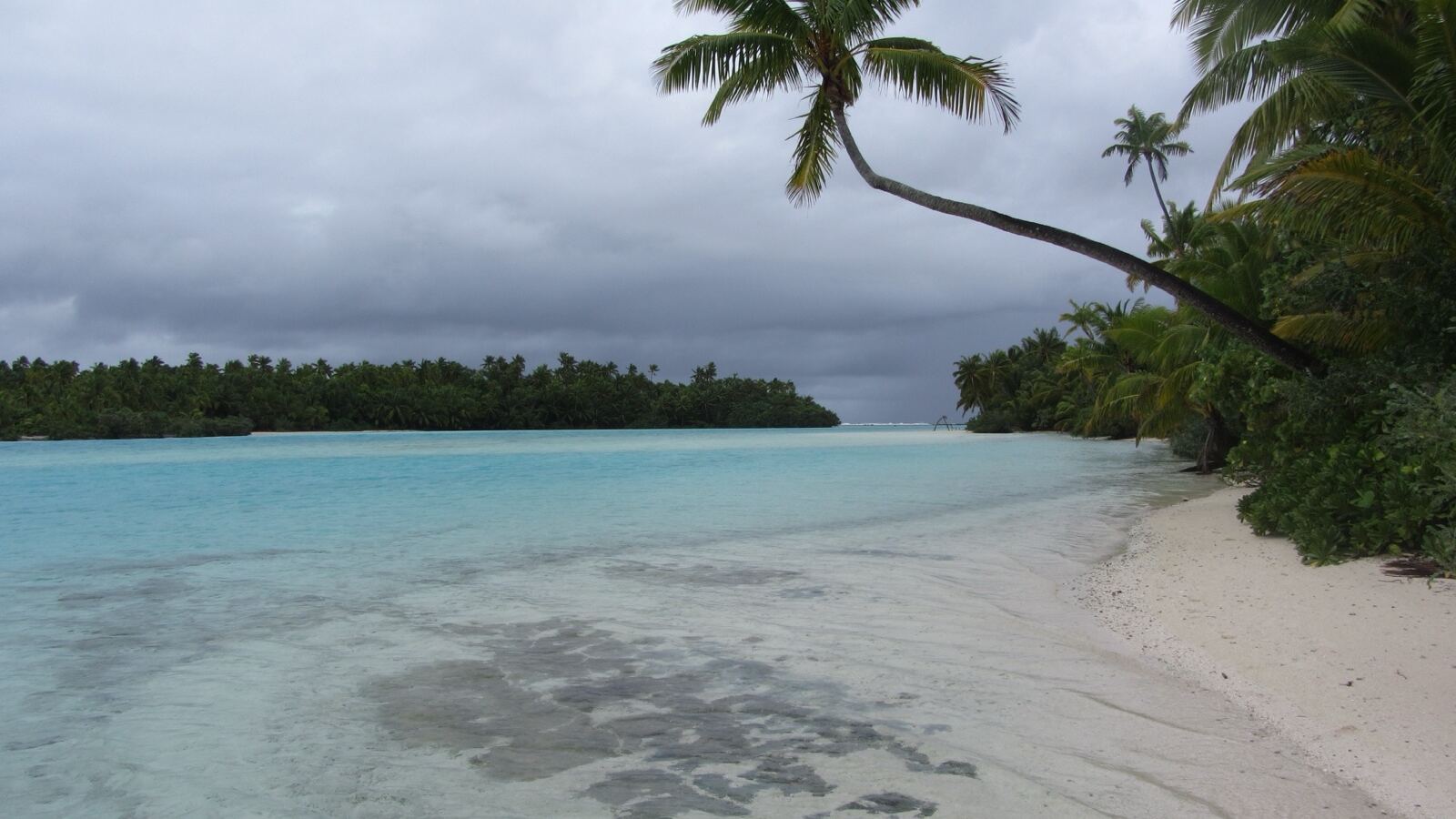
№ 092Coconut: The Tree of a Thousand Uses
A palm that disperses itself across oceans, yields for most of a century, and supplies food, water, oil, fibre and timber from one crop.
 № 099
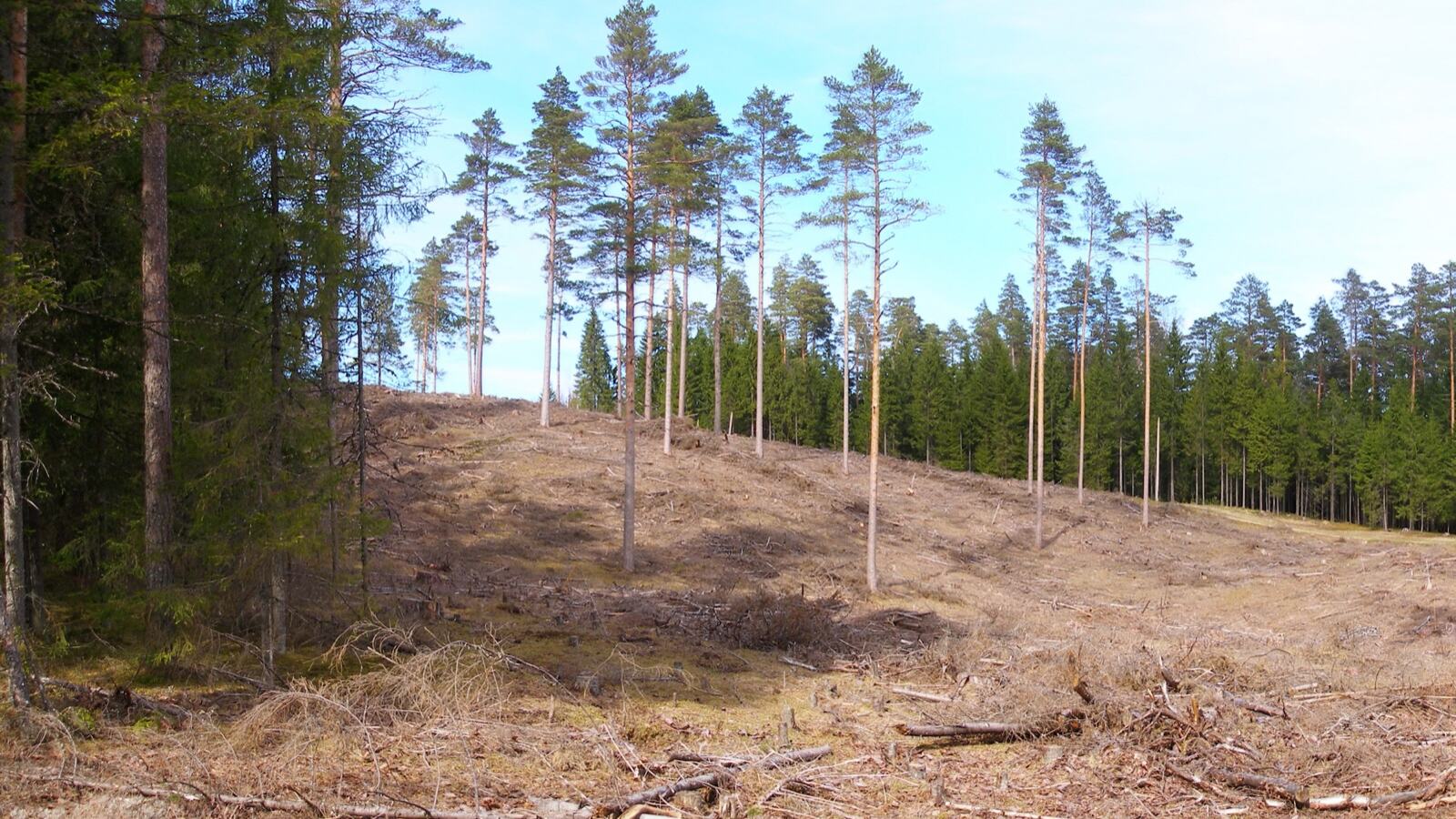
№ 099Conifers: The Evergreen Backbone
The genera worth knowing, what conifer litter does to soil, and the difference between a conifer plantation and a conifer forest.
 № 105
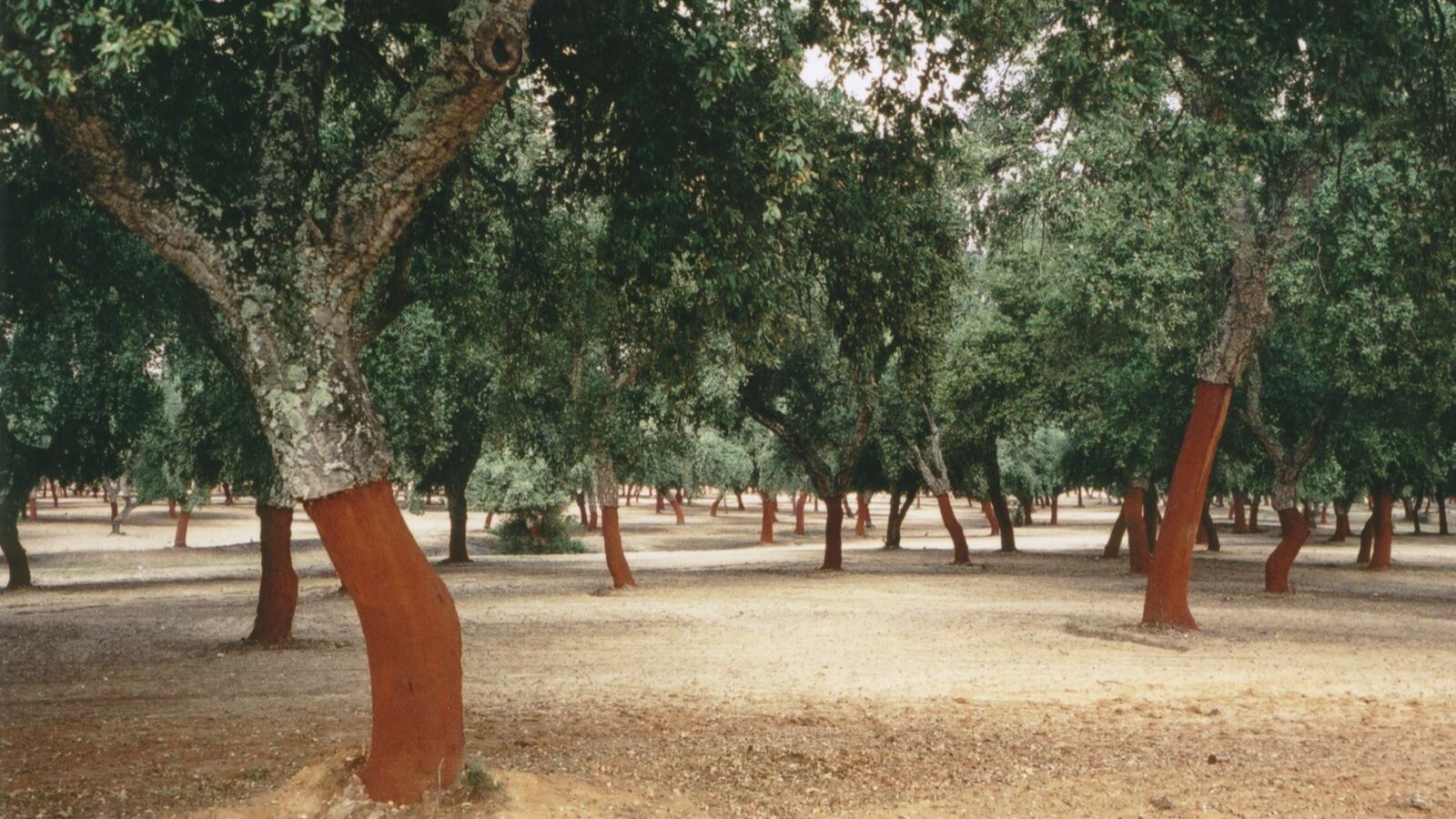
№ 105Cork Oak: The Tree You Harvest Without Cutting
An oak whose bark regrows after stripping, sustaining a wine-stopper economy and one of Europe's richest farmed landscapes — both threatened by the screw cap.
 № 106
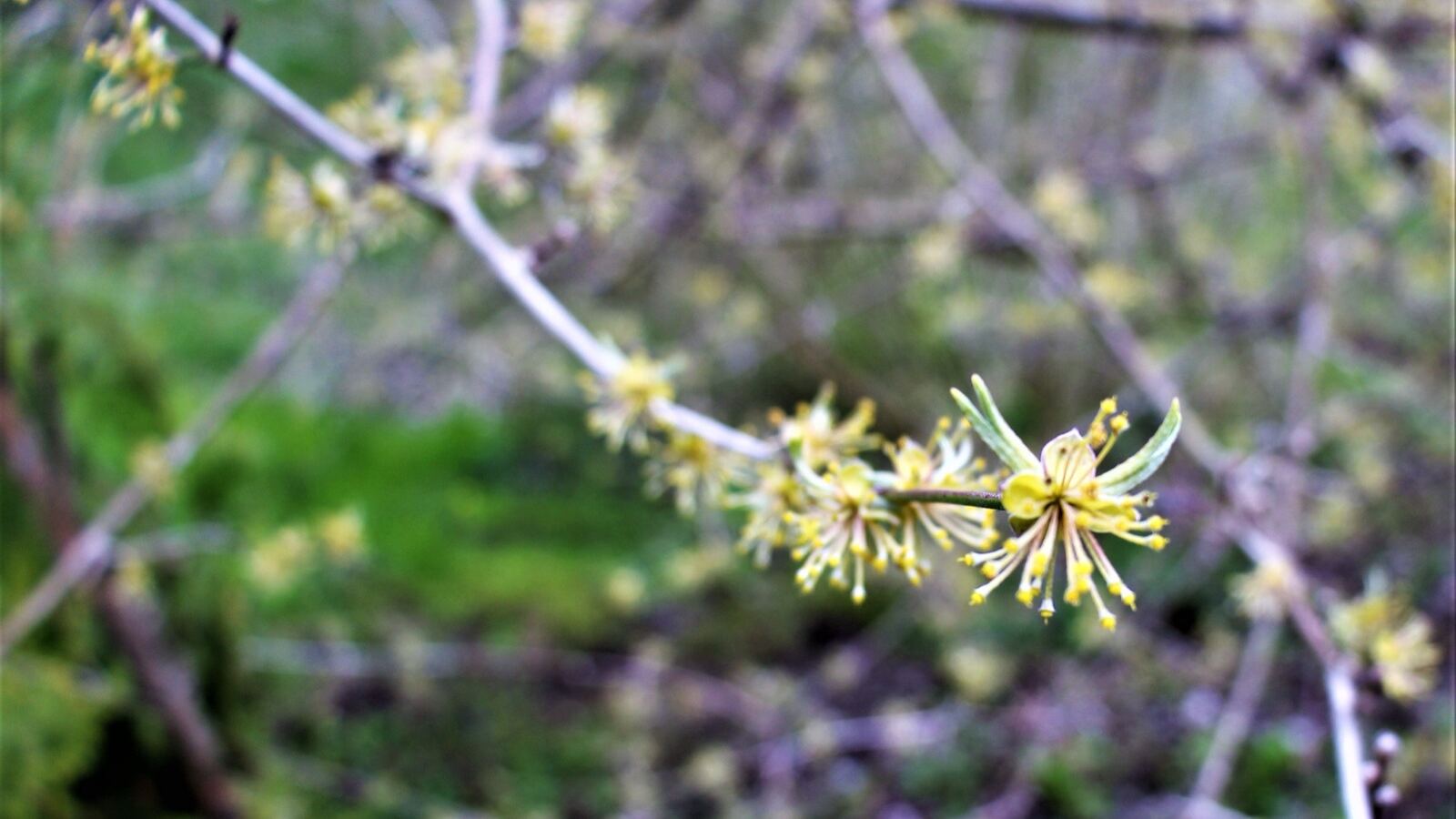
№ 106Cornelian Cherry: Winter Flowers, Summer Fruit, Iron-Hard Wood
A dogwood that flowers on bare stems in late winter, fruits like a tart red cherry, and whose wood is so dense it sinks.
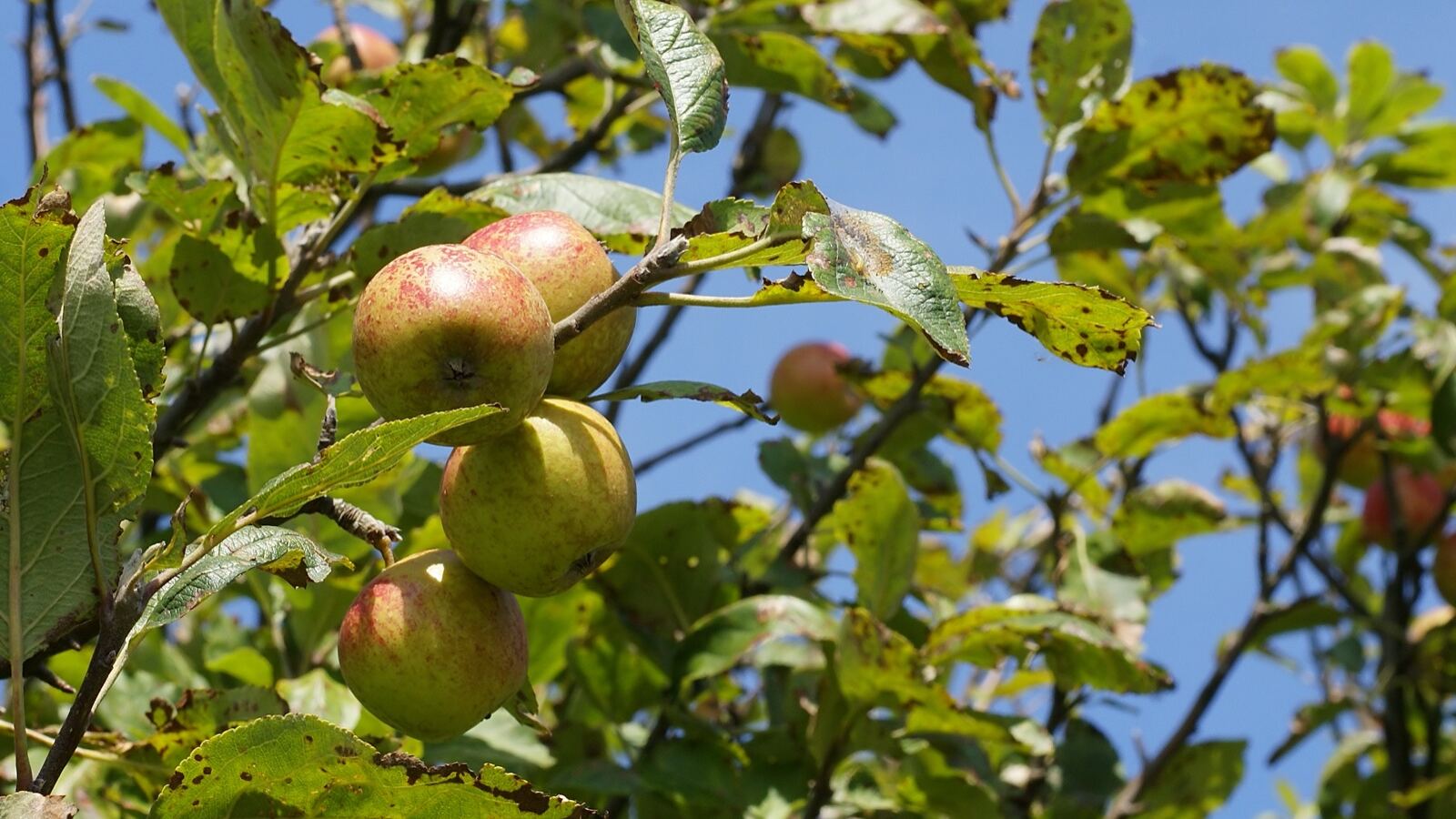 № 108
№ 108Crab Apple: The Pollinator Every Orchard Needs
A wild apple that flowers long and pollinates almost everything, plus the pectin that sets every other jelly.
 № 118
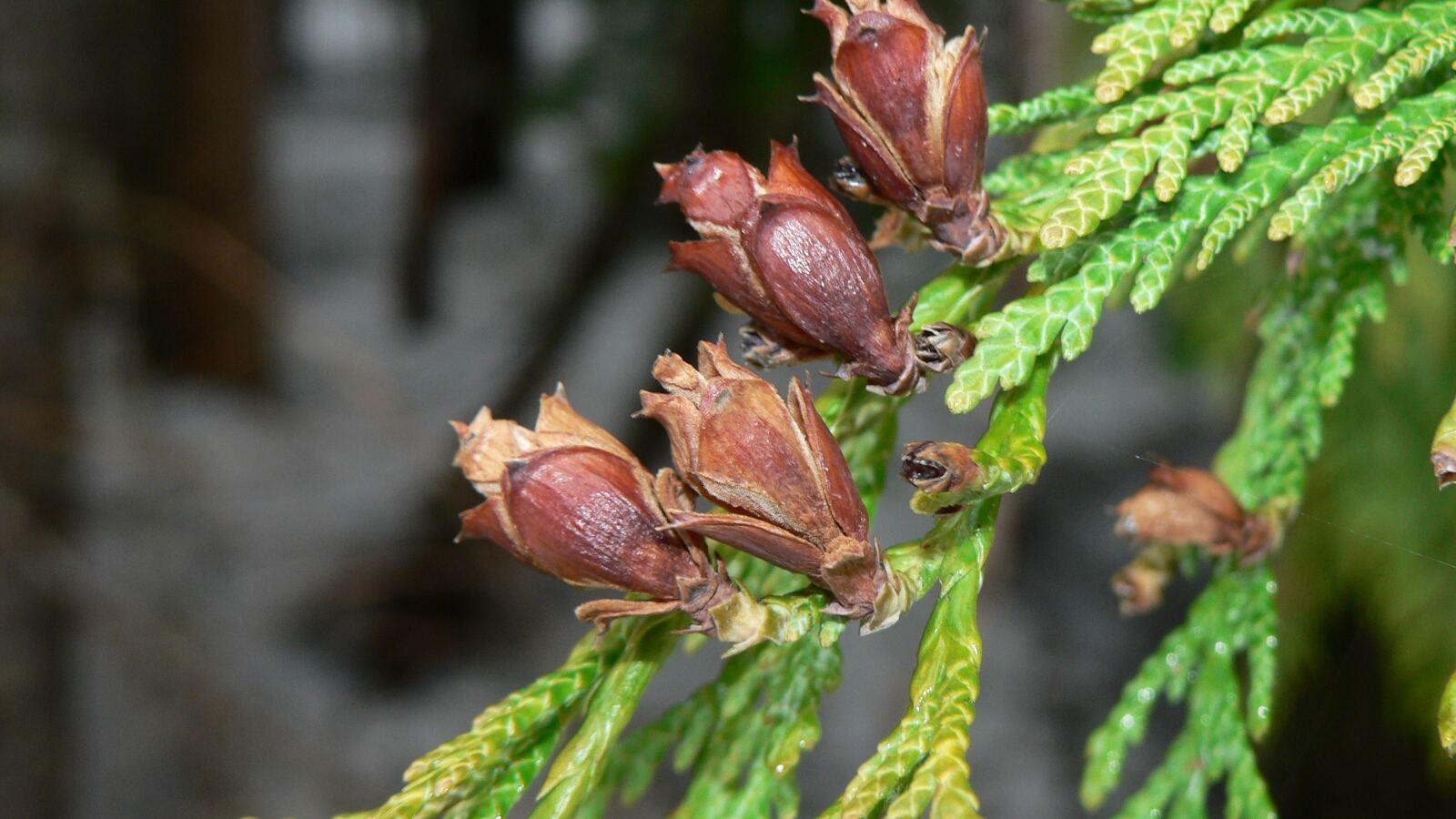
№ 118Cypresses and Thujas: Scale Leaves, Rot-Proof Wood, and Leylandii
The scale-leaved conifers — western red cedar shingles, coastal shelter, and the fastest hedge in Britain and the disputes it causes.
 № 119
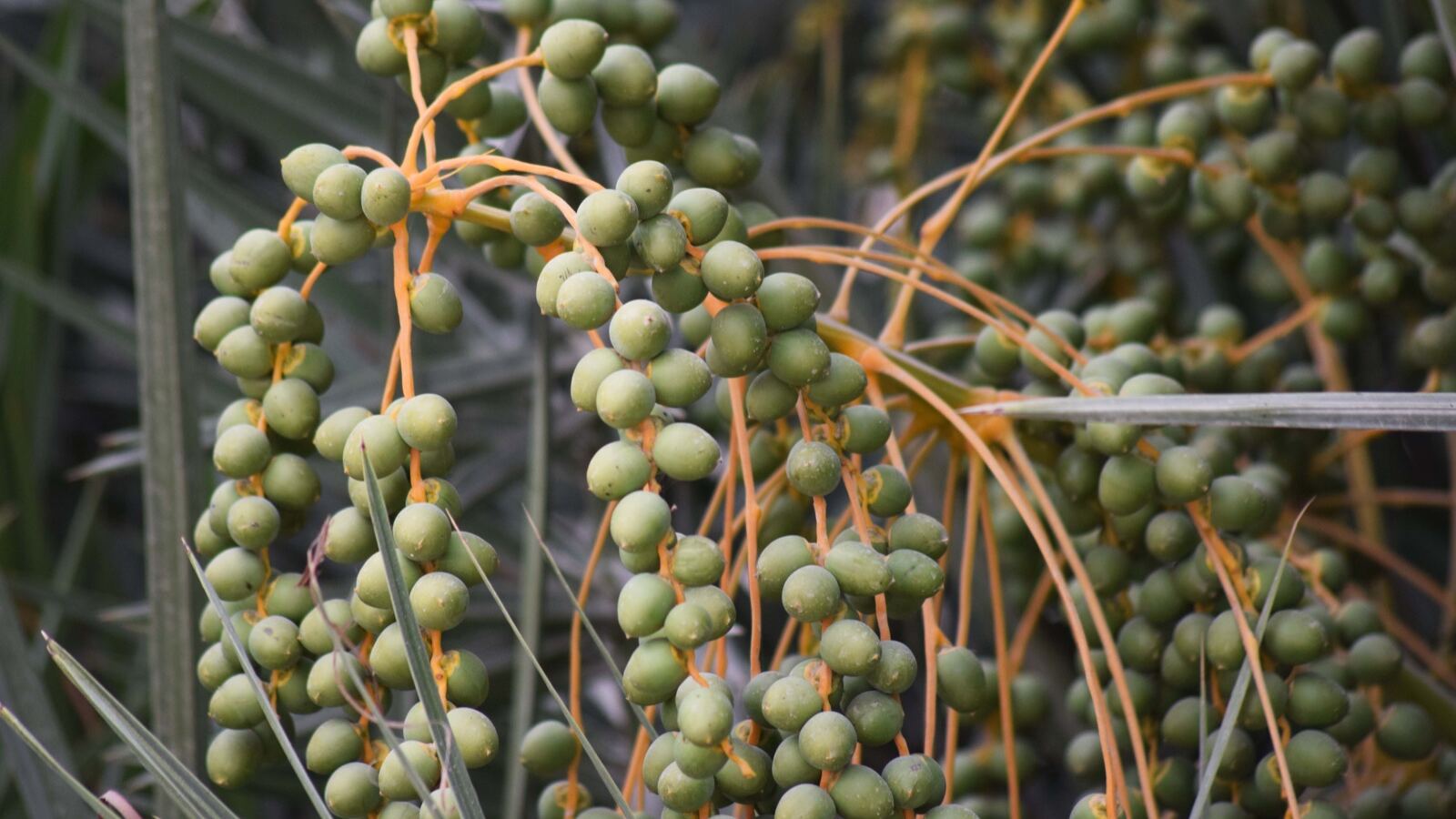
№ 119Date Palm: The Tree That Made the Oasis Possible
A desert palm that tolerates heat, drought and salt, offsets its own shade for the crops beneath it, and is propagated only from offshoots.
 № 133
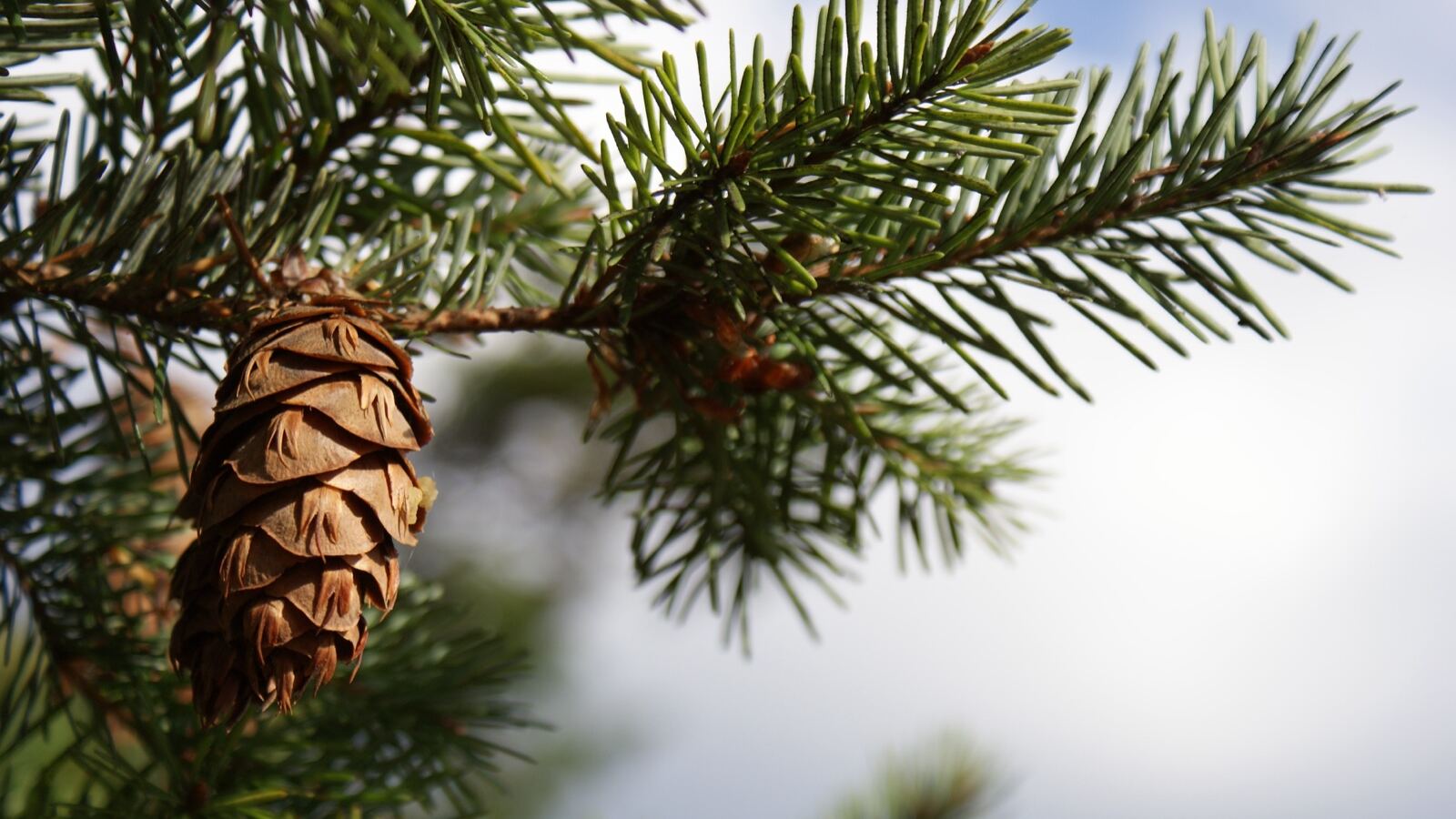
№ 133Douglas Fir: Not a Fir, and the Best Softwood There Is
Three-pointed bracts on the cones, deep roots that resist windthrow, and the timber that built the Pacific Northwest.
 № 142
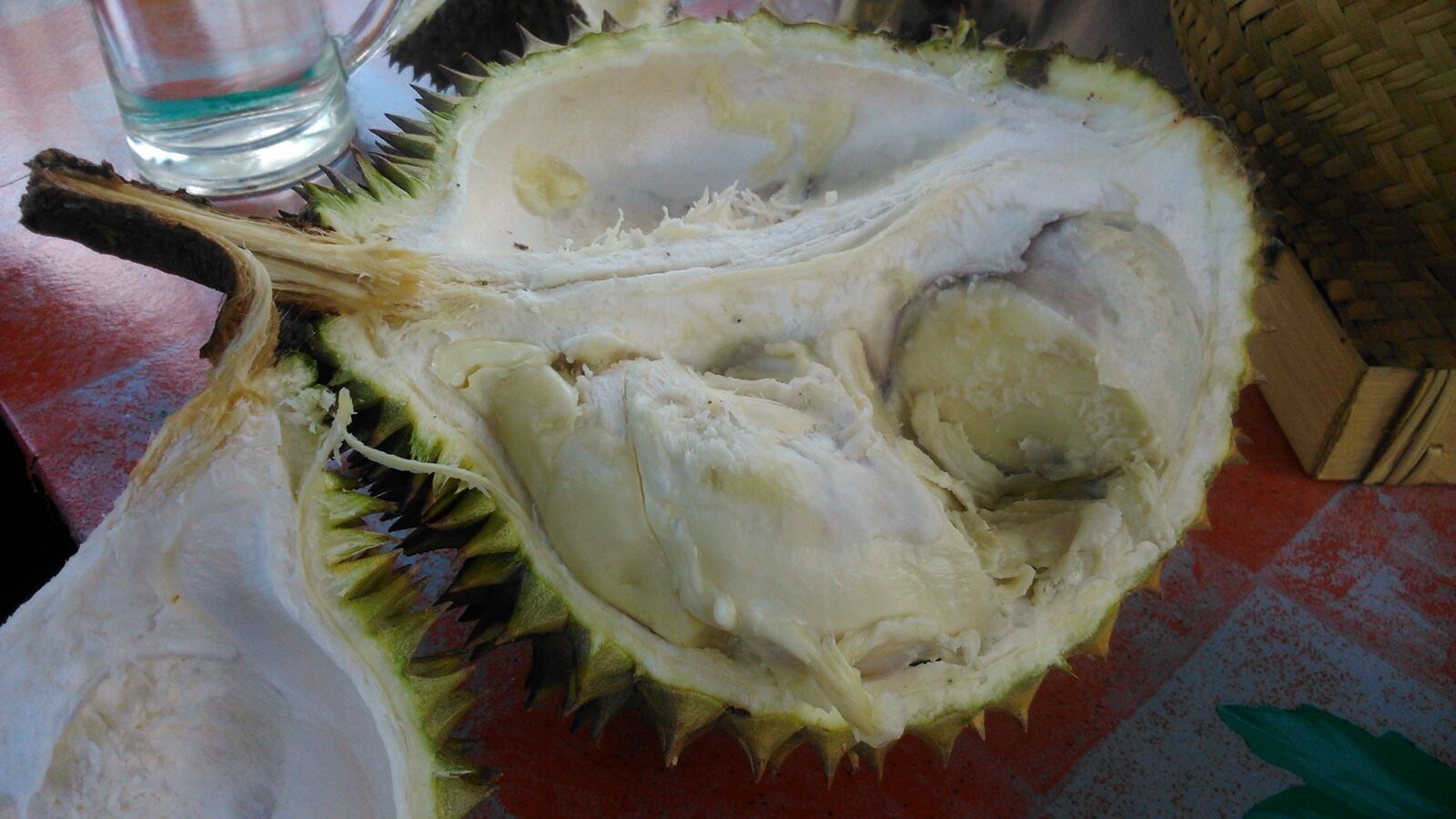
№ 142Durian and Mangosteen: The King and Queen of Tropical Fruit
The notorious spike-covered fruit that smells of everything and tastes sublime, and its supposed cooling counterpart — two icons of Southeast Asian forest and orchard.
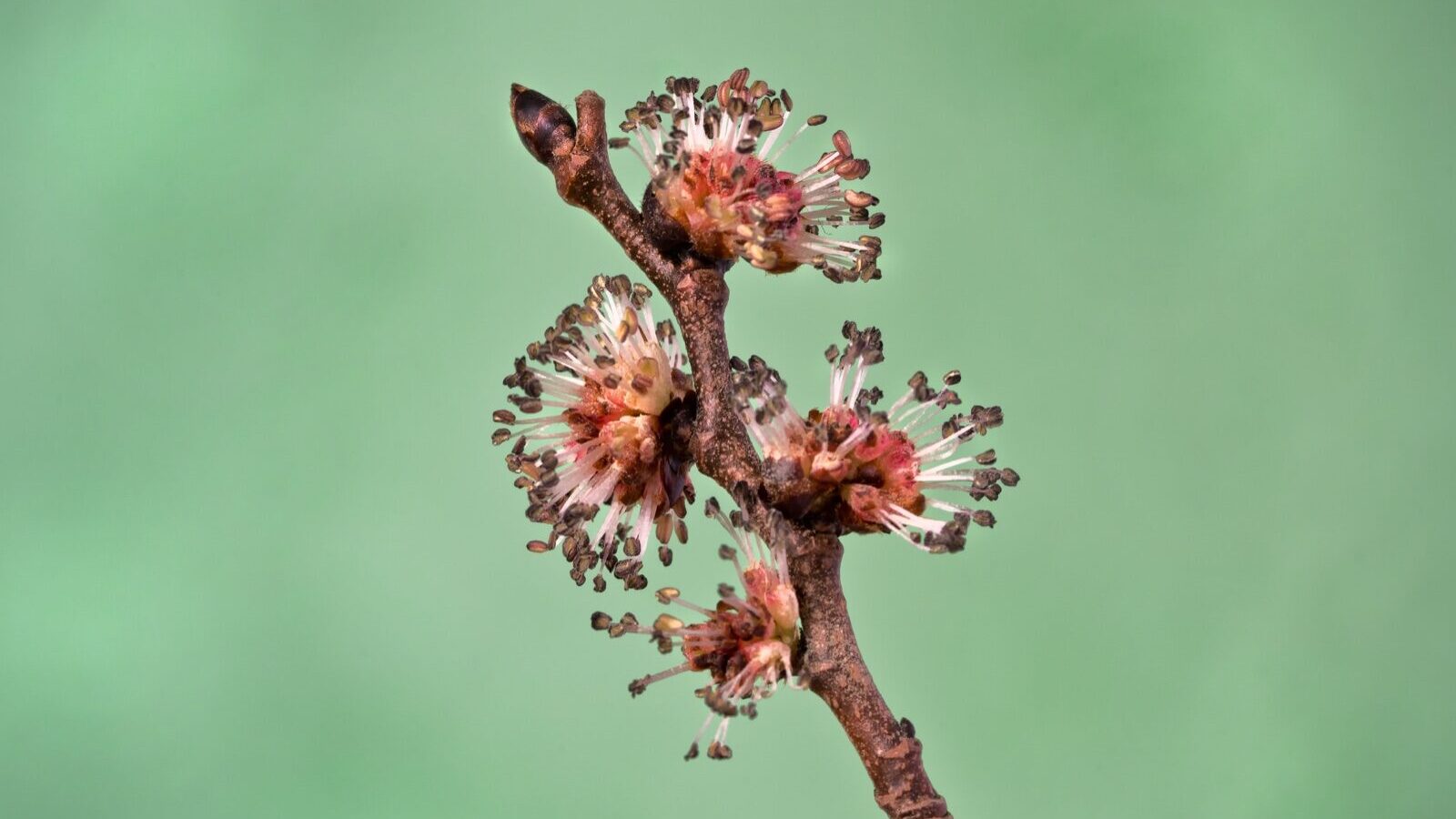 № 152
№ 152Elm: The Ghost in the Hedgerow
A tree that lost its canopy to a beetle-borne fungus but never quite died — surviving suckers, resistant cultivars, and the butterfly that depends on it.
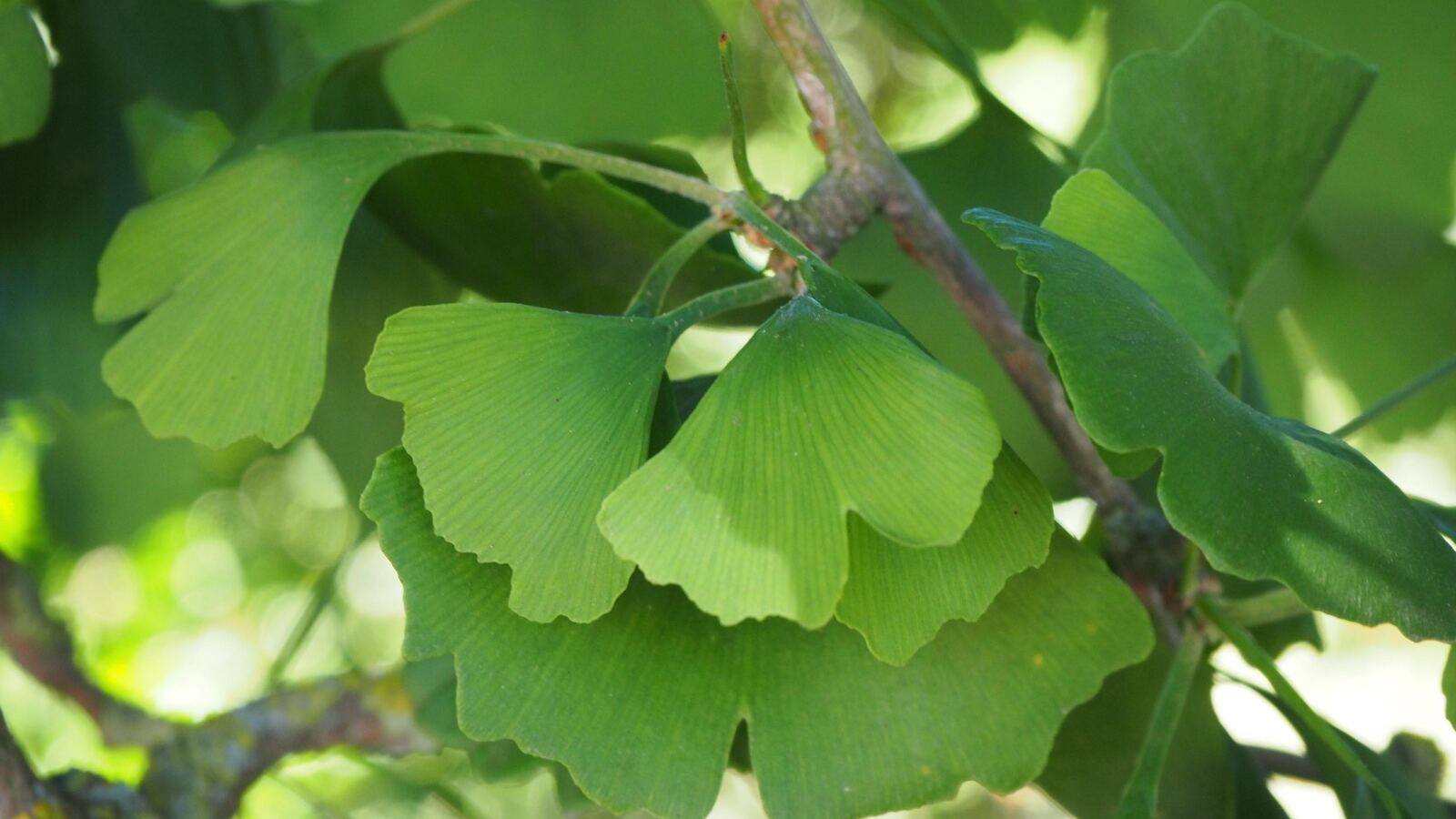 № 185
№ 185Ginkgo: The Living Fossil That Outlived the Dinosaurs
A tree with no living relatives, unchanged for 200 million years, saved from extinction by temple gardeners and now the toughest street tree there is.
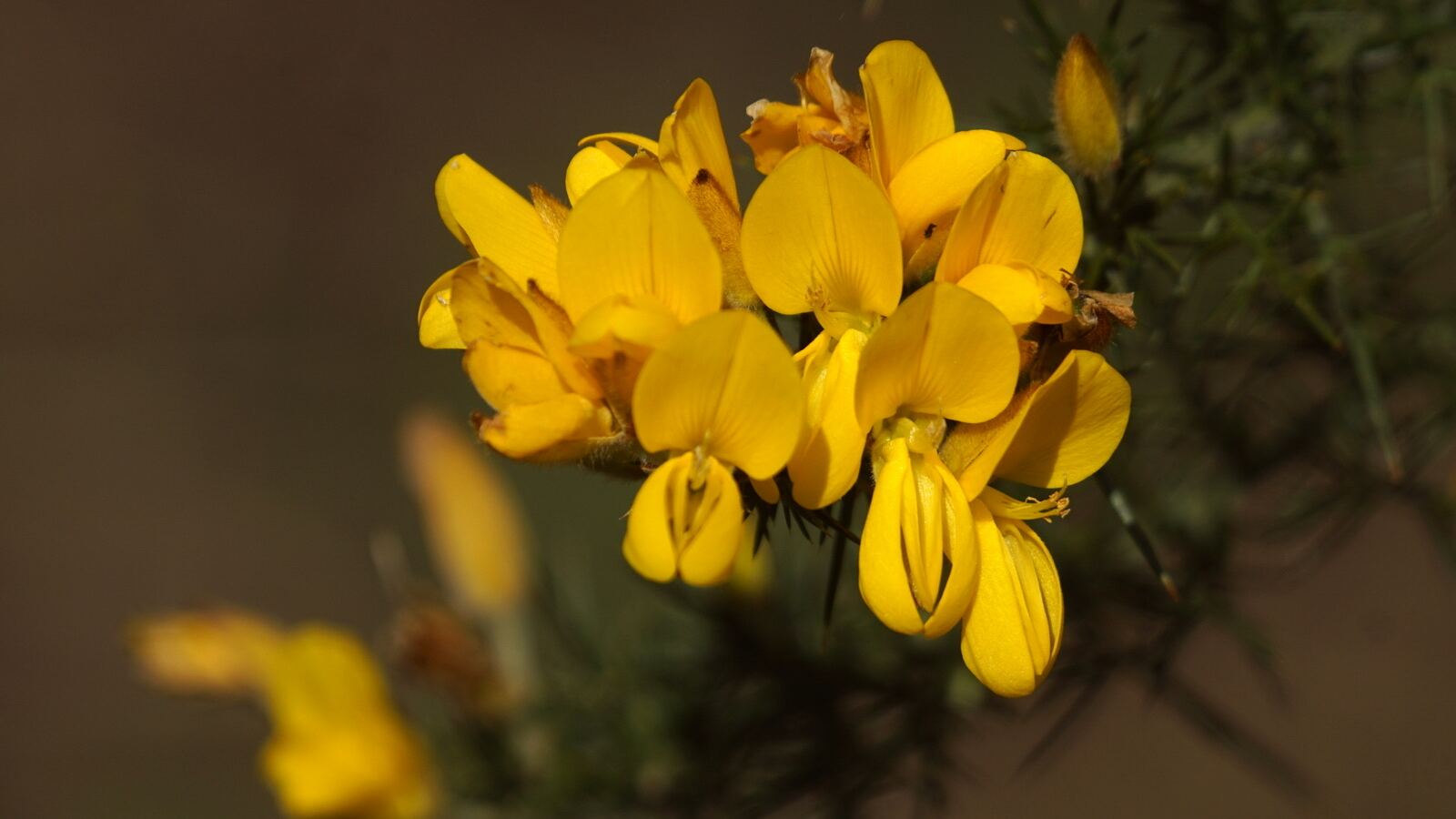 № 192
№ 192Gorse and Broom: Nitrogen Fixers That Burn and Invade
Spiny, yellow-flowered legume shrubs that colonise the poorest ground, fix nitrogen, fire their seeds explosively — and become fierce invaders abroad.
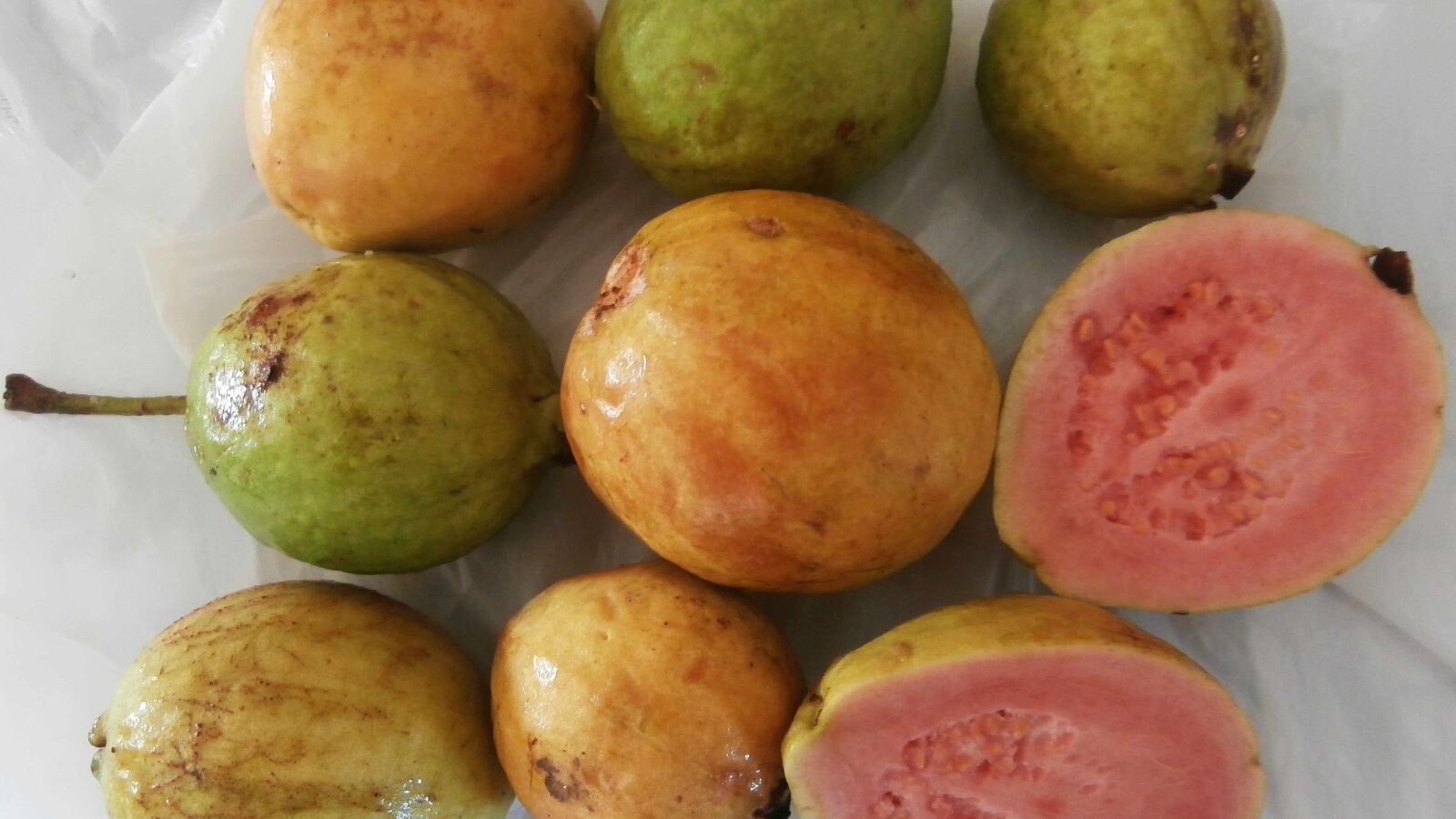 № 201
№ 201Guavas and Feijoa: The Myrtle-Family Fruits
Common guava, strawberry guava and feijoa — fast, hardy, productive subtropical fruit, and one of them among the worst island invaders there is.
 № 202
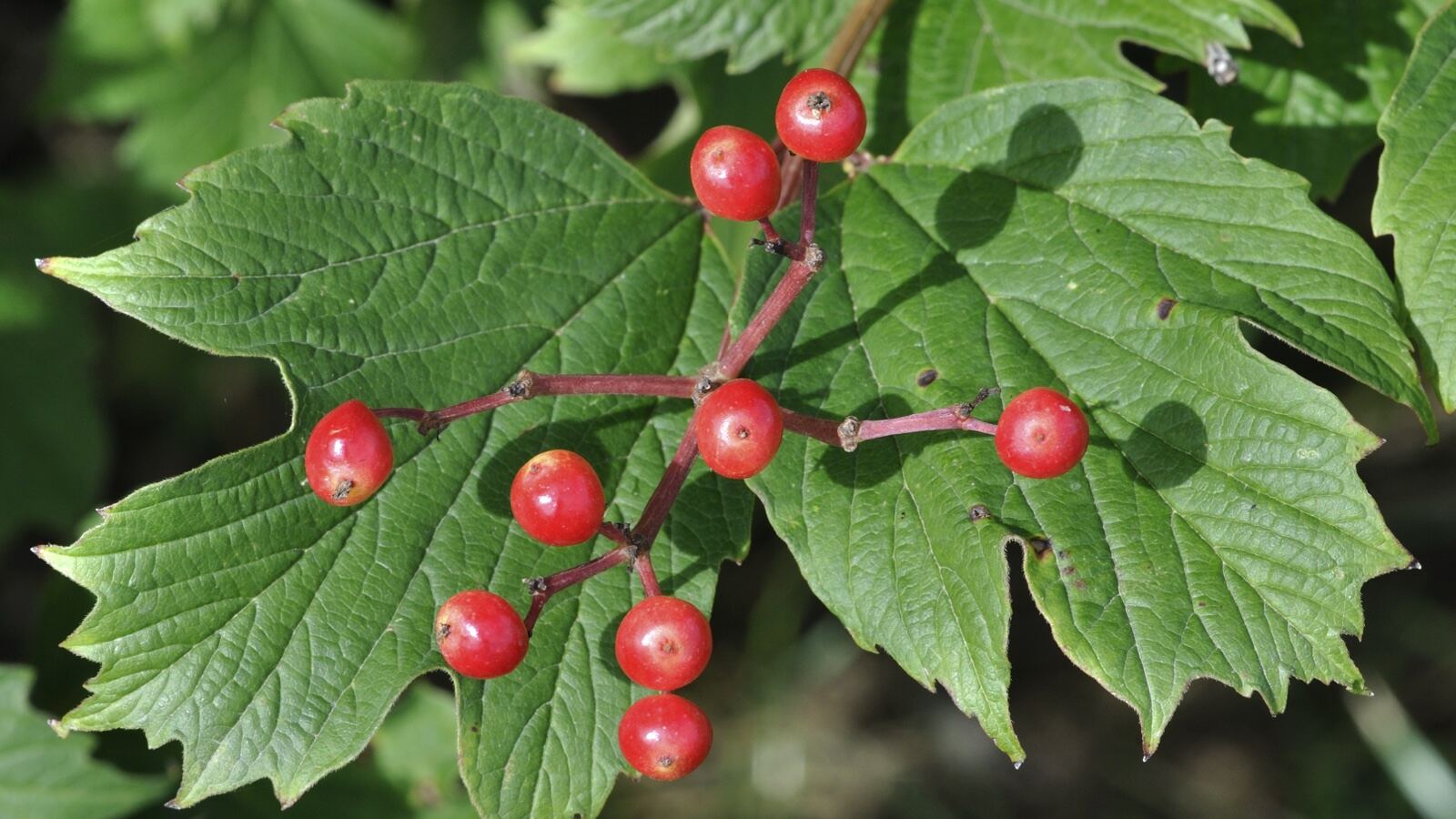
№ 202Guelder Rose and Viburnum: Snowball Flowers and Glassy Red Berries
Native hedgerow shrubs with flat lacecap flowers, translucent red fruit for winter birds, and cultivated cousins that gave gardens the snowball tree and winter scent.
 № 205
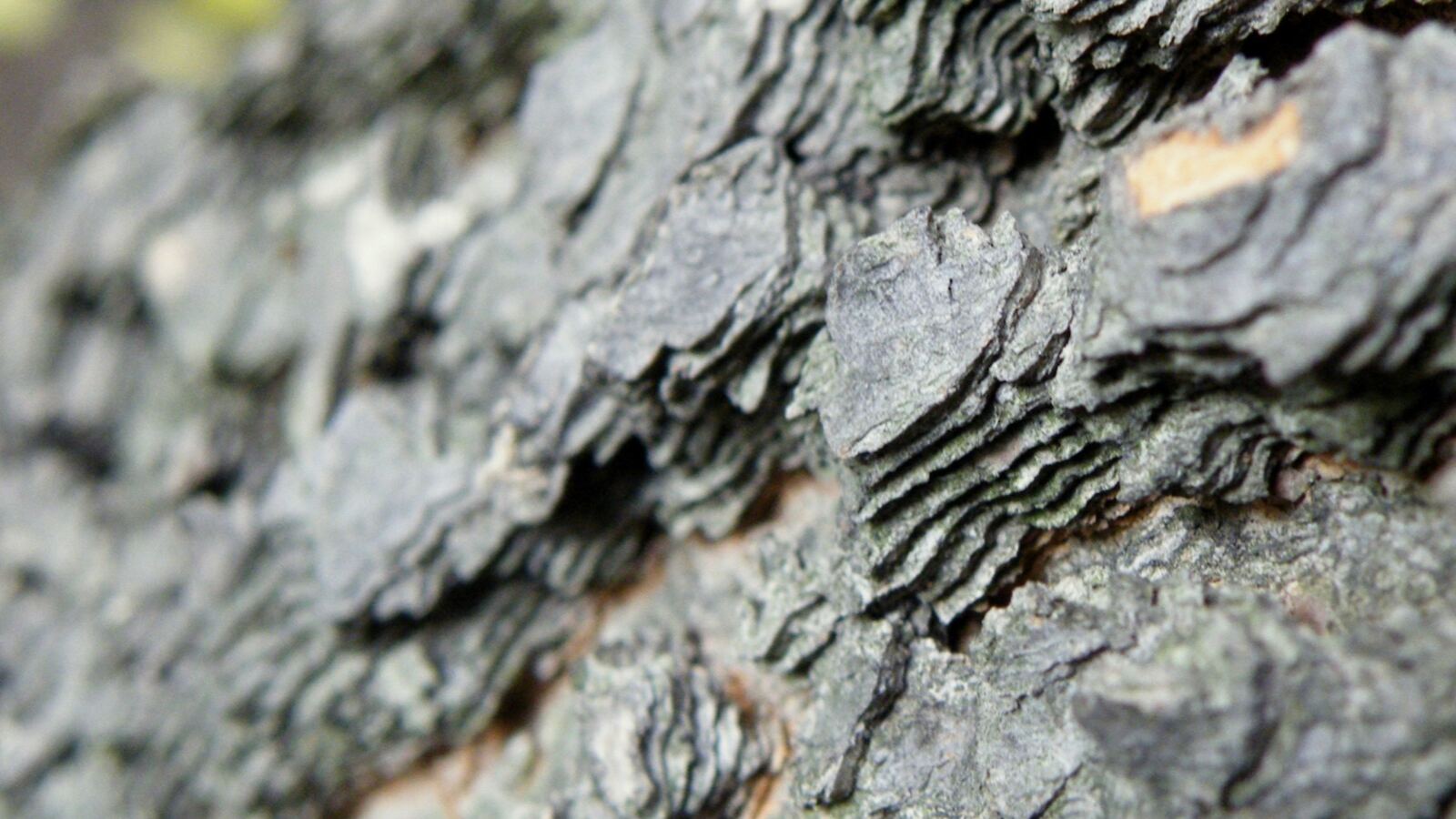
№ 205Hackberry: The Tough Urban Tree Nobody Notices
A wind-firm, drought-hard elm relative with warty bark and sugary berries — a resilient street tree and a heavy feeder of winter birds.
 № 213
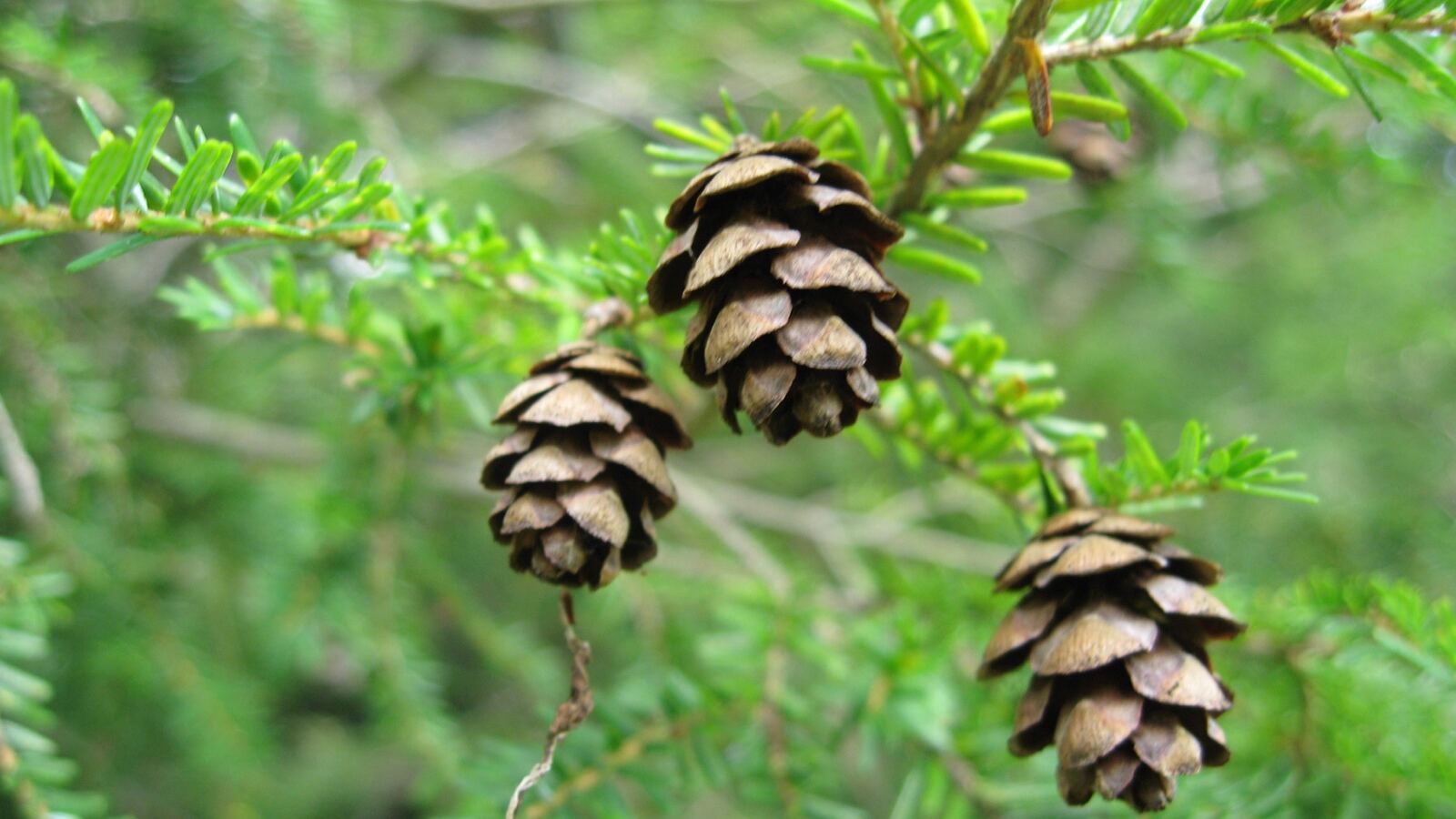
№ 213Hemlock: The Graceful Shade Conifer Being Wiped Out by an Insect
A soft, feathery, deeply shade-tolerant conifer of cool forests — not the poison of Socrates — now collapsing across eastern North America under a tiny sap-sucking bug.
 № 214
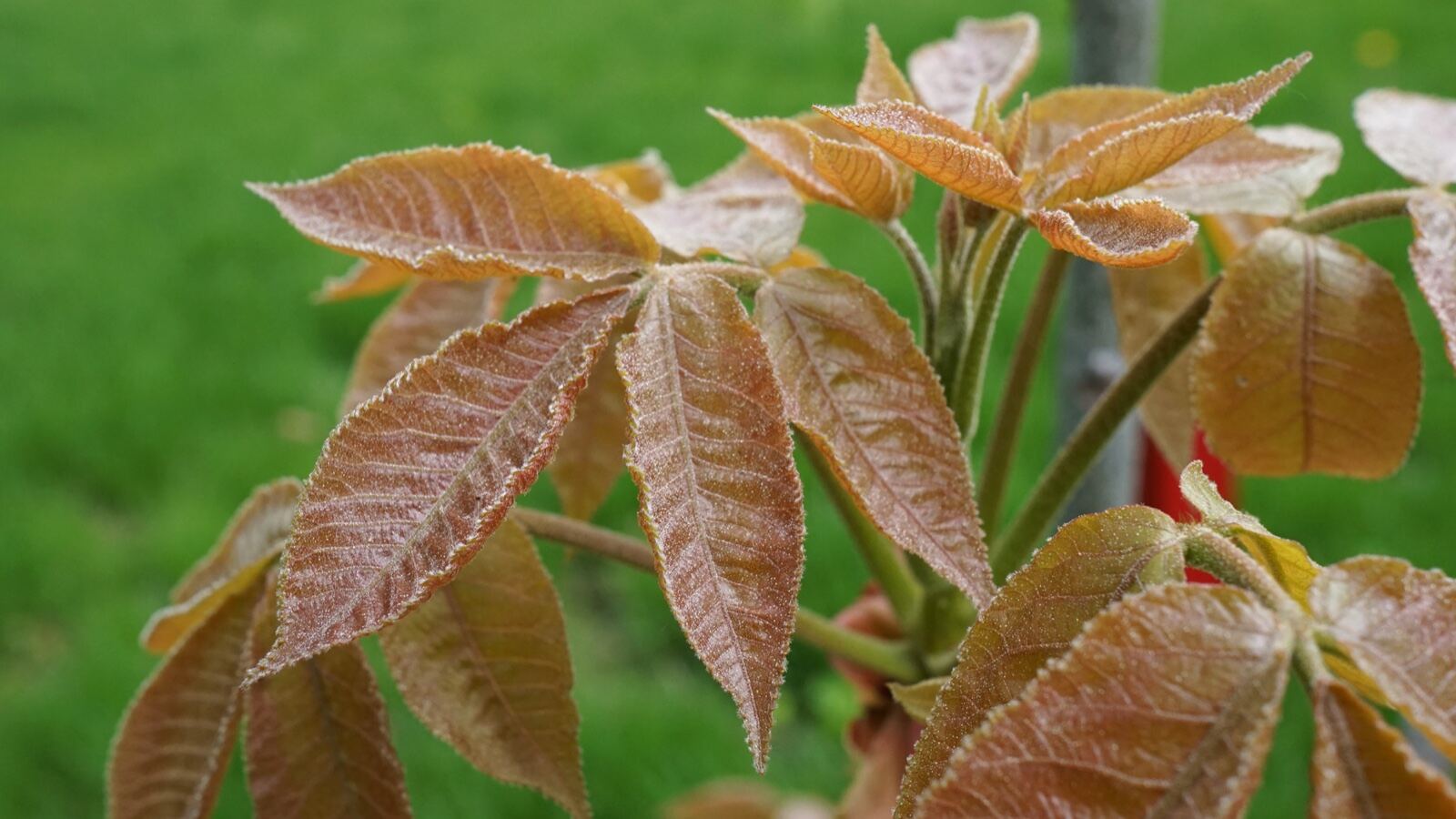
№ 214Hickory and Pecan: The Hardest Wood and the Best Nut
Carya — shock-resistant timber for axe handles, the smoke in barbecue, and a taproot that makes them almost untransplantable.
 № 216
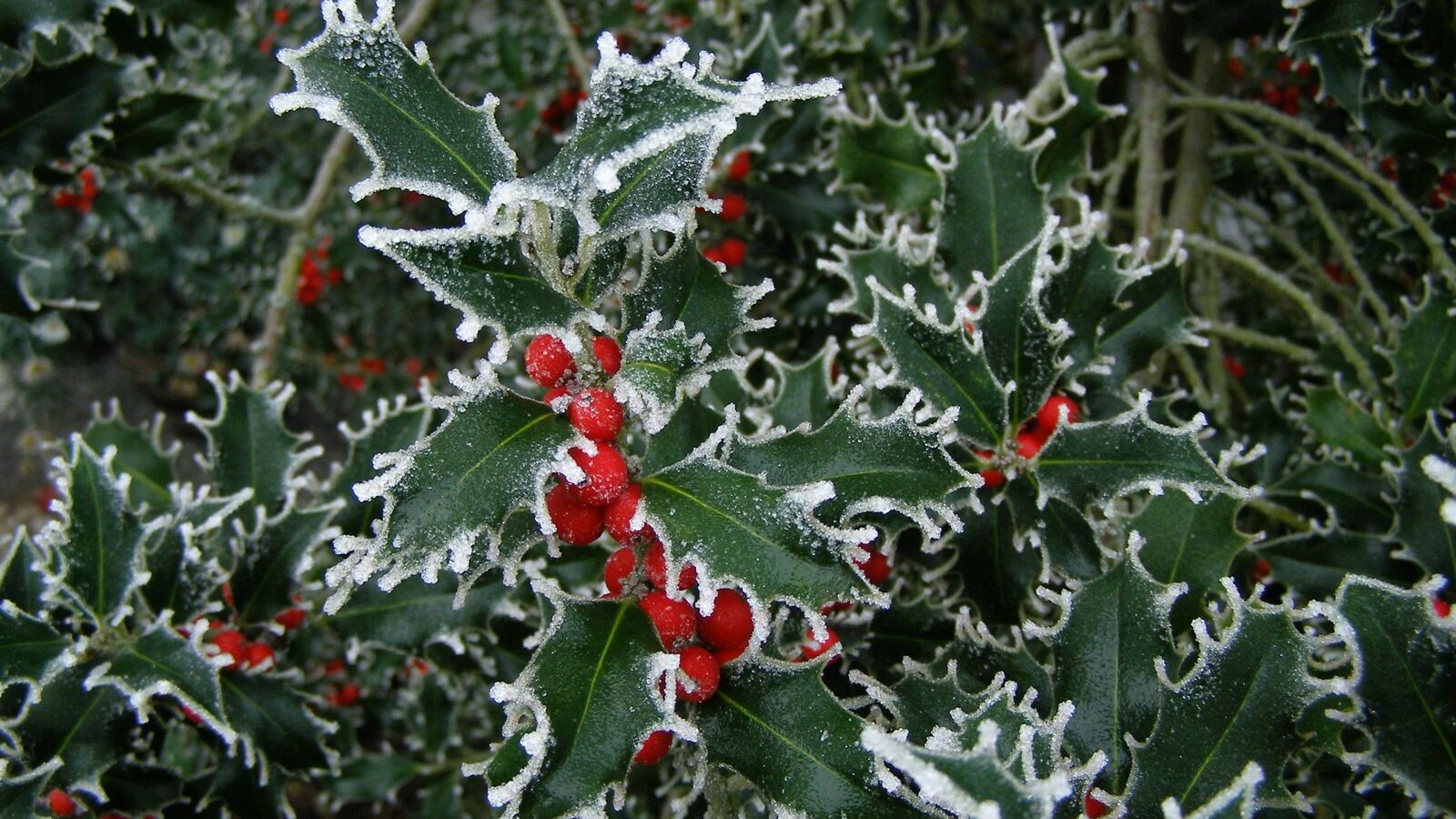
№ 216Holly: Prickles Only Where It Can Be Reached
An evergreen understorey tree that changes its own leaf shape in response to browsing, and feeds birds when nothing else is left.
 № 217
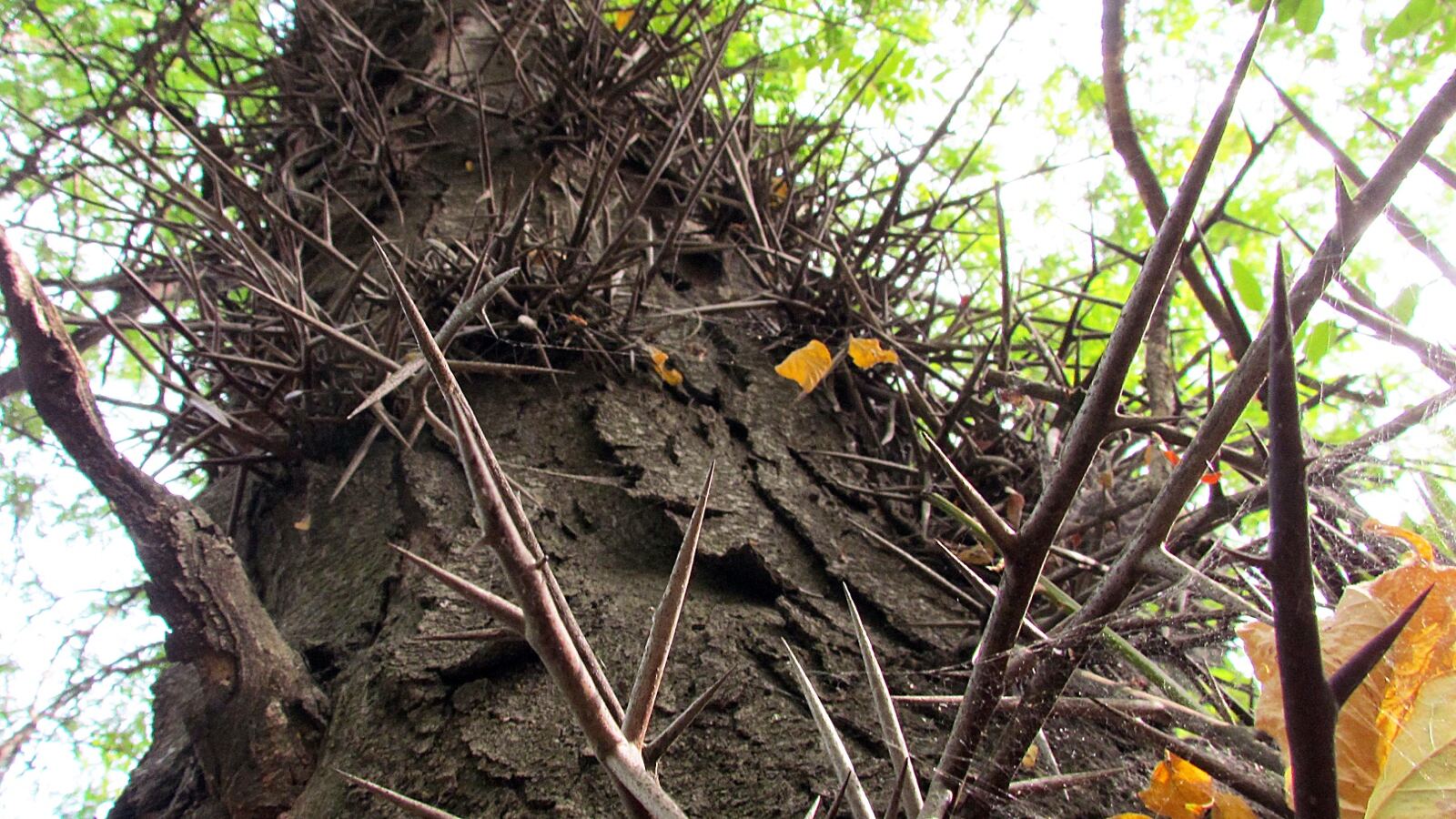
№ 217Honey Locust: Vicious Thorns, Sweet Pods, and a Ghost of Lost Megafauna
A legume tree armoured with branching spikes, hung with sugary pods, that turns out not to fix nitrogen — and whose fruit was built for animals that no longer exist.
 № 219
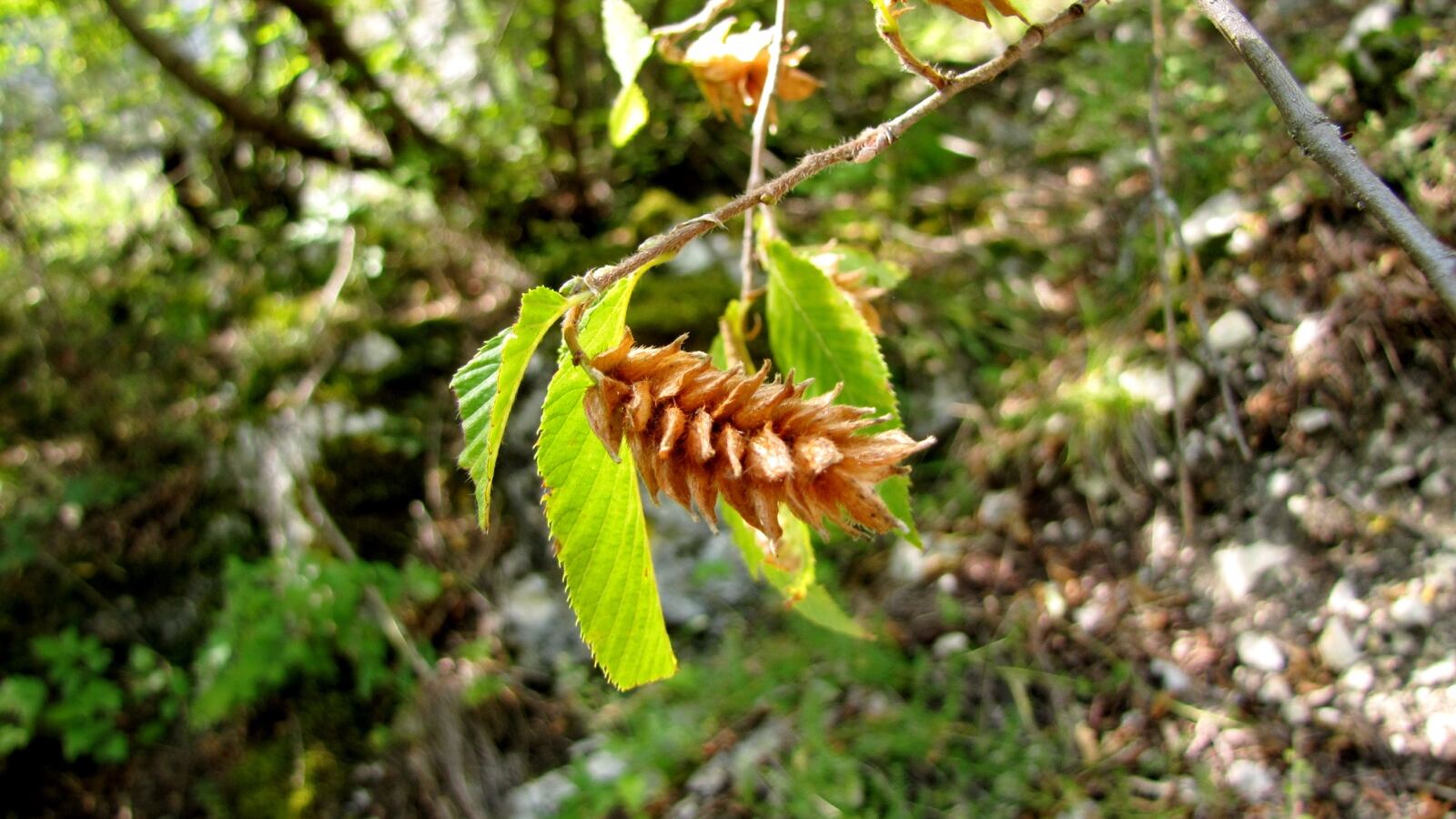
№ 219Hop-Hornbeam: Iron Wood and Papery Hops
A small, tough understorey tree with wood dense enough to sink and fruit clusters that look like hops — one of many trees called ironwood.
 № 220
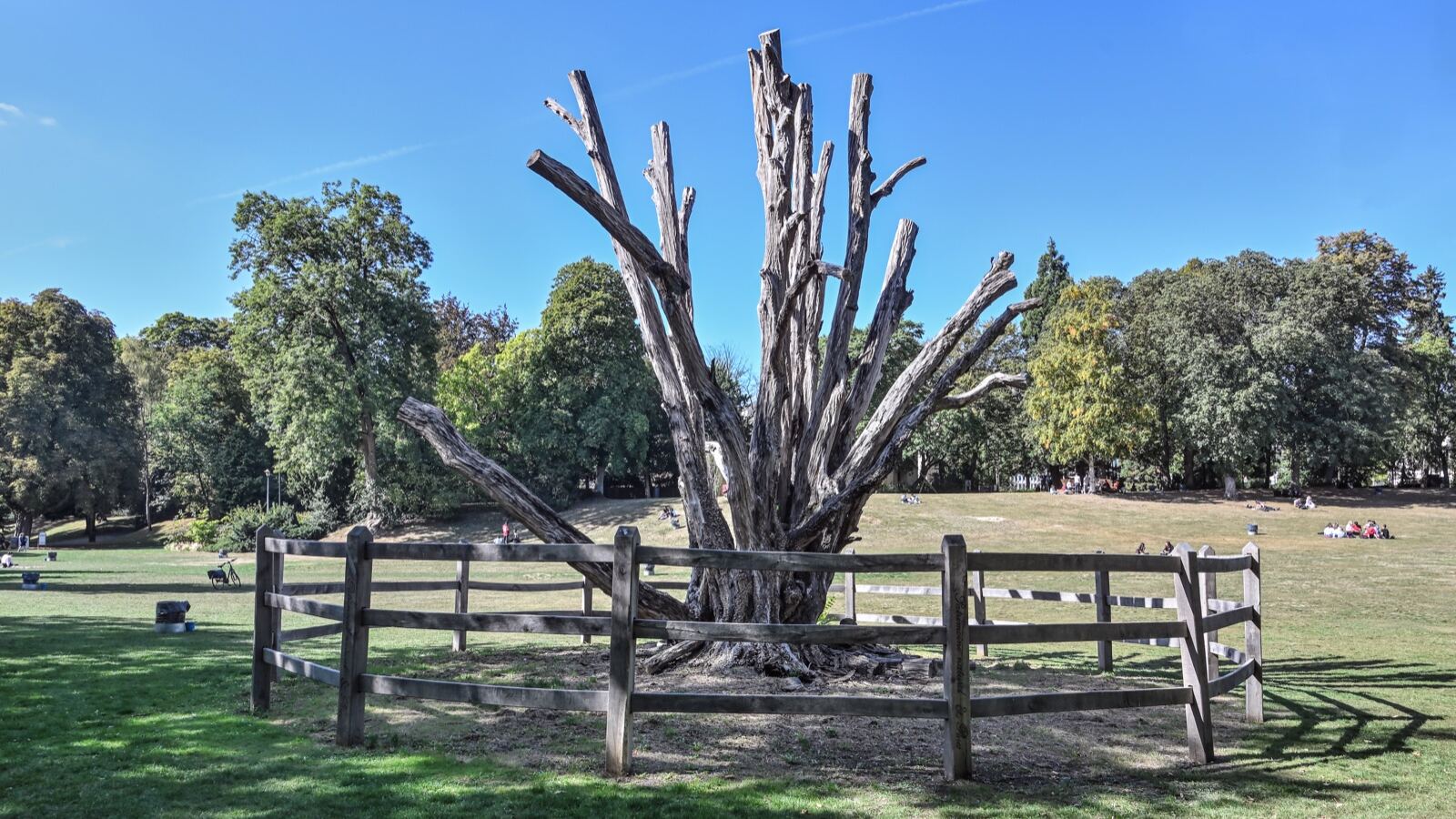
№ 220Hornbeam: The Hardest Wood in the Wood
Beech's tougher understudy — tolerates wet clay, holds its winter leaves in a hedge, and wears out the tools that cut it.
 № 221
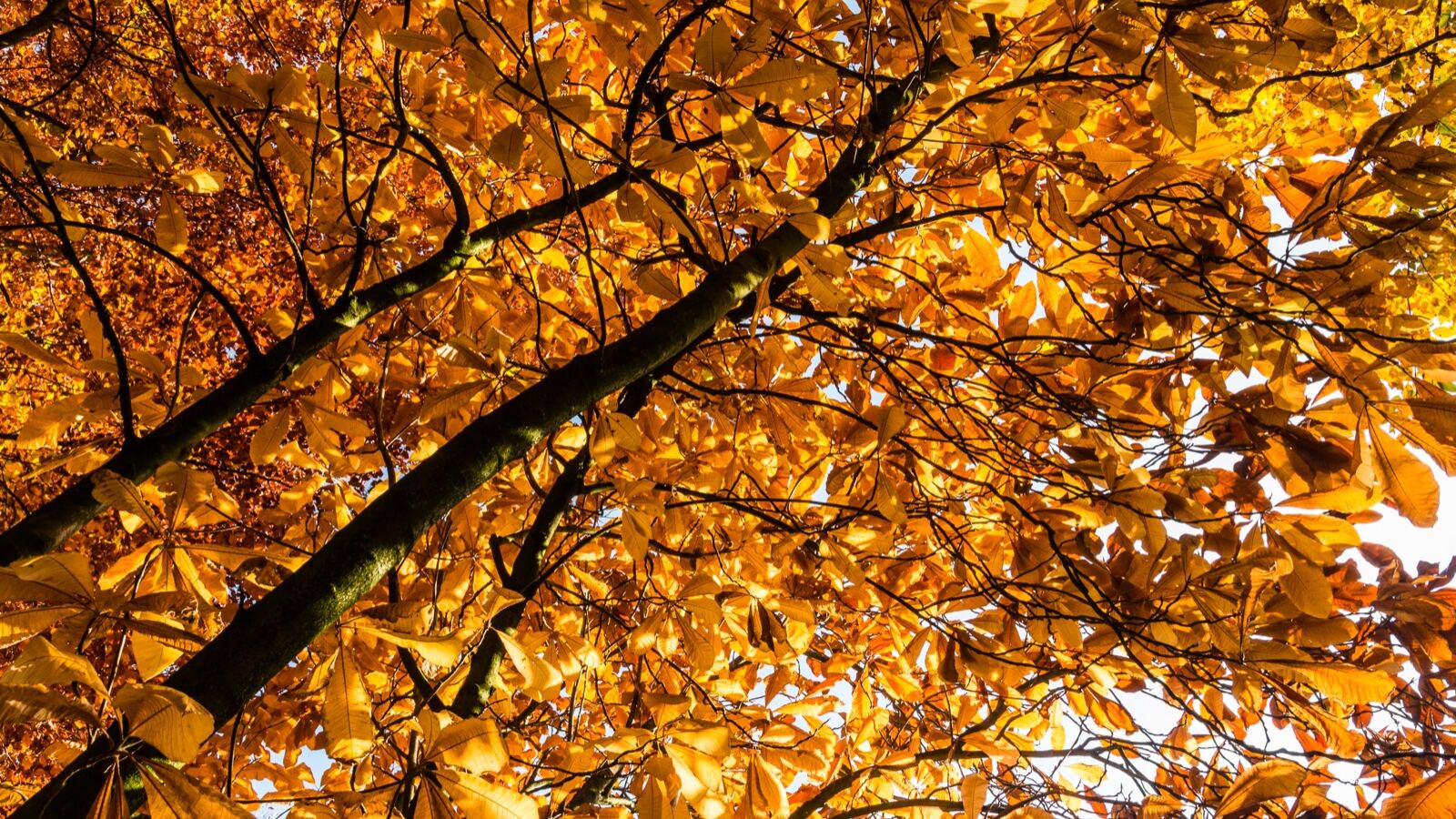
№ 221Horse Chestnut: Conkers, Leaf Miner, and a Tree in Decline
Not a chestnut and not edible — a Balkan endangered species that became the standard European park tree, now hit by two diseases at once.
 № 236
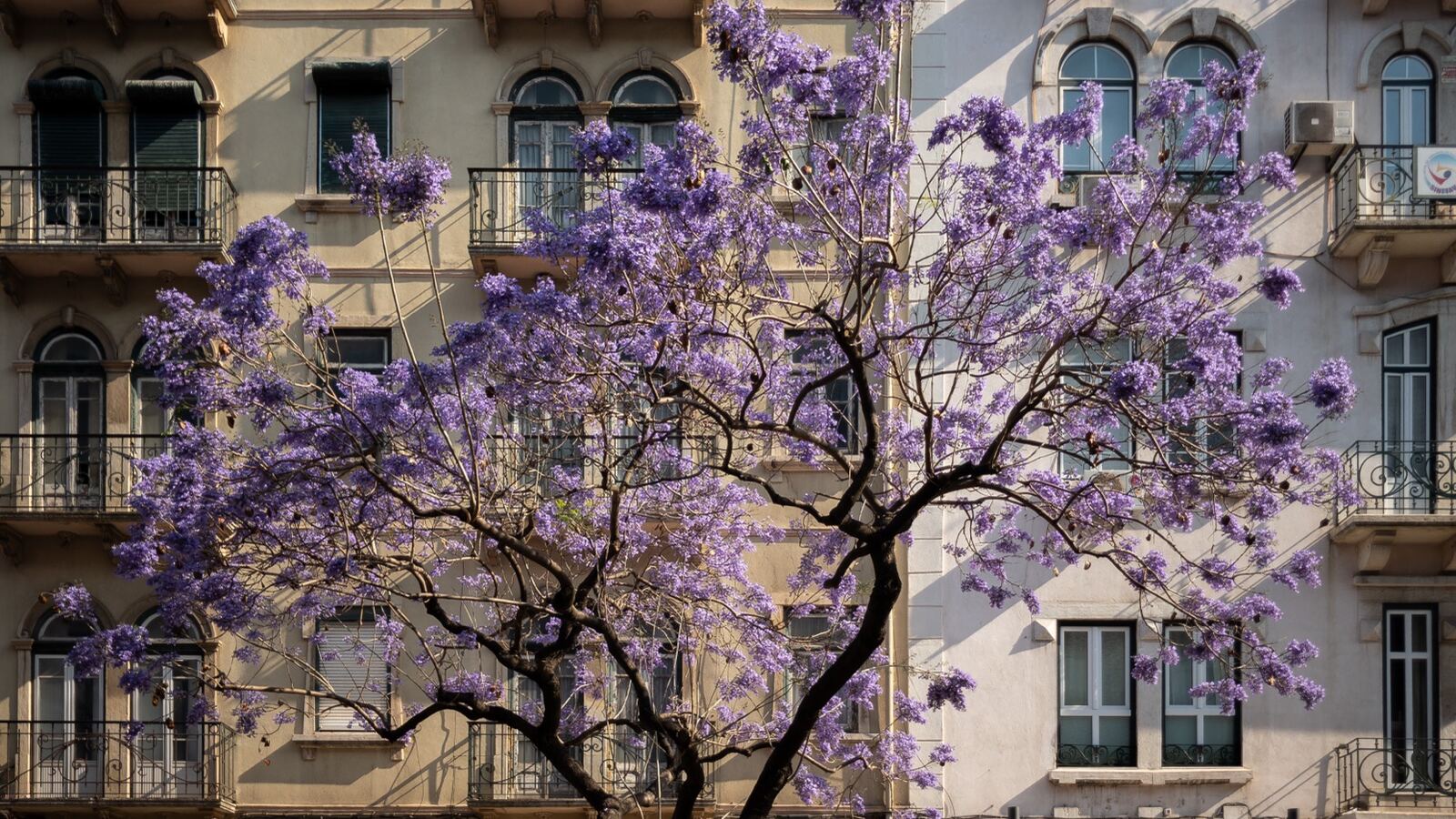
№ 236Jacaranda and Flame Tree: The Cities That Turn Purple and Scarlet
Two spectacular flowering trees that colour whole cities — the blue-purple jacaranda and the flaming red royal poinciana — celebrated, planted everywhere, and quietly invasive.
 № 241
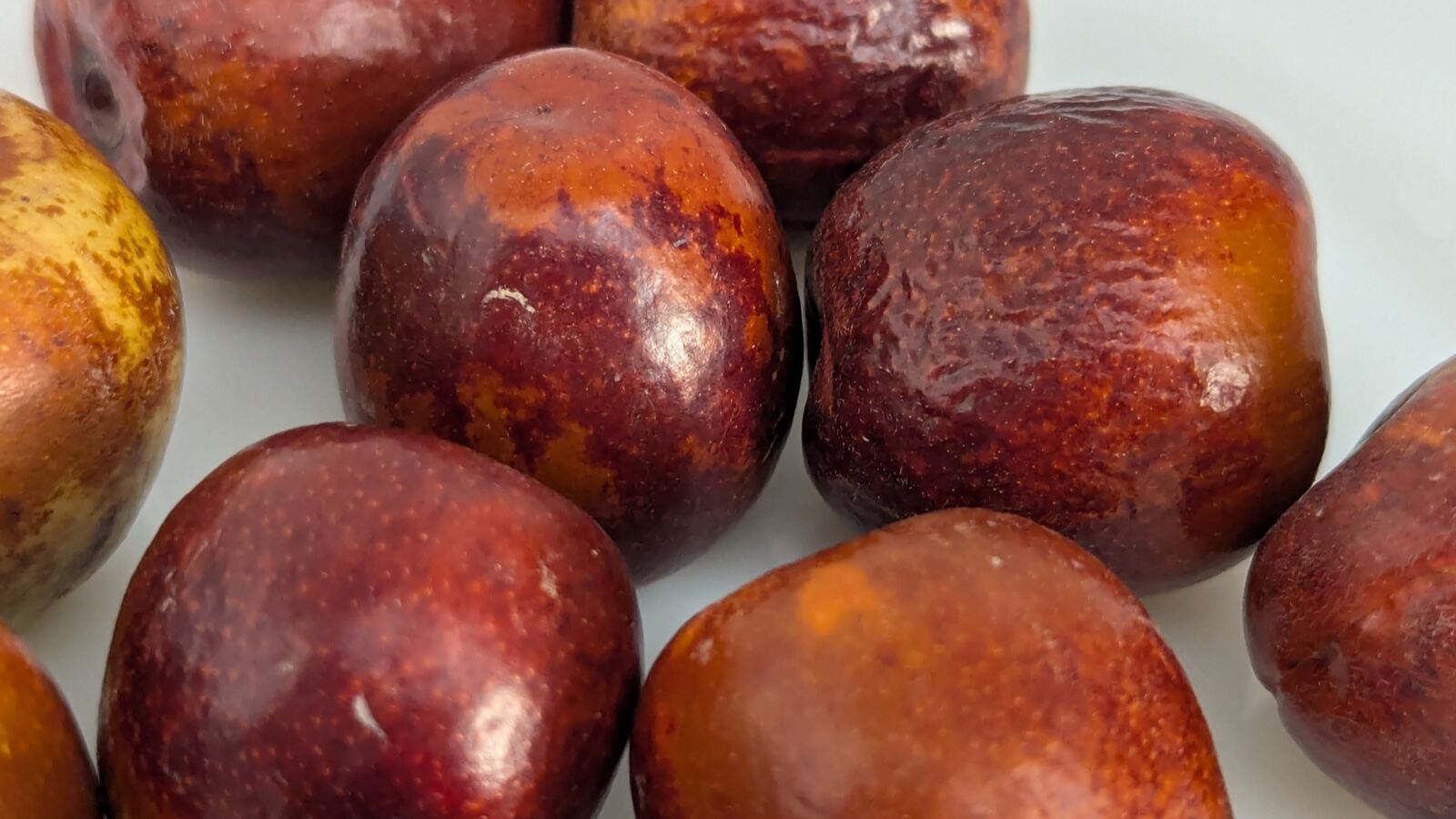
№ 241Jujube: The Chinese Date That Thrives Where Nothing Else Will
A thorny, drought-proof little tree bearing crisp apple-like fruit that dry to sweet 'red dates' — a staple of Chinese food and medicine for three thousand years.
 № 242
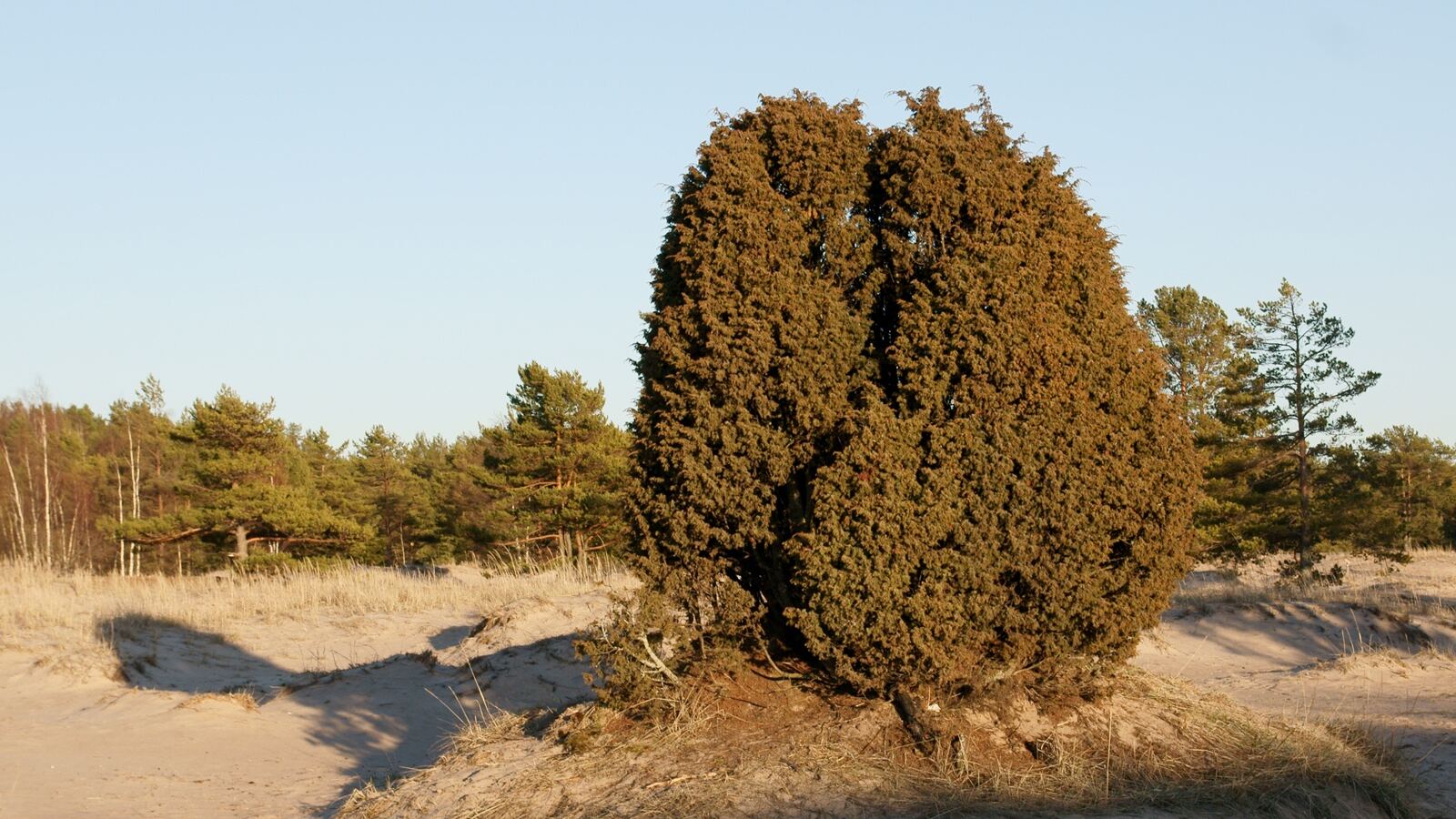
№ 242Juniper: Gin, Dryland Cover, and a Species in Trouble
The most widely distributed conifer on earth, the cone that everyone calls a berry, and why British juniper is failing to regenerate.
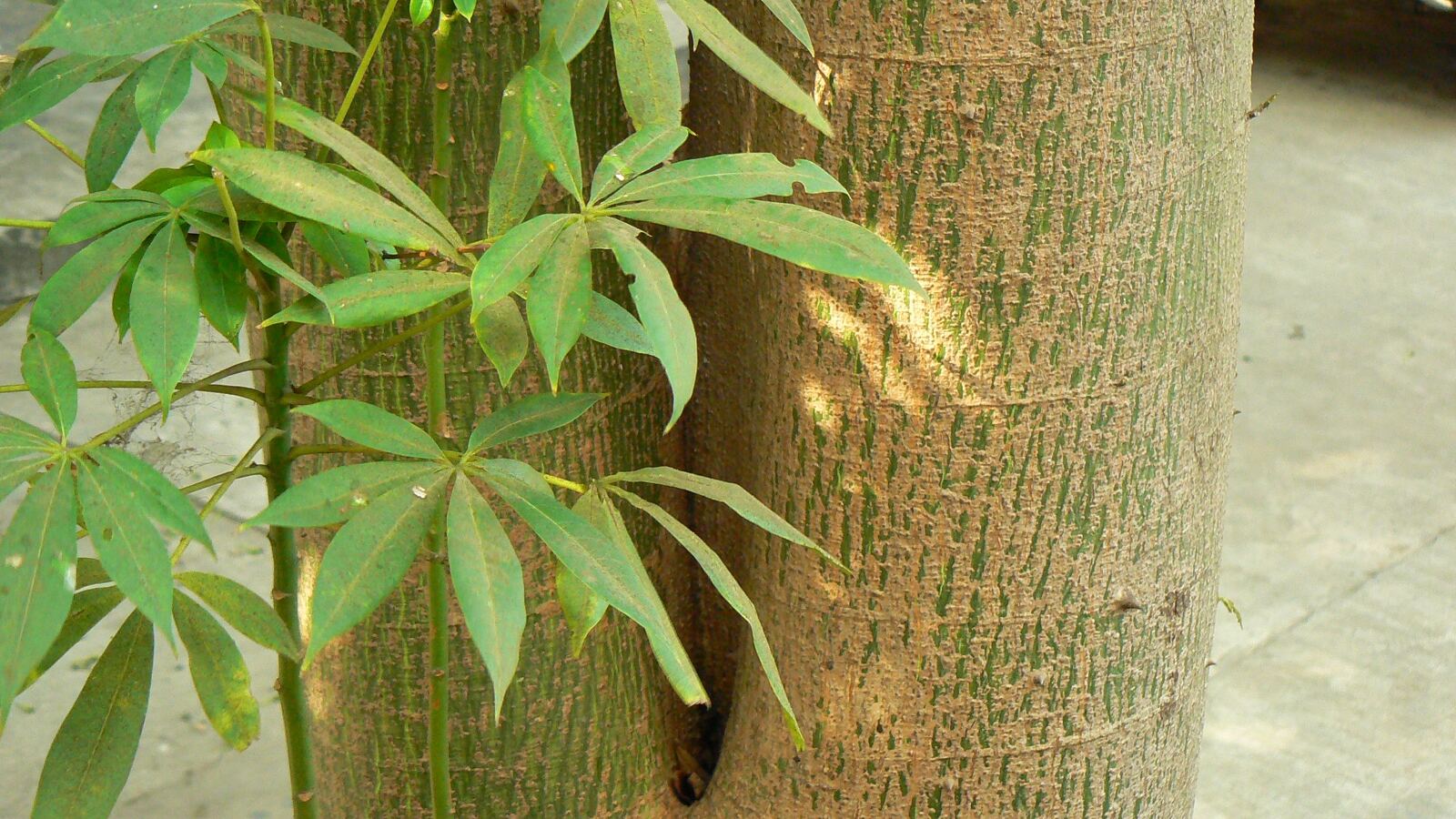 № 245
№ 245Kapok and Balsa: The Rainforest Giants of Feather and Foam
A sacred emergent tree that fills its pods with buoyant cotton, and the fastest-growing pioneer whose wood is the lightest in commercial use — two extremes from one family.
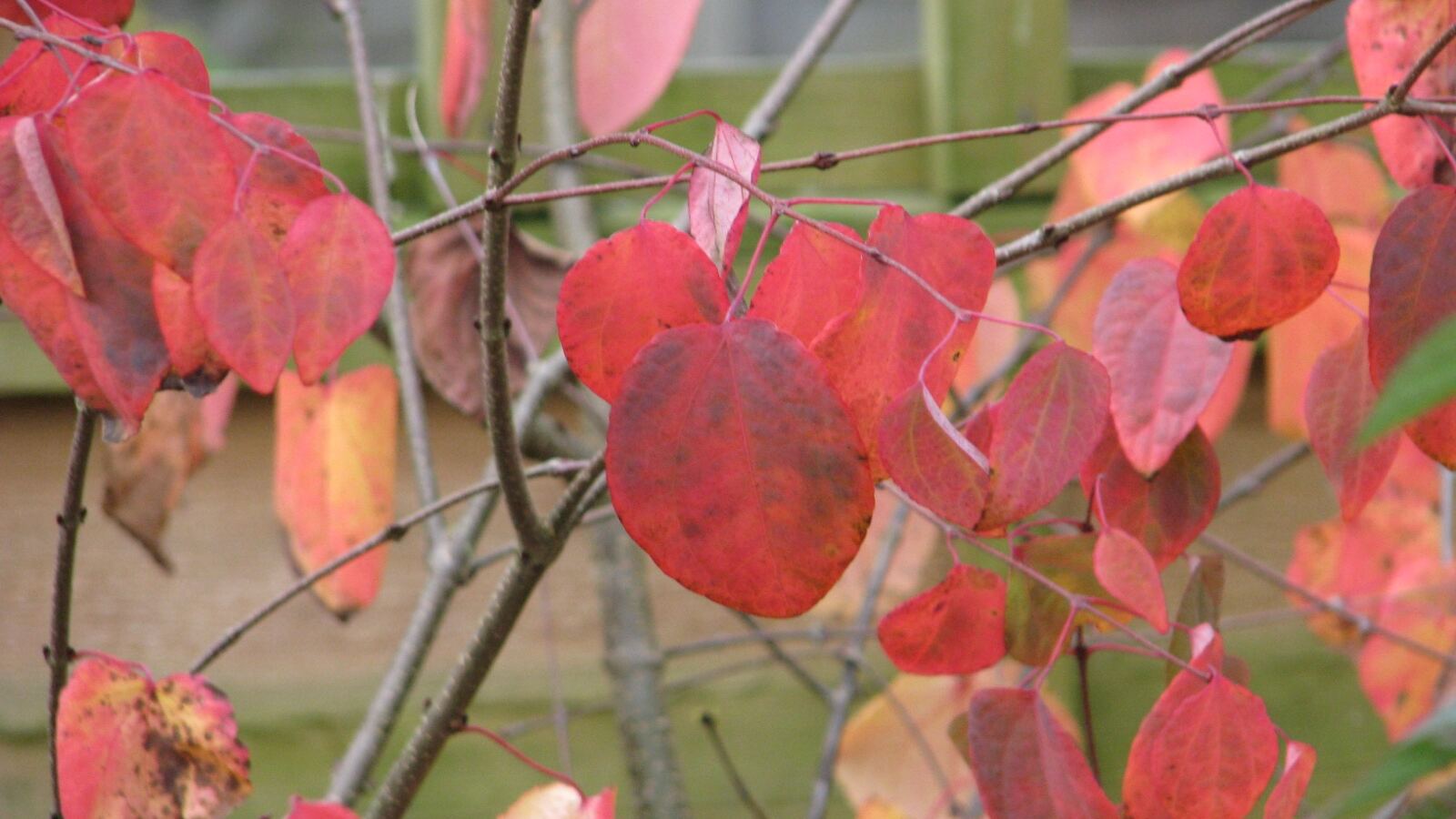 № 246
№ 246Katsura: The Tree That Smells of Burnt Sugar
An elegant Asian tree whose falling autumn leaves release a scent of caramel and candyfloss — plus heart-shaped leaves and a delicate habit.
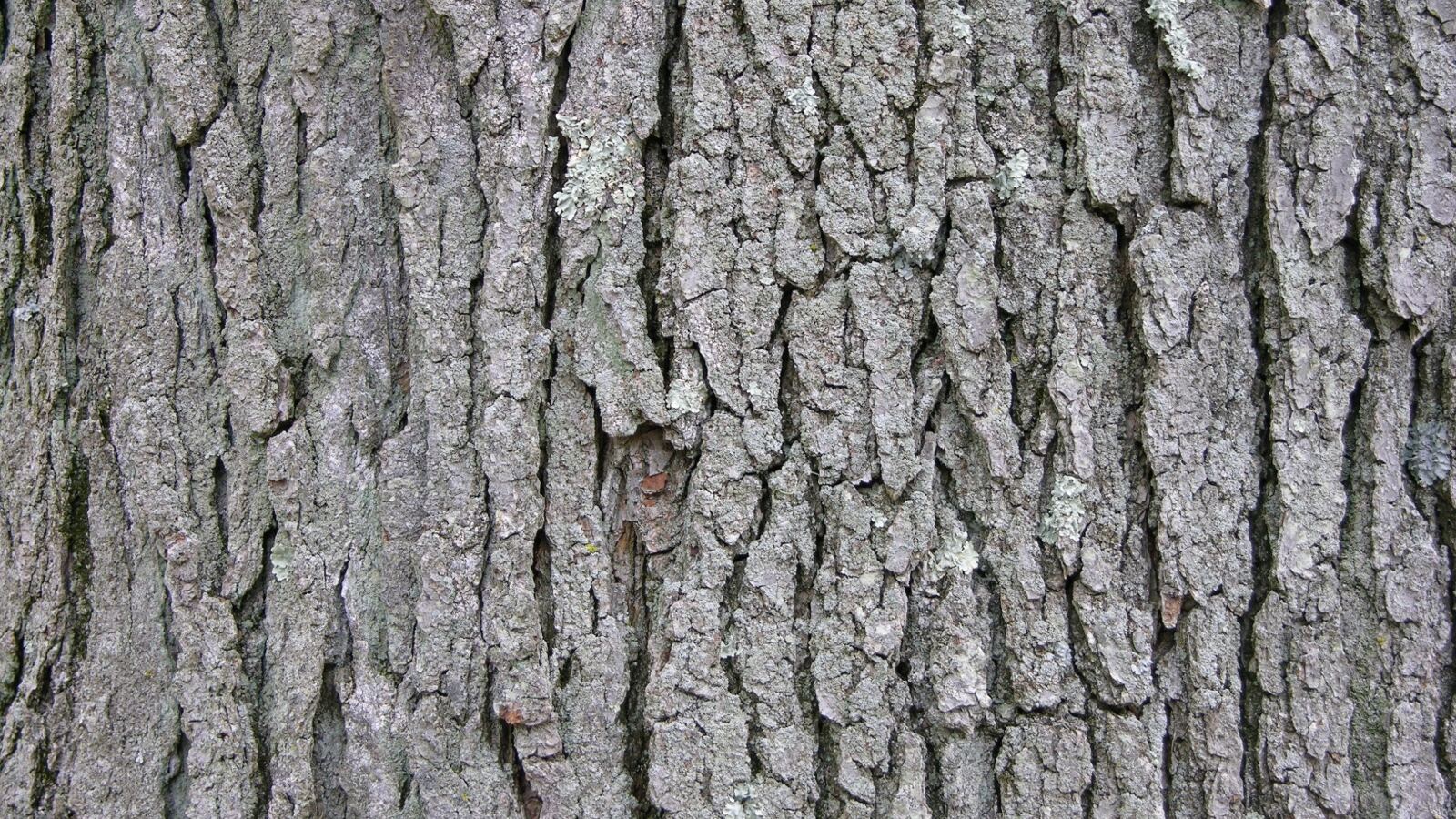 № 249
№ 249Kentucky Coffeetree: Enormous Leaves, Poison Pods, and a Failed Coffee
A rare legume with the largest leaves of any North American tree, seeds that make a bad coffee substitute and a dangerous raw snack, and no living disperser.
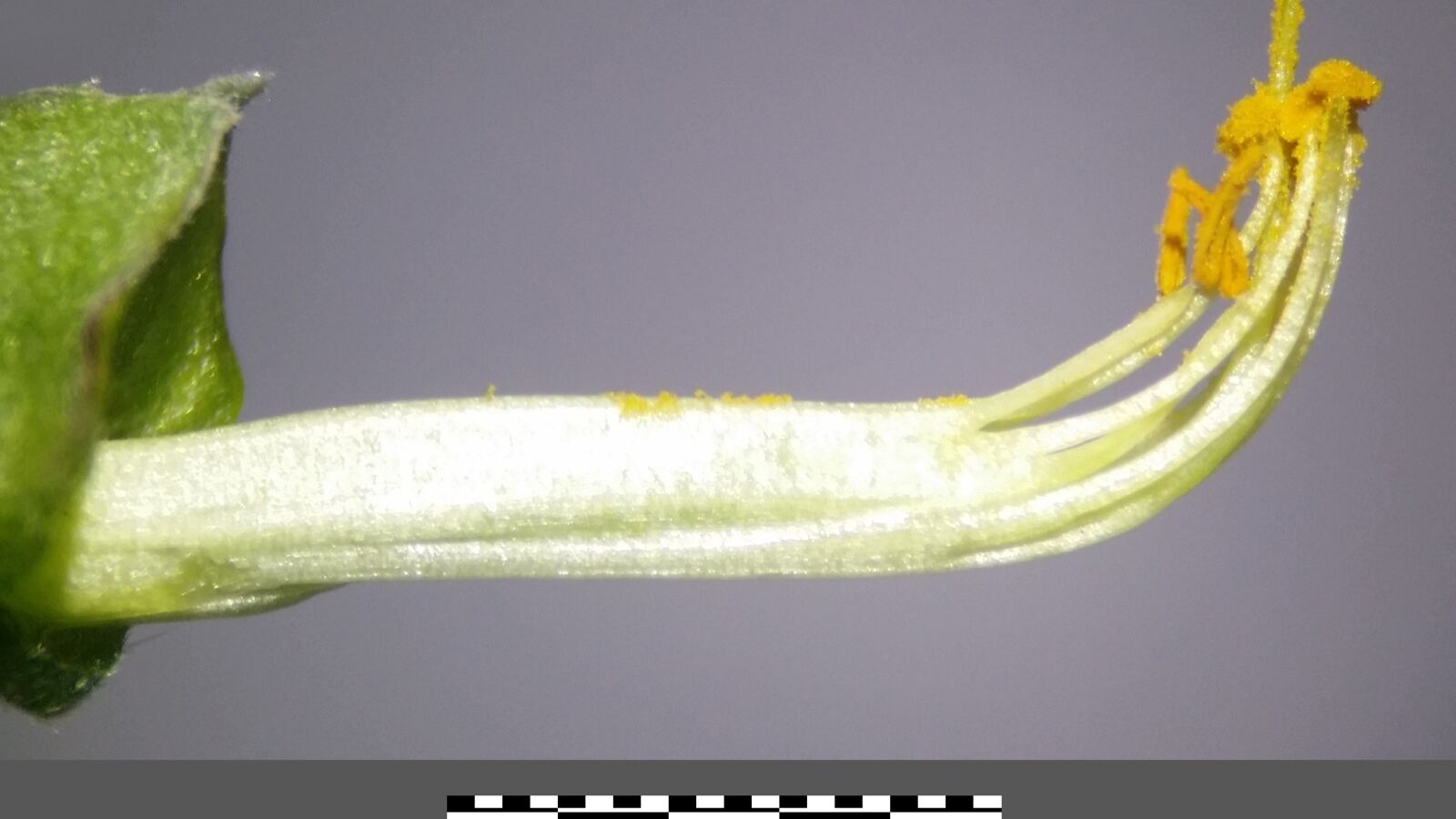 № 255
№ 255Laburnum: Golden Chains and Deadly Seeds
A small tree hung with cascades of yellow flowers in early summer — every part of it poisonous, and its heartwood a substitute for ebony.
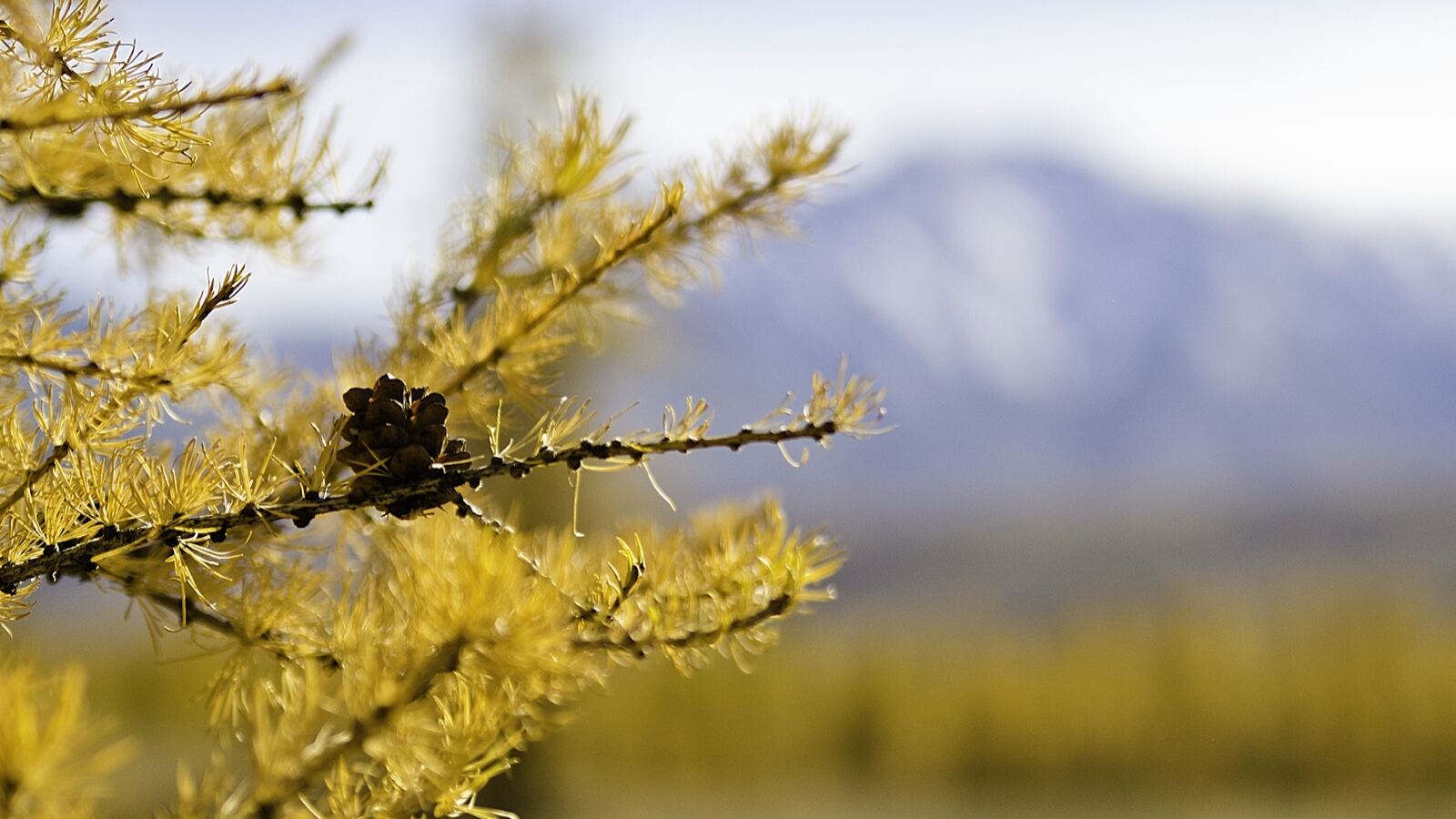 № 259
№ 259Larch: The Conifer That Drops Its Needles
A deciduous conifer with litter that improves soil rather than acidifying it, durable timber, and a Phytophthora epidemic behind it.
 № 264
№ 264Leucaena and Gliricidia: The Fertiliser Trees You Cut Back
Fast nitrogen-fixing trees cut repeatedly for green manure and fodder — plus the mimosine that limits one and the versatility that spread the other.
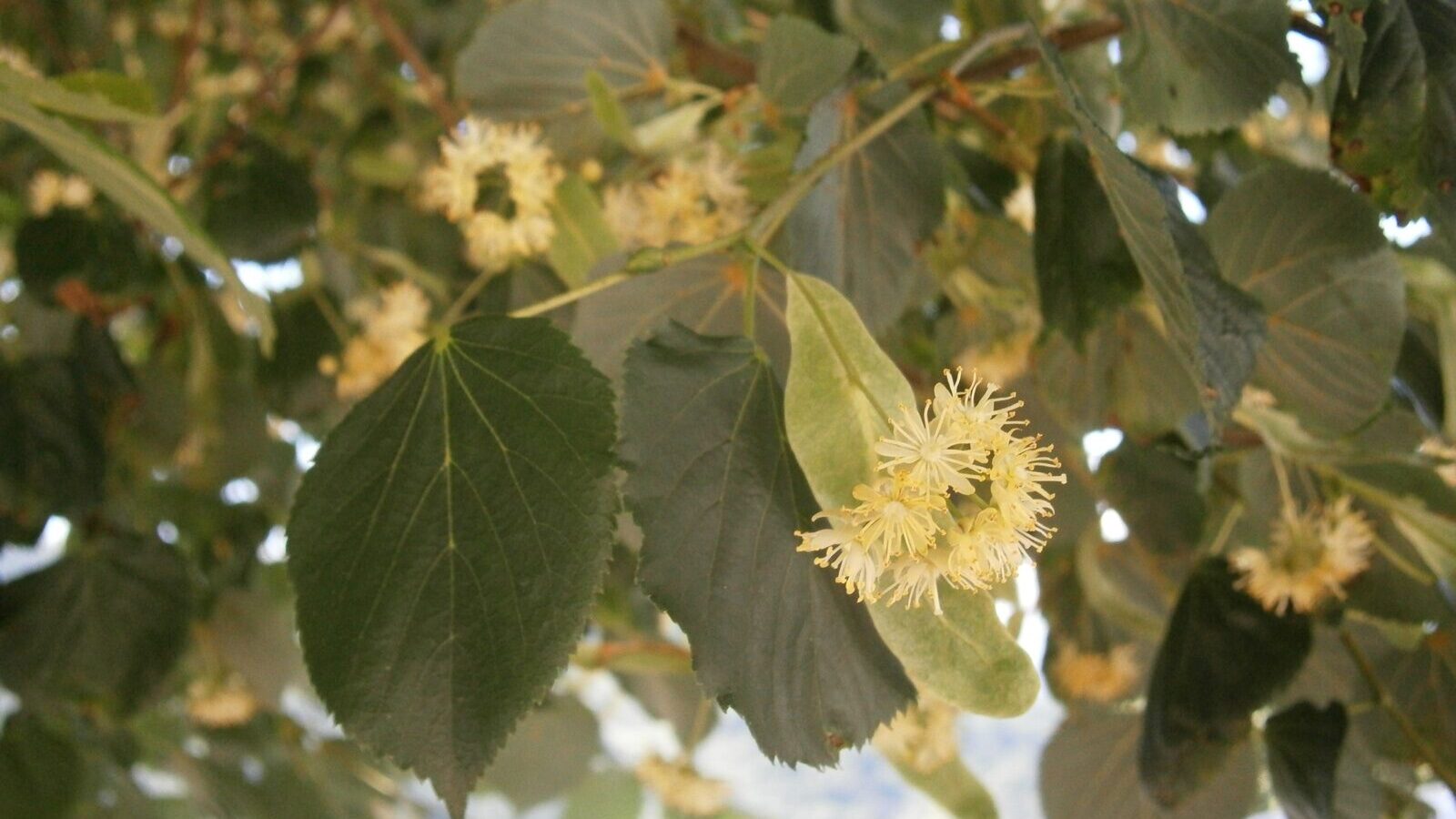 № 269
№ 269Lime and Linden: The Nectar Tree
Tilia — the most productive nectar tree in temperate forest, the coppice stool that outlives everything, and why the honey is worth planting for.
 № 273
№ 273Loquat: The Tree That Flowers in Winter and Fruits in Spring
A handsome subtropical evergreen that runs its whole cycle backwards — fragrant flowers in autumn and winter, ripe fruit before summer — feeding bees when nothing else does.
 № 274
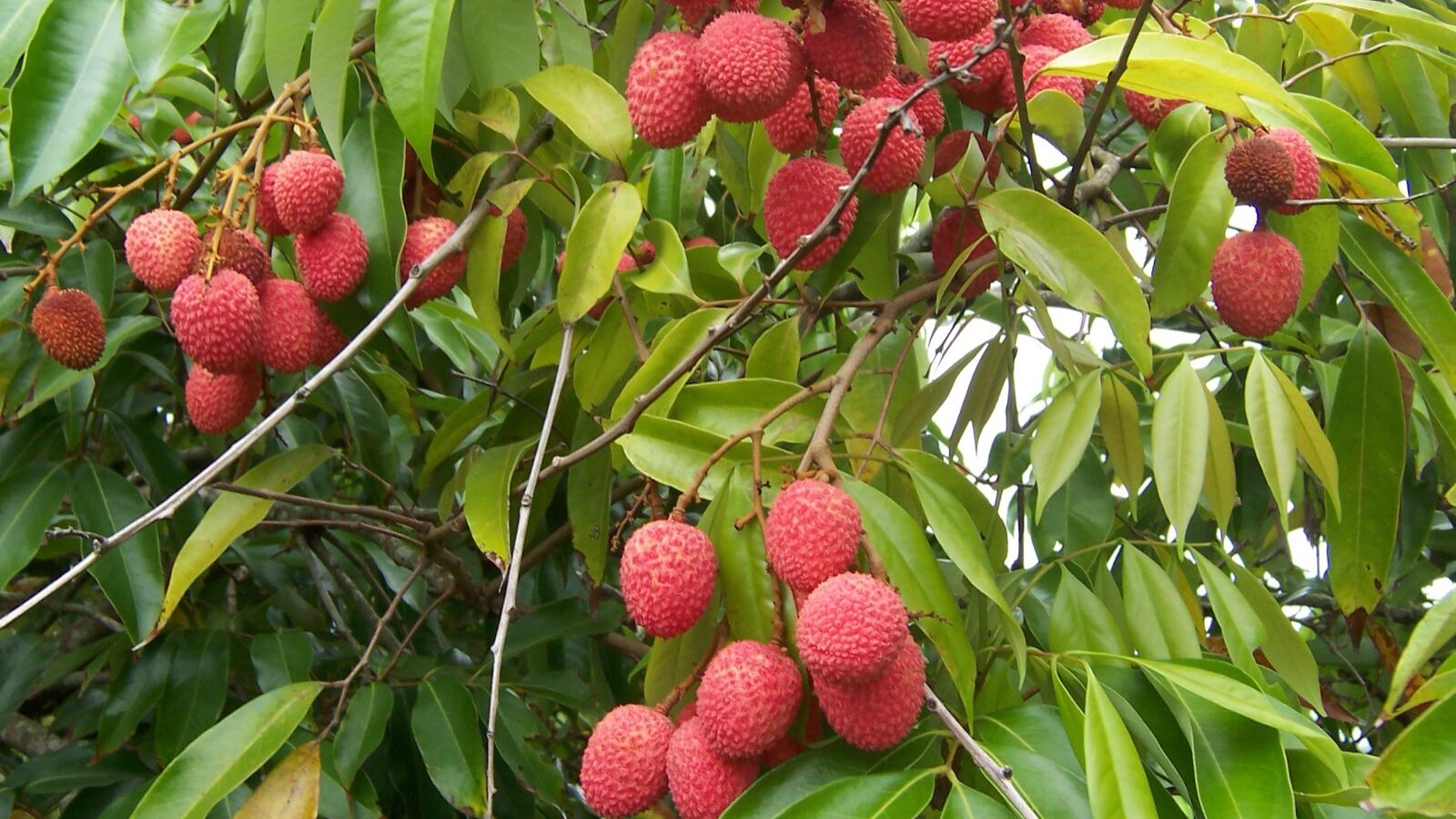
№ 274Lychee and Longan: Jewel-Fruited Trees of the Soapberry Family
Subtropical evergreens bearing translucent aril fruit, kin to the maples, that flower only after a cool dry winter — and one of which carries a genuine poisoning risk.
 № 276
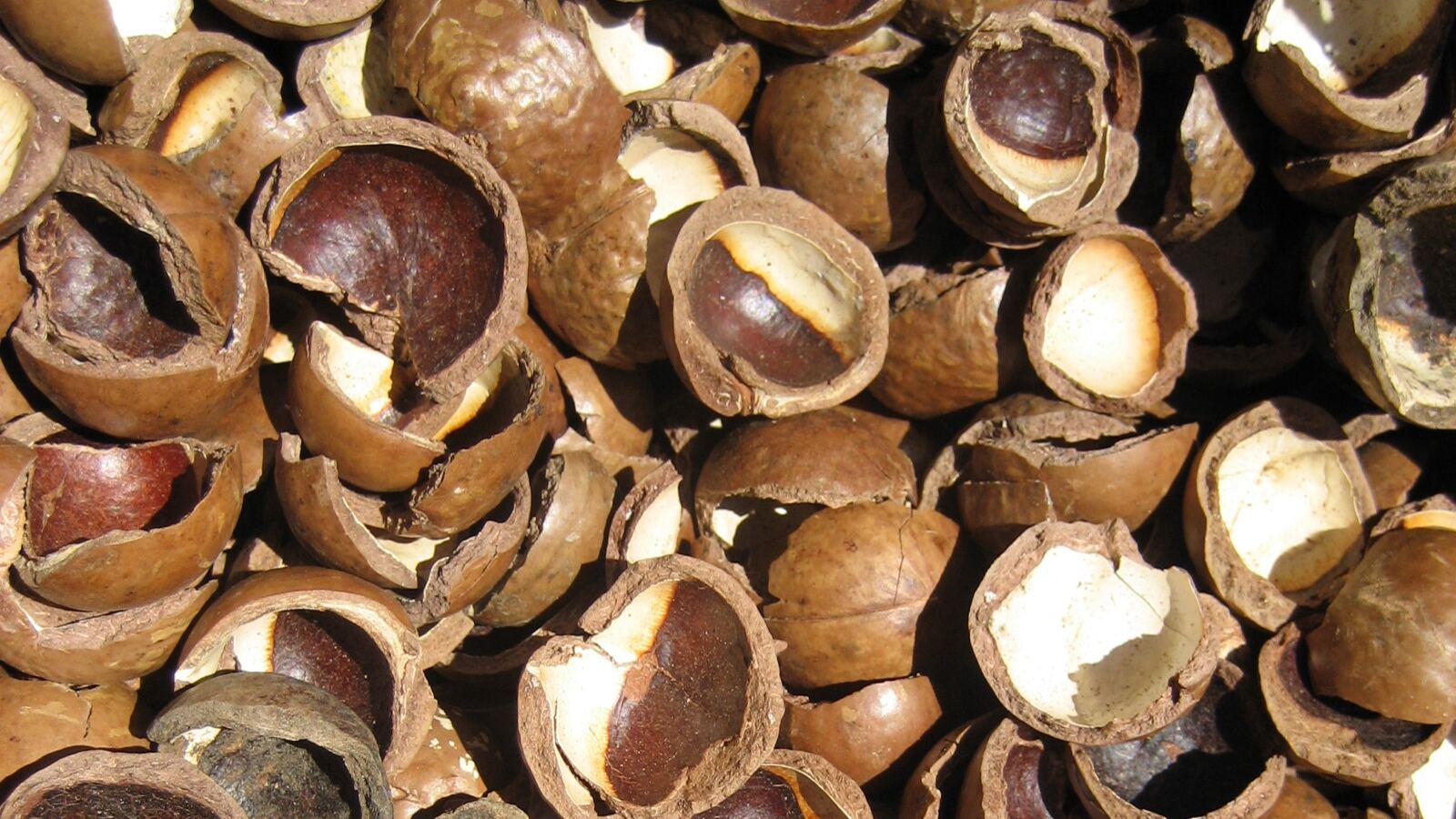
№ 276Macadamia, Cashew and Brazil Nut: The Tropical Nut Trees
An Australian nut with a shell that needs industrial force, a cashew hidden in a caustic shell, and a Brazil nut that cannot be farmed at all.
 № 277
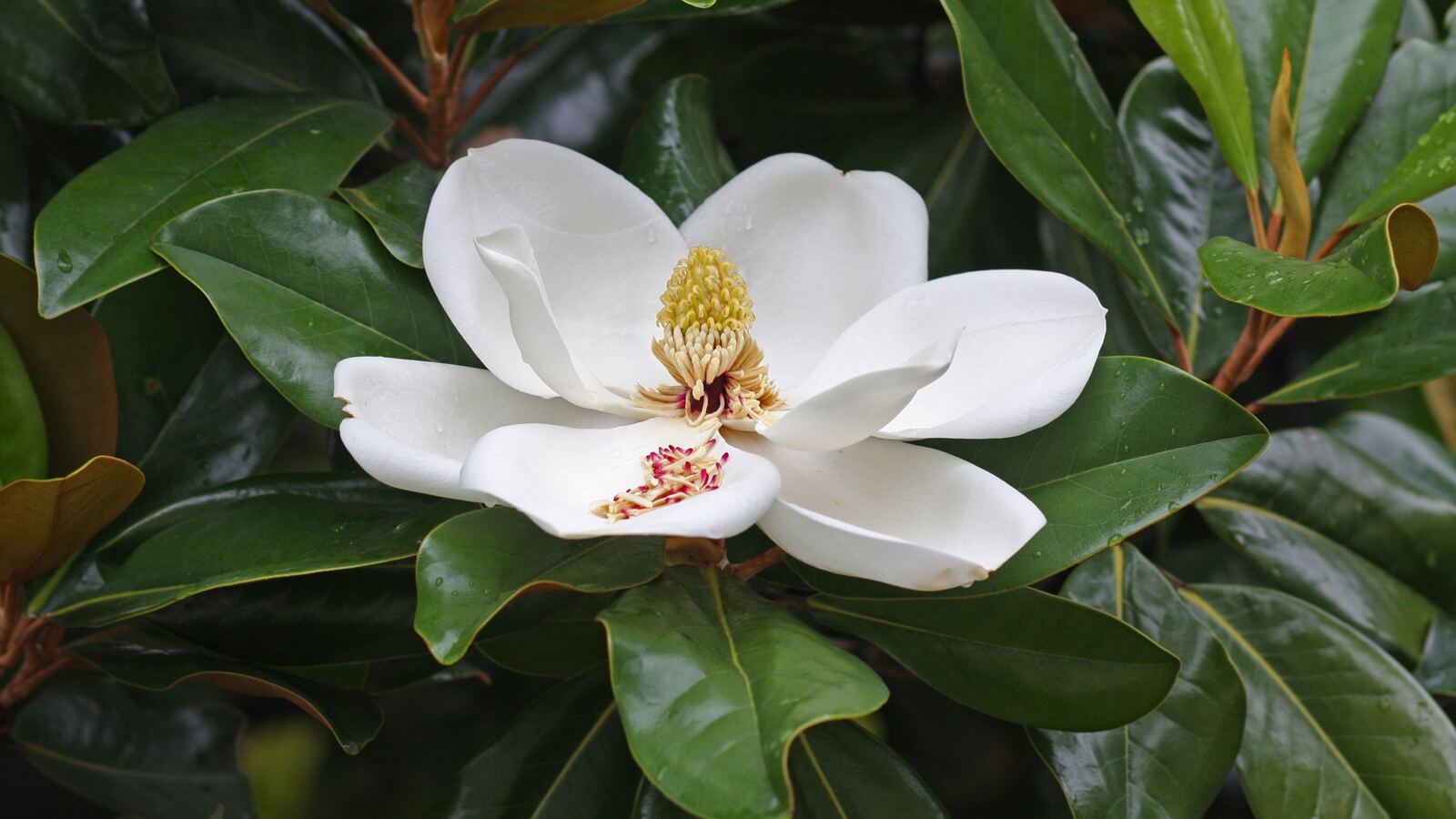
№ 277Magnolias: Flowers Older Than Bees
Beetle-pollinated flowers with tough tepals, evolved before bees existed — plus the fleshy roots that make them hard to move.
 № 278
№ 278Mahogany: The Furniture Wood a Single Moth Keeps Wild
The rich red timber that defined fine furniture — logged toward scarcity, listed on CITES, and impossible to grow in plantations because a small caterpillar destroys every seedling.
 № 280
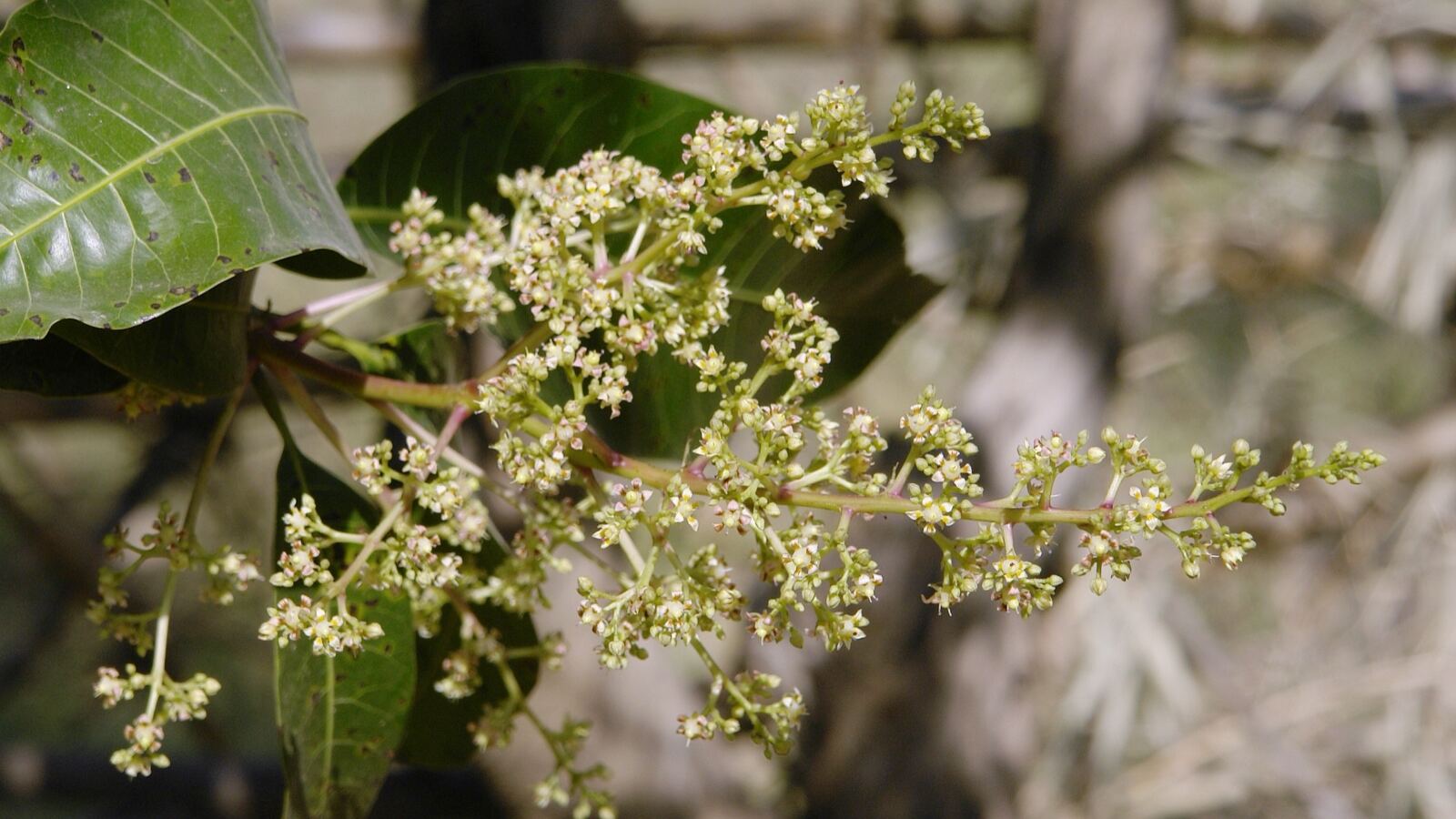
№ 280Mango: The King of Tropical Fruit and a Tree of a Thousand Kinds
The most important fruit of the tropics after banana — a huge long-lived evergreen with thousands of named varieties, a poison-ivy cousin, and a deep cultural place.
 № 283
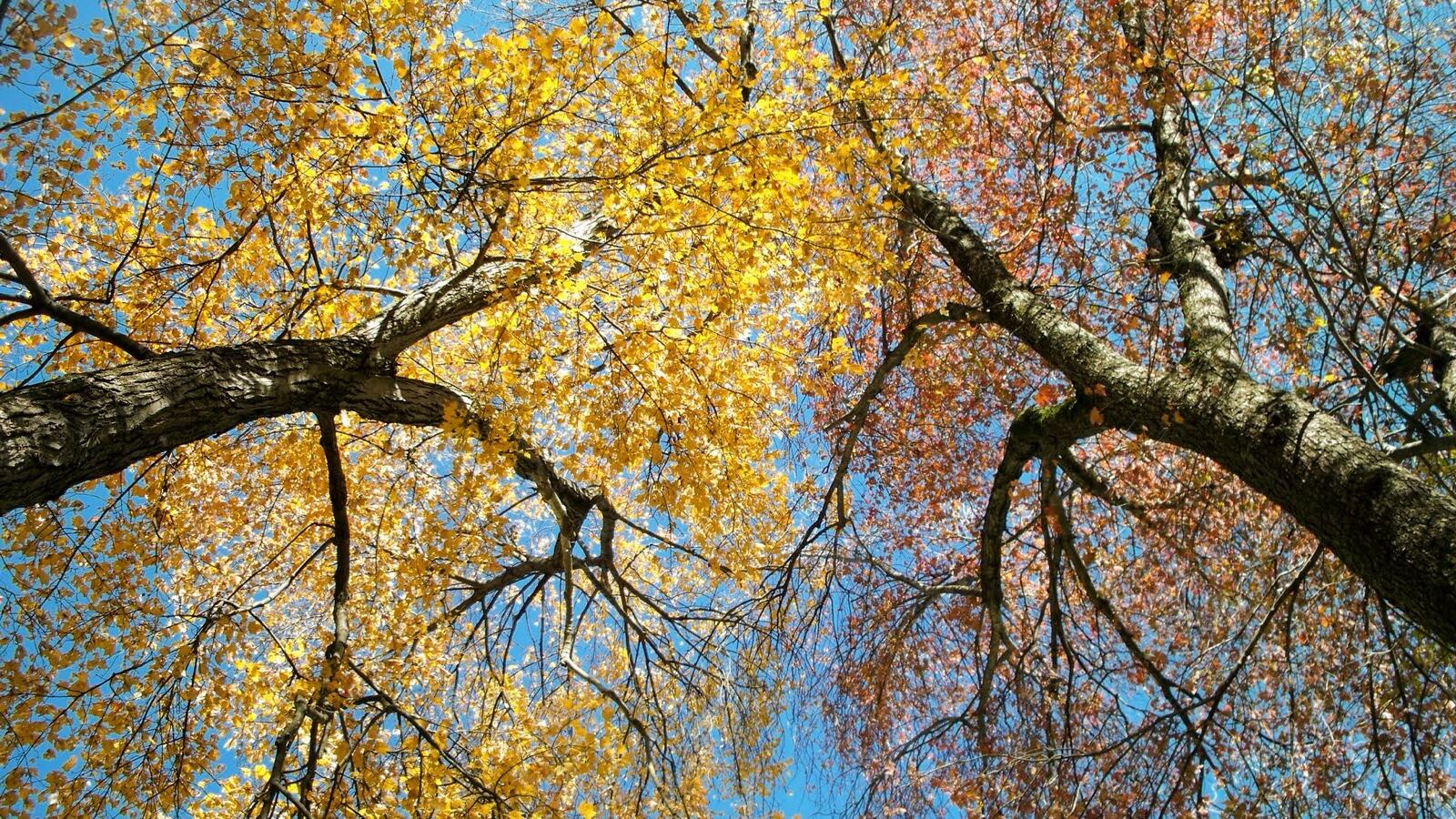
№ 283Maples: Sap, Shade, and Autumn Colour
The Acer genus from sugar maple to sycamore — tapping for syrup, why some are invasive elsewhere, and where each fits in a planting.
 № 288
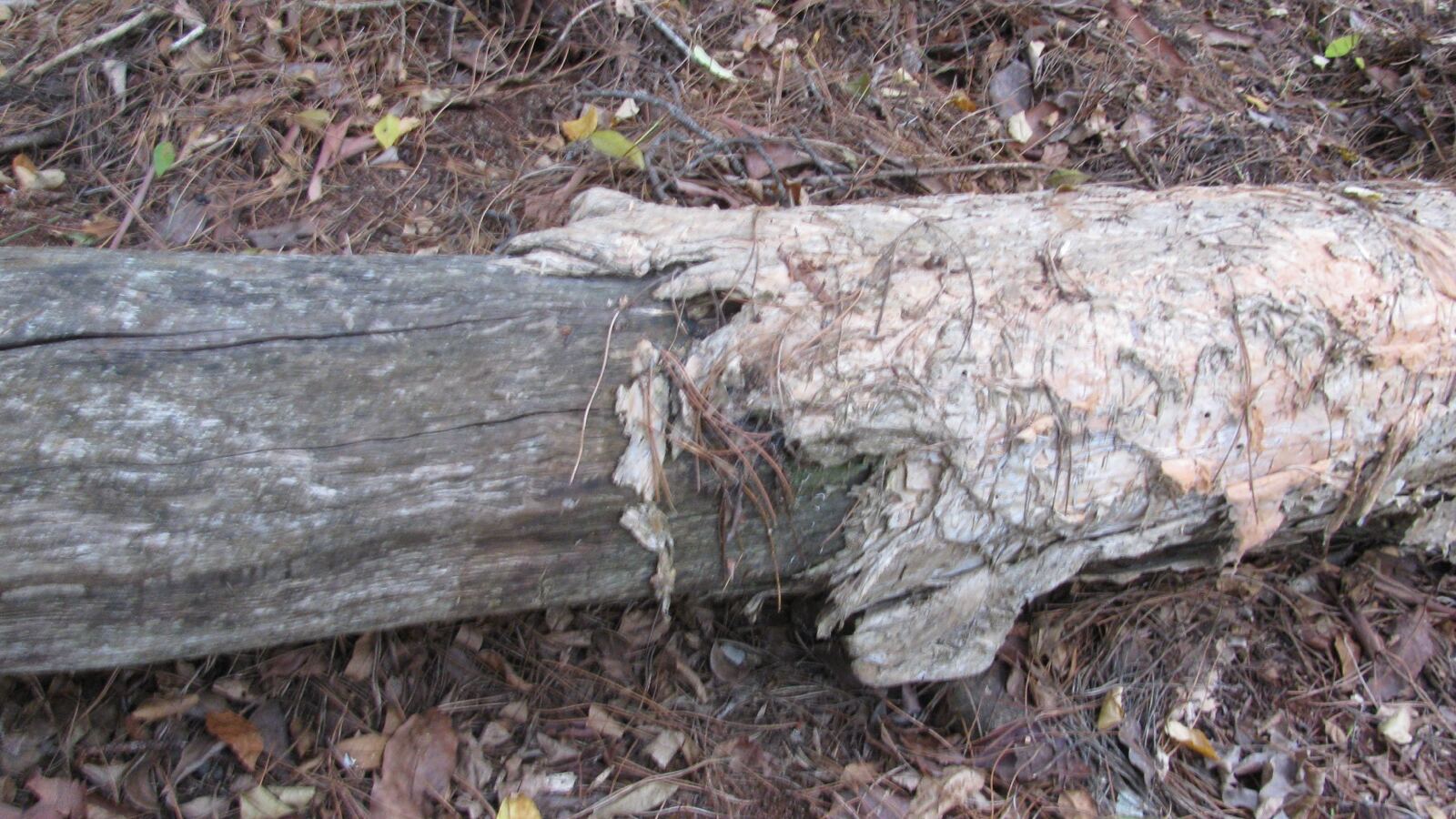
№ 288Melaleuca and Tea Tree: Paperbark, Healing Oil, and a Swamp-Draining Invader
Australian myrtles with peeling paper bark and antiseptic oil — the source of tea tree oil, tough survivors of fire and flood, and the tree that tried to drink the Everglades dry.
 № 290
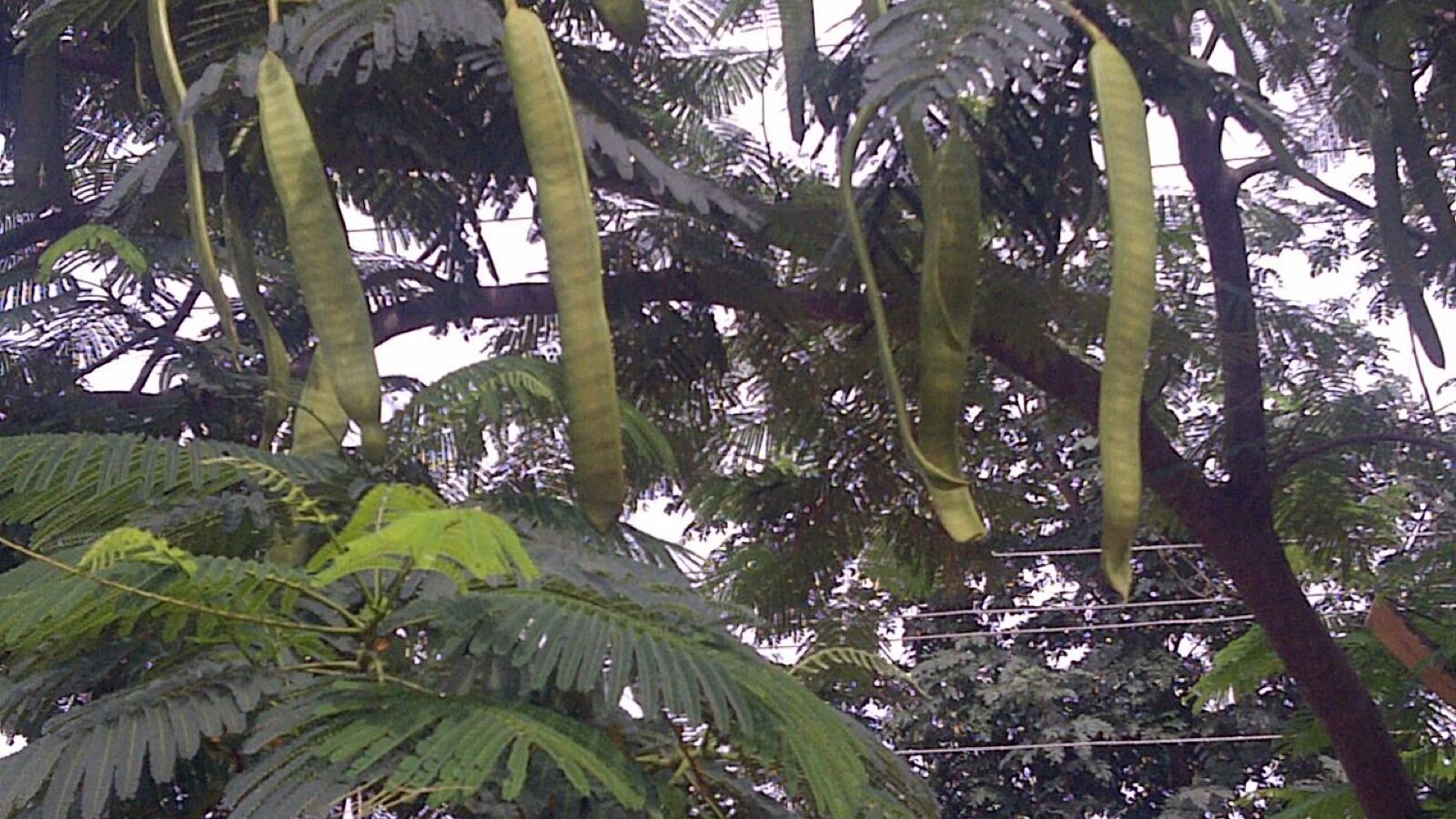
№ 290Mesquite: The Deep-Rooted Legume That Feeds and Invades Drylands
A thorny desert legume that fixes nitrogen, taps water metres down, feeds people and livestock with sugary pods — and has become one of the world's worst dryland invaders.
 № 299
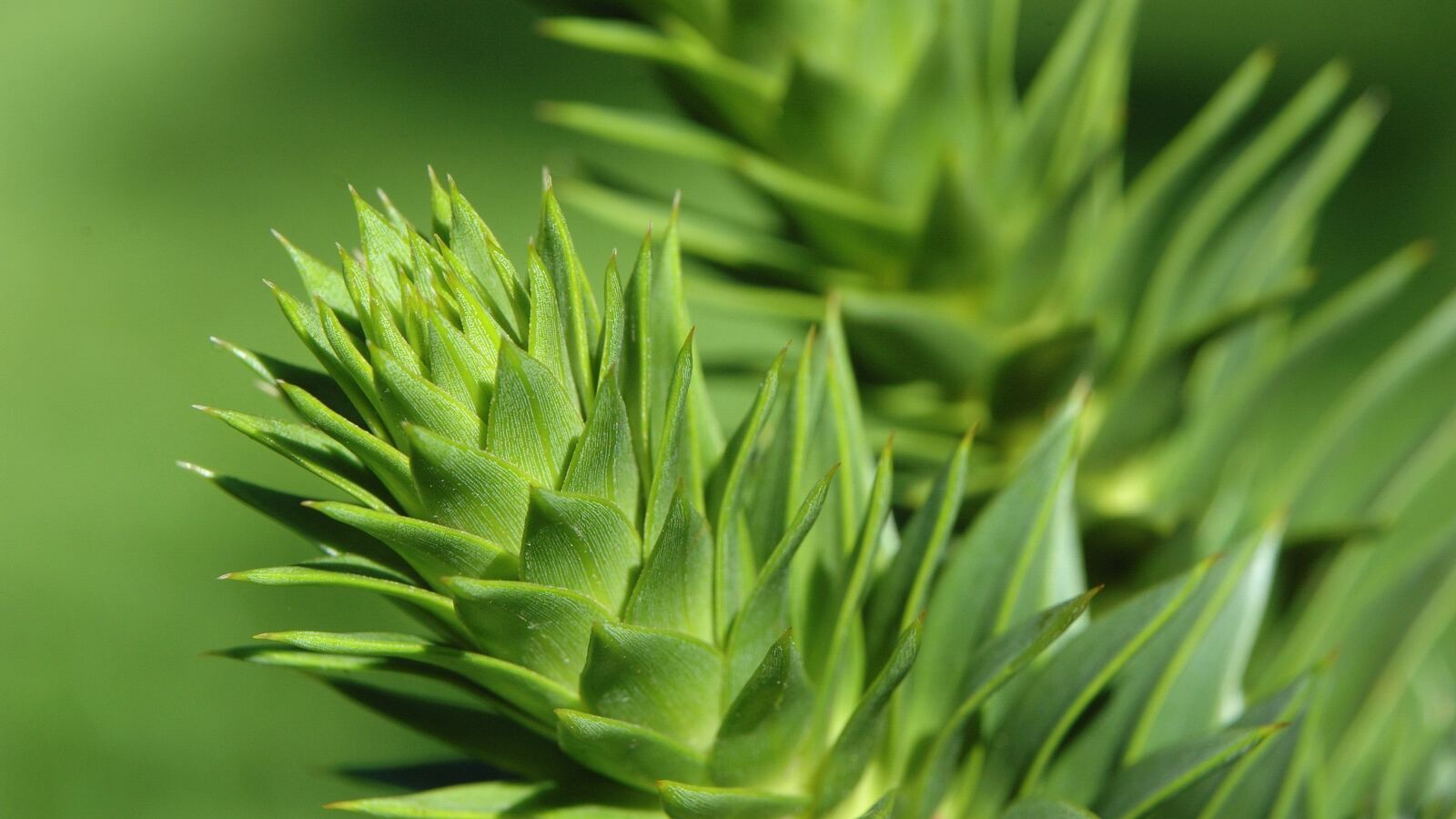
№ 299Monkey Puzzle: A Living Fossil With an Edible Crop
Araucaria — armoured leaves that outlasted the dinosaurs, a staple nut crop in Chile, and an endangered tree planted in suburban gardens.
 № 302
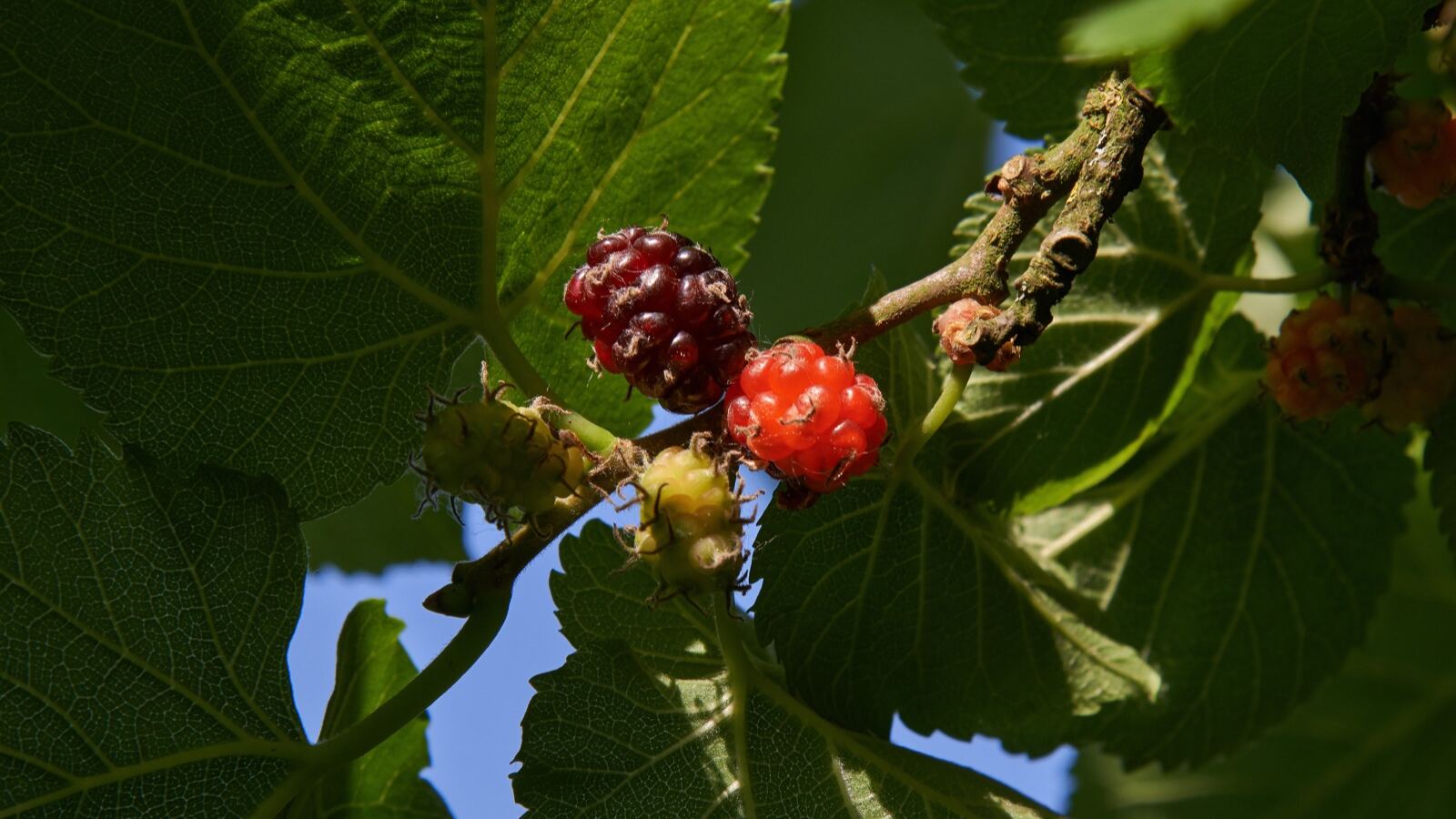
№ 302Mulberry: Silk, Stained Pavements, and a Fruit You Cannot Buy
Black, white and red mulberries — the tree that carried the silk industry, and a fruit too fragile to ever reach a shop.
 № 312
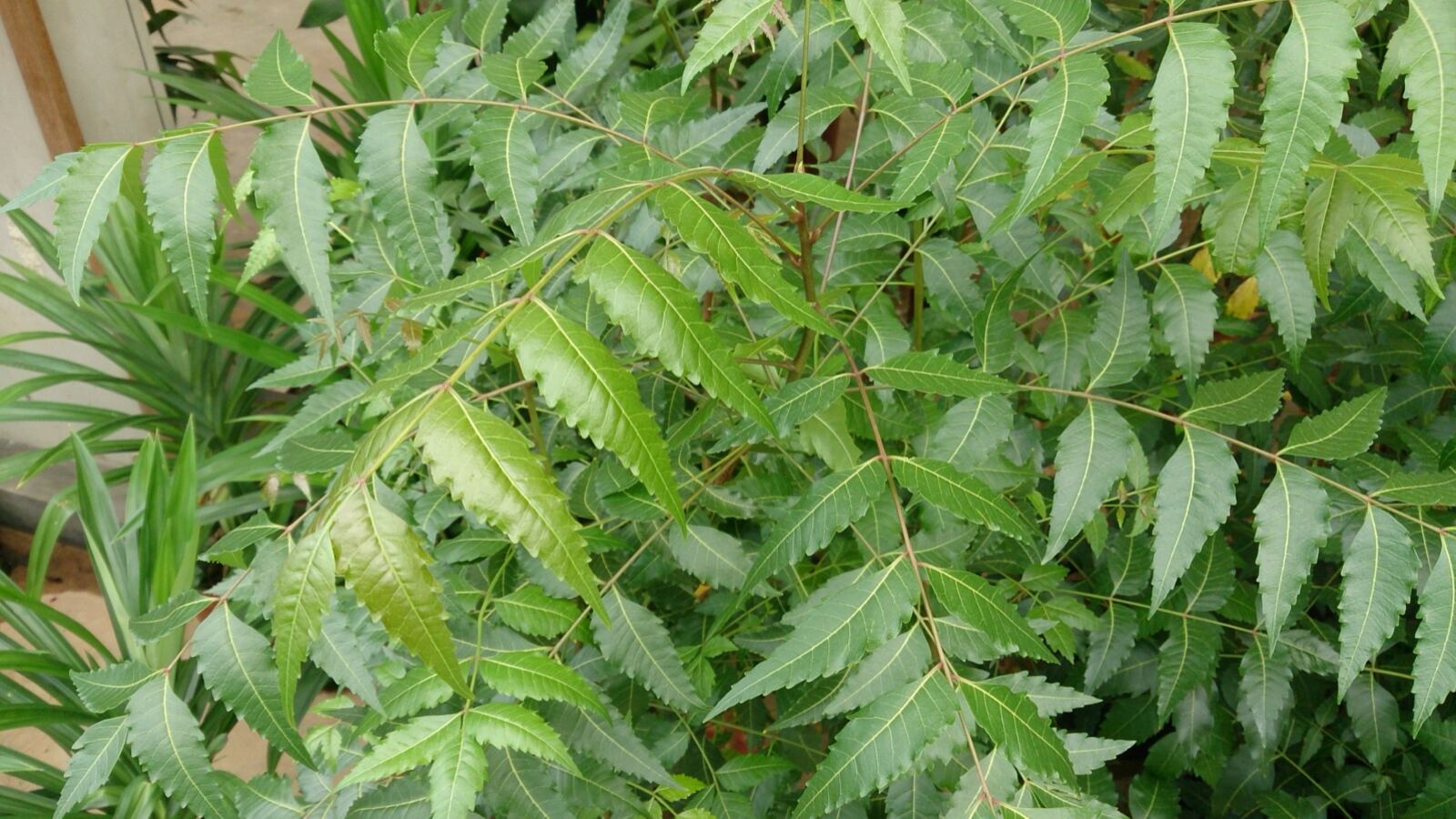
№ 312Neem: The Village Pharmacy Tree
A dryland tree whose seed oil is the most widely used botanical insecticide there is — plus the biopiracy case that reshaped patent law.
 № 327
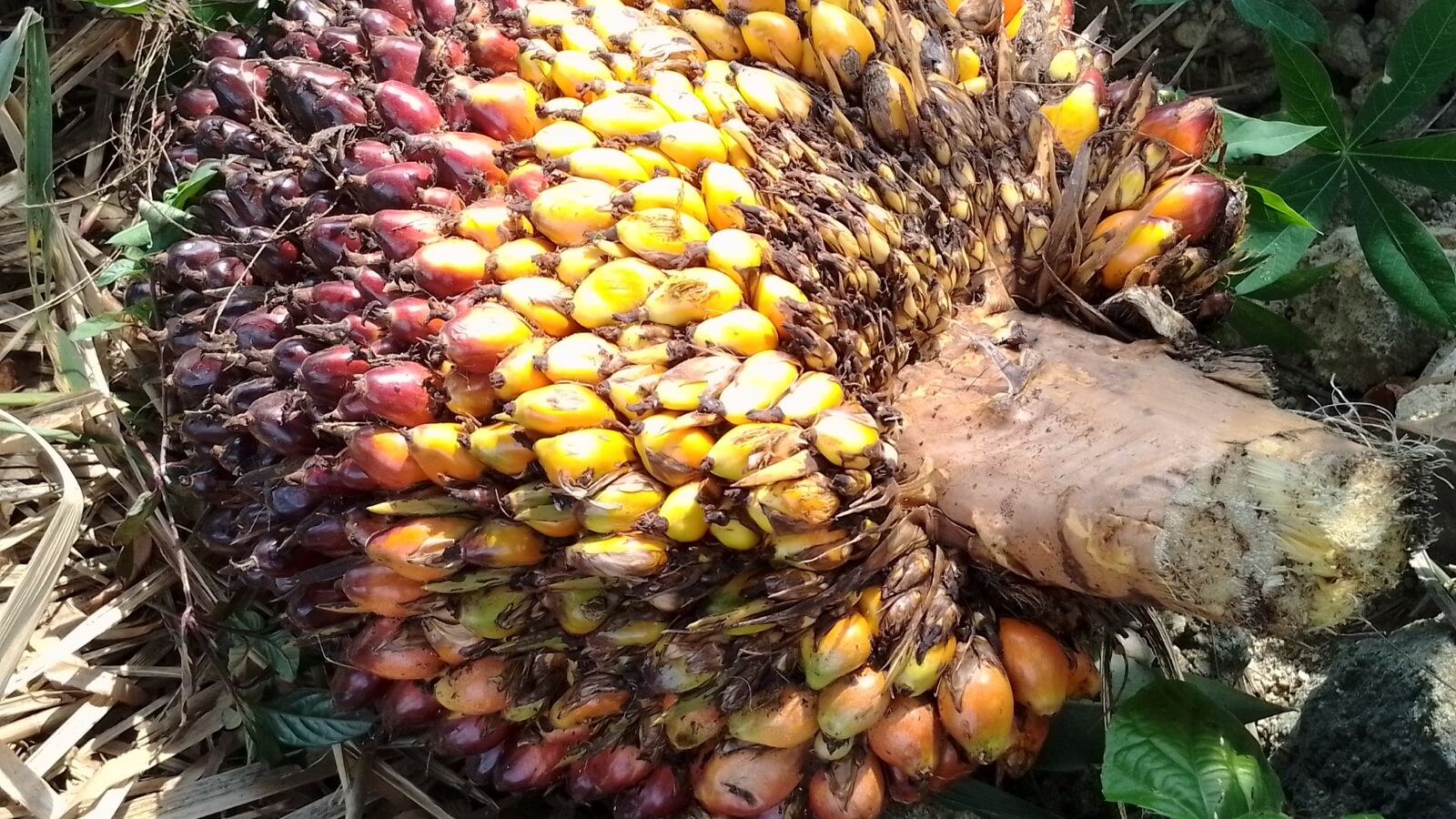
№ 327Oil Palm: The Highest-Yielding Oil Crop and the Deforestation It Drives
A palm that produces more oil per hectare than any alternative — which is exactly why it has cleared so much rainforest, and why the alternatives are worse.
 № 328
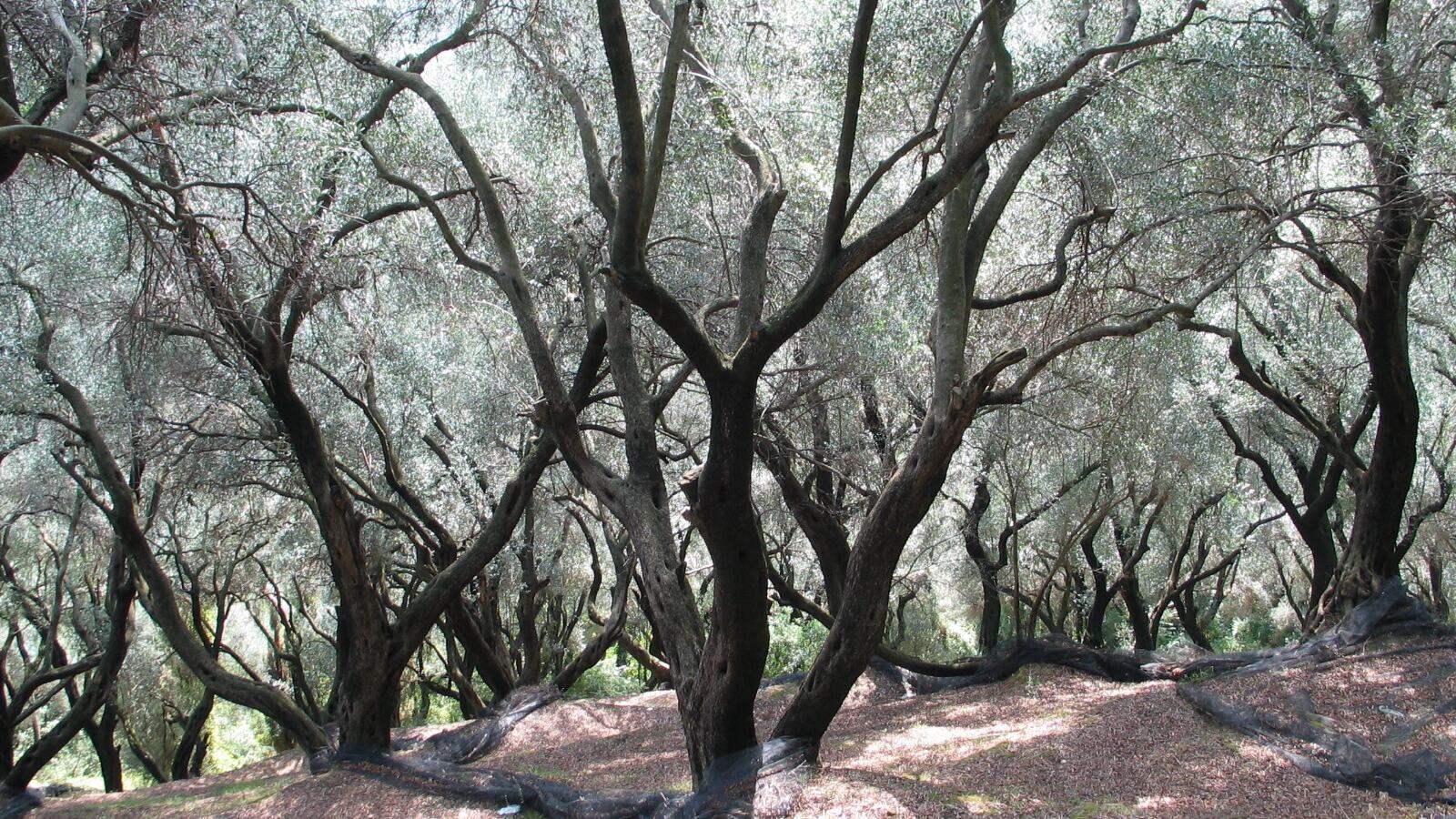
№ 328Olive: The Tree That Refuses to Die
Millennia-old trees, alternate bearing, and the bacterium killing ancient groves — plus why olives need processing before anyone can eat them.
 № 334
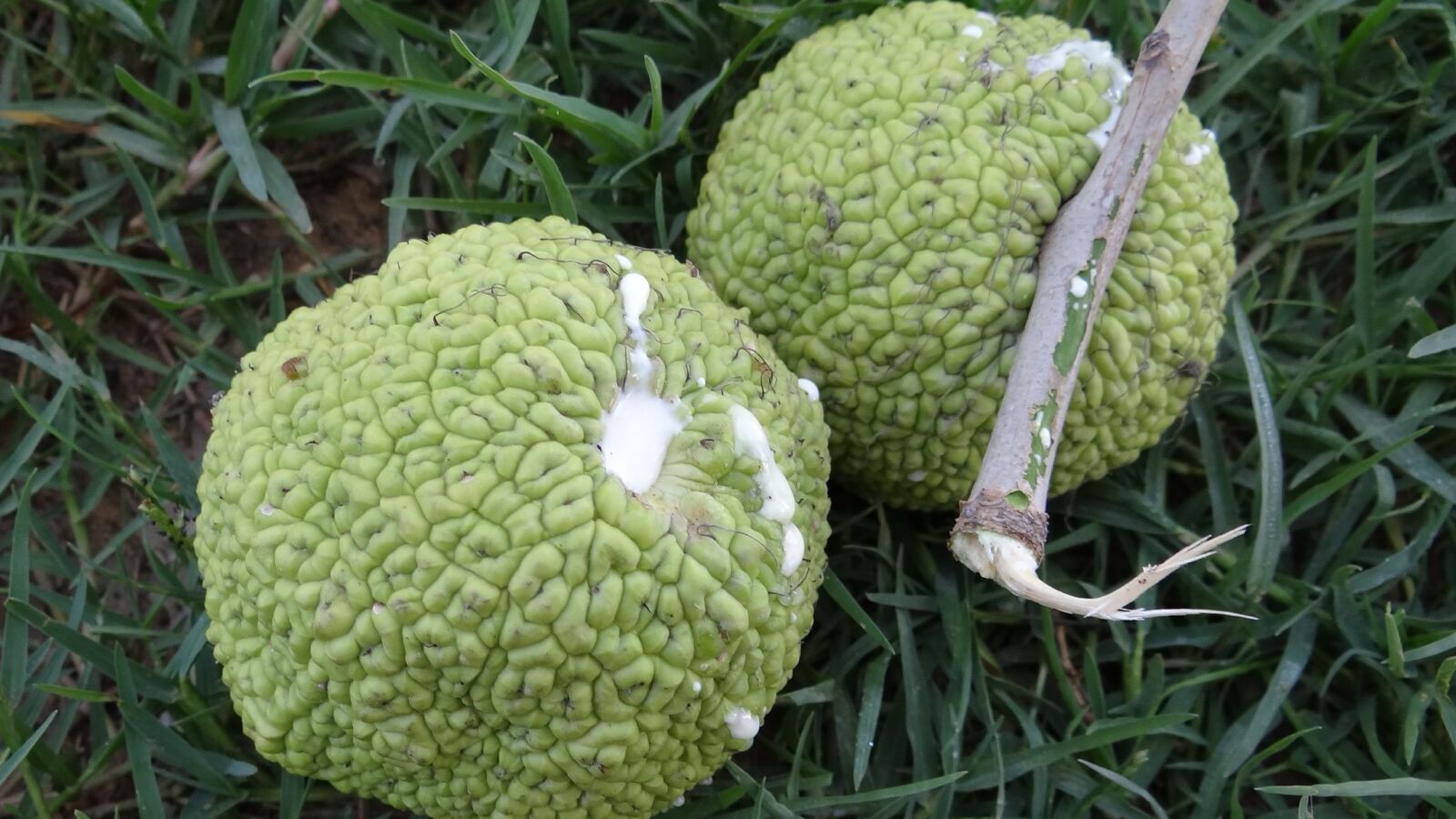
№ 334Osage Orange: The Hedge That Fenced the Prairie
A thorny tree whose living hedges enclosed the American plains before barbed wire, whose wood makes the finest bows, and whose giant fruit no living animal eats.
 № 340
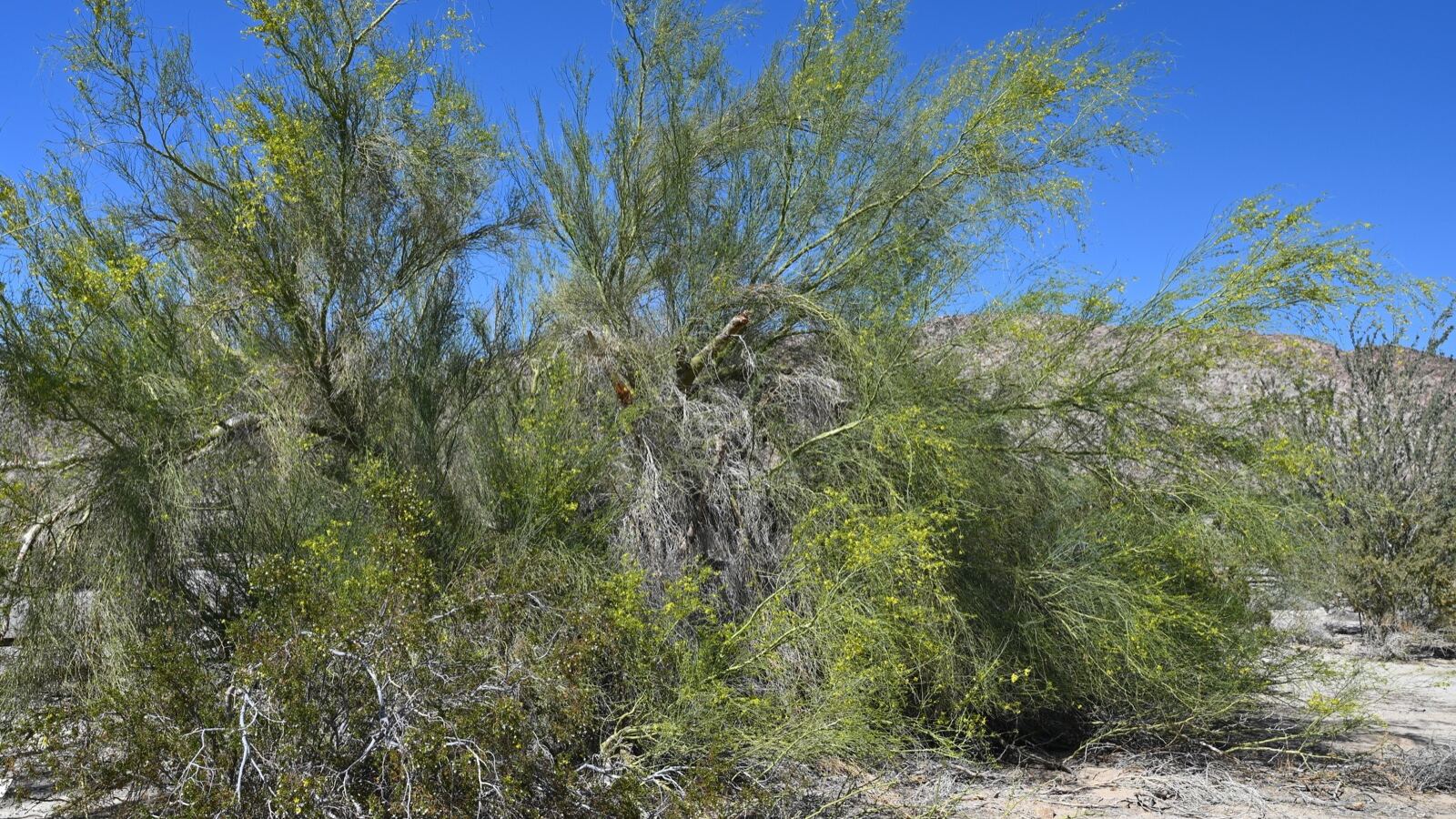
№ 340Palo Verde: The Green-Barked Tree That Photosynthesises Its Trunk
A desert legume that drops its leaves to save water and runs photosynthesis in its green bark instead — and quietly nurses the giant saguaro cactus to life in its shade.
 № 344
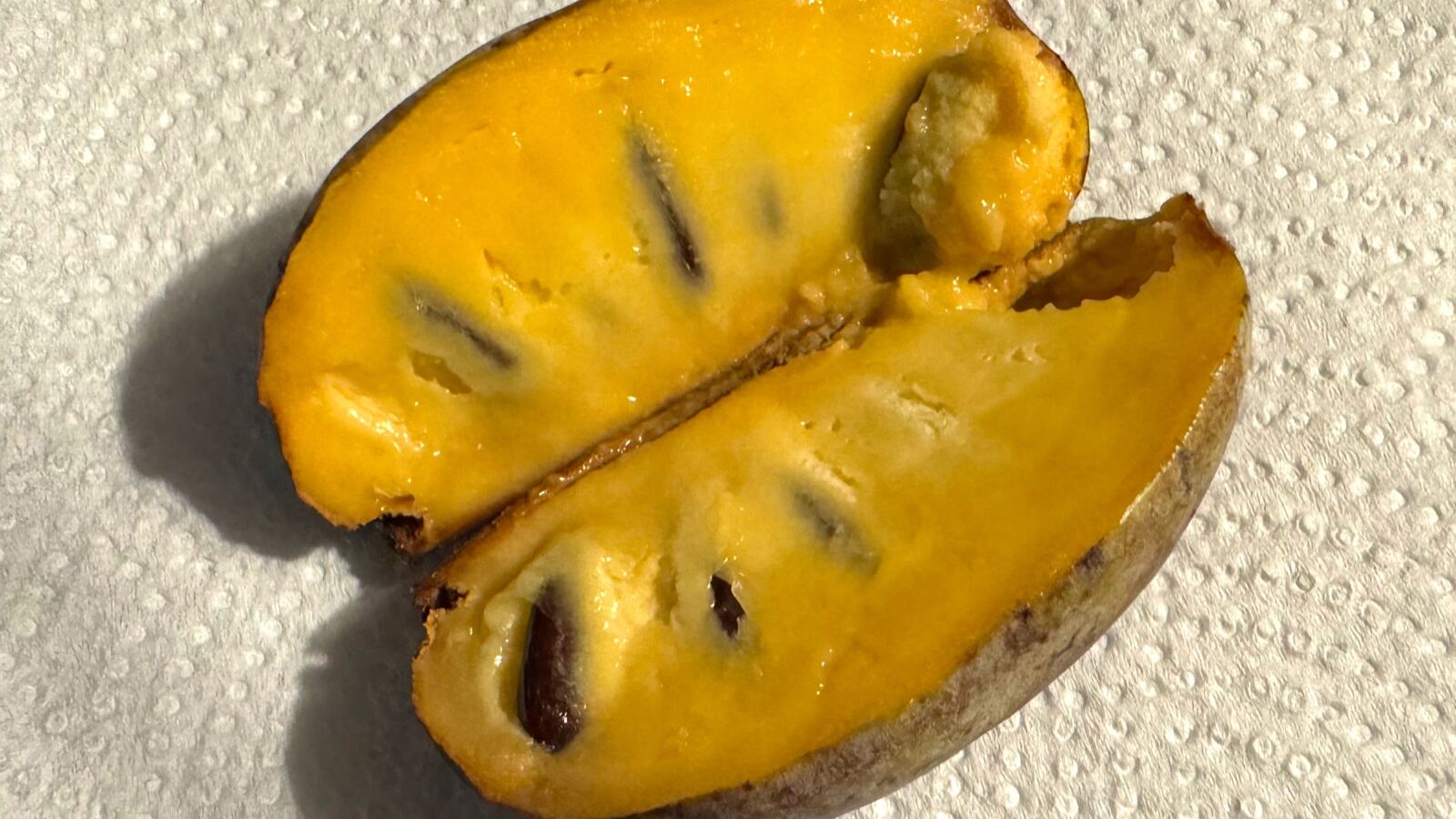
№ 344Pawpaw and Persimmon: North America's Forgotten Fruit
A tropical-tasting custard fruit dispersed by extinct megafauna, and an astringent persimmon that only ripens after frost.
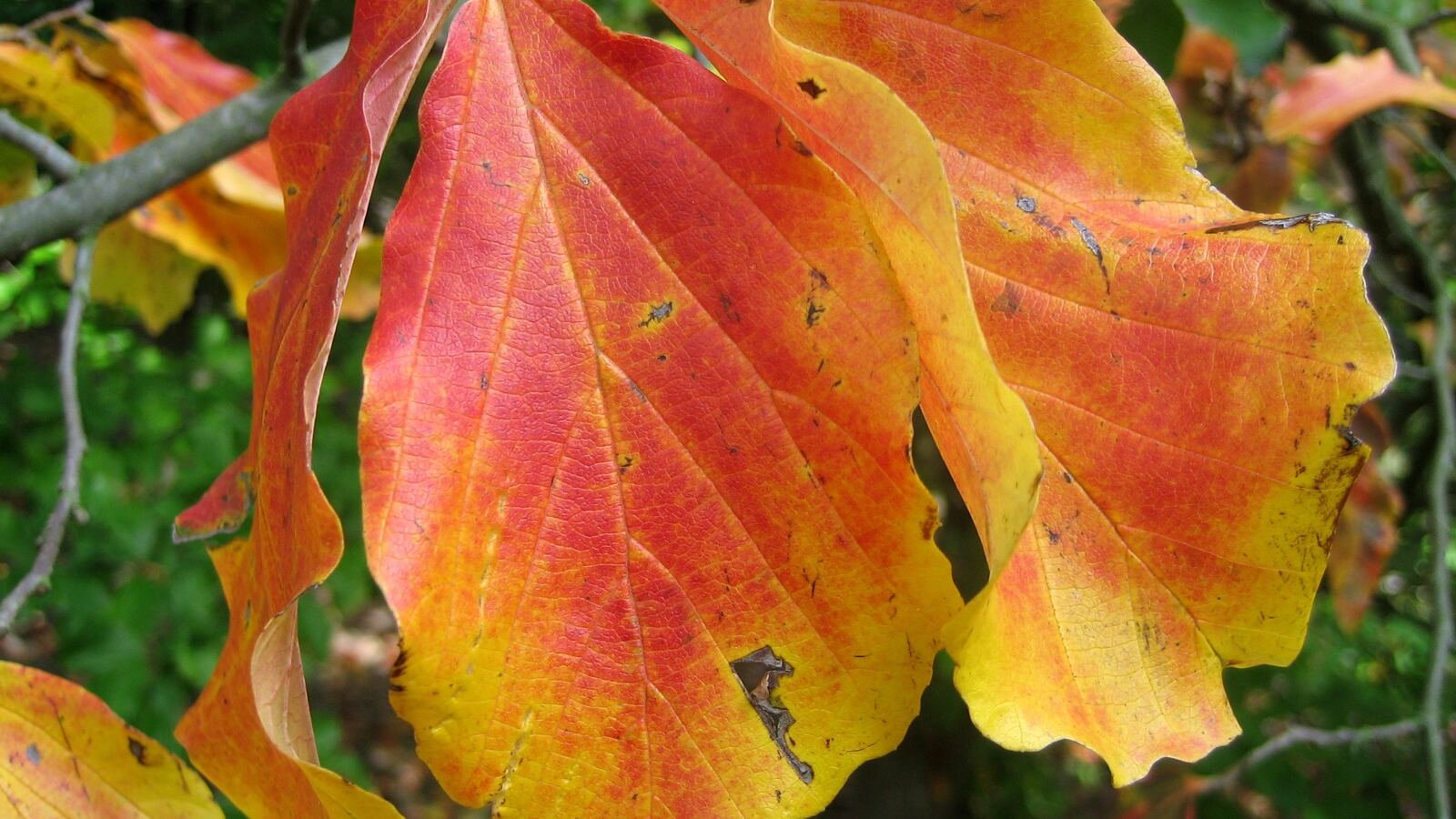 № 353
№ 353Persian Ironwood: Camouflage Bark and Fiery Autumn
A witch-hazel relative from the Caspian forests with flaking patchwork bark, some of the finest autumn colour of any tree, and a tolerance of almost anything.
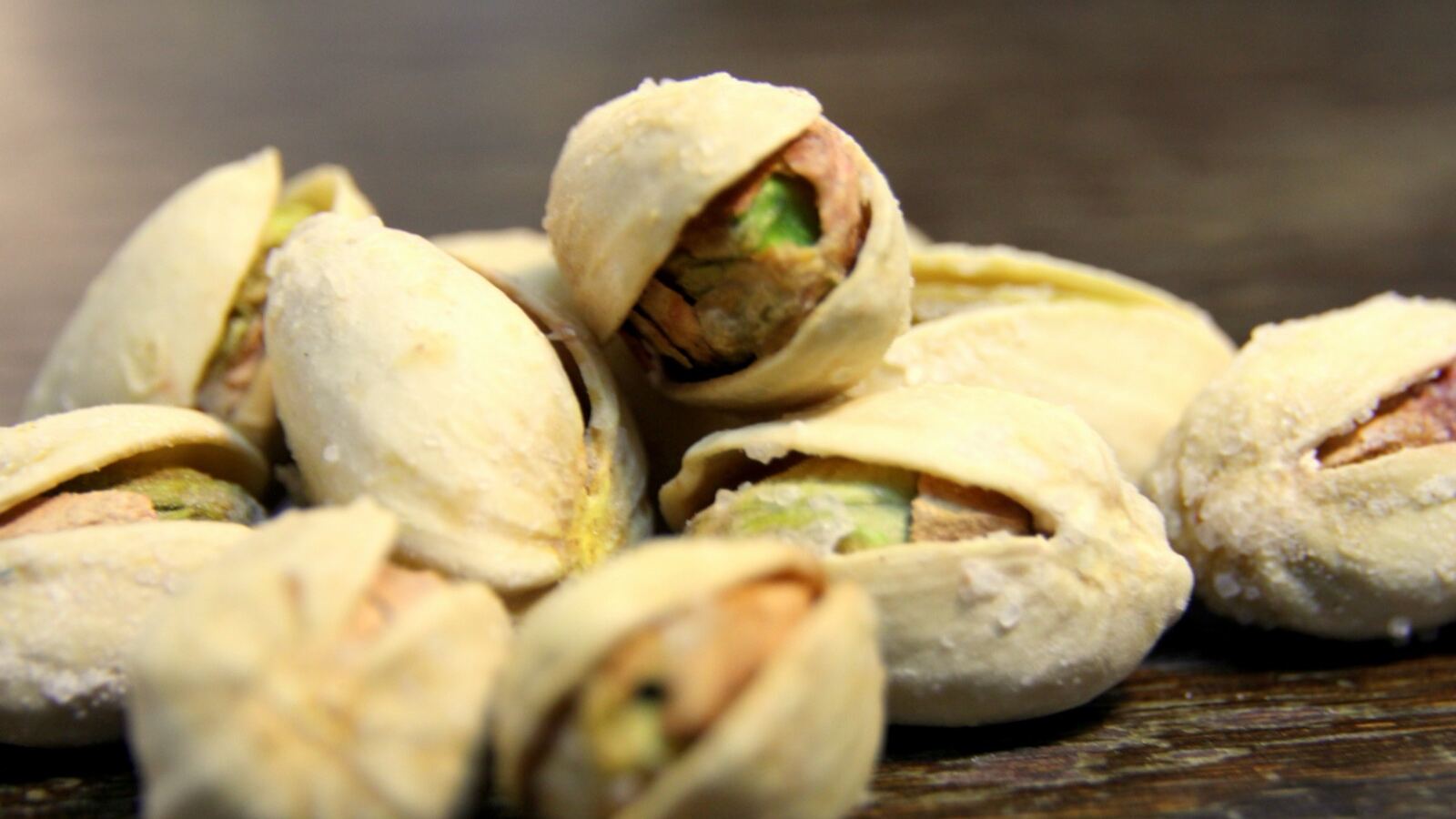 № 358
№ 358Pistachio: The Desert Nut That Splits Its Own Shell
A dryland nut tree that tolerates heat and salt, needs cold winters and both sexes, and crops heavily only every other year.
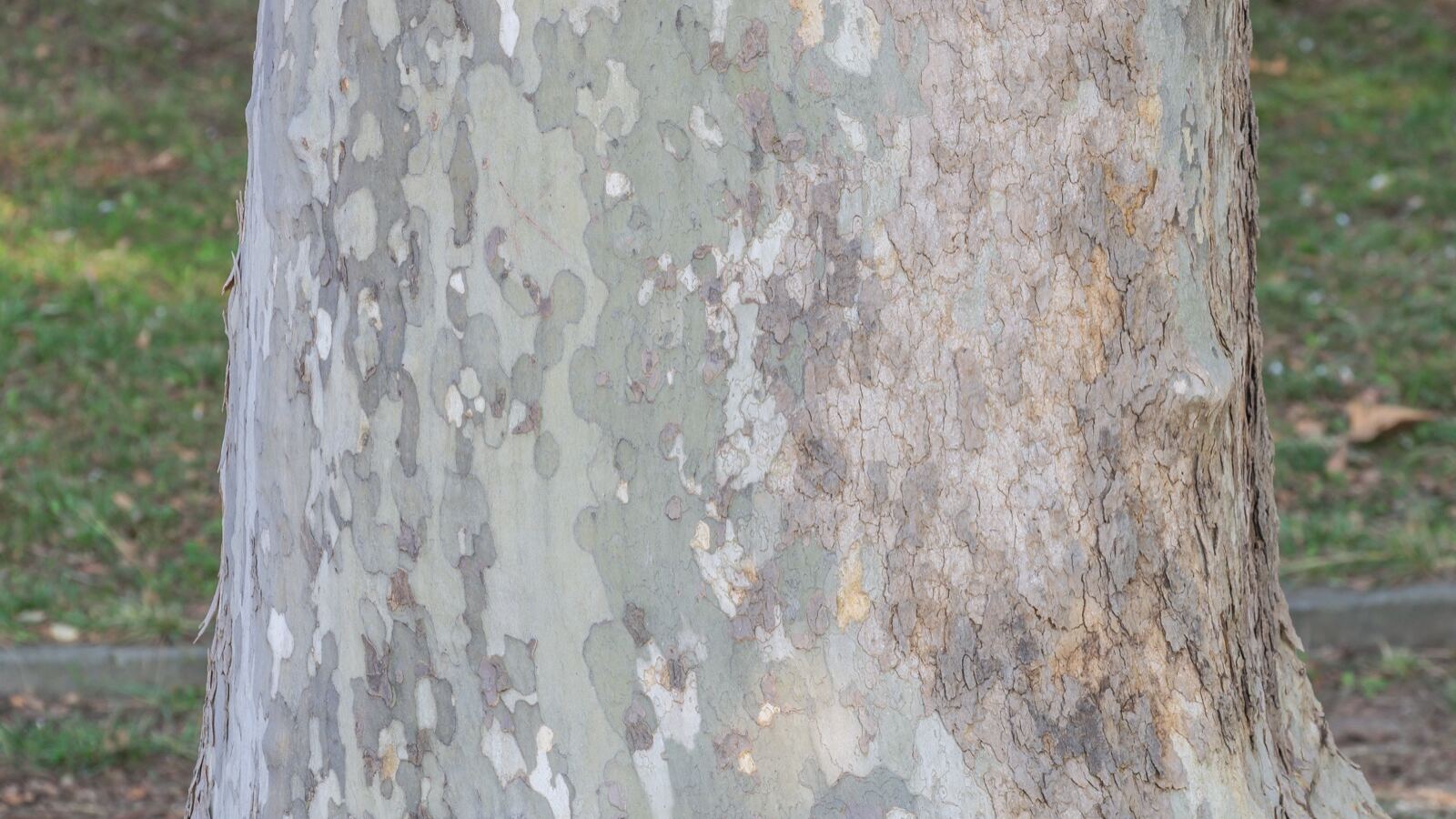 № 359
№ 359Plane Trees: Peeling Bark and the City Tree That Survived
London plane — a hybrid that shrugs off pollution by shedding its bark, plus the American sycamore and the anthracnose that follows it.
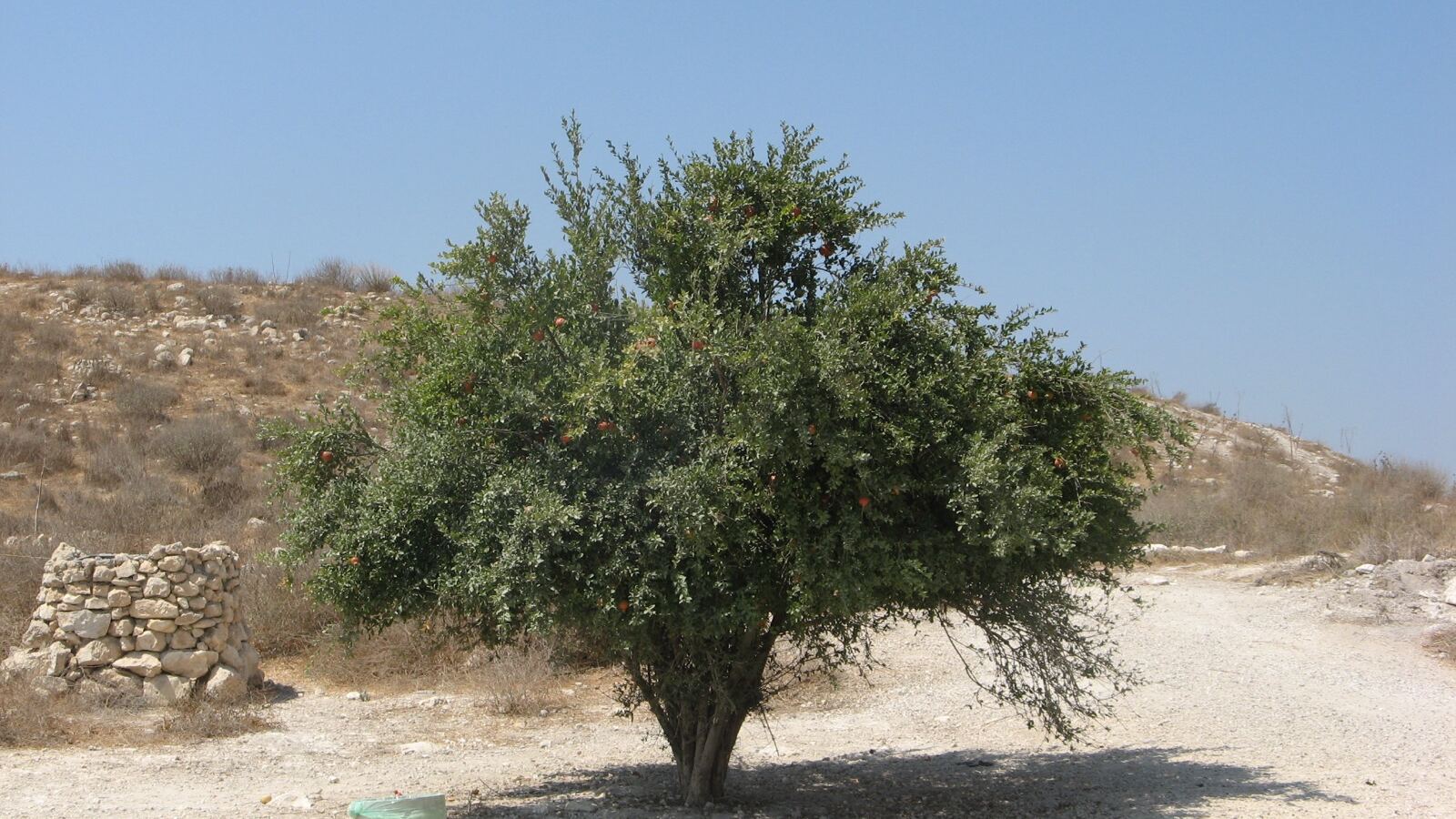 № 364
№ 364Pomegranate: Drought-Hard, Long-Lived, and Split by Rain
An ancient desert fruit that suckers into a thicket, tolerates salt and drought, and splits its fruit if watered unevenly at ripening.
 № 367
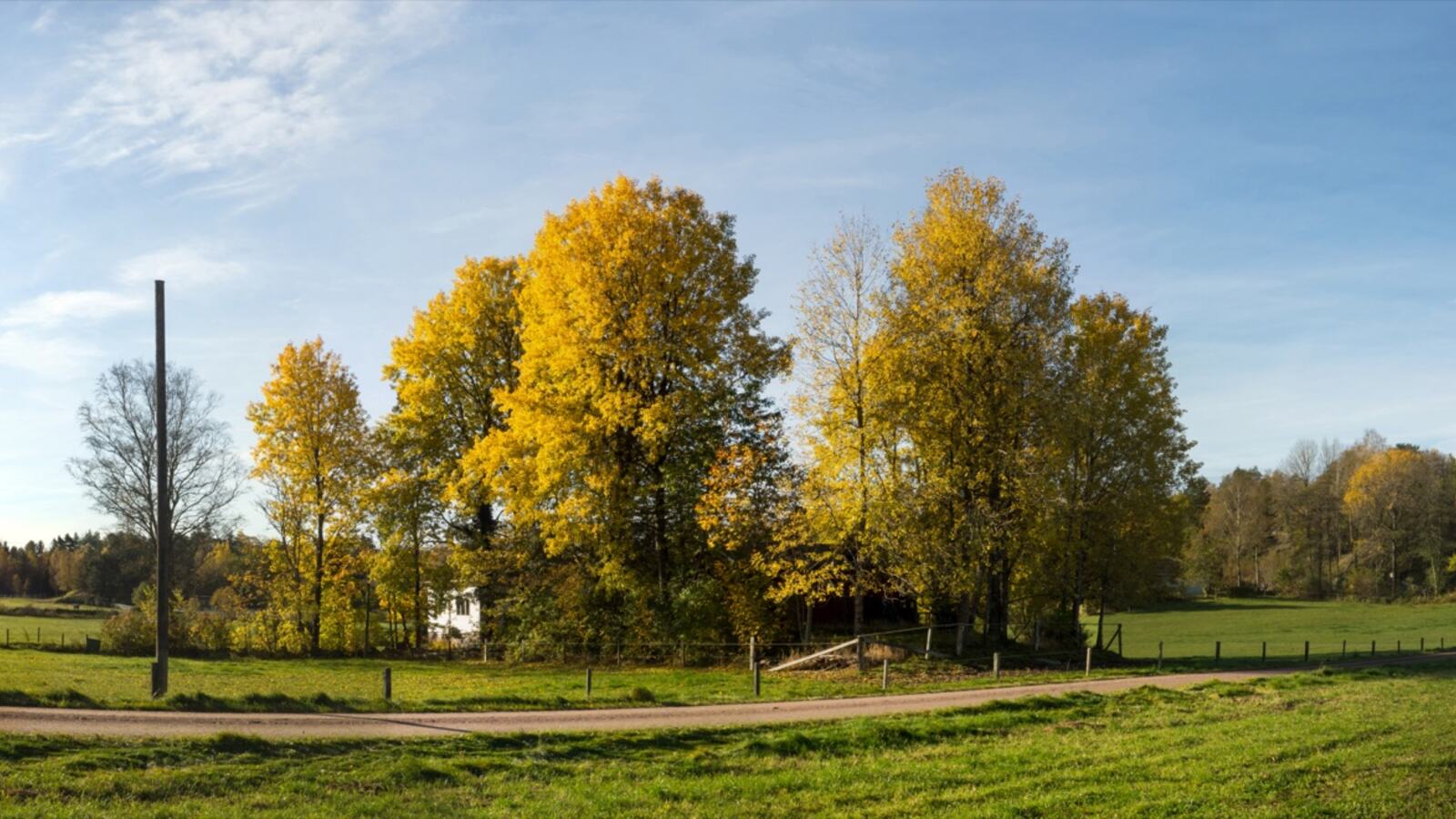
№ 367Poplar and Aspen: Fast, Clonal, and Underrated
The fastest temperate hardwoods — short-rotation biomass, phytoremediation, and the aspen clone that is one of the largest organisms on earth.
 № 377
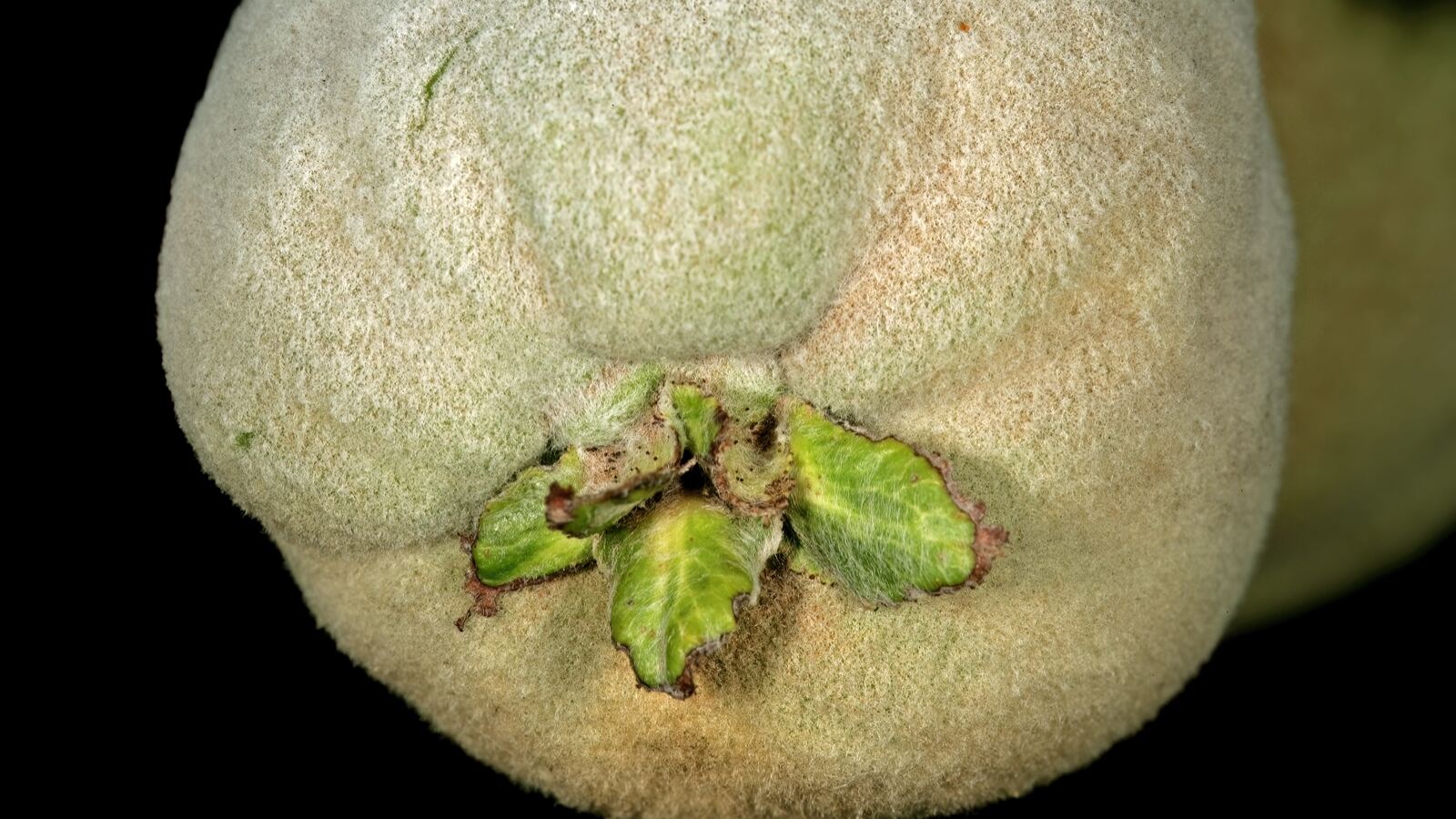
№ 377Quince and Medlar: Fruit That Must Be Cooked or Rotted
Two old orchard trees nobody plants any more — one perfumes a whole room, the other has to be bletted before you can eat it.
 № 388
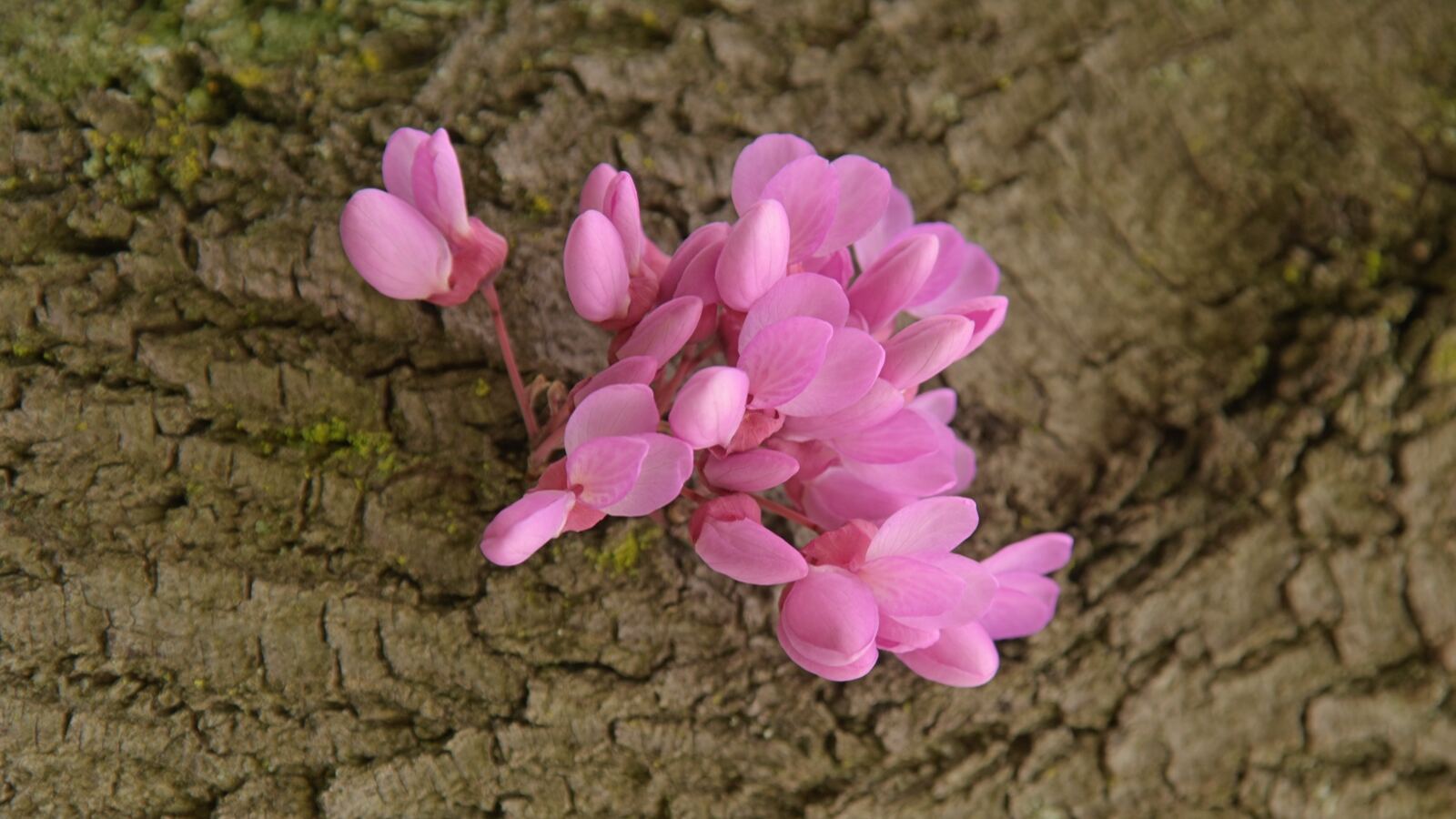
№ 388Redbud and Sassafras: Flowers on Bare Wood, Leaves in Three Shapes
A nitrogen-fixing legume that flowers straight out of its trunk, and an aromatic tree with three different leaf shapes on one branch.
 № 389
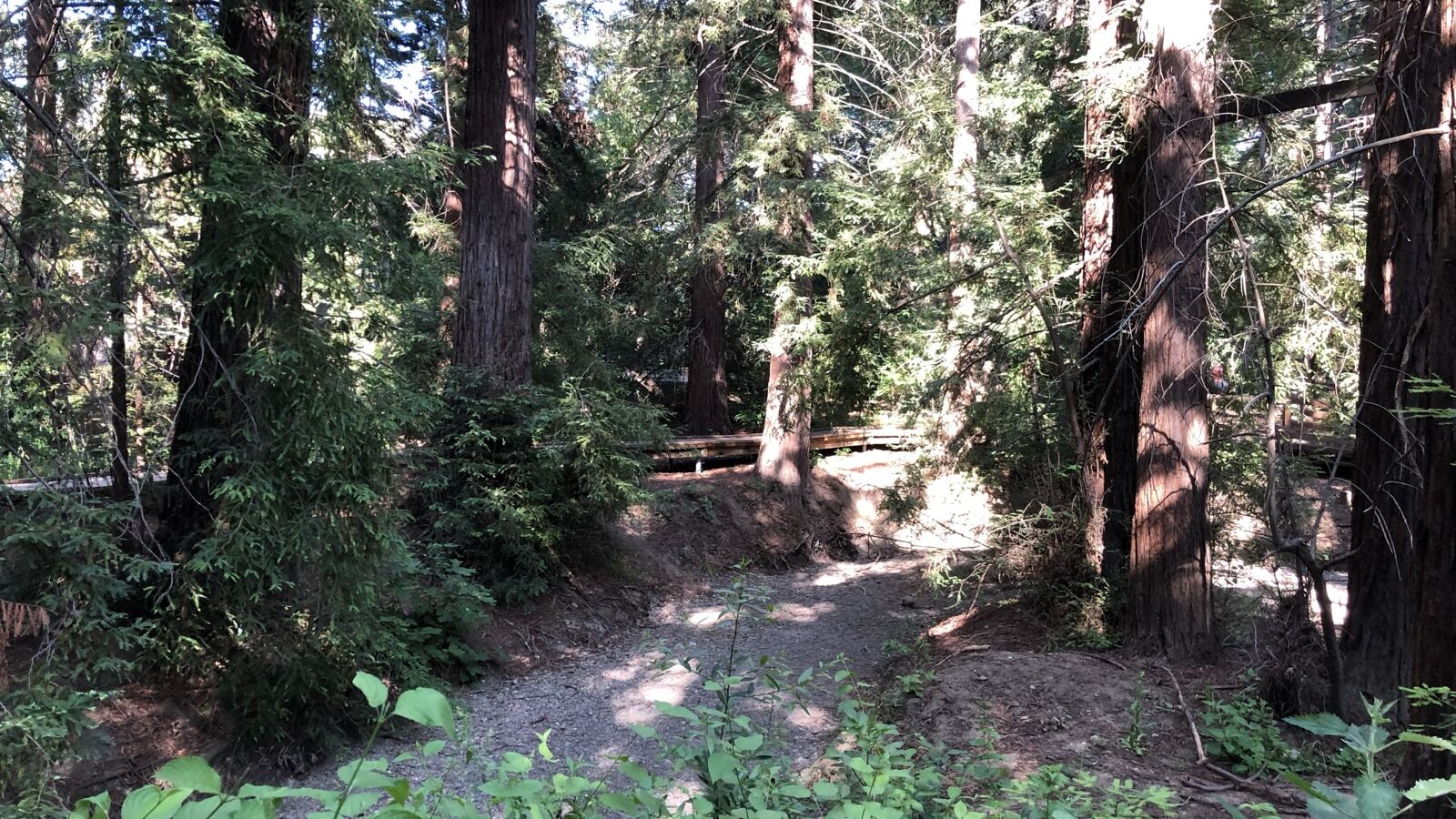
№ 389Redwoods: The Tallest and the Largest
Coast redwood, giant sequoia, and dawn redwood — fog harvesting, fire-proof bark, and the conifer that resprouts.
 № 401
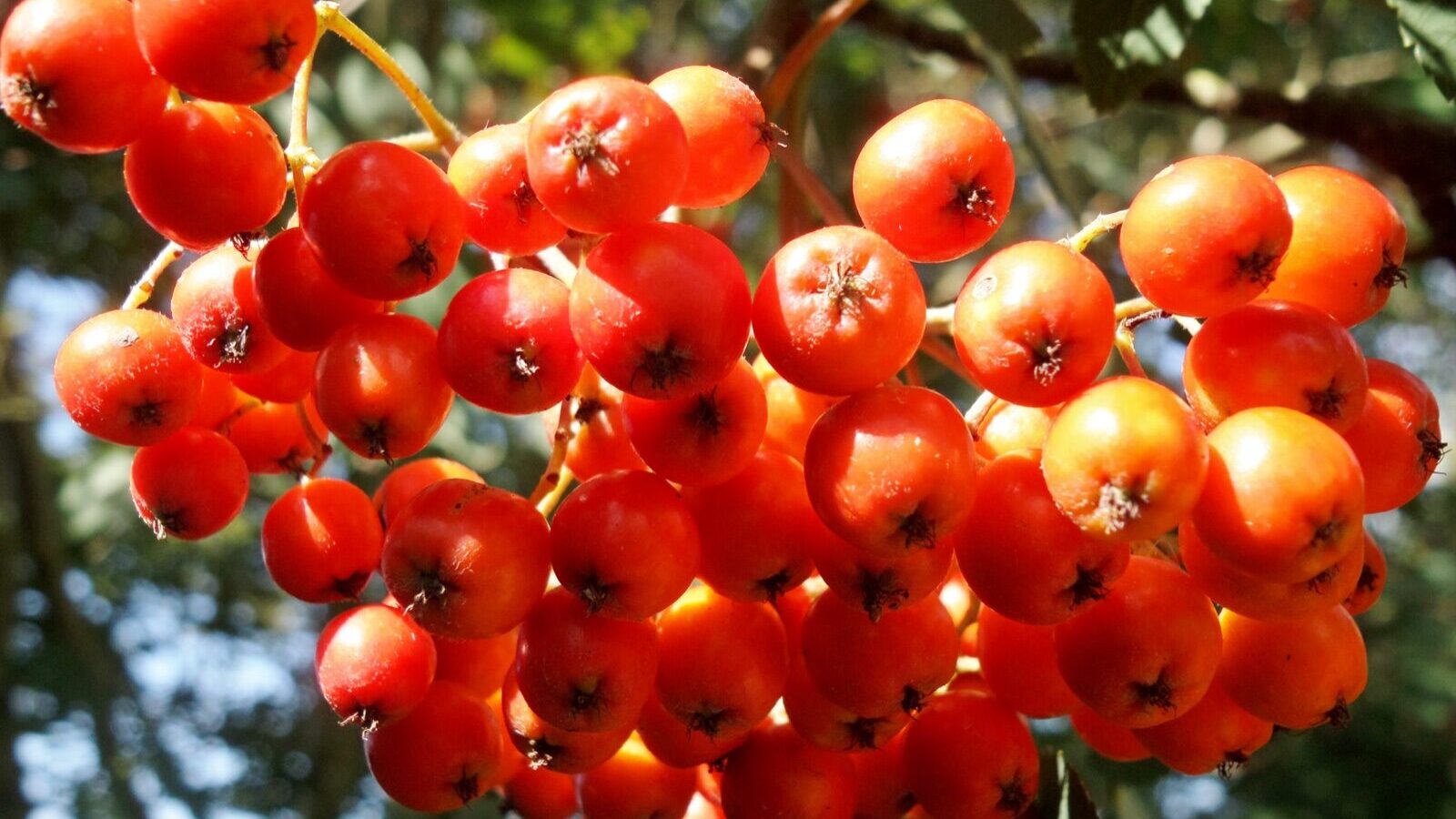
№ 401Rowan and Whitebeam: Small Trees, Heavy Berries
Sorbus at altitude and on thin soil — feeding thrushes through autumn, and a genus quietly full of rare apomictic species.
 № 402
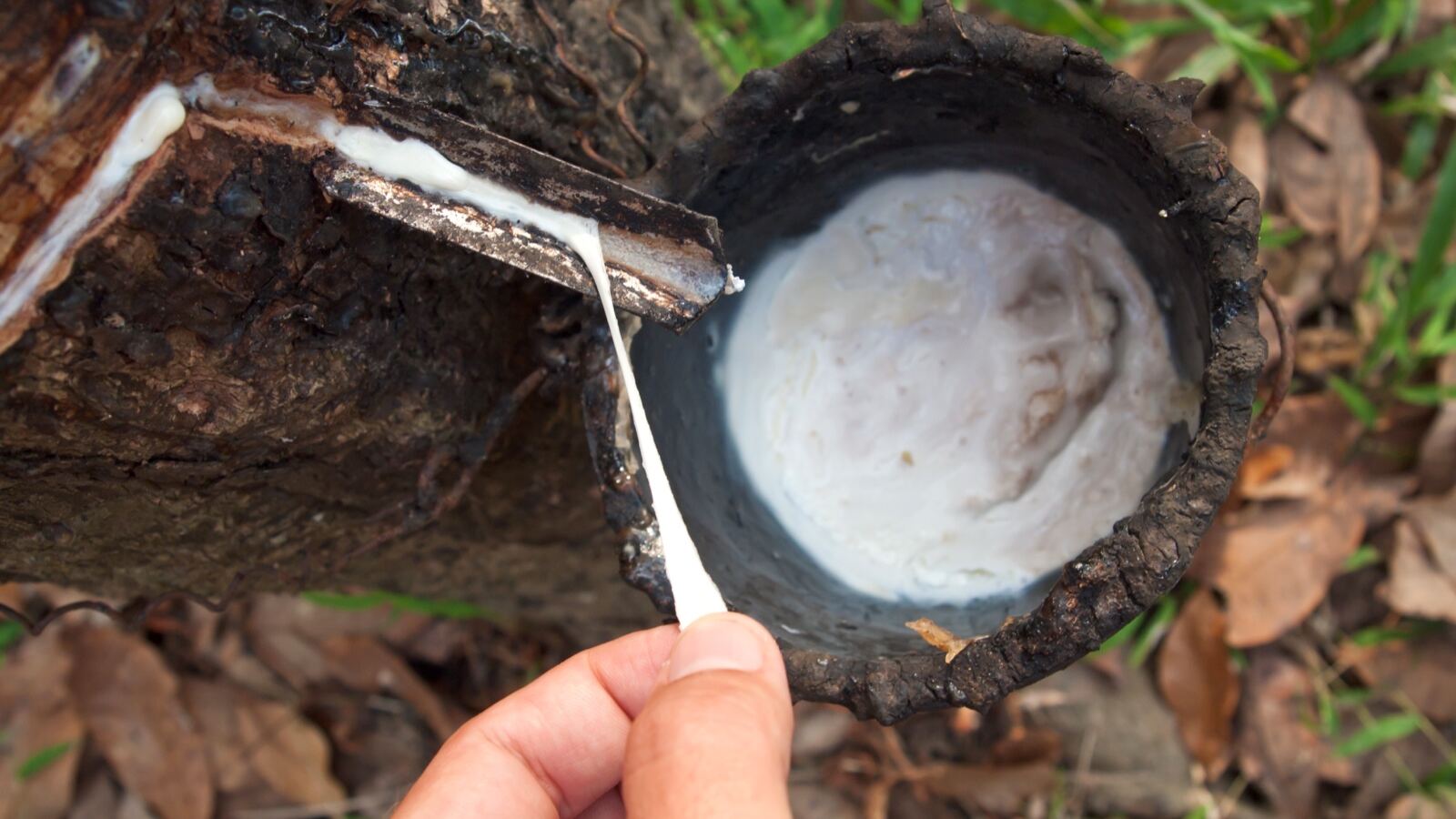
№ 402Rubber: Latex, Tapping, and a Fungus Waiting Across an Ocean
A tree tapped daily for latex without harm — grown in vast Asian monocultures precisely because the leaf disease that would destroy them stayed in the Amazon.
 № 413
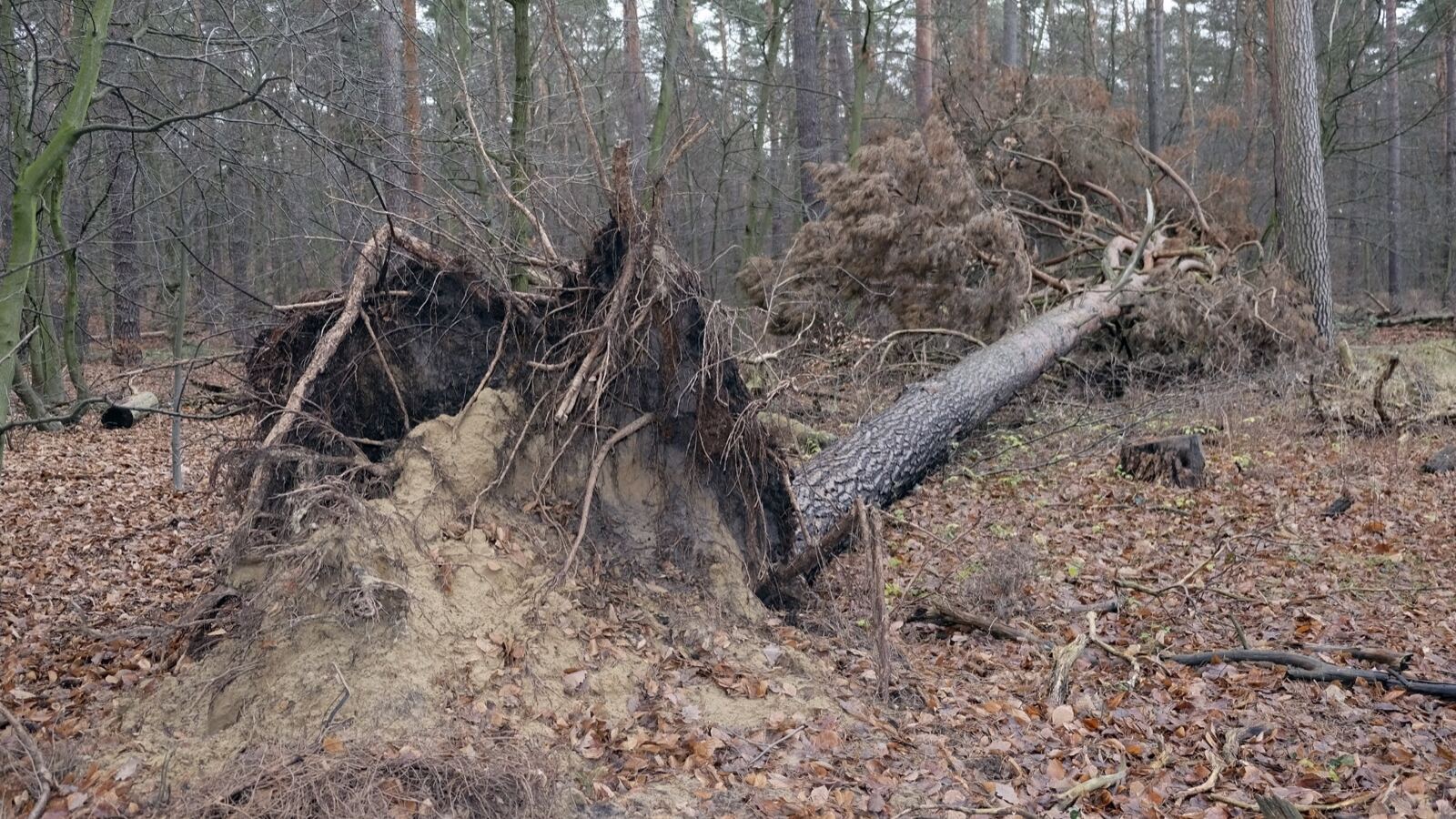
№ 413Scots Pine: The Widest-Ranging Pine on Earth
Orange upper bark, paired needles, and a native pinewood reduced to fragments — plus why it regenerates on bare mineral soil and nowhere else.
 № 415
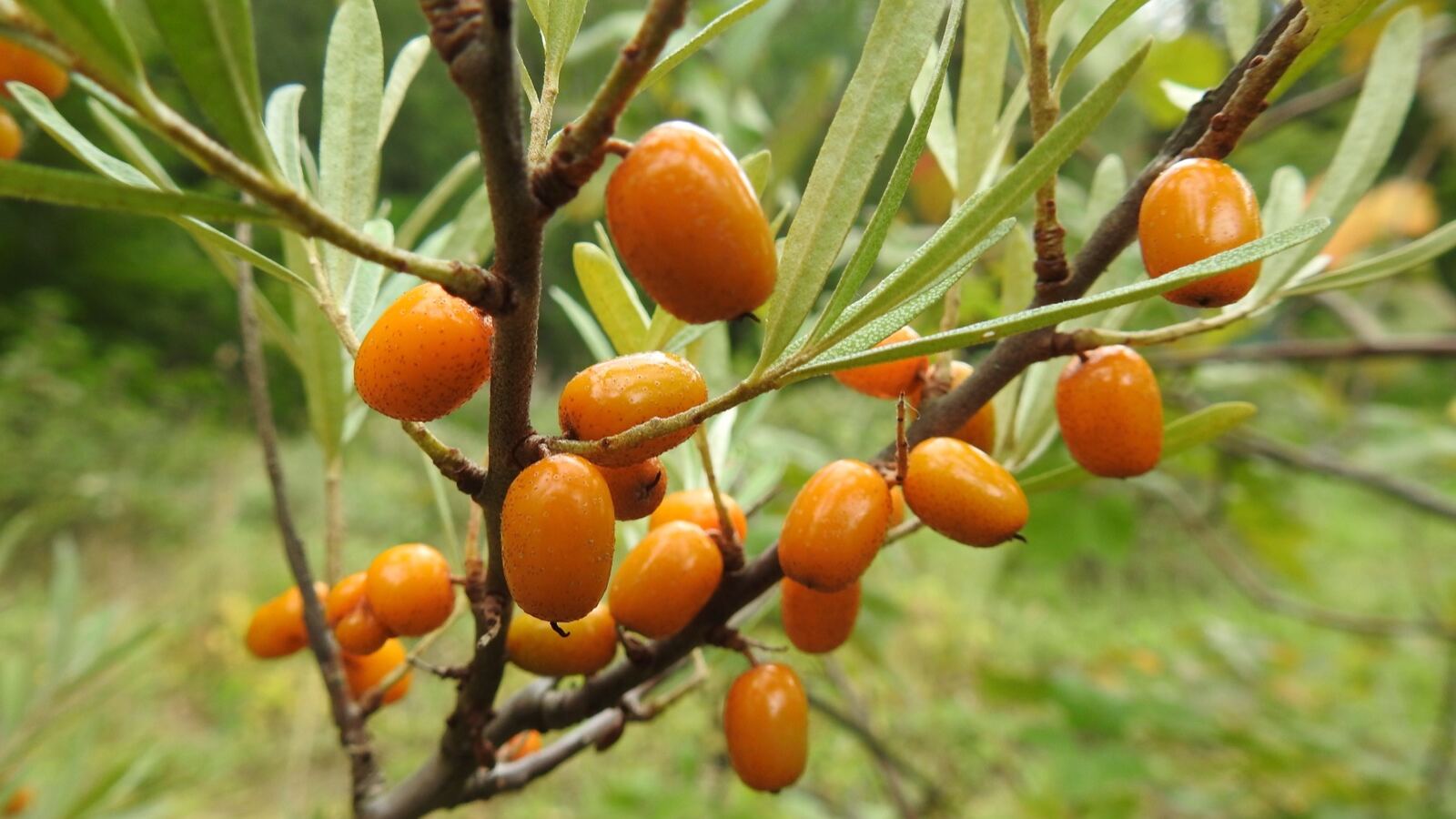
№ 415Sea Buckthorn: Nitrogen, Salt, and Sand
A nitrogen-fixing pioneer that stabilises dunes, tolerates salt spray, and carries one of the highest vitamin C loads of any temperate fruit.
 № 423
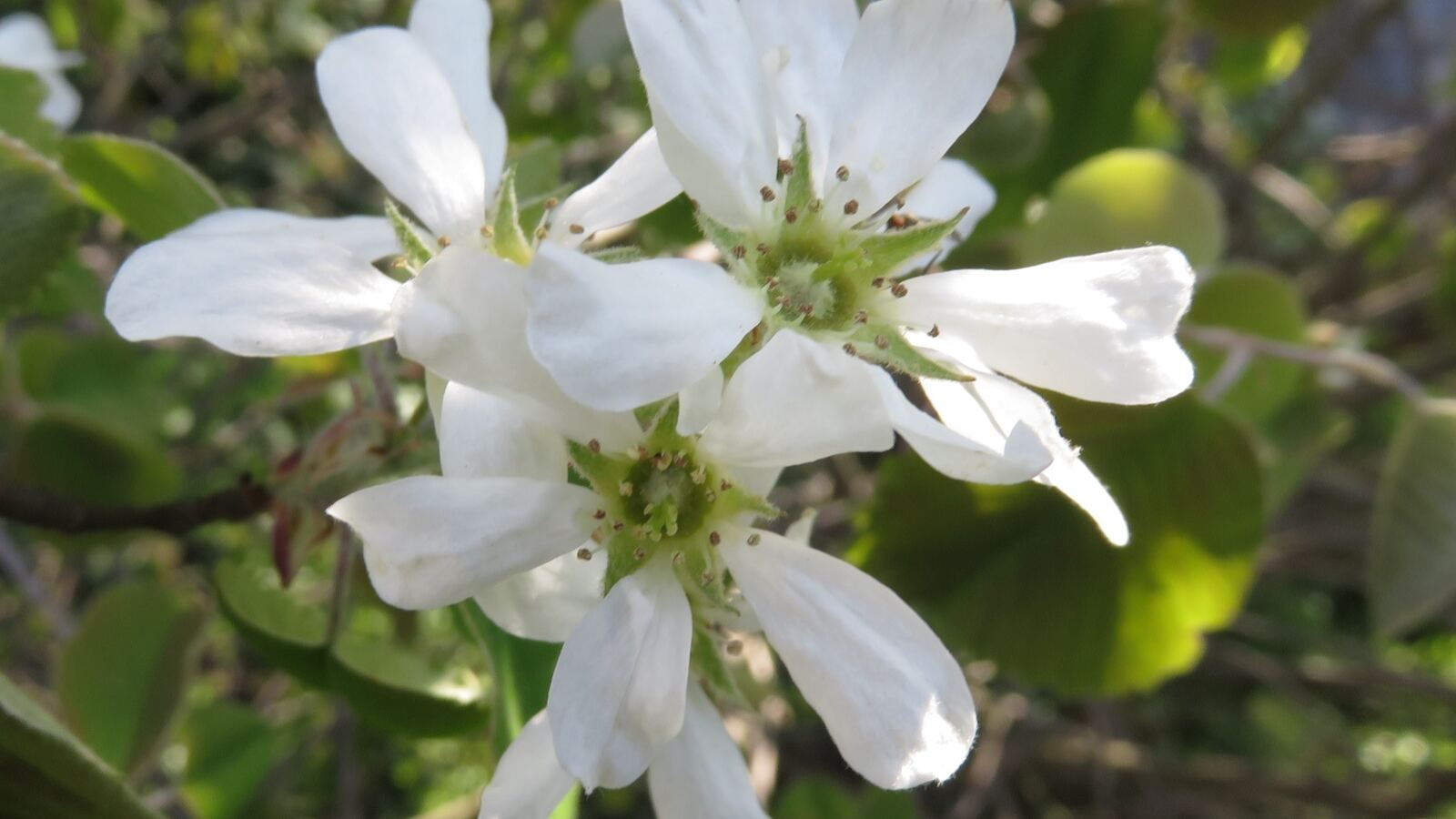
№ 423Serviceberry: Four Seasons and an Early Fruit
Amelanchier — the first blossom of the year, fruit before any other, and a small tree that does more than almost anything its size.
 № 427
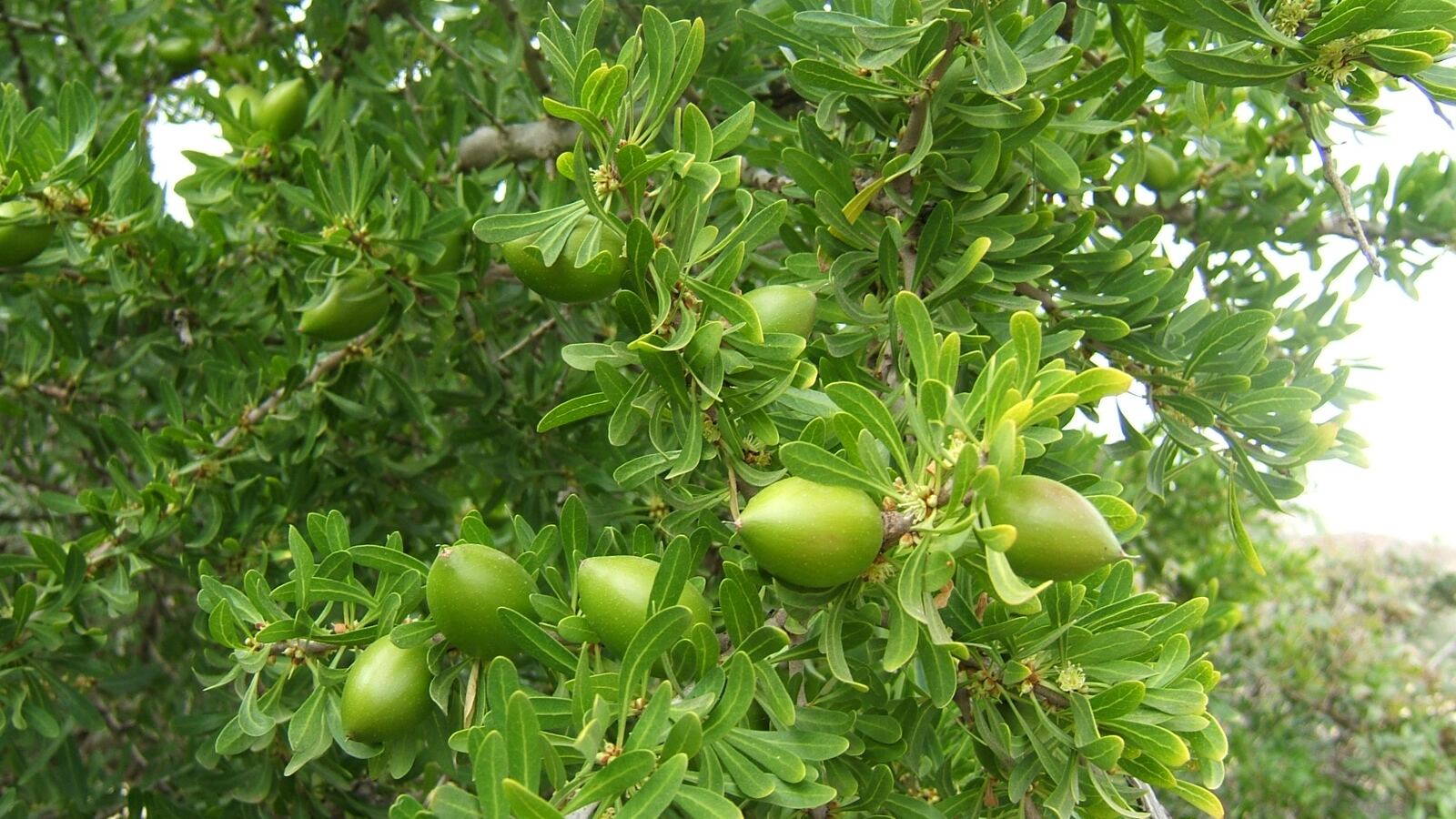
№ 427Shea and Argan: The Oil Trees Held by Women
Two dryland trees whose nut oils sustain both households and export economies — and whose value depends on protecting slow-growing wild parklands.
 № 432
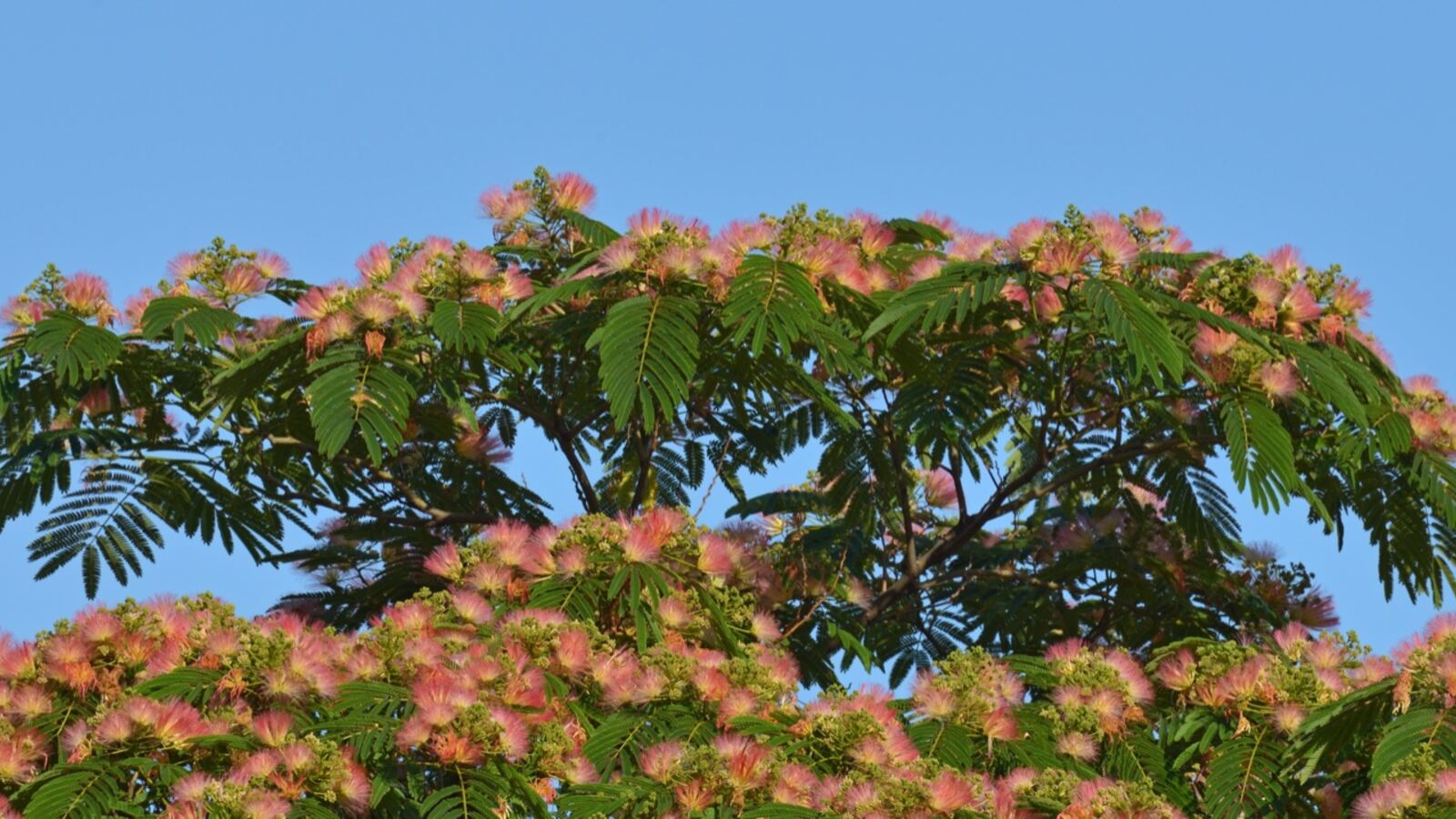
№ 432Silk Tree: Powderpuff Flowers and Folding Leaves
A nitrogen-fixing ornamental legume with silky pink flowers and leaves that fold shut at night — beautiful, short-lived, and invasive in warm climates.
 № 434
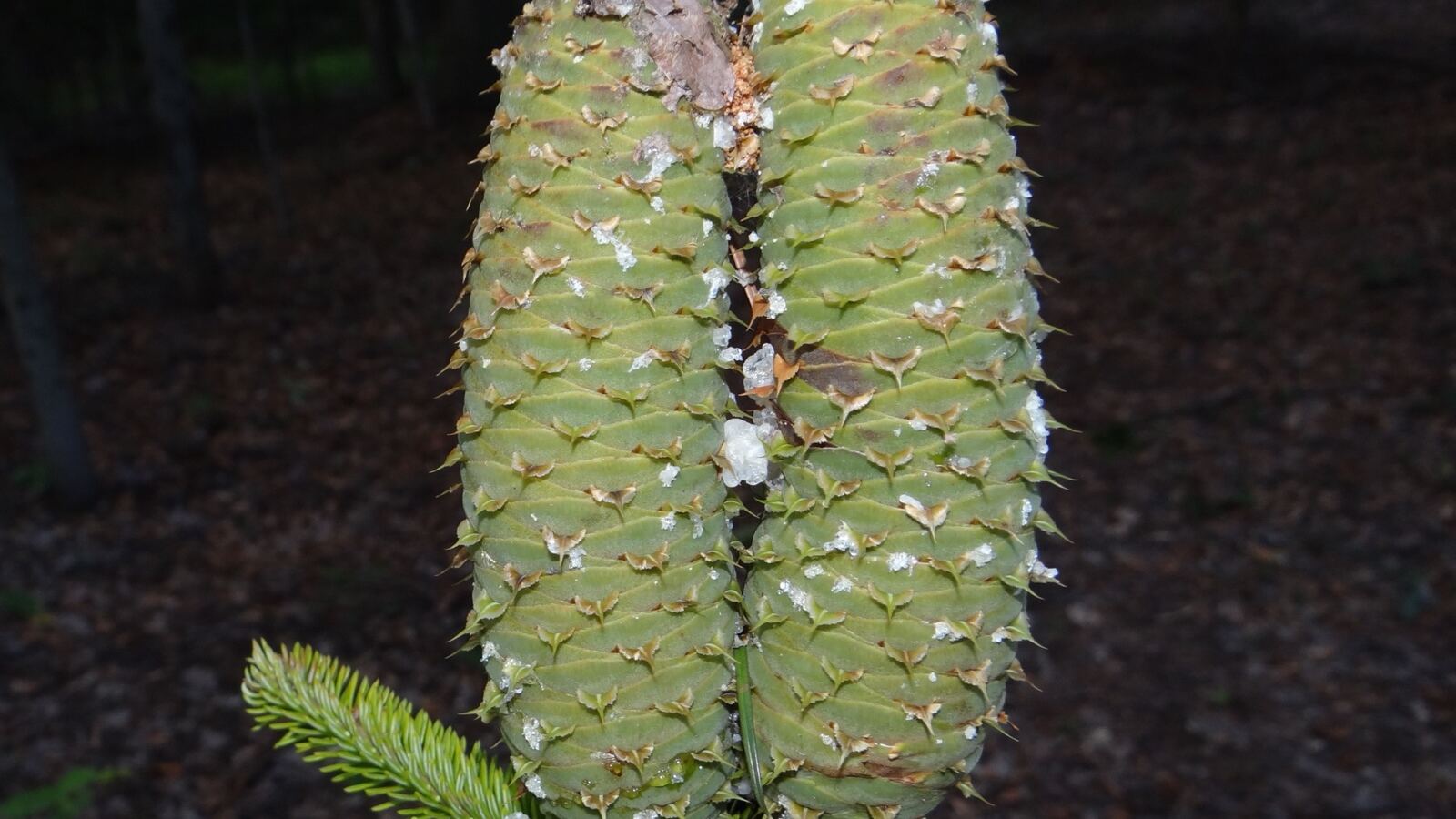
№ 434Silver Fir: Upright Cones and the Shade-Tolerant Conifer
True firs — cones that disintegrate on the tree, needles that leave a smooth scar, and the only major conifer that regenerates in deep shade.
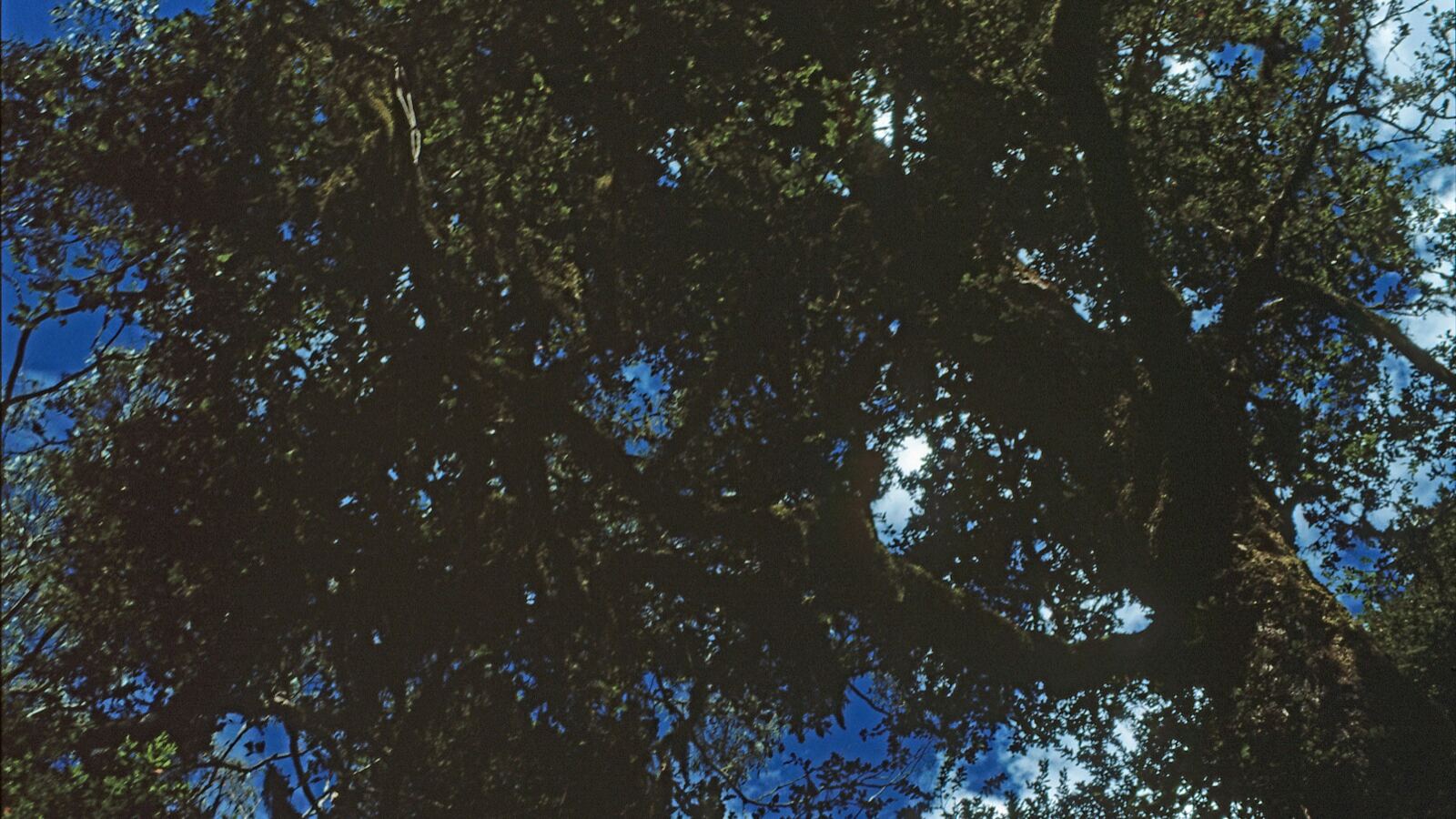 № 450
№ 450Southern Beech: The Gondwana Tree That Maps a Broken Continent
Nothofagus — the beeches of Chile, New Zealand, and Tasmania whose scattered distribution is living proof of continental drift, and the backbone of southern temperate forest.
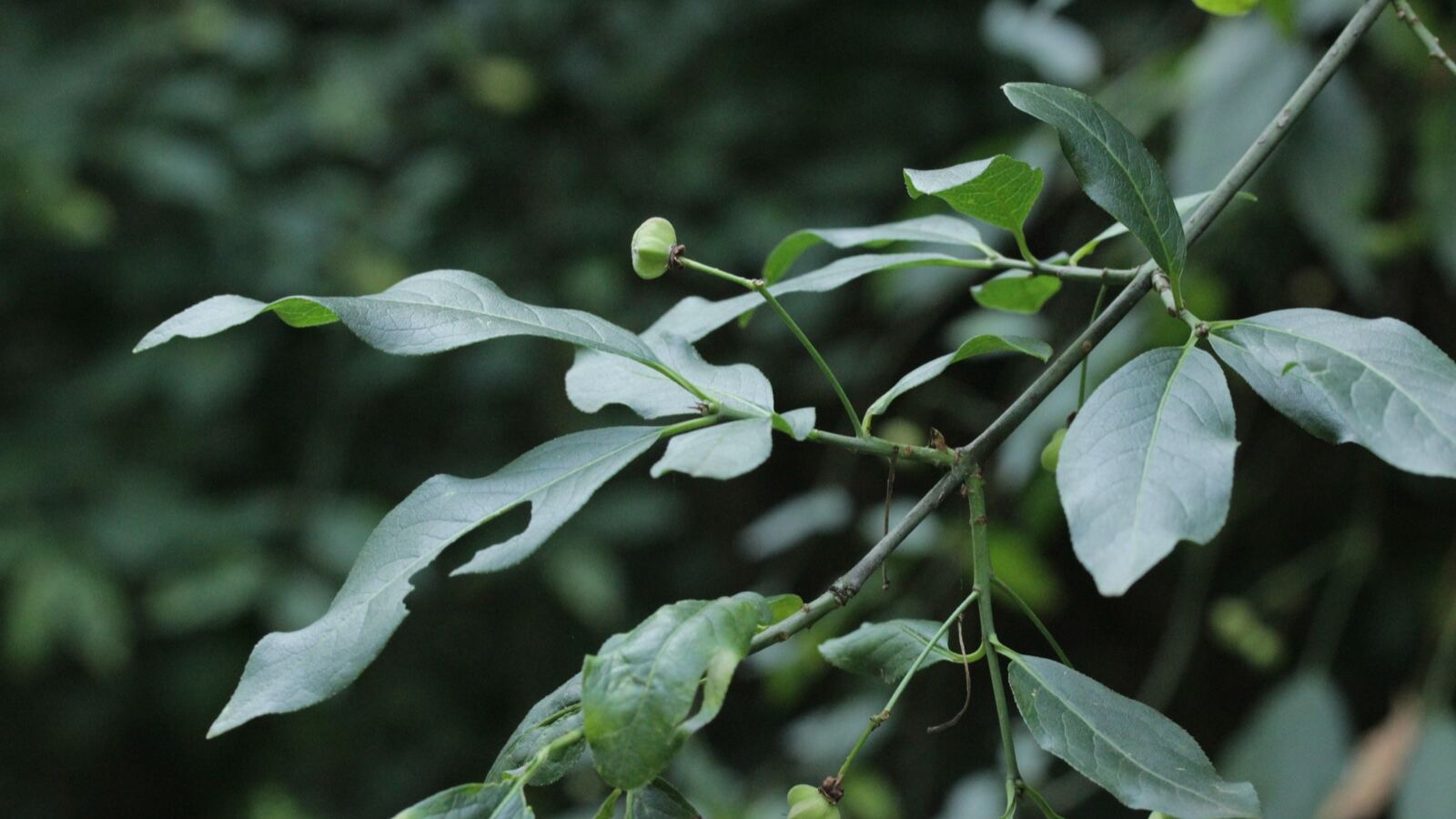 № 455
№ 455Spindle and Dogwood: The Understorey Shrubs Nobody Names
Two hedgerow shrubs with spectacular autumn colour, winter stems worth cutting for, and a role in ancient woodland indication.
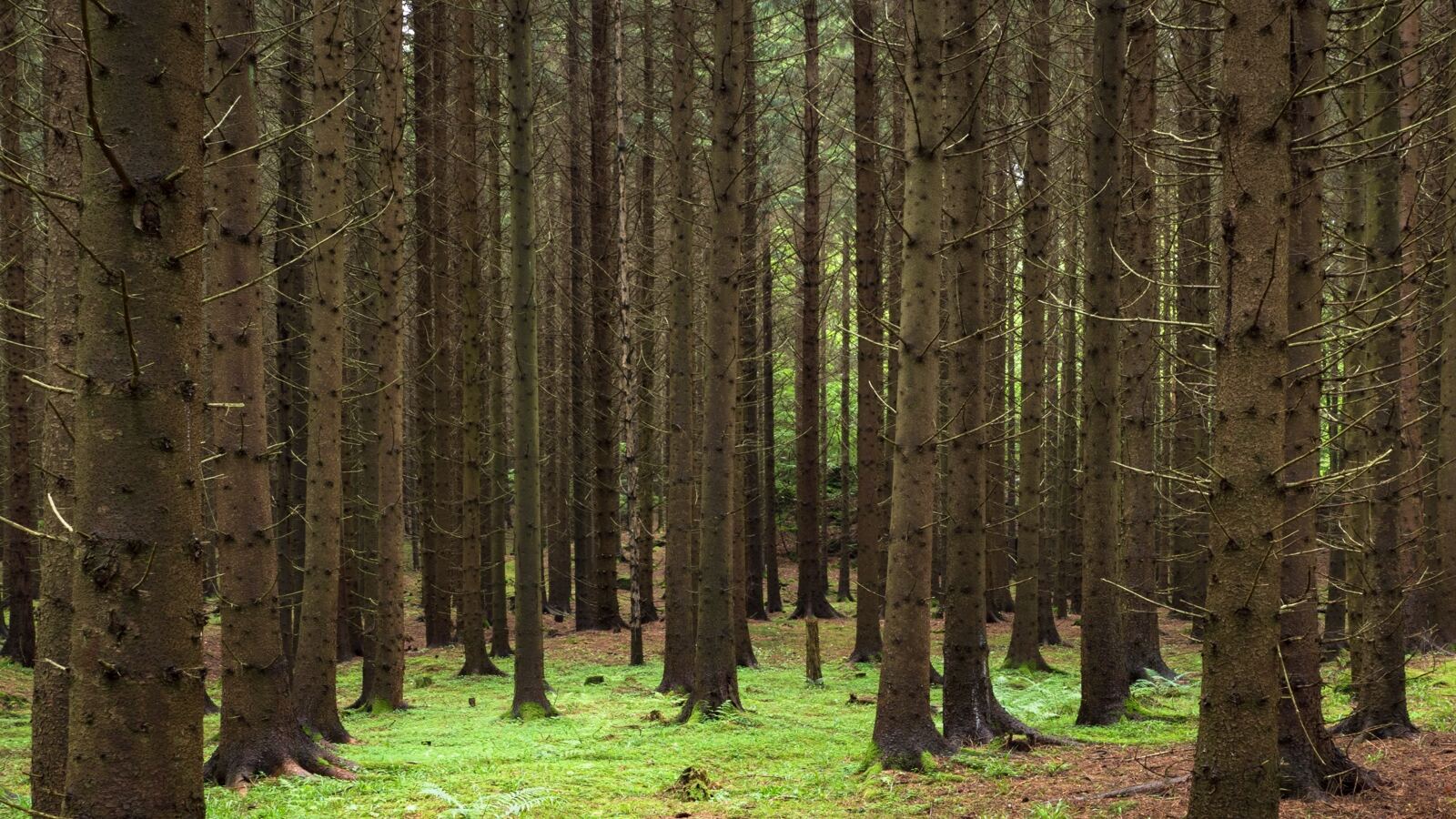 № 457
№ 457Spruces: The Plantation Tree Everyone Argues About
Norway and Sitka — fast, shallow-rooted, wind-thrown, and responsible for both the timber supply and the worst of plantation forestry's reputation.
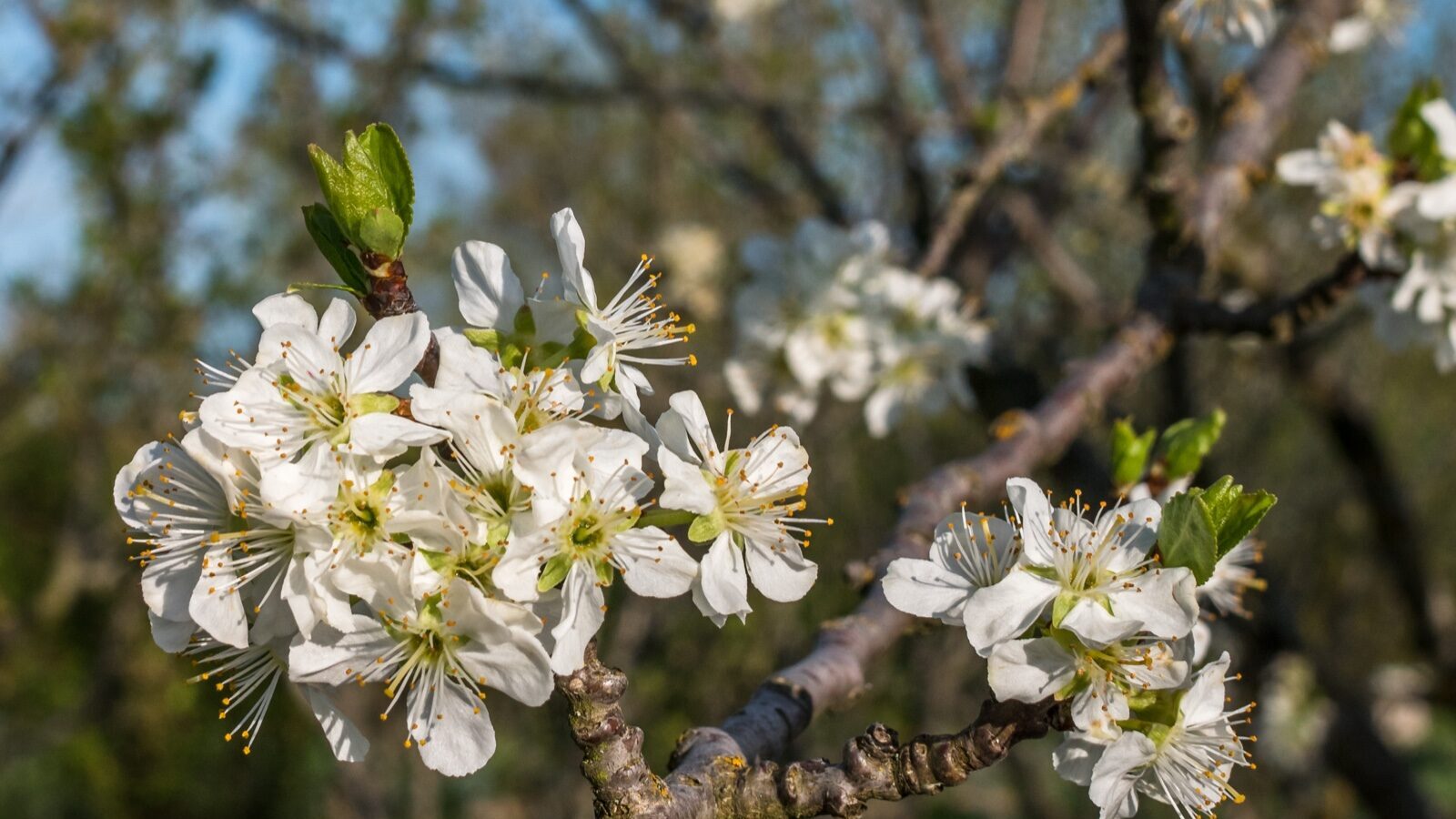 № 463
№ 463Stone Fruit: Plums, Cherries, Peaches, Apricots
The Prunus crops — why they are pruned in summer only, how they fruit on young wood, and the frost timing that decides the crop.
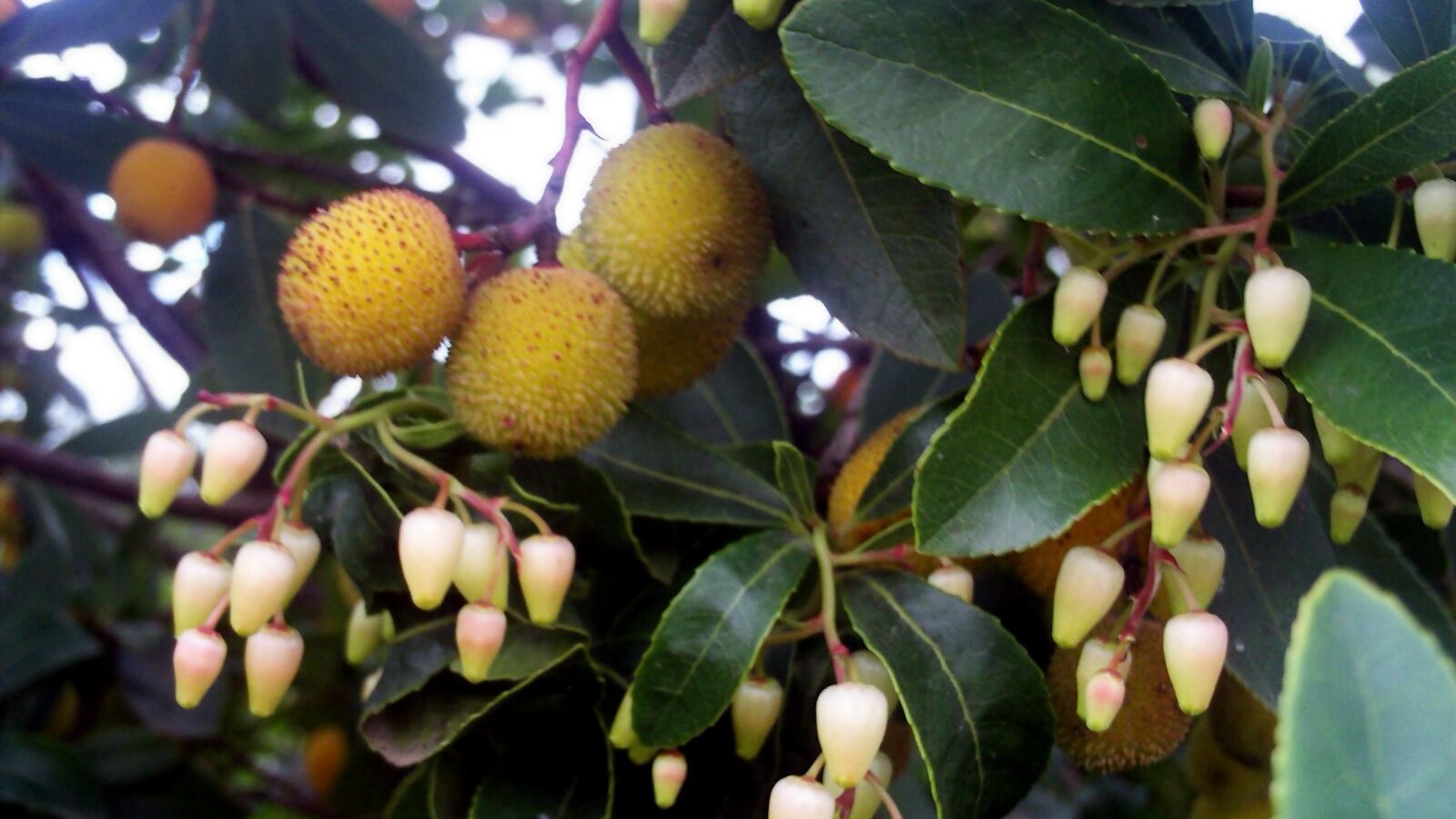 № 467
№ 467Strawberry Tree: Flowers and Fruit at Once
A Mediterranean evergreen that carries this year's flowers and last year's ripe red fruit together — an Ericaceae relative that tolerates lime.
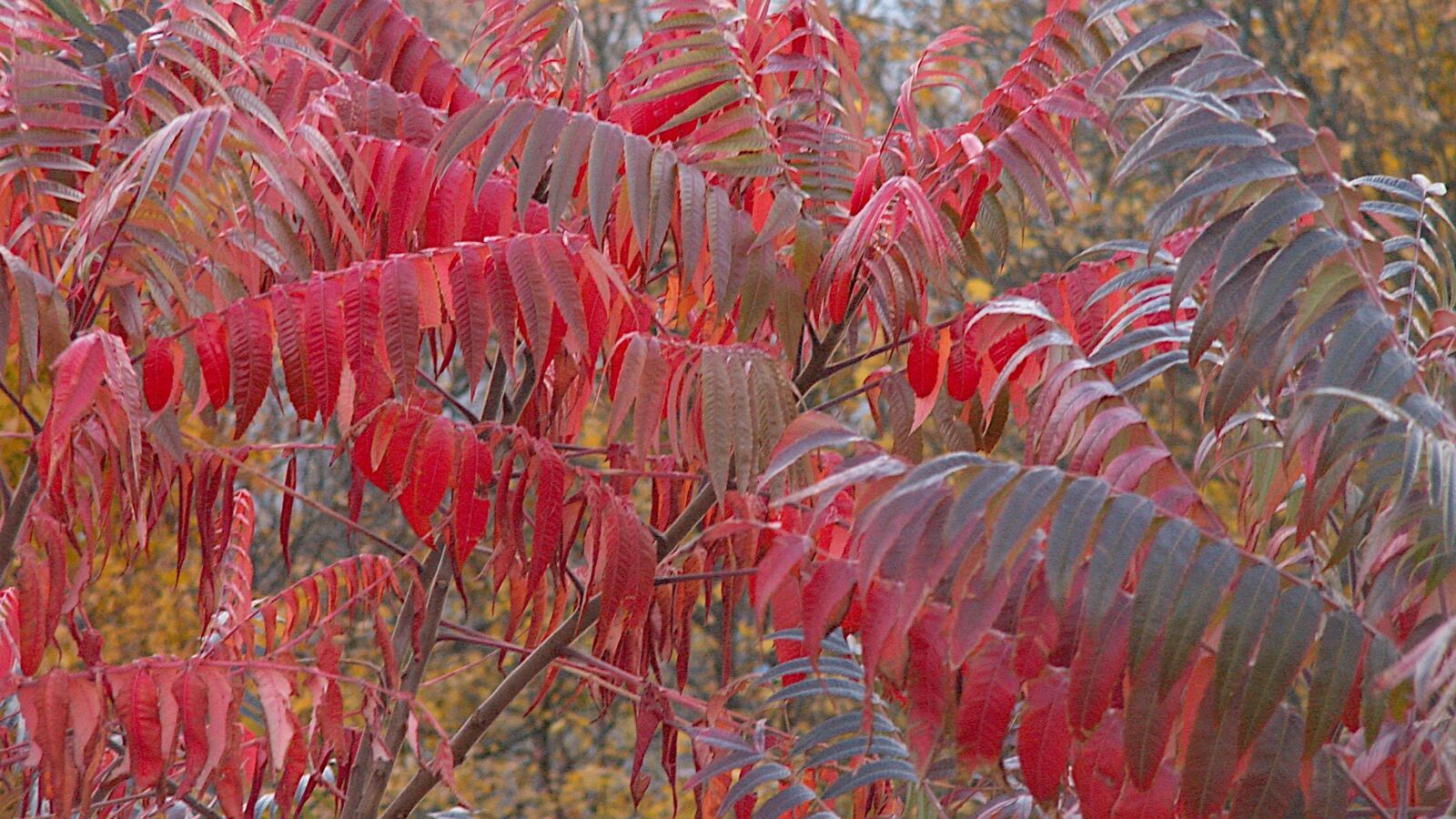 № 471
№ 471Sumac and Smoke Tree: Autumn Fire, Sour Spice, and a Poisonous Cousin
Suckering shrubs with the most brilliant autumn colour of any plant, a tart red spice, historic tannin and dye — and one relative you must never touch.
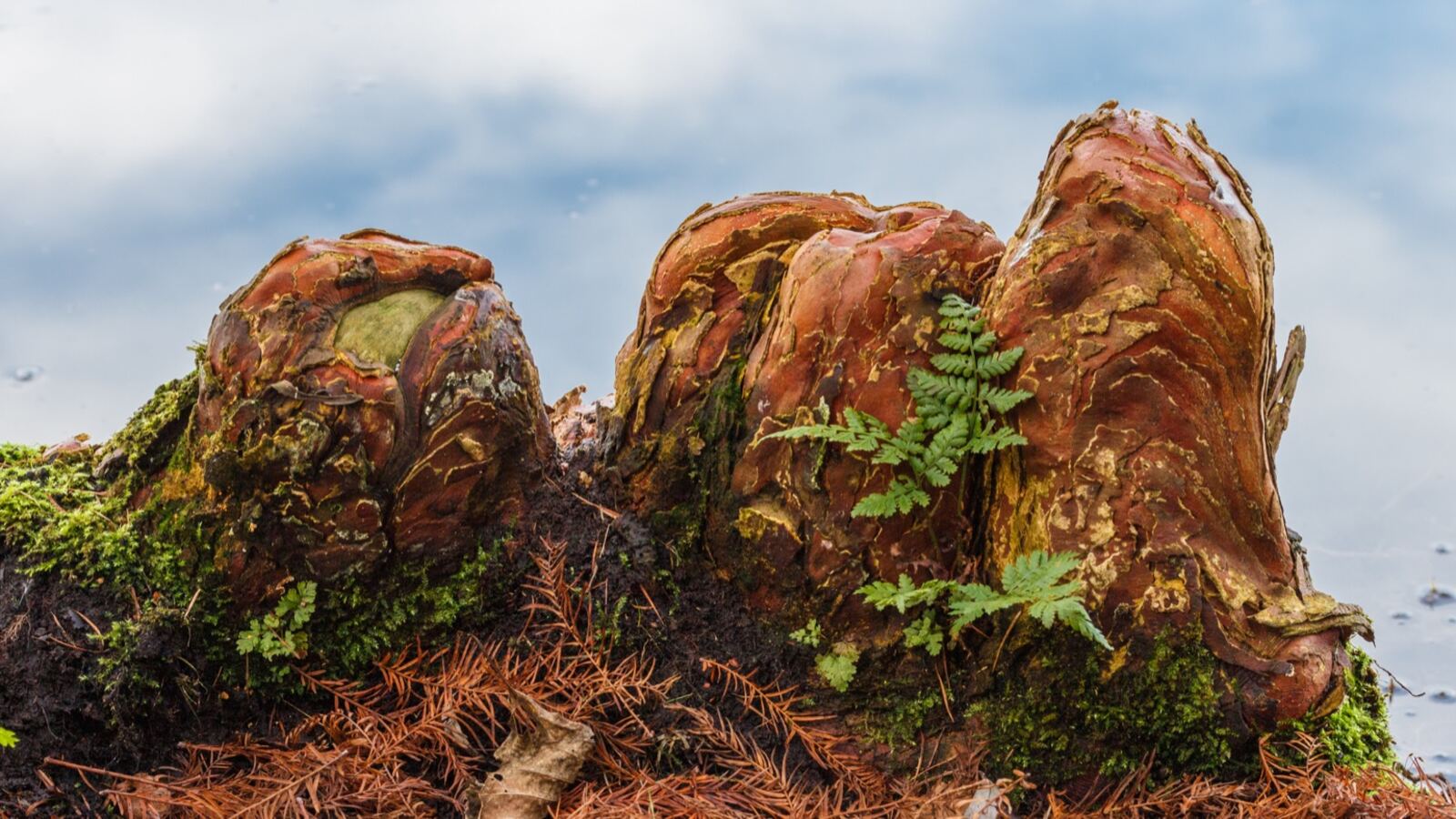 № 475
№ 475Swamp Cypress and Dawn Redwood: The Conifers That Drop Their Needles
Deciduous conifers that grow in standing water, send up strange 'knees' to breathe, and — in the dawn redwood's case — returned from presumed extinction in a single dramatic discovery.
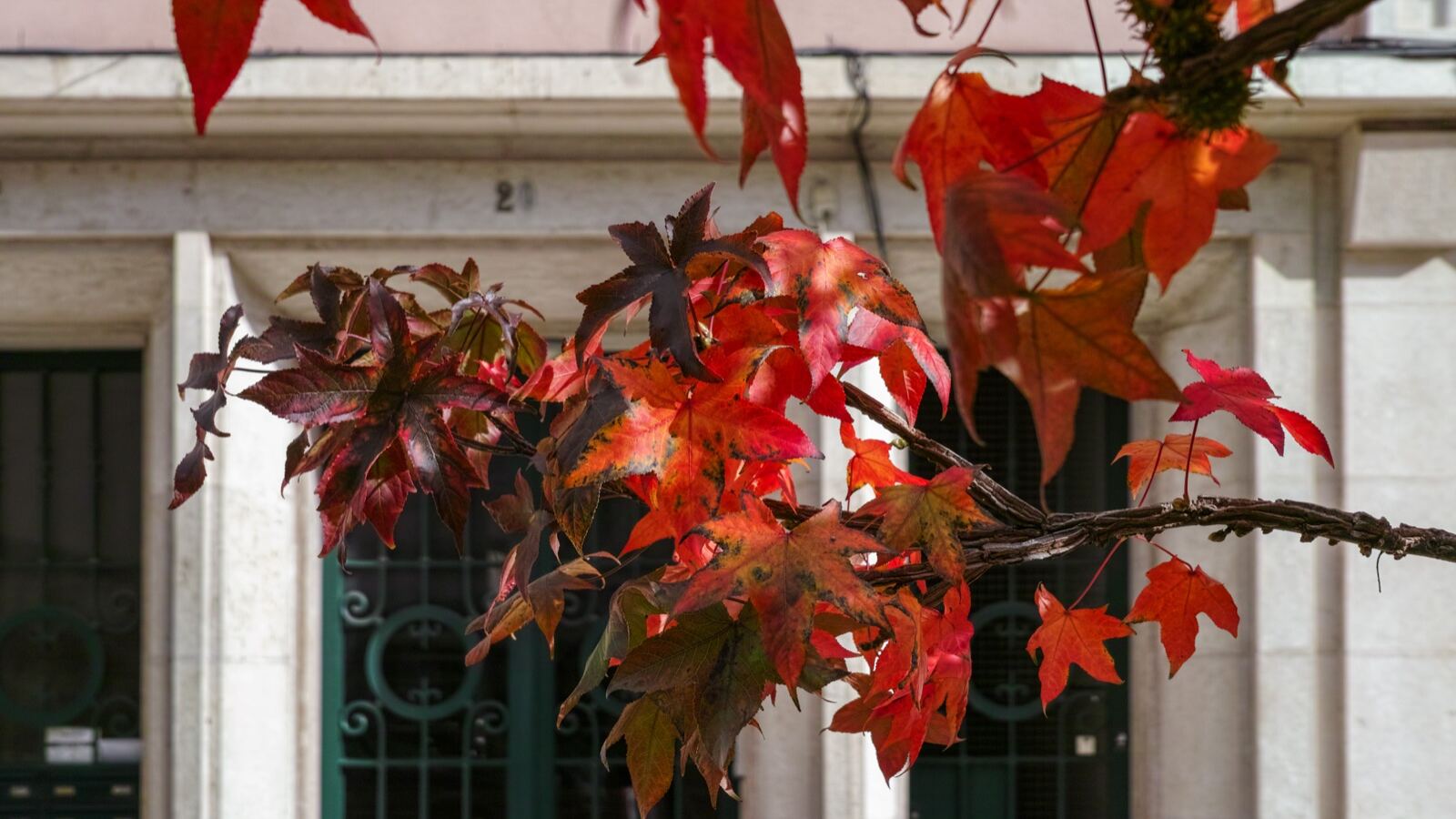 № 478
№ 478Sweetgum: Star-Shaped Leaves and Spiky Balls
An American tree with brilliant autumn colour, a fragrant healing resin, and hard spiky seed capsules that make it loved and hated in equal measure.
 № 482
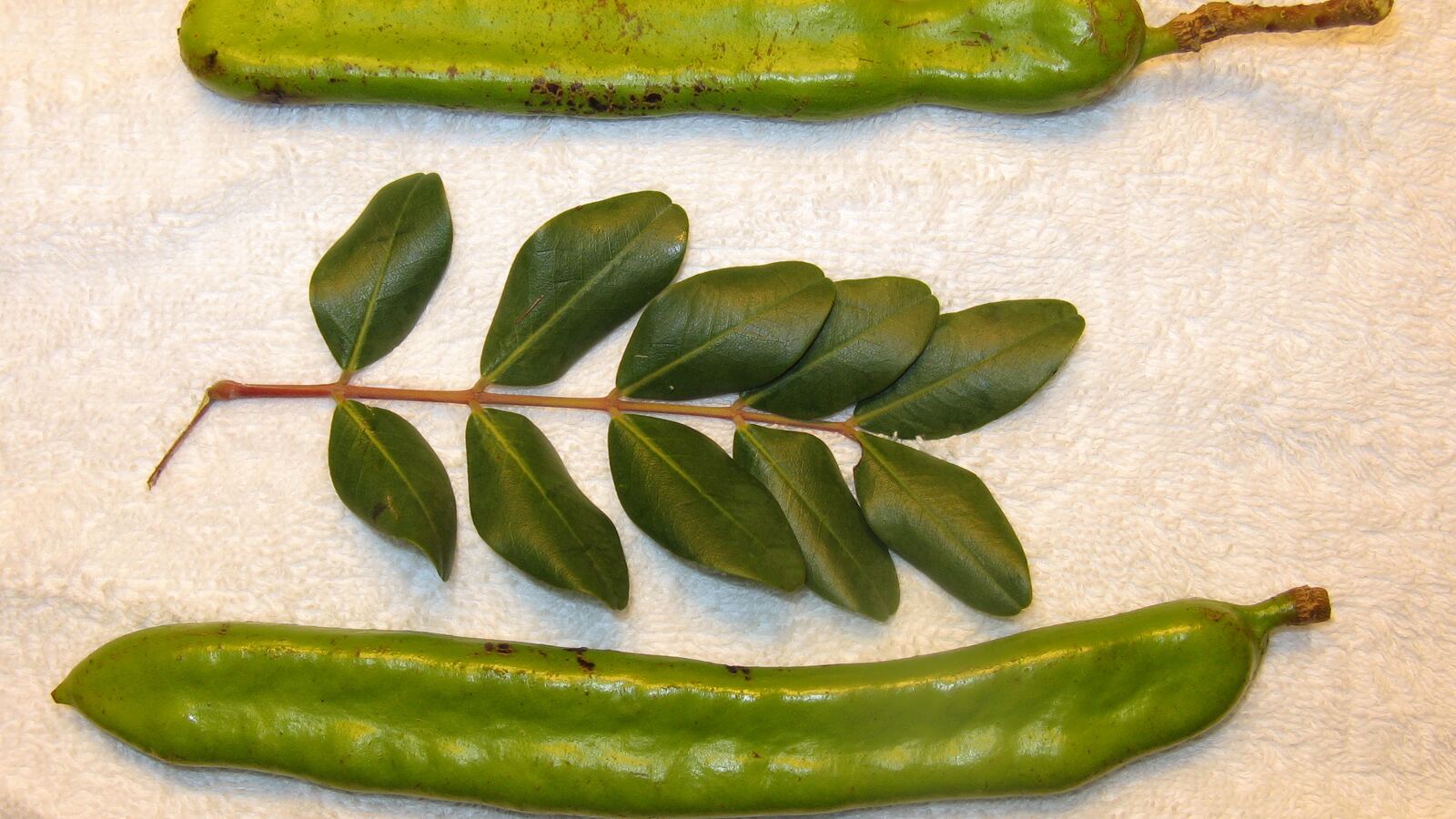
№ 482Tamarind and Carob: The Sweet Pods of Dry Country
Two leguminous pod trees that store sweetness in a drought-hard package — one the sour base of a world of cooking, the other a chocolate substitute and a measure of weight.
 № 486
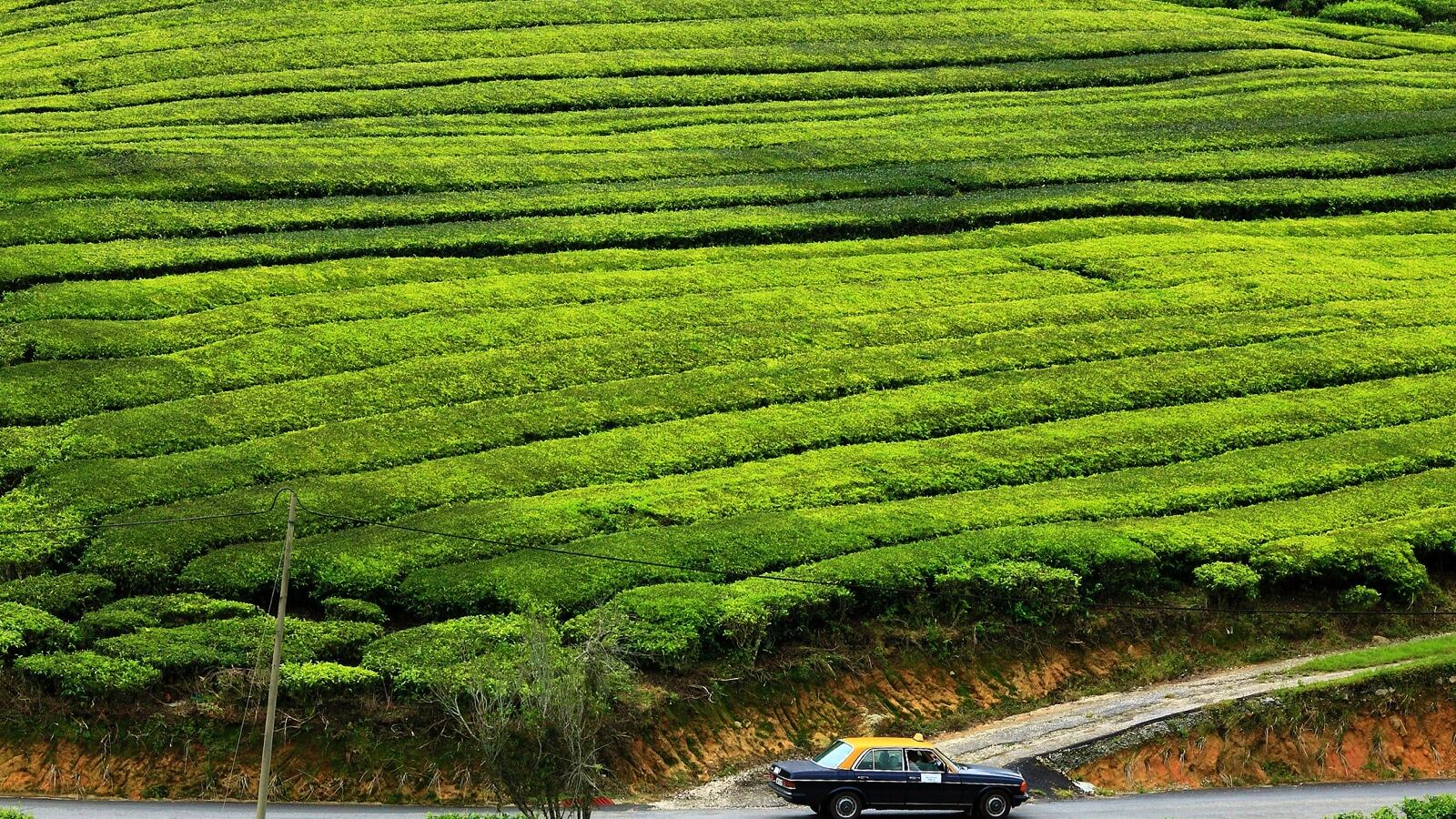
№ 486Tea: One Plant, Every Type, Kept as a Waist-High Bush
Green, black, oolong and white are the same leaf processed differently — plus why the tea plant is a tree pruned into a plucking table.
 № 487
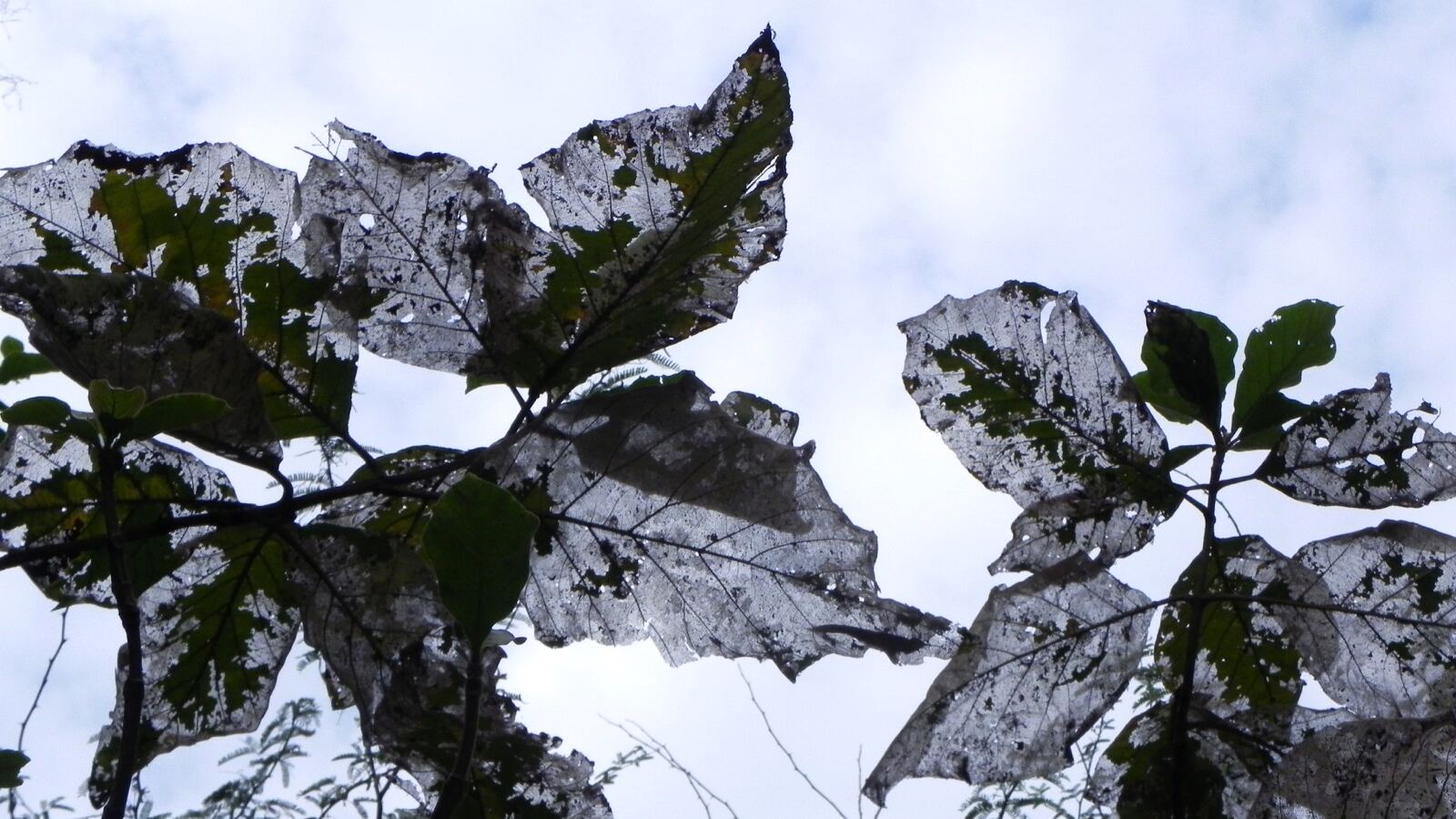
№ 487Teak: The Weatherproof Timber That Built the World's Ships
The premier tropical hardwood — self-oiling, rot-proof, dimensionally stable — that panelled navies and decked yachts, and the plantation crop that now supplies it.
 № 494
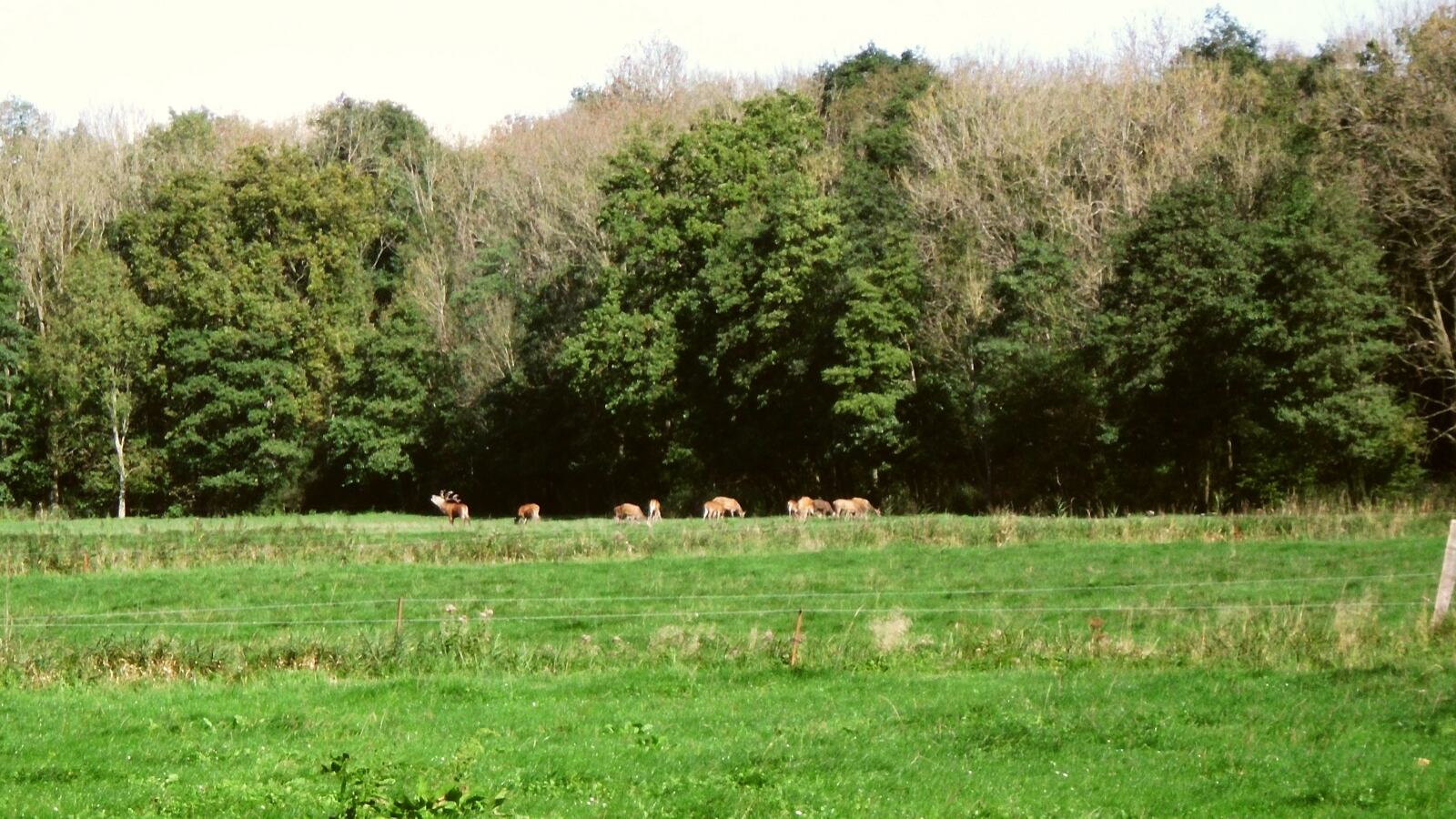
№ 494Tree Diseases: The Pathogens Behind the Dieback
Fungi, bacteria, oomycetes and the named epidemics reshaping temperate forests, plus how to diagnose, contain, and design against them.
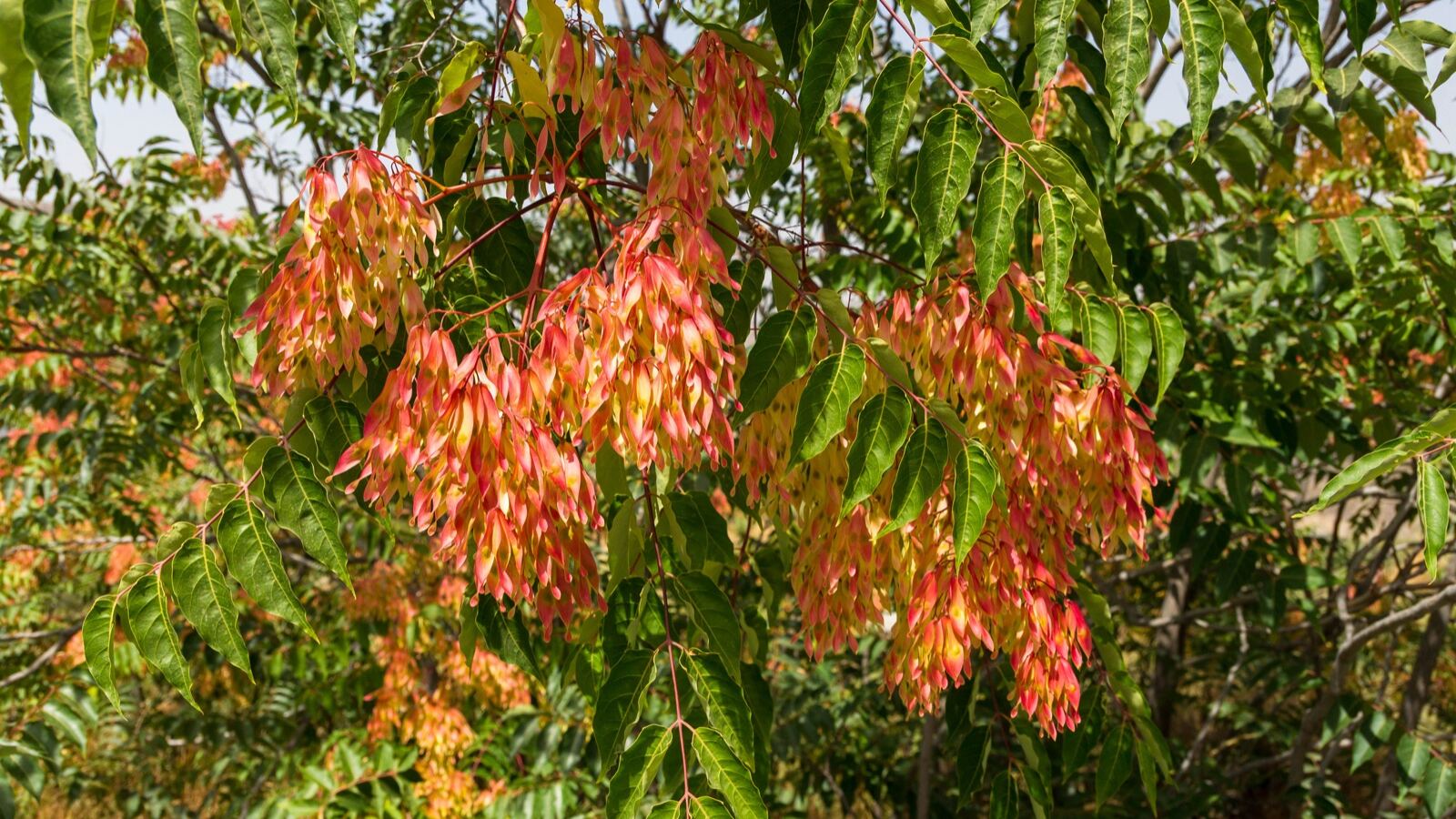 № 497
№ 497Tree of Heaven: The Invader That Grows in Brooklyn
A fast, tough, foul-smelling Asian tree that poisons its neighbours, resprouts from any cut, and now hosts the pest threatening whole crops.
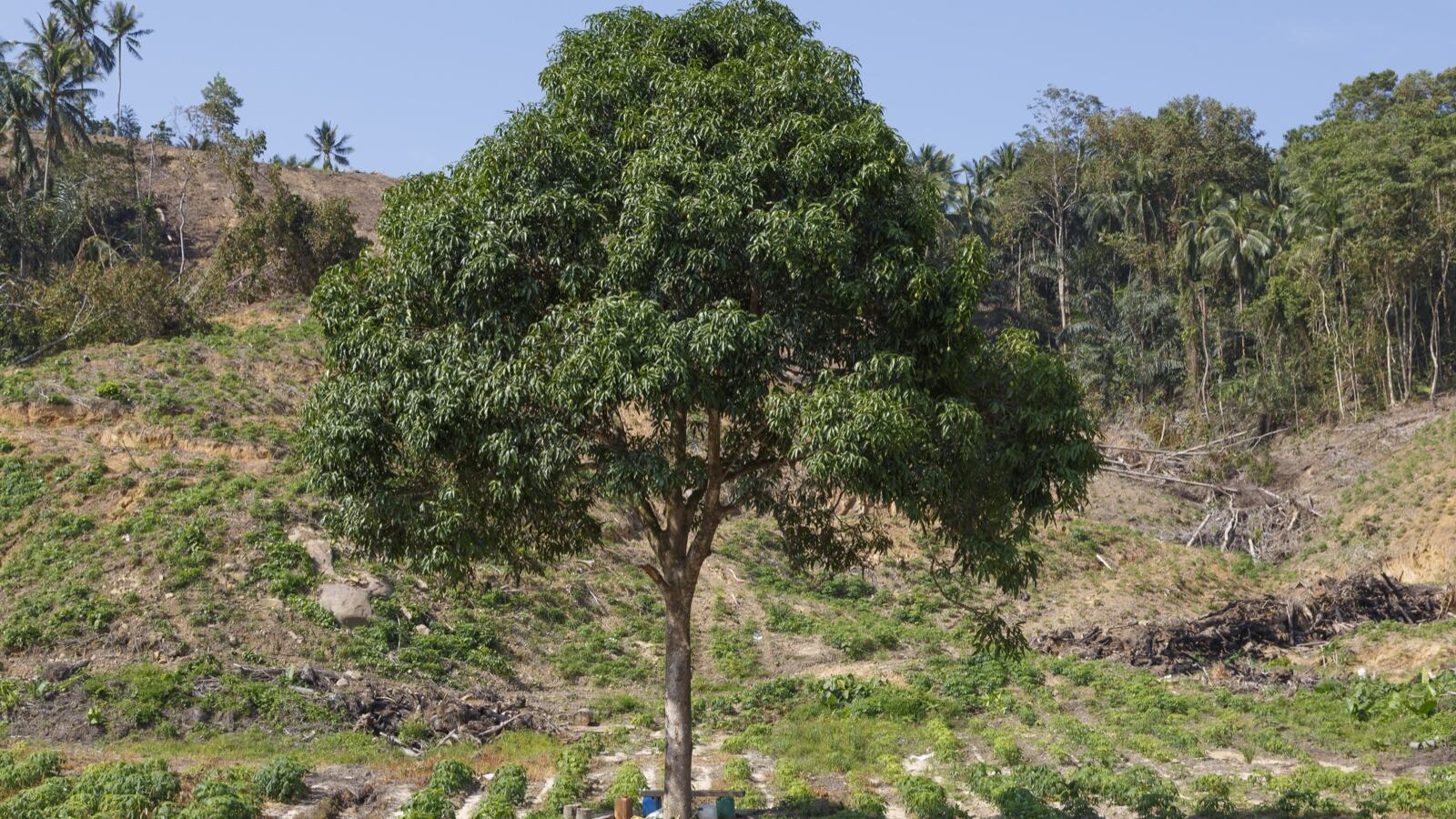 № 501
№ 501Tropical Fruit Trees: Mango, Avocado, Jackfruit, Papaya
The heavy hitters of tropical food forests — flowering triggers, the avocado's odd sex life, and why jackfruit may be the most underrated crop there is.
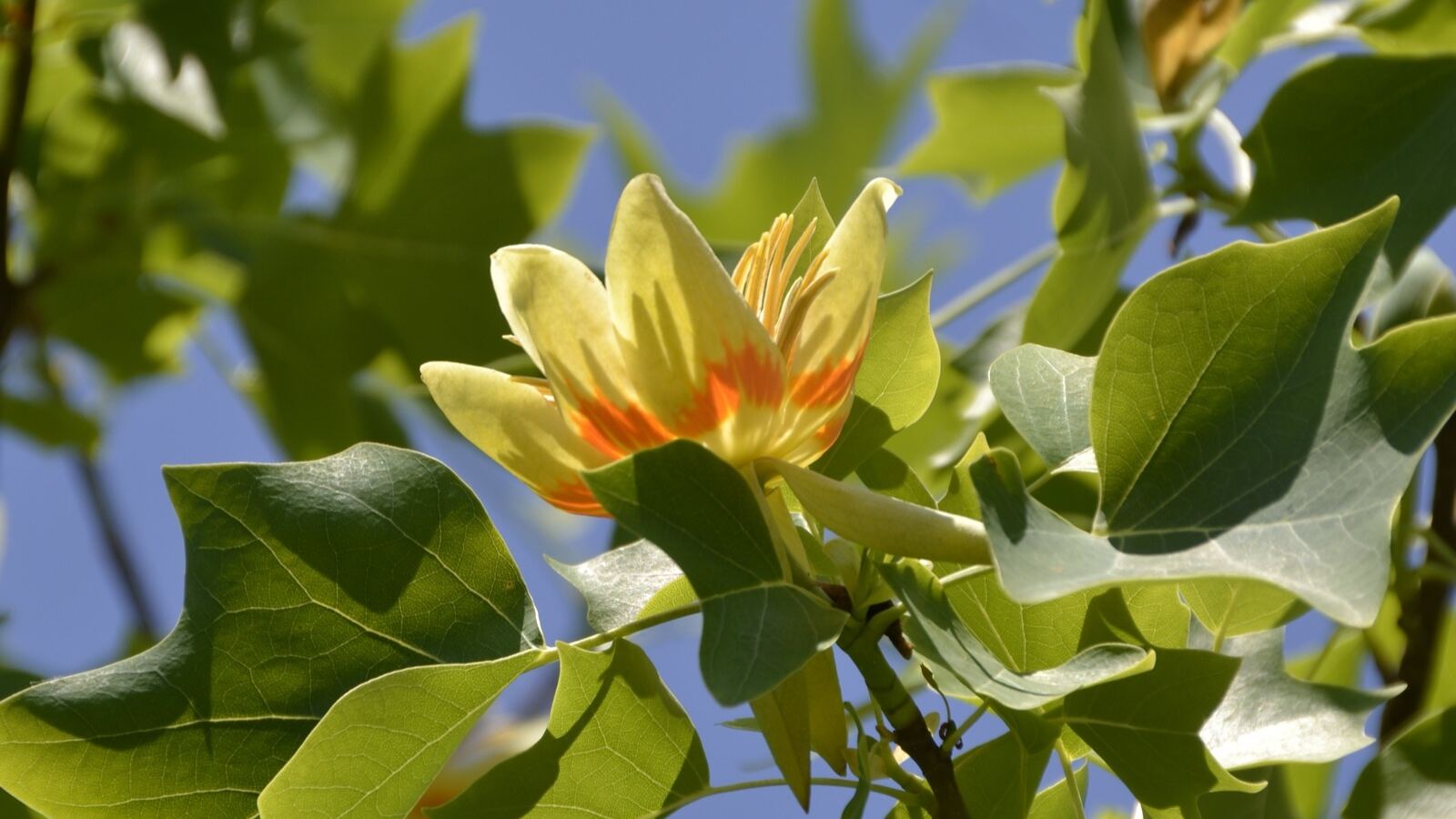 № 502
№ 502Tulip Tree: The Tallest Hardwood in the East
Liriodendron — a magnolia relative with square-cut leaves, orange-marked flowers, and the straightest timber in North America.
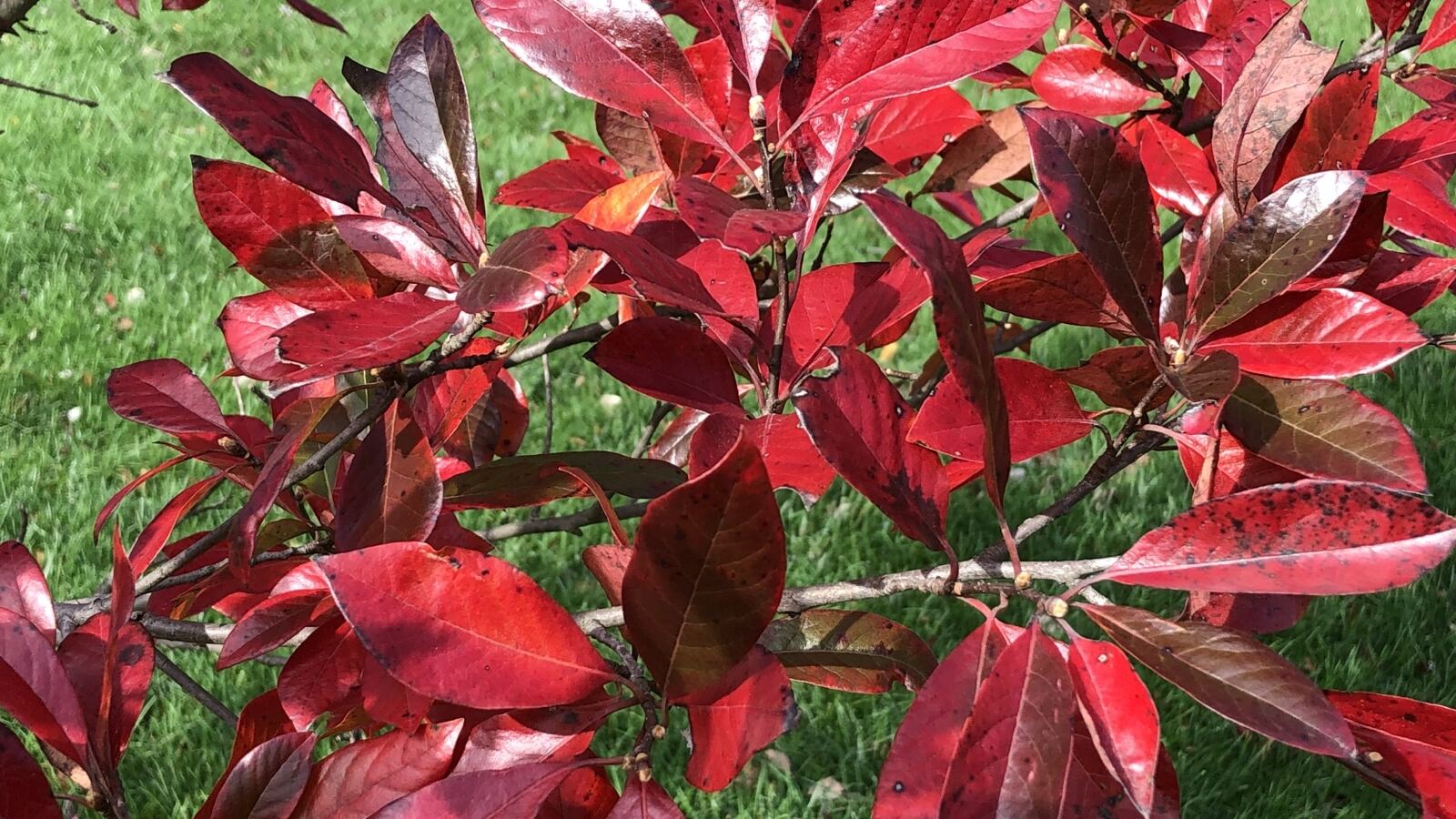 № 504
№ 504Tupelo: Swamp Tree, Famous Honey, Perfect Scarlet
A tree of southern swamps whose spring flowers make a honey that never crystallises, and whose autumn leaves turn the purest red in the forest.
 № 521
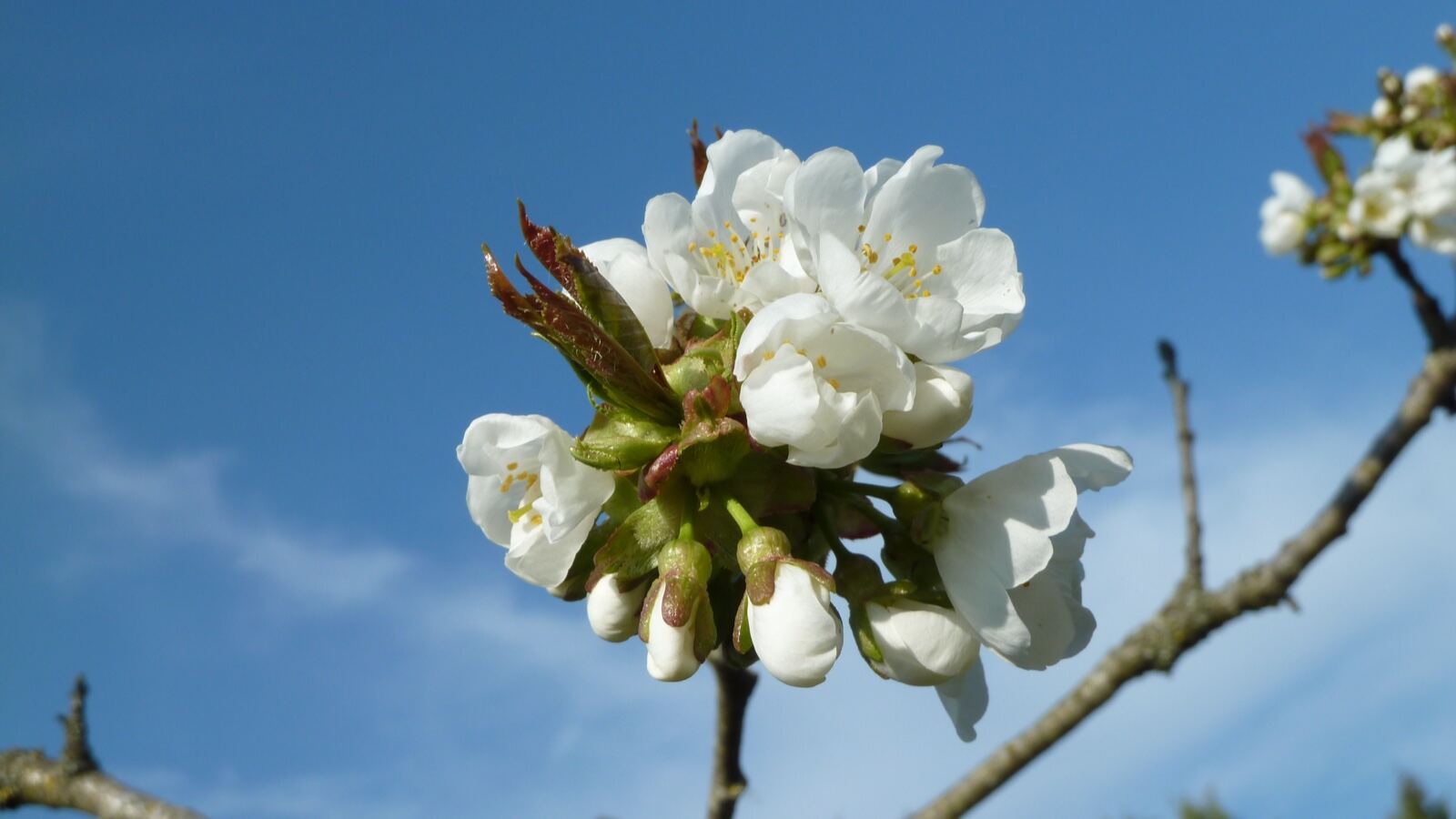
№ 521Wild Cherry: Timber, Blossom, and Suckers
Gean and bird cherry — high-value hardwood, a spectacular spring flowering, and a root system that colonises.
 № 522
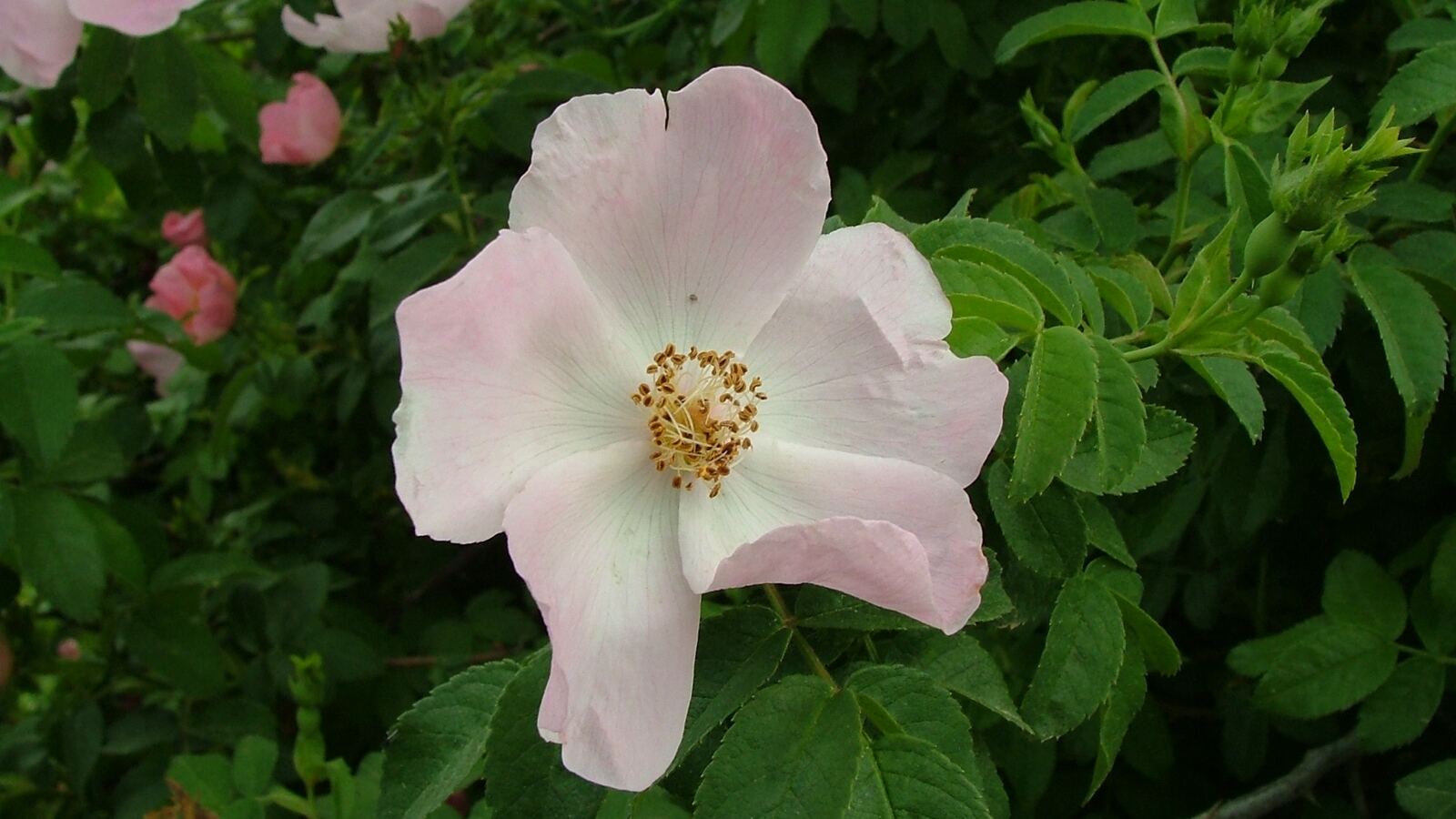
№ 522Wild Roses: Hips, Hedges, and the Rootstock Beneath the Garden Rose
The dog rose and its kin — thorny scramblers that arch through hedgerows, feed birds and people with vitamin-rich hips, and carry every cultivated rose on their roots.
 № 527
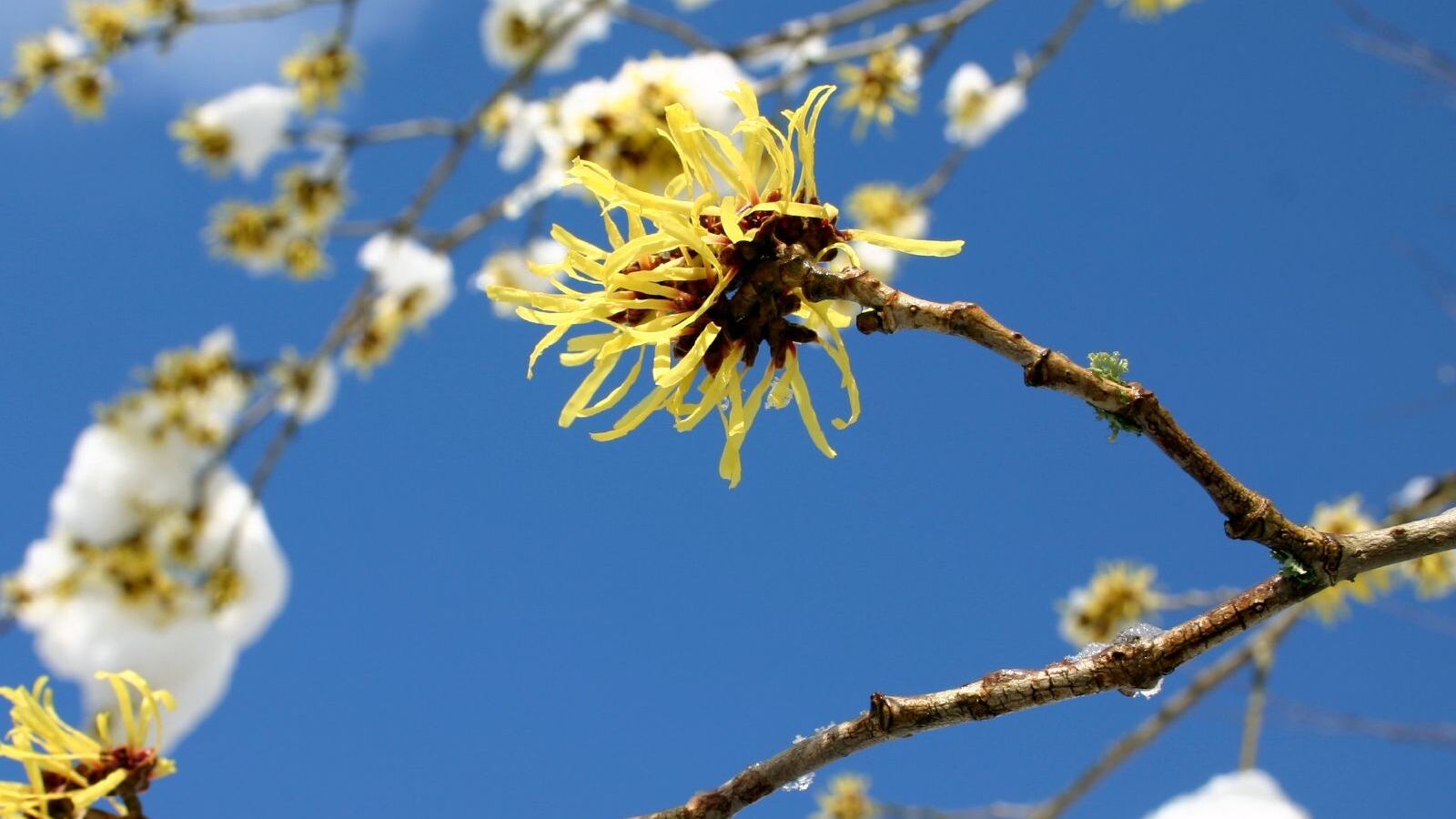
№ 527Witch Hazel: Winter Flowers and Exploding Seeds
A shrub that flowers in the depths of winter on bare stems, fires its seeds metres across the ground, and yields a household astringent.
 № 535
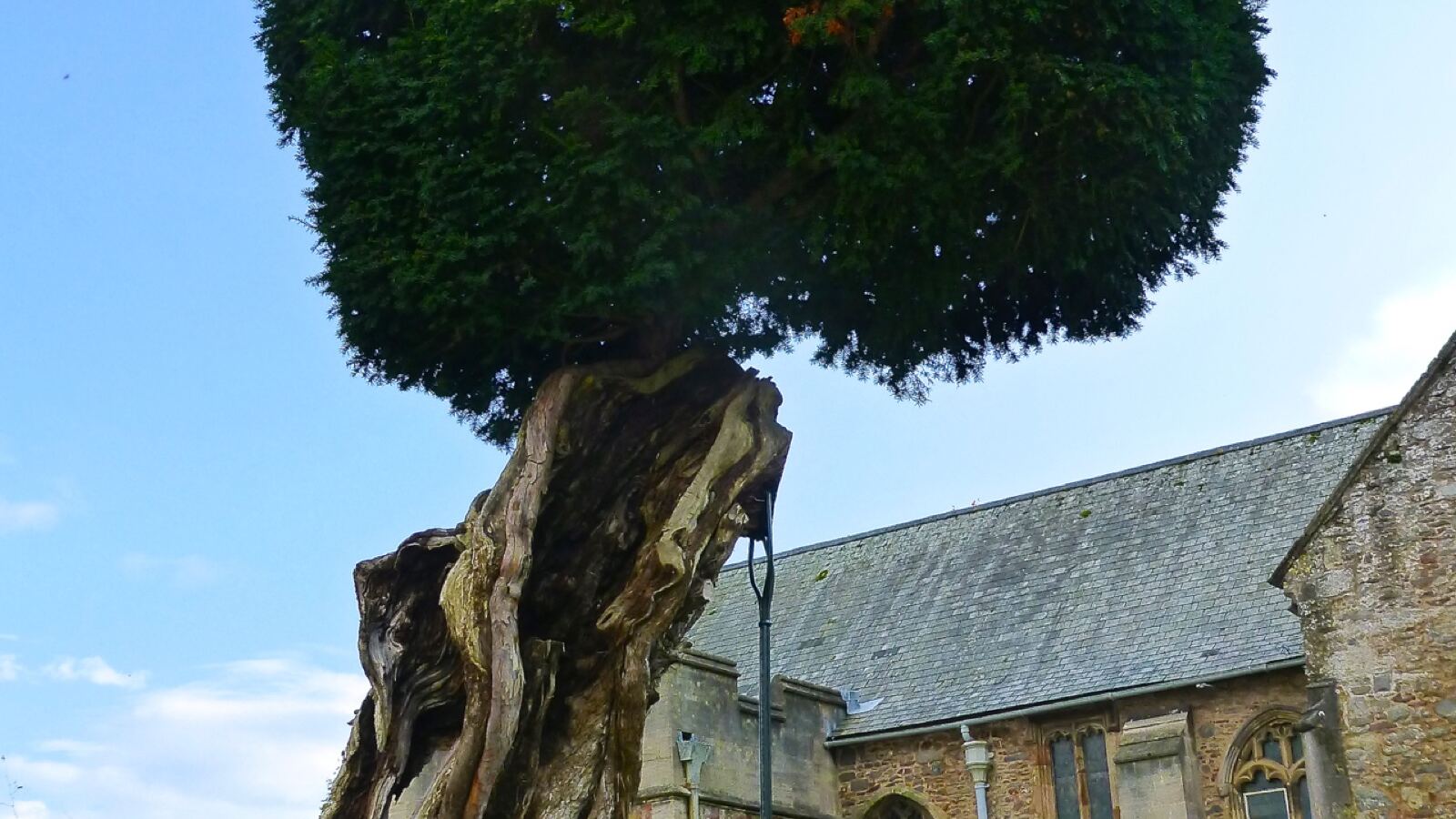
№ 535Yew: The Tree That Outlives the Churchyard
Thousands of years old, toxic in every part but the aril, and the only major conifer that resprouts from old wood.
 № 538
№ 538Zelkova: The Elm That Survived the Blight
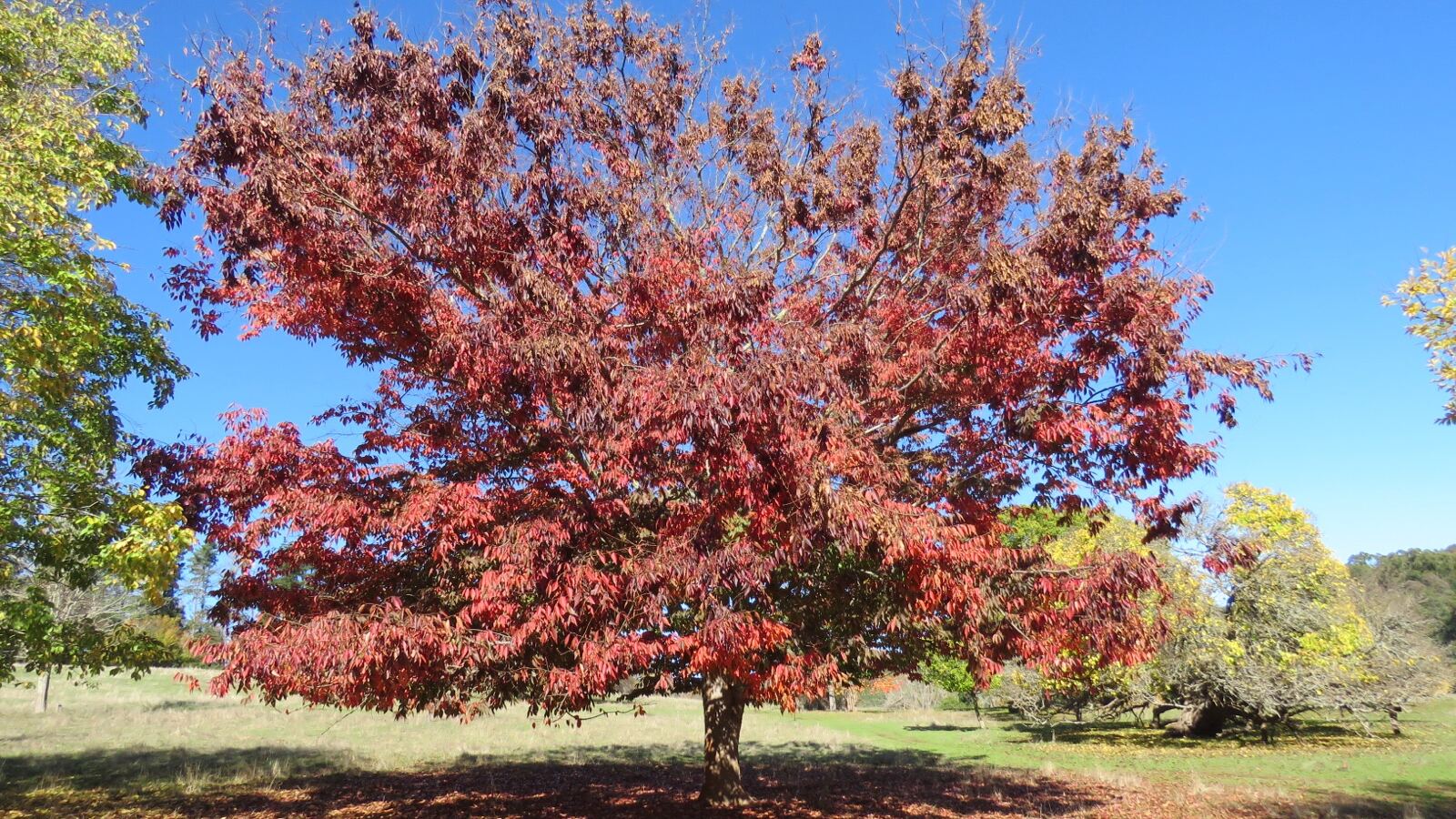
An elm relative with a perfect vase shape and resistance to Dutch elm disease — planted to replace the lost elms, and revered in Japan as the keyaki.
 № 040
№ 040Berry Bushes: Currants, Gooseberries, Honeyberry, Aronia
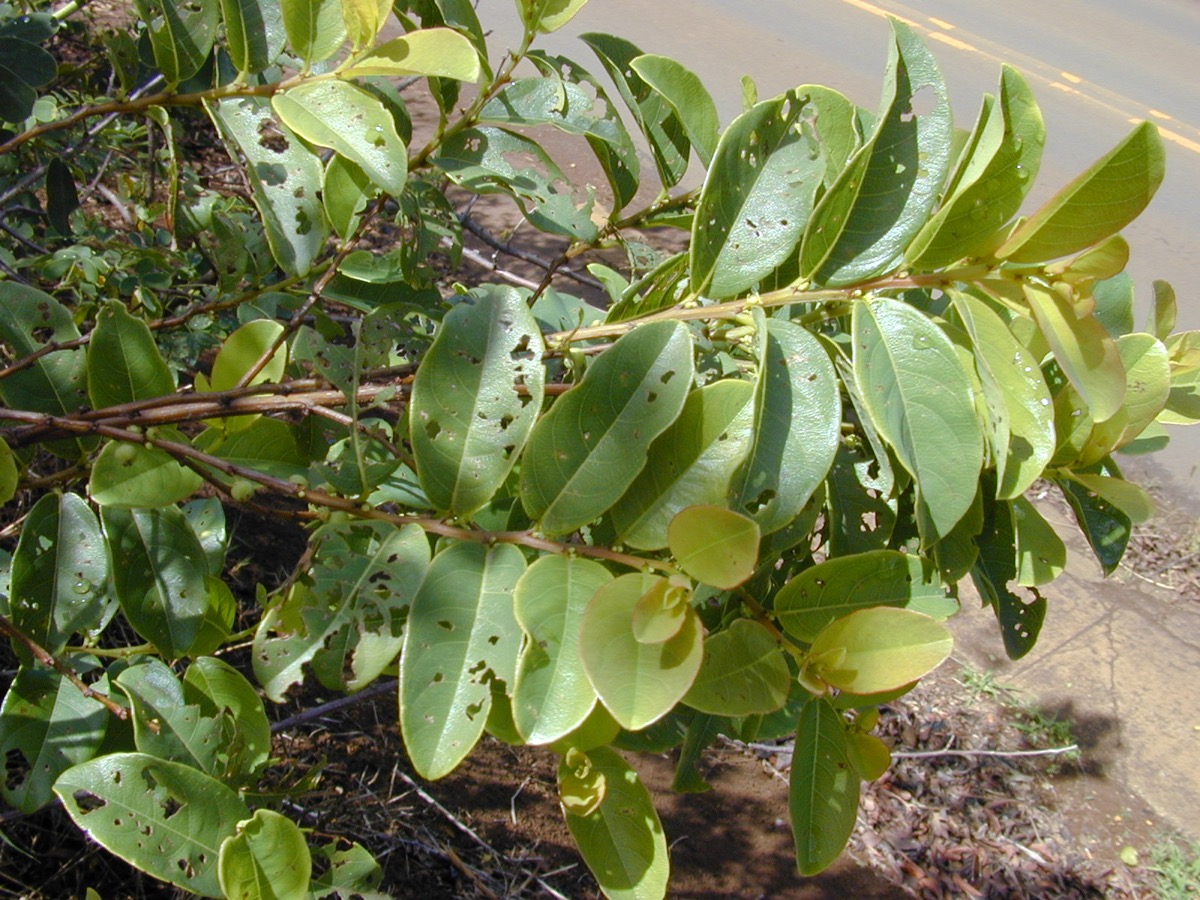
Cool-temperate workhorses for the cold corner where blueberries refuse. Currants, gooseberries, jostaberry, honeyberry, aronia. Pruning, yields, blister rust.
 № 049
№ 049Blueberry and Acid Shrubs: Building a pH 4.5 Garden
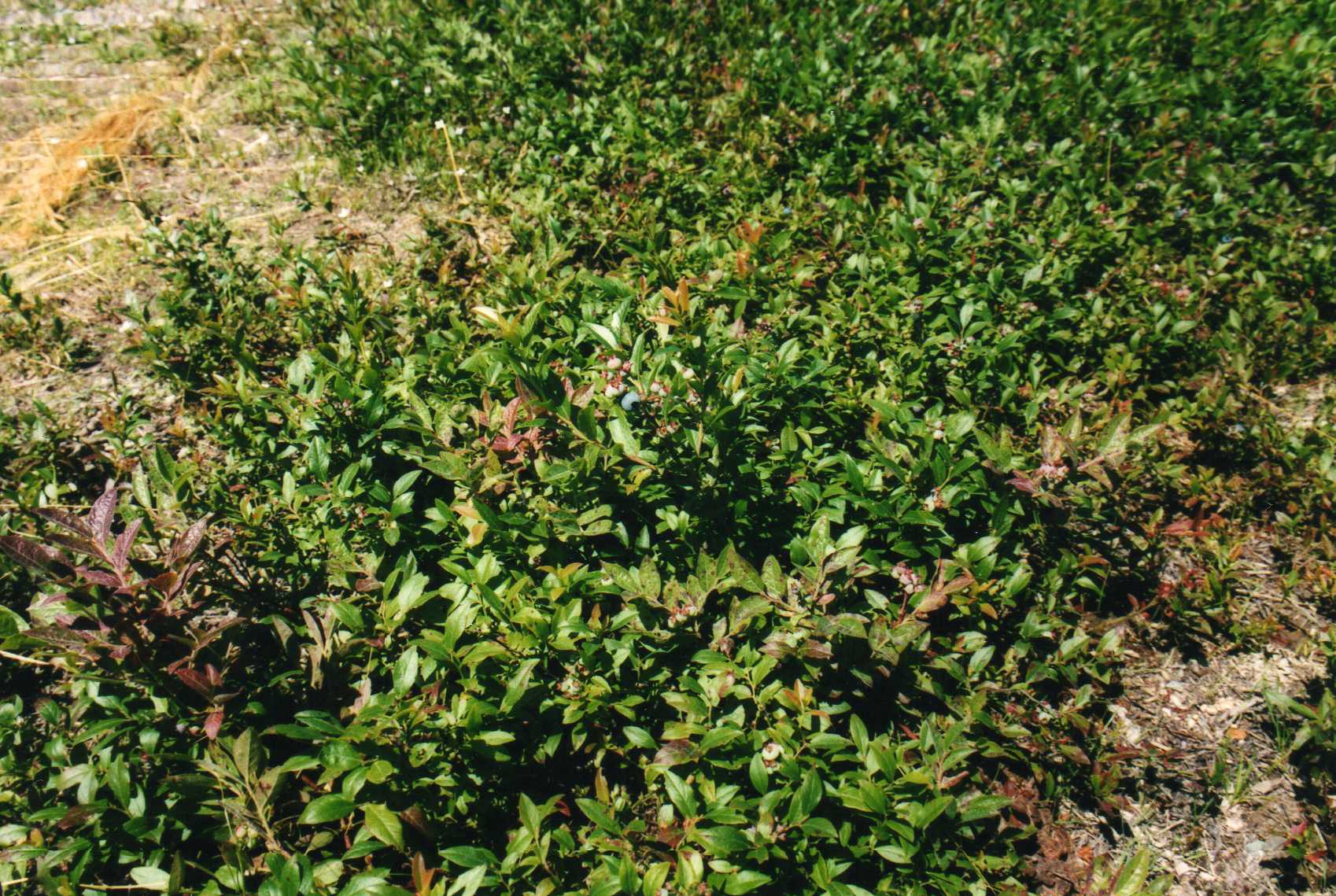
Vaccinium and friends want soil most plants would die in. How to build that soil, choose the right cultivars, and keep a stand productive for thirty years.
 № 151
№ 151Elderberry: The Hedge Shrub That Pays Rent
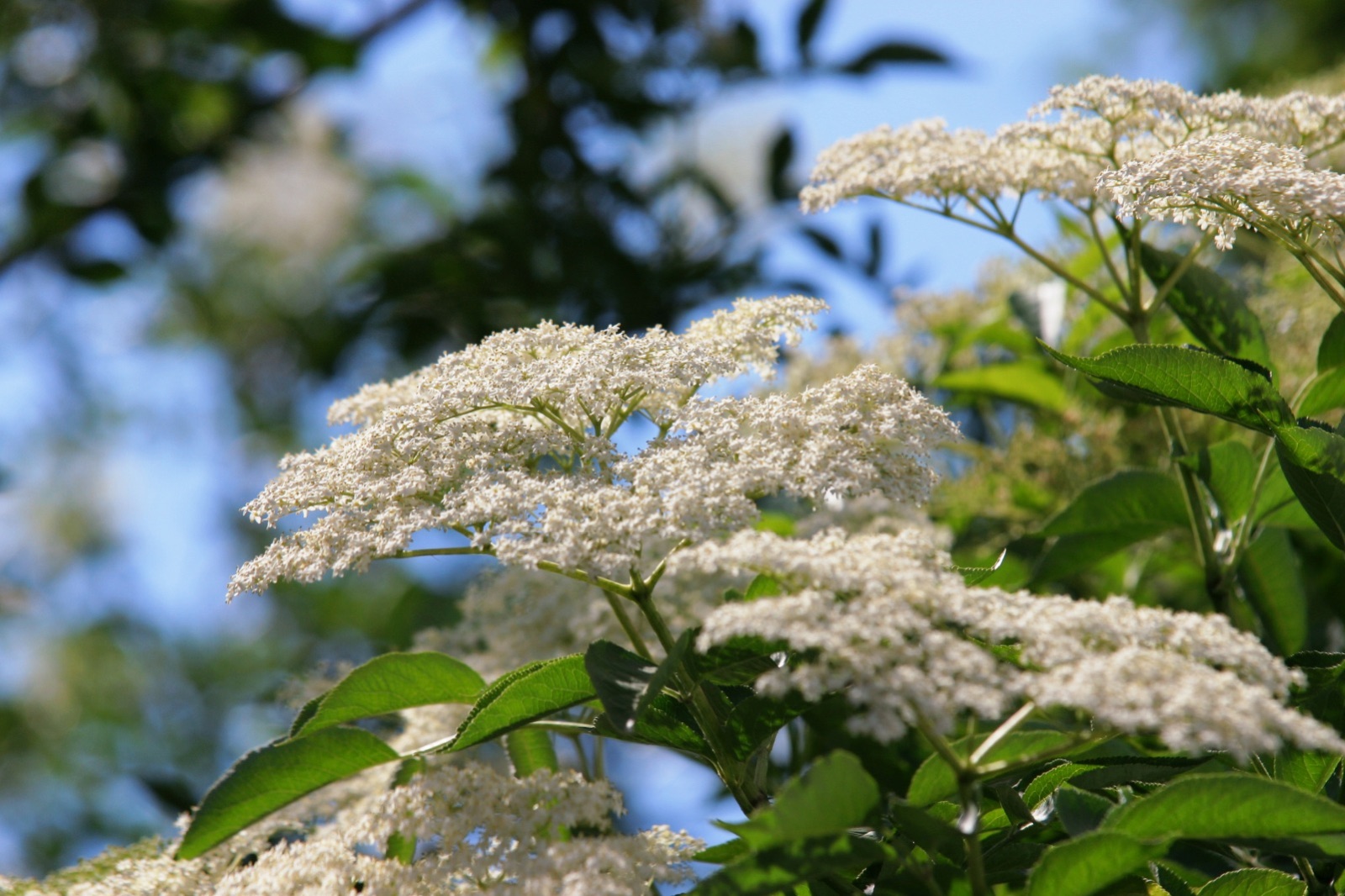
Sambucus nigra and S. canadensis. A keystone berry shrub for birds, cordial, and tincture. Roots from a winter stick. Just don't eat it raw.
 № 209
№ 209Hawthorn: The Hedge that Outlives the Hedger
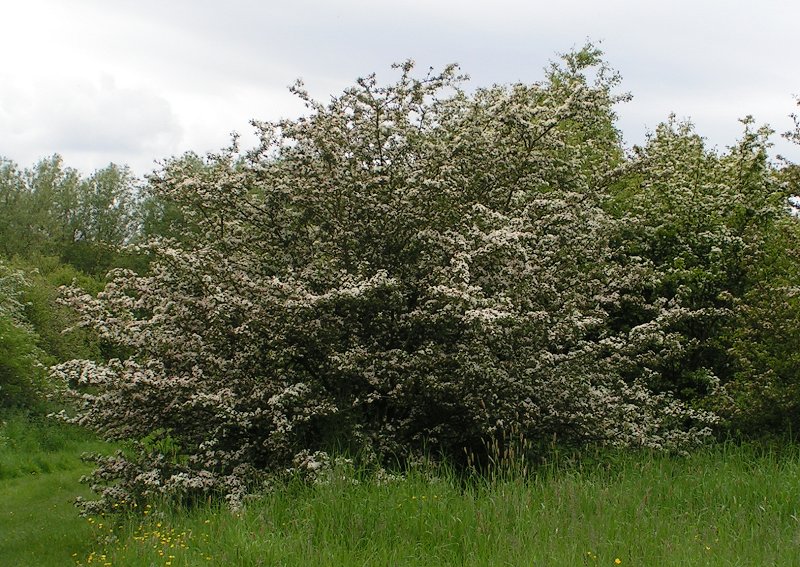
Crataegus monogyna and 280 cousins. The thorned backbone of the British mixed hedge, a 500-year tree, and a heart medicine in one shrub.
 № 210
№ 210Hazel: The Coppice Workhorse
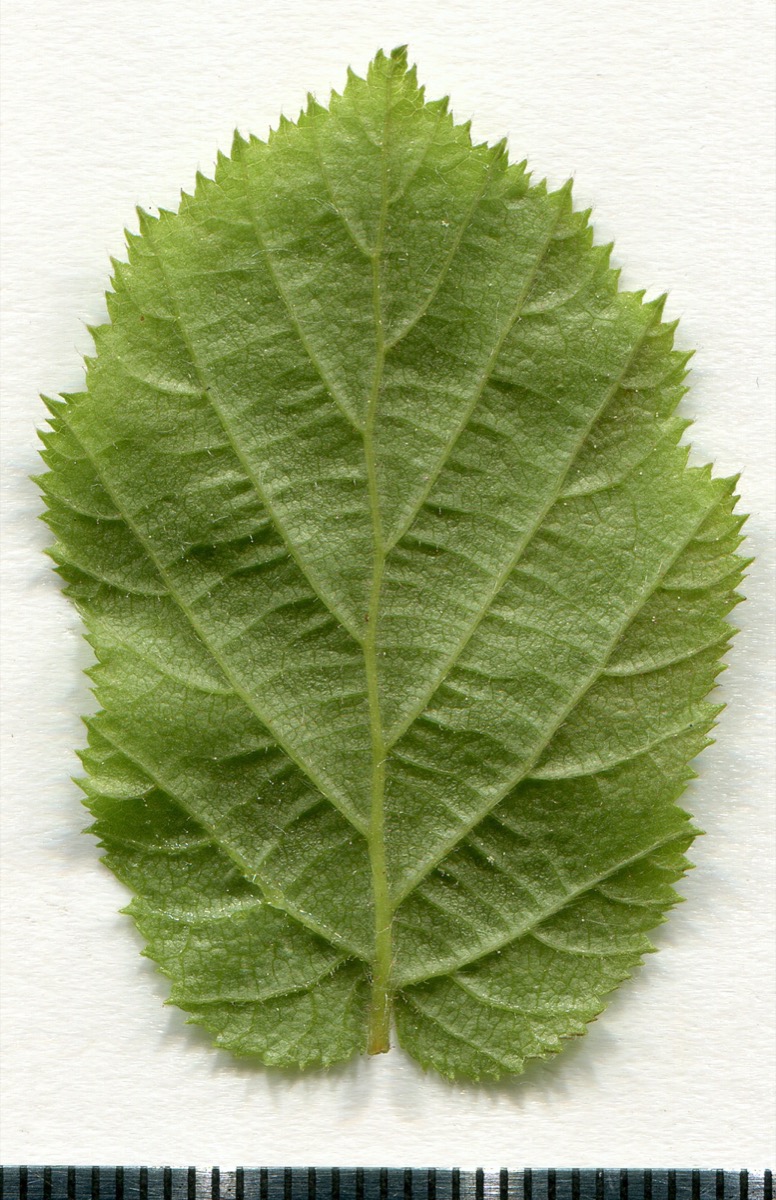
Corylus avellana. A nut tree that doubles as a stake factory. Cut it every seven years and it pays in poles, pollen, and filberts.
 № 287
№ 287Mediterranean Shrubs: The Dry-Garden Backbone
Rosemary, lavender, sage, cistus, oleander. Aromatic woody plants built for sun, stone, and almost no water once they take.
 № 317
№ 317Nitrogen-Fixing Shrubs: The Frankia Partnership
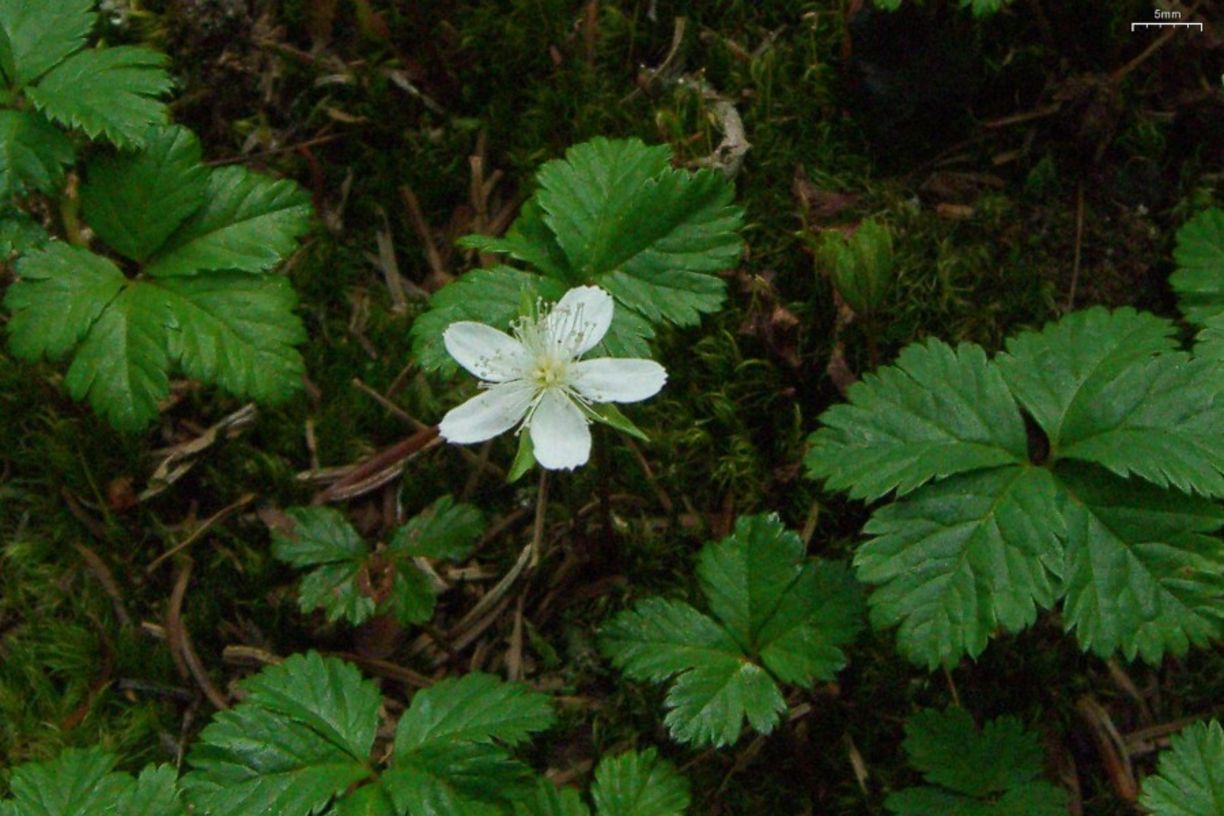
Sea buckthorn, goumi, Siberian pea, and their kin. Shrubs that host Frankia bacteria and pull 70 to 180 kg of nitrogen per hectare out of thin air.
 № 386
№ 386Raspberry and Bramble: The Rubus Genus at Work
Raspberries, blackberries, and their wild cousins. Cane biology, pruning by type, and bramble as a restoration species for raw ground.
 № 429
№ 429Shrubs and Bushes: The Forgotten Middle Layer
Multi-stemmed, waist-to-chest-high, and chronically under-planted. Shrubs do the work trees and herbs cannot, and most growers skip them entirely.
 № 524
№ 524Wildlife Shrubs: Feeding the Hedge Through Winter
Guelder rose, dogwood, holly, blackthorn, wayfaring tree. The five shrubs that turn a fence line into a working hedgerow for birds, bees, and nesting cover.
 № 316
№ 316Nitrogen-Fixing Food Trees: Carob, Honey Locust, Mesquite
Trees that feed the soil and feed you. Carob, honey locust, mesquite, and a handful of others deliver food, fodder, and free nitrogen.
 № 322
№ 322Nut Pines: Stone Pine, Korean Pine, Pinyon
Long-lived cold-hardy pines that drop high-calorie nuts, build soil, and produce excellent timber. Plant for your grandchildren and feed yourself in the meantime.
 № 007
№ 007Alder: The Nitrogen-Fixing Wet-Site Pioneer
How alder partners with Frankia bacteria to fix nitrogen, hold stream banks, and turn waterlogged ground into fertile soil for the trees that come next.
 № 080
№ 080Chestnut: The Tree That Fed Civilisations
How chestnuts fed mountain Europe for millennia, why the American chestnut nearly vanished, and how to fit chestnuts into a working food forest.
 № 155
№ 155Eucalyptus: Controversial Giant, Essential Keystone
Why eucalyptus is not one tree but over 700 species, irreplaceable in Australia and disruptive when planted as monocultures elsewhere.
 № 161
№ 161Fig Species: Tropical Keystones That Feed Everything
Why 750-plus species of Ficus are the most important tree genus in the tropics, fruiting year-round and feeding more wildlife than almost any other plant.
 № 343
№ 343Paulownia: The Fastest Growing Hardwood on Earth
Paulownia grows faster than any hardwood on earth. That power makes it valuable on degraded land and dangerous in the wrong place.
 № 433
№ 433Silver Birch: Light Canopy, Deep Roots
How silver birch colonises bare ground, connects with over a hundred fungal species, and nurses slower trees toward maturity.
 № 511
№ 511Walnut: High-Value Timber and Food
Walnut pairs premium timber with calorie-dense nuts. Design around juglone allelopathy and you get one of the most profitable trees in temperate agroforestry.
 № 525
№ 525Willow: The Pioneer That Grows from a Stick
Willows root from bare cuttings, stabilise riverbanks, coppice endlessly, and serve as living infrastructure across temperate landscapes.
 № 031
№ 031Baobab: The Tree of Life
The ancient baobab stores thousands of litres of water, feeds people and pollinators, and anchors African savannas for two thousand years.
 № 282
№ 282Mangroves: Coastal Guardians
Salt-tolerant trees that build coastline, store carbon at five times the rate of upland forest, and feed three quarters of tropical fisheries.
 № 309
№ 309Native Oaks: Backbone of Temperate Forests
Why native oaks support more biodiversity than almost any other tree genus, and how to grow them for restoration and food production.
 № 300
№ 300Moringa Oleifera: The Miracle Tree
Everything you need to know about growing and using Moringa oleifera, the fast tropical tree with edible leaves and seed-based water purification.