What it is
Cercidiphyllum japonicum, from Japan and China, and its relative C. magnificum — the only two species in the genus, and a lineage with no close living relatives, one of those isolated survivors like ginkgo and tulip tree of a once-wider flora.
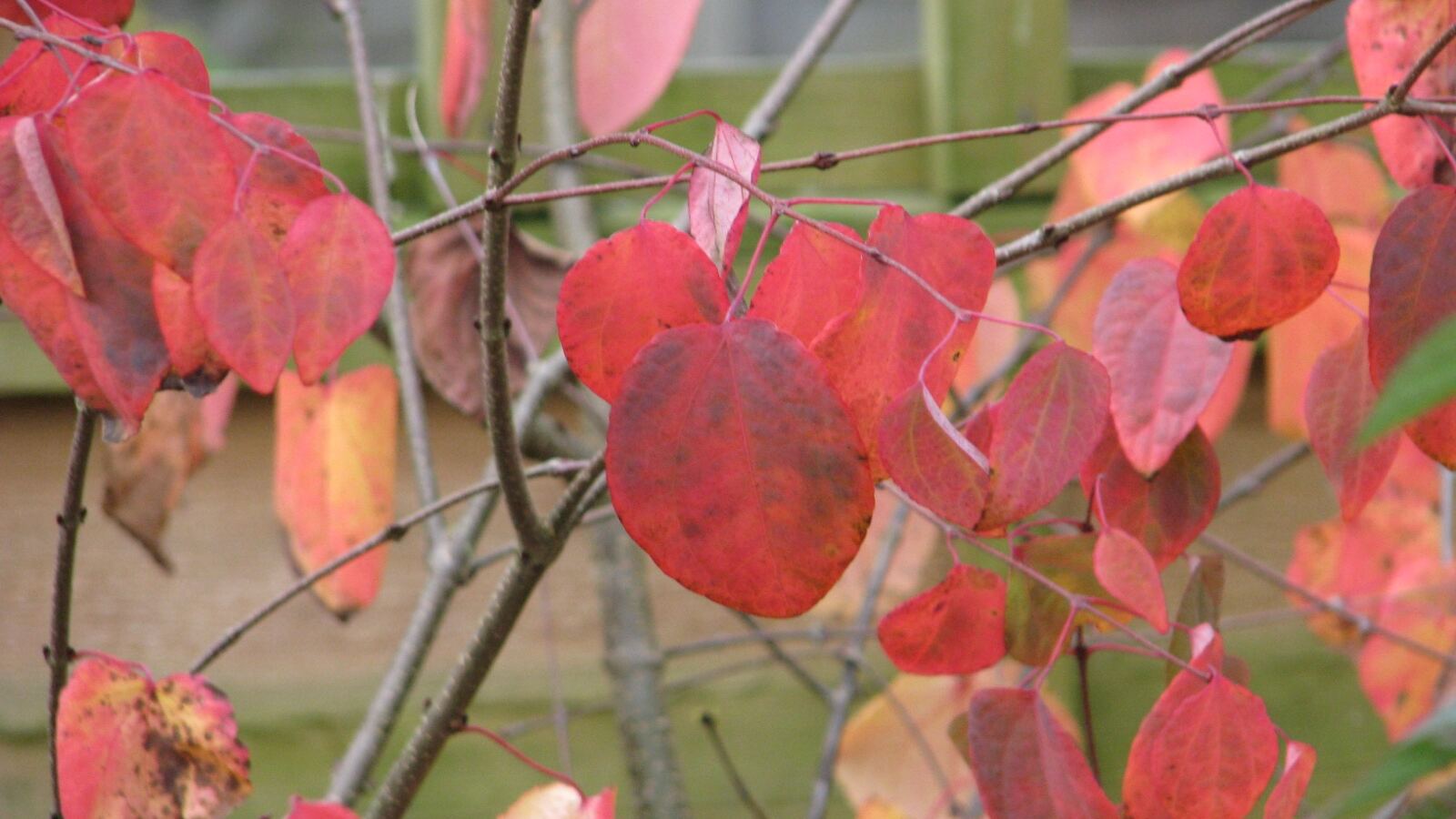
An elegant, medium to large deciduous tree with rounded, heart-shaped leaves — the genus name means leaf like Cercis, the redbud — held in neat opposite pairs, emerging bronze-pink, turning fresh blue-green, and colouring to apricot, gold, and pink in autumn.
The scent
The reason gardeners plant it, and one of the genuine sensory pleasures of the tree year.
As katsura leaves senesce and fall in autumn, they release a strong, sweet scent — variously described as burnt sugar, caramel, candyfloss, or toffee apples — that drifts across a whole garden on a still autumn day.
The compound responsible is maltol, the same molecule that gives baked bread, roasted malt, and caramel their smell, produced as the leaf breaks down its sugars. The scent is strongest from fallen leaves on the ground, especially in slightly damp conditions, and it is unmistakable once known — people often smell a katsura before they find it.
It is a rare case of a tree grown as much for smell as for sight, in the company of the flowering scents of lime and the aromatic foliage of eucalyptus.
Growing it
Katsura is elegant but not tough, and it repays a good position.
Moist, fertile, well-drained soil, and it dislikes drought — the leaves scorch and drop in a dry spell, and young trees especially need reliable moisture. Neutral to slightly acid ground; it tolerates some lime but prefers not.
Shelter and sun to light shade. The spring foliage is vulnerable to late frost, which browns the emerging leaves, so a frost pocket is a poor choice. See frost protection.
Dioecious — separate male and female trees, as in holly and yew — though it is grown for foliage rather than fruit, so the distinction rarely matters to gardeners.
It grows fast when happy, reaching 10 to 20 m, sometimes multi-stemmed, with a light, delicate, slightly tiered habit. A weeping form is widely planted and makes a graceful specimen.
Few pests or diseases trouble it; the main risks are drought and frost, both siting matters.
Propagated from seed, which is fine and needs light to germinate, or from softwood cuttings. See propagation.
Katsura is a specimen and shade tree rather than a productive one, and its case is aesthetic: fine foliage, three seasons of leaf colour, a delicate outline, and the extraordinary autumn scent that nothing else provides.
See also
- Tulip Tree another isolated relict with fine autumn colour
- Ginkgo the classic living-fossil tree
- Redbud and Sassafras the redbud its leaves resemble
- Lime and Linden the other tree grown partly for scent
- Frost Protection protecting the spring foliage
- Maples the companions for autumn colour