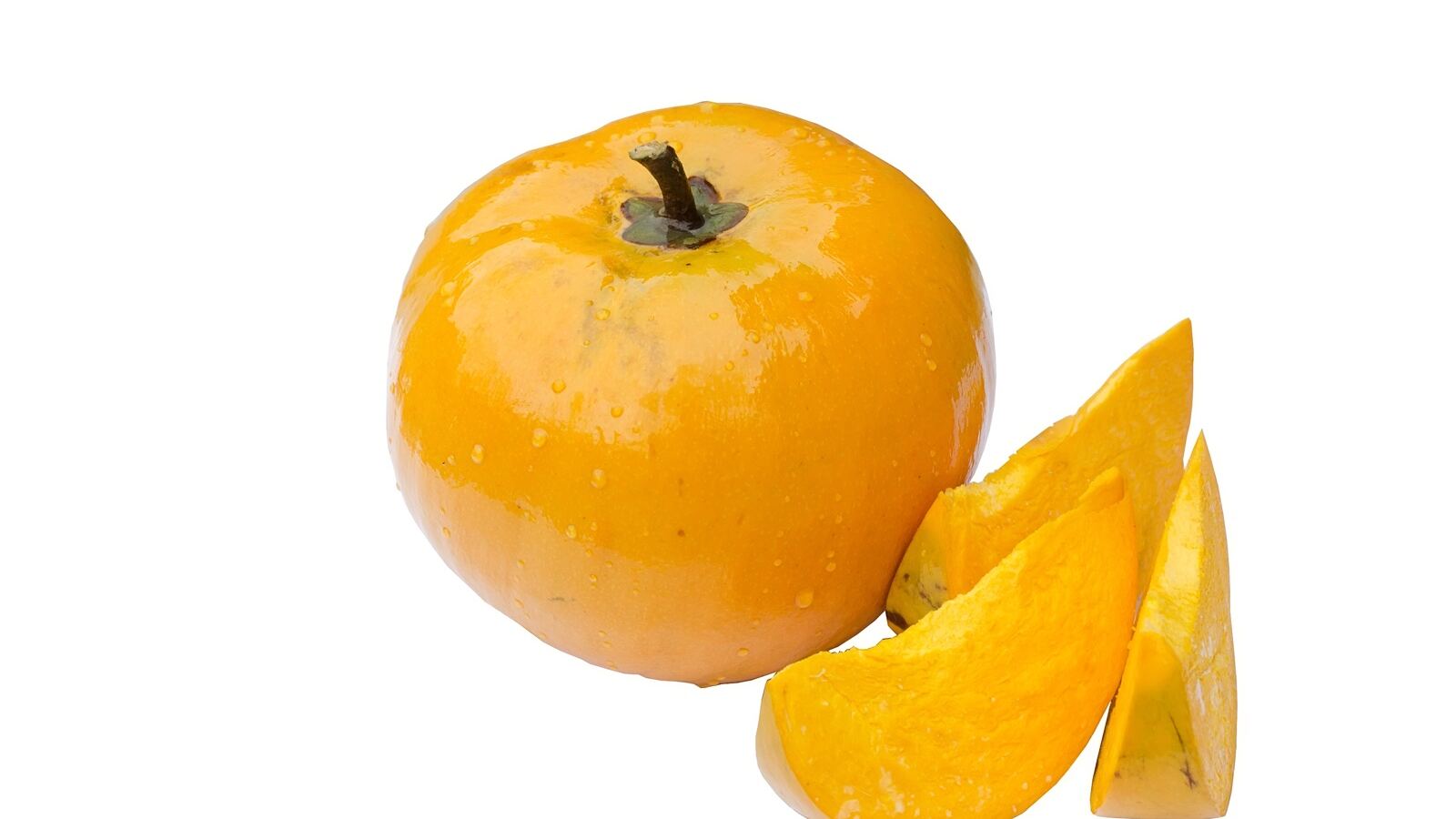
What they are
Two tropical American fruit trees of the genus Pouteria, in the sapodilla family, Sapotaceae — relatives of the sapodilla and mamey sapote, the mahua, and the miracle fruit:
Canistel (Pouteria campechiana), the egg-fruit or yellow sapote, of Central America; Abiu (Pouteria caimito), of the Amazon.
Both bear smooth-skinned fruit with soft sweet flesh, and both are prized in their regions and increasingly grown by tropical-fruit enthusiasts worldwide, though — as with so many Sapotaceae fruits — they are little known outside the tropics.
Canistel: the egg-fruit
The canistel's fruit is one of the most distinctive in texture of any fruit. It is a glossy, orange-yellow, often pointed fruit, and when ripe its flesh is not juicy but dense, dry, pasty, and smooth — remarkably like the cooked yolk of a hard-boiled egg, or like sweet potato or pumpkin custard, which is why it is called the "egg-fruit."
The flavour is rich, sweet, and custardy, faintly musky, and the fruit is eaten fresh (some love it, some find the dry pastiness odd), mashed into custards, milkshakes, ice creams, pancakes, and baked goods (it substitutes for pumpkin or sweet potato), and made into a jam and a nog-like drink. Its dense, mealy, low-moisture flesh makes it more a cooking-and-blending fruit than a juicy hand fruit, and it is very filling and nutritious. See tropical fruit trees.
Abiu: the caramel jelly
The abiu is the more universally loved of the two. Its round, smooth, bright-yellow fruit, when ripe, holds a translucent, jelly-like, clear white flesh that is sweet and mild, tasting of caramel or crème caramel — gentle, pleasant, and refreshing, eaten fresh with a spoon (avoiding the sticky latex in the skin, which is best let to ripen fully so the latex subsides). It is a beloved Amazonian fruit and a favourite of tropical-fruit growers for its easy sweetness. The abiu is also used in ice creams and drinks. Both fruits are attractive small-to-medium evergreen trees, ornamental as well as productive.
Growing them
Tropical to warm-subtropical and frost-tender, the canistel is the tougher and more adaptable of the two — it tolerates a range of soils, some drought, and cooler and drier conditions, and even light frost when mature, so it is grown in the subtropics (southern Florida, for instance) as well as the tropics — while the abiu wants the warmer, wetter, more humid lowland tropics and richer, moister soil.
Both want full sun and well-drained soil, are fast-growing and early-bearing (fruiting within a few years), and are grown from seed (sown fresh) and by grafting for superior types. As productive, easy, ornamental fruit trees with unusual and delicious flesh, the canistel and abiu are rewarding additions to a tropical or subtropical food forest. See propagation and grafting.
See also
- Sapotes the sapodilla-family fruits they belong among
- Mahua and Miracle Fruit other Sapotaceae trees
- Cherimoya and Annonas other soft, custardy tropical fruits
- Tropical Fruit Trees the canistel and abiu in the wider orchard
- Food Forest Design easy, early-bearing fruit trees
- Acerola another tropical American dooryard fruit