Ecology
The principles underneath — diversity, edges, indicators, and populations.
Ecology Cheatsheet
The principles underneath: diversity, edges, indicators, and populations.
Go deeper
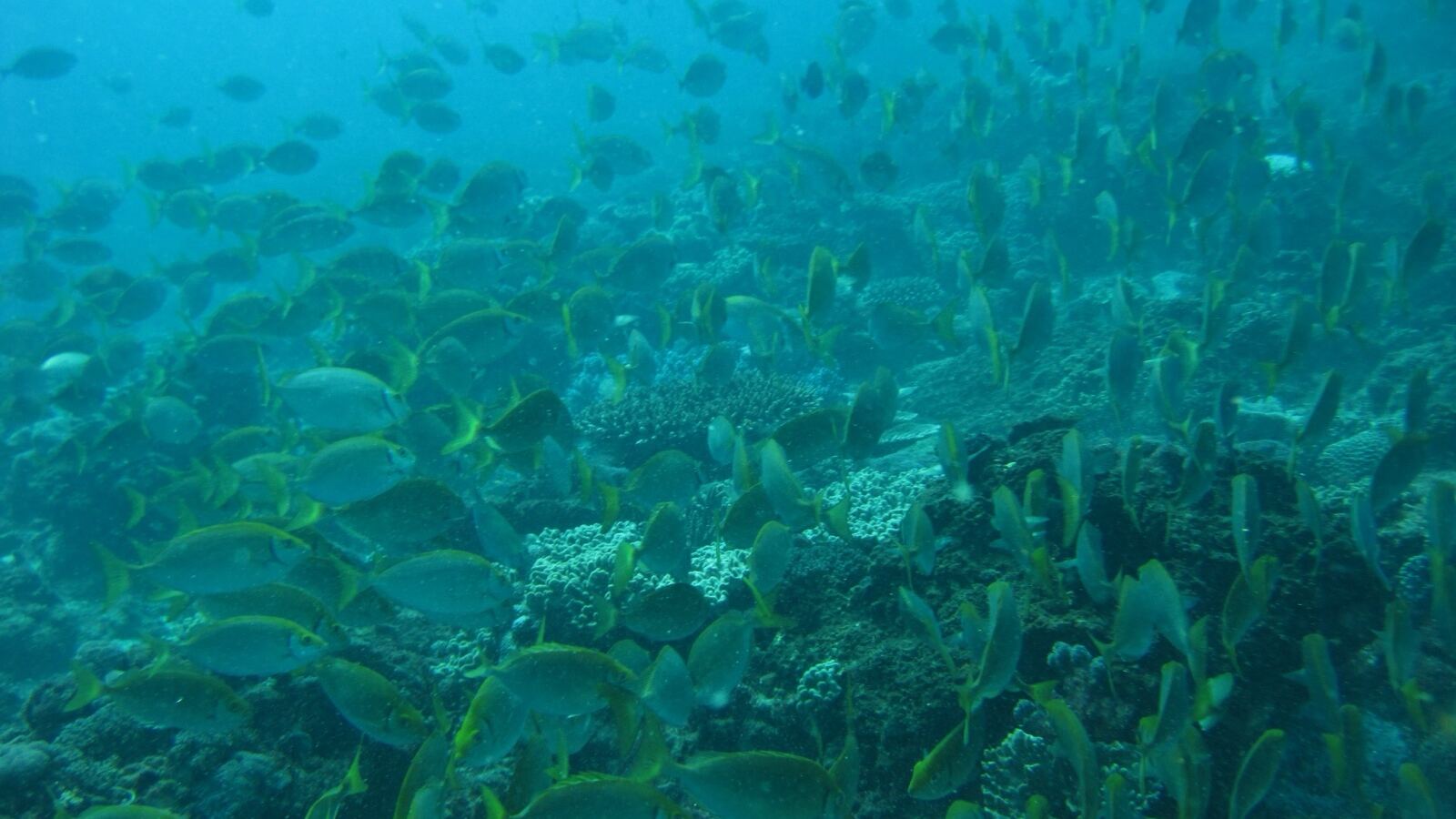 № 043
№ 043Biodiversity: Why Variety Is the Insurance of Life
The variety of life at three levels — genes, species, and ecosystems — and why a diverse system is more productive, more stable, and more able to survive shocks than a simplified one.
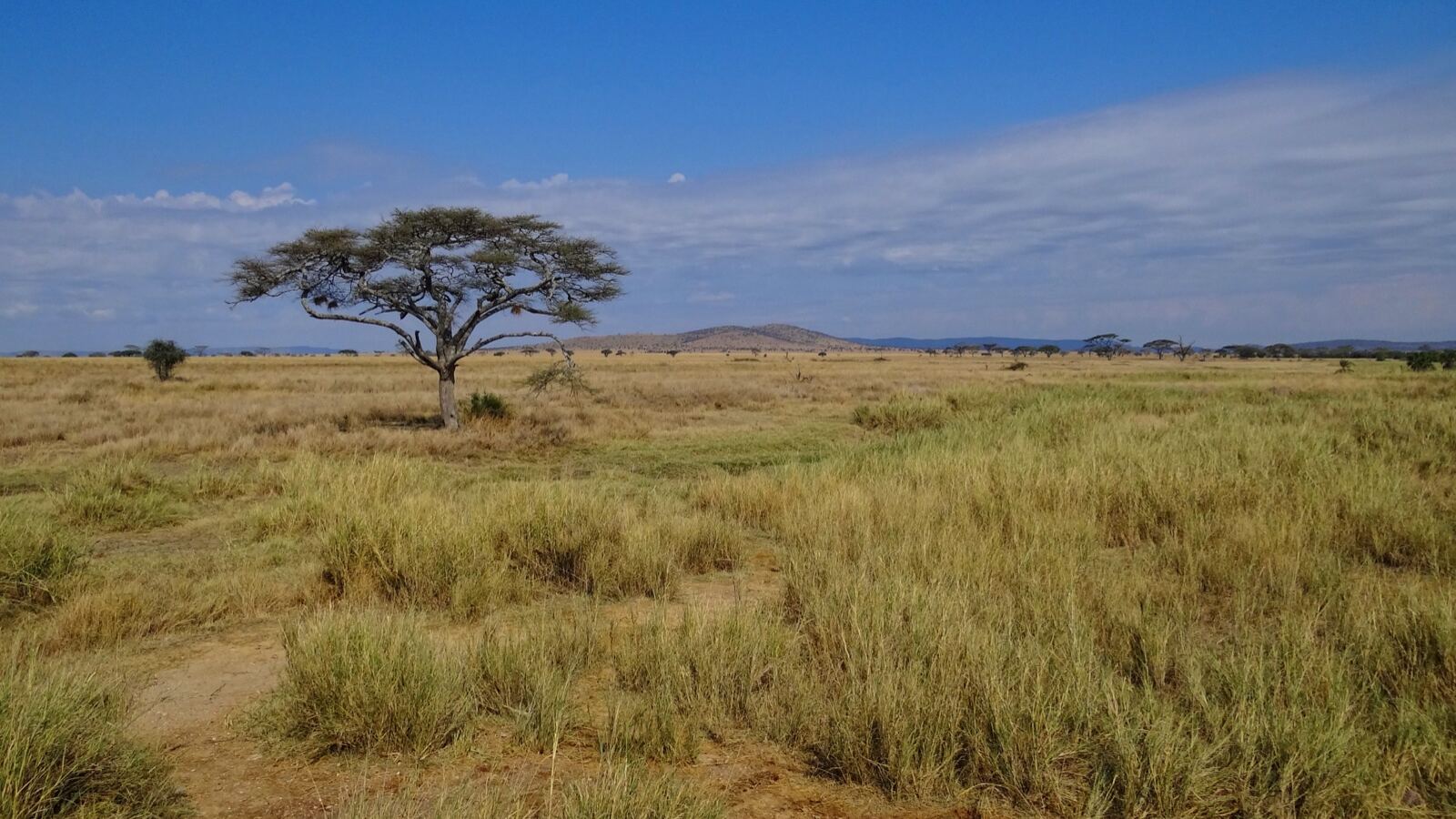 № 044
№ 044Biomes: The World's Great Ecosystem Types
From rainforest to tundra, desert to grassland, the major biomes of the world are shaped mainly by temperature and rainfall — a map of climate written in vegetation, and the frame for understanding where any tree belongs.
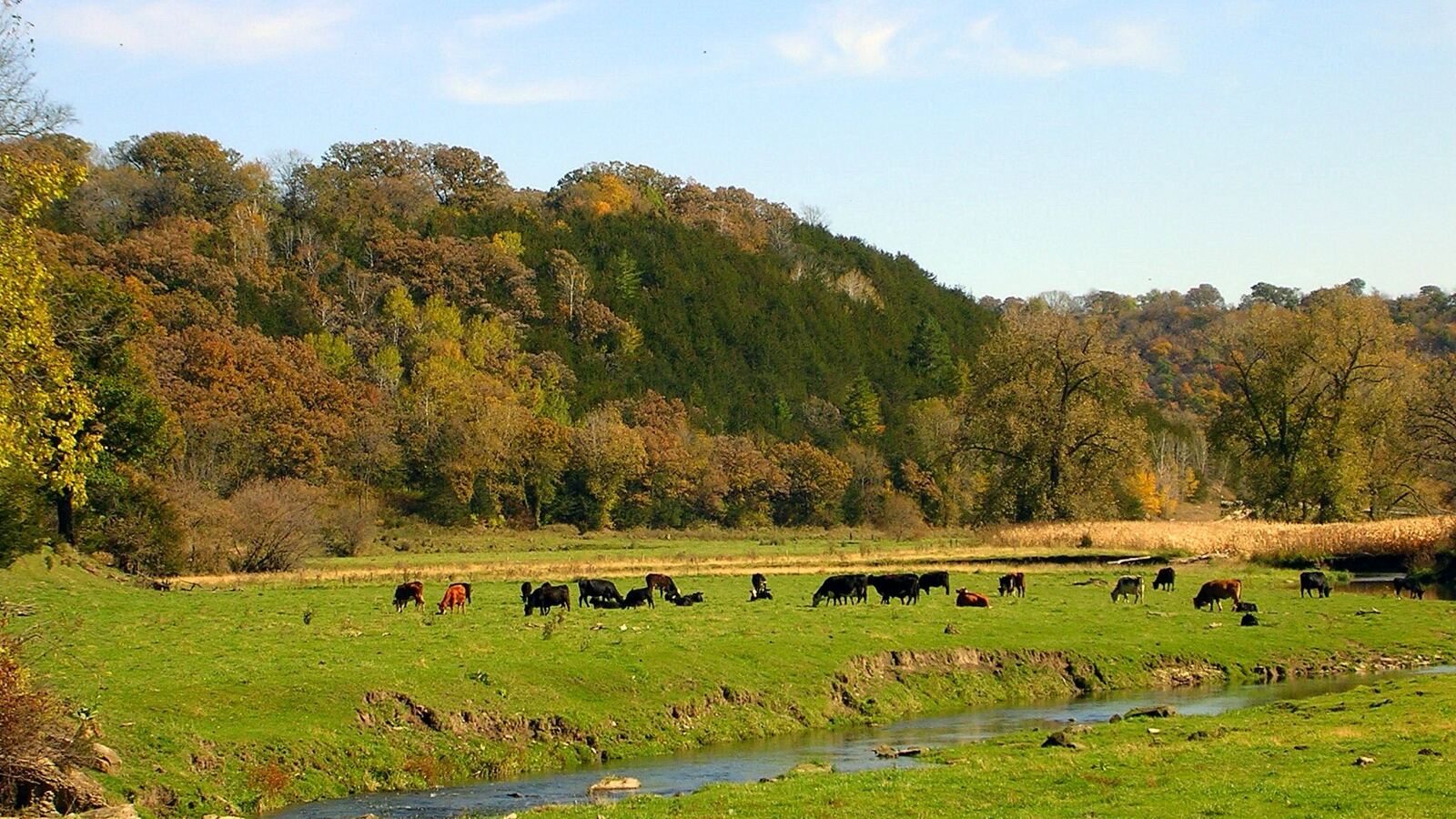 № 066
№ 066Carrying Capacity: The Limit a Place Can Hold
Every environment can support only so much life before its resources run short — and populations that overshoot that limit crash. The idea behind stocking rates, boom-and-bust cycles, and the ecology of limits.
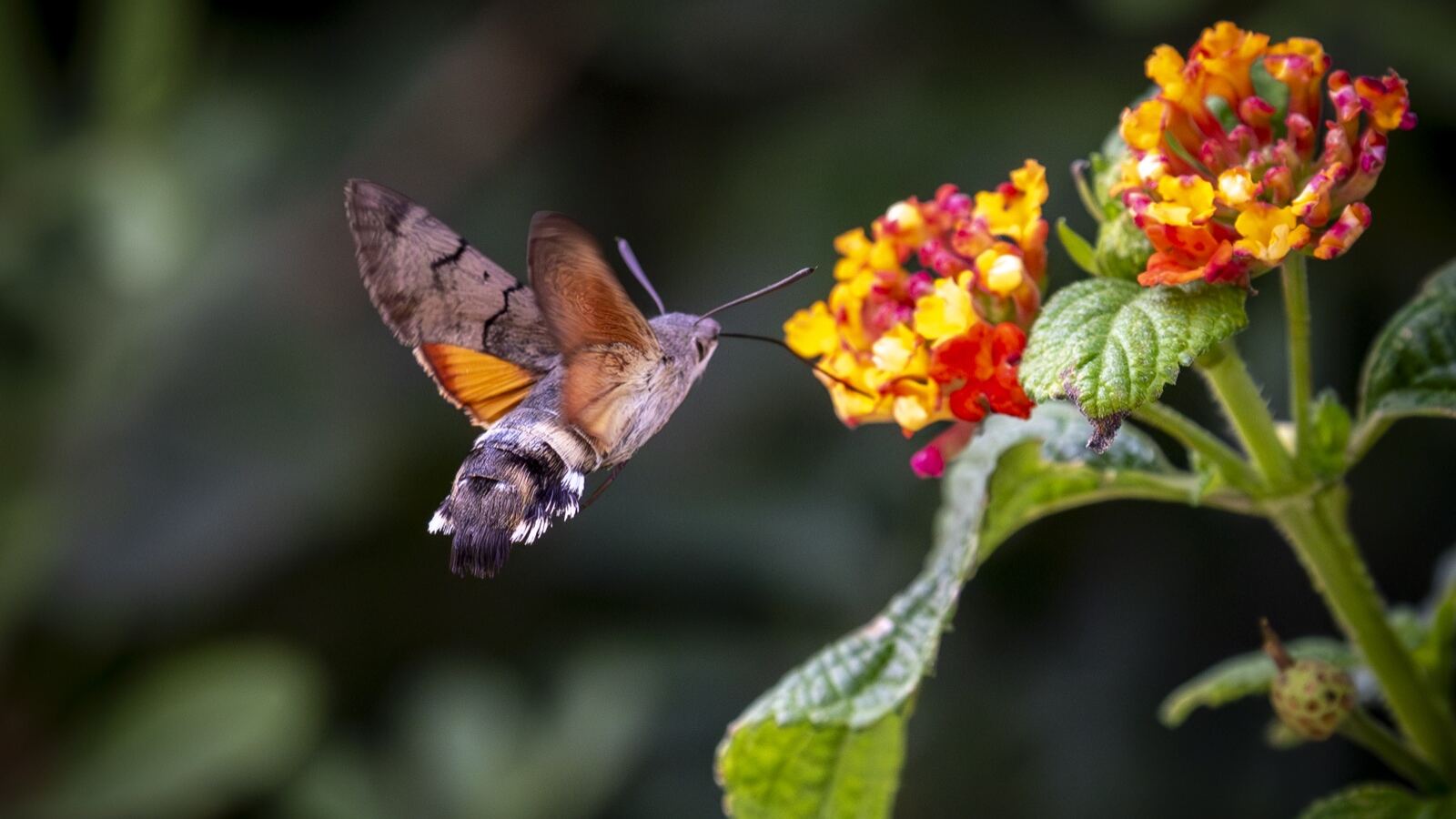 № 093
№ 093Coevolution: The Long Dance of Species That Shape Each Other
When two species become each other's environment, they evolve in response to one another — driving the exquisite partnerships of flower and pollinator, and the endless arms races of predator and prey, plant and pest.
 № 096
№ 096Competition: How Species Divide a Crowded World
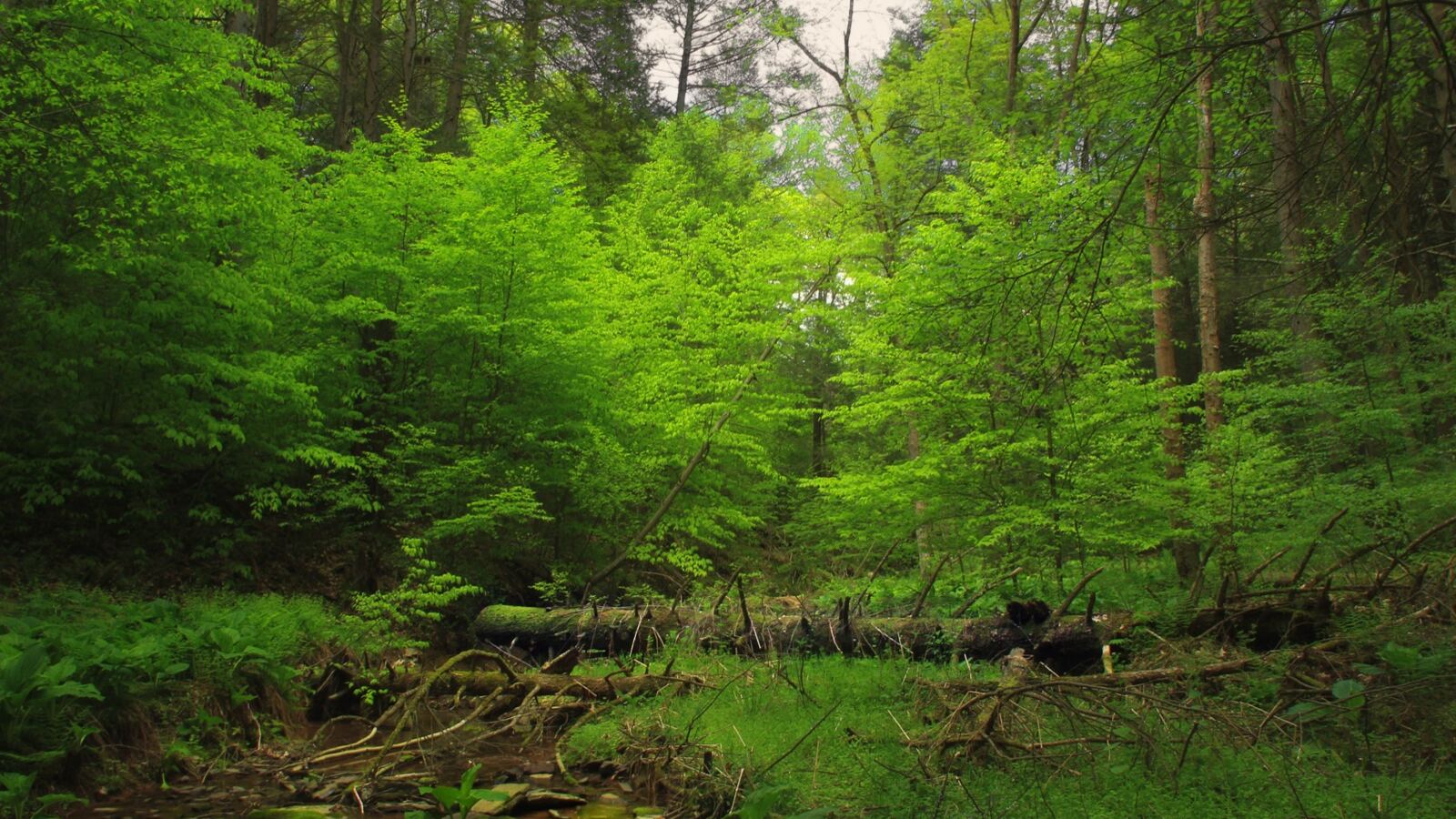
Two species cannot make a living in exactly the same way in the same place — so they compete, and one wins, unless they divide the resource between them. The principle behind spacing, succession, and the layers of a forest.
 № 132
№ 132Disturbance Ecology: Why Ecosystems Need to Be Shaken
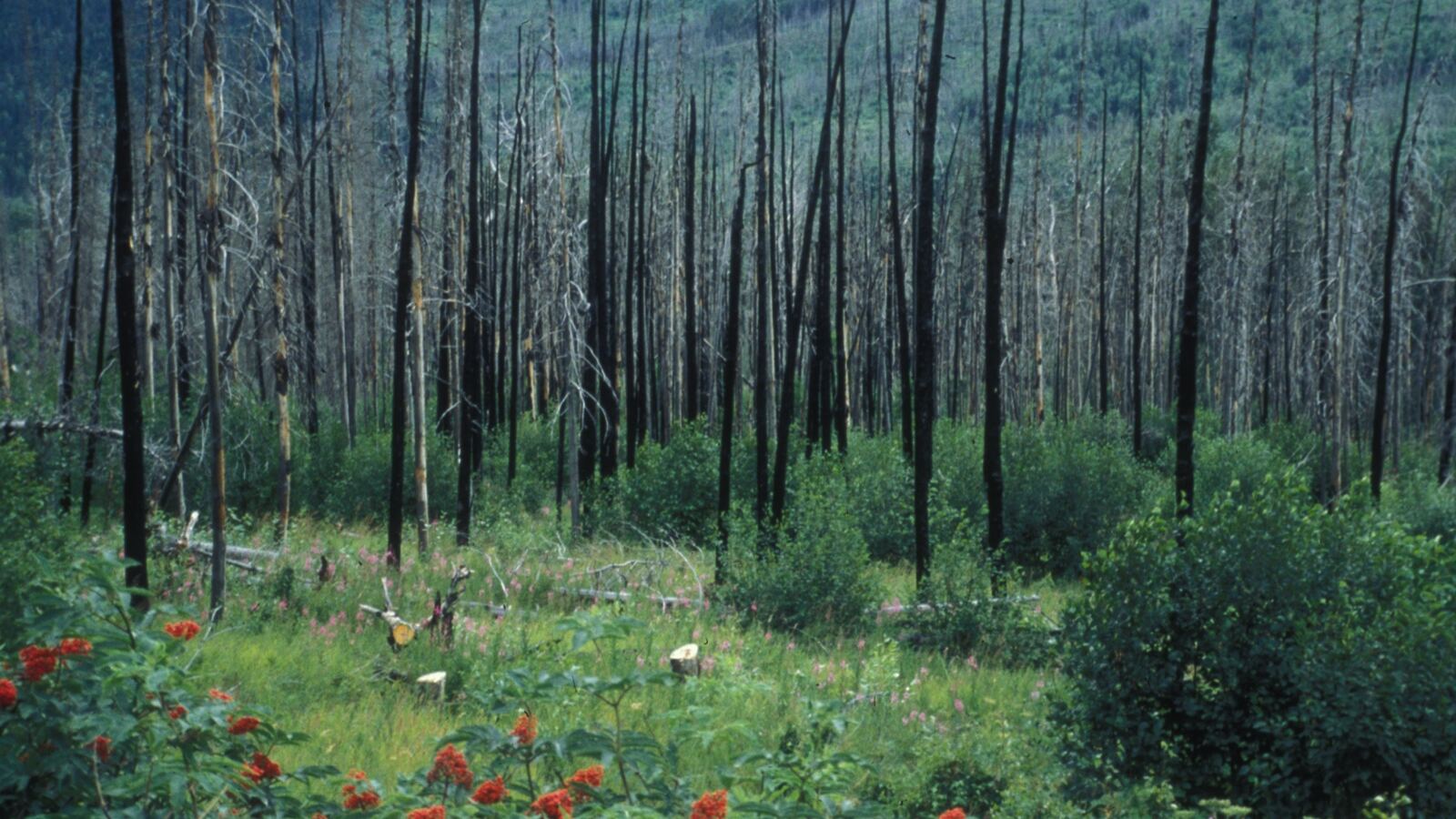
Fire, flood, storm, and gap — the disturbances that reset ecosystems are not just damage but a source of renewal and diversity, and many species and whole habitats depend on them. Why the wrong amount, either way, is the problem.
 № 146
№ 146The Ecological Niche: A Species' Way of Life
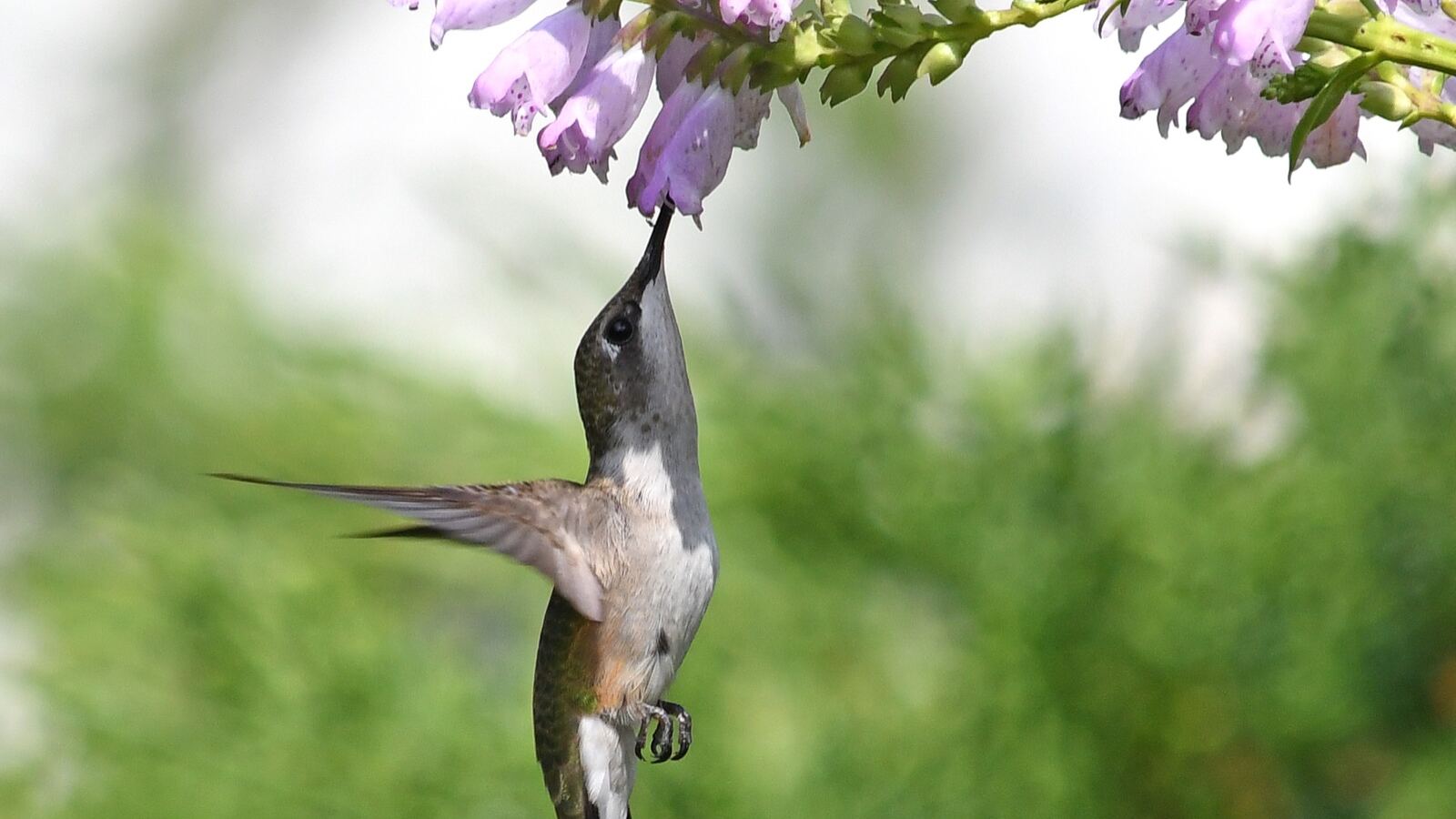
Not just where a species lives but how it makes its living — the full role it plays and the conditions it needs. The idea that explains generalists and specialists, why no two species can share a niche, and why invaders find empty ones.
 № 147
№ 147Ecological Resilience: Bending Without Breaking
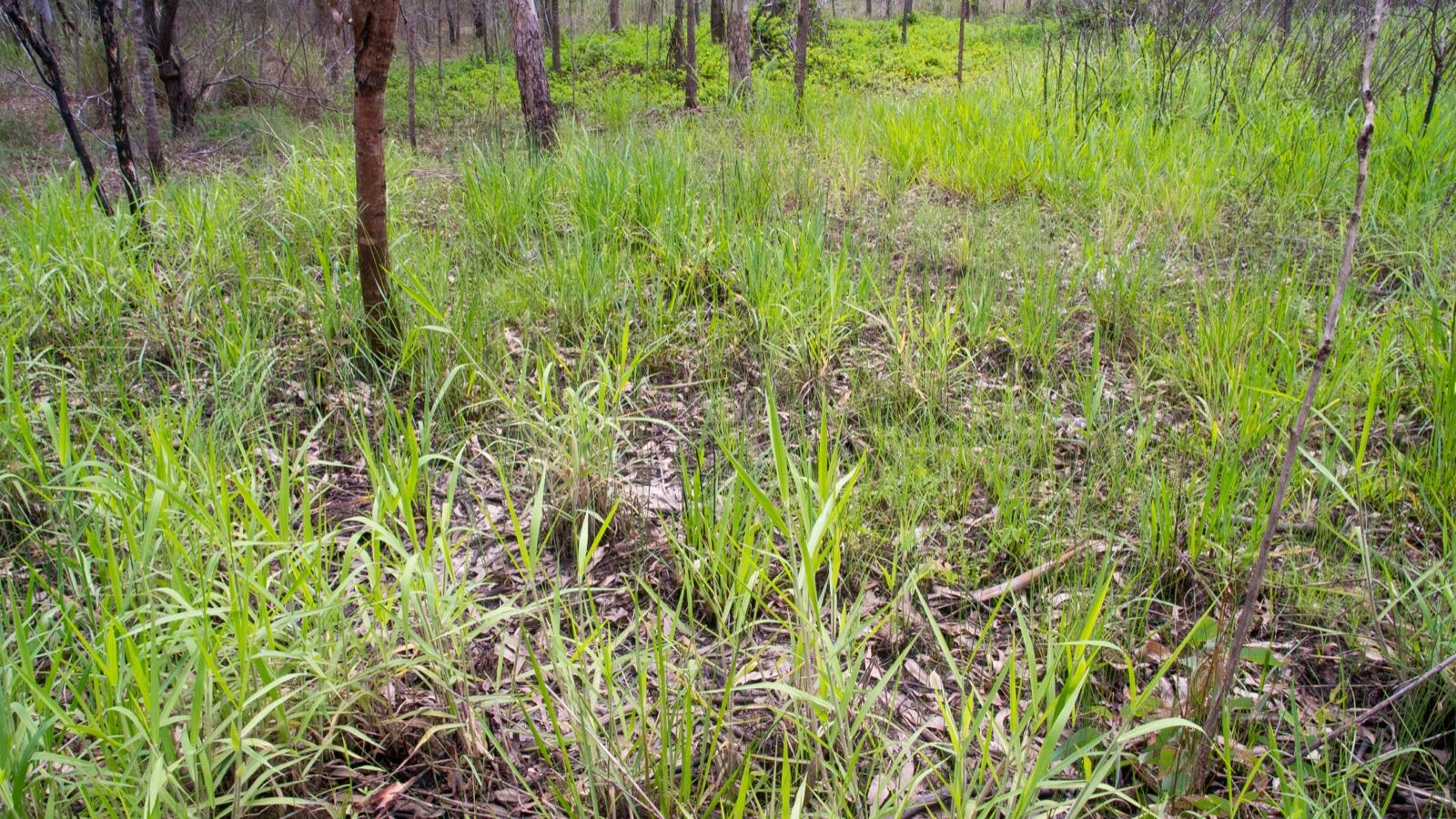
The capacity of an ecosystem to absorb shocks and recover — and the danger of tipping points, where a system pushed too far flips suddenly into a different, degraded state that resists going back.
 № 148
№ 148Ecosystem Services: What Nature Does For Us Free
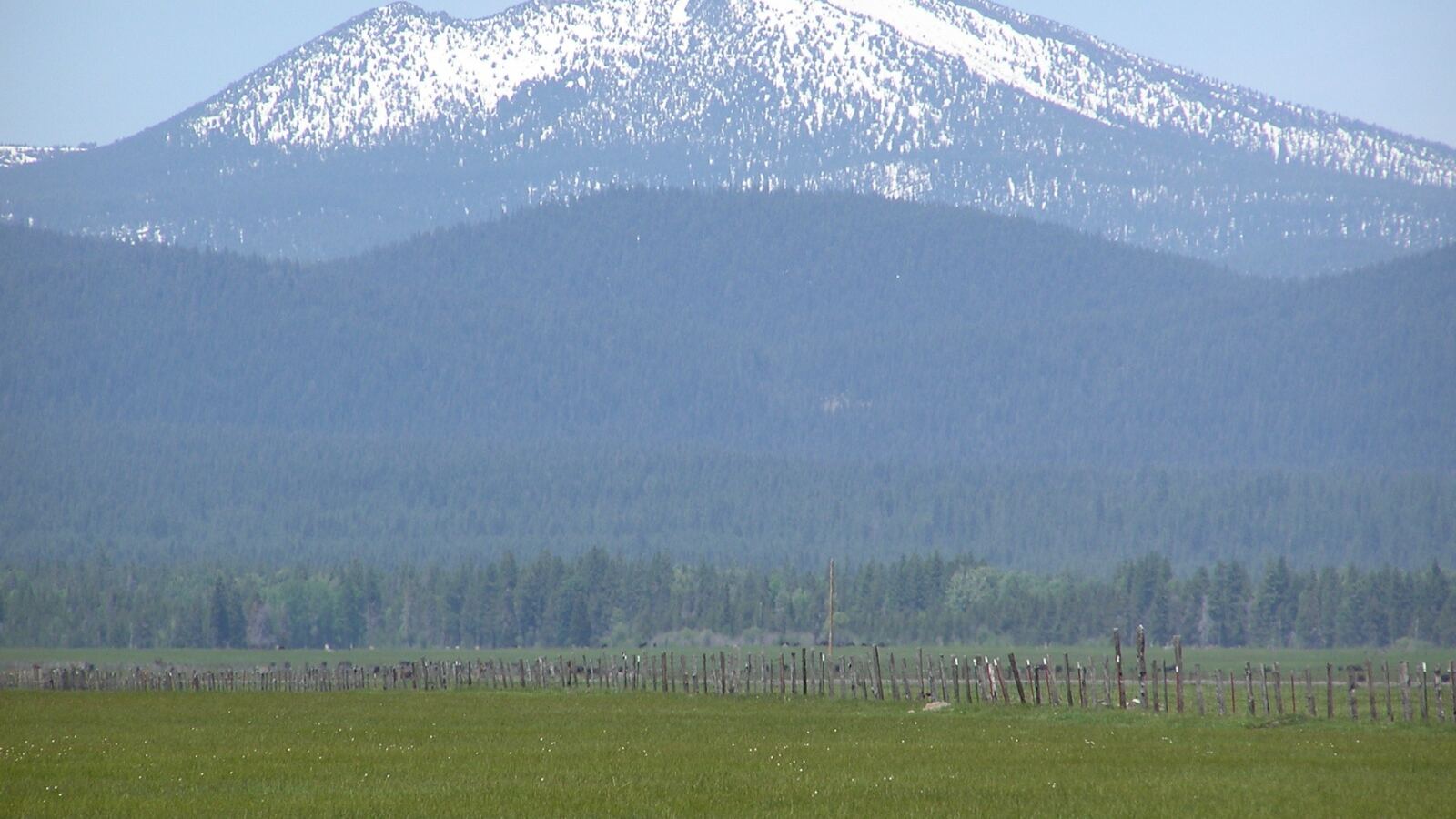
The clean water, fertile soil, pollination, flood control, and carbon storage that healthy ecosystems provide at no charge — the vast, unpriced work of nature that we notice only when it fails.
 № 172
№ 172Food Webs: Who Eats Whom, and the 10% Rule
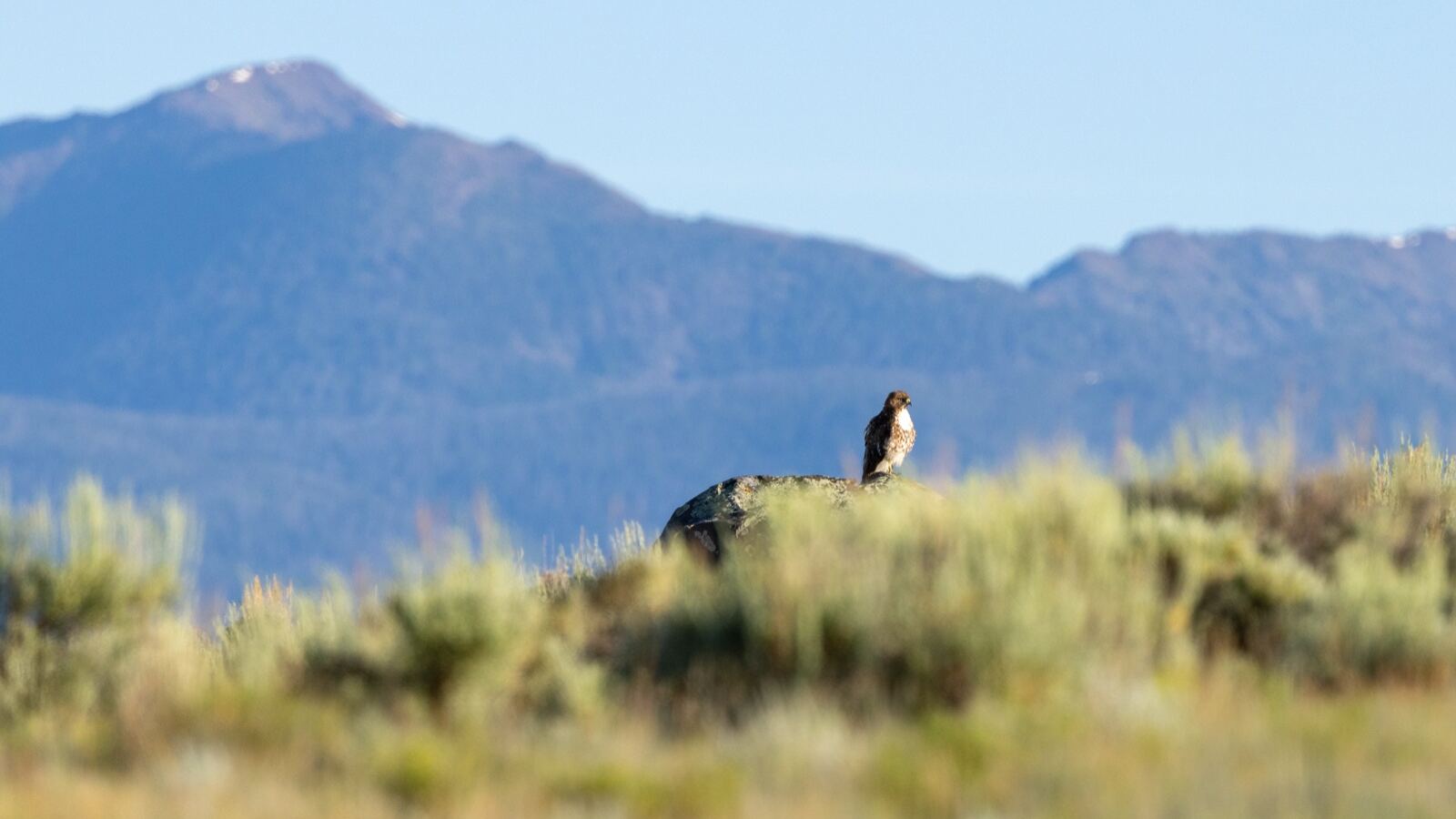
How energy flows through an ecosystem from plants to predators — the trophic levels, the reason each level holds far less than the one below, and why food webs, not chains, are what really hold together.
 № 234
№ 234Island Biogeography: Why Habitat Fragments Behave Like Islands
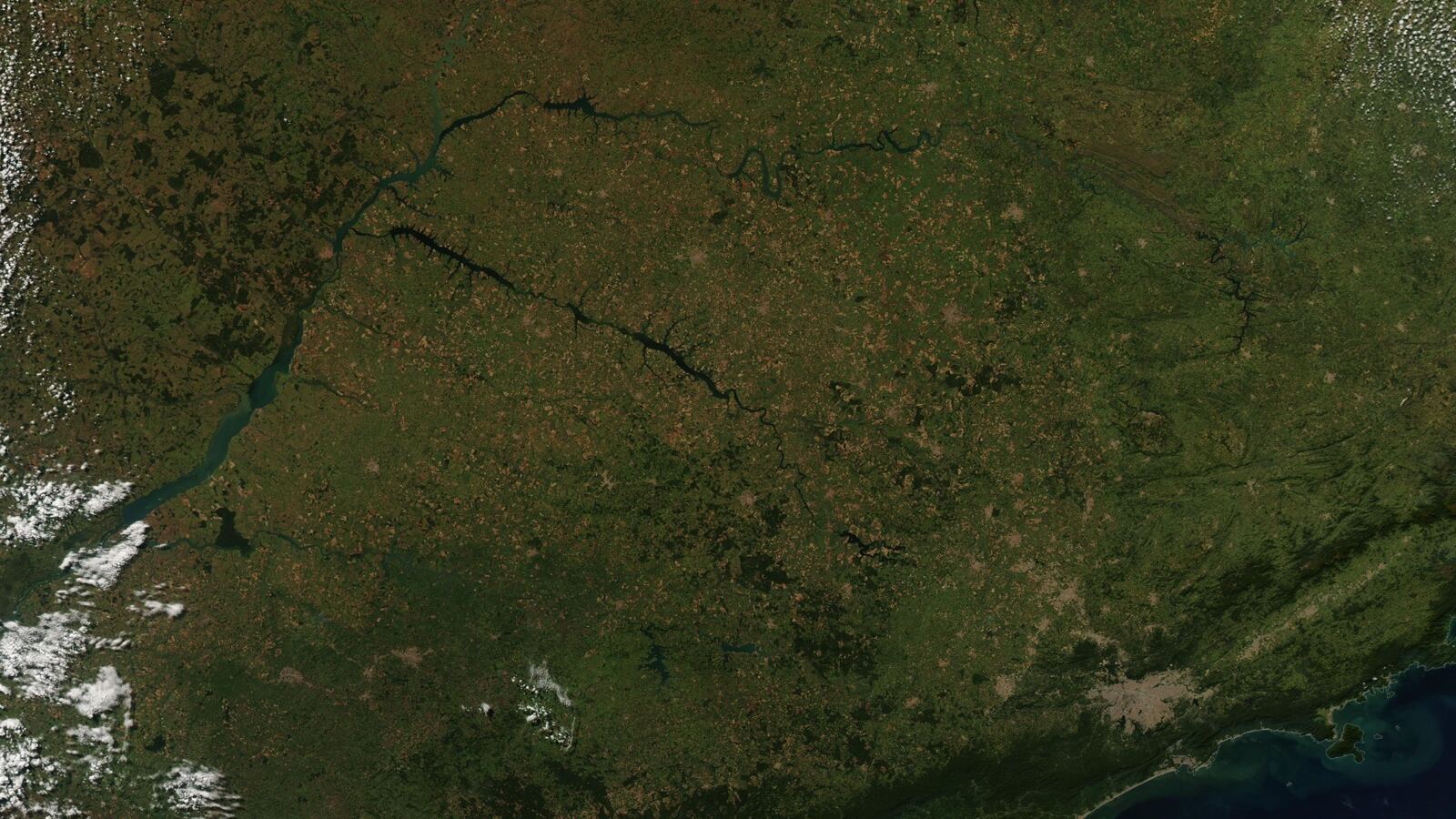
The theory that a small, isolated island holds fewer species than a large, connected one — and its unsettling lesson that as habitats are broken into fragments, they become islands too, and slowly lose their wildlife.
 № 266
№ 266Life-History Strategies: Fast-and-Many or Slow-and-Few
Every organism must divide its energy between growing, surviving, and reproducing — and the great trade-off between many cheap offspring and few well-tended ones explains weeds and redwoods, pioneers and climax trees alike.
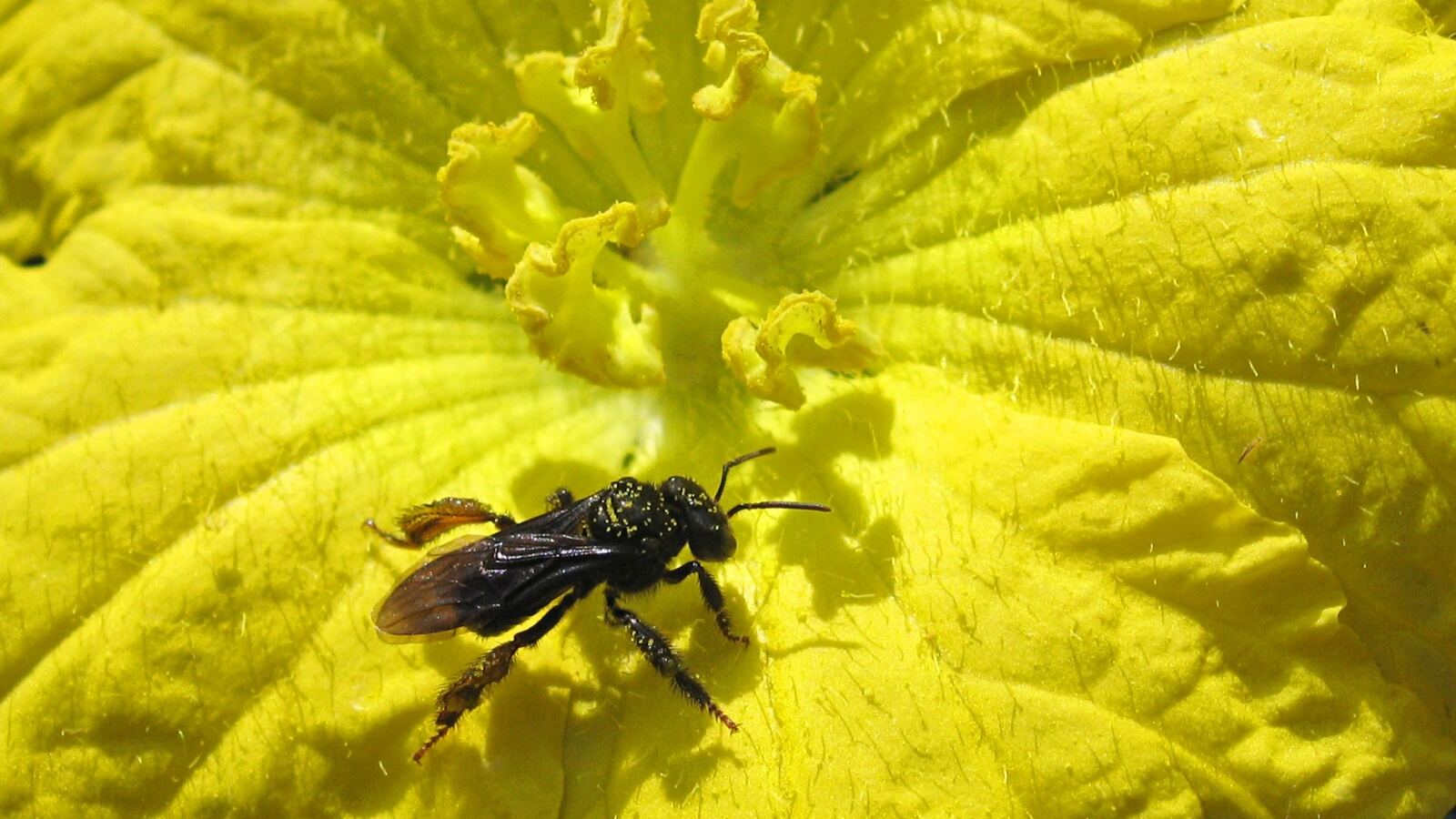 № 305
№ 305Mutualism and Symbiosis: The Partnerships That Run the World
Living things do not only compete — they partner. The mutualisms between plants and fungi, trees and insects, that quietly underpin whole ecosystems, and the spectrum from cooperation through freeloading to parasitism.
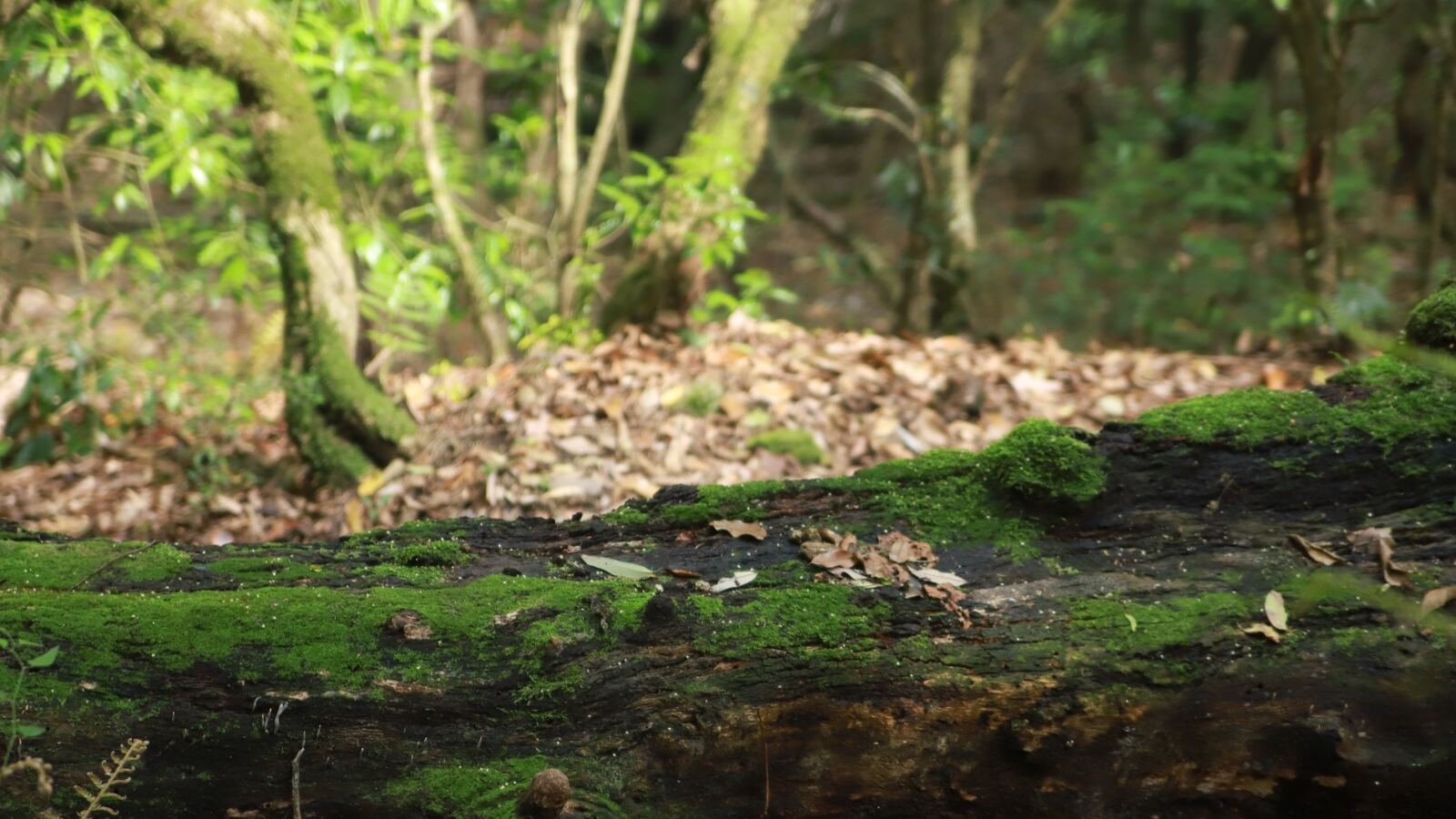 № 323
№ 323Nutrient Cycling: How Nature Runs Without Waste
Energy flows through an ecosystem and is lost, but matter goes round and round — carbon, nitrogen, and phosphorus cycling endlessly from soil to life and back. The closed loops that a healthy system runs on, and that farming so often breaks.
 № 419
№ 419Seed Dispersal: How Plants Travel Without Moving
Rooted for life, a plant's one chance to move is as a seed — so plants have evolved to ride the wind, hitch on animals, bribe them with fruit, float on water, and even fire their seeds like bullets.
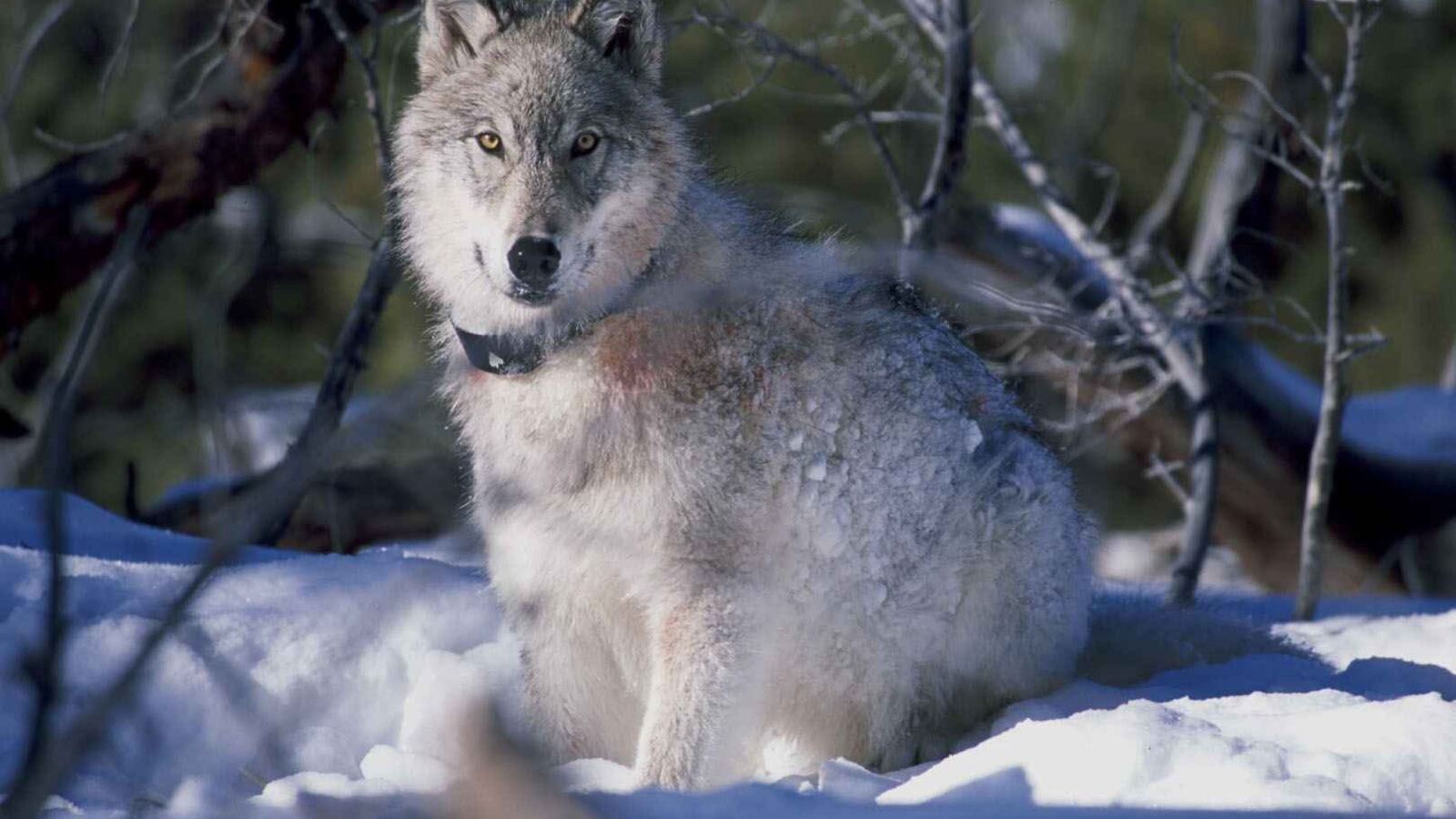 № 499
№ 499Trophic Cascades: When the Top Predator Shapes the River
How removing — or restoring — a top predator can ripple all the way down a food web to change the plants, the soil, and even the shape of a river, as the wolves of Yellowstone and the sea otters of the kelp forest famously showed.
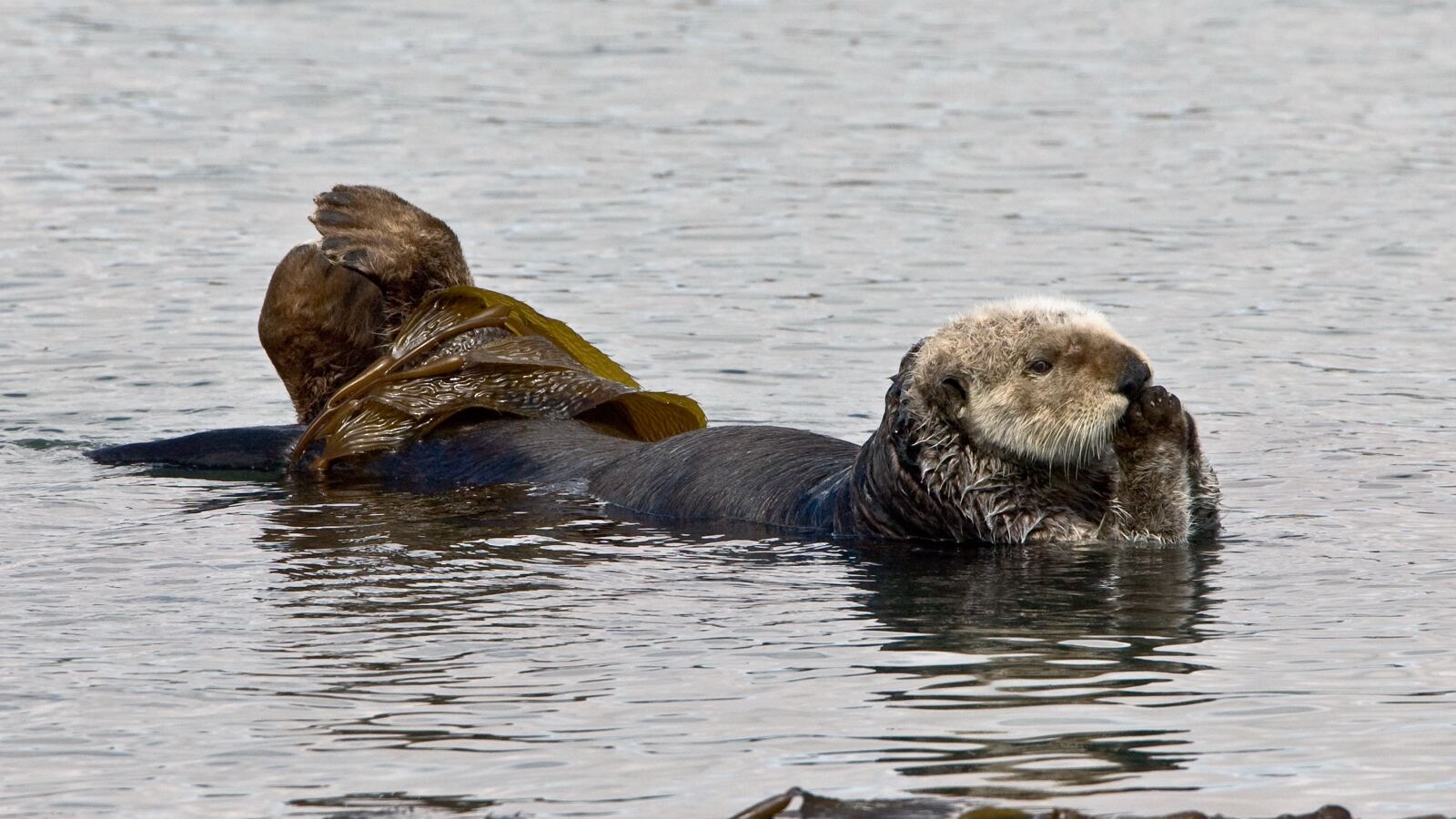 № 251
№ 251Keystone Species: When Removing One Thing Collapses the Rest
Disproportionate influence relative to abundance — what the concept actually means, where it holds up, and where it gets overstated.
 № 469
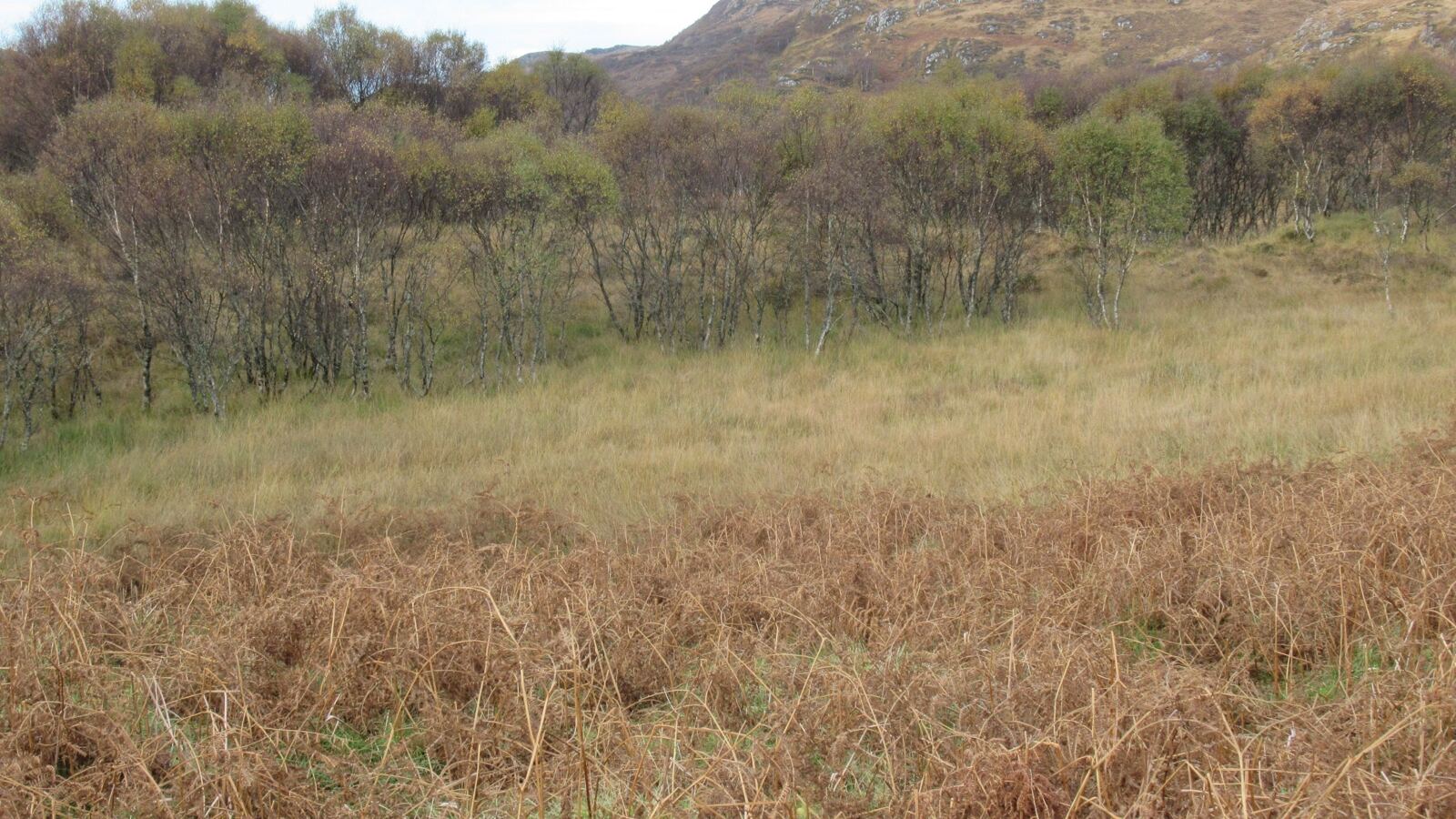
№ 469Succession: Where Land Goes When You Leave It Alone
Bare ground to woodland, why the tidy textbook sequence is wrong, and how to read which stage a site is in and where it is heading.
 № 149
№ 149Edge Effects: Where Two Habitats Meet
Why the boundary between two habitats hosts more species than either alone, and how to design landscapes for more edge, not less.
 № 291
№ 291Minimum Viable Populations: How Small Is Too Small
Why isolated populations below a few hundred individuals slide toward extinction even when habitat looks fine, and how corridors and connectivity prevent it.
 № 370
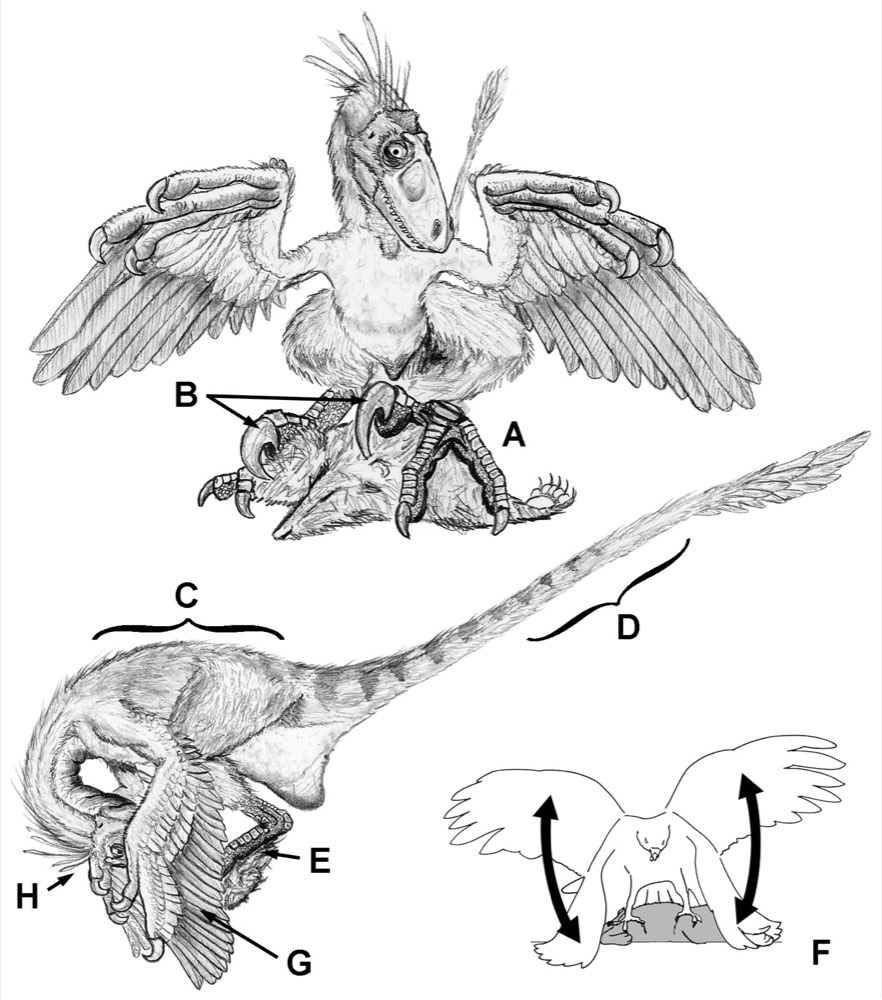
№ 370Predator-Prey Balance: Build Habitat, Skip the Sprays
How to attract ladybirds, lacewings, ground beetles, owls, and snakes so they do the pest control work that pesticides do badly.
 № 468
№ 468Structural Diversity: Layers Equal Niches Equal Species
Ground cover, shrubs, understory, canopy, emergents. Each vertical layer doubles the species count. Design for layers.
 № 178
№ 178Fruit Tree Guilds: Self-Fertilising Systems
Design plantings around a fruit tree so nitrogen fixers, dynamic accumulators, ground covers, and pest confusers feed the system and reduce inputs every year.
 № 226
№ 226Indicator Species: Reading Ecosystem Health at a Glance
How lichens, amphibians, dragonflies, and earthworms reveal the real condition of air, water, and soil on your site.
 № 311
№ 311Native Over Exotic: Why Local Species Matter
How native plants anchor local food webs, why genetic provenance shapes restoration outcomes, and where the native-exotic line gets blurry.