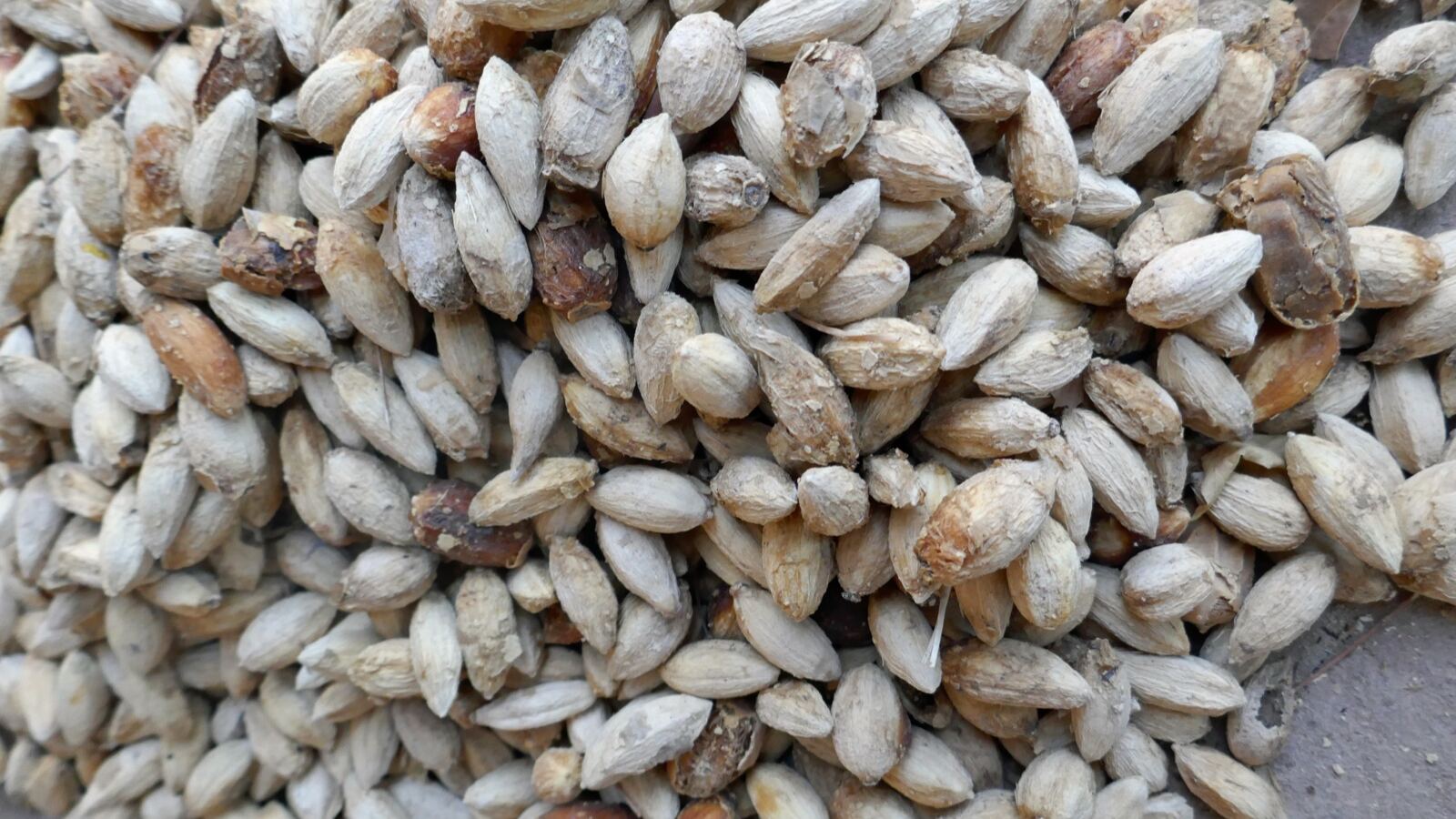
What it is
Balanites aegyptiaca, the desert date or soapberry tree — a spiny, evergreen or semi-evergreen tree of the drylands of Africa (especially the Sahel) and the Middle East, and one of the most useful and hardy trees of the desert's edge.
It bears clusters of yellow, date-like fruit (unrelated to the true date palm — the name comes only from the shape) with a bitter-sweet, sticky pulp, and it is a tree of extraordinary toughness and usefulness, valued and cultivated since ancient Egypt (desert-date fruit and oil have been found in the tombs of the pharaohs). Every part of it is used, and it holds a surprising role in public health.
Food, oil, and everything else
The desert date is a classic multi-purpose dryland tree, feeding and supplying the peoples of some of the harshest country on Earth:
- Fruit — the bitter-sweet pulp is eaten (fresh, dried, and soaked into a drink), an important dry-season and famine food;
- Oil — the kernel inside the hard stone yields a fine, edible oil (Zachun oil), used for cooking, lamps, soap, and cosmetics, and pressed as a valuable local product;
- Leaves and shoots — eaten as a vegetable and used as fodder;
- Wood — hard, durable, and termite-resistant, used for tools, furniture, and fuel;
- Thorns, bark, and roots — used in medicine, and the tree yields a gum.
As a tough, poor-soil-tolerant, deep-rooted, drought-proof tree, it is also central to African dryland restoration, stabilising soil and providing shade, fodder, and food in silvopasture and agroforestry, alongside the faidherbia, gum arabic acacias, and baobab. See drought-tolerant species.
The tree that fights bilharzia
The desert date has one genuinely remarkable property, and it addresses a major disease. Its fruit, bark, and roots are rich in saponins — soapy compounds (hence "soapberry tree") — that are toxic to cold-blooded aquatic life, and this has long been exploited: crushed desert-date fruit thrown into a pool stuns fish for easy harvest, a traditional fishing method across Africa.
The same saponins have a modern medical use. The parasitic disease schistosomiasis (bilharzia) — one of the most widespread and debilitating diseases of the tropics — is spread by freshwater snails that host the parasite, and desert-date fruit is a potent, cheap, natural molluscicide: dropped into ponds and irrigation channels, it kills the snails that carry the disease, breaking the parasite's life cycle. It also kills the free-swimming larval stages of the parasite itself. This makes a common dryland tree a low-cost, local weapon against a disease that afflicts hundreds of millions — a striking example of a tree's chemistry serving public health, in the tradition of the quinine tree and the neem. See tree diseases for the wider theme of plants and human health, and wetland restoration for the water context.
Growing it
Hot, dry, and frost-tender, the desert date is superbly drought-hardy and adapted to the desert's edge — it wants full sun and tolerates extreme heat, drought, poor sandy and stony soils, some salinity, and seasonal flooding, and it is deep-rooted and long-lived; it dislikes only cold and deep shade.
It is spiny, slow-to-moderate growing, and grown from seed (scarified), and it is planted and protected across the African and Arabian drylands for its food, oil, fodder, wood, and medicine. As a drought-proof, endlessly useful, disease-fighting tree of the hardest country, the desert date is one of the most valuable of dryland trees. See propagation.
See also
- Date Palm the unrelated true date it borrows its name from
- Faidherbia, Gum Arabic, and Baobab other great dryland trees of Africa
- Monkey Orange and Marula other African dryland fruits
- Drought-Tolerant Species and Dryland Restoration the desert-date's role
- Quinine Tree another tree whose chemistry fights a tropical disease
- Silvopasture the desert date as shade and fodder
- American Buckeyes
- Sandbox Tree