What it is
Tectona grandis, teak, a large deciduous hardwood tree native to the monsoon forests of India, Myanmar, Thailand, and Laos, and the most valuable and celebrated tropical timber in the world.
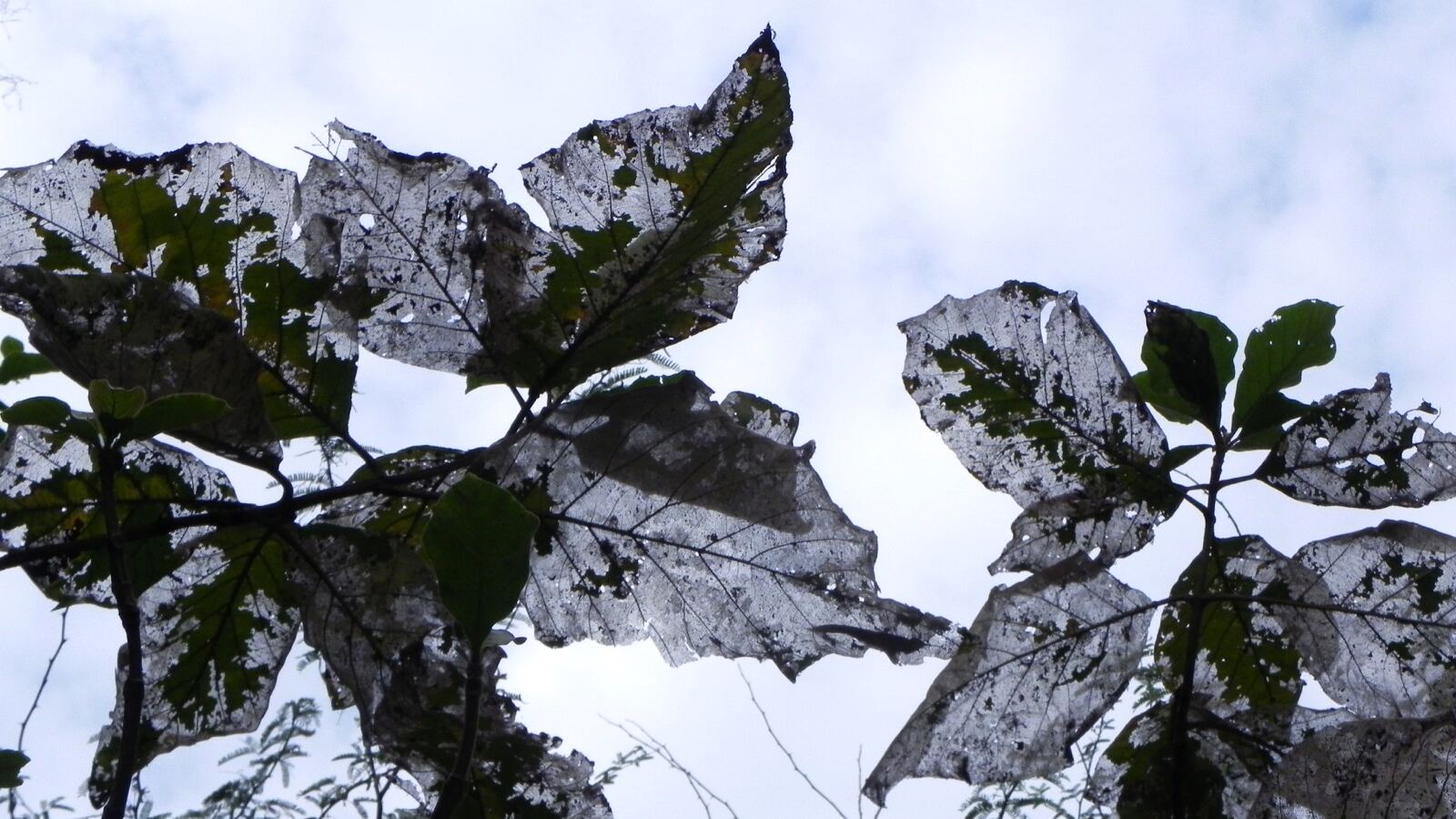
Surprisingly, it belongs to the mint family, Lamiaceae — kin to sage and lavender — not to any of the temperate hardwood families. The tree is tall and straight with enormous, rough, papery leaves up to half a metre across, and it drops them in the dry season, monsoon-forest fashion.
Why the timber is supreme
Teak's reputation rests on a combination of properties that almost no other wood matches, all traceable to its chemistry.
The heartwood is impregnated with natural oils and silica that make it extraordinarily durable and weatherproof — resistant to rot, insects, termites, and marine borers — and dimensionally very stable, moving little with changes in humidity. It also contains enough natural oil to resist water without treatment and to be gentle on the metal fittings driven into it, rather than corroding them as many woods do.
That package — rot-proof, stable, strong, and self-oiling — made teak the supreme wood for anything exposed to weather and water: ship-building and decking above all (it planked and decked the warships and merchant fleets of the age of sail, and still decks fine yachts), plus outdoor furniture, decking, railway carriages, dock and bridge work, and high-end joinery. A teak deck weathers to a silver-grey and lasts generations with no finish at all. This durability is the same virtue prized in the temperate oak and sweet chestnut, but teak carries it further than almost any wood.
From wild forest to plantation
Teak's value drove centuries of heavy logging of the wild monsoon forests of South and Southeast Asia, and Burmese teak in particular was a strategic colonial resource. The natural teak forests have been greatly reduced and are now largely protected or exhausted, and Myanmar's remaining wild teak is a focus of concern over illegal logging.
As a result, almost all teak now comes from plantations. Teak was one of the first tropical hardwoods to be grown in organised plantations — the practice goes back to the nineteenth century in India and Java — and it is now planted across the tropics, including large areas in Africa and Latin America well outside its native range. Plantation teak grows fast on a rotation of 20 to 25 years for the fast-grown kind (though the finest, densest timber still comes from slow-grown old trees), and it is one of the mainstays of tropical reforestation and commercial forestry, alongside eucalyptus and pine. Certified, plantation-grown teak is the responsible source; wild-cut teak of uncertain origin should be avoided. See woodland management.
Teak is also grown in mixed agroforestry and taungya systems, where farmers grow food crops between young teak trees during the years before the canopy closes — an old and effective way to establish a timber plantation while producing food.
Growing it
Hot tropical monsoon climate with a marked wet and dry season; it needs the dry period and does poorly in the ever-wet tropics.
Soil. Deep, well-drained, fertile soil, ideally slightly alkaline; it will not tolerate waterlogging or acid, compacted ground, and grows poorly on poor soils despite its toughness in other respects.
Light. A strong light-demander — teak needs full sun and does not regenerate under shade, so it is grown in open plantations, not under canopy.
Propagation. From seed (which needs pre-treatment to break dormancy), from stump cuttings ("stumps," the standard plantation planting stock), and increasingly from tissue culture of superior clones. See propagation and nursery stock.
Teak is a long-term investment tree — decades to a valuable crop — but a genuinely sustainable one when plantation-grown, and its unmatched timber keeps demand high. See restoration economics.
See also
- Mahogany the other great tropical furniture timber
- Eucalyptus the fast tropical and subtropical plantation tree
- Reforestation Techniques establishing tropical timber
- Native Oaks the temperate durable timber by comparison
- Alley Cropping taungya food-and-timber systems
- Restoration Economics the long returns of a timber tree
- Rosewood and Sandalwood
- Dipterocarps
- Sal Tree
- Greenheart and Purpleheart
- Gmelina
- Shisham