What it is
Cytisus proliferus (also Chamaecytisus palmensis), tagasaste or tree lucerne — a fast-growing, evergreen leguminous shrub or small tree from the Canary Islands, grown around the temperate and subtropical world as a fodder, forage, and soil-improving tree.
It belongs to the broom group of the legume family, kin to the gorse and broom, but — unlike its spiny, low-value relatives — tagasaste is spineless, leafy, palatable, and genuinely useful, one of the most valuable of the small fodder trees.
Fodder when the grass fails
Tagasaste's great virtue, captured in its name "tree lucerne" (lucerne being alfalfa), is that it provides high-protein green fodder through drought, when ordinary pasture has dried up and died.
It is evergreen and deep-rooted, so it stays green, leafy, and growing through hot, dry summers that brown off the grass, and its foliage is rich in protein (comparable to lucerne/alfalfa) and readily eaten by cattle, sheep, goats, and other livestock. So a stand of tagasaste is a living drought fodder reserve: stock browse it directly, or it is cut and carried to them, exactly when other feed is scarce — the same tree-fodder role as the kurrajong in Australia and the leucaena and gliricidia in the tropics. This makes it a mainstay of dryland silvopasture, and it became especially important in the drier farming regions of Australia, New Zealand, and elsewhere as a reliable summer-and-drought feed. See drought-tolerant species.
Nitrogen, nectar, and shelter
Beyond fodder, tagasaste does the full range of jobs that make leguminous trees so valuable.
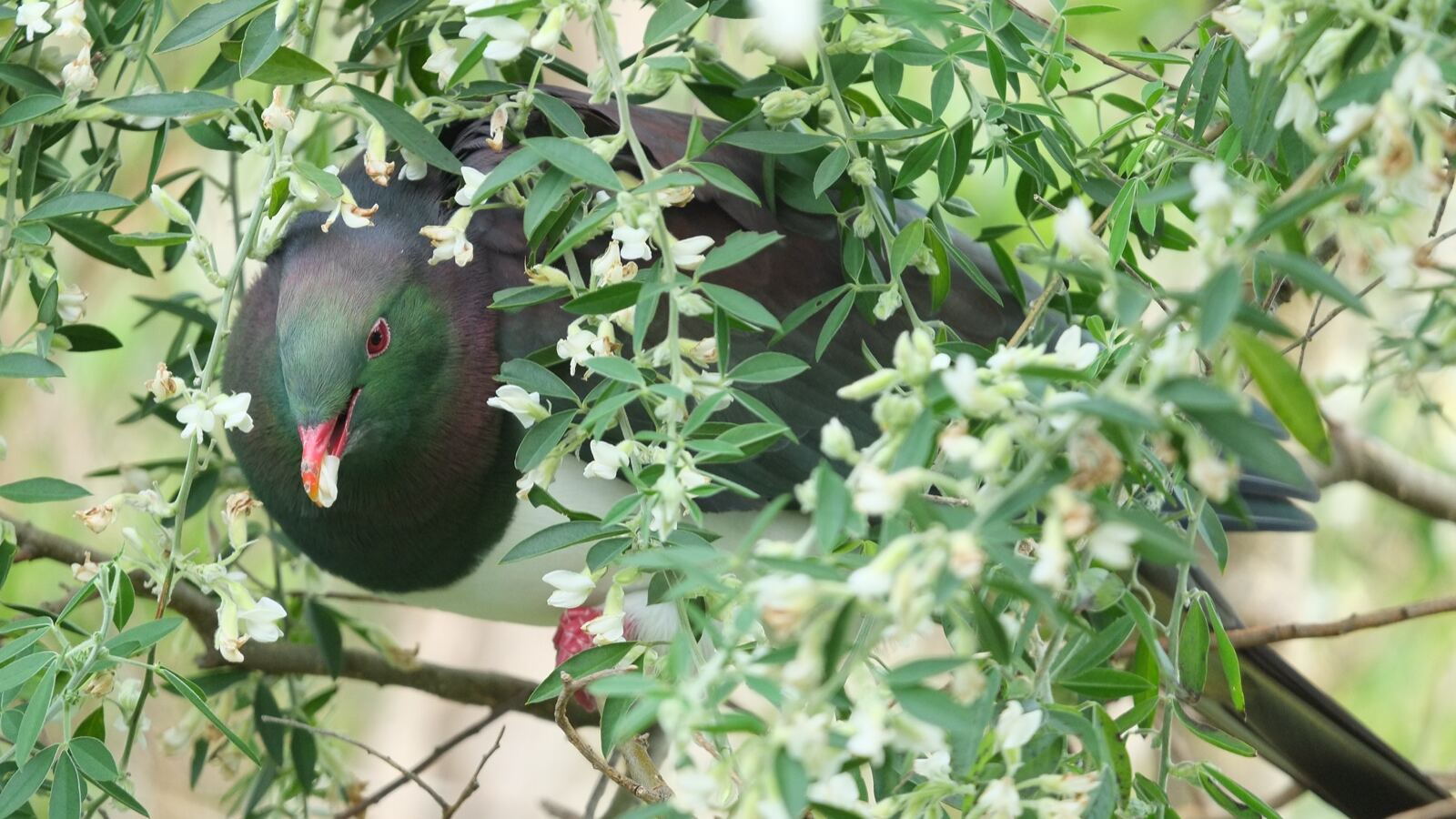
As a legume it fixes nitrogen, enriching the soil and improving the pasture and crops grown around and after it — so it builds fertility on the poor, sandy, dry soils where it thrives. It is fast-growing and makes a quick, dense windbreak, shelterbelt, and nurse for establishing other, slower trees. And — a special bonus — it flowers profusely in late winter and early spring, covering itself in clusters of white pea-flowers at a season when little else blooms, making it an outstanding early bee forage and honey plant, feeding pollinators through the lean end of winter. See nitrogen fixers and pollinator habitat. Its seeds and foliage also feed birds and wildlife.
The one caution is the familiar one for a tough, fast, seed-heavy legume: tagasaste can self-seed and become weedy outside cultivation in some regions, so it is best kept where it is managed (grazing and cutting keep it in check), and its status should be checked before planting. See invasive species.
Growing it
Warm-temperate to subtropical, and moderately frost-hardy (it takes several degrees of frost once established), tagasaste is superbly drought-hardy and tolerant of poor, dry, sandy, and acidic soils — the very ground where fodder is hardest to grow — and it wants full sun and, above all, good drainage; its main dislike is waterlogging, which quickly kills it.
It is very fast-growing (usable for fodder within a year or two), and it responds to cutting and browsing by resprouting, so it can be coppiced, hedged, and grazed repeatedly, which is central to its use. Grown very easily and cheaply from seed (scarified). Managed as a cut-and-come-again fodder bank, a nitrogen-fixing improver, a shelterbelt, and a bee plant, tagasaste is one of the most useful small trees for dry-country and low-input farming. See propagation and windbreaks.
See also
- Gorse and Broom its spiny broom-family relatives
- Leucaena and Gliricidia the tropical fodder-and-fertility legumes
- Kurrajong and Bottle Trees the Australian drought-fodder trees
- Nitrogen Fixers the soil-building role
- Silvopasture tagasaste as a drought fodder bank
- Pollinator Habitat its valuable late-winter bee forage