What it is
Cocos nucifera, a palm, and the single most useful tree crop across the wet tropics. In Sanskrit it is kalpa vriksha, the tree that provides all the necessities of life, and the Filipino name tree of life carries the same idea.
A palm is not a tree in the botanical sense — it is a monocot, more closely related to grasses and bananas than to oak. It has no bark, no branches, no annual rings, and no secondary thickening: the trunk reaches its final diameter as a young plant and simply extends upward from a single growing point, the crown. Damage that growing point and the palm dies, because it cannot resprout — the same one-shot vulnerability as most conifers, for entirely different reasons.
It planted itself across the oceans
The coconut is among the best natural dispersers of any large-seeded plant, and its distribution across every tropical coastline is largely its own doing.
The fruit is built to float. The thick fibrous husk is buoyant and waterproof, the seed inside is sealed and carries its own supply of fresh water and food, and it tolerates months in salt water without losing viability. A coconut that falls on a beach and is carried out on the tide can wash up on an island thousands of kilometres away and germinate above the strand line.
Human transport did the rest, and untangling natural from human dispersal in the Pacific is a long-running research question. Either way, the coconut reached most tropical shores before most people did.
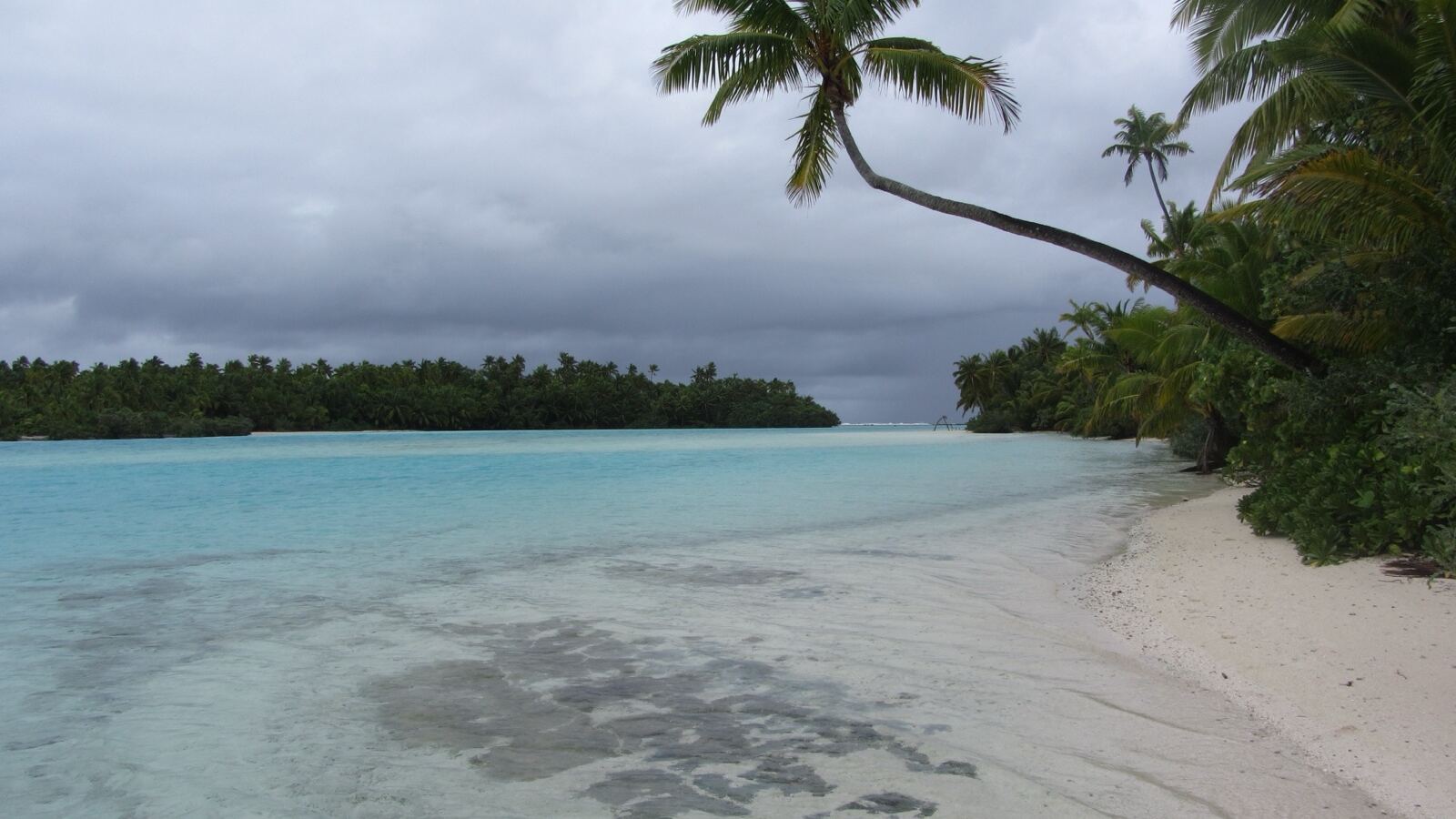
That salt and drought tolerance is why it is a coastal tree above all — the leaning palms over a beach are growing where little else survives, in sand, salt spray, and periodic inundation. See coastal dunes and mangroves for the neighbouring coastal systems.
Everything from one crop
The reason for the thousand-uses reputation, stated concretely:
Water. The liquid inside a green nut is sterile, sweet, and drinkable straight from the shell — a reliable source of clean water where none may otherwise exist.
Flesh. The white meat, eaten fresh, dried as copra, or pressed.
Oil. Copra is pressed for coconut oil, historically a major traded commodity and still a large industry — cooking oil, soap, cosmetics, and industrial uses.
Milk and cream, pressed from grated flesh, the base of a large share of tropical cuisine.
Sugar and toddy. The flower spathe is tapped for sap, drunk fresh, fermented into toddy and arrack, or boiled to palm sugar — the same tapping principle as maples, on a palm.
Coir. The husk fibre, made into rope, matting, brushes, and increasingly a peat-free growing medium. See container growing.
Shell, for charcoal, activated carbon, and containers.
Timber and thatch. The trunk gives a hard construction timber, coconut wood or porcupine wood, and the fronds thatch roofs and weave into baskets and screens.
Very few crops supply food, drink, fat, fibre, fuel, and building material from a single plant, which is why coconut is central to smallholder and island economies across the tropics.
Tall and dwarf
Two broad types, and the choice governs the whole system.
Tall varieties reach 20 to 30 m, live 60 to 100 years, are hardy and salt-tolerant, cross-pollinate, and begin bearing at 6 to 10 years. The traditional smallholding palm — and a genuine hazard, since climbing a tall palm to harvest is dangerous and falling nuts cause real injury.
Dwarf varieties stay under about 10 m, bear earlier at 3 to 5 years, self-pollinate, are shorter-lived, and are far easier and safer to harvest. Most modern planting is dwarf or dwarf-tall hybrids for exactly that reason.
In a system
Coconut is a classic overstorey in tropical multi-strata systems, and its high open crown lets useful light through to layers beneath.
Traditional coconut smallholdings interplant with bananas, cacao and coffee, pepper, ginger and turmeric, pineapple, and fodder for livestock grazing between the palms — a productive silvopasture and food forest with the palm as the emergent layer. See tropical fruit trees.
The deep spreading root system also stabilises sandy coastal soils, and coconut is planted for shoreline protection, though it is far less effective than mangroves against storm surge.
The threats
Lethal yellowing and related phytoplasma diseases, spread by planthoppers, have killed millions of palms across the Caribbean, Africa, and elsewhere, and there is no cure — management is resistant varieties and removal of infected palms. See tree diseases.
Rhinoceros beetle and red palm weevil, both boring pests that attack the growing point, the latter spreading widely through the palm trade.
Monoculture vulnerability, the usual consequence of vast uniform plantings, and the reason genetic conservation of coconut diversity matters. Coconut is difficult to conserve in seed banks because the seed cannot be dried or frozen — it is recalcitrant, like pawpaw — so field genebanks are needed, which are expensive and themselves exposed to disease. See seed banking and minimum viable populations.
Growing one
Realistically a crop for the wet or coastal tropics and frost-free subtropics — coconut needs consistent warmth above about 20 C, high rainfall or a high water table, and it has no frost tolerance at all.
To grow one, lay a whole ripe nut on its side, half-buried, kept warm and moist, and wait several months for it to sprout through the germination pore. It draws on its own water and food reserve while establishing, which is why it can germinate on a bare beach.
In a container in a cool climate it is a short-lived novelty houseplant rather than a crop.
Where it does grow, it is close to the definition of a low-input perennial: planted once, safe on poor sandy ground, and productive for the better part of a century. See perennials first.
See also
- Tropical Fruit Trees the canopy companions
- Banana and Plantain the other great tropical monocot
- Date Palm the desert palm, and the same monocot structure
- Oil Palm the other major oil-bearing palm
- Silvopasture grazing beneath the palms
- Seed Banking why coconut is hard to conserve
- Palms
- Tropical Almond
- Rattan
- Screw-Pine