What it is
Pterocarpus, the padauks — a group of tropical legume trees of Africa and Asia (African padauk, Burmese padauk, Andaman padauk, and relatives) — grown for one of the most vividly coloured of all timbers, and, like their leguminous kin, quietly enriching the soil as they grow.
They are members of the legume family, relatives of the rosewood and ebony's blackwood, and, being legumes, they are nitrogen fixers — an unusual and valuable combination of prime timber tree and soil-improving legume.
Wood the colour of blood
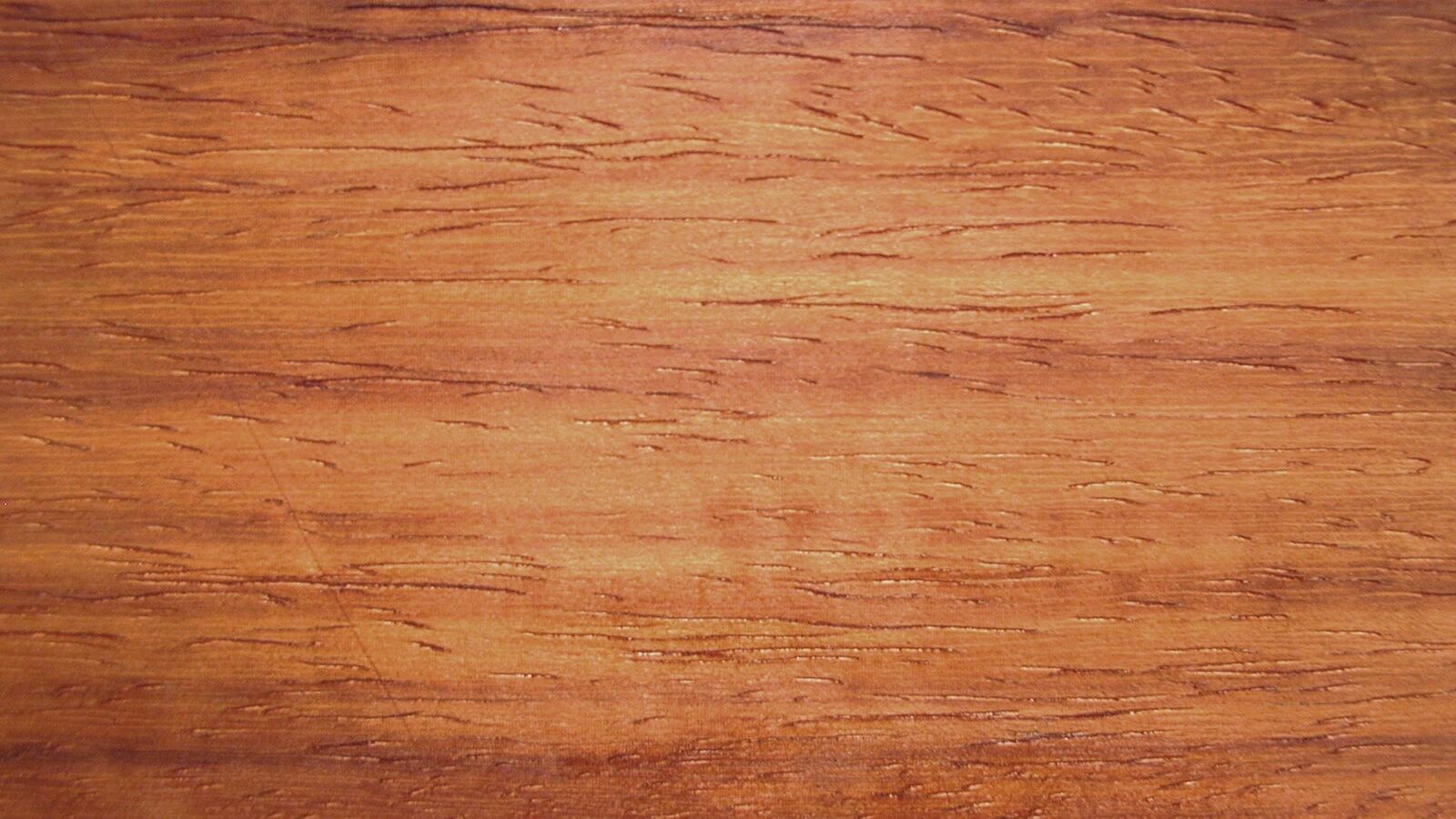
Padauk's fame is its colour. Freshly cut, the heartwood is a startling, vivid blood-orange to bright red — one of the most intensely coloured natural woods in the world — which mellows over time to a deeper red-brown. Combined with a good working quality, stability, and durability, this makes padauk a prized wood for fine furniture, cabinetry, flooring, tool handles, carving, and turning, and above all for musical instruments: it is a favourite for the bars of xylophones and marimbas, for drum shells, and for parts of stringed and wind instruments, valued for both its tone and its beauty. Woodworkers treasure it for the colour it brings to inlay and decorative work.
Like the other richly-coloured tropical hardwoods — rosewood, ebony, ipê — padauk's value has driven heavy logging, and several padauks (Burmese and Andaman padauk especially) are now of conservation concern, with restrictions on their trade; the responsible buyer seeks certified, legal, sustainably-sourced timber. See restoration economics.
Bleeding bark and kino
The genus name Pterocarpus means "winged fruit" (the seeds sit in a round, flat, winged pod that spins as it falls, like a maple key), but the trees are also known for something the bark does when wounded: it weeps a red, astringent gum called kino (or, evocatively, "dragon's blood," a name shared with the resin of the dragon tree).
This red kino gum, rich in tannins, dries to a dark resin and has long been used as an astringent medicine (for dysentery, wounds, and mouth complaints), as a dye and tanning agent, and as a varnish component — so the tree gives both the red wood inside and a red gum from its bark, a double dose of the pigment-and-tannin chemistry that runs through the legume timbers. See frankincense and myrrh for the wider tradition of tapped tree gums and resins.
Growing them
Tropical, frost-tender, wanting the warm, seasonal climates of their native Africa and Asia and deep, well-drained soil; the padauks are fast-growing (for hardwoods), light-demanding, and — as legumes — tolerant of poorer soils, which they improve by fixing nitrogen, making them useful in reforestation and agroforestry as well as for timber. African padauk in particular is a handsome, fast, shade and street tree with fragrant yellow-orange flowers that feed bees.
They are grown from seed (the winged pods) and are planted both for their valuable timber and as nitrogen-fixing shade and improvement trees. As a tree that gives a soil-enriching legume, brilliant timber, a medicinal gum, and shade, padauk is one of the more useful of the tropical hardwoods. See propagation.
See also
- Rosewood and Sandalwood the Dalbergia rosewoods, padauk's close kin
- Ebony and Blackwood other richly-coloured, over-logged timbers
- Ipê and Pau d'Arco more prized, hard tropical timber
- Nitrogen Fixers the soil-improving side of a legume timber tree
- Frankincense and Myrrh the tradition of tapped tree gums, like padauk's kino
- Restoration Economics the pressure on valuable tropical timbers
- Gum Arabic
- Shisham