What it is
Phellodendron amurense, the amur cork tree — a medium-sized deciduous tree of northeastern Asia (the Amur region, China, Korea, Japan), grown as a tough ornamental and long valued in traditional medicine.
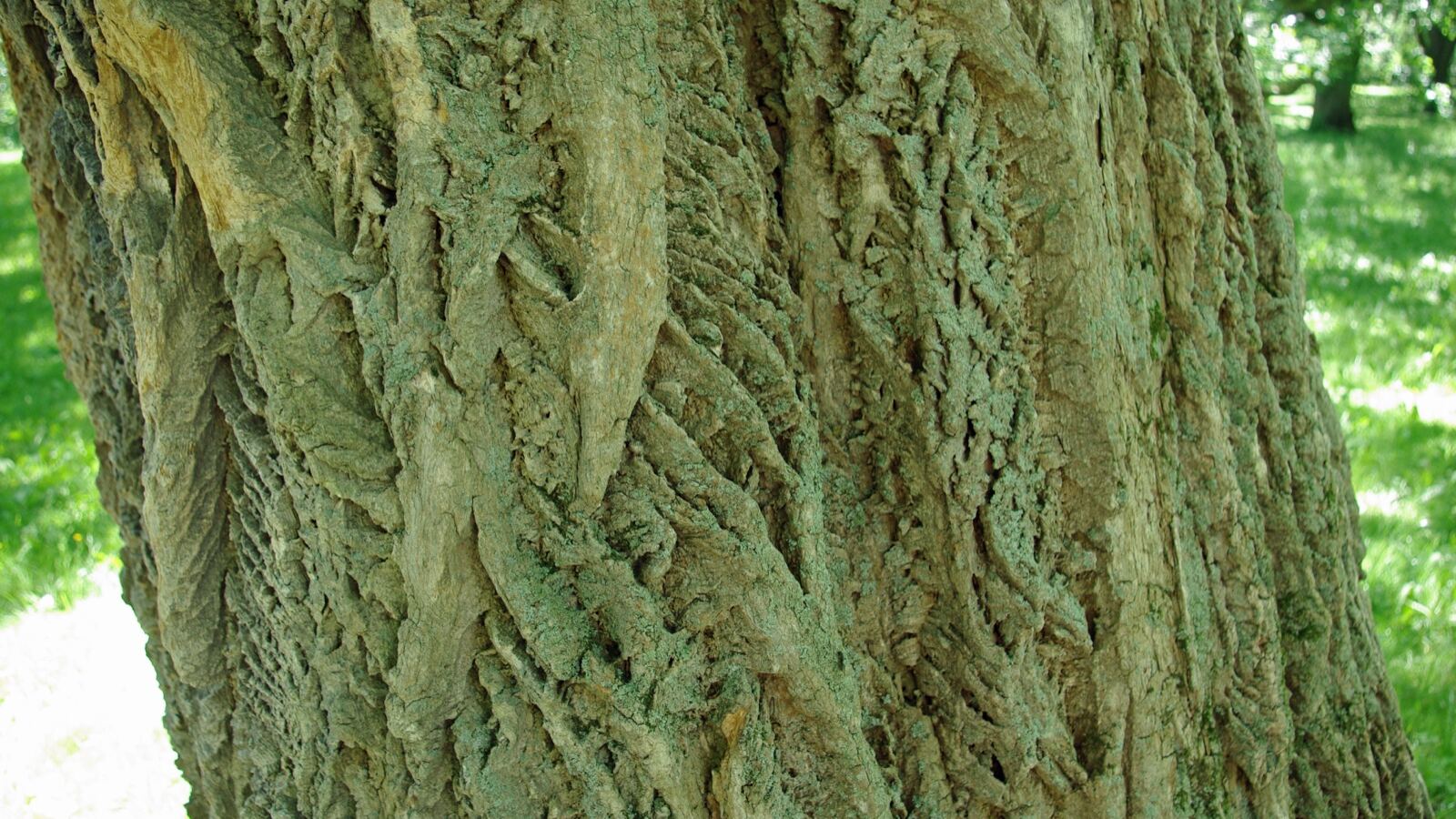
It belongs to the citrus family, Rutaceae — a relative of the citrus, curry tree, and bael — and, like them, its leaves are aromatic when crushed. Its defining feature is its bark: thick, soft, deeply-ridged, and distinctly corky to the touch, giving the tree its name (Phellodendron means "cork tree").
Corky bark — but not commercial cork
The amur cork tree's bark is genuinely corky — spongy, thick, and furrowed, pleasant to press — but it is not the source of commercial cork, which comes from the cork oak. The resemblance is only in the character of the bark; the two trees are unrelated and the amur cork tree's bark is not harvested for stoppers or flooring. Its corky bark is mostly of ornamental and identifying interest.
The bark's real importance is medicinal. In traditional Chinese medicine the inner bark — huang bai — is one of the fundamental herbs, one of the "three yellows," a bright yellow, intensely bitter bark rich in the alkaloid berberine, used for a range of complaints (it is antibacterial and anti-inflammatory, and berberine is a compound of real and continuing scientific interest, studied for blood sugar and infection). The bright yellow bark was also a traditional dye. So, like several trees in this encyclopedia, it is a tough ornamental with a serious life as a medicine. The tree also bears clusters of small black, aromatic (turpentine-scented) berries on the female trees.
The invasive problem
The amur cork tree is prized as a landscape and street tree because it is genuinely tough — hardy, adaptable, tolerant of drought, pollution, poor soil, and urban conditions, with handsome bark and good yellow autumn colour — and it was widely planted across North America for exactly these qualities.
And, as so often, that toughness plus heavy, bird-dispersed seeding has turned it into an invasive species. In parts of the northeastern United States and adjacent Canada it has escaped from plantings and invaded native woodlands, where — being fast, tough, and shade-tolerant enough — it establishes and out-competes native trees, and it is now listed as invasive and its sale banned in several states. It is another instance of the familiar pattern of a tough, attractive, bird-sown ornamental becoming a woodland weed, like the chinaberry, tree of heaven, and others. Because the tree is dioecious (separate sexes), planting only male (fruitless) trees avoids the seeding problem, and male-only cultivars are sold for this reason where the tree is still grown. See tree diseases for the wider caution about widely-planted exotics.
Growing it
Very hardy and tough, the amur cork tree tolerates cold, heat, drought, pollution, and a wide range of soils, wanting full sun and reasonable drainage; it is an easy, adaptable, medium-sized shade and street tree with a broad spreading crown, corky bark, aromatic ferny foliage, and clear yellow autumn colour.
Where it is grown, plant male (seedless) cultivars only, to enjoy its toughness and looks without the invasive seeding — and check local status, as it is banned or discouraged in the regions where it has become a problem. It is grown from seed and cuttings, and its bark is harvested (from cultivated trees) for medicine. A useful, handsome, but cautionary tree — best appreciated where it cannot escape. See propagation and urban forestry.
See also
- Cork Oak the true source of commercial cork
- Citrus, Curry Tree, and Bael its citrus-family relatives
- Invasive Species the amur cork tree in North American woods
- Chinaberry and Tree of Heaven other ornamentals turned invasive
- Neem another tough tree valued for medicinal chemistry
- Urban Forestry the amur cork tree as a tough street tree