What it is
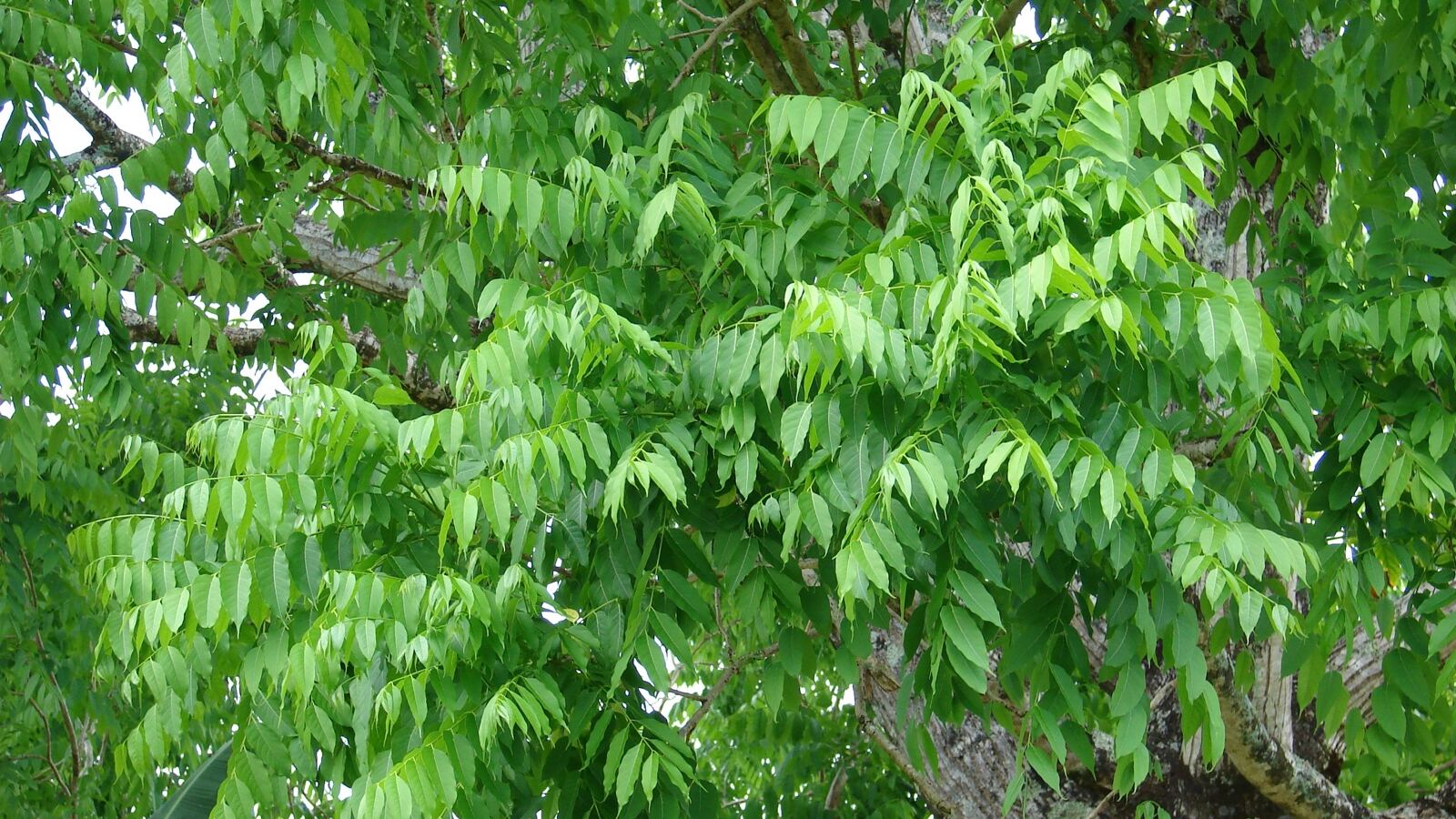
Cedrela odorata, Spanish cedar (cedro) — a large, fast-growing tree of the tropical Americas, from Mexico and the Caribbean to South America, and one of the region's most valued timbers.
Despite its name, it is not a cedar — the true cedars are conifers — but a broadleaf tree in the mahogany family, Meliaceae, a close relative of the true mahogany and the neem. It got the "cedar" name because its wood is aromatic and reddish like a true cedar's, and, like cedar, repels insects — a resemblance of scent and use, not of kinship.
The wood of the cigar box
Spanish cedar's most famous use is one it has held for centuries and holds still: it is the wood of cigar boxes and humidors.
Its light, aromatic, insect- and moth-repellent wood is ideal for storing tobacco: it keeps out insects, imparts a pleasant aroma that complements the tobacco, and — importantly — helps regulate humidity, so cigars stored in Spanish-cedar boxes and humidor linings keep and age well. Virtually every quality cigar box and humidor is made of, or lined with, Spanish cedar, and this alone keeps a substantial demand for the timber. The same aromatic, insect-repelling qualities make it valued for wardrobes, chests, drawer linings, and boxes to protect clothing and stored goods from moths, in the way true cedar is used, and it is a favoured wood for guitar necks and classical guitar tops and parts, light and resonant. It is, in short, mahogany's lighter, fragrant cousin — easily worked, stable, durable, and used where the scent is a bonus.
Mahogany's cousin, and mahogany's pest
Being in the mahogany family, Spanish cedar shares more than good timber with its famous relative — it shares its great enemy.
Like the mahogany, Spanish cedar is attacked by the mahogany shoot borer (Hypsipyla), the small moth whose caterpillar bores into the growing tip, killing the leader and causing the tree to fork into a bushy, useless shape. And, exactly as with mahogany, this makes Spanish cedar very difficult to grow in pure plantations — where the borer spreads unchecked from tree to tree — so most Spanish cedar has come from wild forest, and growing it successfully means planting it mixed among other species (mimicking the scattered wild condition that keeps the borer in check), a clear demonstration of why monocultures invite pest catastrophe. See tree diseases.
The heavy demand and the plantation difficulty have led to over-logging of wild Spanish cedar, and the species is now listed on CITES, its trade regulated to curb unsustainable and illegal cutting — the same story as mahogany, its family, and the other great tropical hardwoods. Ironically, planted outside its native range (in parts of Africa, Asia, and the Pacific, where its borer is absent), Spanish cedar grows freely and has even become locally invasive — thriving in plantation exactly where the pest that limits it at home does not reach. See restoration economics.
Growing it
Tropical to warm-subtropical, frost-tender, wanting warmth and a seasonal climate with a dry period, and deep, well-drained soil; it is fast-growing, light-demanding, and fairly drought-tolerant once established, and it is a handsome, large shade and timber tree.
It is grown from seed (the winged seeds come from upright woody capsules, like its mahogany relatives), and — for timber — is best established mixed with other species to escape the shoot borer, or in regions where the borer is absent. As a fast, valuable, aromatic timber and a good shade tree, it is important in tropical American forestry and reforestation, grown responsibly with an eye to its CITES status. See propagation.
See also
- Mahogany its close relative — same family, same fatal shoot borer
- Neem another insect-repelling member of the mahogany family
- Cedars the true (coniferous) cedars it is named for but unrelated to
- Structural Diversity why mixed planting foils the shoot borer
- Rosewood and Sandalwood the CITES protection it now shares
- Restoration Economics the value driving its over-logging
- Incense Cedar
- Langsat and Duku
- Toon