What they are
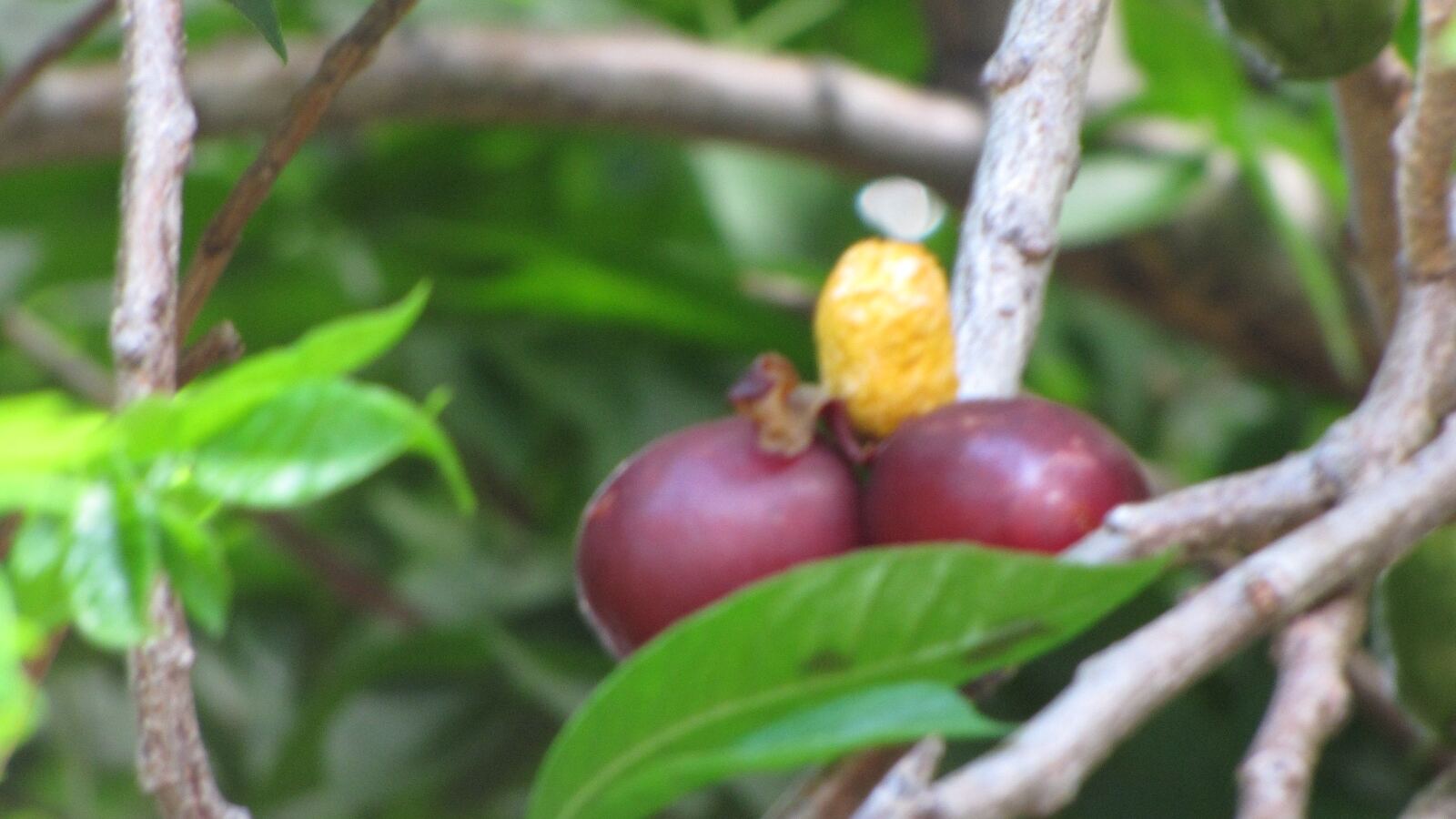
Spondias, the mombins and their relatives — a group of tropical fruit trees of the Americas and Asia, in the cashew family, Anacardiaceae, and so relatives of the mango, cashew, and marula. The main ones are:
- Yellow mombin (S. mombin) and red mombin or jocote (S. purpurea), the "hog plums" and Spanish plums of tropical America;
- Ambarella or June plum (S. dulcis), a larger-fruited species of Pacific and Asian origin.
They bear clusters of small-to-medium, plum-like fruit with a thin skin, a tart-sweet, aromatic, juicy flesh, and a large, fibrous, spiny stone, and they are among the easiest and most productive of tropical dooryard fruit trees.
The fruit
The mombins and ambarella are everyday tropical fruits — not glamorous, but genuinely good and much loved in their regions.
The hog plums (mombins) are tart, refreshing little fruits, eaten fresh when ripe (sweet-sour, with a hint of the mango-family resinous aroma), but especially good green and unripe, when they are crunchy and sharp and eaten with salt, chilli, and lime — the classic street snack jocote con sal of Central America — and made into juices, preserves, and sauces. The name "hog plum" comes from the fruit being fed to (and eagerly eaten by) pigs.
The ambarella (June plum) is larger, with crisp, juicy, sweet-tart flesh eaten fresh (crunchy when slightly under-ripe, softer and more fragrant when fully ripe), juiced (a popular drink across the tropics), and made into chutneys and pickles; its flavour is often likened to a mix of pineapple and mango. All are rich in vitamin C and refreshing in the heat.
The fence that becomes an orchard
The mombins share a wonderfully useful trait with the gliricidia and coral tree: they grow readily from a large cutting pushed straight into the ground.
A thick branch or a lopped "truncheon" of mombin, stuck in the soil, roots and grows into a tree — which means the trees are commonly planted as living fence posts: rows of mombin stakes strung with wire become a living fence that keeps growing and, in time, bears fruit, so a farmer's fence becomes an orchard. The same ease makes them quick to establish for shade, boundary, and fruit, and it is one of the reasons these fast, tough, easy trees are so widespread in tropical dooryards and farms. See propagation.
Growing them
Tropical to warm-subtropical and frost-tender, the mombins and ambarella are fast, tough, and undemanding: they want full sun and tolerate a wide range of soils, heat, and drought once established (most are deciduous in the dry season), and they crop young and heavily with little care. They dislike only frost and waterlogging.
They are grown from seed and, above all, from the large cuttings that make the living fence — and named or superior types are grafted. The small flowers feed bees, and the fruit feeds people, pigs, and wildlife. As fast, easy, productive, multi-purpose fruit-and-fence trees, the mombins are a natural component of a tropical food forest and smallholding. See tropical fruit trees.
See also
- Mango and Cashew their cashew-family relatives
- Marula another Anacardiaceae fruit tree, of Africa
- Leucaena and Gliricidia and Coral Tree the other living-fence trees
- Tropical Fruit Trees the mombins in the wider orchard
- Food Forest Design fast, easy fruit-and-fence trees
- Propagation growing a fruiting tree from a fence-post cutting