What it is
Cryptomeria japonica, the sugi or Japanese cedar — a tall, fast-growing evergreen conifer, the national tree of Japan and the single most important tree in Japanese forestry and, in many ways, in Japanese culture.
Despite the English name it is not a true cedar (the cedars are pines-family conifers); cryptomeria belongs to the cypress family, Cupressaceae, making it a relative of the redwoods, the swamp cypress, and the cypresses and thujas. It grows into a tall, straight, columnar tree with soft, awl-shaped needles and fibrous reddish bark, and it is planted throughout Japan and grown as an ornamental (in many dwarf and coloured forms) worldwide.
The sacred tree of the shrine
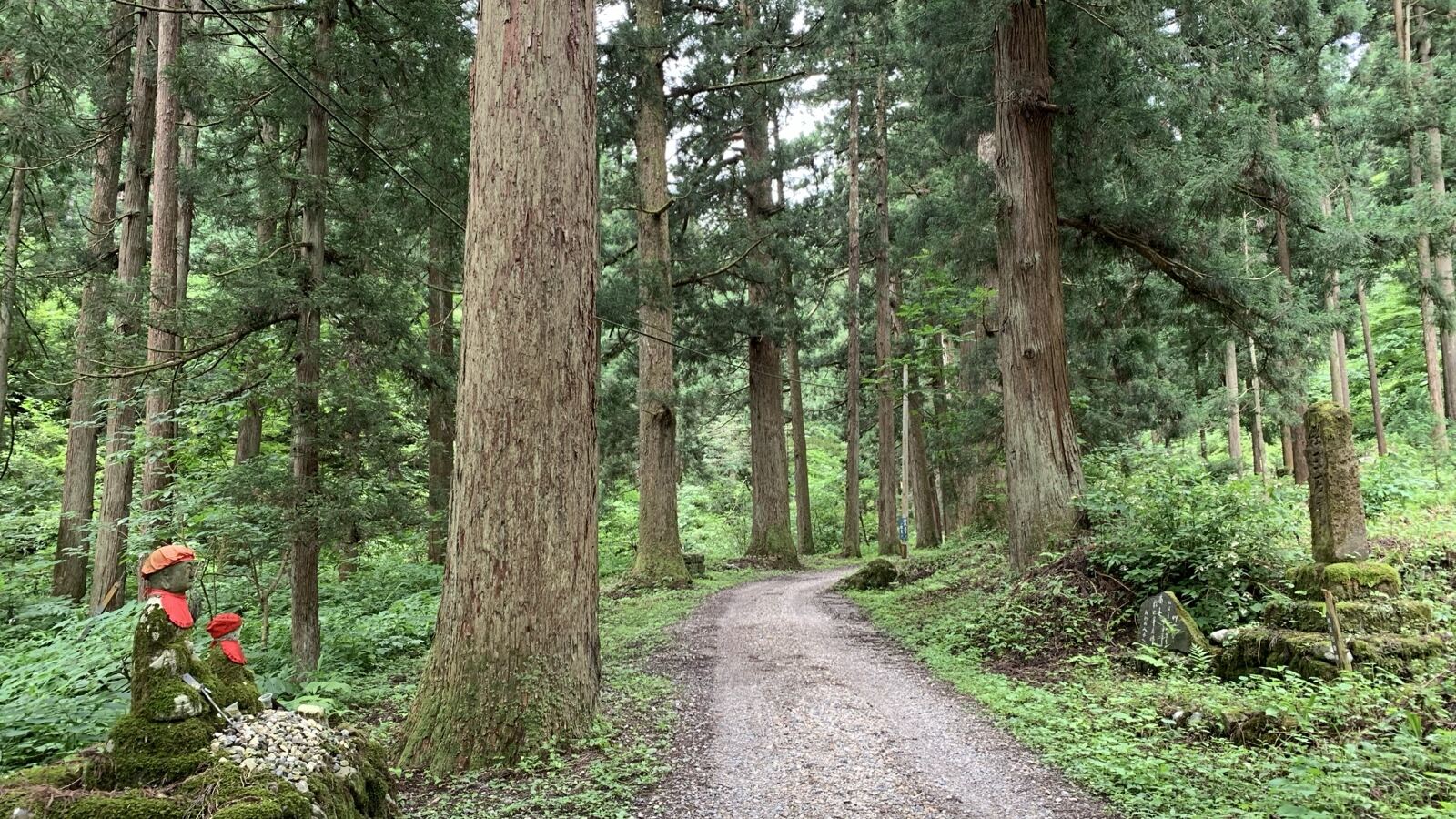
The sugi is woven deeply into Japanese religion and landscape. It is the classic tree planted at Shinto shrines and Buddhist temples, and the great avenues of towering sugi leading to sacred sites — most famously the kilometres-long cedar avenue at Nikkō — are among the most revered and atmospheric of Japanese landscapes, the huge straight trunks rising like the pillars of a natural cathedral.
Individual ancient sugi are venerated as sacred, and the oldest are astonishing: on the island of Yakushima, the primeval sugi forest holds trees of immense age, the most famous — Jōmon Sugi — estimated at anywhere from 2,000 to over 5,000 years old, making it one of the oldest and most sacred trees in Japan and a place of pilgrimage. These ancient Yakushima cedars, growing slowly in the wet mountain forest, are a UNESCO World Heritage treasure. See historical ecology.
Timber, and a national allergy
Cryptomeria is also the backbone of Japanese forestry, and this has had an enormous and unintended consequence.
The wood is light, soft, fragrant, straight-grained, and naturally rot-resistant, and it is the principal construction, joinery, and everyday timber of Japan, used for building, panelling, barrels (including for sake), and more. After the Second World War, Japan planted sugi (and cypress) on a colossal scale to meet the demand for timber, converting huge areas of natural forest to fast-growing cryptomeria plantations.
Those plantations then matured — and, cheap imported timber having undercut the domestic industry, many were never harvested and instead grew on, flowering and shedding pollen. The result is a modern public-health problem: cryptomeria pollen is a powerful allergen, and the vast plantations release immense clouds of pollen each spring, causing a nationwide epidemic of hay fever (kafunshō) that afflicts a large fraction of the Japanese population — one of the clearest cases of a well-meaning forestry programme creating an unforeseen mass health issue, and now the subject of major efforts to thin the plantations and breed low-pollen sugi. See woodland management and restoration economics.
Growing it
Cryptomeria wants a mild, moist, humid climate and deep, moist, well-drained, slightly acidic soil — the oceanic conditions of Japan — and it dislikes drought, cold drying winds, and hard continental frost, which limits it in dry or very cold regions. Given moisture and shelter it is fast, tall, and long-lived.
It makes a magnificent large specimen and screening tree where there is room, and the many dwarf, contorted, and coloured cultivars (some turning bronze-red in winter) are among the most popular of garden conifers for smaller spaces and for bonsai. It is grown from seed and, for cultivars, from cuttings (which root readily, unusually for a conifer). See propagation.
See also
- Cedars the true cedars it is named for but unrelated to
- Redwoods and Cypresses and Thujas its cypress-family relatives
- Swamp Cypress and Dawn Redwood more of the same family
- Conifers the wider group
- Historical Ecology the ancient sugi of Yakushima
- Woodland Management the plantations behind Japan's pollen problem