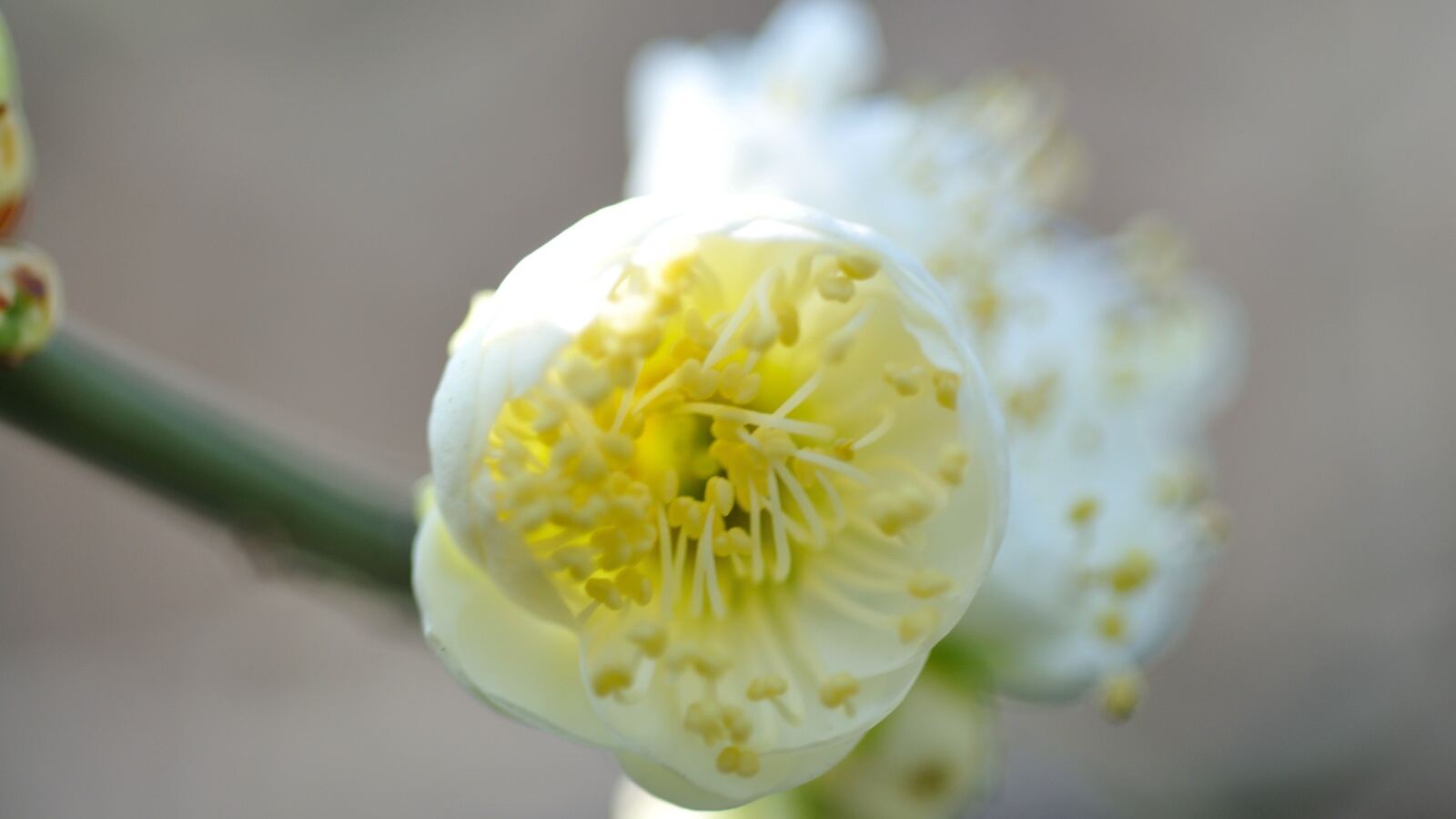
What it is
Terminalia ferdinandiana, the Kakadu plum, gubinge, or billygoat plum — a small-to-medium tree of the tropical savanna woodlands of northern Australia, bearing a small, pale-green, olive-sized fruit that holds a world record.
It belongs to the genus Terminalia, which makes it a relative of the arjuna, the myrobalan, and the tropical almond — a family of trees remarkable for the chemistry packed into their fruit — and the Kakadu plum takes that family trait to its extreme.
The vitamin-C champion
The Kakadu plum's claim to fame is simple and superlative: it has the highest recorded vitamin C content of any fruit in the world.
Its little green fruit contains vitamin C at concentrations far beyond any other known fruit — many times higher than the amla and acerola that are themselves famous vitamin-C champions, and on the order of a hundred times that of an orange. It is also exceptionally rich in antioxidants (ellagic and gallic acids) and other compounds. Whatever the precise figures, no fruit is known to beat it for vitamin C, which — combined with its antioxidants and natural preservative properties — is the whole basis of its modern career.
Ancient food, modern superfood
For the Aboriginal peoples of northern Australia, the Kakadu plum has been a food and medicine for tens of thousands of years — eaten fresh (tart, with a stewed-apple-and-pear flavour) and used as a remedy, the fruit and bark applied for their antiseptic and healing properties, a knowledge held and passed down over millennia.
In recent decades it has become one of the most successful of all Australian bush foods to reach the wider market — sold as a "superfood" (in juices, powders, jams, and supplements for its vitamin C and antioxidants) and, increasingly, as a natural preservative and active ingredient in cosmetics and skincare (its high vitamin C and antioxidants, and its natural antimicrobial properties, are prized by the cosmetics industry). This has built a significant industry, much of it centred on and increasingly controlled by Aboriginal-owned enterprises that harvest the wild fruit on country — making the Kakadu plum an important case of Indigenous knowledge, land, and enterprise coming together around a native tree, and of the value of protecting that knowledge and its benefits for the communities who hold it. See restoration economics and historical ecology.
Growing it
Tropical, and a tree of the hot, monsoonal, seasonally-wet-and-dry savanna of northern Australia, the Kakadu plum wants heat, a distinct wet season, full sun, and well-drained soil, and it is adapted to the fire-swept, nutrient-poor tropical woodland — tolerant of poor soils, seasonal drought, and the fire regime of its home, but frost-tender.
It is grown from seed, and much of the crop is still wild-harvested from natural stands (sustainably, and increasingly by Indigenous ranger and harvesting programmes), though cultivation is expanding. As the world's richest natural source of vitamin C and a tree of deep Aboriginal cultural and economic importance, the Kakadu plum is one of the most remarkable of all bush foods, and a model of a native tree valued for both its chemistry and its custodians. See propagation and food forest design.
See also
- Arjuna, Myrobalan, and Tropical Almond its Terminalia relatives
- Amla and Acerola the other great vitamin-C fruits it surpasses
- Finger Lime, Quandong, and Davidson Plum other Australian bush foods
- Restoration Economics an Indigenous bush food turned superfood industry
- Historical Ecology tens of thousands of years of Aboriginal use
- Food Forest Design the Kakadu plum as a native fruit tree