What it is
Cananga odorata, ylang-ylang — a fast-growing tropical tree of Southeast Asia and the western Pacific, grown across the humid tropics for its intensely fragrant flowers and the precious perfume oil distilled from them.
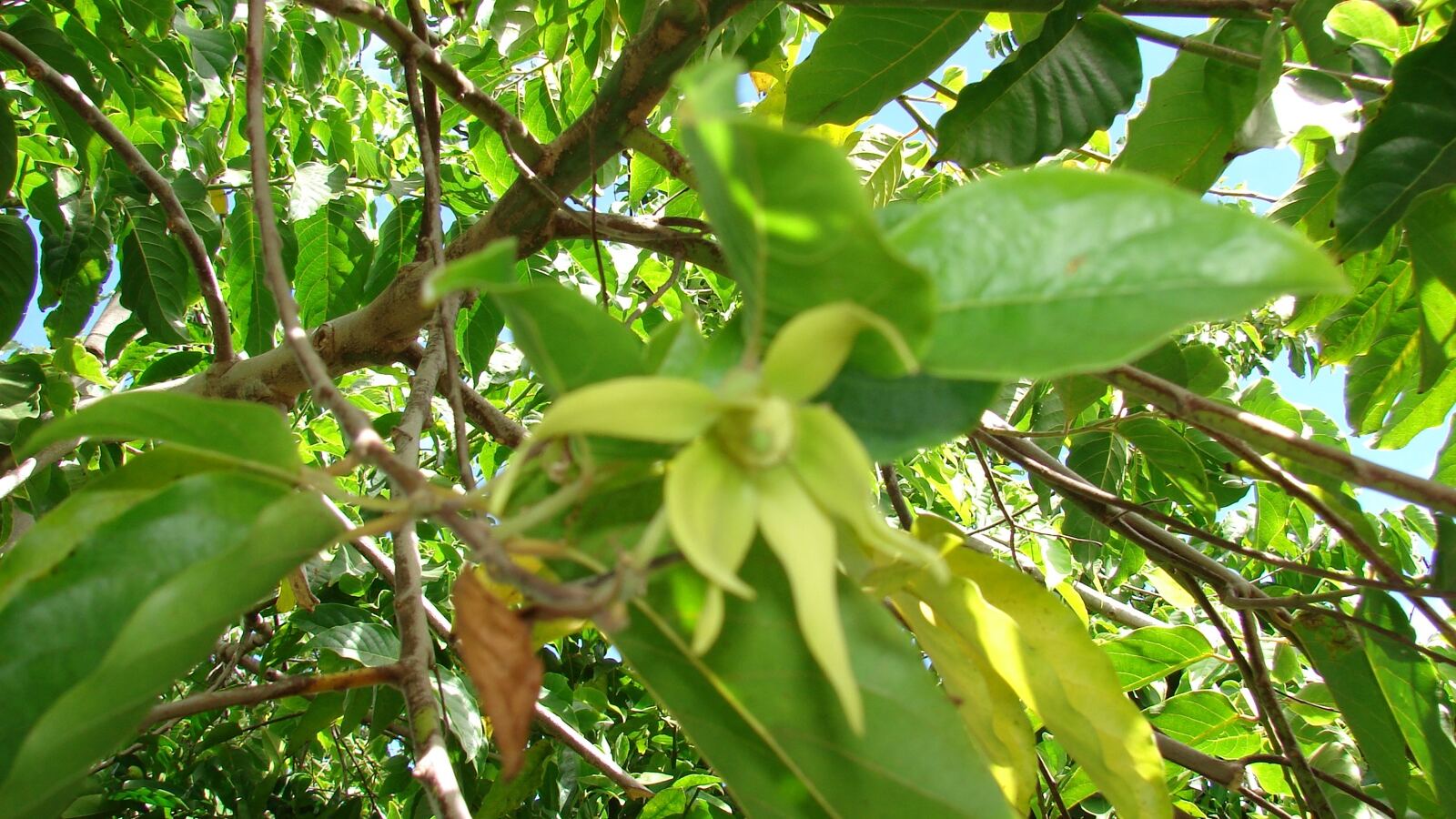
Surprisingly, it belongs to the custard-apple family, Annonaceae — a relative of the cherimoya, soursop, and the temperate pawpaw — though it is grown for scent rather than fruit. Its name comes from a Tagalog word, and it bears drooping clusters of long, curly, greenish-yellow petals that release, especially at night, a heady, sweet, rich, jasmine-and-banana-like fragrance that is one of the most powerful and admired scents in the plant world.
The scent of perfume
Ylang-ylang's flowers are steam-distilled to produce ylang-ylang essential oil, and that oil is one of the foundational materials of modern perfumery — a warm, sweet, floral, slightly spicy note that blends and "rounds out" fragrances and acts as a fixative.
Its most famous role is at the heart of Chanel No. 5, the most celebrated perfume ever made, in which ylang-ylang is a defining ingredient — but it appears in a vast range of fine perfumes, colognes, soaps, cosmetics, and aromatherapy products, and it is a major crop for exactly this purpose. The flowers must be picked by hand, early in the morning when the scent is strongest, and distilled fresh, and the oil is graded into fractions (from the first, finest "extra" to later "grades") used for different qualities of perfume. Madagascar and the Comoros islands are the great producers, where ylang-ylang is a mainstay of the rural economy — whole island landscapes given over to the fragrant tree — one of those cases where a single tree's scent underpins a local livelihood, as nutmeg and sandalwood do. See restoration economics.
Beyond perfume, ylang-ylang is culturally important across its range — the flowers are strung into garlands and leis, strewn on the beds of newlyweds, used in ceremonies, and valued in traditional medicine and aromatherapy for their calming, mood-lifting reputation.
Growing it
Tropical, frost-tender, and a tree of the hot, humid, lowland tropics, ylang-ylang wants warmth, high rainfall, full sun to light shade, and deep, well-drained, fertile soil; it is fast-growing and comes into flower young, but it is strictly a warm-climate tree, killed by frost.
In plantations it is kept pruned and pollarded to a low, spreading, easily-harvested shape (the wild tree grows tall and lanky, putting its flowers out of reach), so that the flowers can be picked by hand daily through a long season. It is grown from seed and cuttings, and it makes a fragrant, fast, ornamental shade tree for a tropical garden quite apart from any commercial use — a tree to plant where its evening scent can drift into the house. It is a natural, aromatic component of a tropical food-and-fragrance forest. See propagation.
See also
- Cherimoya and Annonas its custard-apple family relatives
- Clove, Nutmeg, and Allspice other tropical trees grown for scent and flavour
- Rosewood and Sandalwood the fragrant sandalwood of perfumery
- Frangipani another intensely fragrant tropical flowering tree
- Restoration Economics ylang-ylang as an island economy
- Tropical Fruit Trees the wider warm-climate tree palette
- Champak