Wildlife
Animals, fungi, and soil life — pests, predators, pollinators, and decomposers.
Wildlife Cheatsheet
Quick reference for the animals, fungi, and soil life that do the work.
Go deeper
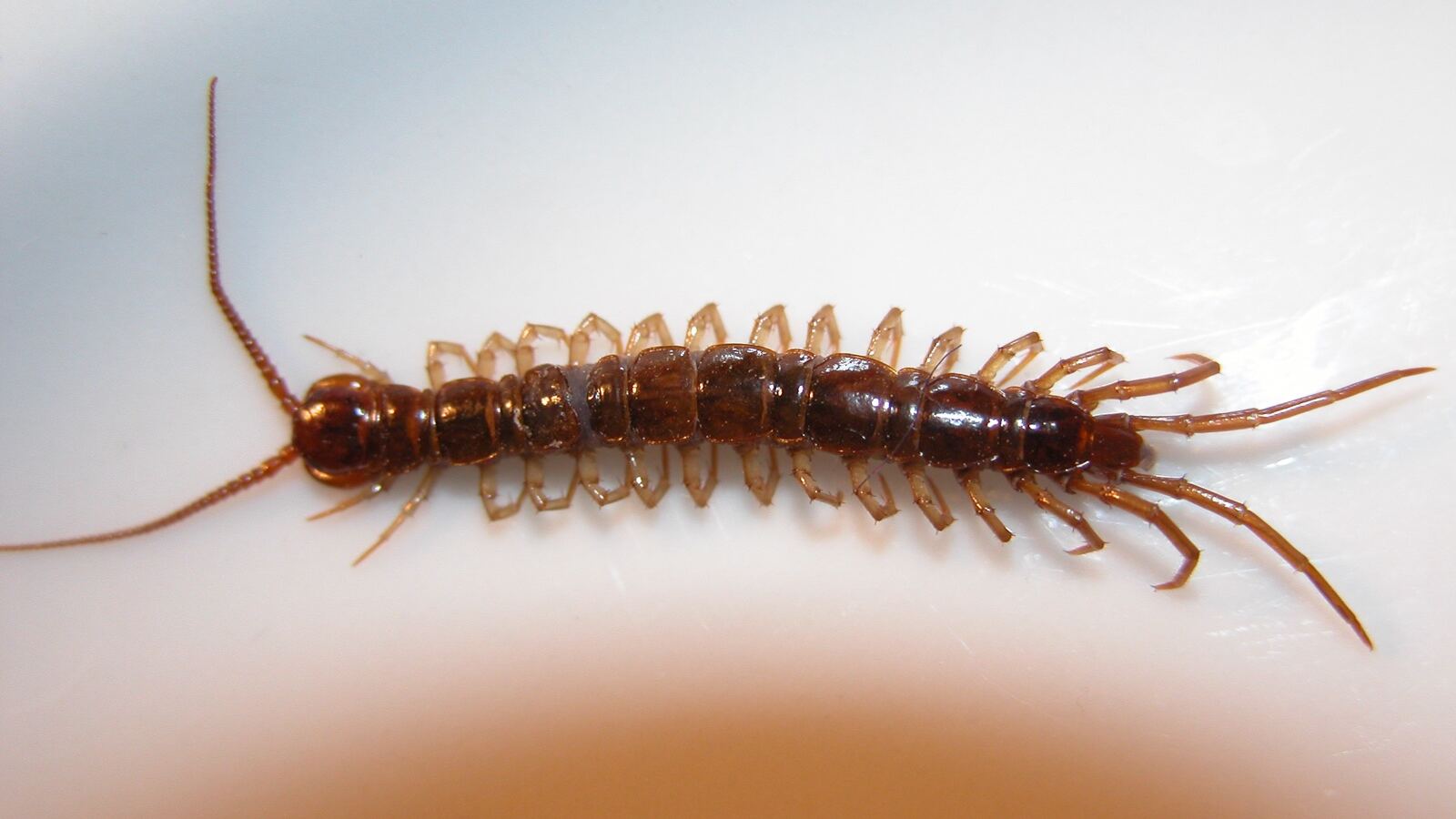 № 076
№ 076Centipedes and Millipedes: The Many-Legged Two-Sided Team
Two very different many-legged animals easily confused — the fast, flat, venomous centipede that hunts soil pests, and the slow, round, harmless millipede that recycles dead leaves. Telling them apart, and why both belong.
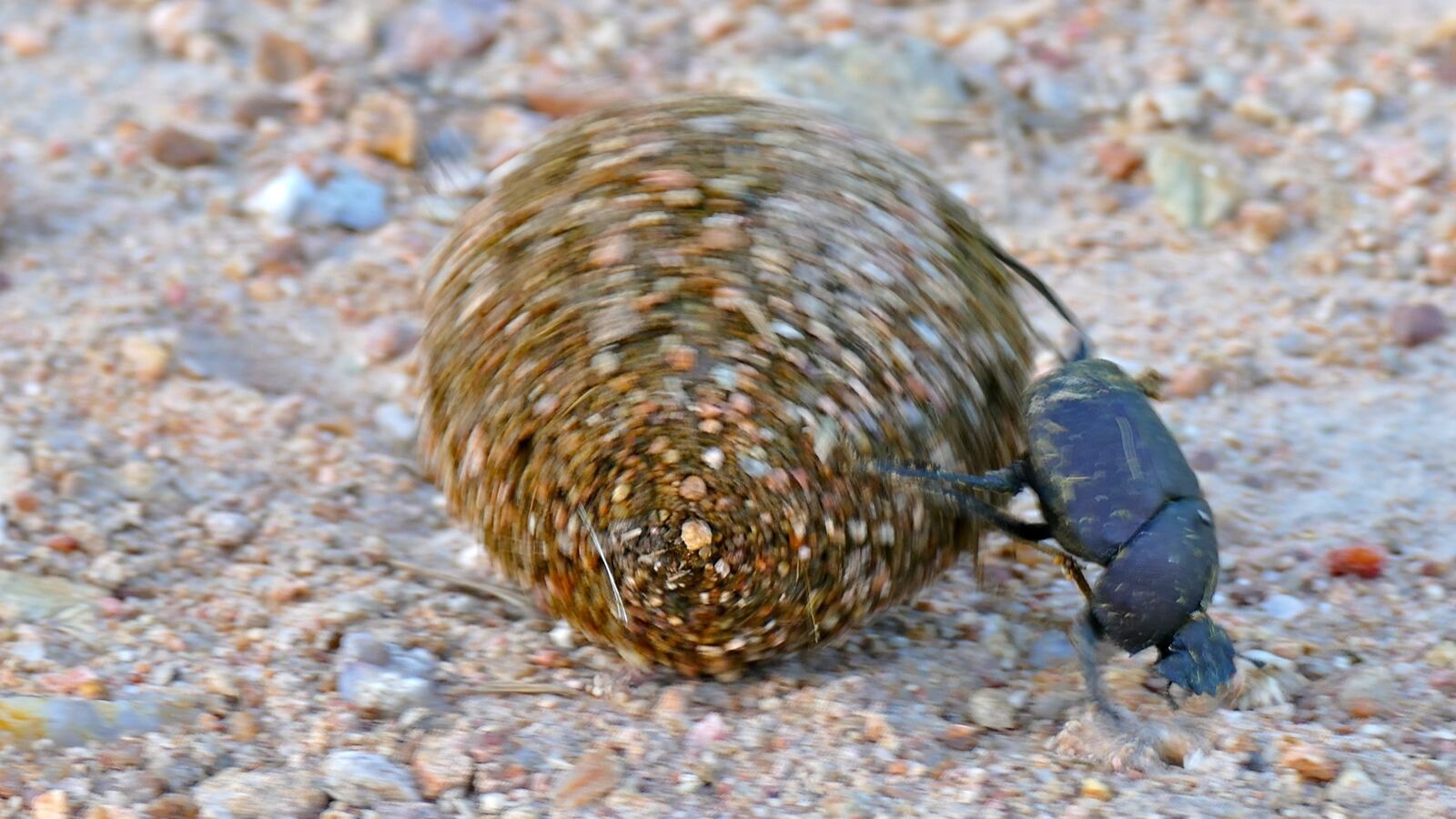 № 141
№ 141Dung Beetles: The Pasture's Free Sanitation and Fertiliser
The beetles that bury animal dung — burying with it a pasture's fertility, aeration, and parasite control — and the deworming drugs that quietly kill them, breaking a service worth billions.
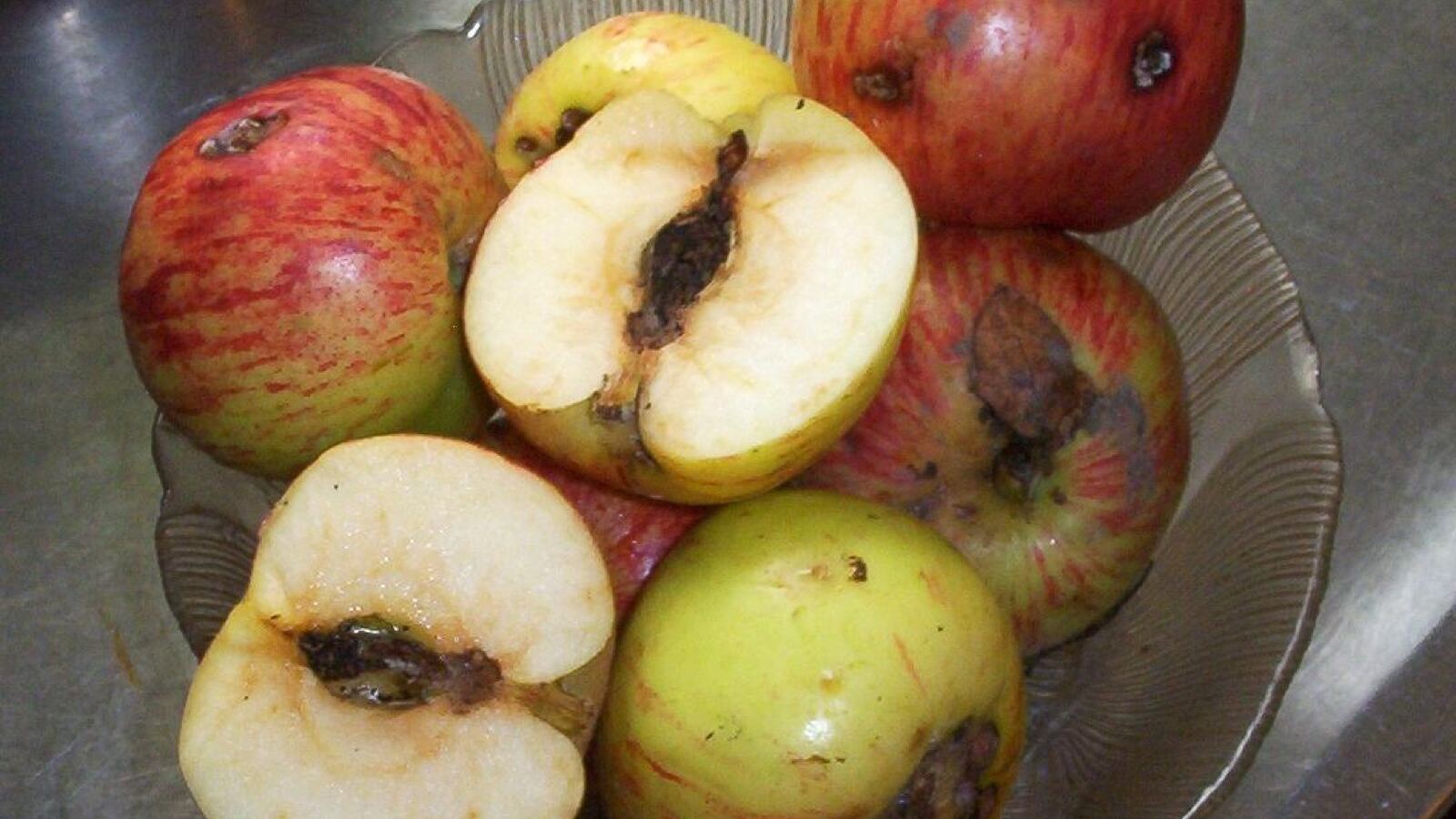 № 179
№ 179Fruit Tree Pests: The Maggot in the Apple and Its Kin
The insects that get to the harvest first — codling moth, sawfly, winter moth, and the plum and pear pests — and how to beat them with timing, traps, barriers, and the birds and predators that do most of the work.
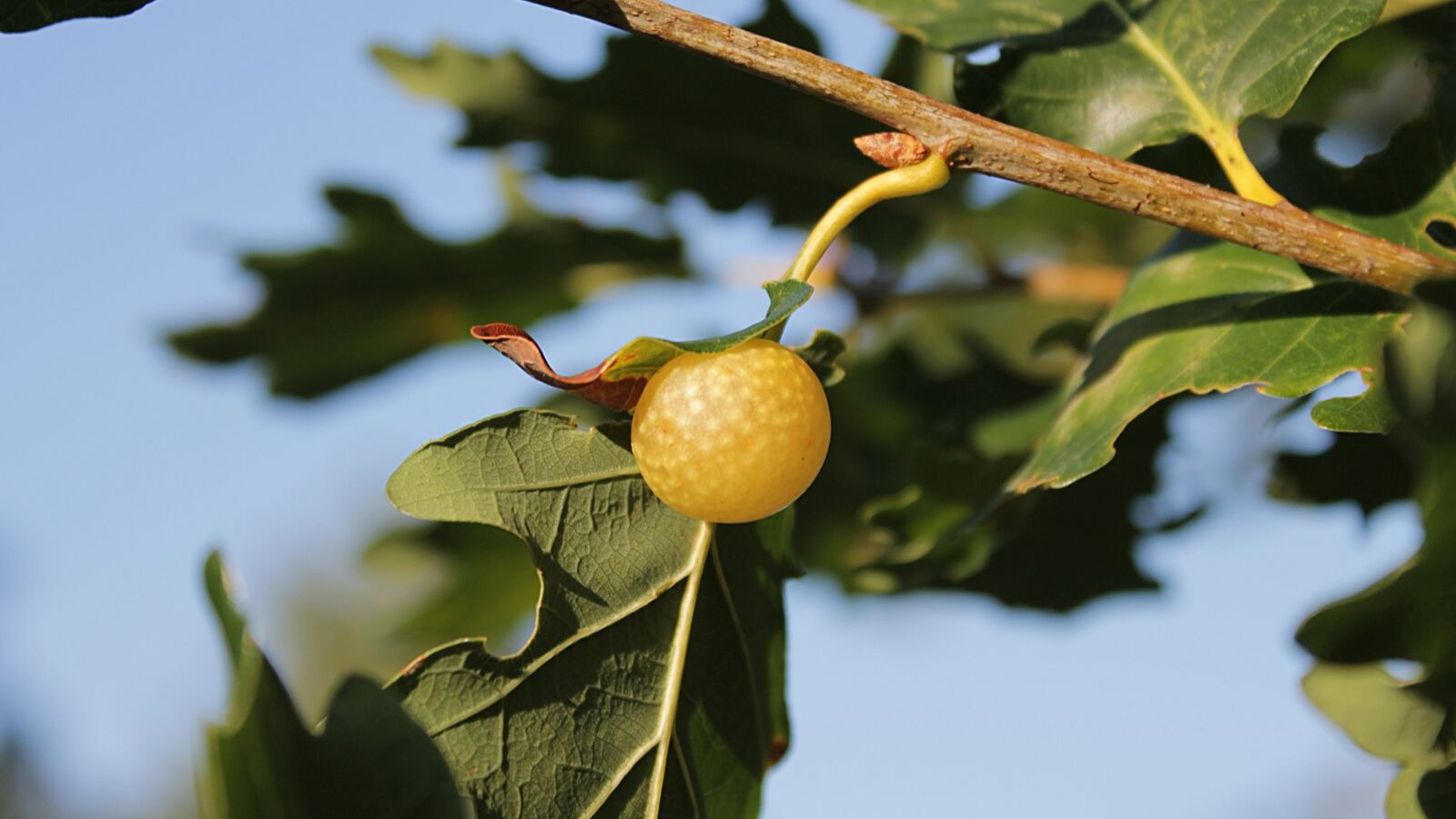 № 180
№ 180Galls and Gall-Formers: When an Insect Makes the Plant Build It a Home
The strange swellings, apples, and pincushions on leaves and twigs — homes and larders that tiny insects and mites trick the plant into building for them, mostly harmless, and one of them the source of the ink that wrote history.
 № 187
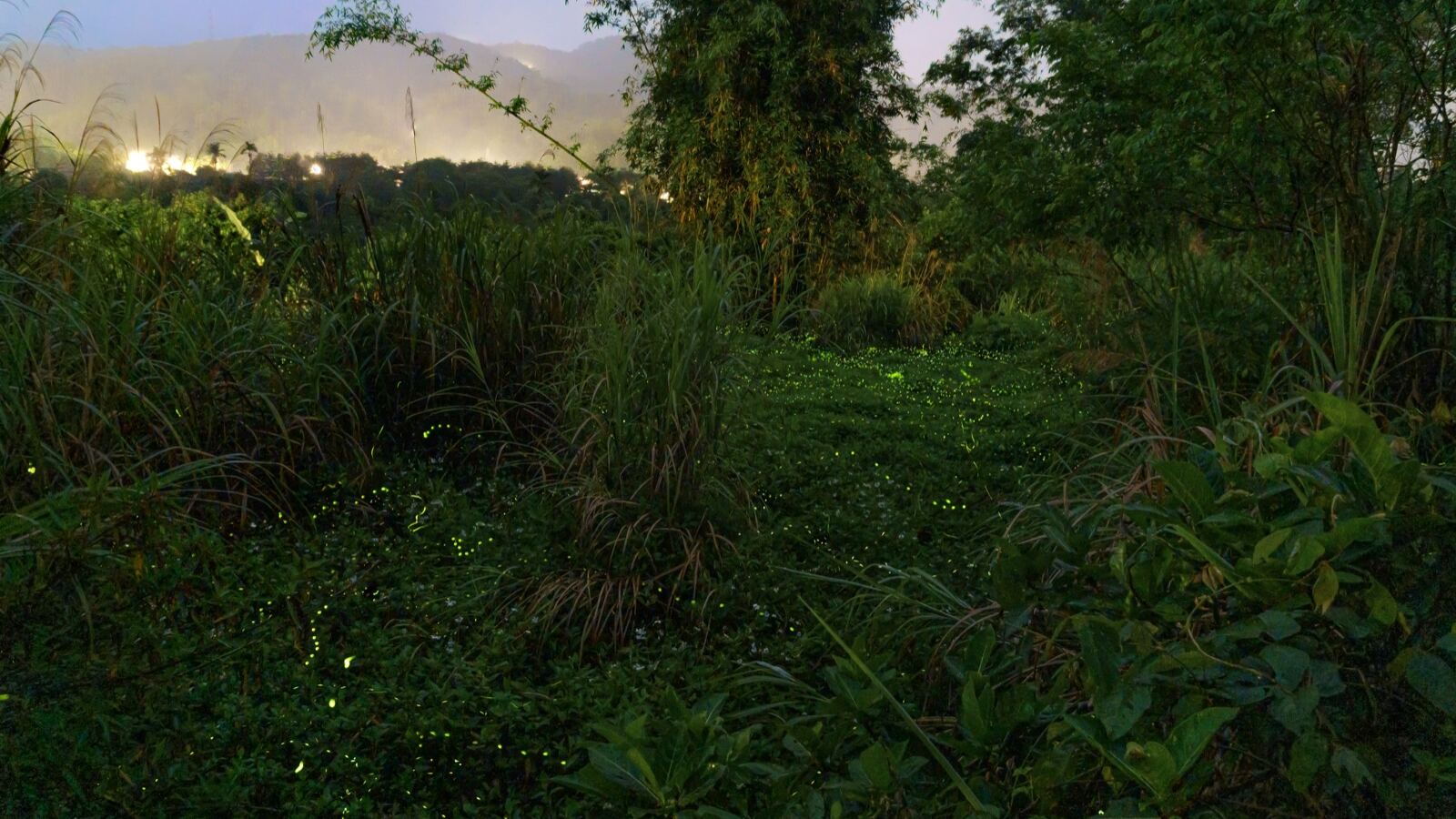
№ 187Glow-Worms and Fireflies: The Beetles That Make Light
Beetles that glow in the dark — the female glow-worm signalling for a mate, the firefly flashing in coded conversation, and their larvae hunting slugs and snails — magical, useful, and vanishing under our lights.
 № 200
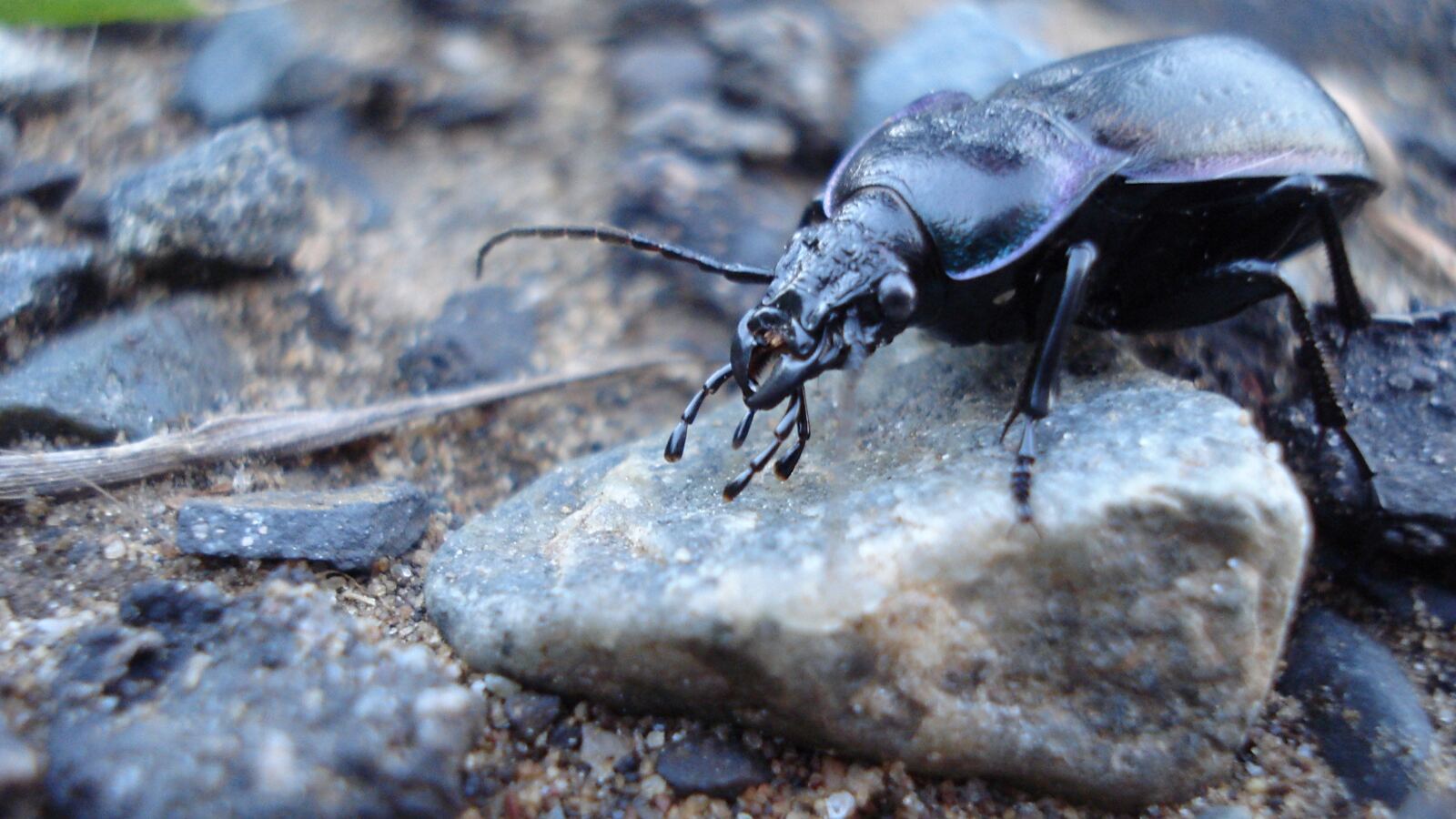
№ 200Ground Beetles: The Night Shift That Eats Slugs and Weed Seeds
Fast, glossy, ground-dwelling predators that hunt slugs, cutworms, and pest eggs by night and eat weed seeds by day — a resident workforce that thrives on undisturbed ground and dies out under the plough.
 № 218
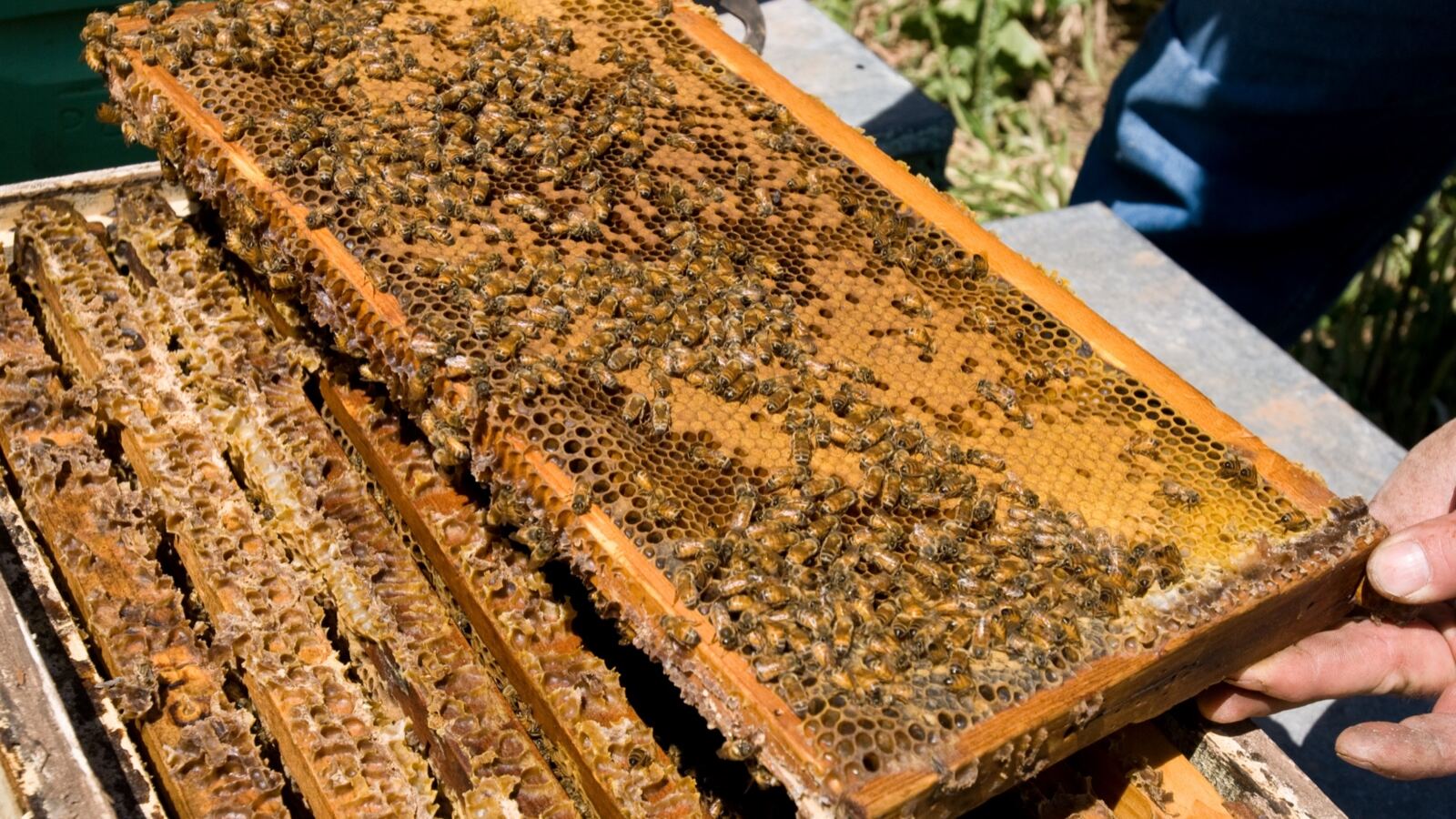
№ 218Honeybees and Beekeeping: The Managed Pollinator
The one bee in twenty thousand that lives in a hive and makes honey — a managed superorganism rented out to pollinate crops, threatened by mites and poisons, and not the whole answer to the pollination it is asked to provide.
 № 256
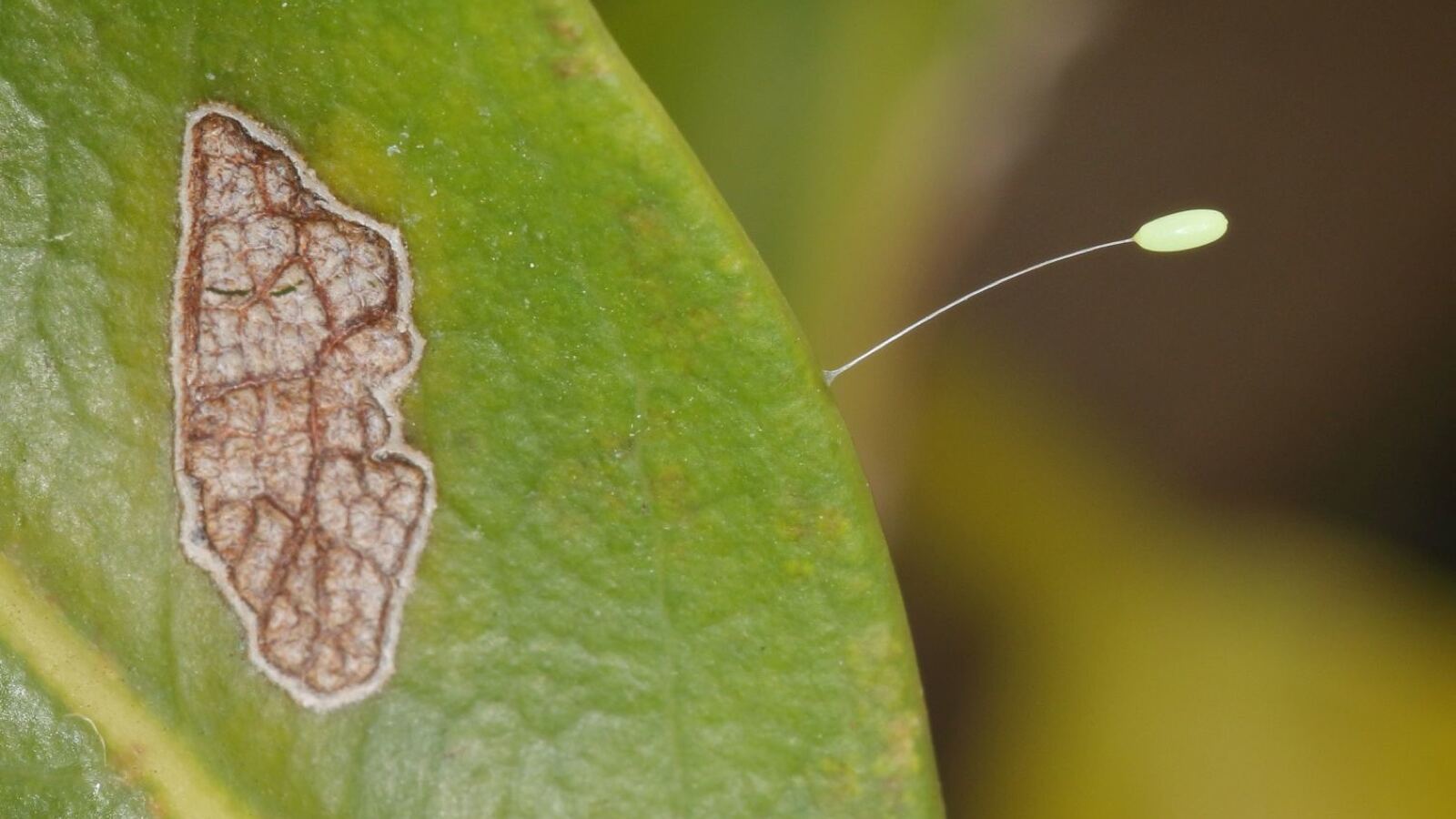
№ 256Lacewings: The Delicate Fliers With Ravenous Larvae
Fragile, gauzy-winged insects whose larvae — the 'aphid lions' — are among the most voracious pest predators in any garden, each devouring hundreds of aphids before it pupates.
 № 293
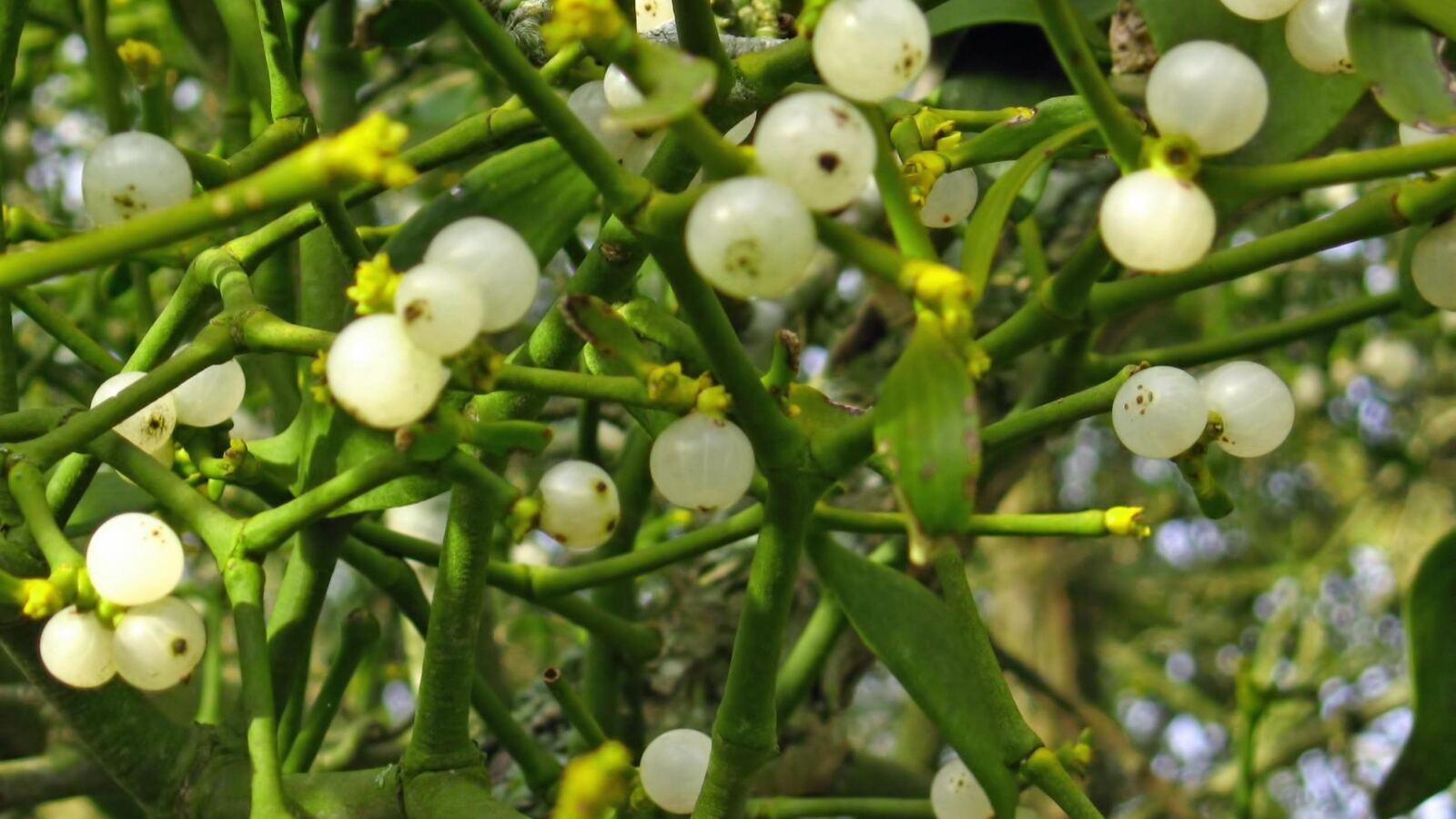
№ 293Mistletoe: The Kissing Plant That Feeds the Winter Wood
A plant that grows in the branches of trees, half-feeding off its host — a keystone winter food and habitat for wildlife, spread by birds that wipe its sticky seed onto a twig, and wrapped in ancient midwinter magic.
 № 295
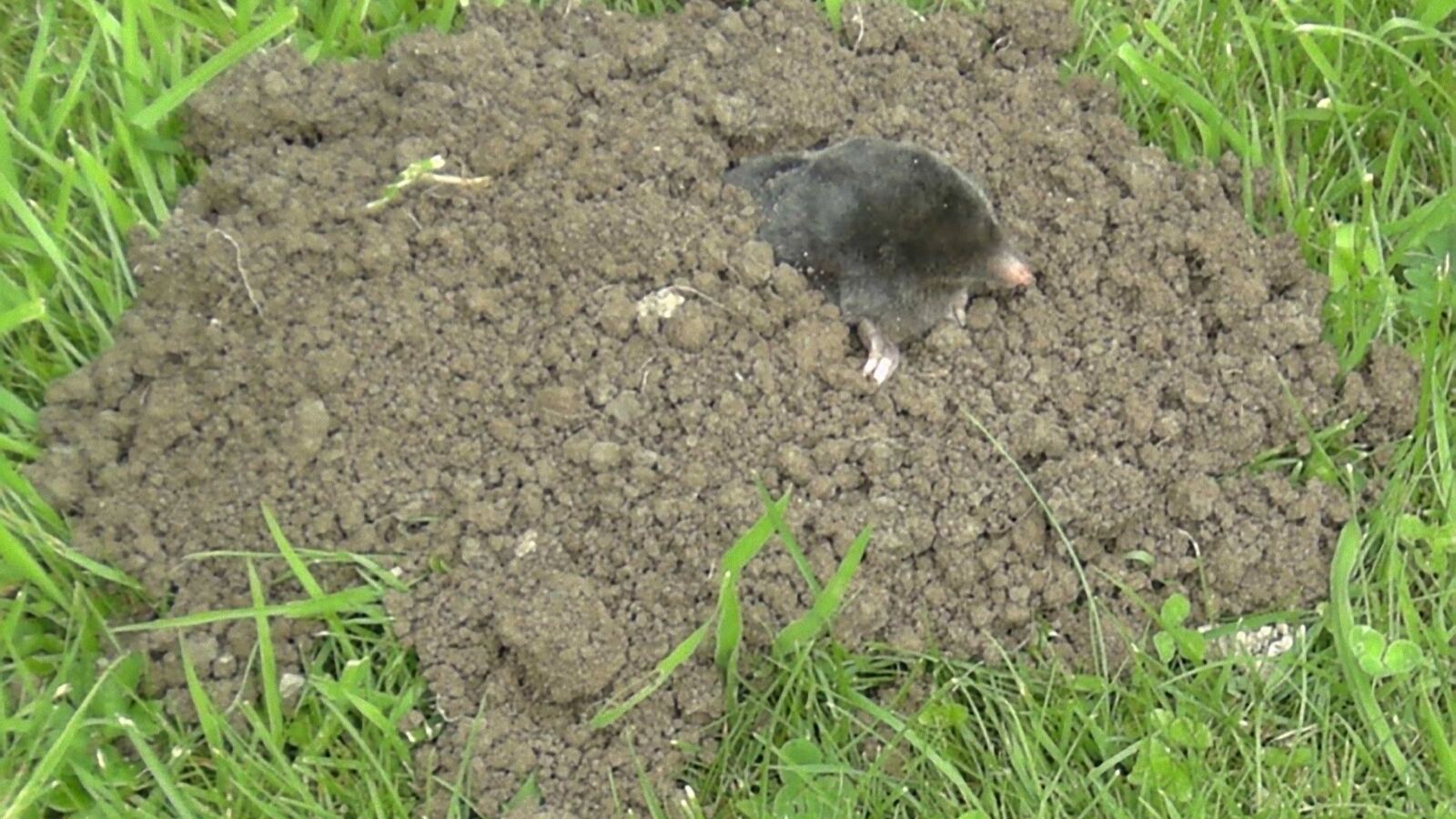
№ 295Moles: The Underground Engineer That Eats No Plants
The maker of molehills is a voracious insectivore, not a vegetarian — it eats earthworms and grubs, aerates and drains the soil, and signals a healthy earthworm population, so the damage is mostly to your idea of a tidy lawn.
 № 336
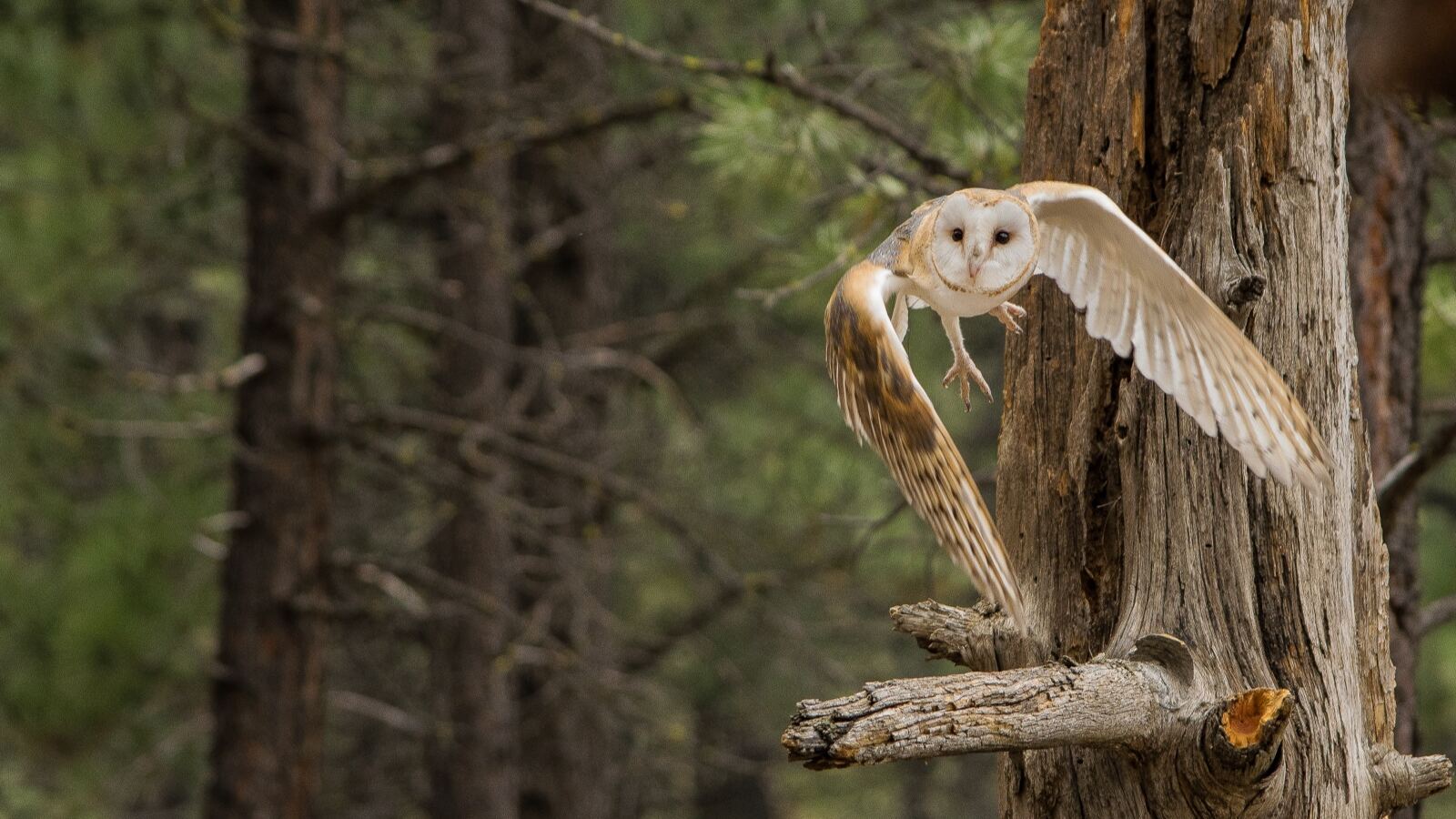
№ 336Owls: The Silent Night Shift of Rodent Control
Nocturnal hunters that take over pest control when the day's raptors roost — a single barn owl family eats thousands of rodents a year, which is why nest boxes are a genuine farm tool, and rat poison a deadly threat.
 № 342
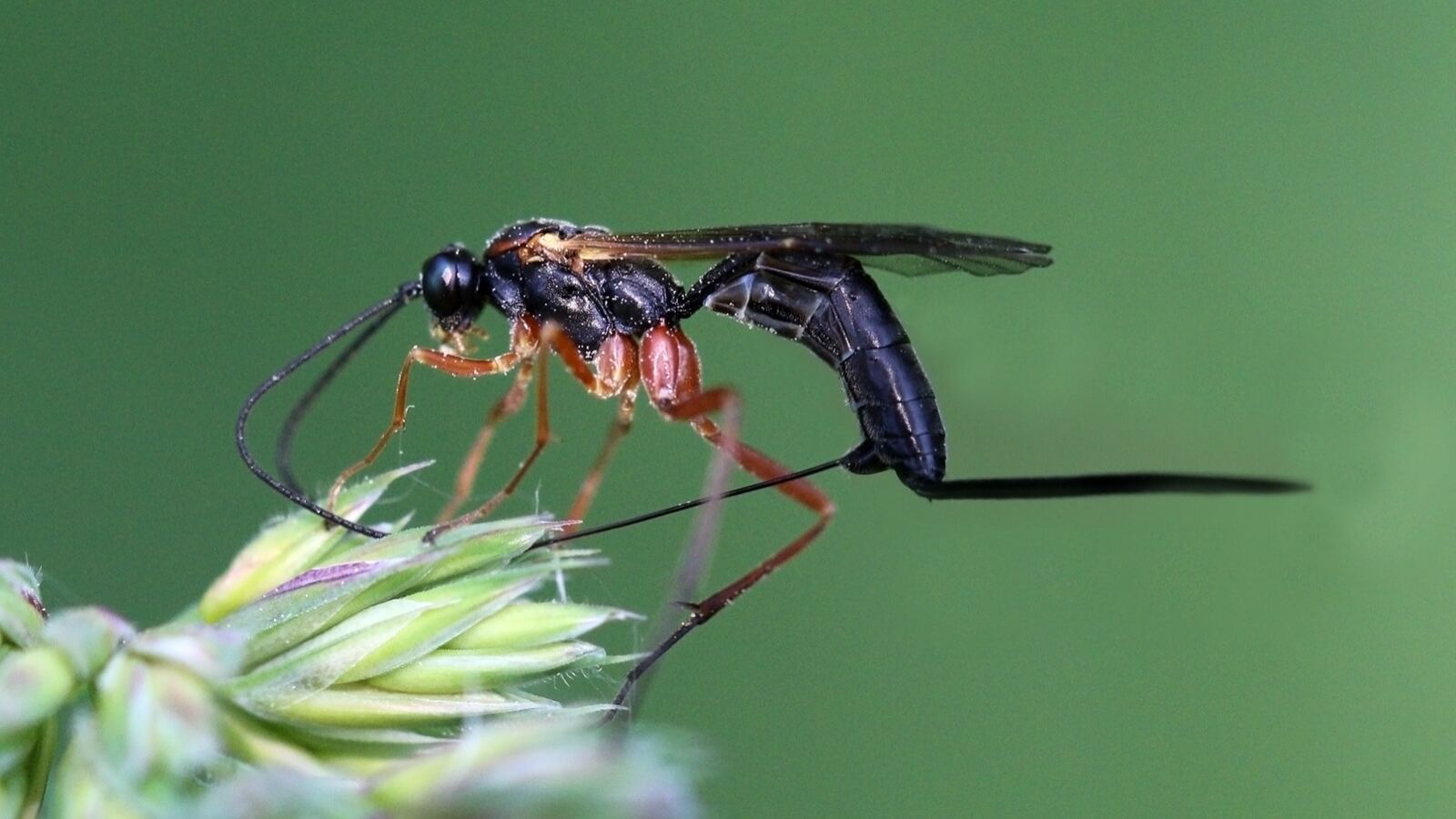
№ 342Parasitoid Wasps: The Insect World's Living Weapons
Tiny, stingless wasps that lay their eggs inside other insects, their larvae devouring the host alive from within — one of the most powerful natural forces holding pests in check, and the basis of much biological control.
 № 453
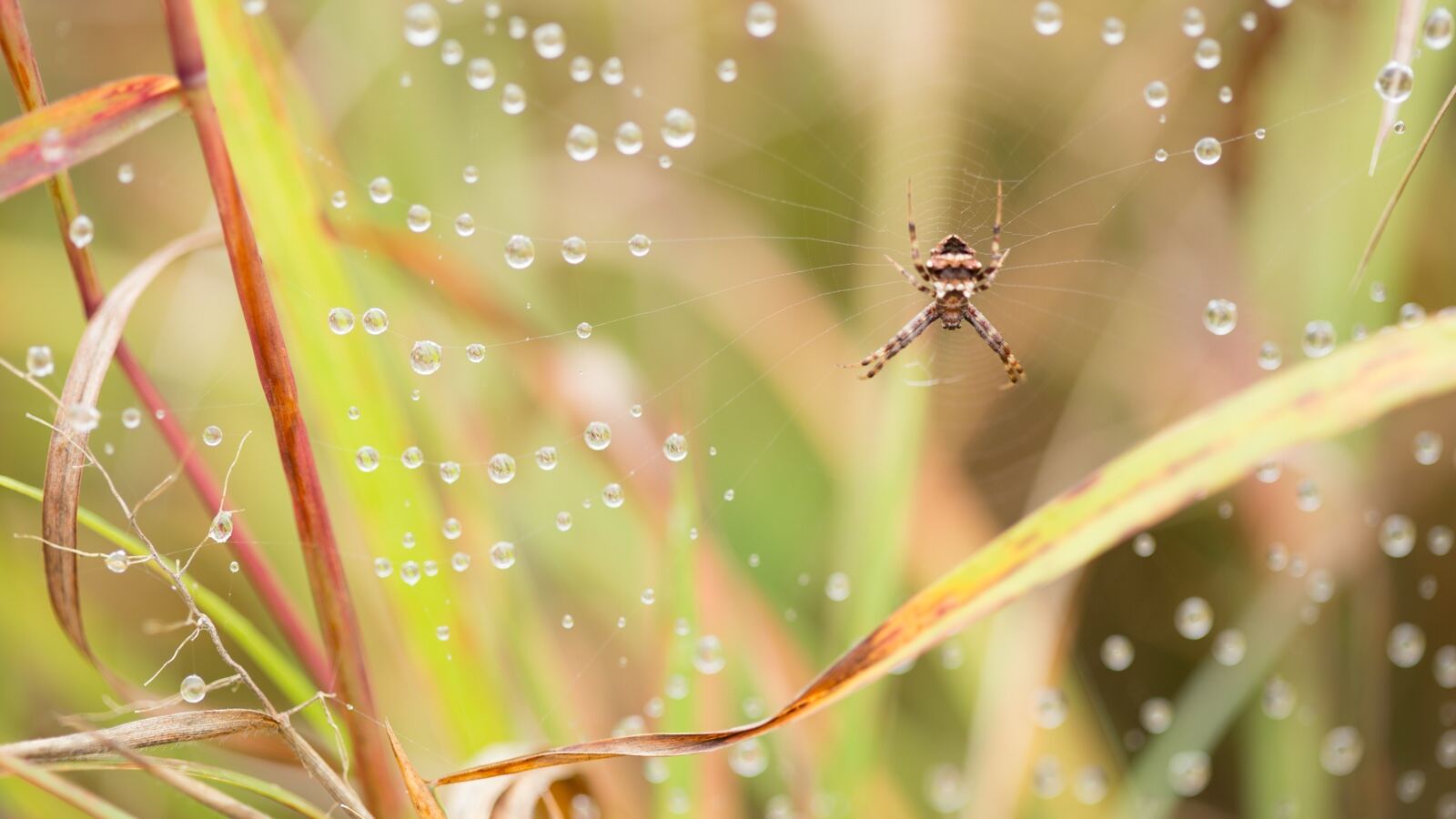
№ 453Spiders: The Garden's Biggest Predator Guild
Not insects but eight-legged hunters — among the most abundant and voracious predators in any garden, eating a staggering weight of pests each year, if you give them the undisturbed cover they need.
 № 459
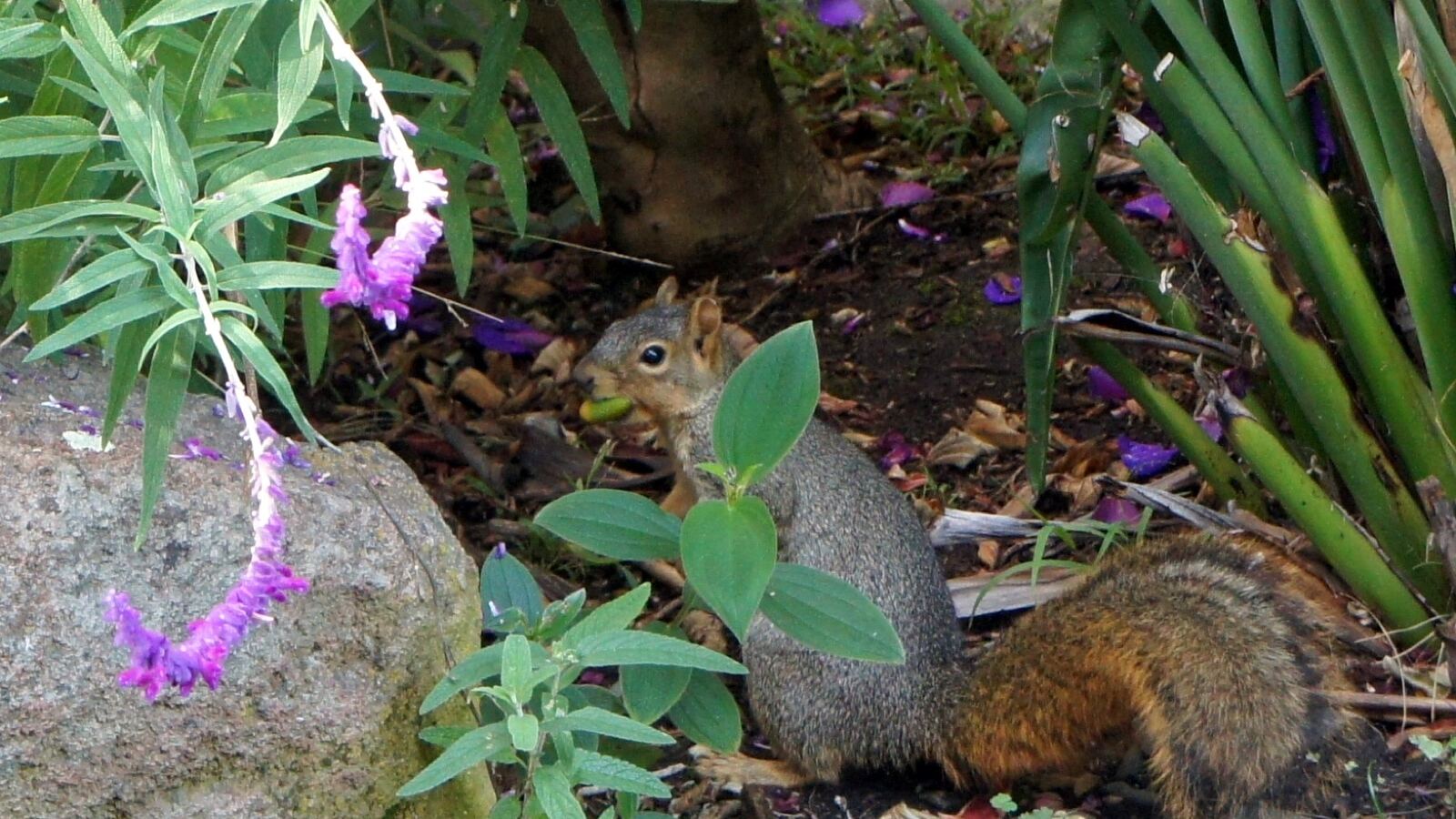
№ 459Squirrels: The Foresters That Plant the Oaks
Scatter-hoarding rodents that bury far more nuts than they dig up — so the acorns and nuts they forget grow into the next forest, making the squirrel one of the great planters of trees, and, where introduced, a serious pest.
 № 012
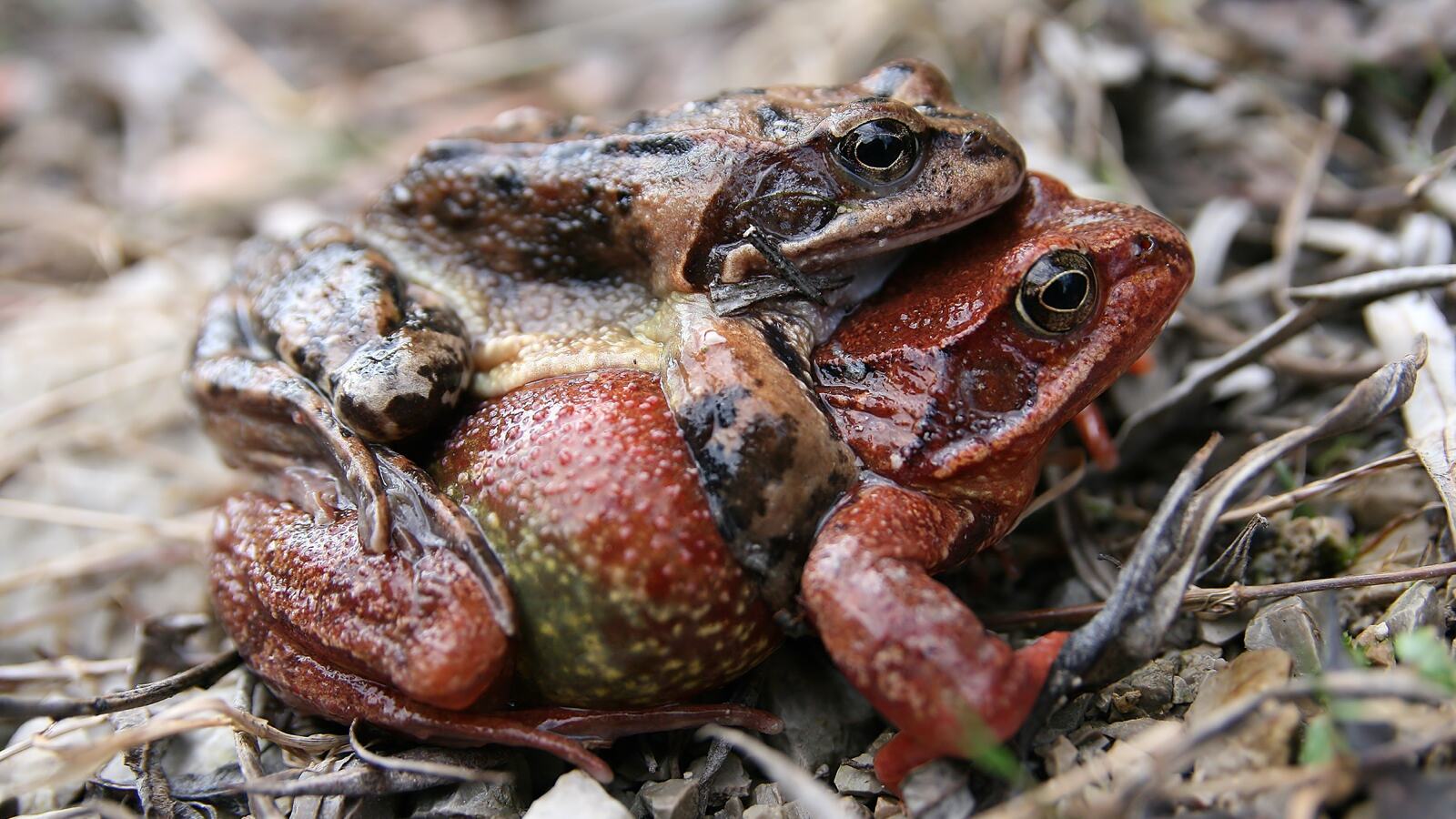
№ 012Amphibians and Reptiles: The Pest Control You Never See
Frogs, toads, newts, lizards and snakes as garden predators — what they need in habitat terms, and why ponds without fish matter most.
 № 015
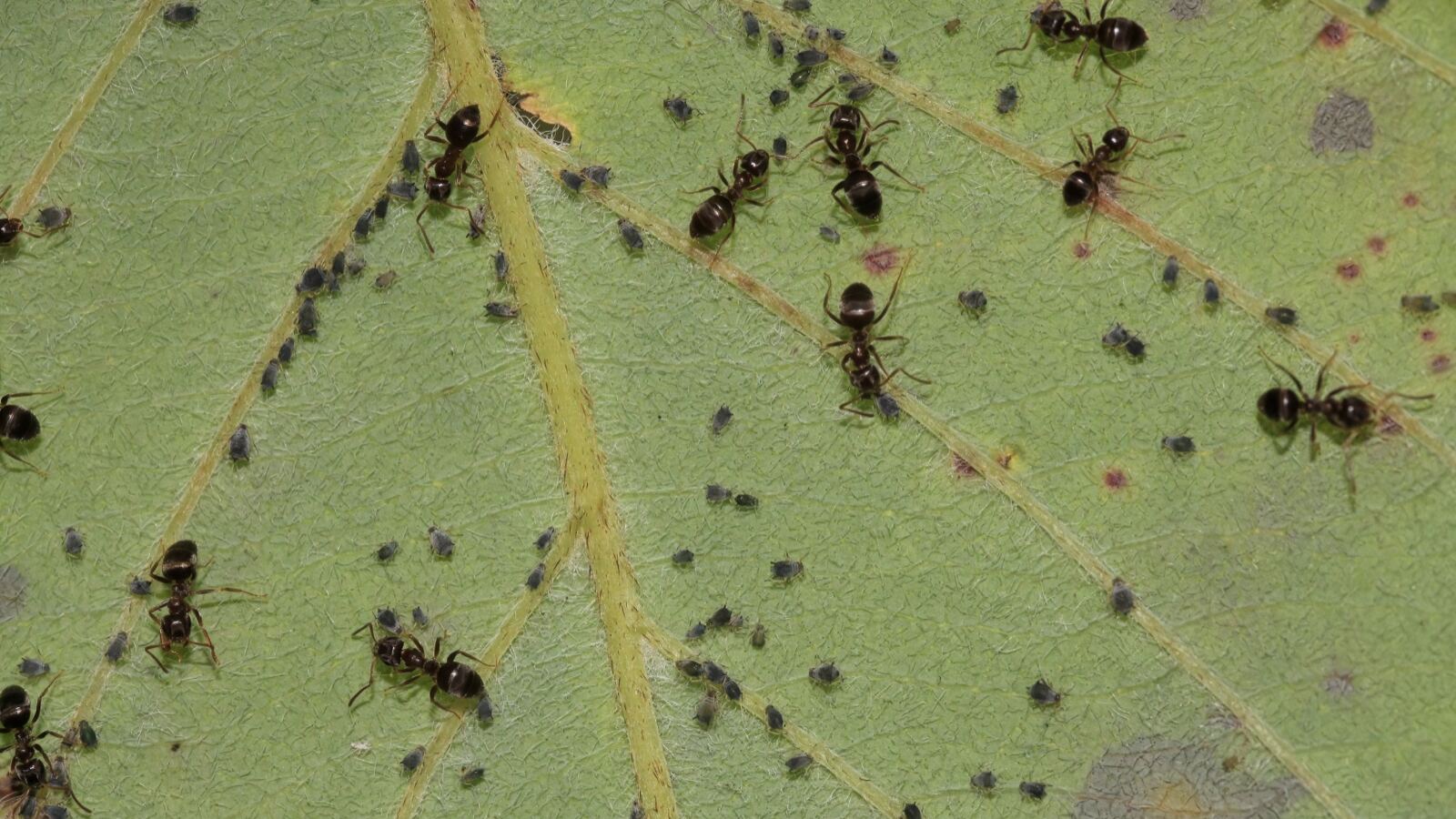
№ 015Ants and Wasps: Farmers, Predators, and the Insects Nobody Defends
Ants farm aphids and undo your biological control; social wasps kill thousands of pests before becoming a nuisance in August.
 № 036
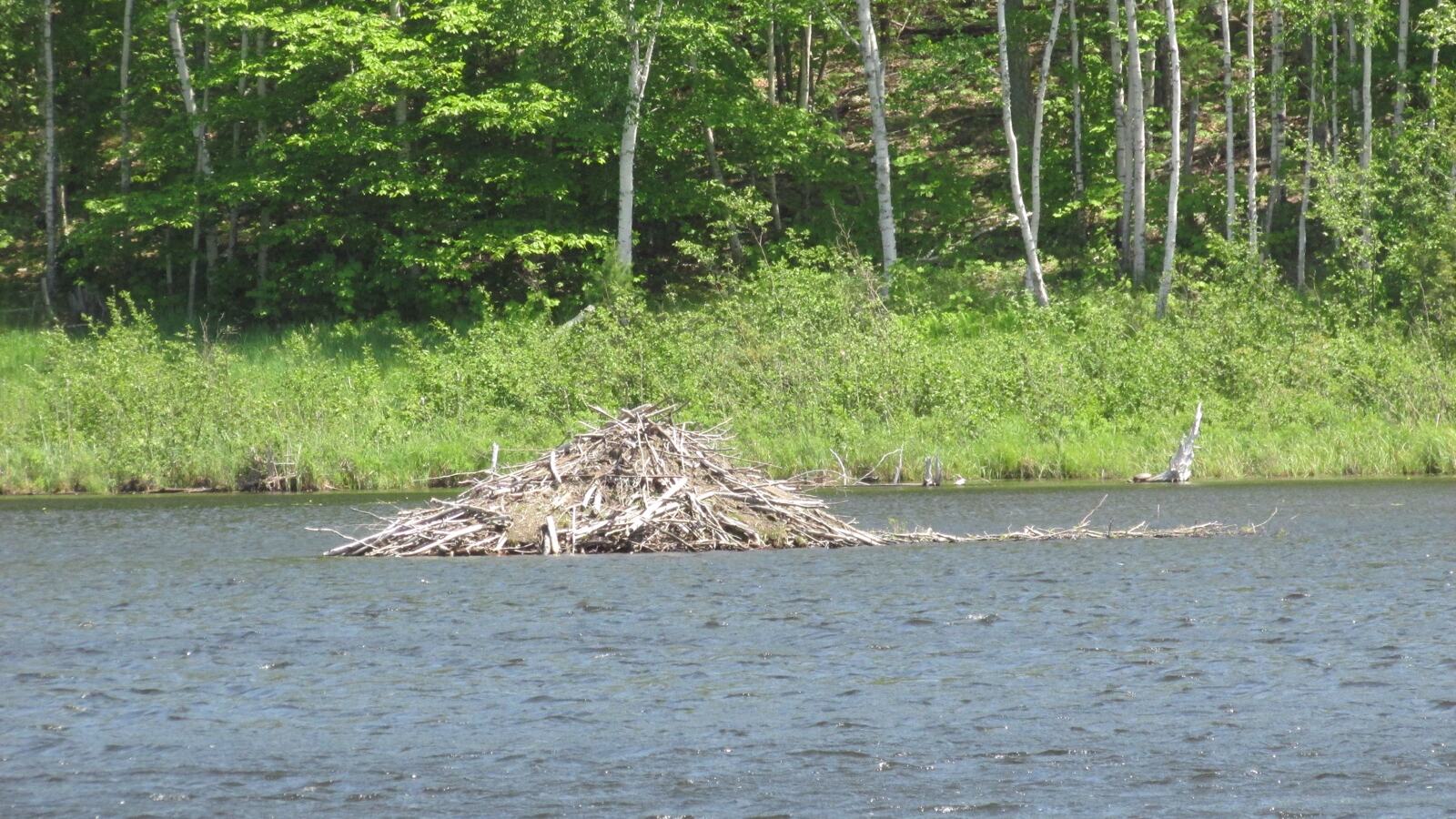
№ 036Beavers: The Animal That Does the Earthworks
Dam-building rodents that rebuild hydrology for free — flood attenuation, drought buffering, and the conflicts that decide whether they stay.
 № 039
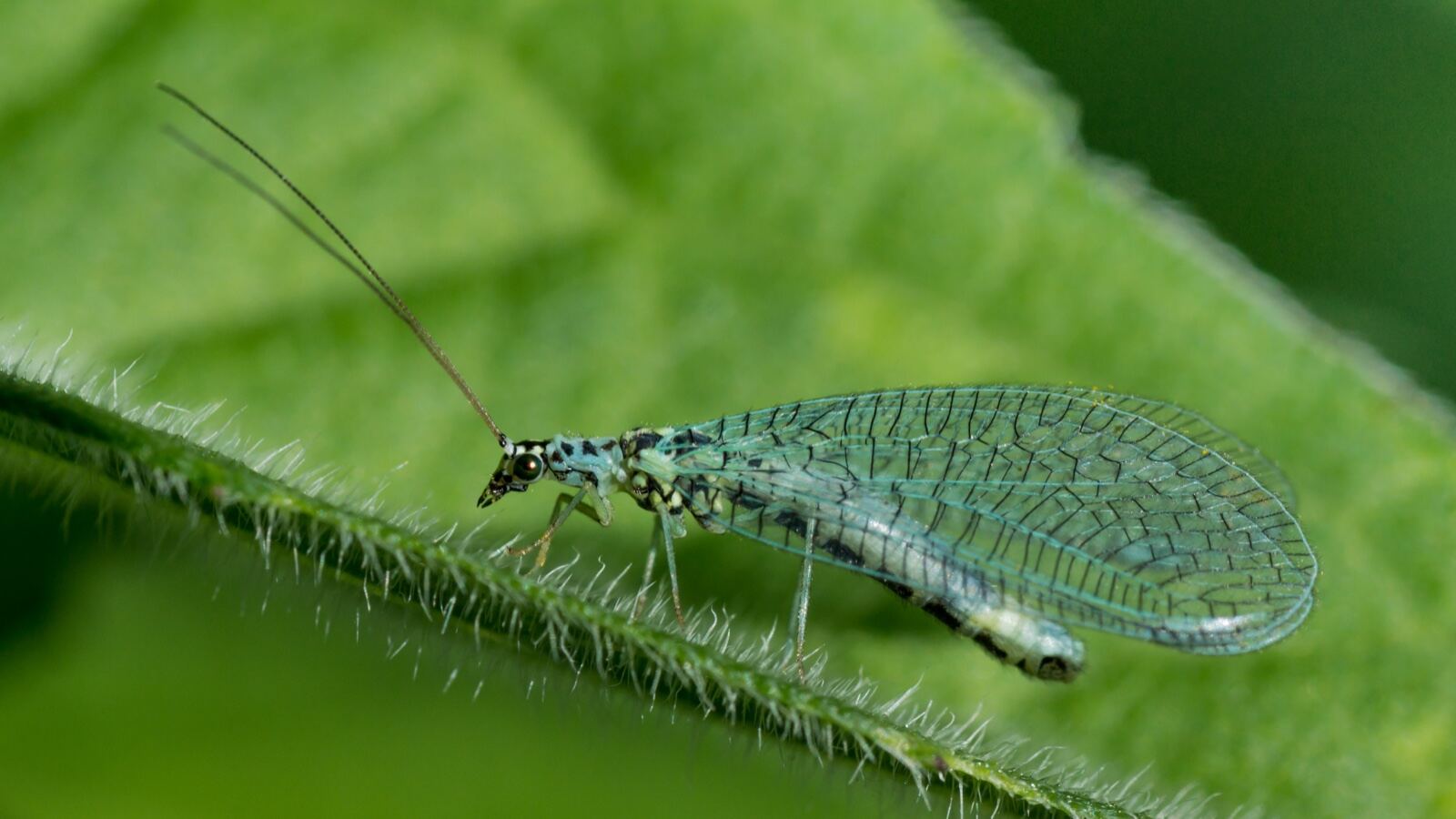
№ 039Beneficial Predators: The Unpaid Workforce
Lacewings, ground beetles, parasitoid wasps, spiders and earwigs — what each one hunts, and the habitat that keeps them resident.
 № 046
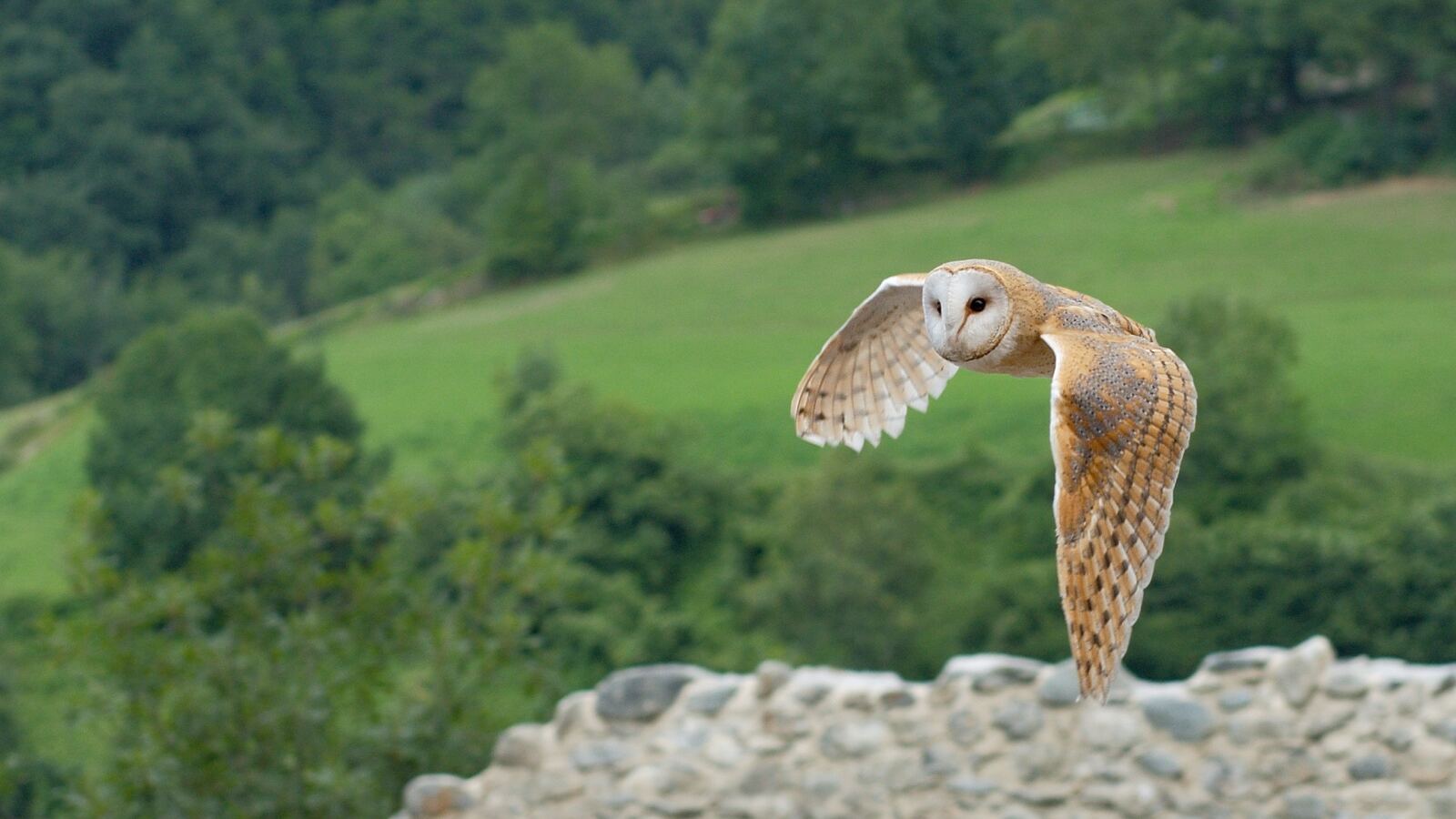
№ 046Birds of Prey: Rodent Control From the Top Down
Owls, kestrels and buzzards as vole control — plus the second-generation rodenticides that kill the predators along with the prey.
 № 059
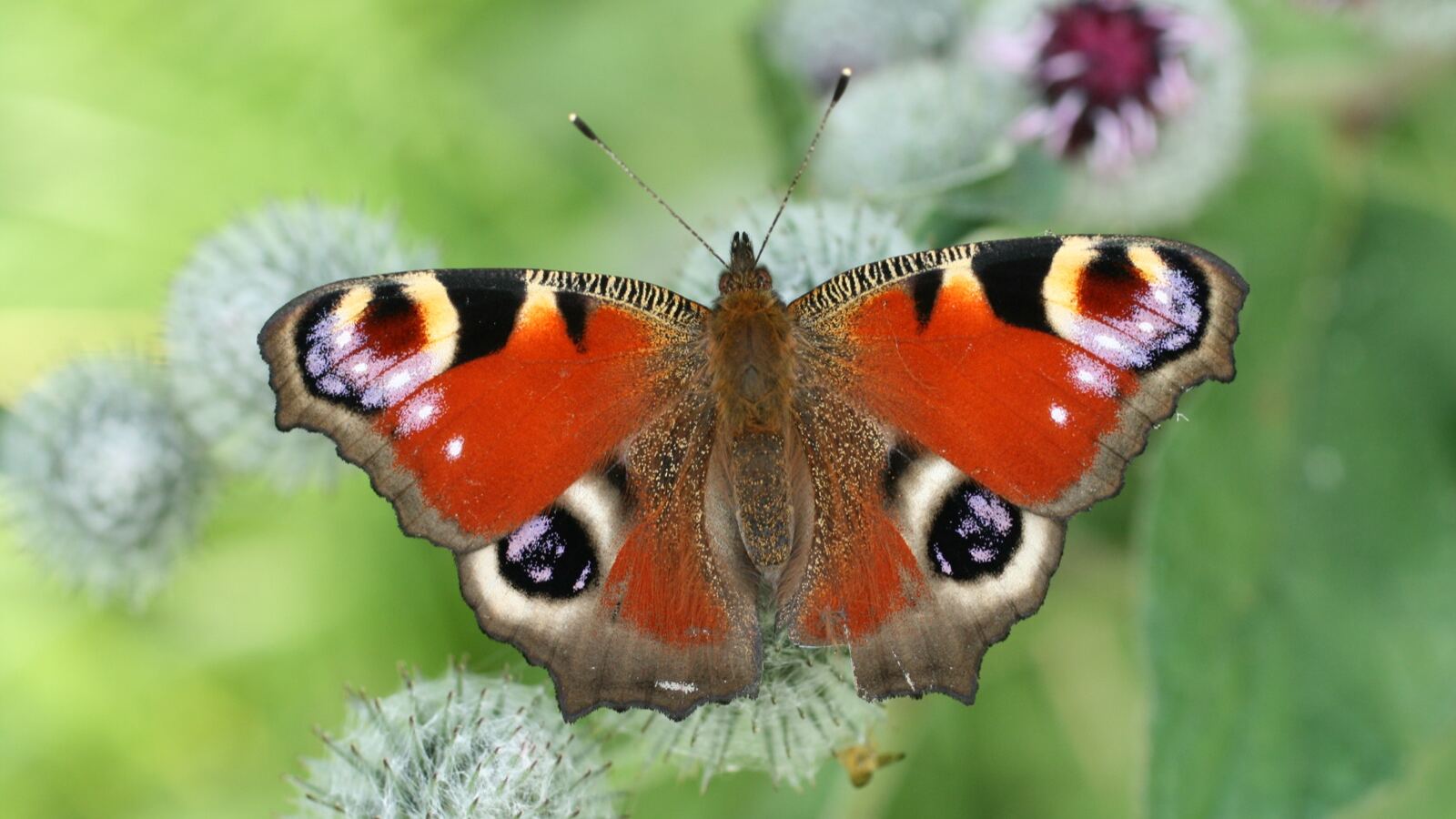
№ 059Butterflies and Moths: Nectar Is the Easy Half
Adults need nectar and larvae need specific foodplants — and it is almost always the foodplant, not the flowers, that is missing.
 № 137
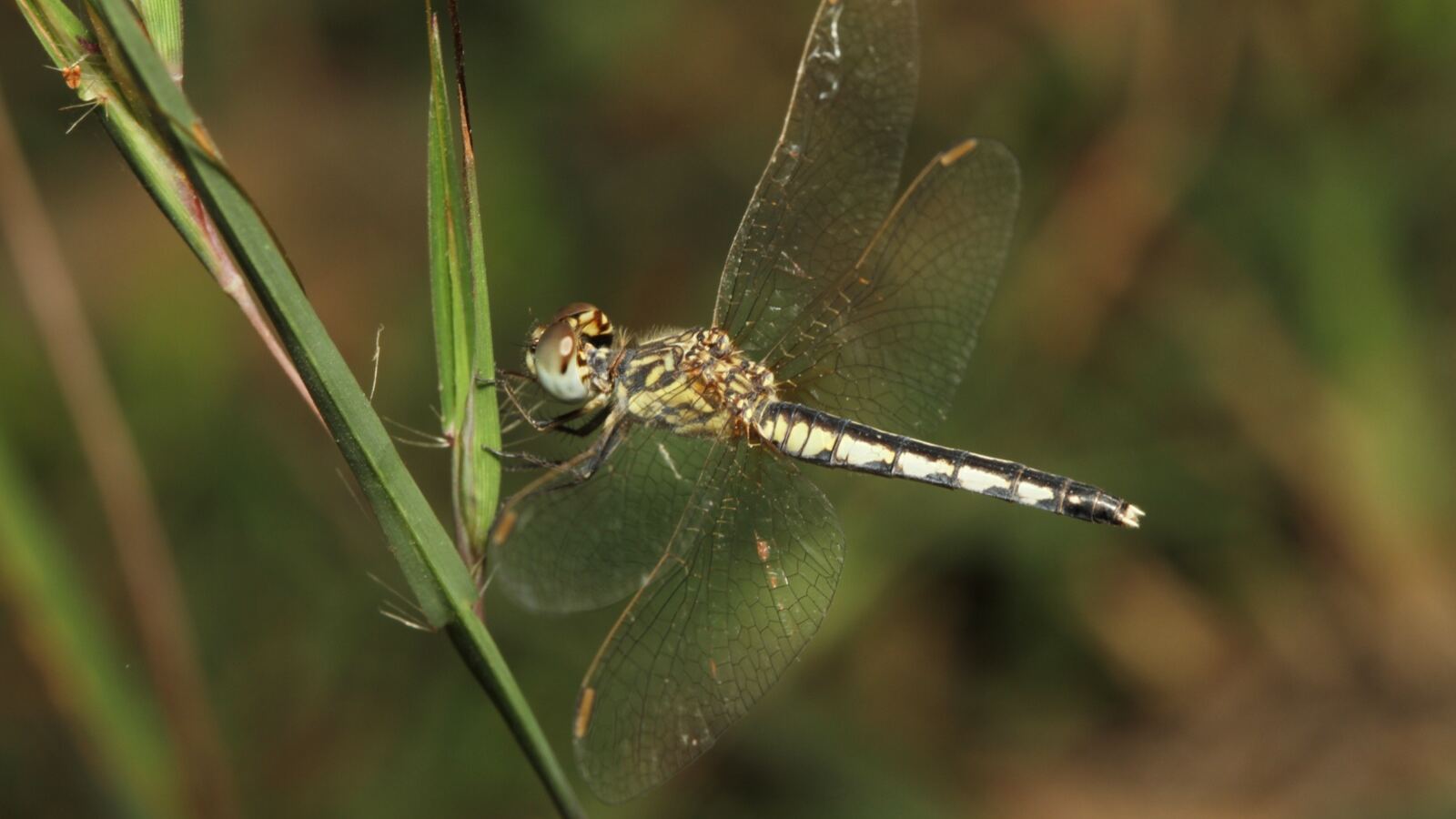
№ 137Dragonflies and Pond Life: Years Underwater, Weeks in the Air
The larva is the animal — spending up to five years underwater as an apex predator before a few weeks of flight.
 № 211
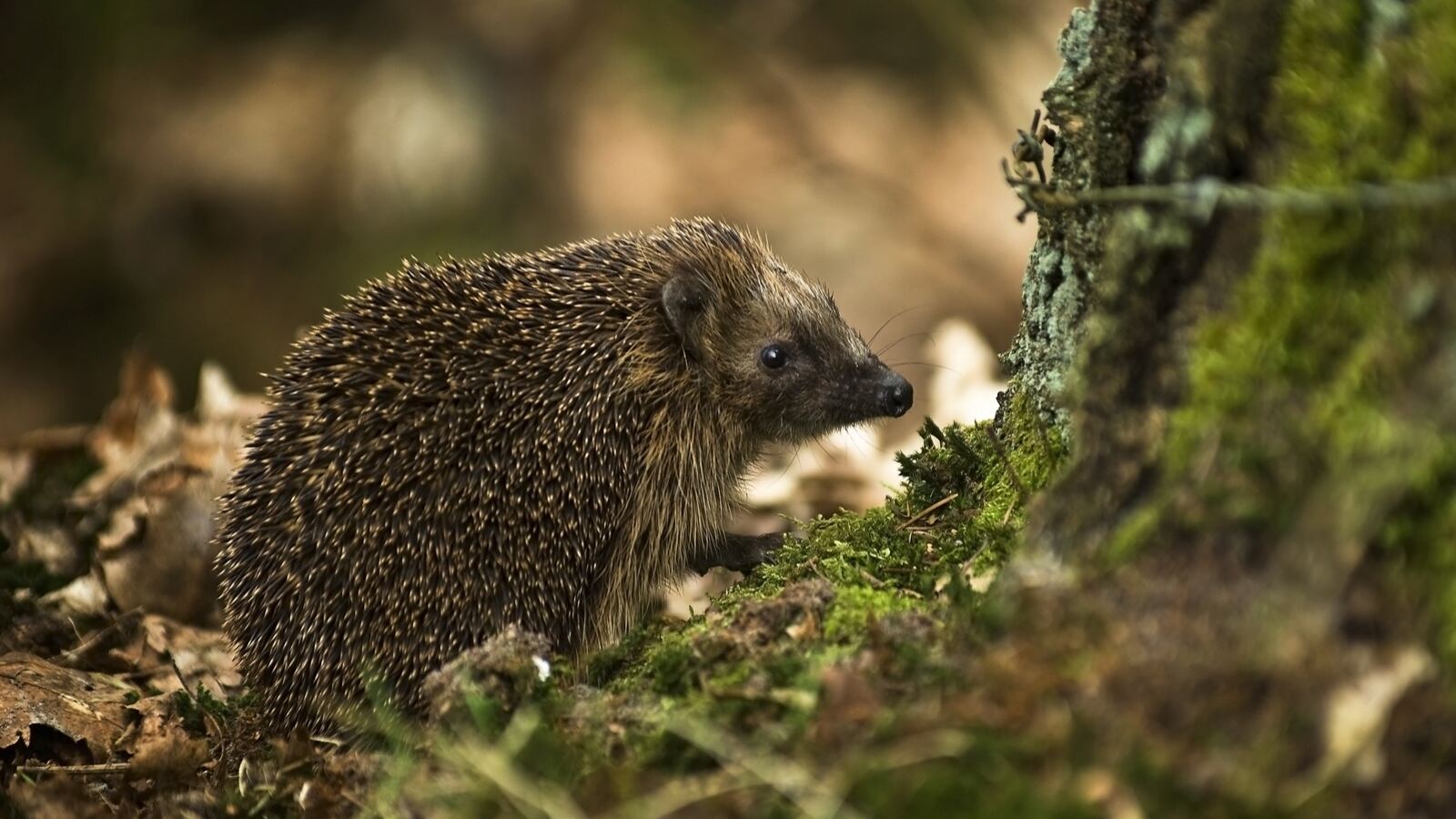
№ 211Hedgehogs and Small Mammals: The Night Shift
Hedgehogs, shrews, bank voles and wood mice — what they eat, the fences that trap them, and the slug pellets that kill them twice.
 № 228
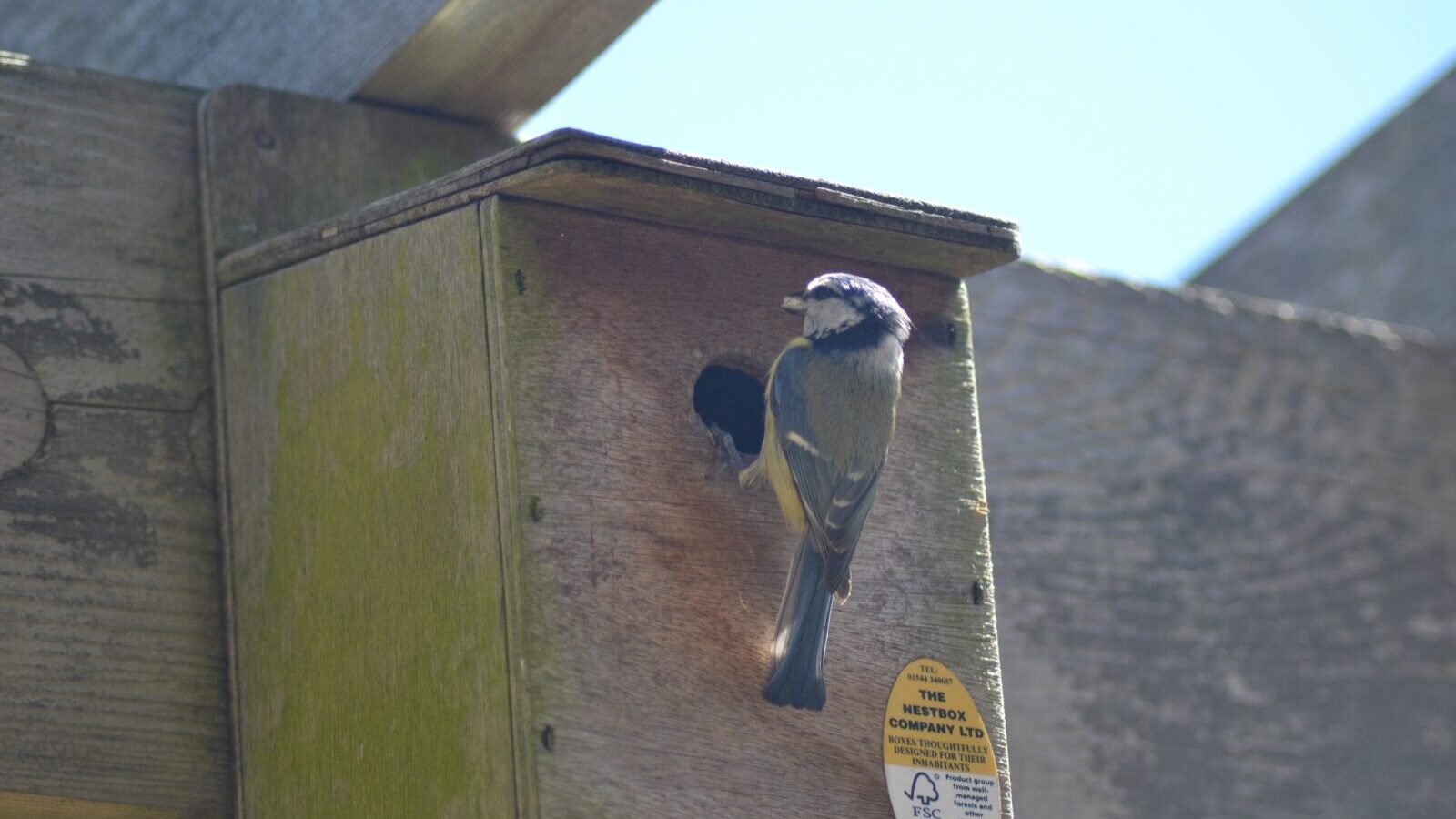
№ 228Insectivorous Birds: Pest Control With Feathers
What a family of tits removes from an orchard in a season, why nest boxes work, and the habitat structure that keeps birds hunting your crop.
 № 257
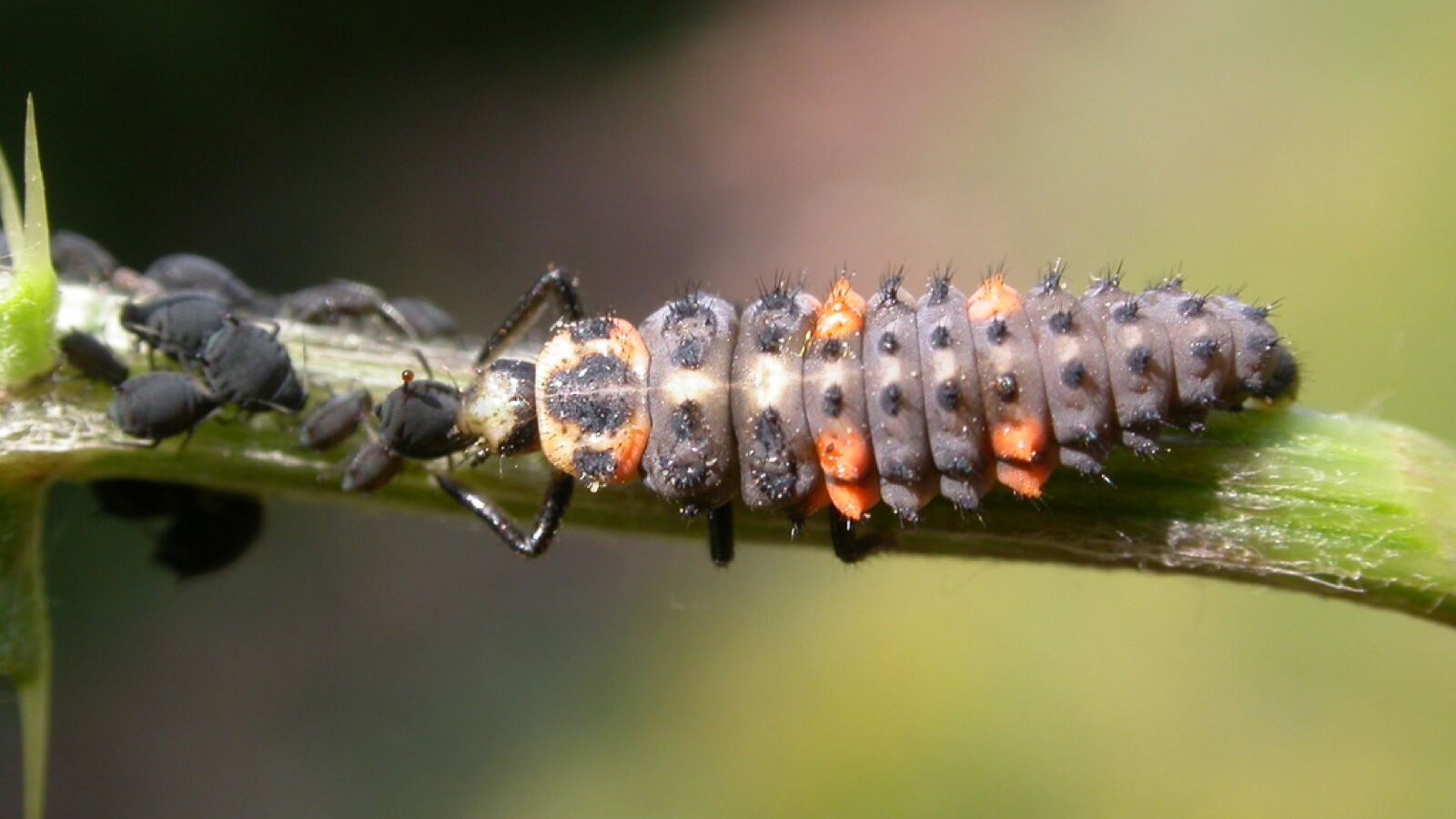
№ 257Ladybirds: The Larvae Do Most of the Work
A single larva eats hundreds of aphids before pupating — plus overwintering sites, and the introduced harlequin eating the natives.
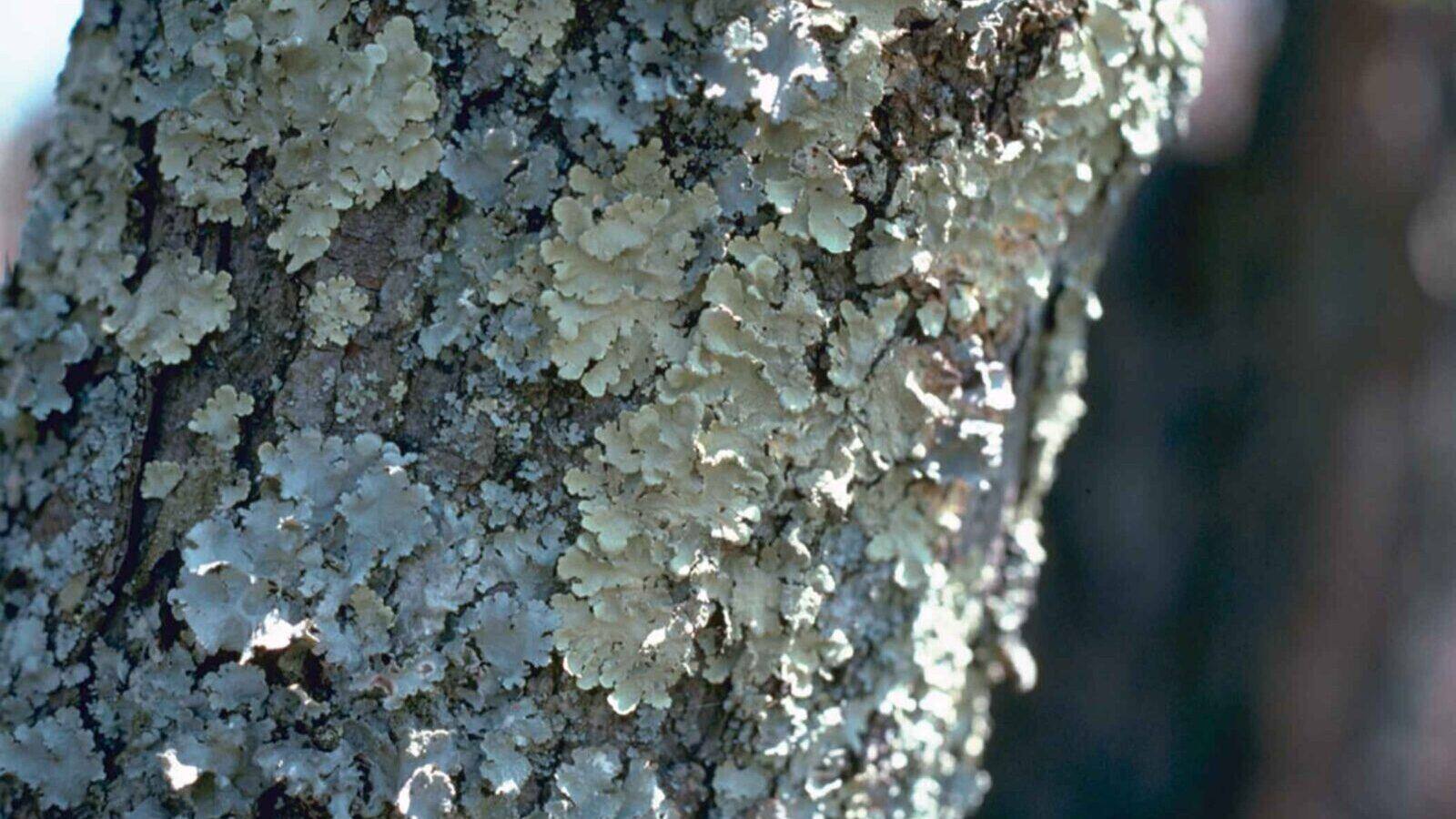 № 265
№ 265Lichens and Mosses: Reading Air and Age
Lichens as air quality meters and woodland continuity indicators, mosses as water stores, and why neither is damaging your trees.
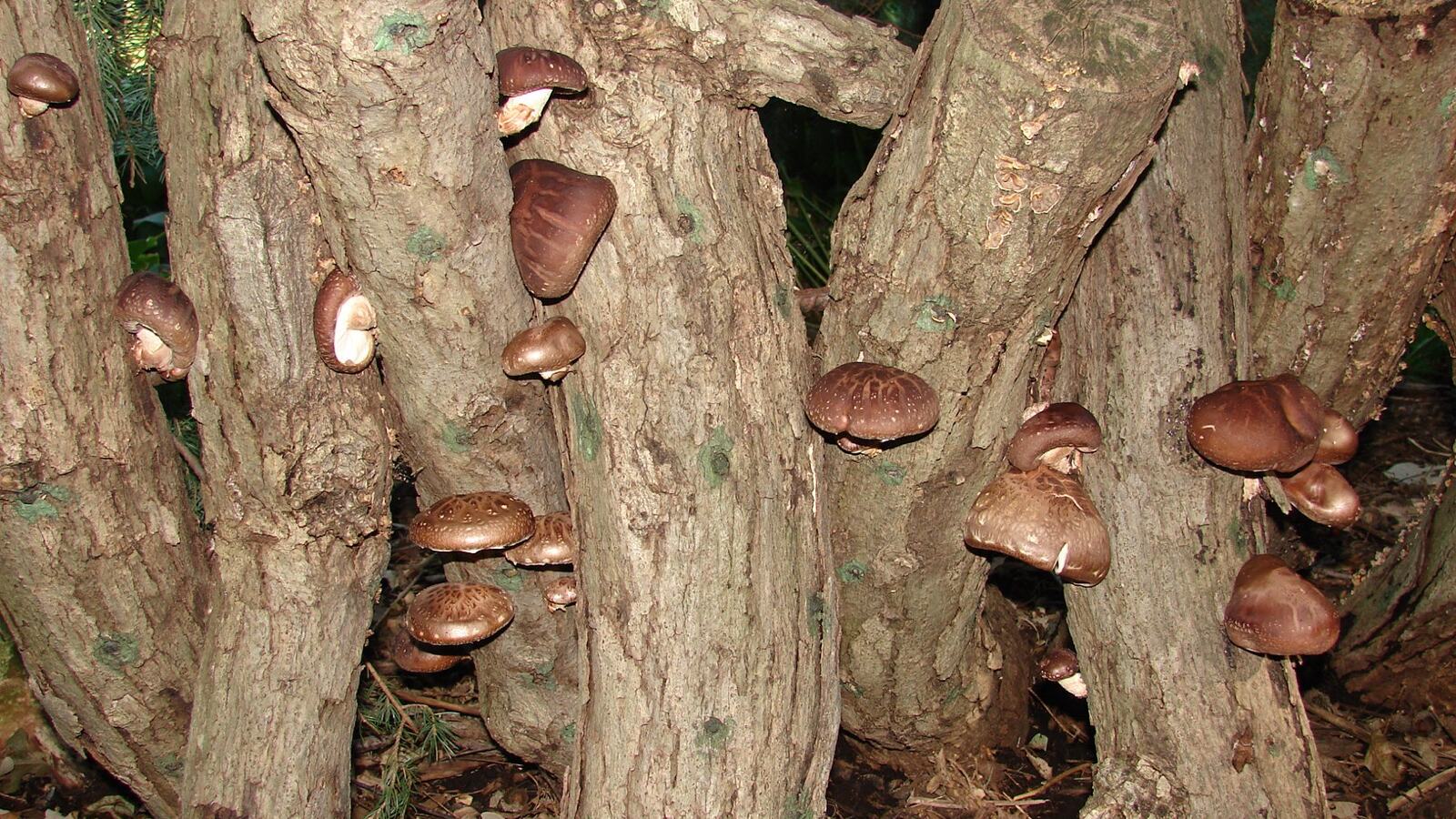 № 304
№ 304Mushroom Cultivation: Growing on Logs and Waste
Saprophytic fungi as a woodland crop — inoculating logs, using the byproducts of coppicing, and turning waste streams into protein.
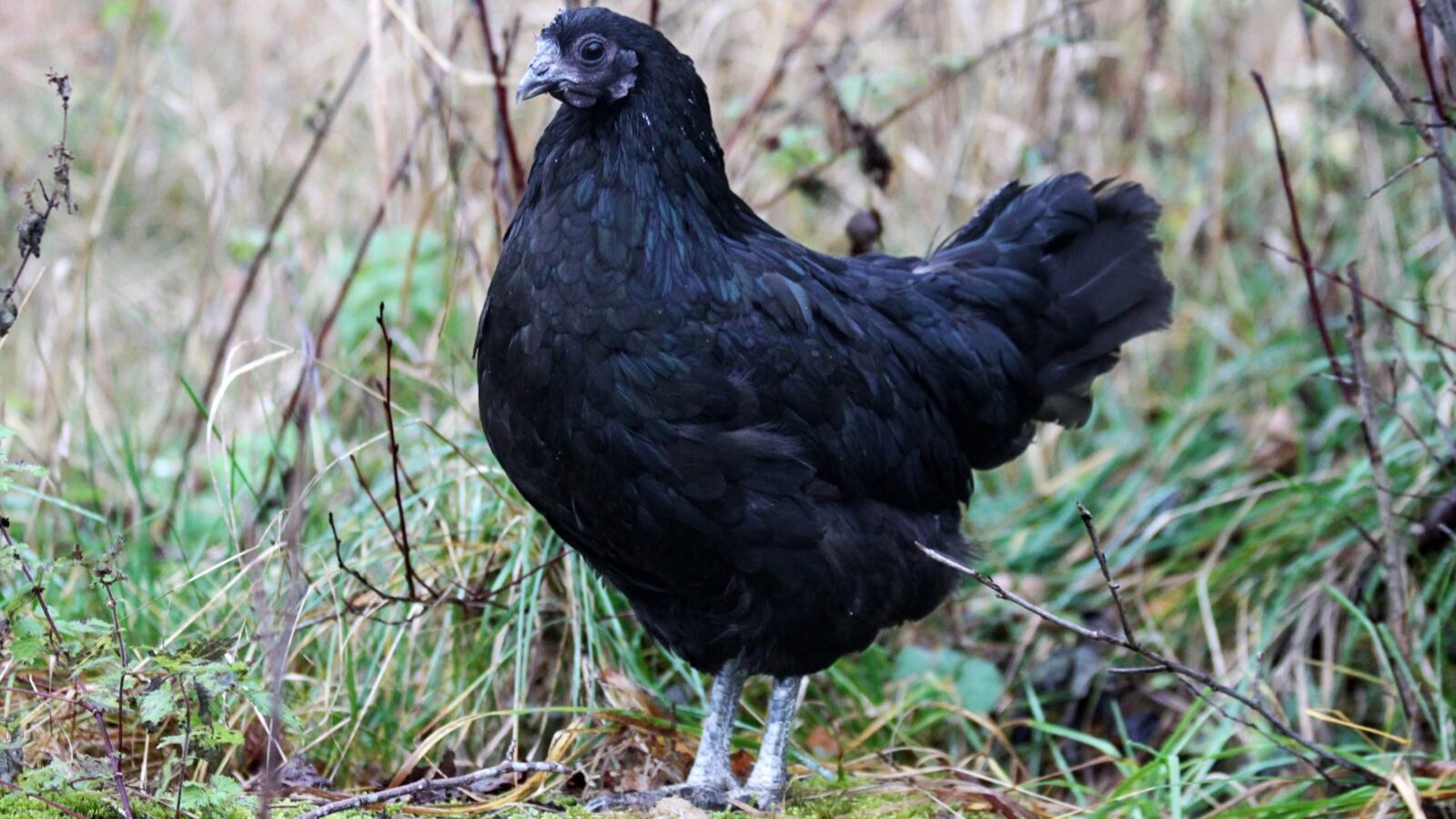 № 369
№ 369Poultry in Systems: Chickens, Ducks and Geese as Working Animals
Birds as tillage, pest control and fertility — orchard rotation, the deep litter system, and the damage they do if you leave them anywhere too long.
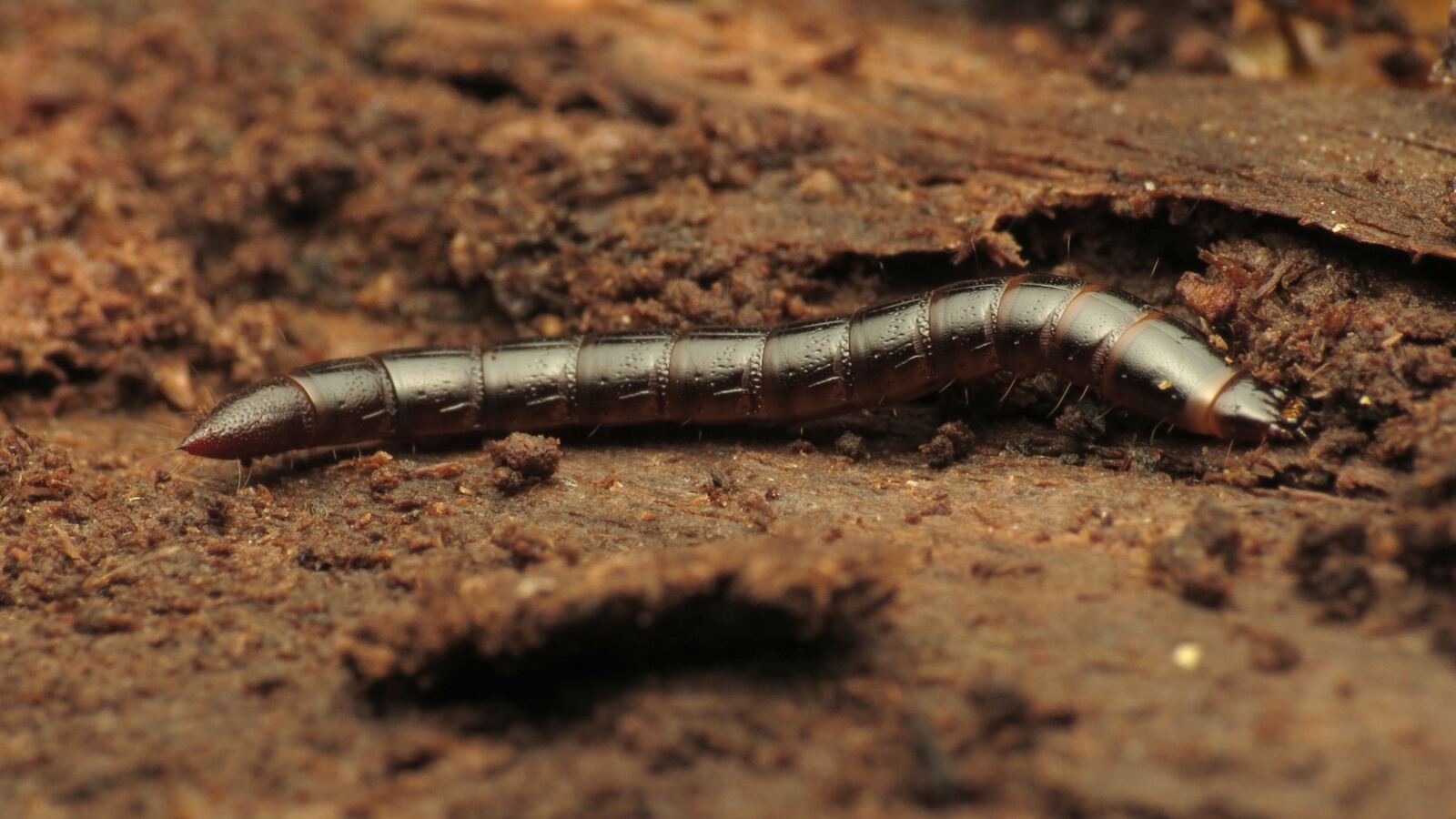 № 442
№ 442Wireworms, Leatherjackets and Cutworms: The Pests Under the Soil
Root and stem pests you never see until the damage is done — what each looks like, what it follows, and why grassland is the common thread.
 № 445
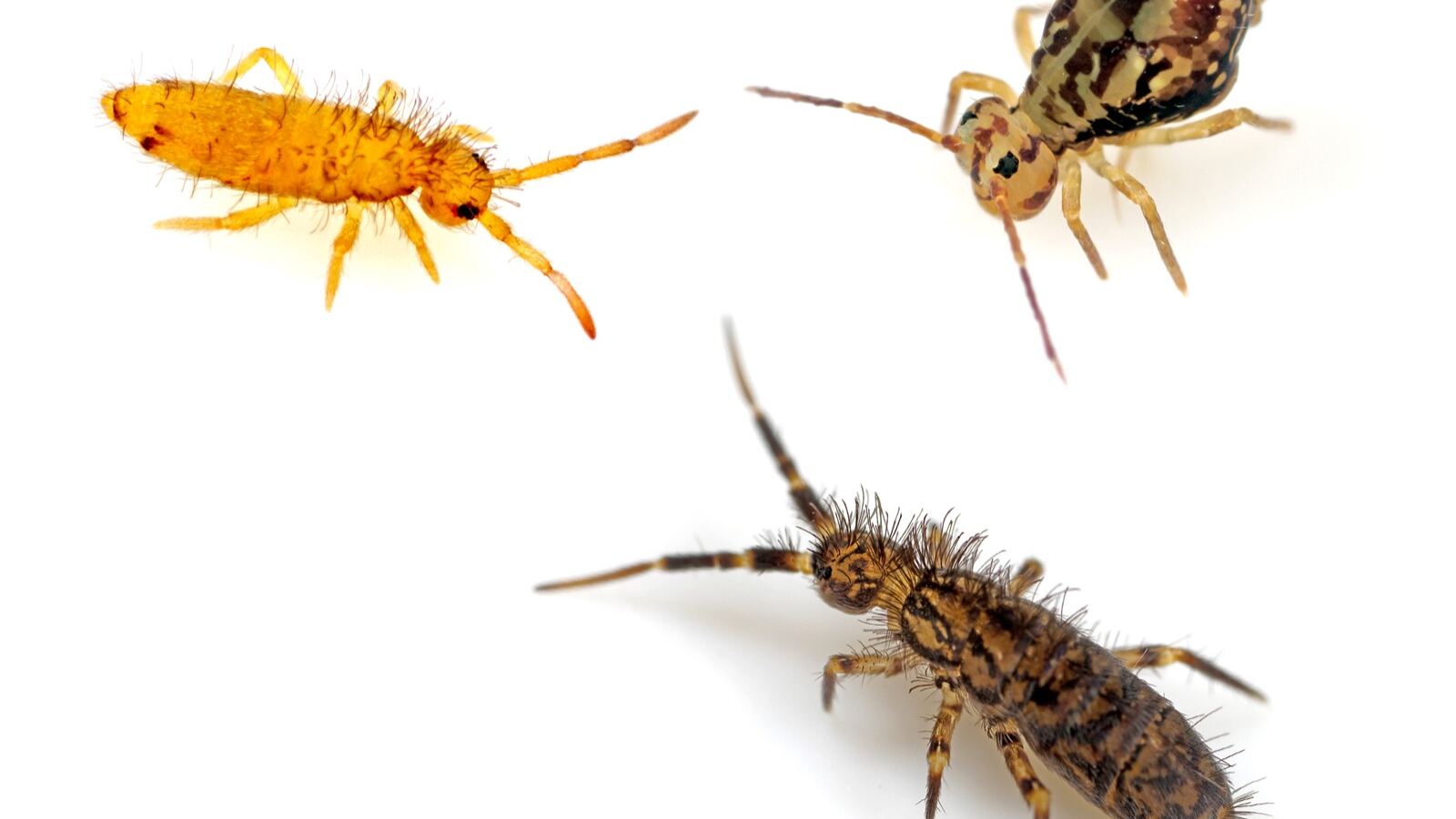
№ 445Springtails, Mites and Nematodes: The Soil's Middle Layer
The invisible majority of soil animals — shredders and grazers that regulate the microbes and release the nutrients plants take up.
 № 529
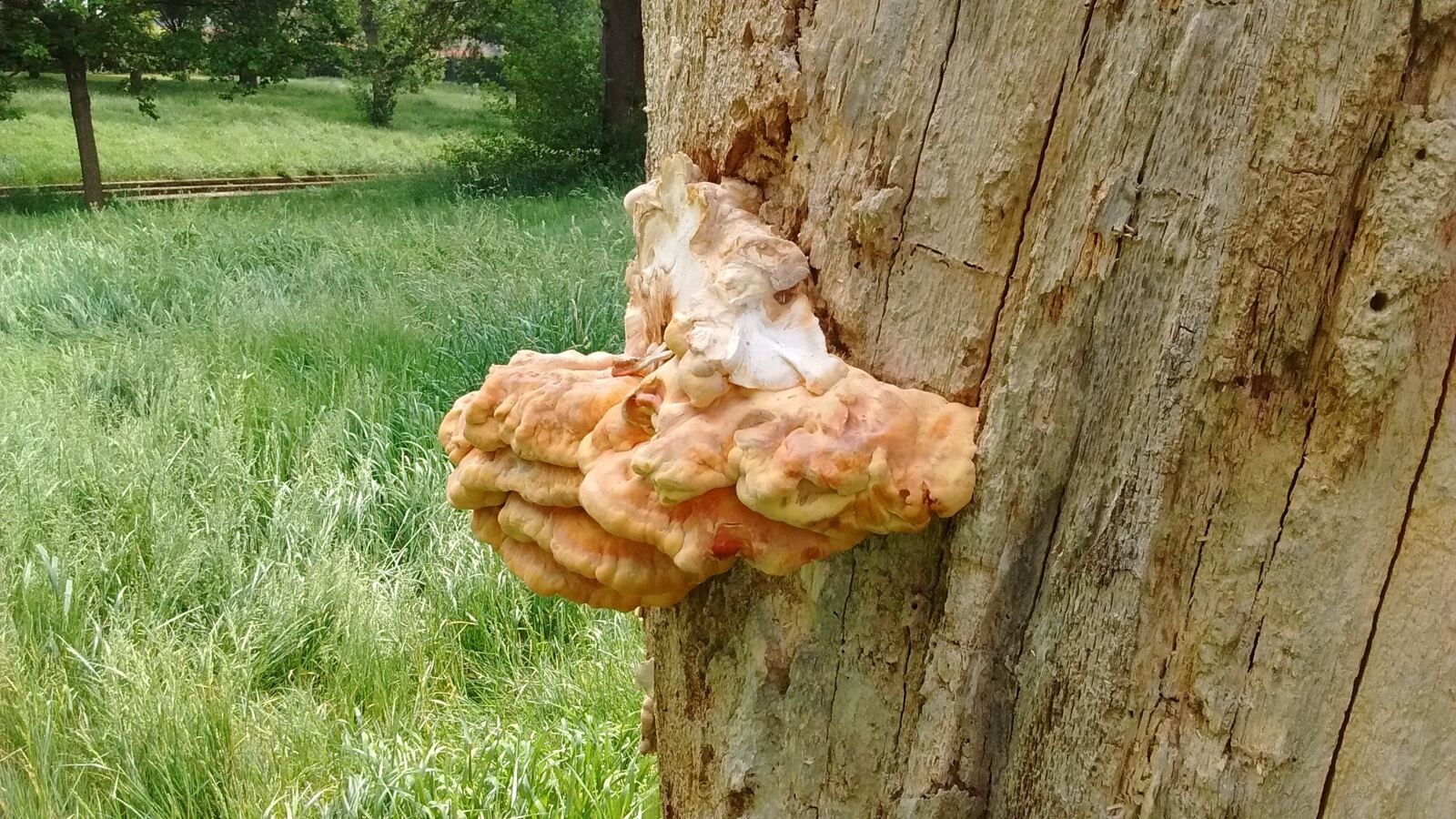
№ 529Wood Decay Fungi: Brackets, Rot Types, and Reading a Tree
White rot, brown rot and soft rot do different things to wood — which is why identifying the bracket tells you whether a tree is safe.
 № 016
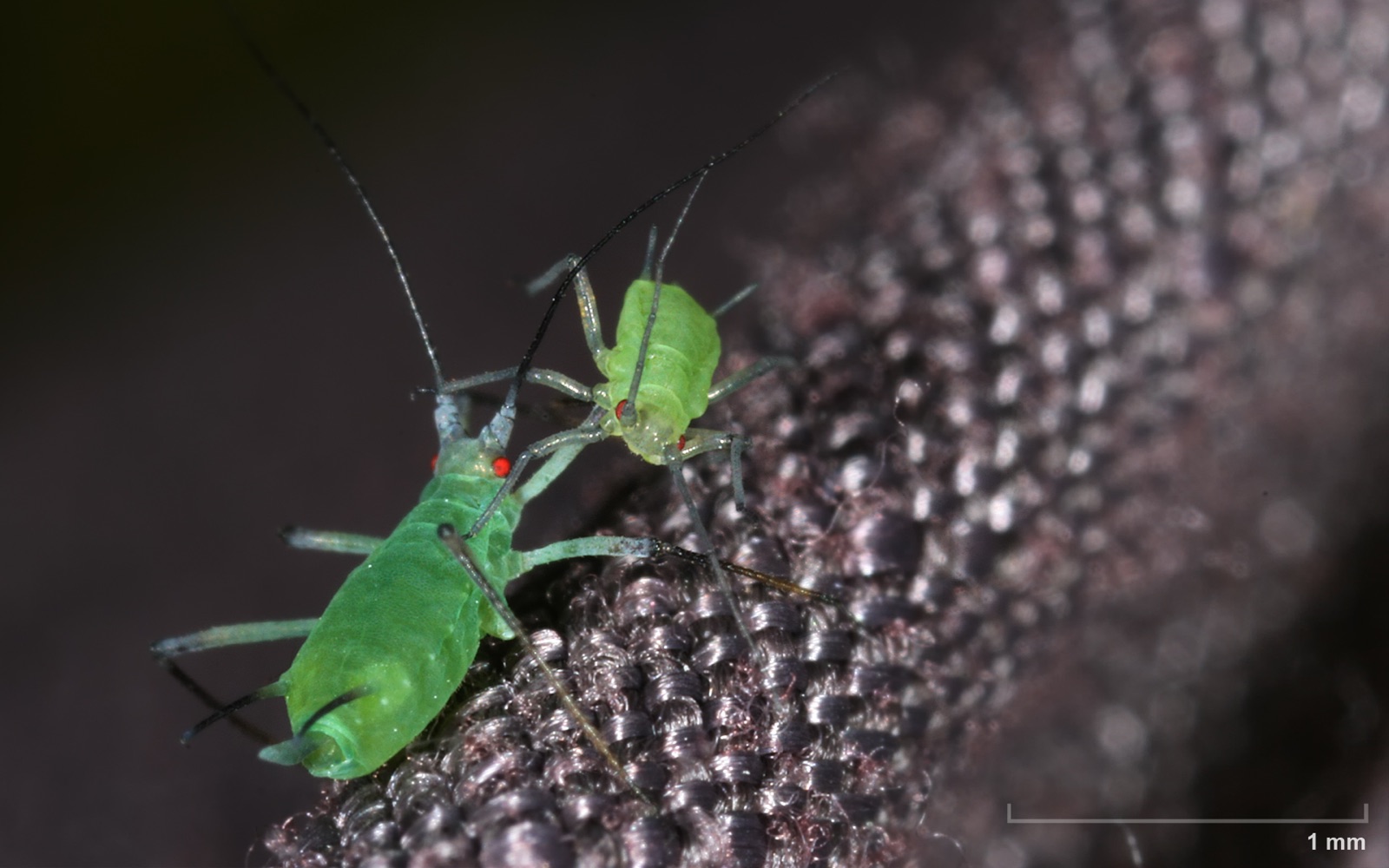
№ 016Aphids: Clone Armies on the Underside of the Leaf
The sap-sucking superfamily that vectors viruses, farms with ants, and collapses overnight when you let the right predators in.
 № 072
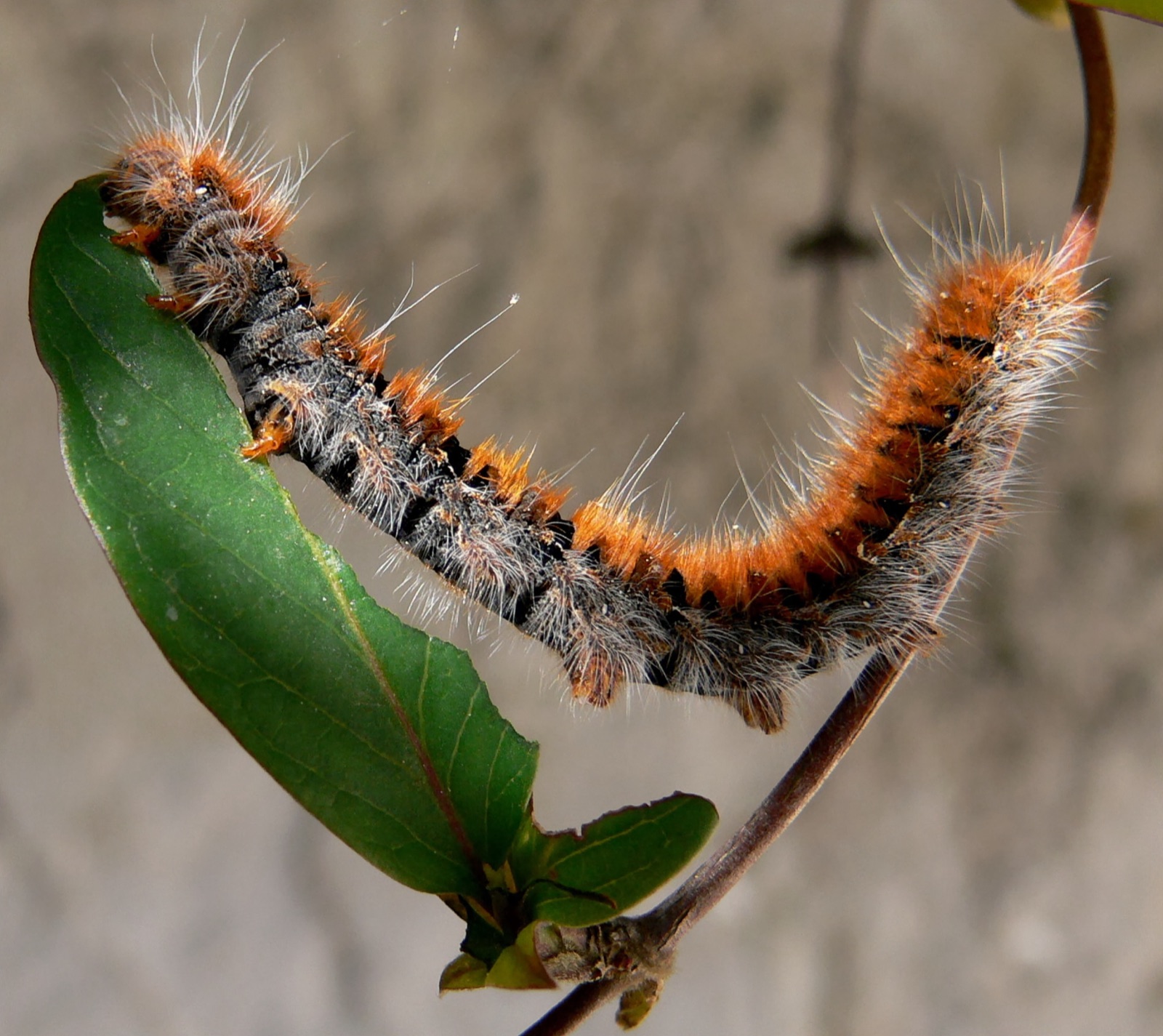
№ 072Caterpillars: Reading the Flight Calendar
The five caterpillars that hit a temperate garden hardest, when their parent moths fly, and how to break the cycle without spraying everything dead.
 № 125
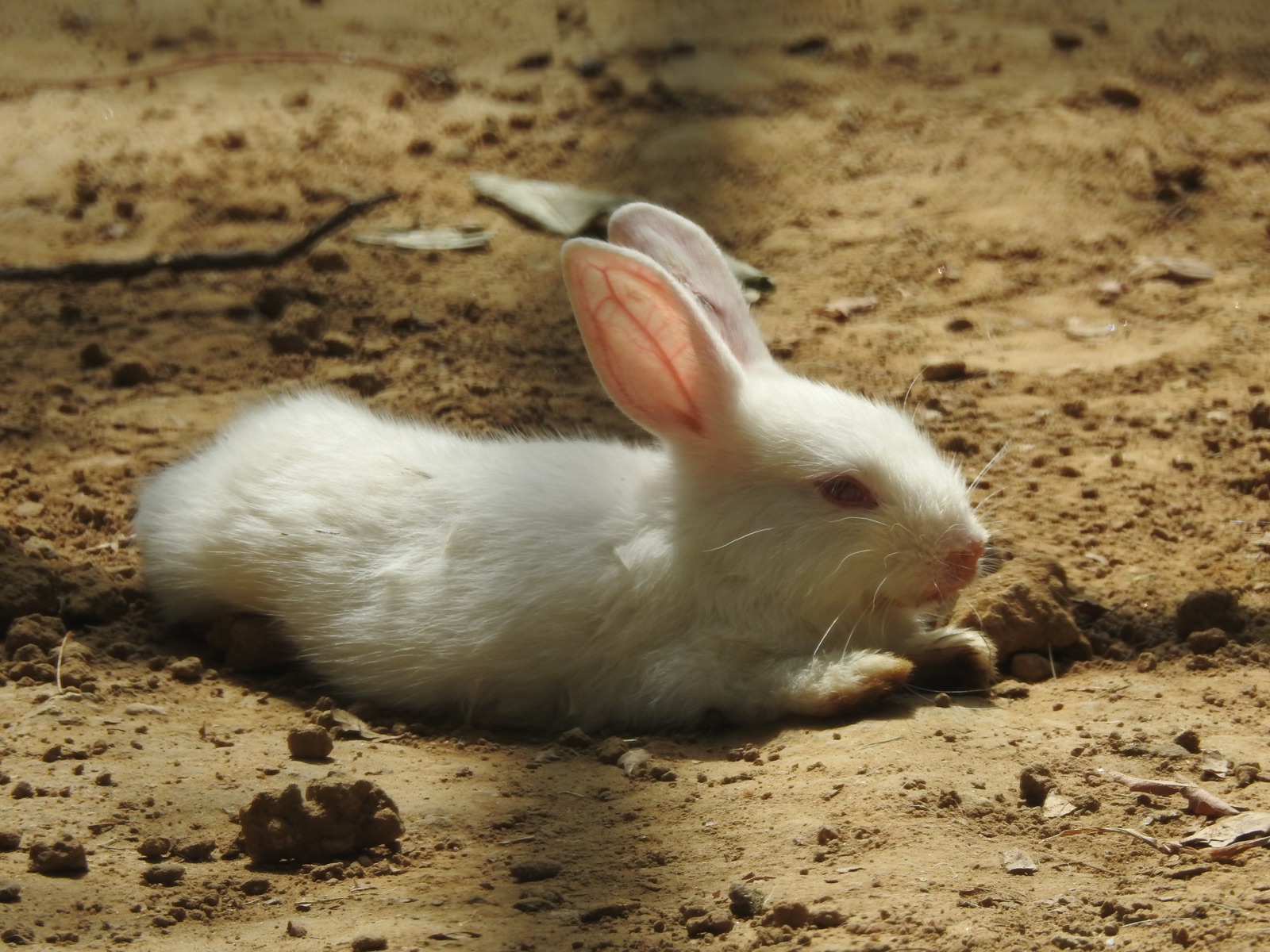
№ 125Deer and Rabbits: The Browse Problem
Browse pressure kills more young trees than drought or frost. How to fence, tube, and plant around the animals that eat your reforestation.
 № 168
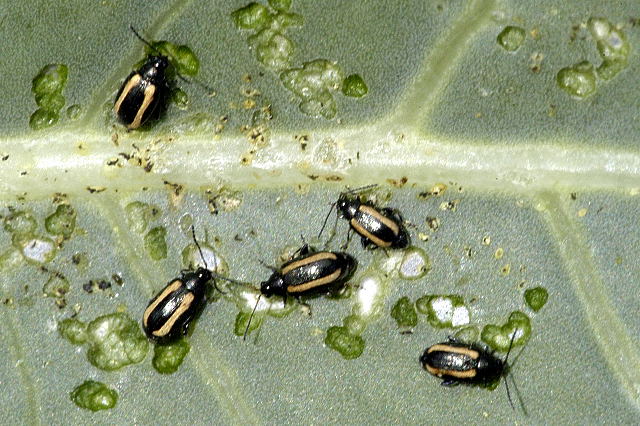
№ 168Flea Beetles: The Shothole Specialists
Tiny jumping beetles that lace young brassica leaves with pinholes. How to keep them off your seedlings without nuking the bed.
 № 181
№ 181Garden Pests: A Worldview, Not a War
A pest is a forager whose appetite collides with yours. Most outbreaks are biodiversity gaps. Here is how to think before you spray.
 № 261
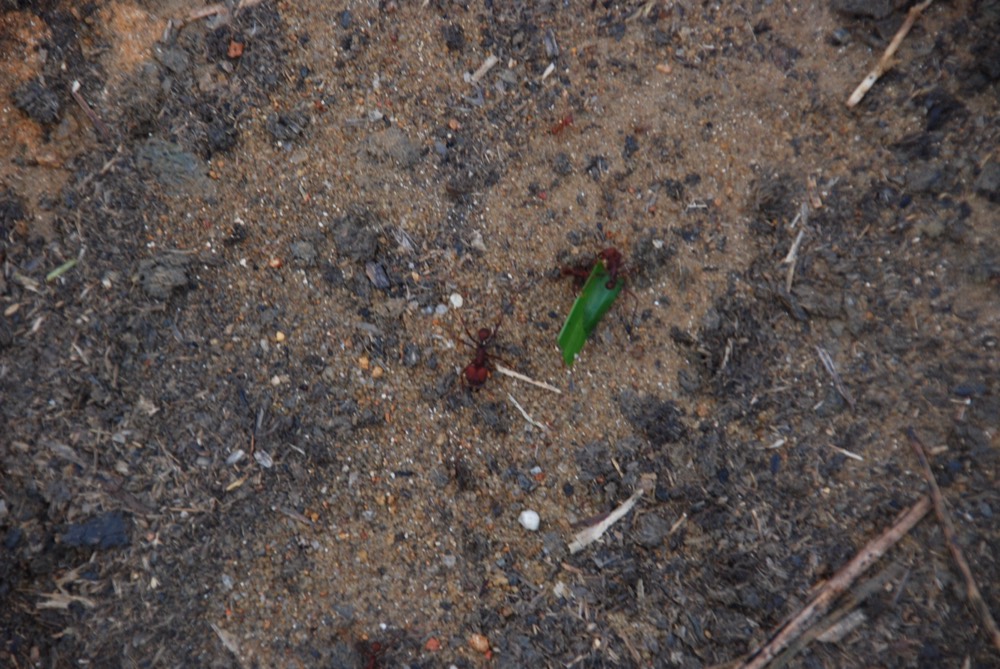
№ 261Leafcutter Ants: The Underground Farmers
The Atta and Acromyrmex species that defoliate a young tree overnight, and how to live alongside them without losing the orchard.
 № 286
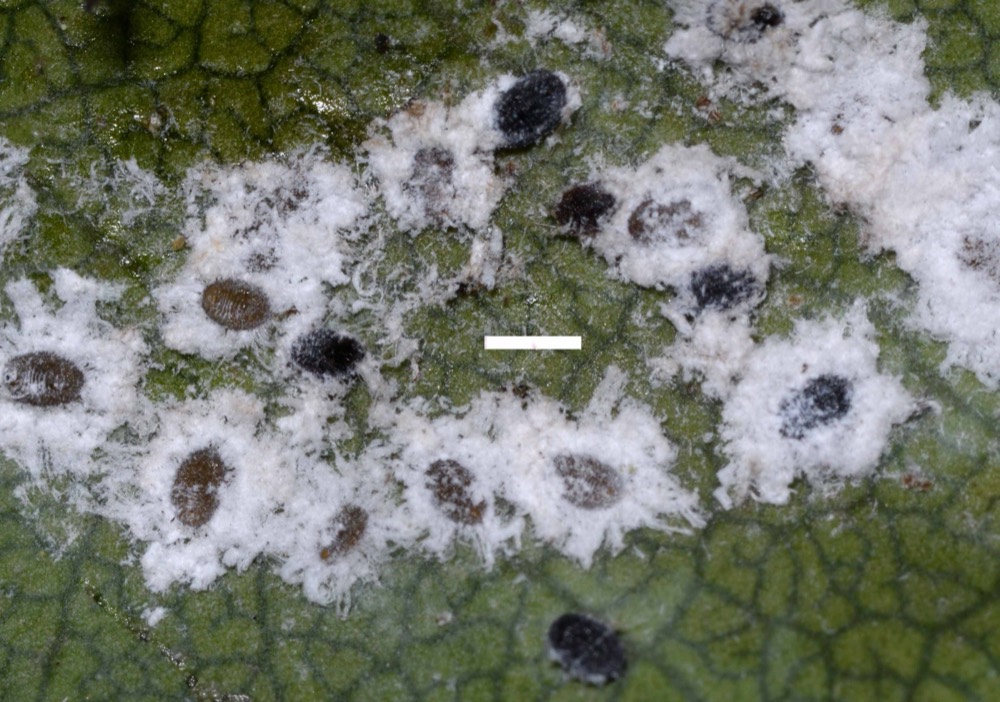
№ 286Mealybugs and Scale: The Sap Drinkers
Cottony cushion scale, soft scale, and mealybugs. How to break the honeydew loop with cotton swabs, oil, beetles, and an ant fence.
 № 439
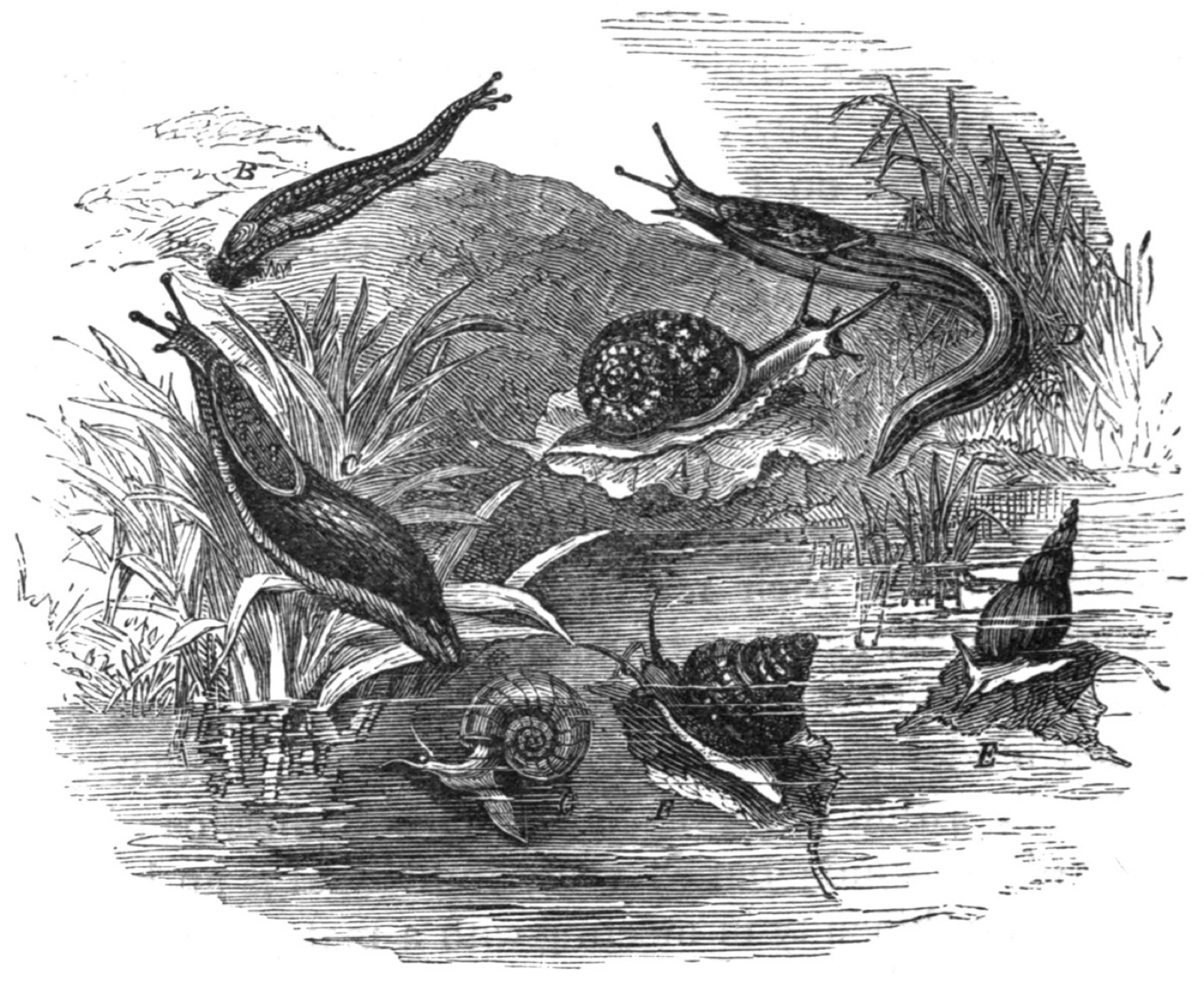
№ 439Slugs and Snails: The Pest Most Punished, Least Controlled
Why the beer traps and copper rings barely work, and what actually moves the needle: ducks, ground beetles, and habitat you stop offering.
 № 510
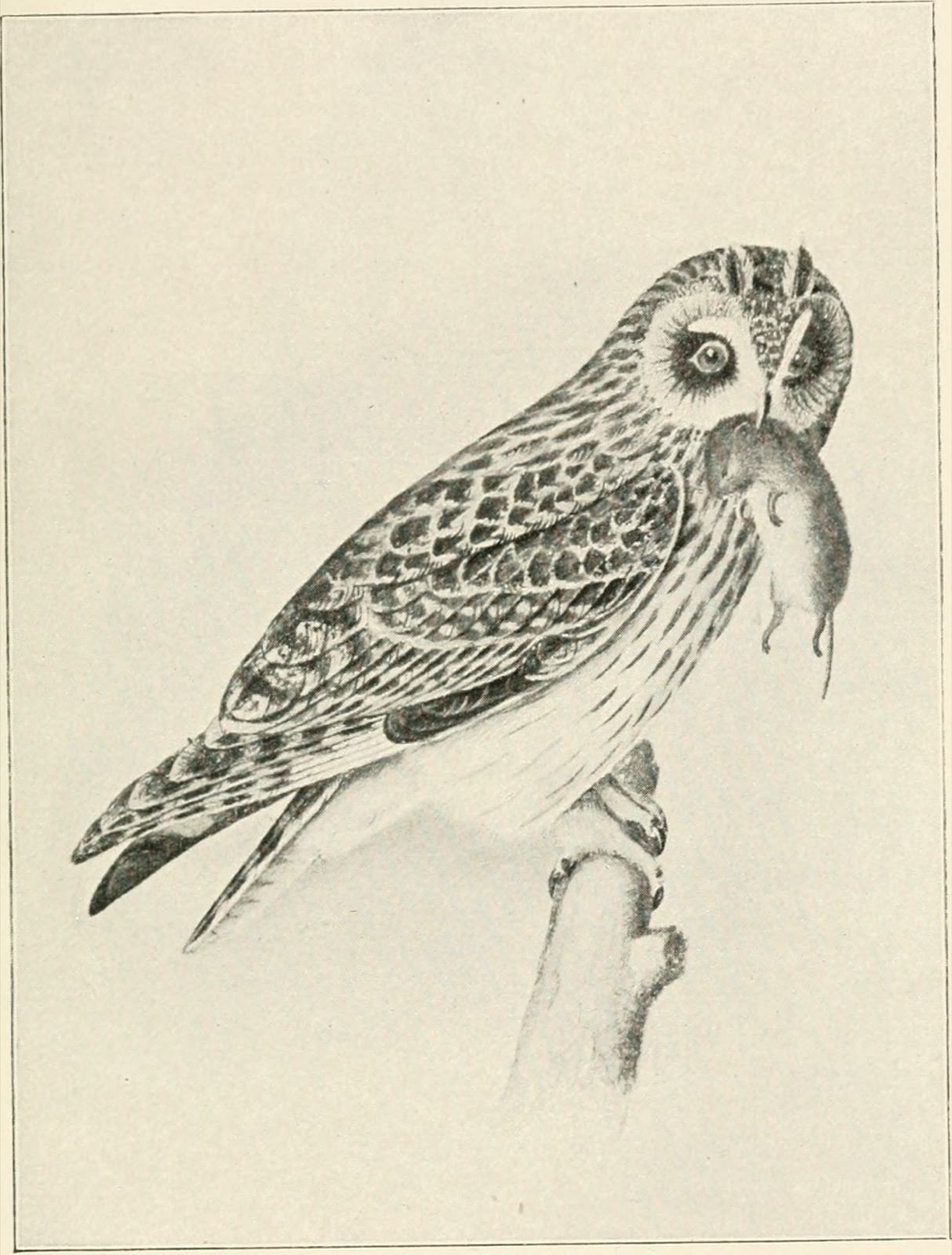
№ 510Voles and Gophers: The Winter Bark Strippers
Two different rodents, two different problems. How to tell Microtus runways from Geomyidae mounds, and how to keep young trees alive through winter.
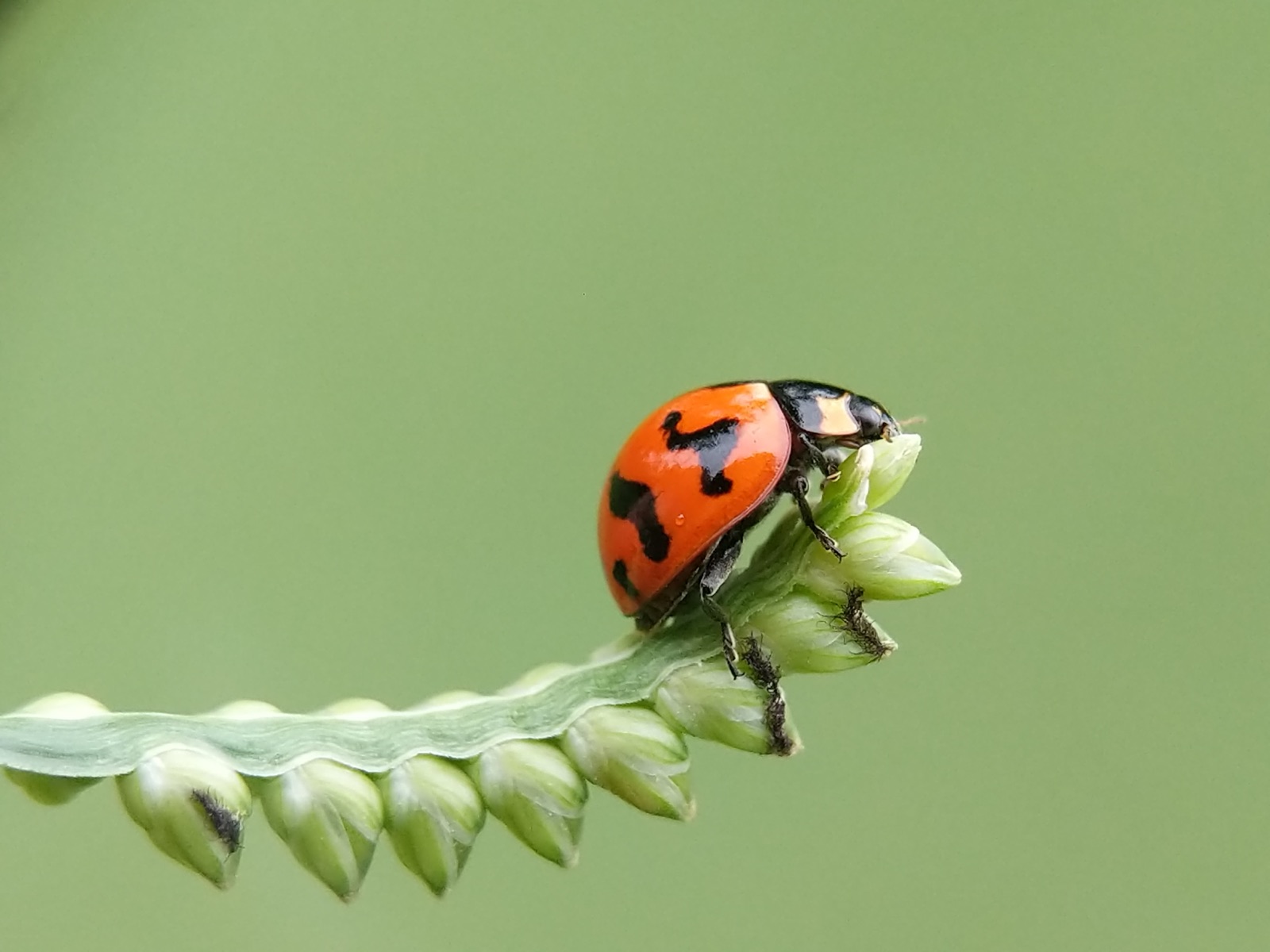 № 519
№ 519Whiteflies and Spider Mites: The Greenhouse Twins
One pest loves humidity, the other loves drought. Together they cover the whole greenhouse year. How to read them, knock them down, and ship in their predators.
 № 033
№ 033Bats: Night Shift Pollinators and Pest Control
Why bats are the most underrated garden allies on the planet, eating thousands of insects nightly, pollinating night-flowering crops, and dispersing seeds across kilometres.
 № 123
№ 123Decomposers: The Hidden Recyclers
Fungi, bacteria, beetles, and worms unlock nutrients from dead matter. Without them, soils never form and forests collapse within years.
 № 144
№ 144Earthworms: Nature's Tillers
Why Darwin called earthworms the most important creature on earth, and how to count, feed, and protect the populations that build your soil.
 № 222
№ 222Hoverflies: Pollinator and Pest Controller in One
How hoverflies deliver both pollination and aphid control in one insect family, and why flat-topped umbellifer flowers pull them in.
 № 308
№ 308Native Bees: 20,000 Species Beyond the Honeybee
The world's 20,000 wild bee species are mostly solitary, mostly overlooked, and outperform honeybees on most crops they touch.
 № 315
№ 315Nitrogen-Fixing Bacteria: Free Fertiliser in Every Root
How Rhizobium, Frankia, and free-living bacteria pull atmospheric nitrogen into the living world and feed every productive ecosystem.
 № 420
№ 420Birds as Seed Dispersers: Recruitment Services for Free
Fruit-eating birds carry seeds kilometres from parent trees, drive forest regeneration, and stitch fragments together when you plant the right fruiting species.
 № 443
№ 443The Soil Food Web: Life Beneath Your Feet
The invisible ecosystem in healthy soil: bacteria, fungi, protozoa, nematodes, and arthropods that cycle nutrients and build structure.