What it is
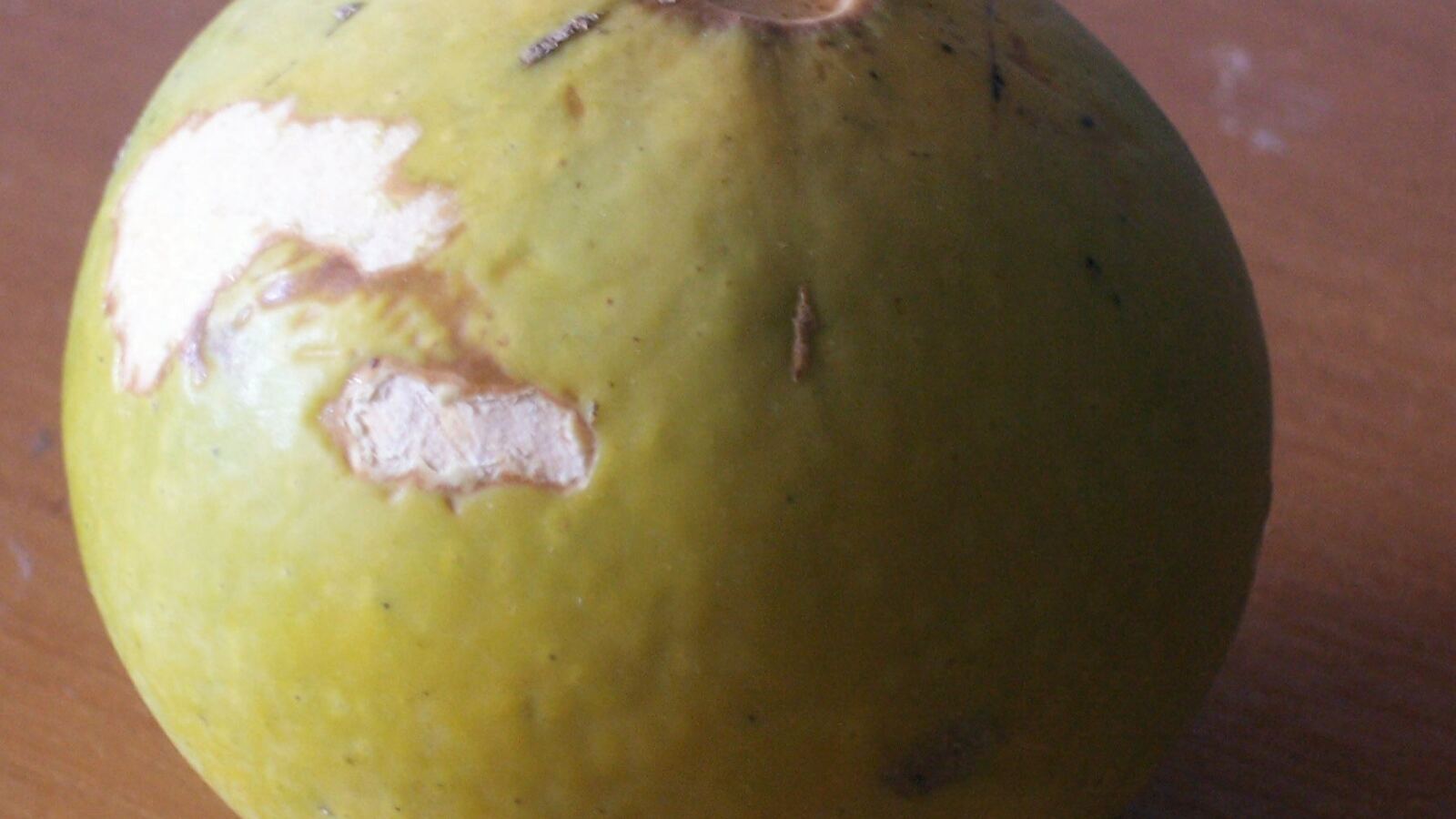
Strychnos spinosa and its relatives, the monkey oranges — spiny shrubs and small trees of the savannas and dry woodlands of Africa, bearing hard, round, green-to-yellow fruit the size of an orange, with a sweet-sour edible pulp.
The fruit is a beloved wild food across much of Africa — gathered from the bush and eaten by people, monkeys, baboons, elephants, and antelope alike (hence "monkey orange") — but the tree belongs to a genus with a fearsome reputation, which is worth knowing.
Sweet fruit, dangerous family
The monkey orange belongs to the genus Strychnos — the same genus that gives the world two of its most notorious plant poisons: strychnine (from Strychnos nux-vomica, the strychnine tree of Asia) and one of the ingredients of curare (the arrow-and-blowpipe poison of South America, from Strychnos species). The genus is, in other words, famous for deadly alkaloids used in poisons, rat-killers, and murder mysteries.
This makes the edible monkey orange a striking exception — and one to treat with respect. The ripe pulp is safe and good to eat, sweet-sour and refreshing, sucked from around the seeds; but the seeds and the unripe fruit are toxic (carrying the family's alkaloids) and must not be eaten, and only fully ripe fruit of the edible species should be gathered. It is a clear case of a single plant, and a single fruit, holding both food and poison — the ripe flesh nourishing, the seeds within dangerous — the same lesson as the ackee, and a reminder that "this genus is poisonous" and "this fruit is delicious" can both be true. See historical ecology for the wider story of plant poisons and arrow poisons.
A fruit of the dry bush
Where it is native and known, the monkey orange is a valued wild and dooryard fruit. The hard-shelled fruit ripens slowly and keeps well (the tough rind protects the pulp for weeks or months), which makes it a useful stored food through the dry season; the pulp is eaten fresh, made into drinks, and fermented, and the empty shells are used as containers and rattles. As a tough, drought-hardy tree of poor, dry ground, the monkey orange is a natural component of African dryland food systems and a candidate for wider cultivation as a resilient indigenous fruit, in the way the marula, baobab, and desert date are being promoted. See drought-tolerant species.
Growing it
Tropical to subtropical and frost-tender, the monkey orange is a tough, spiny, drought-hardy tree of hot, dry savanna and bushland, wanting full sun and tolerating poor, sandy, and rocky soils and a long dry season; it dislikes cold and waterlogging.
It is slow-growing and long-lived, grown from seed (the ripe pulp cleaned off), and is largely a wild-gathered and protected tree rather than a plantation crop, though it is increasingly of interest for domestication as a hardy indigenous fruit tree for the African drylands. Grow and eat it with the family caution in mind: ripe pulp yes, seeds and green fruit never. See propagation.
See also
- Ackee another fruit that is food when ripe and poison when not
- Marula, Baobab, and Desert Date other useful African dryland fruit trees
- Drought-Tolerant Species the monkey orange for hot, dry country
- Dryland Restoration indigenous fruit trees of the African drylands
- Historical Ecology the poison genus and its arrow poisons
- Tropical Fruit Trees the wider fruit-tree context