What they are
Melaleuca, a large genus of Australian shrubs and trees in the myrtle family, Myrtaceae — close kin to the eucalyptus, the bottlebrushes, and the true myrtles. The group includes:
- the paperbarks, large trees (M. quinquenervia, M. leucadendra) with thick, soft, layered, peeling white bark;
- the tea trees (M. alternifolia and relatives, and the related Leptospermum), shrubby species famous for their oil.
The name "tea tree" comes from early European settlers in Australia brewing the aromatic leaves as a tea substitute — and the same plants gave Manuka honey (from Leptospermum) its source.
Tea tree oil
The best-known product of the group is tea tree oil, steam-distilled from the leaves of Melaleuca alternifolia.
It is a powerful natural antiseptic and antifungal, long used by Aboriginal Australians who crushed and inhaled the leaves and applied them to wounds, and adopted into modern use as a topical treatment for skin infections, acne, fungal conditions, and as an ingredient in soaps, shampoos, and disinfectants. Its active terpenes genuinely kill a broad range of bacteria and fungi, which is unusual for a folk remedy to be so well borne out — though it is toxic if swallowed and can irritate sensitive skin, so it is strictly for external use. Tea tree oil is now a substantial plantation crop in Australia, the shrubs grown in dense rows and cut mechanically for distillation, a modern echo of the essential-oil tradition. It sits alongside eucalyptus oil and camphor among the medicinal oils of aromatic trees.
Built for fire and flood
The paperbarks are supremely adapted to the harsh cycle of the Australian wetland — drought, flood, and fire — and their features read as answers to it.
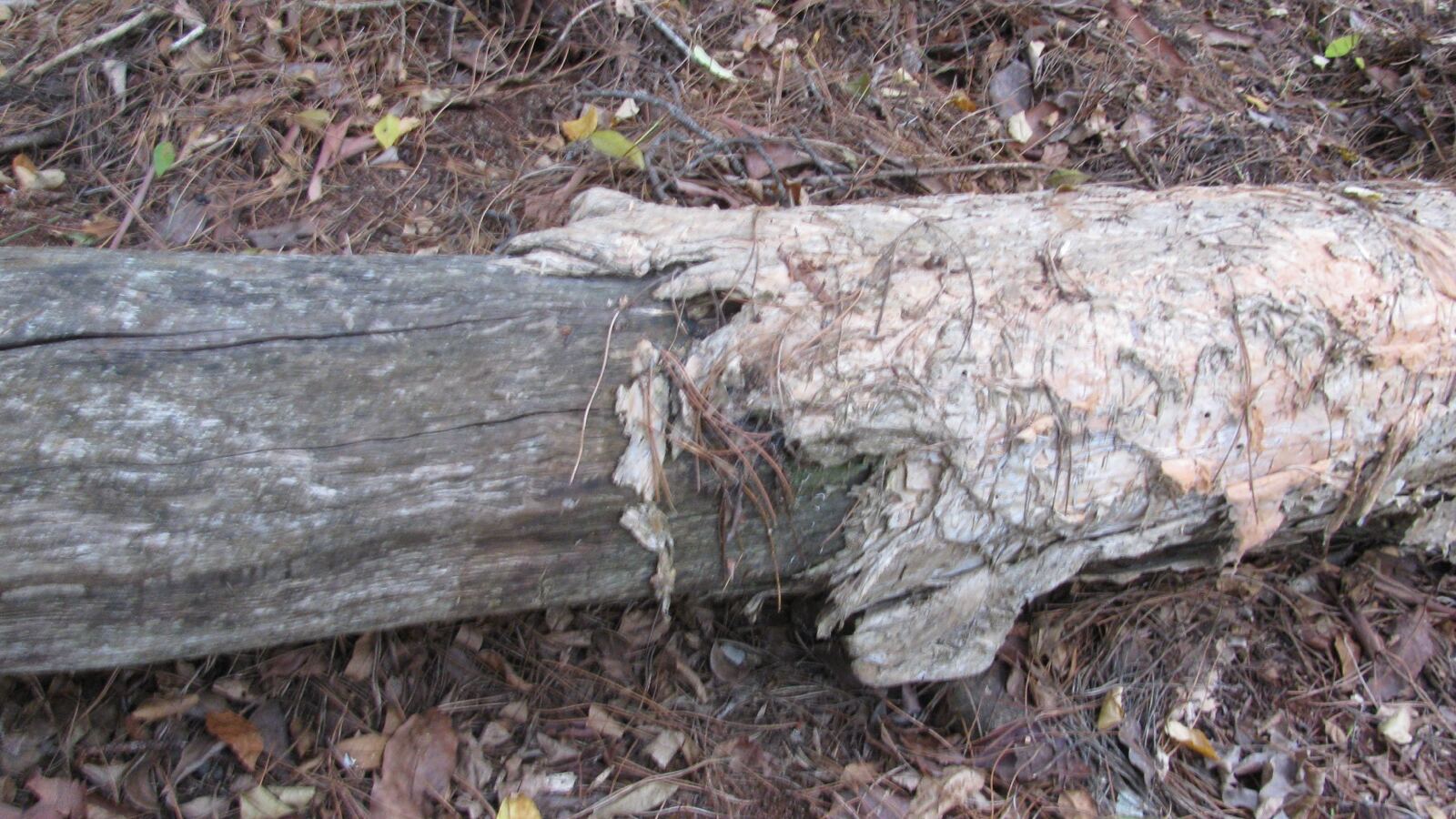
The thick, spongy, layered paper bark insulates the trunk against fire, so the tree survives blazes that kill thinner-barked species, and it sheds in papery sheets that were used by Aboriginal people for wrapping food, roofing, bedding, and canoes. Like the eucalypts, melaleucas hold their seed in woody capsules and release it after fire or the death of the branch (serotiny), so a burnt or stressed tree showers seed onto the cleared, ash-fertilised ground — a fire-triggered regeneration strategy shared with the banksias. And the paperbarks tolerate prolonged flooding and waterlogging, thriving in swamps and seasonally-inundated ground where their roots stand in water, so they dominate Australian wetland and floodplain. The flowers — soft bottlebrush spikes of white, cream, or pink — are rich in nectar and heavily worked by birds, bats, and insects, making melaleucas important pollinator and honey trees.
The Everglades disaster
That same tolerance of flood, fire, and poor soil made Melaleuca quinquenervia one of the worst invasive species ever introduced to North America.
Brought to Florida partly in a deliberate, now-notorious scheme to help "dry out" the Everglades for development — seed was reportedly scattered from aircraft over the wetlands — the paperbark did exactly what it was built to do, and far too well. It invaded the Everglades and other wetlands on a massive scale, each tree transpiring prodigious amounts of water and forming dense monocultures that displaced the native sawgrass and slough communities, altered the hydrology, and increased fire intensity (its oily, serotinous growth burns fiercely and then reseeds the burn). Millions of dollars and decades of mechanical, chemical, and biological control (imported weevils and psyllids) have gone into pushing it back. It is a stark parallel to casuarina and tamarisk in the same region — a tough wetland tree, useful at home, catastrophic abroad, and a lesson in the folly of introducing a plant precisely because it is aggressive.
Growing them
Full sun, and tolerant of an extraordinary range — drought and flood, poor and sandy and boggy soils, salt, and heat — though frost-tender.
Tea tree (Leptospermum and M. alternifolia) and the smaller melaleucas make attractive, tough, nectar-rich flowering shrubs for warm gardens, and are grown commercially for oil. Paperbarks make handsome specimen and street trees for warm climates, valued for the striking bark and the flowers — but plant M. quinquenervia only where it is not invasive, and never near natural wetland. All grow readily from the fine seed and from cuttings. See propagation.
See also
- Eucalyptus the close Myrtaceae relative with the same oils and fire habits
- Banksia and Grevillea the fellow fire-adapted Australians
- Fire Management paperbark's fire-survival and fire-regeneration
- Invasive Species melaleuca in the Everglades
- Casuarina the parallel Australian invader of Florida
- Wetland Restoration the hydrology melaleuca disrupts
- Clove, Nutmeg, and Allspice
- Bottlebrush
- Pepper Tree