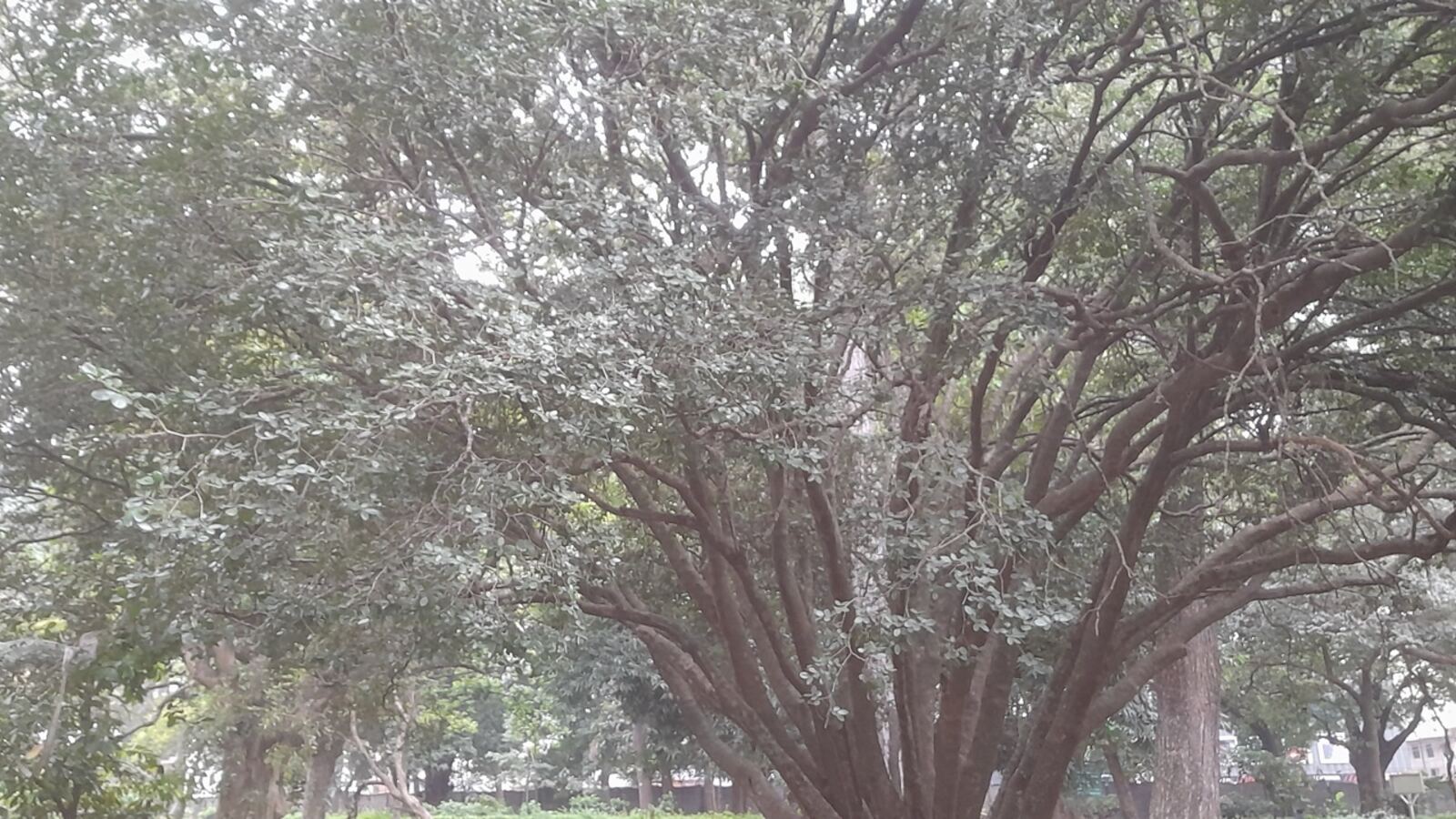
What it is
Guaiacum, lignum vitae — small, slow-growing evergreen trees of the Caribbean, Central America, and northern South America, and the source of what is generally reckoned the hardest and densest wood in commercial use.
The Latin name means "wood of life," a reference not to the timber but to the tree's old medicinal reputation. It is the national tree of the Bahamas and the national flower of Jamaica (its flowers are a lovely blue), a modest-looking tree with a huge reputation packed into its wood.
The hardest, densest, self-oiling wood
Lignum vitae is extraordinary timber, and its qualities all stem from one thing: it is packed with natural resin, up to a quarter of its weight.
- It is denser than water — a piece sinks straight to the bottom — and among the densest and hardest of all woods, far harder than oak or even hickory.
- The resin makes it self-lubricating: the wood is naturally oily and slippery, so it works as a bearing surface without any added grease.
- Its interlocked grain makes it almost impossible to split, and the resin makes it highly rot- and wear-resistant.
That unique combination — extreme hardness plus built-in lubrication — gave lignum vitae a role no other wood could fill: bearings. It was the standard material for the stern-tube bearings that carry ships' propeller shafts, running in seawater with no other lubrication for decades, and it was used for exactly this in vessels up to and including early nuclear submarines — the propeller-shaft bearings of the USS Nautilus, the first nuclear submarine, were lignum vitae. It also made pulley sheaves and deadeyes for rigging, mallets, pestles and mortars, cabinet castors, and — because it is so hard and heavy — the balls once used in the game of bowls and skittles. Only modern synthetics and metals eventually displaced it, and it remains the benchmark for a self-lubricating natural bearing. It stands at the extreme end of the many trees called ironwood, the hardest of them all.
The "wood of life" and the pox
The tree's name comes from its second career, in medicine. In the sixteenth century, resin and shavings of Guaiacum — guaiacum — were imported to Europe as a celebrated remedy, above all as a treatment for syphilis, then a terrifying new epidemic.
Guaiacum was hugely fashionable and hugely profitable, promoted as a gentle alternative to the horrific mercury treatments of the day, and it became one of the first blockbuster drugs of the age of exploration, tangled up in the commercial interests that controlled its supply. It did not, in fact, cure syphilis, and its reputation faded — but guaiacum resin found a genuine and lasting minor use as a chemical reagent (the "guaiac test" for hidden blood, long used in medicine, relies on it) and in flavourings and preservatives. The medical over-harvest, on top of the demand for the timber, is part of why the trees are now scarce.
Slow, scarce, and protected
Lignum vitae is exceptionally slow-growing — one of the slowest of all trees — which, combined with centuries of demand for its wood and resin, has left it seriously depleted. Guaiacum species are now listed on CITES and considered threatened or endangered, and the true lignum vitae of commerce is scarce and strictly regulated, with "verawood" (Bulnesia, a related tree) often substituted. It is the same over-exploitation-of-a-slow-treasure story as rosewood, ebony, and mahogany. See woodland management and restoration economics.
Growing it
Tropical and subtropical, frost-tender, wanting full sun and well-drained soil; it is drought-tolerant and thrives on poor, dry, rocky coastal ground, another tough dryland tree.
It is a fine, slow, long-lived ornamental — dense dark evergreen foliage, beautiful blue flowers, and yellow-orange fruit — grown as a specimen and street tree in frost-free regions and as a prized bonsai subject for its tiny leaves and slow growth. Its extreme slowness means planting it is an act for the future, and buying its wood responsibly means buying certified or salvaged material only. Grown from seed. See propagation and drought-tolerant species.
See also
- Hop-Hornbeam and the many other trees called ironwood
- Ebony and Blackwood other sink-in-water dense timbers
- Rosewood and Sandalwood the same over-harvested-treasure story
- Mahogany another slow, CITES-listed tropical hardwood
- Native Oaks durable timber, by comparison far softer
- Restoration Economics the problem of very slow, very valuable trees
- Ipê and Pau d'Arco
- Greenheart and Purpleheart
- Desert Ironwood
- Quebracho