Restoration
Reforestation, land rehabilitation, rewilding, and erosion control.
Restoration Cheatsheet
Quick-reference best practices for reforestation, land rehabilitation, and ecosystem recovery.
Go deeper
 № 008
№ 008Alley Cropping: Rows of Trees, Crops Between
Widely spaced tree rows with arable or vegetable alleys between them — the orientation, spacing, and root pruning that decide whether it works.
 № 064
№ 064Carbon Accounting: Measuring What a Project Actually Stores
Additionality, permanence, leakage and baselines — why most tree-planting carbon claims overstate, and what credible measurement looks like.
 № 088
№ 088Climate Adaptation: Planting for the Weather That Is Coming
Provenance shifting, assisted migration, and designing for variability rather than a new average — plus the arguments against moving species around.
 № 091
№ 091Coastal Dunes: Building Land Out of Moving Sand
Marram grass traps sand and grows through it — plus why stabilising a dune system too thoroughly destroys the habitat it protects.
 № 140
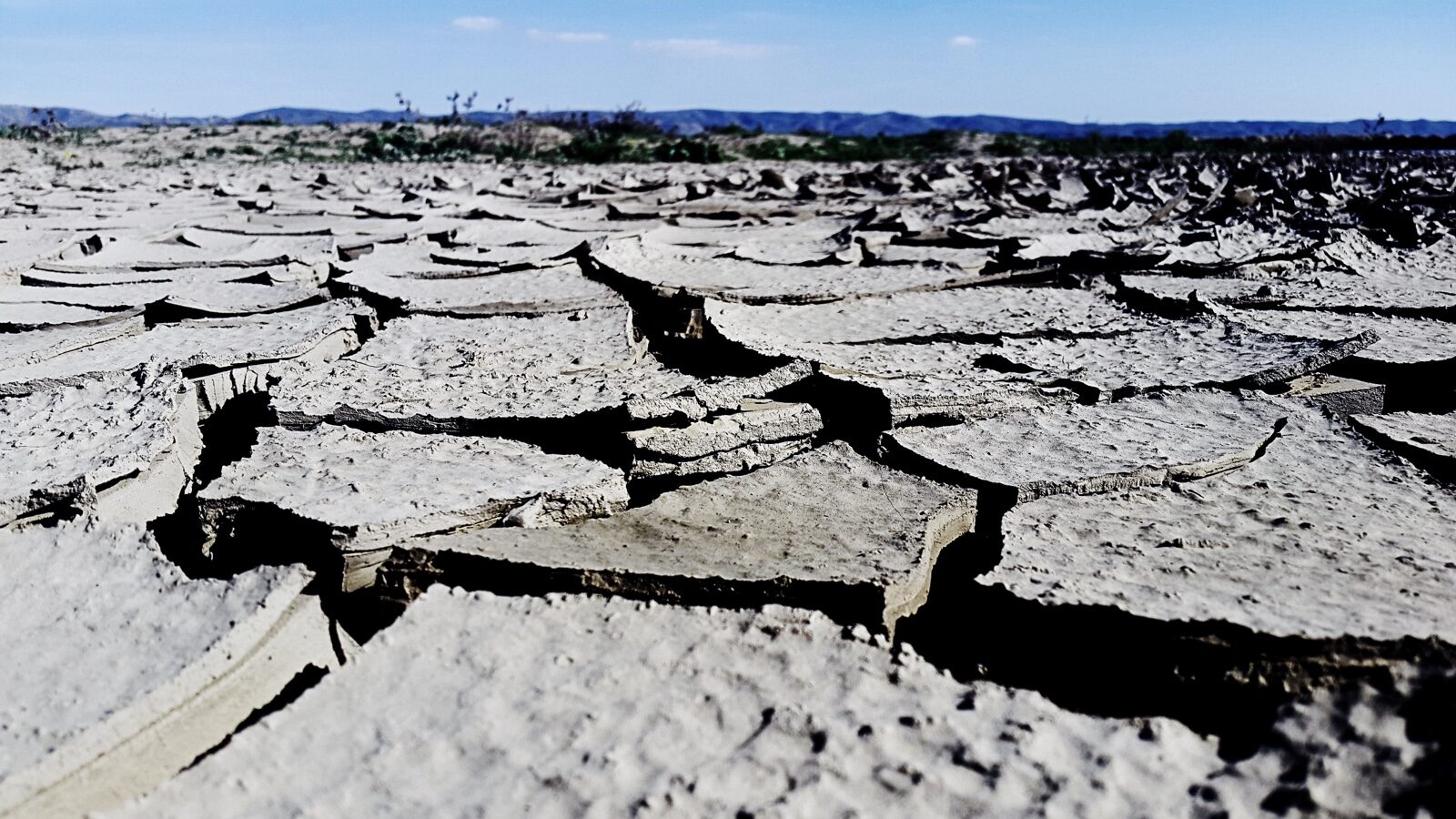
№ 140Dryland Restoration: Zai Pits, Half-Moons, and Farmer-Managed Regeneration
The low-cost techniques that reversed desertification across the Sahel — planting pits, contour bunds, and protecting the root systems already underground.
 № 196
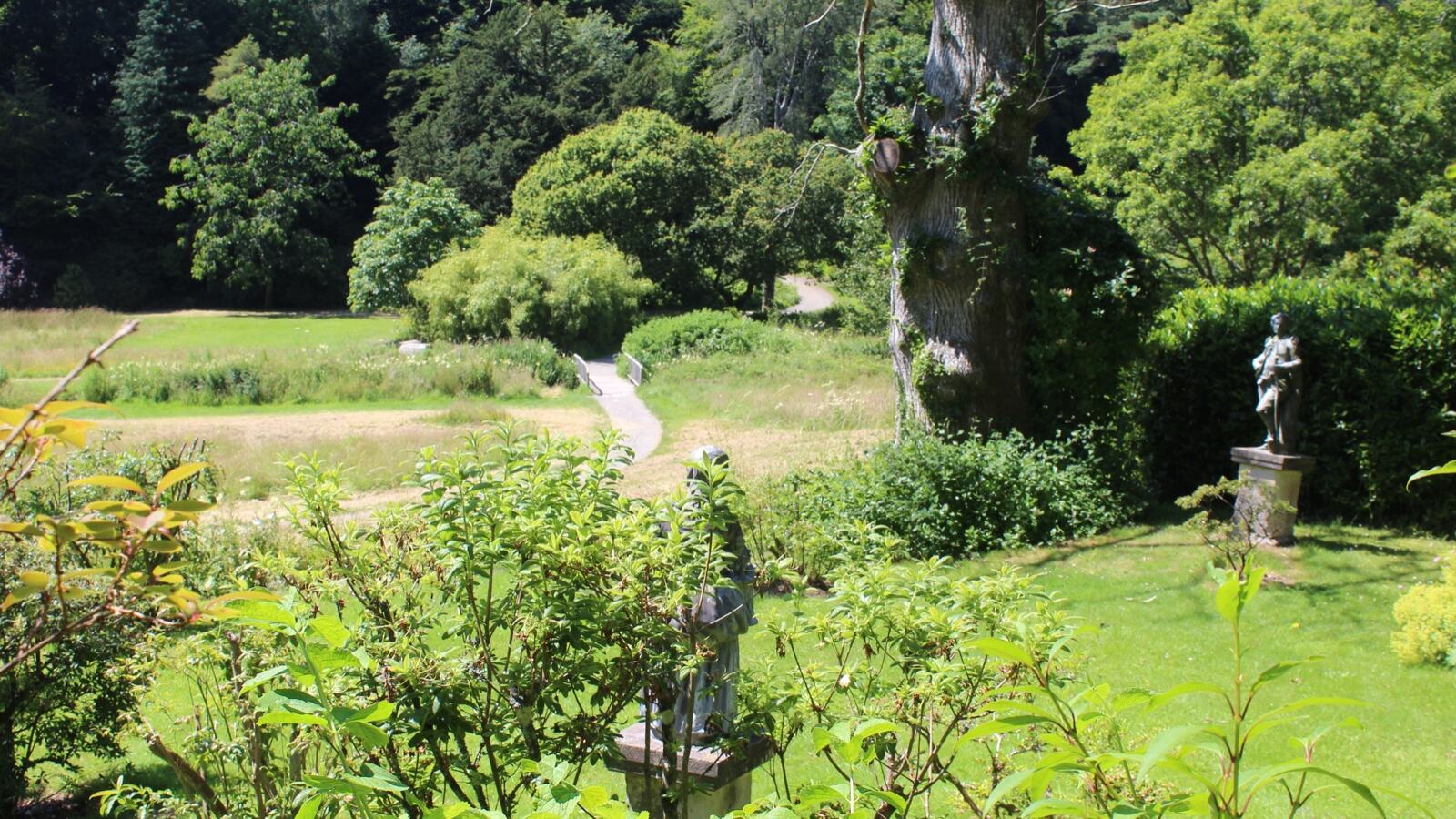
№ 196Grassland Restoration: Rebuilding the Least-Protected Ecosystem
Prairie, steppe, and species-rich grassland — why lowering fertility matters more than adding seed, and how to get diversity back into a rye grass field.
 № 230
№ 230Invasive Species: Control Without Scorched Earth
Triage before removal, why the gap you leave matters more than the plant you kill, and the control methods that hold over a decade.
 № 281
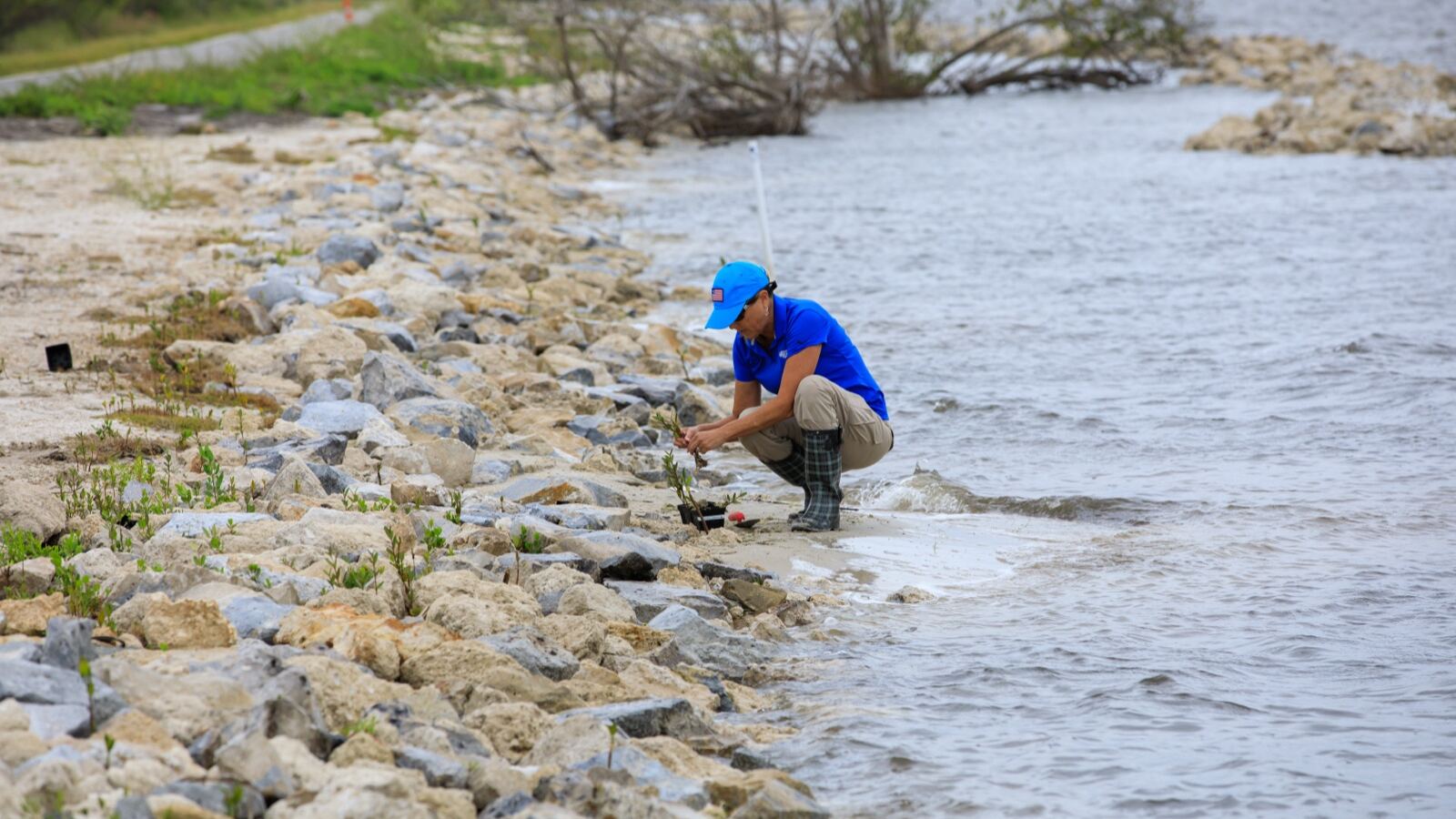
№ 281Mangrove Restoration: Why Most Planting Projects Fail
Hydrology first, propagules second — the ecological method that succeeds where mass propagule planting has failed for decades.
 № 347
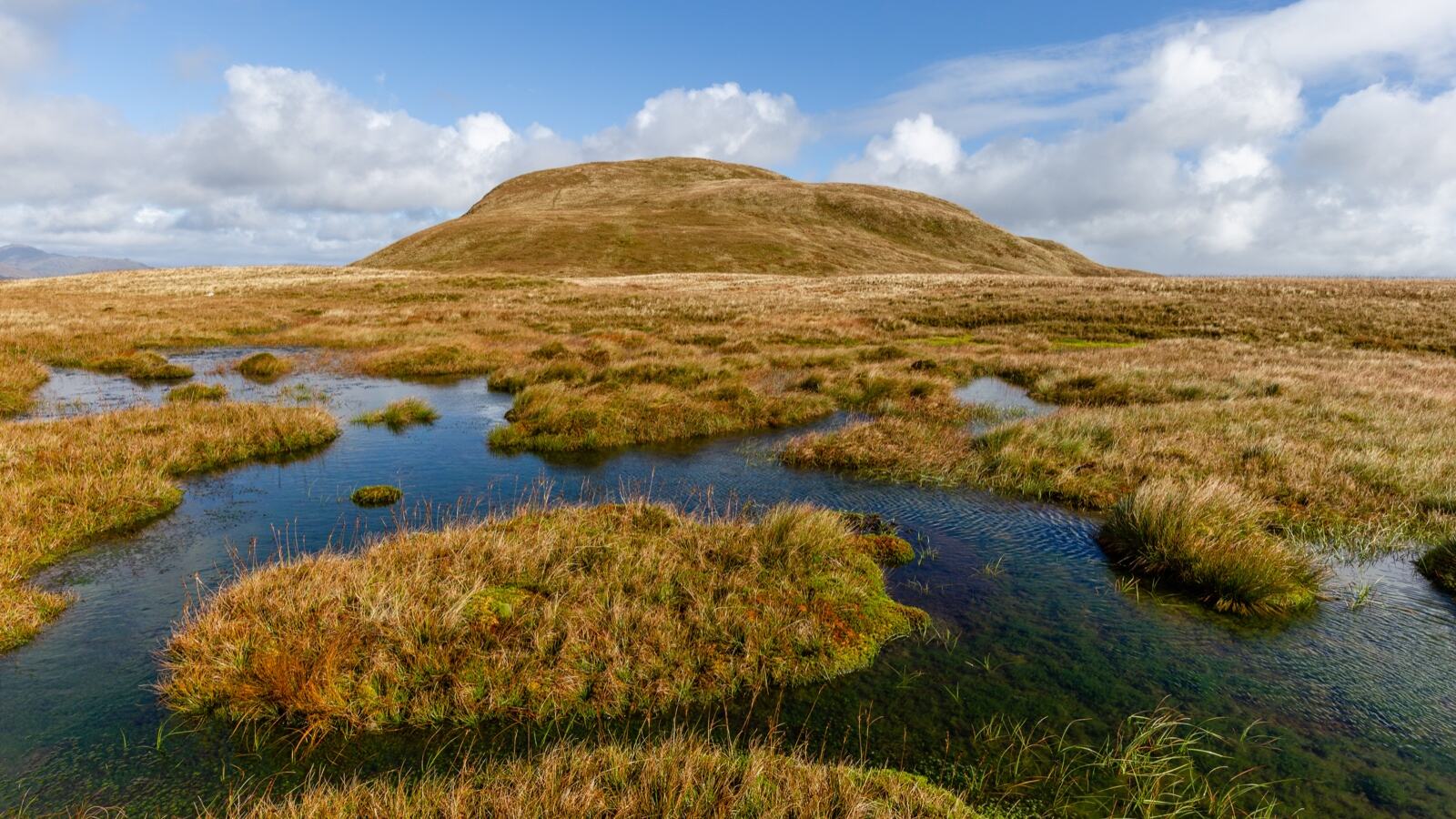
№ 347Peatland Restoration: Rewetting the Largest Carbon Store on Land
Why drained bogs emit carbon for centuries, how ditch blocking and sphagnum reintroduction work, and why planting trees on peat makes it worse.
 № 391
№ 391Restoration Economics: What It Costs and Who Pays
Realistic cost ranges, why maintenance is the line item that gets cut, and the funding structures that keep projects alive past year three.
 № 395
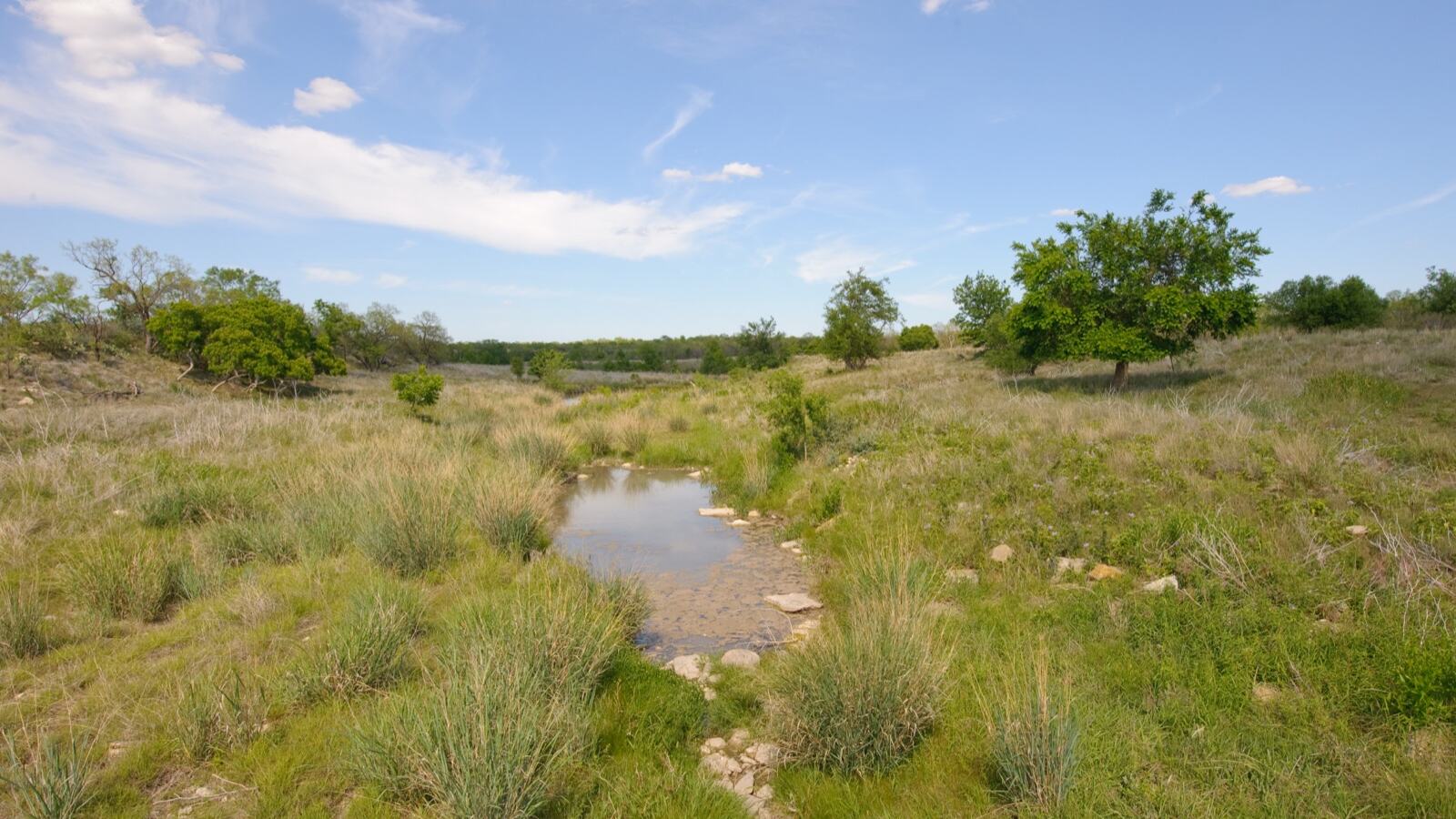
№ 395Riparian Buffers: The Strip That Protects the River
Vegetated margins along watercourses — how wide they need to be, what each zone does, and why they are the highest-return restoration per hectare.
 № 399
№ 399Rotational Grazing: Rest Is the Whole Technique
Why recovery time rather than stocking rate determines pasture health, how to read regrowth, and where holistic grazing claims outrun the evidence.
 № 436
№ 436Silvopasture: Trees, Forage, and Livestock on the Same Ground
Deliberate integration of trees and grazing animals, why it outproduces either alone, and the establishment mistakes that kill the trees.
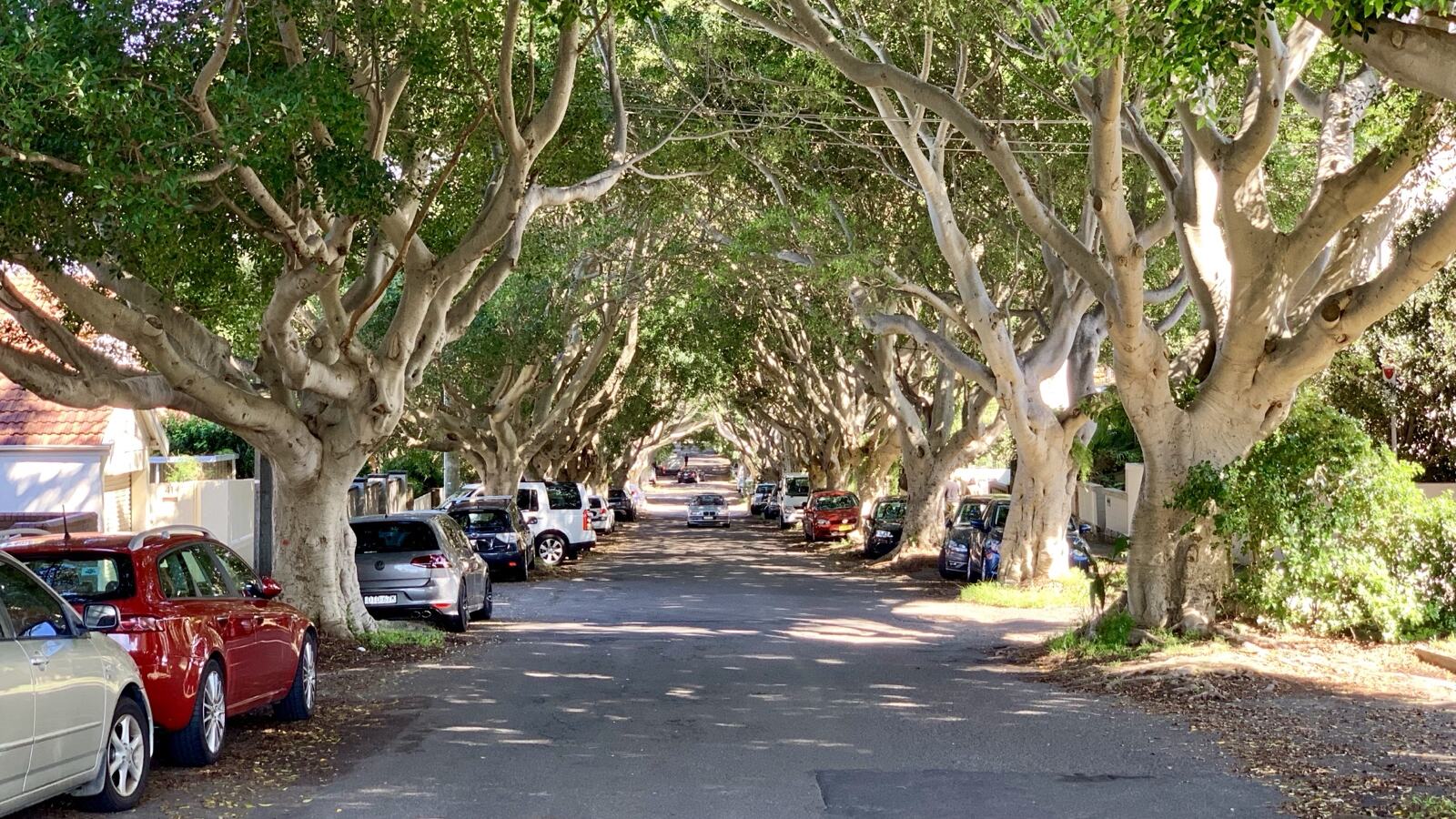 № 508
№ 508Urban Forestry: Trees in the Hardest Place to Grow One
Soil volume, heat islands, and species diversity — why street trees die young and what actually keeps them alive to maturity.
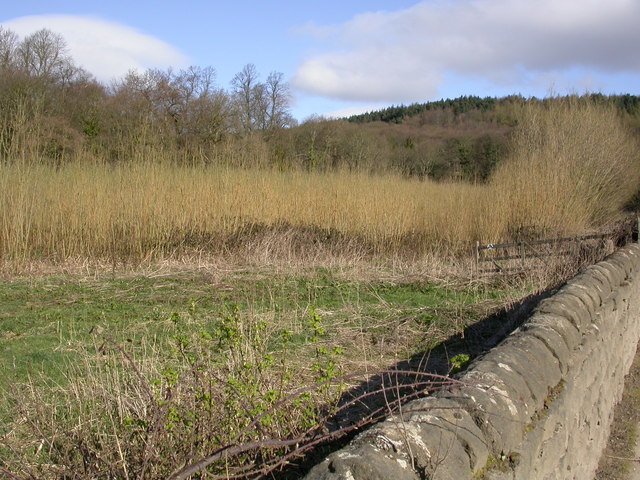 № 103
№ 103Coppice Rotation: A Harvest Pattern Measured in Decades
Cut a tree to its stump and it grows back. Do that on a rolling schedule and one woodland feeds a family of stakes, fuel, and wildlife for centuries.
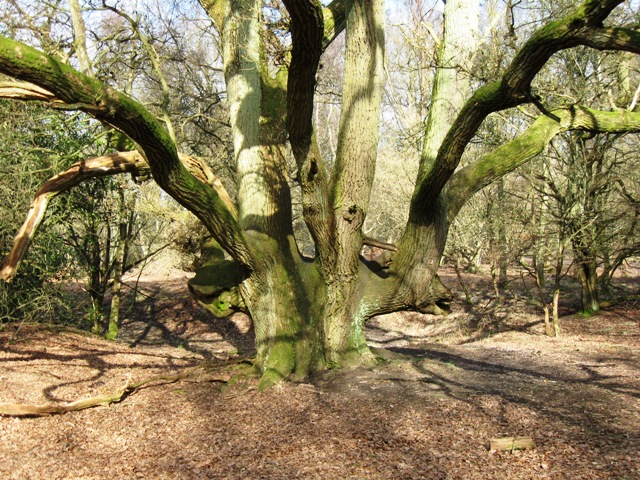 № 212
№ 212Hedgerow Care: Trim Cycles, Laying, and the Long Game
How to manage a living field boundary across decades. Trim cycles, the laying craft, gapping up, and why the annual flail is the worst thing you can do to a hedge.
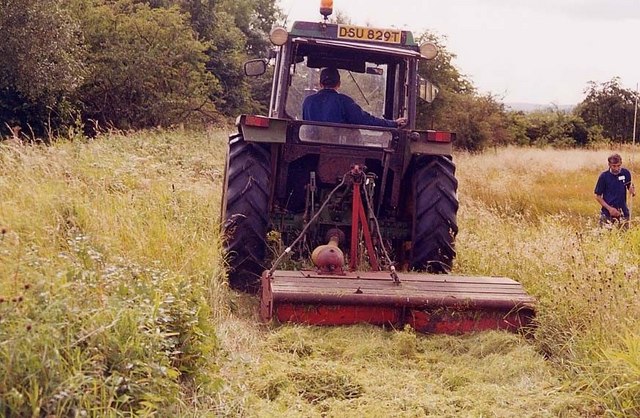 № 285
№ 285Meadow Management: The Hay Cycle That Builds a Hundred-Year Habitat
A wildflower meadow is a hayfield with patience. The cutting, grazing, and parasite plant that turn ryegrass back into 40-species pasture.
 № 464
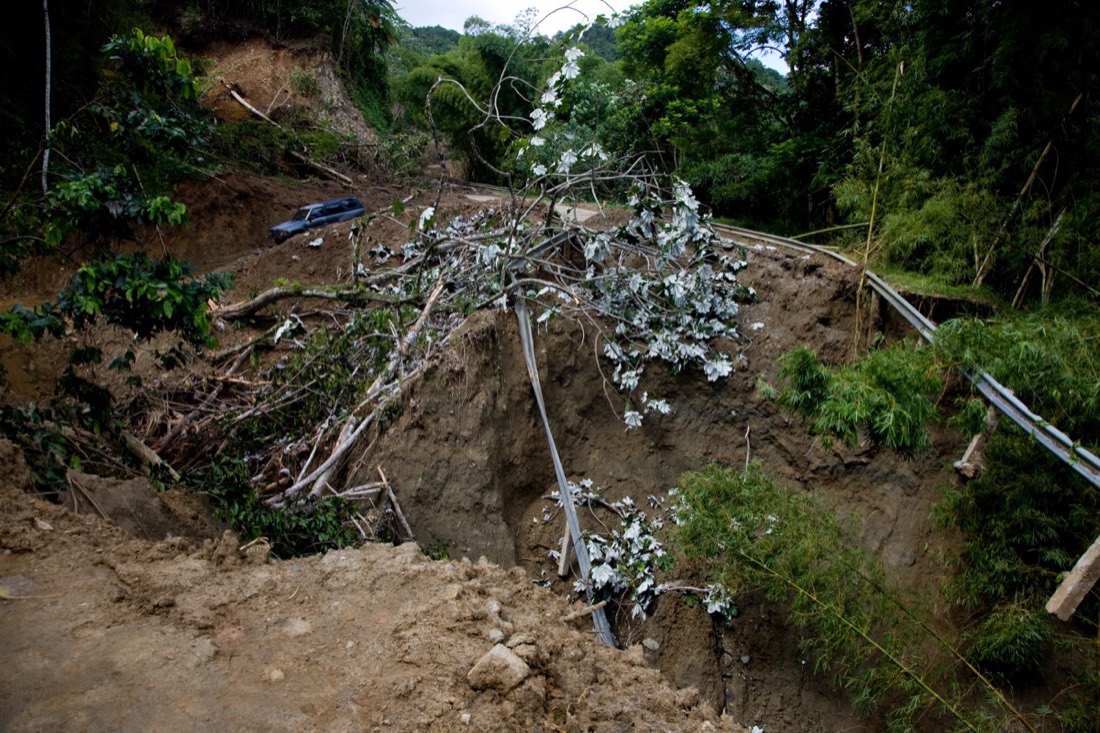
№ 464Storm Damage Recovery: The Five-Year Triage After Wind, Flood, and Drought
How to read a battered woodland in the first 48 hours, the first week, and the first five years. Most of the work is restraint.
 № 530
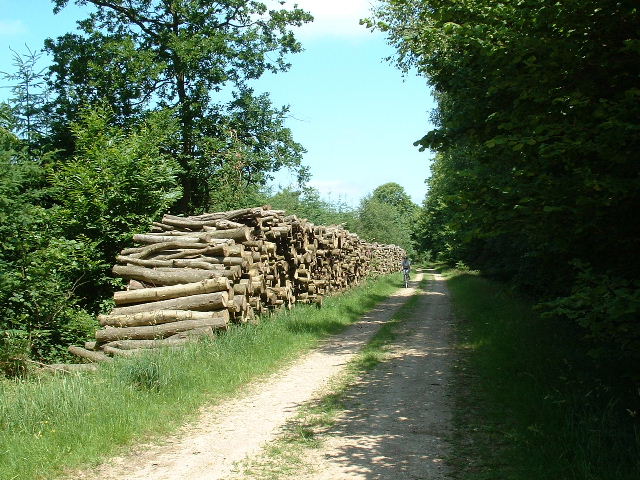
№ 530Woodland Management: Thinking in Decades, Not Seasons
How to steward a working woodland across 50 years: thinning cycles, deadwood quotas, rides and glades, and when the right call is to leave it alone.
 № 045
№ 045Bioremediation: Plants and Fungi Cleaning Up Pollution
How specific plants and fungi can break down hydrocarbons, lock up heavy metals, and restore contaminated soils without chemical treatment.
 № 122
№ 122Decompaction: Opening Soil That Has Forgotten How to Breathe
Methods for breaking up compacted subsoil so roots, water, and air can move again, from broadforks to subsoiling to keyline ploughing at scale.
 № 215
№ 215Historical Ecology: Reading What the Land Used to Be
Old maps, aerial photos, soil cores, and remnant species tell you what the land wants to become. Restoration starts here.
 № 356
№ 356Pioneer Identification: What the Land Is Already Doing
Before you plant anything, learn to read the volunteer species already moving in. Succession is free labour if you can see it.
 № 396
№ 396Rock and Log Piles: Messy Gardens Are Biodiversity Gardens
How to build deliberate piles of rock, wood, and brash that house reptiles, amphibians, beetles, fungi, and the predators that eat your pests.
 № 460
№ 460Stakeholder Mapping: Restoration Fails Without Social Buy-In
Who uses this land, who decides, who can stop the project. Map the human ecosystem before you plant the first tree.
 № 512
№ 512Water Mapping: Find the Leverage Points Before You Dig
Where it pools, where it cuts, where it disappears. Map the existing water flow before any earthworks and the right interventions become obvious.
 № 090
№ 090Cluster Planting: Mimicking Natural Establishment
Plant trees in dense clumps with gaps between, the way nature actually does it, and watch the forest assemble itself around your nuclei.
 № 094
№ 094Community Engagement: Restoration That Involves People Lasts
Planting days, education, and citizen science build the social infrastructure that keeps restoration projects alive for decades.
 № 121
№ 121Dead Wood Habitat: Leave It, Add More
Why standing and fallen dead wood is one of the most important habitats in any forest, supporting over twenty percent of woodland biodiversity.
 № 131
№ 131Direct Seeding: Broadcast Native Seed at Scale
When and how to sow seed directly rather than planting nursery-raised seedlings, from seed collection and treatment to Masanobu Fukuoka's seed ball technique.
 № 153
№ 153Erosion Control: Stabilise Before You Plant
Why preventing soil loss is the essential first step in restoration, and the passive and living methods that hold ground while ecosystems recover.
 № 164
№ 164Fire Management: Working With Fire, Not Against It
How controlled burning maintains fire-adapted ecosystems, why fire exclusion creates bigger problems, and when mechanical alternatives are needed.
 № 297
№ 297Monitoring: Track What Works
How photo points, quadrats, and soil tests turn a restoration project from a gamble into a learning system you can hand on.
 № 320
№ 320Nurse Trees: Sacrifice Species That Shelter the Future
Fast-growing sacrifice species that shelter slower, more valuable target trees through the brutal early years of restoration.
 № 332
№ 332Building Organic Matter in Degraded Soils
How to raise soil organic matter from below one percent to five percent or higher, transforming degraded ground into a living, water-holding, nutrient-cycling substrate.
 № 362
№ 362Pollinator Habitat: Beyond Honeybees
Support the 20,000 bee species and the butterflies, moths, hoverflies, and beetles that hold ecosystems together.
 № 392
№ 392Rewilding Edges: The Biodiversity of Untidiness
Why the boundaries you stop mowing become the richest part of your land, and how to manage the social pushback while nature reclaims the margins.
 № 418
№ 418Seed Banking: Preserving Genetic Diversity
Collect, dry, and store local provenance seed to preserve genetic diversity and supply restoration projects with well-adapted planting material.
 № 437
№ 437Site Protection: Fence Before You Plant
Excluding browsers is the first move in any restoration. Here are the fences, guards, and grazing rules that actually hold.
 № 438
№ 438Reading the Land: Site Assessment for Restoration
How to interpret slope, water flow, vegetation patterns, and soil indicators to build a restoration plan grounded in what the land tells you.
 № 444
№ 444Soil Inoculation: Restoring the Missing Biology
Introducing mycorrhizal fungi, nitrogen-fixing bacteria, and microbial communities to soils that have lost their living systems.
 № 517
№ 517Wetland Restoration: The Most Productive Ecosystems on Earth
How to restore wetlands by blocking drains, creating ponds, and reconnecting floodplains so they filter water, store carbon, and buffer floods.
 № 023
№ 023Assisted Natural Regeneration: Let the Forest Come Back
Remove the pressure that's killing regrowth: fencing, fire timing, selective weeding. The forest is already in the soil waiting to return.
 № 523
№ 523Wildlife Corridors: Connecting Fragmented Habitats
How hedgerows, riparian strips, and green bridges reconnect isolated habitat patches, keeping gene flow alive and preventing local extinctions.
 № 314
№ 314Nitrogen-Fixing Trees: Free Fertility Forever
Trees partnered with soil bacteria pull nitrogen from the air, feeding degraded soils and whole guilds without a bag of fertiliser.
 № 357
№ 357Pioneer Species: Nature's First Responders
How pioneer trees colonise bare ground, stabilise soil, and create conditions for full ecosystem recovery in restoration work.
 № 294
№ 294The Miyawaki Method: Dense Native Forests in Decades
How Akira Miyawaki's technique of dense native planting creates self-sustaining forests 10x faster than conventional methods.
 № 390
№ 390Reforestation Techniques for Degraded Lands
Practical field guide to restoring forest on degraded land, from soil tests to species mix to the first five years of tending.