What they are
The American buckeyes are the New World species of Aesculus, the same genus as the European horse chestnut — so they are close cousins of that familiar tree, sharing its palmate (hand-shaped) compound leaves, its upright flower "candles," its spiny or smooth husks, and its glossy brown nut.
The main ones are the Ohio buckeye (A. glabra), the yellow buckeye (A. flava) of the Appalachians, the red buckeye (A. pavia) of the South, and the California buckeye (A. californica) of the West — and between them they show how one genus adapts across a continent.
The lucky nut
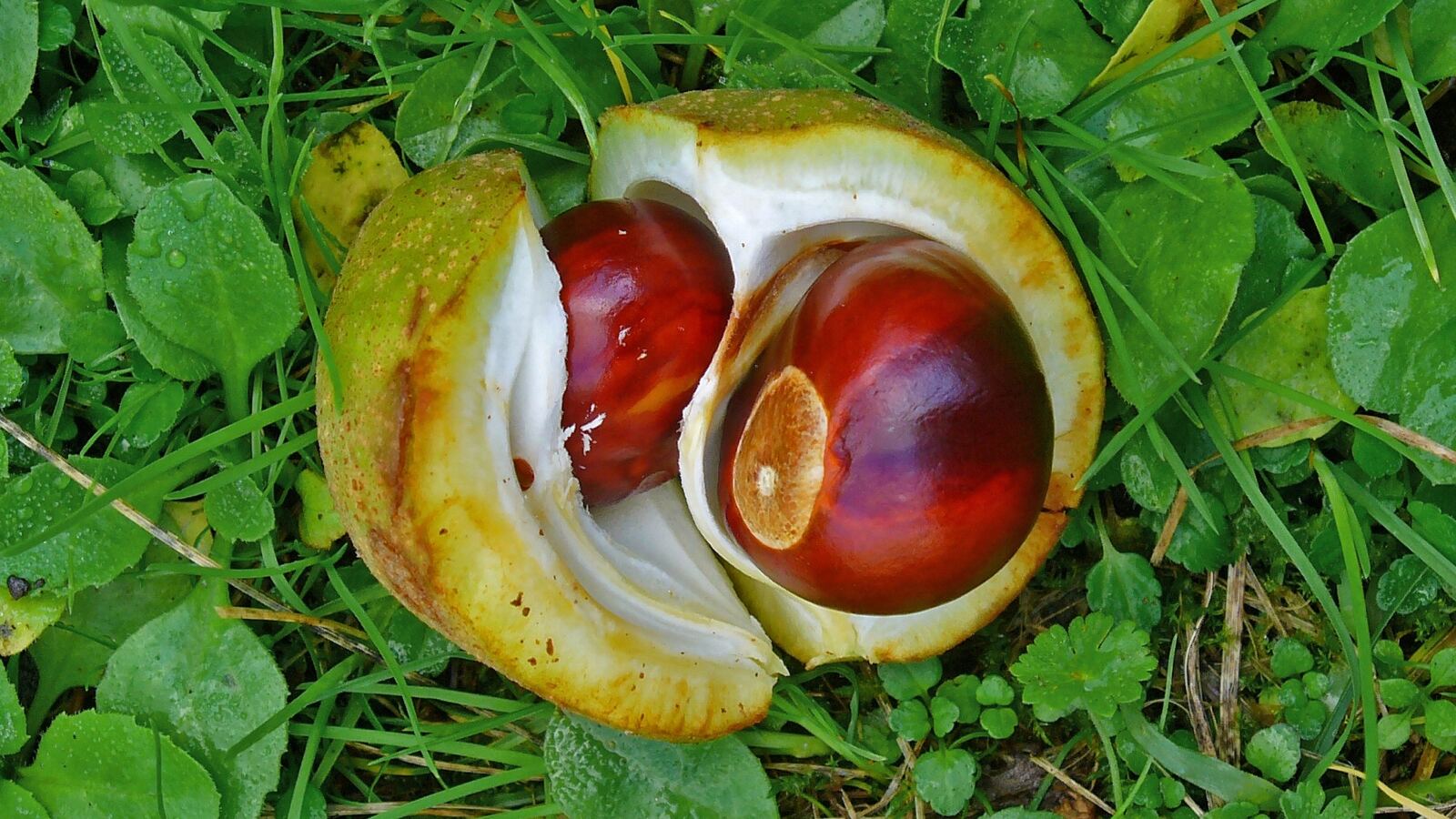
The name "buckeye" comes from the nut: a large, glossy, rich-brown seed with a pale, round scar, said to resemble the eye of a buck (a male deer). This handsome nut is deeply woven into American, and especially Ohioan, culture: the Ohio buckeye is the state tree of Ohio, the buckeye is the state's emblem and the mascot of its university, and a buckeye nut carried in the pocket is a traditional good-luck charm.
But the lucky nut is not to be eaten: like the horse chestnut's "conker," the buckeye nut is poisonous (rich in the toxin aesculin), and buckeye foliage and seeds are toxic to livestock. Native Americans, however, made use of exactly this — they crushed buckeye nuts and threw them into pools to stun fish (the toxins temporarily paralyse them), a fishing method like that used with the desert date — and they leached the toxins out to make the starchy nuts edible in hard times.
A buckeye for every region
The American buckeyes are a nice study in regional adaptation:
- The red buckeye of the South opens tubular, brilliant red flowers in spring, timed to the arrival of migrating hummingbirds, which are its main pollinators — a bird-flower like the coral tree — making it a superb small tree for a wildlife garden. See pollinator habitat and native bees.
- The California buckeye, adapted to the summer-dry Mediterranean climate of California, does something unusual: it is drought-deciduous, leafing out and flowering in spring and then dropping its leaves in the summer drought to survive, standing bare through the dry months — a water-saving strategy like the desert trees'. Curiously, its nectar and pollen are toxic to introduced honeybees (though native bees cope), a rare case of a plant that poisons the European honeybee. See drought-tolerant species.
- The Ohio and yellow buckeyes are trees of the eastern forests, among the first to leaf out in spring and often the first to colour and drop in autumn, valued for their early leaf, their flower candles, and their place in the woods.
All are handsome, early-leafing trees with showy spring flower spikes, good for pollinators and for early spring interest, and the buckeyes' early leaf-out and (in some) early leaf-drop make them distinctive markers of the seasons.
Growing them
Hardy and generally easy, the buckeyes want sun to part shade and moist, well-drained, fertile soil (the California buckeye wanting the summer-dry conditions of its home, the others more moisture). They range from the large forest yellow buckeye to the small, shrubby red buckeye ideal for a small garden. Most leaf out very early (and so can be caught by late frosts) and several drop their leaves early too, so they are best sited where their long bare season is not a drawback.
They are grown from the fresh nuts (which, like all Aesculus, must be sown fresh and never allowed to dry out) and are largely trouble-free. For a native spring-flowering tree — especially the hummingbird-drawing red buckeye — they are among the most rewarding of the Aesculus clan. See propagation.
See also
- Horse Chestnut the European cousin, and the genus Aesculus
- Coral Tree another red, hummingbird-pollinated flowering tree
- Desert Date another plant whose toxins were used to stun fish
- Pollinator Habitat and Native Bees the buckeyes' flowers and pollinators
- Drought-Tolerant Species the summer-deciduous California buckeye
- Maples other palmate-leaved trees of the same broad group