Crops
Vegetables, grains, and herbs — sowing, spacing, feeding, harvest, and storage for each one.
Crops Cheatsheet
Quick reference for the vegetables, grains and garden fruit — what to grow where, and the trick that doubles each yield.
Go deeper
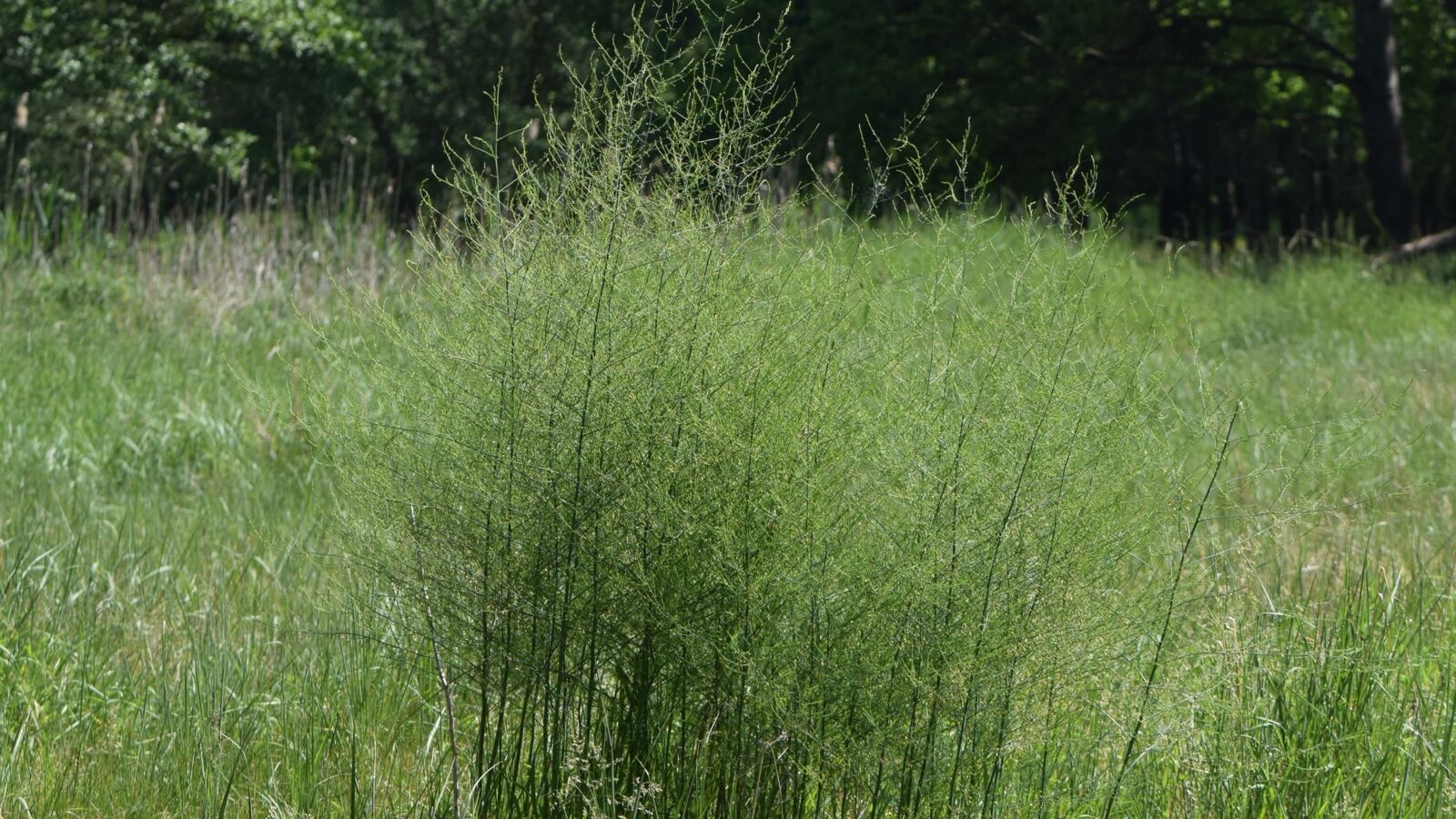 № 022
№ 022Asparagus: Three Years of Patience, Twenty of Harvest
A perennial that takes years to establish and then crops for two decades — crown planting, the six-week rule, and why you stop cutting in June.
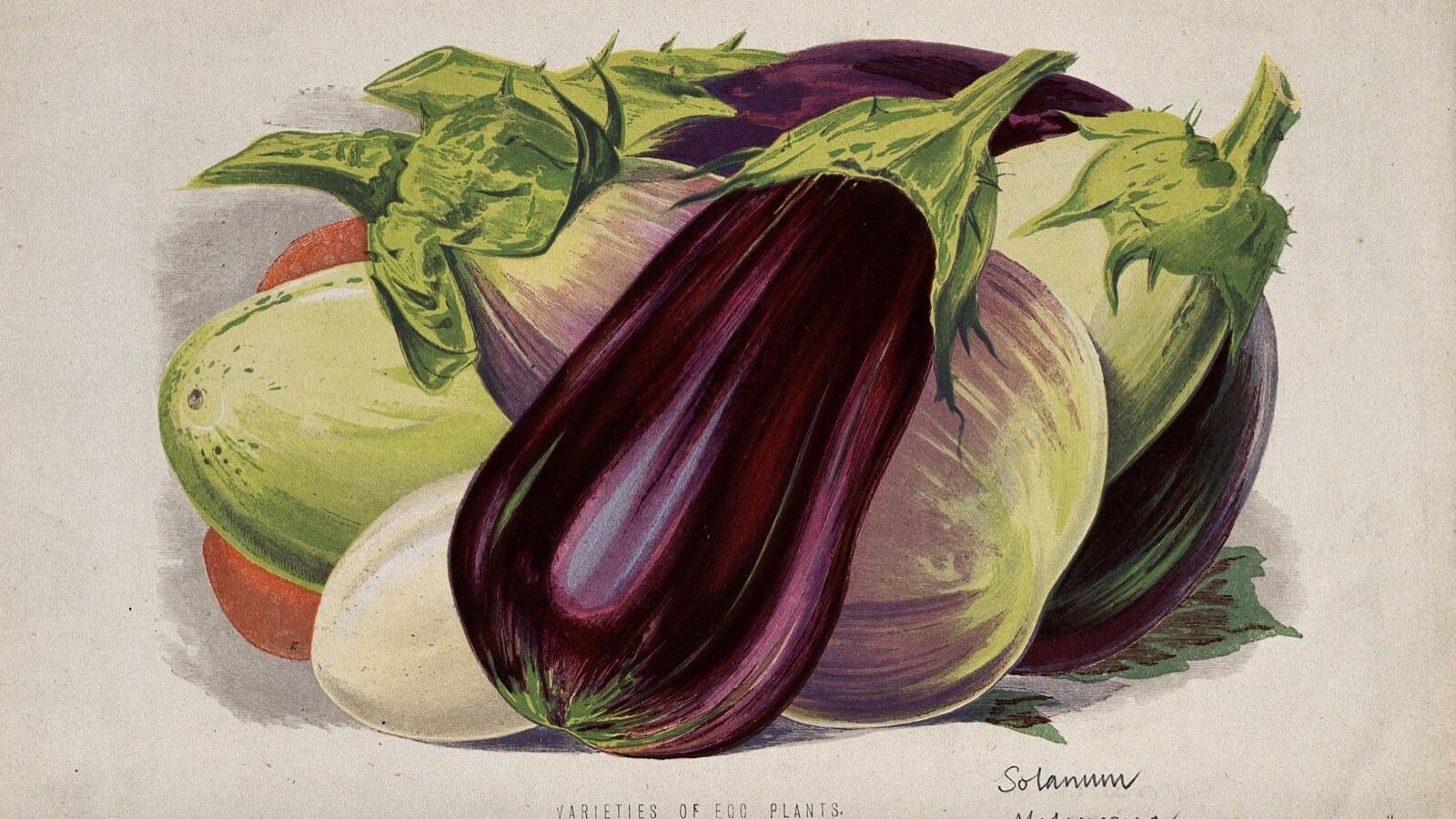 № 024
№ 024Aubergine and Okra: Heat-Lovers for a Cool Climate
Two crops that need more warmth than most temperate gardens offer — plus the mucilage that makes okra divisive and how to control it.
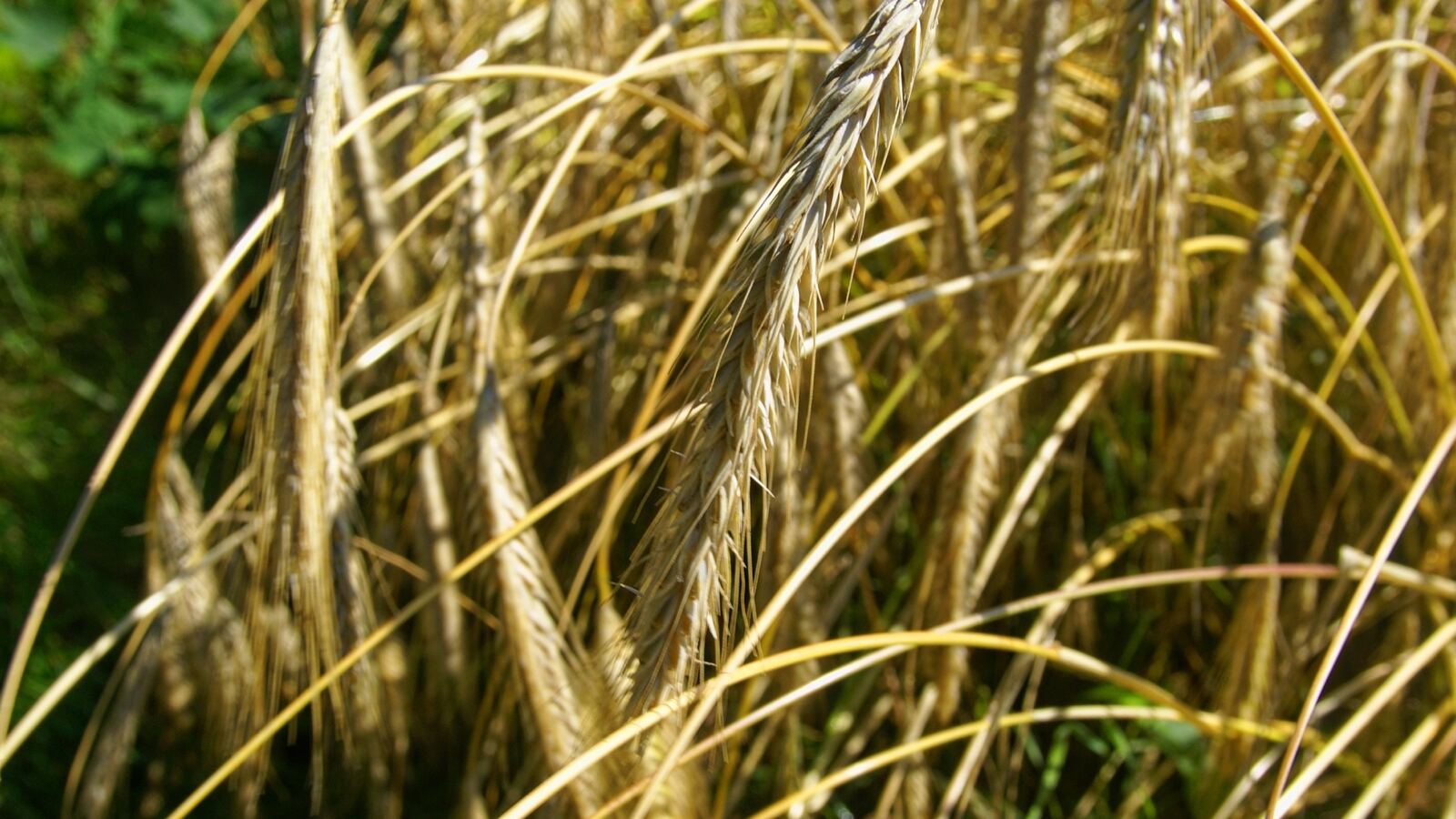 № 032
№ 032Barley: Malting, Brewing, and the Toughest Cereal
The most stress-tolerant temperate grain — two-row against six-row, what malting actually does, and why barley grows where wheat will not.
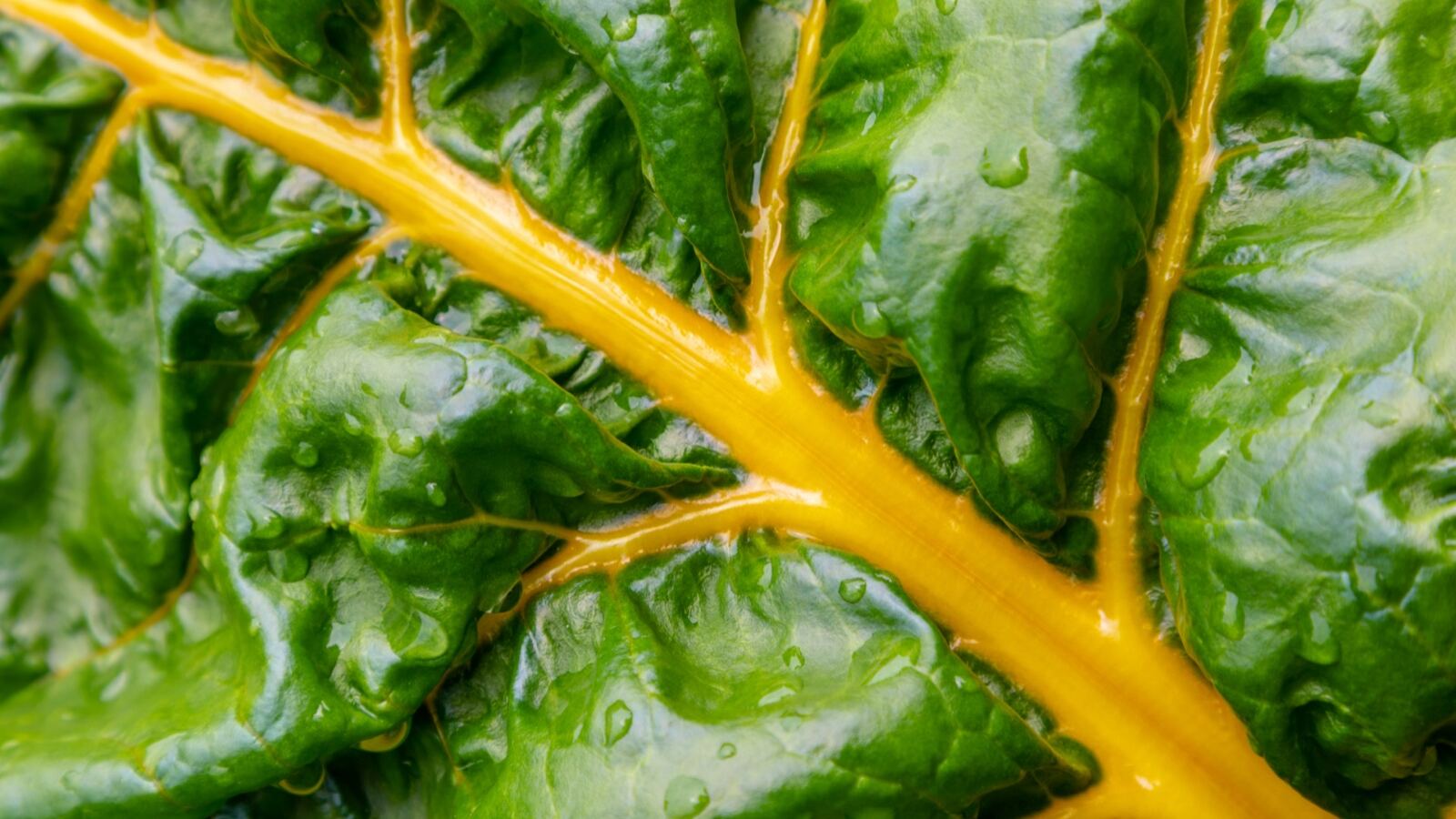 № 038
№ 038Beetroot and Chard: One Species, Root or Leaf
Beta vulgaris bred two ways, why every beet seed is a cluster, and the crop that shrugs off heat when spinach gives up.
 № 053
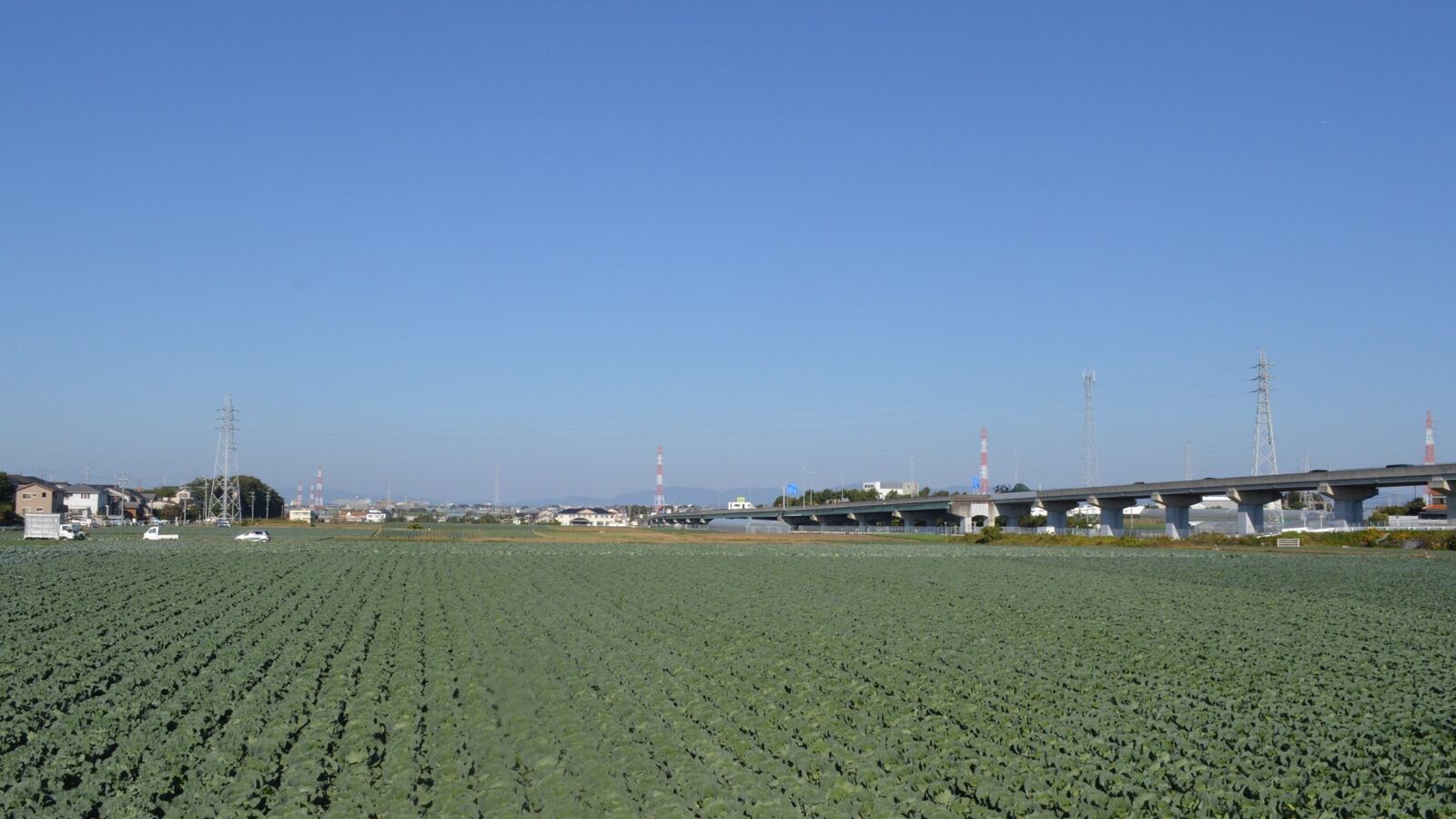
№ 053Brassicas: One Species, Six Vegetables
Cabbage, kale, broccoli, cauliflower, sprouts and kohlrabi are the same plant bred for different organs — plus clubroot and the caterpillar problem.
 № 065
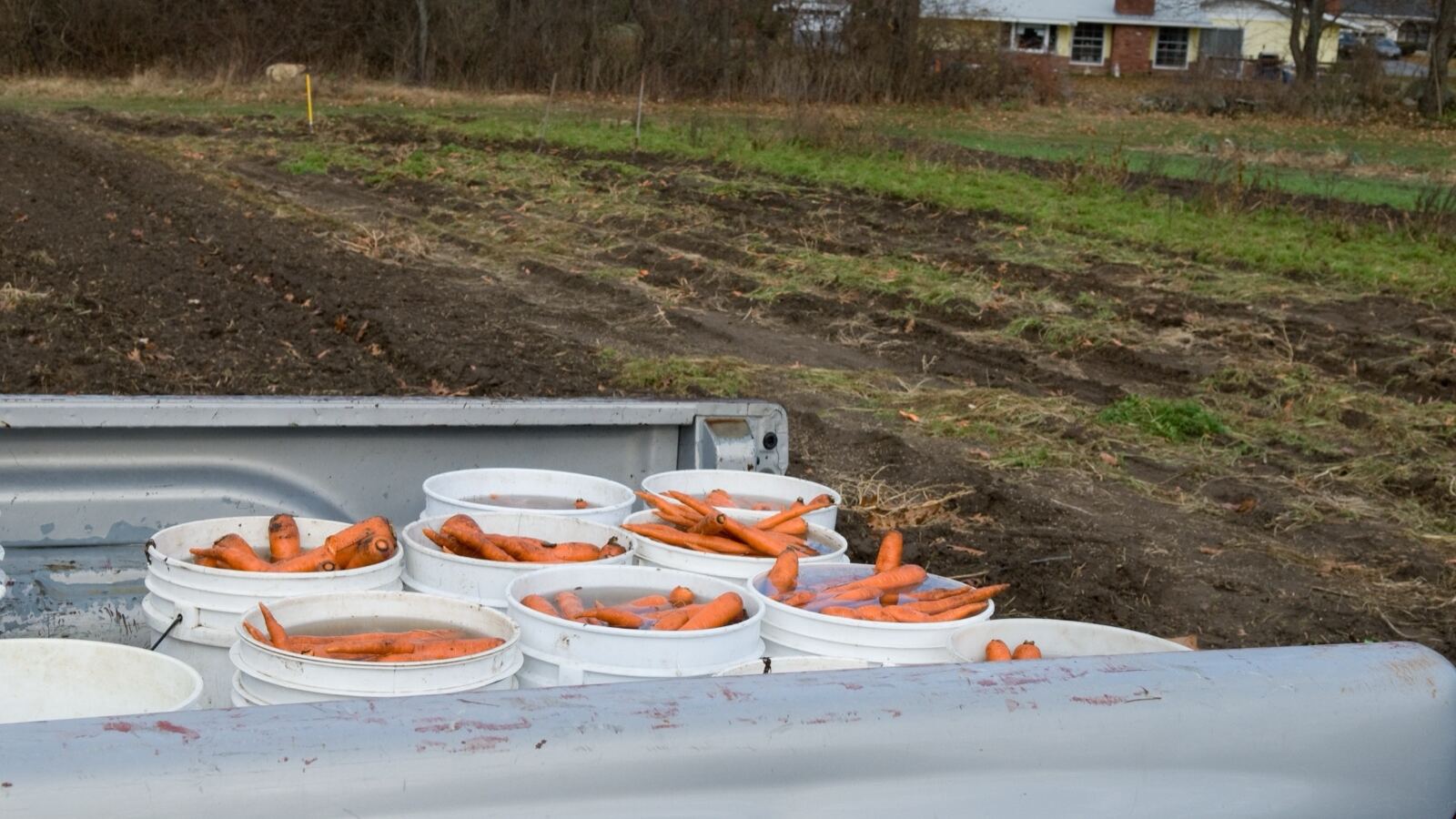
№ 065Carrots: Stones, Forks, and the Carrot Fly
Why carrots fork, why they must be direct-sown, and the barrier that beats carrot fly without a single spray.
 № 075
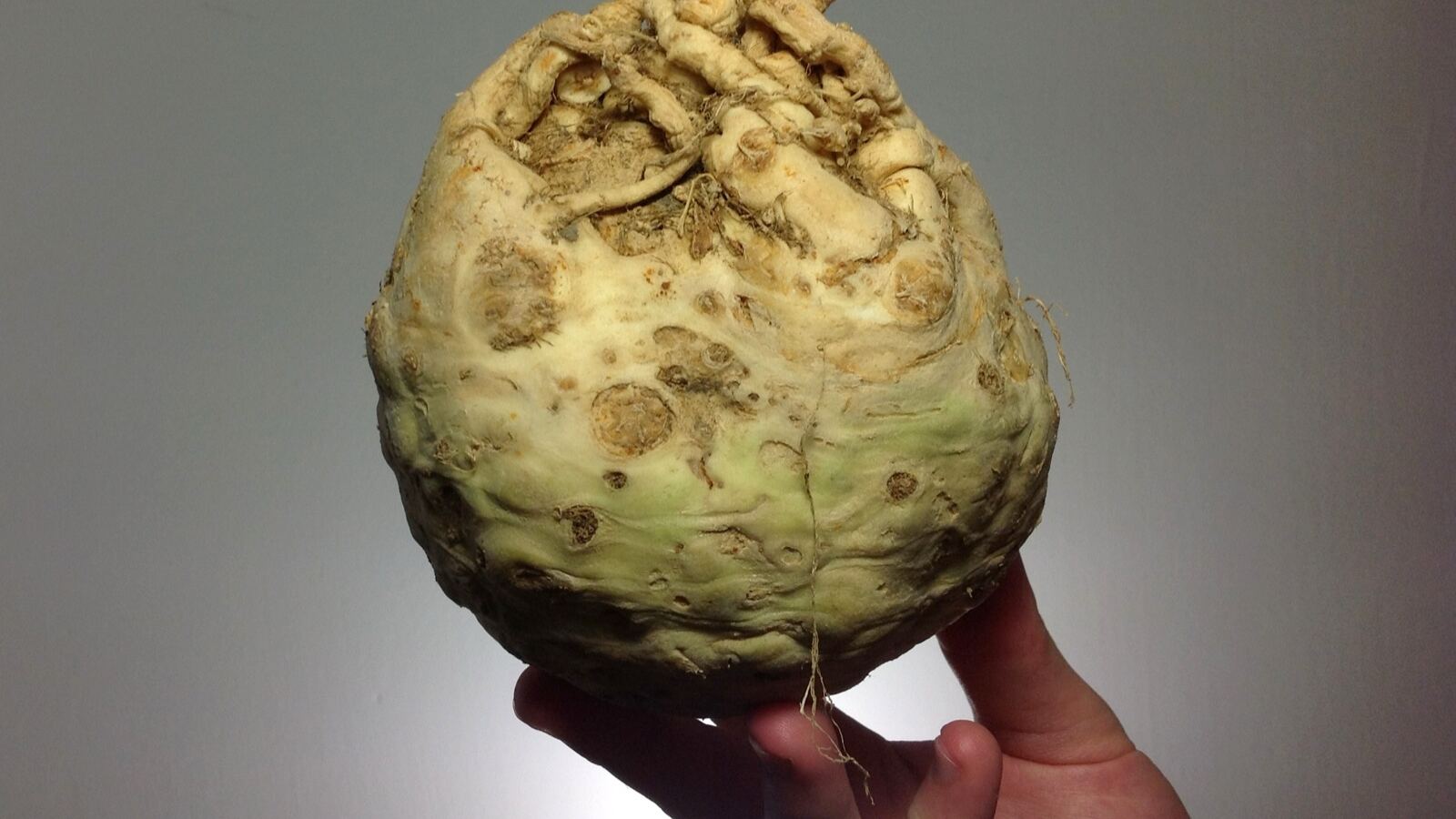
№ 075Celery and Celeriac: The Crop That Never Forgives a Dry Week
Bog plants in a vegetable bed — self-blanching against trench celery, why celeriac needs the whole season, and the boron problem.
 № 112
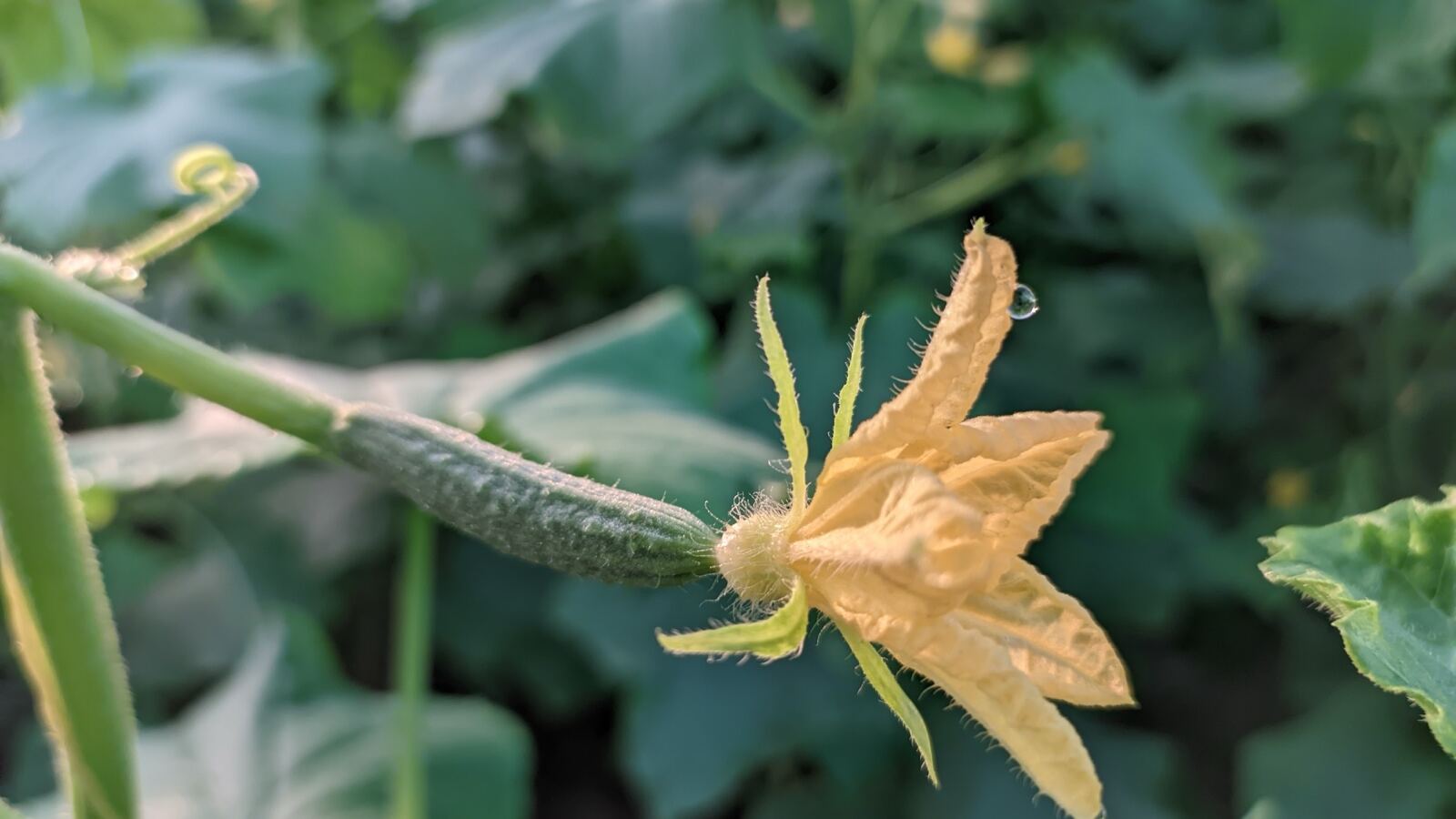
№ 112Cucumbers: All-Female Flowers and Bitter Fruit
Why greenhouse cucumbers must not be pollinated, what makes a cucumber bitter, and the difference between ridge and indoor types.
 № 113
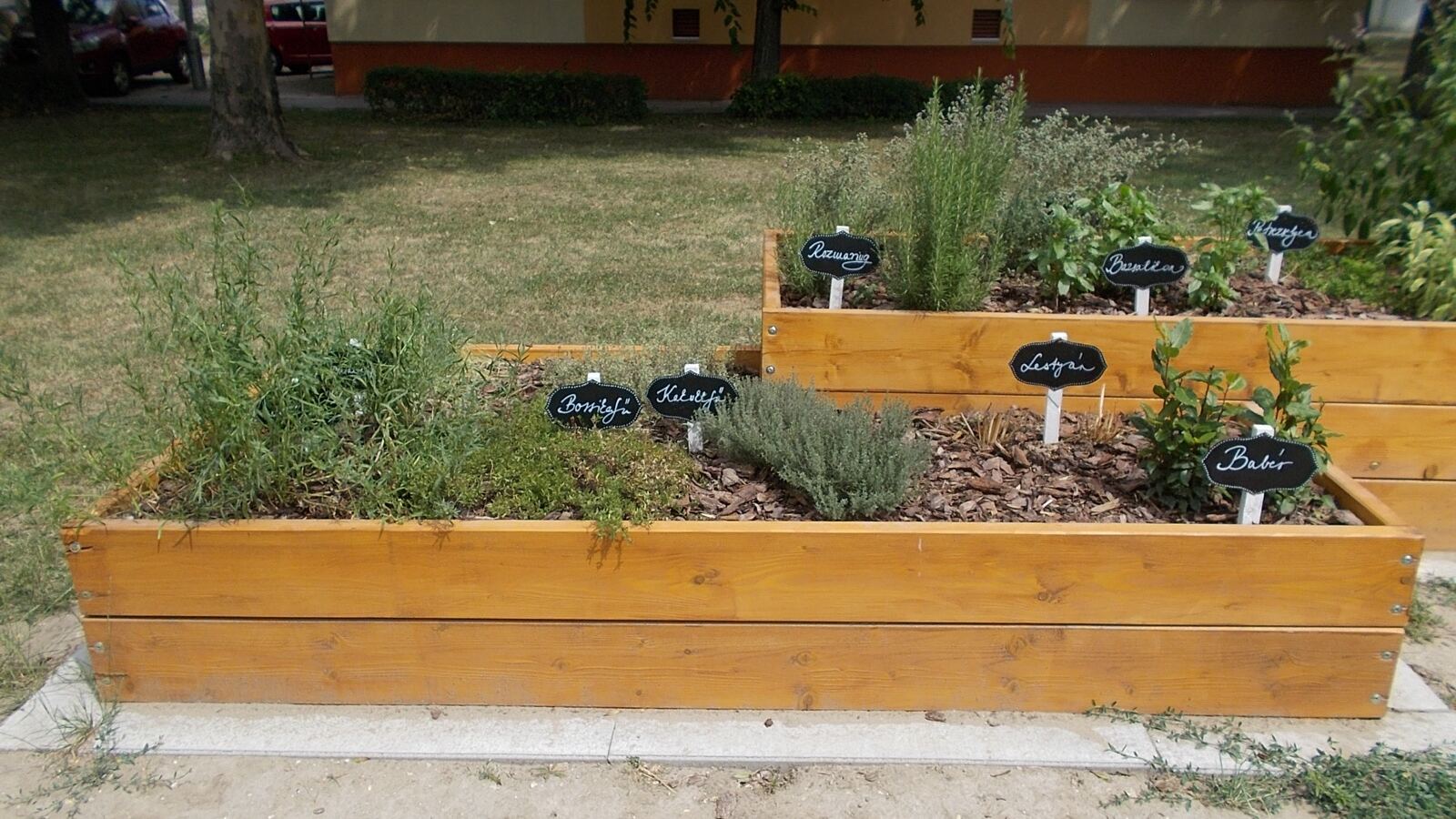
№ 113Culinary Herbs: The Highest Return Per Square Metre
Mediterranean herbs want poverty and drought, soft herbs want richness and water — get that split right and the rest follows.
 № 115
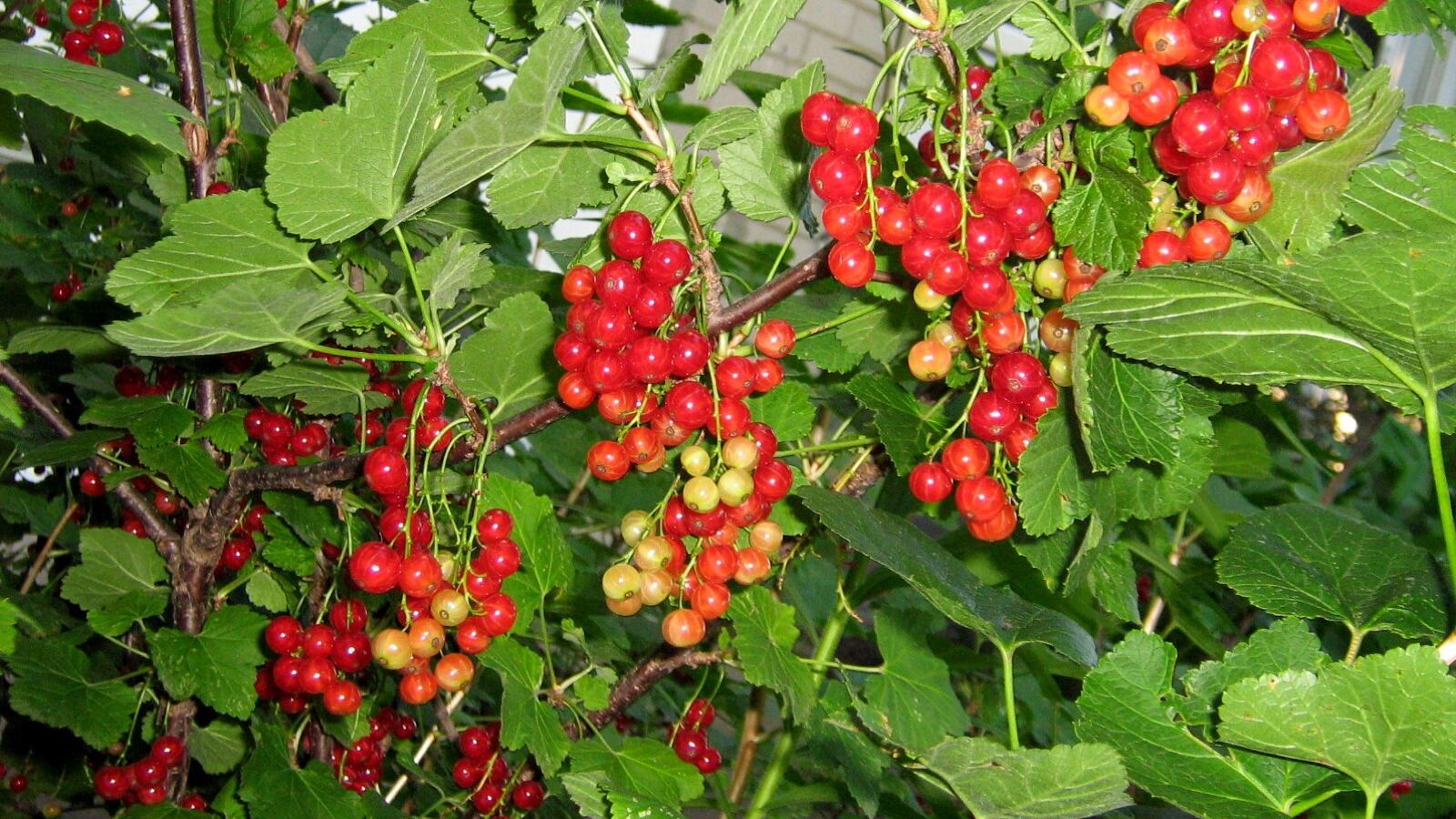
№ 115Currants and Gooseberries: Pruning Is the Whole Skill
Blackcurrants fruit on new wood and reds on old, which is why one is cut to the ground and the other is spur-pruned — plus the rust that got them banned.
 № 160
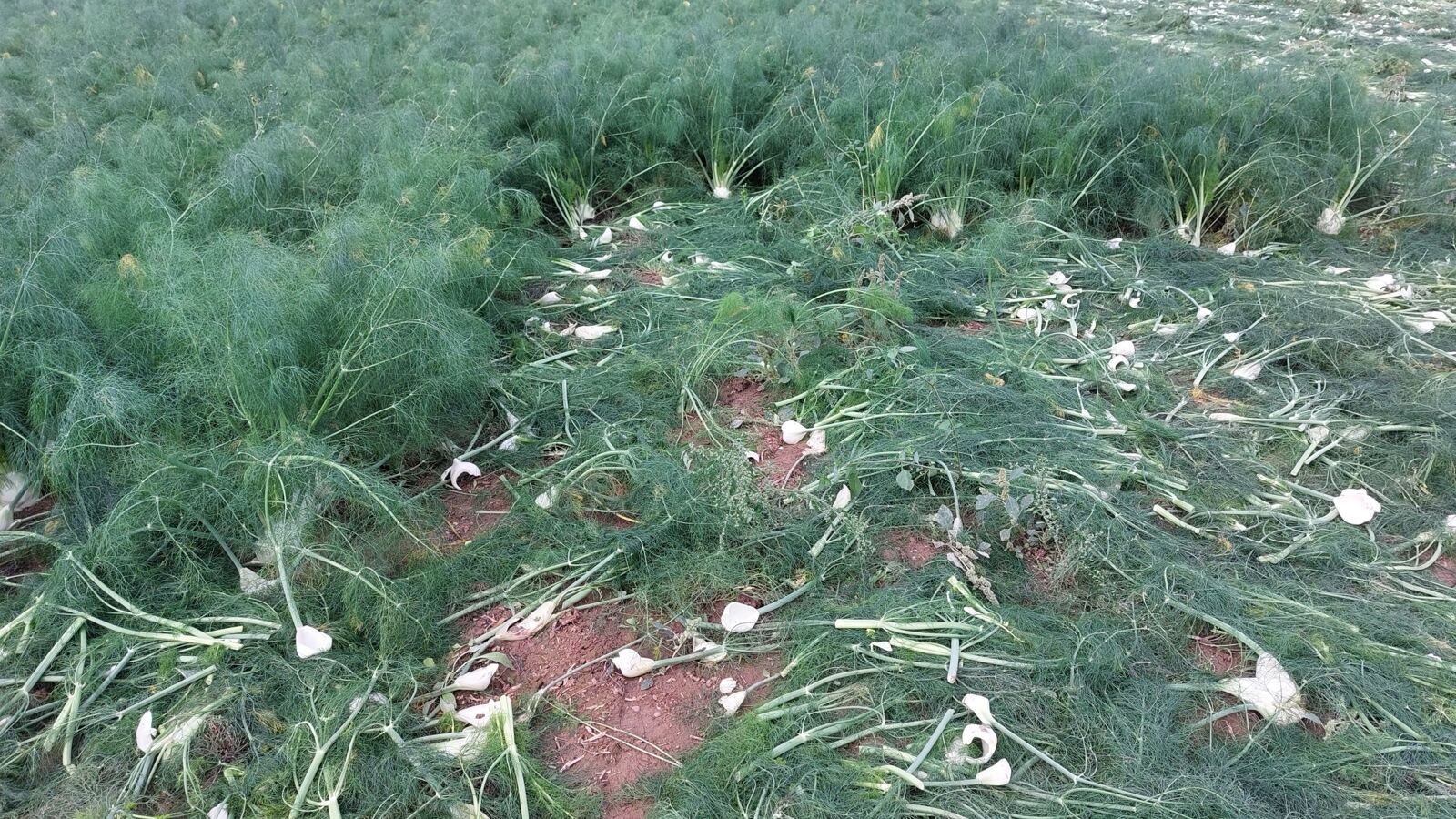
№ 160Fennel and Chicory: Bitterness, Bolting, and Forcing in the Dark
Two crops grown for bitterness — bulb fennel that bolts at any excuse, and chicory roots forced in darkness for winter chicons.
 № 182
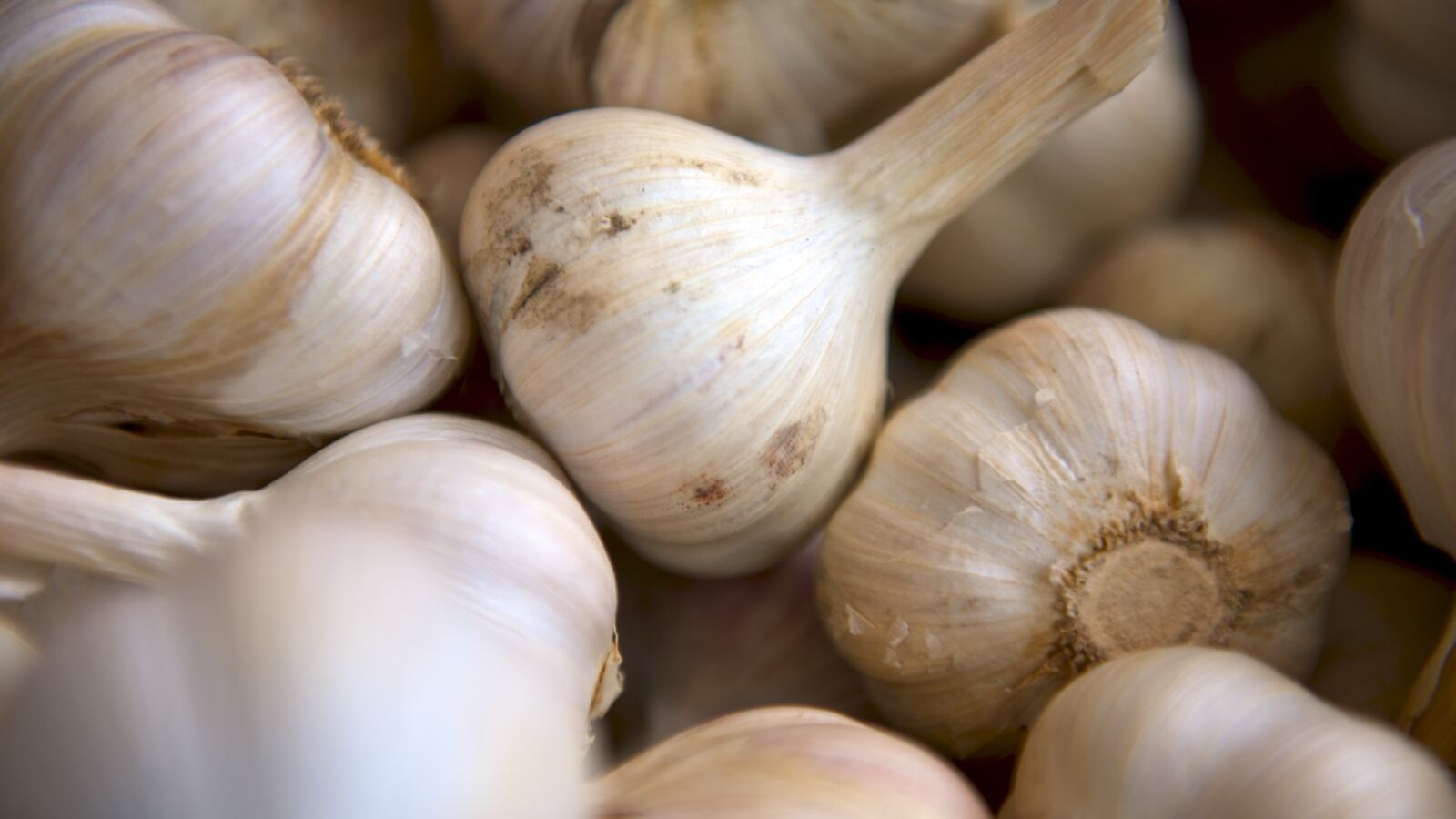
№ 182Garlic: Plant in Autumn, Harvest in Summer
Hardneck against softneck, why garlic needs a cold spell to split into cloves, and the scapes worth cutting.
 № 184
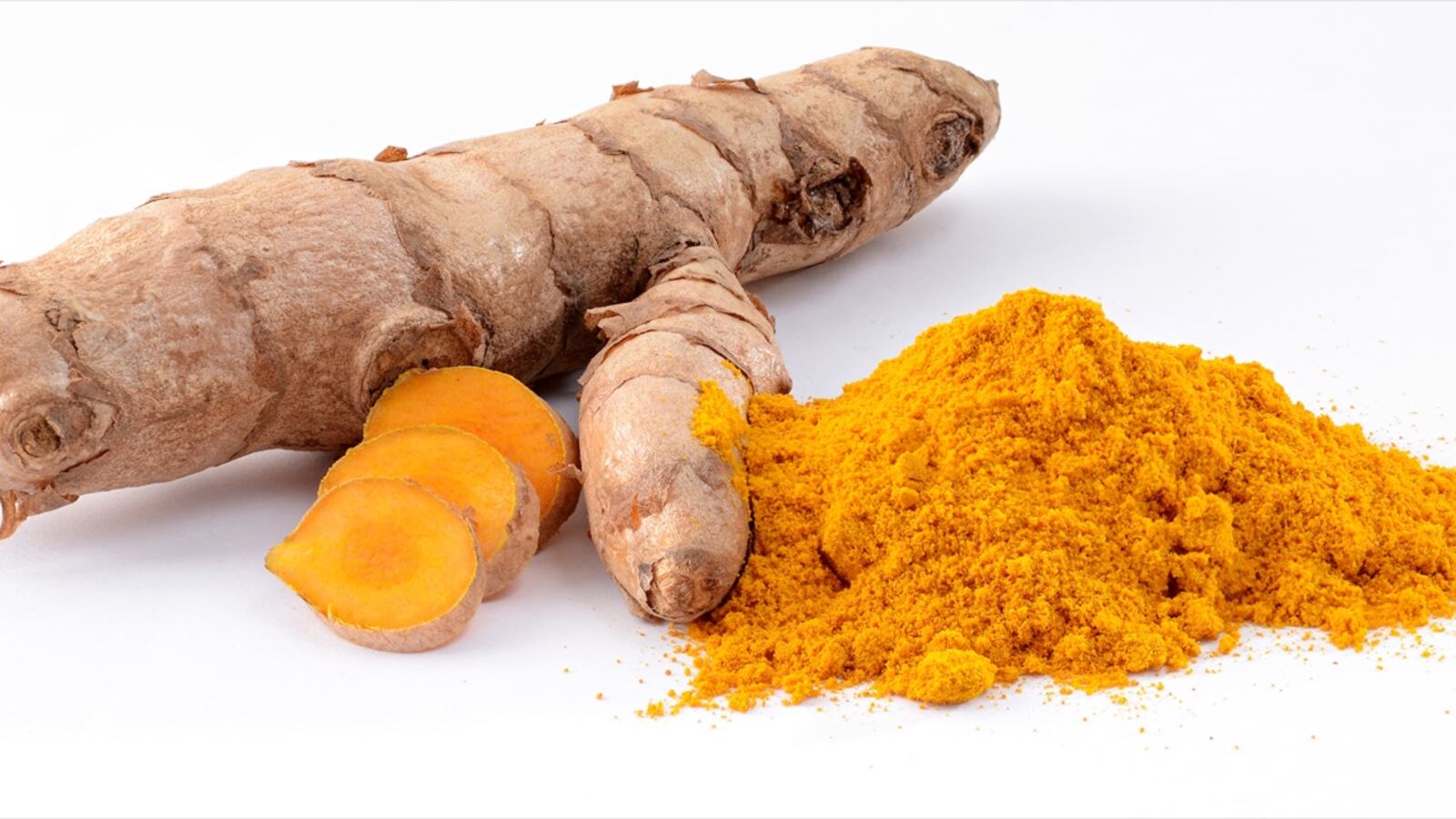
№ 184Ginger and Turmeric: Rhizomes for a Pot
Tropical understorey rhizomes that grow surprisingly well in a container — plus why turmeric stains everything and ginger from a shop may not sprout.
 № 186
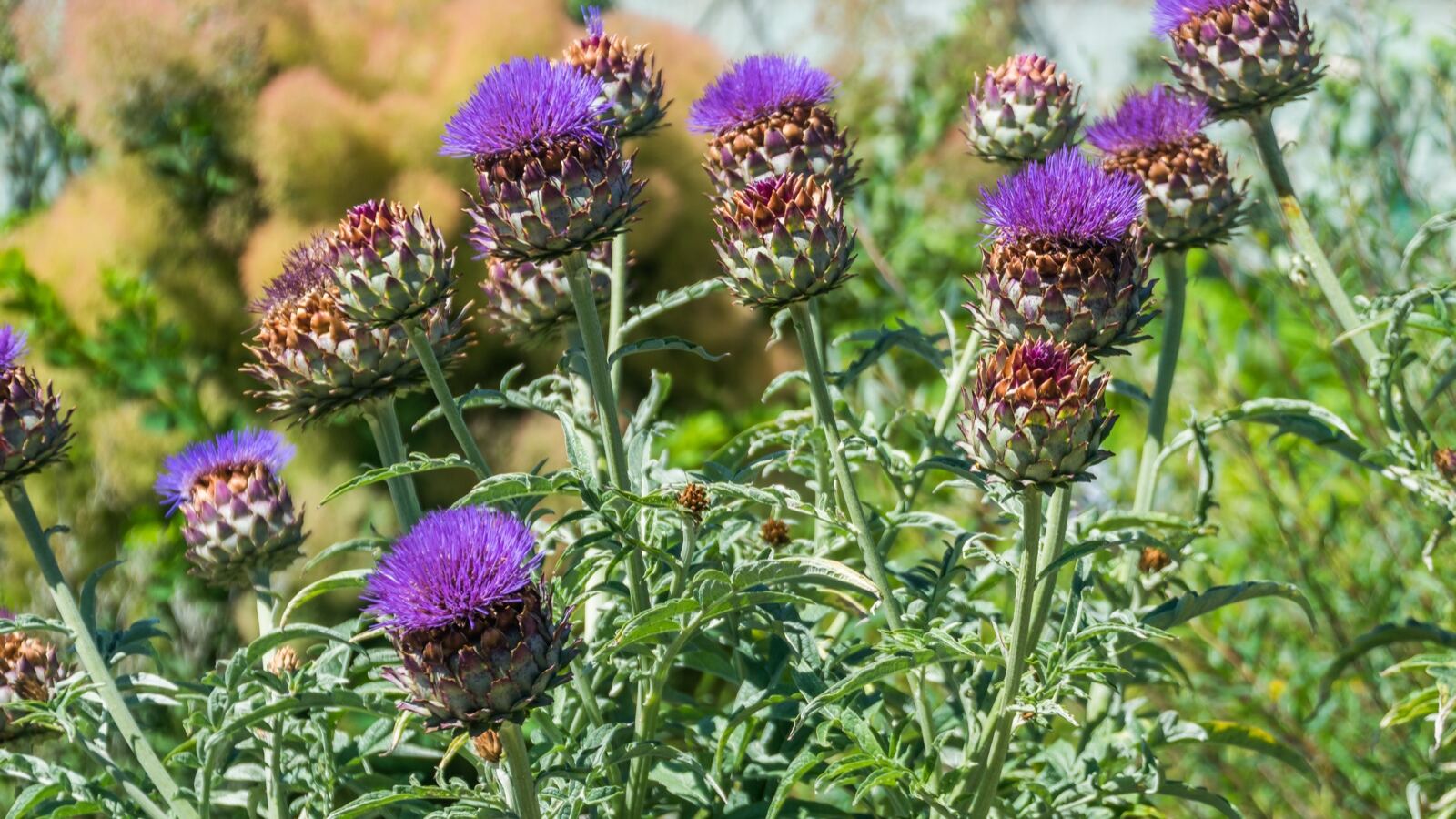
№ 186Globe Artichoke and Cardoon: Eating an Unopened Flower
A thistle grown for its immature flower bud, the compound that makes water taste sweet afterwards, and a perennial that crops for a decade.
 № 194
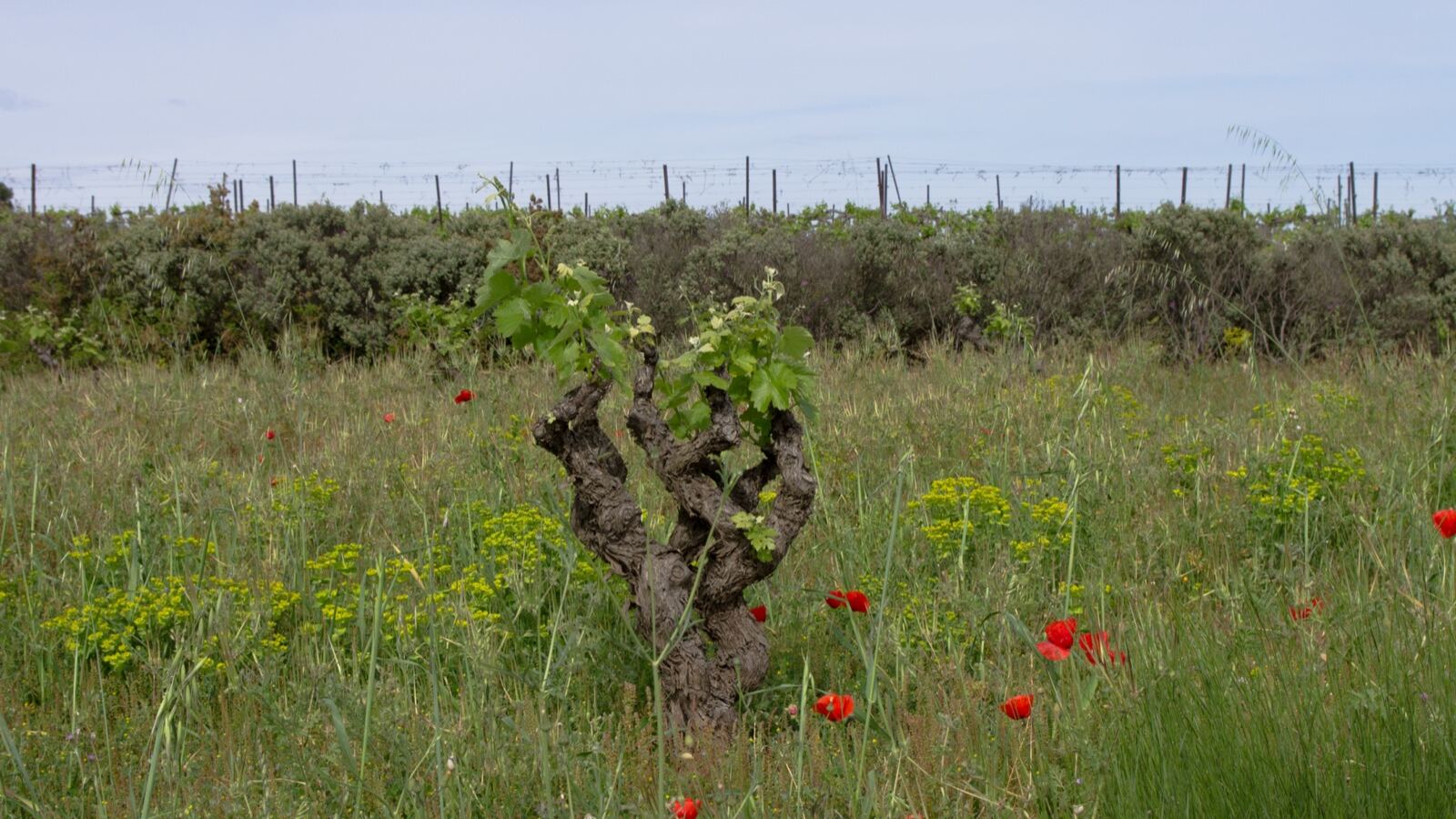
№ 194Grapes: Phylloxera, Rootstocks, and Fruiting on New Wood
An aphid that nearly ended European wine and the American rootstocks that saved it — plus the pruning logic that governs every vine.
 № 238
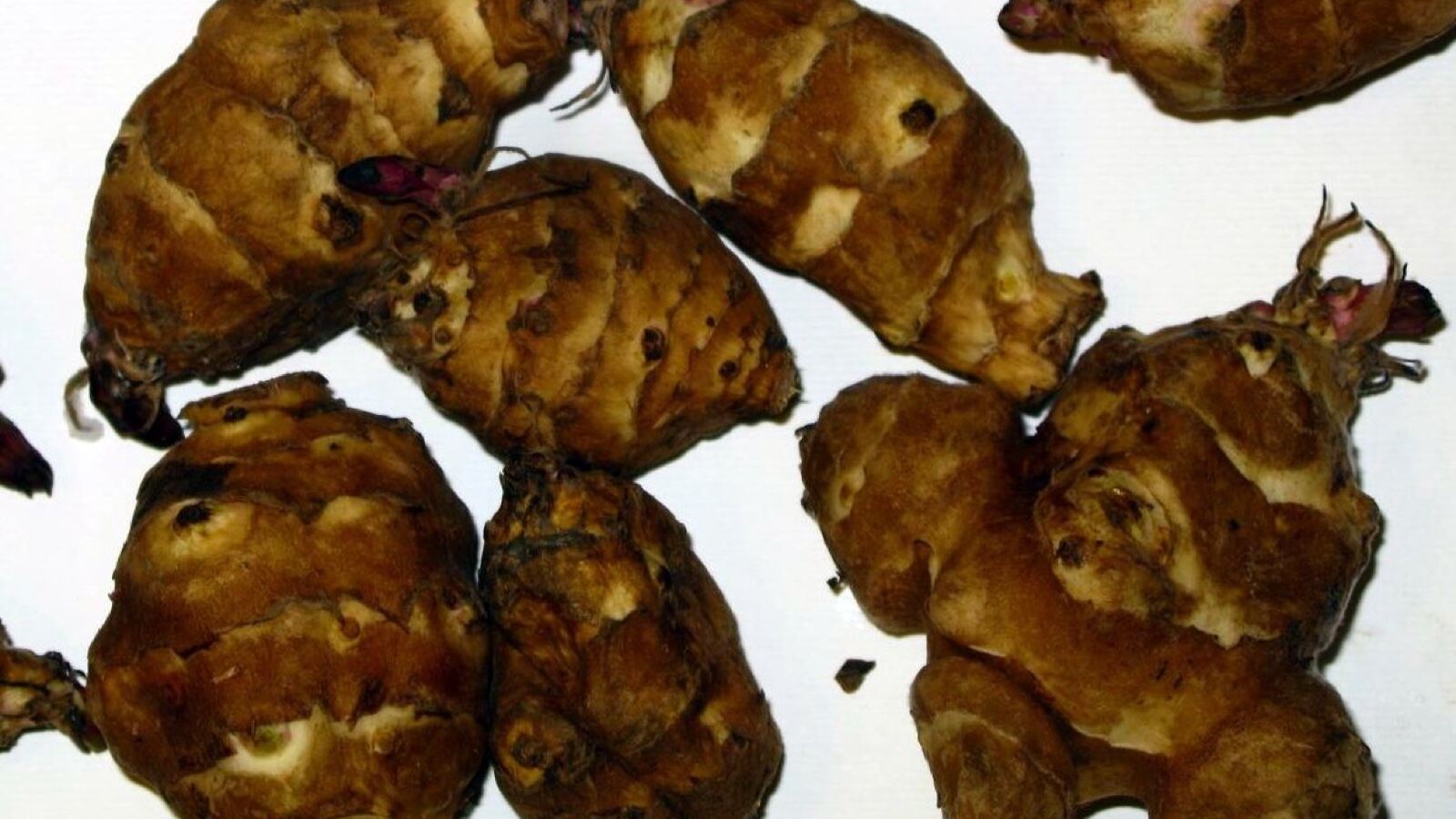
№ 238Jerusalem Artichokes: Unkillable, Productive, Windy
A perennial sunflower storing inulin instead of starch — enormous yields on poor ground, and a plant you must be sure you want.
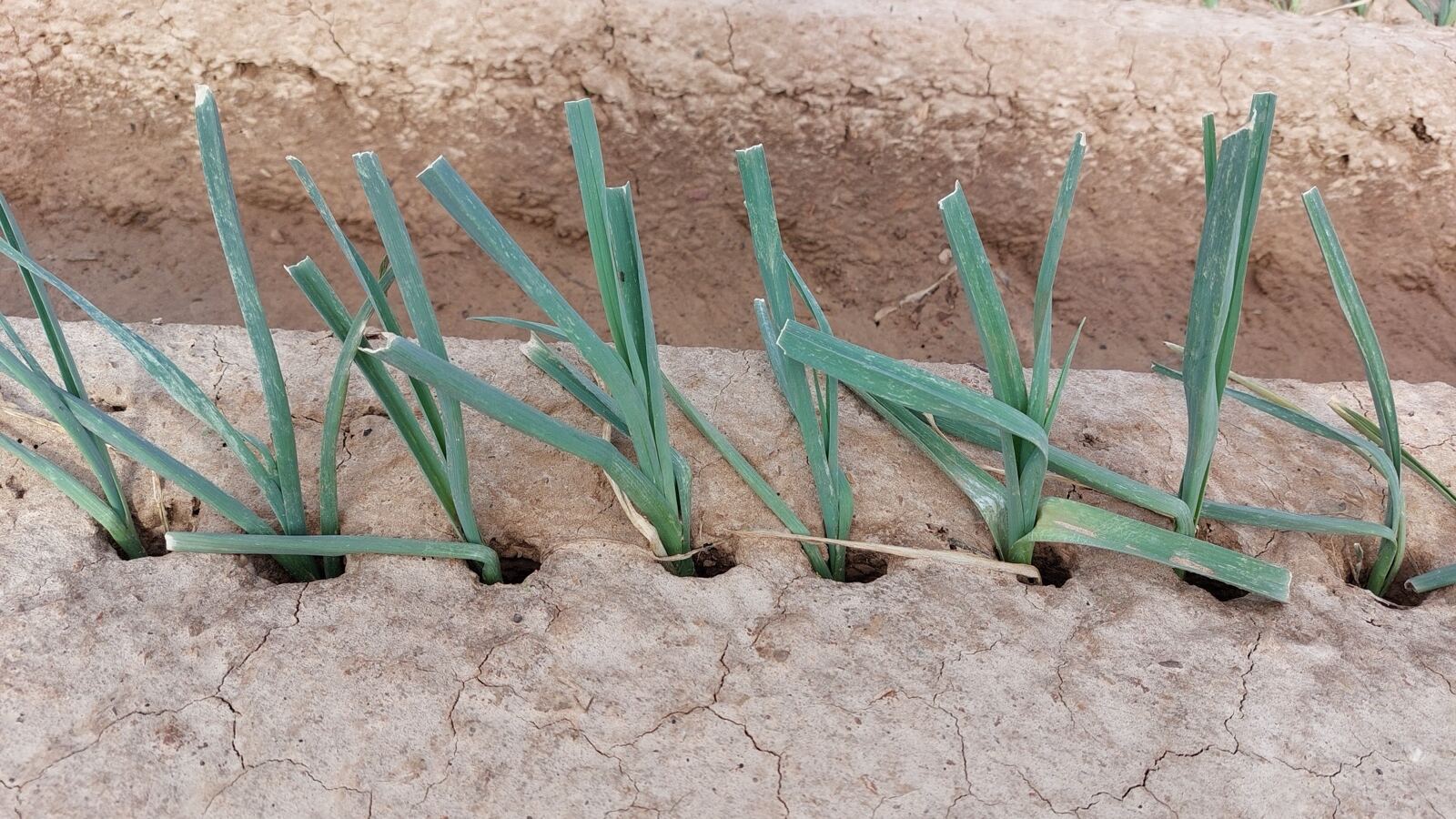 № 262
№ 262Leeks: Standing Through Winter in the Ground
Dibbed deep and puddled in, blanched for white shank, and the hardiest allium — the crop that stores itself outdoors until spring.
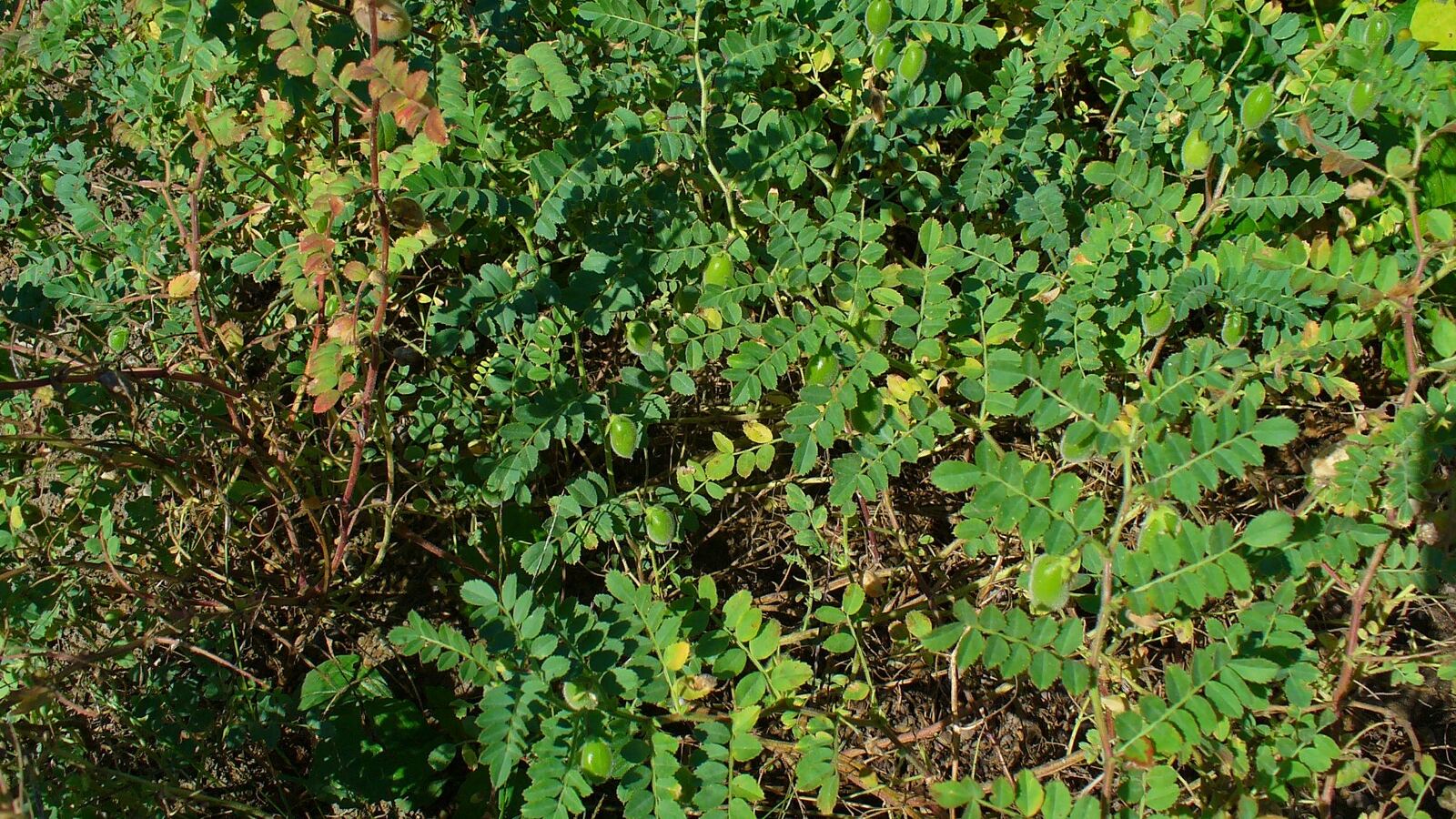 № 263
№ 263Lentils and Chickpeas: Protein That Stores for Years
Dryland pulses that fix their own nitrogen and dry down to a staple — plus why they are the most calorie-dense thing a temperate garden produces.
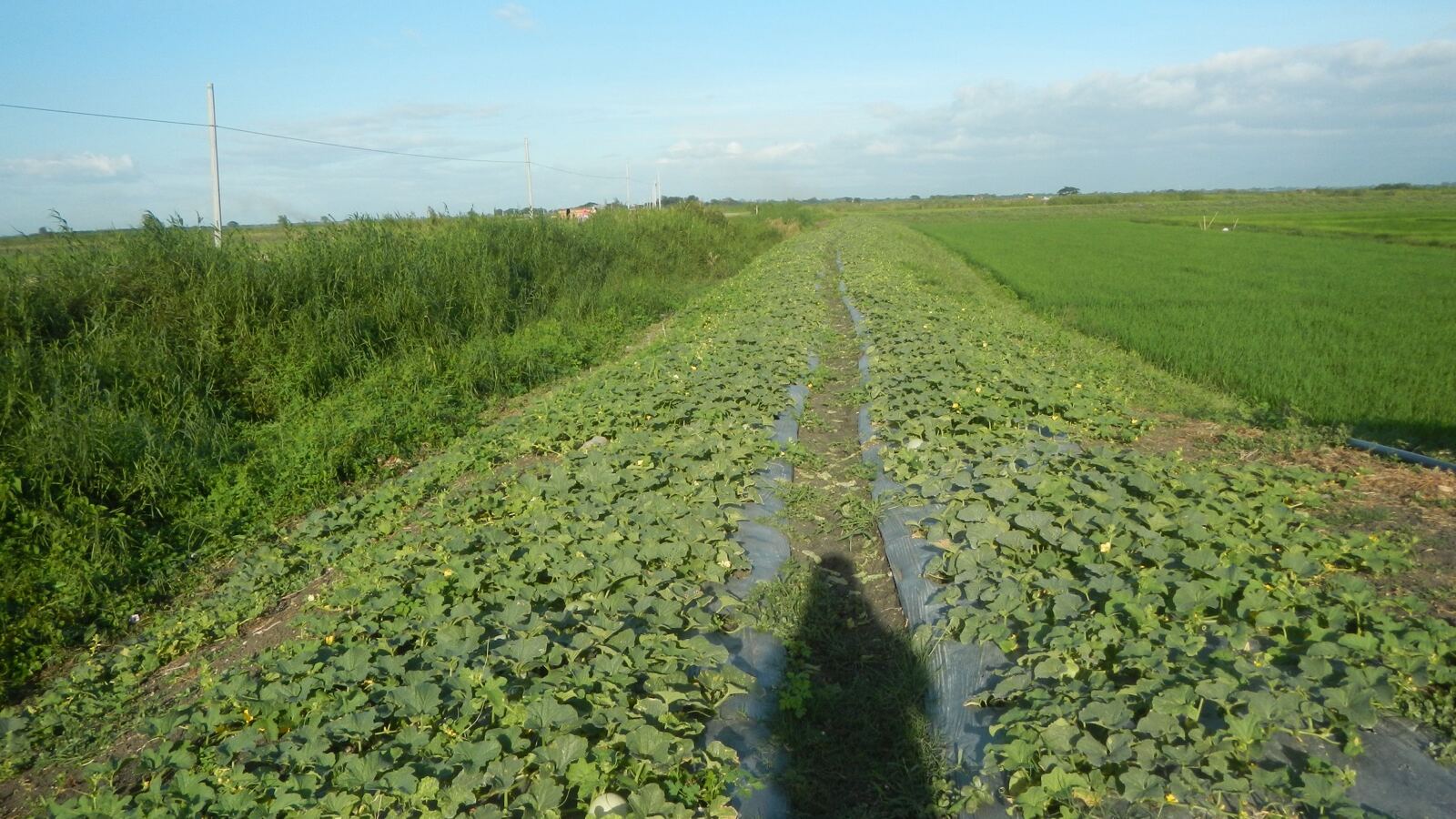 № 289
№ 289Melons: Sugar Arrives in the Last Two Weeks
Ripeness cannot be improved after picking, because melons store no starch — plus the heat, the slip test, and why watermelons are different.
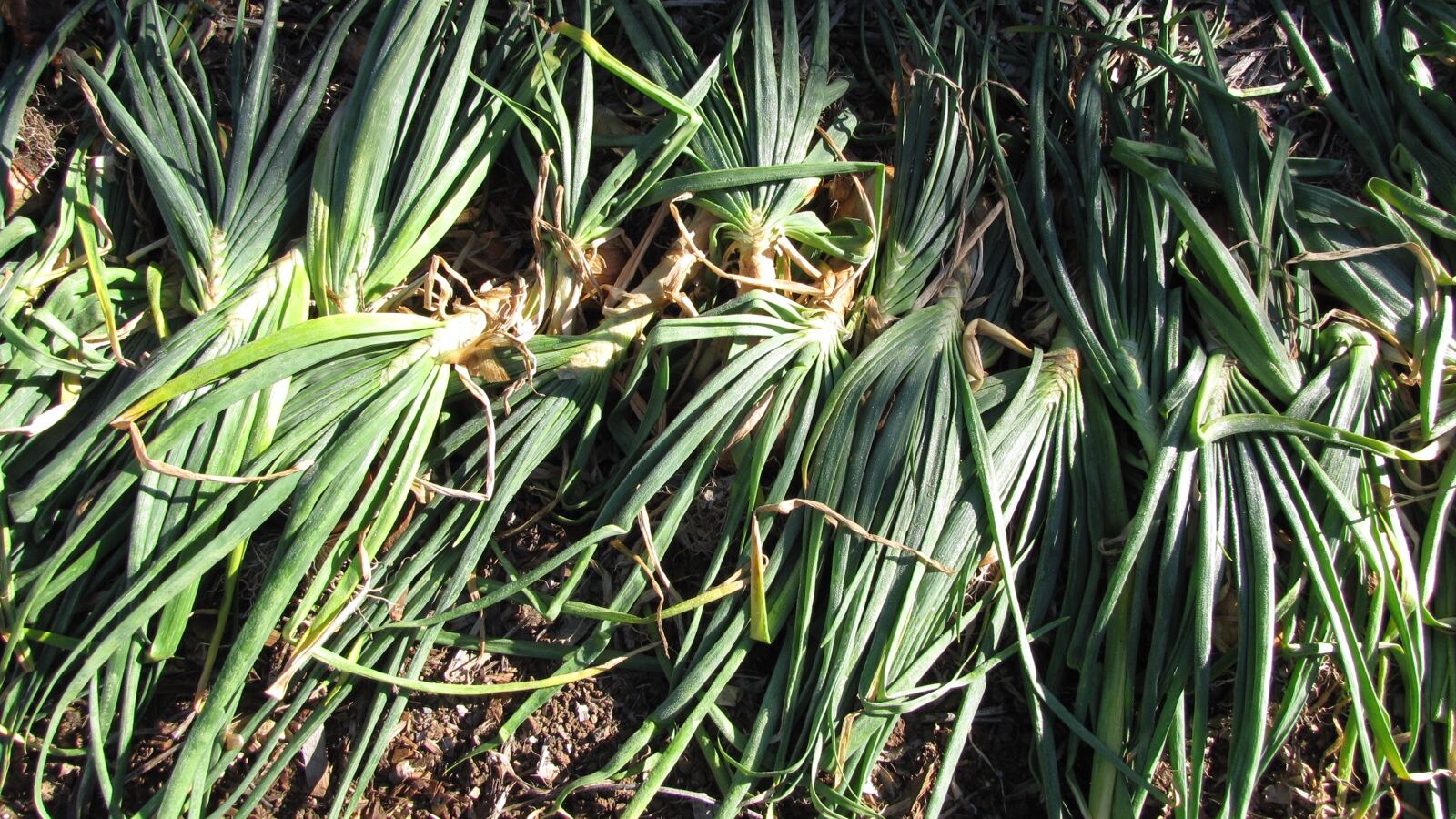 № 331
№ 331Onions: Day Length Decides the Bulb
Why an onion variety from the wrong latitude will never bulb, sets against seed, and the curing that separates a keeper from a rotter.
 № 346
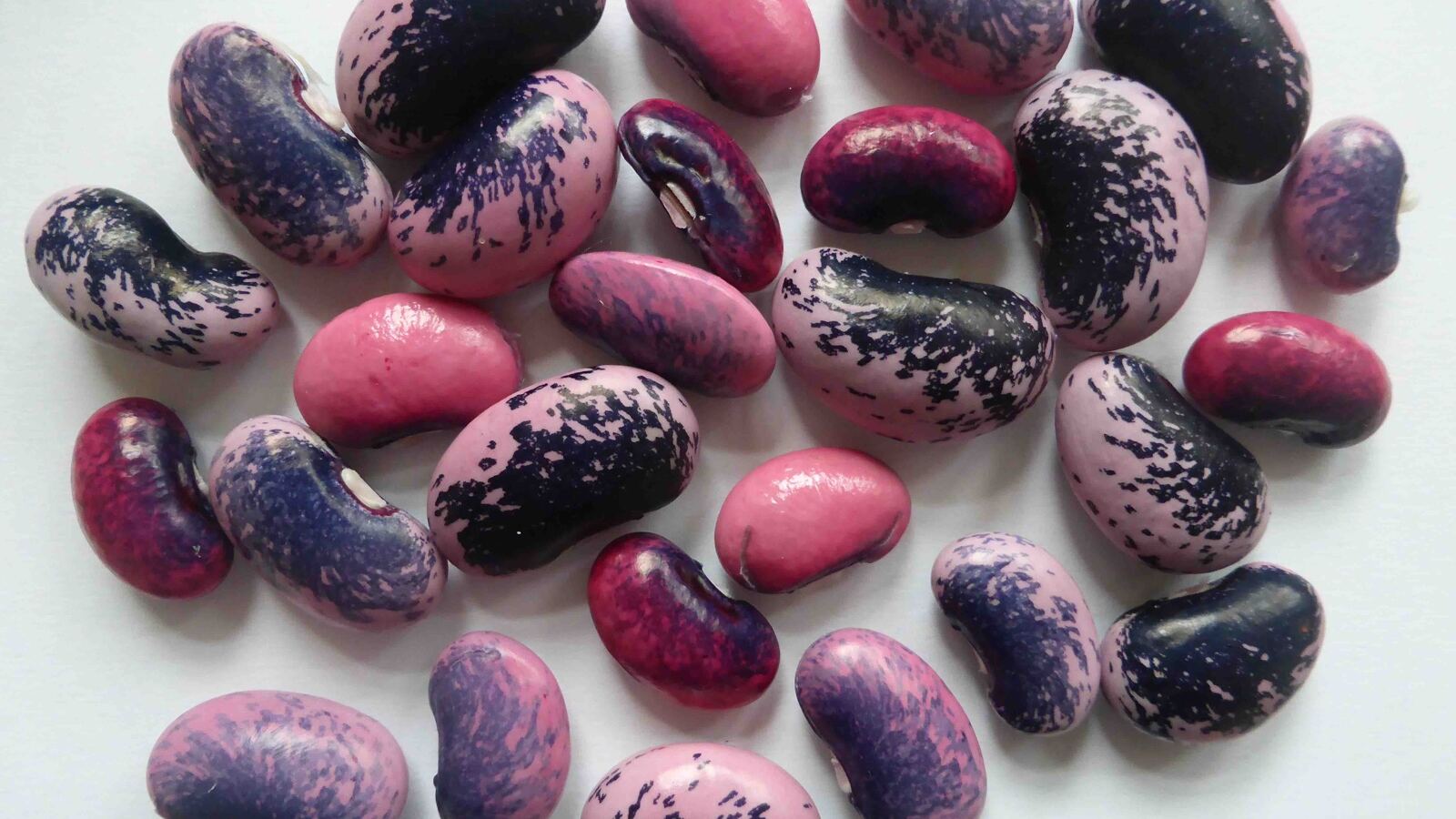
№ 346Peas and Beans: The Crops That Pay Rent
Legumes that fix their own nitrogen, why you cut the tops and leave the roots, and the difference between broad, French, and runner beans.
 № 349
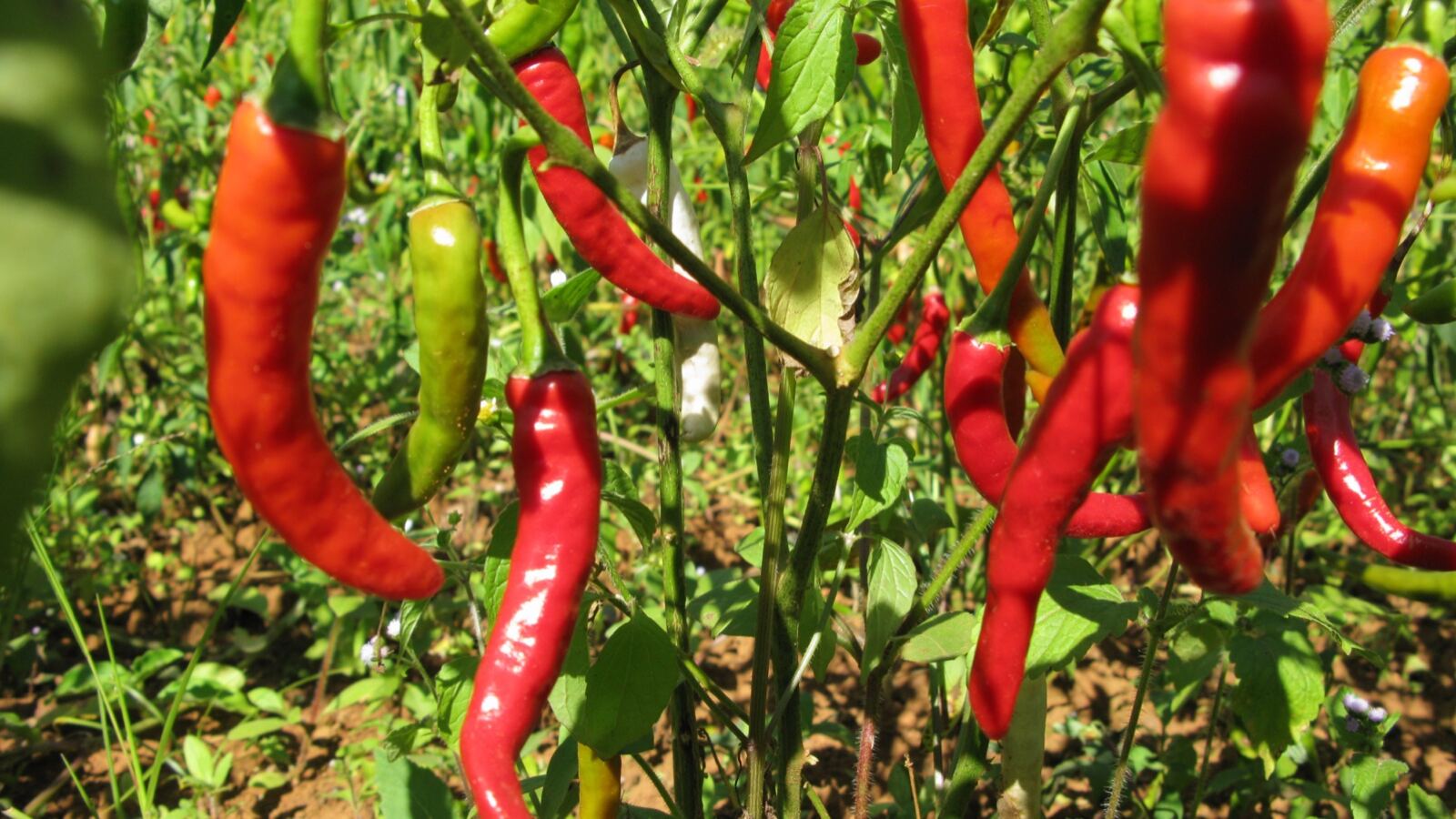
№ 349Peppers and Chillies: One Species, Every Heat Level
The five domesticated Capsicum species, why heat is a defence against mammals, and the warmth these plants need to set fruit at all.
 № 368
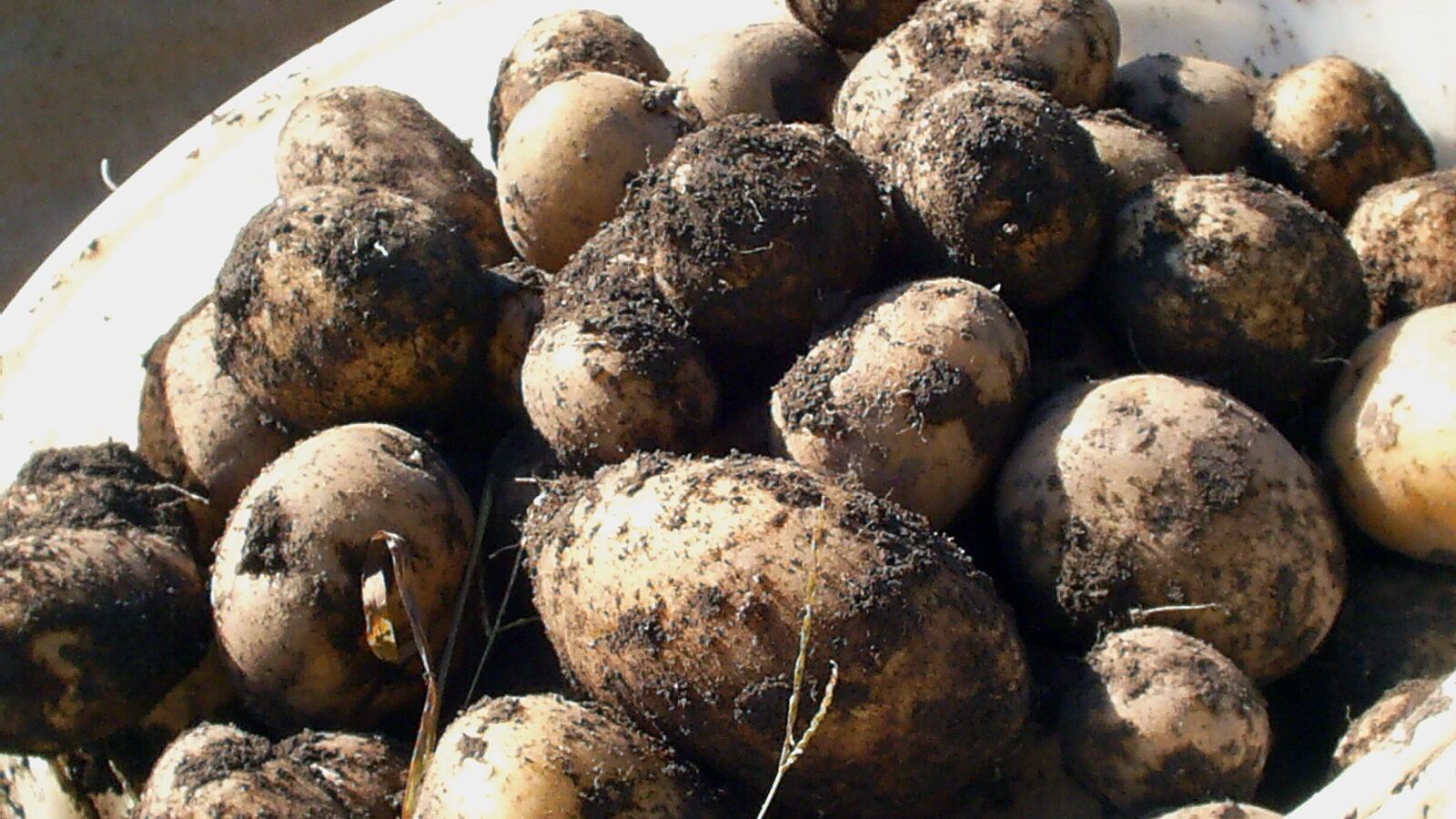
№ 368Potatoes: Earlies, Maincrop, and Why You Earth Them Up
Seed tubers over supermarket spuds, what chitting actually buys you, and the blight timing that decides whether you get a maincrop.
 № 373
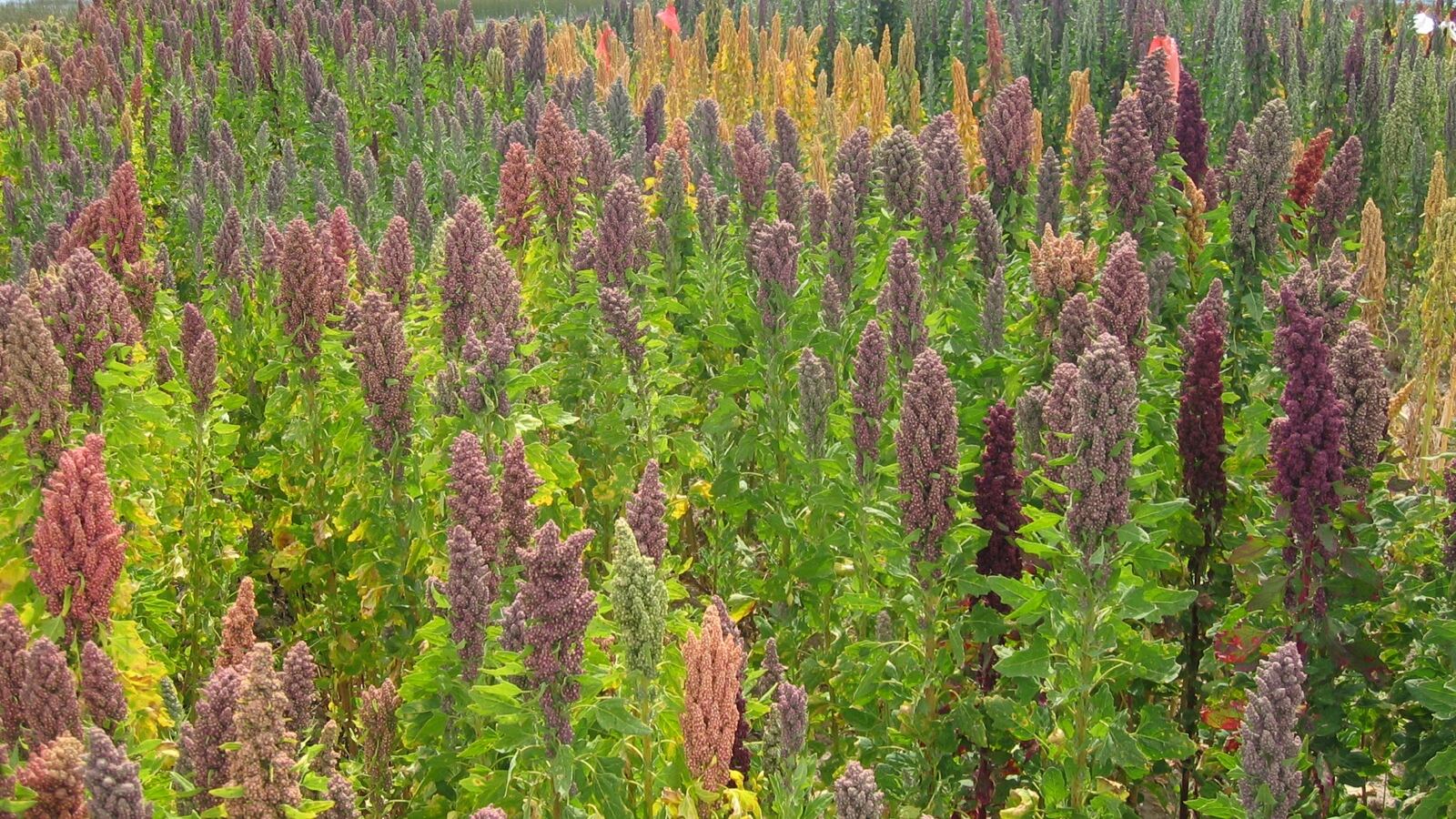
№ 373Buckwheat, Quinoa and Amaranth: The Grains That Are Not Grasses
Broadleaf crops used like grain — buckwheat's 30-day cover crop turnaround, quinoa's saponin coat, and the boom that priced out its growers.
 № 380
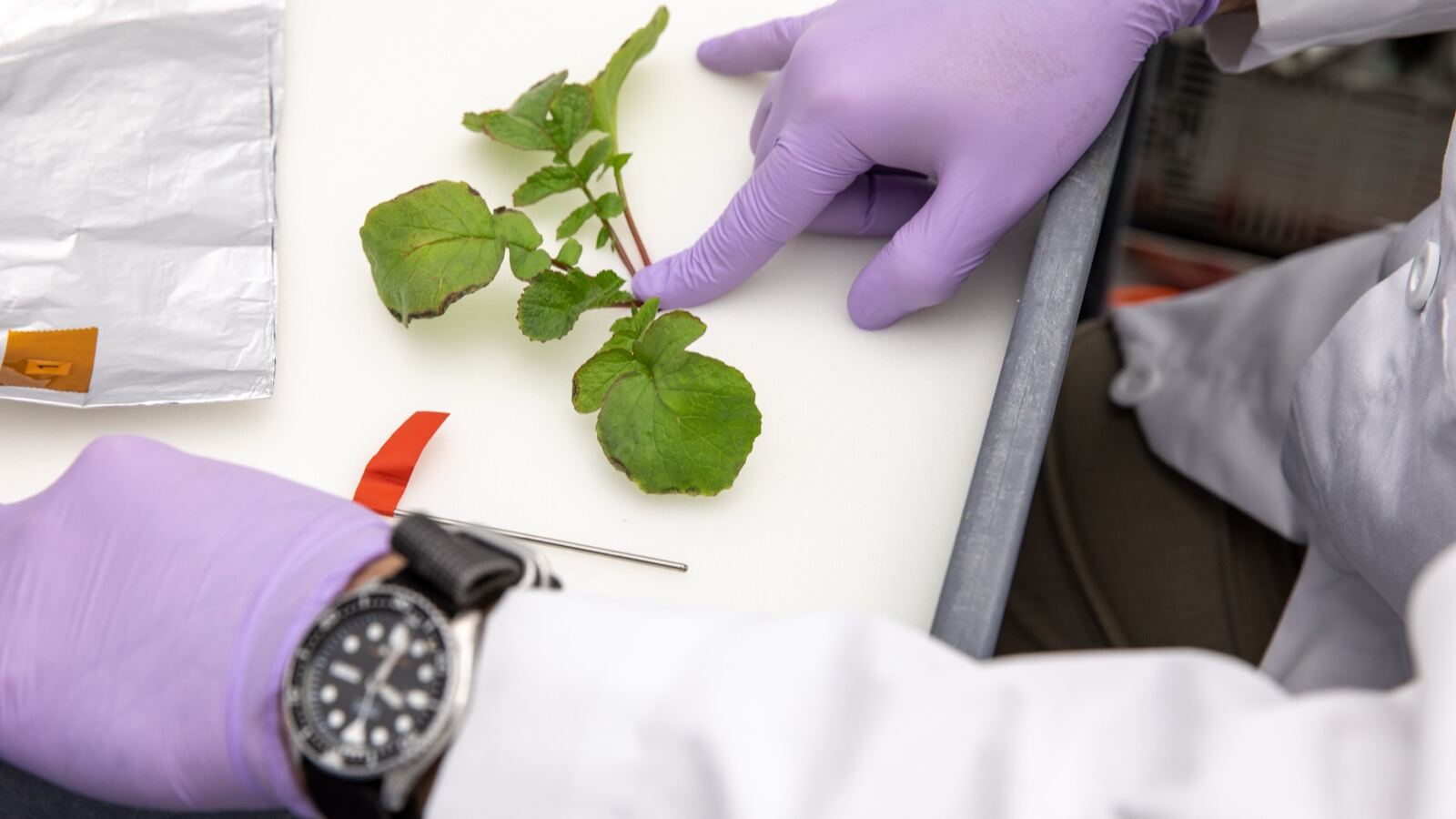
№ 380Radishes: Three Weeks From Sowing to Plate
The fastest crop in the garden, why they go hot and hollow, and the winter types that are a different vegetable entirely.
 № 393
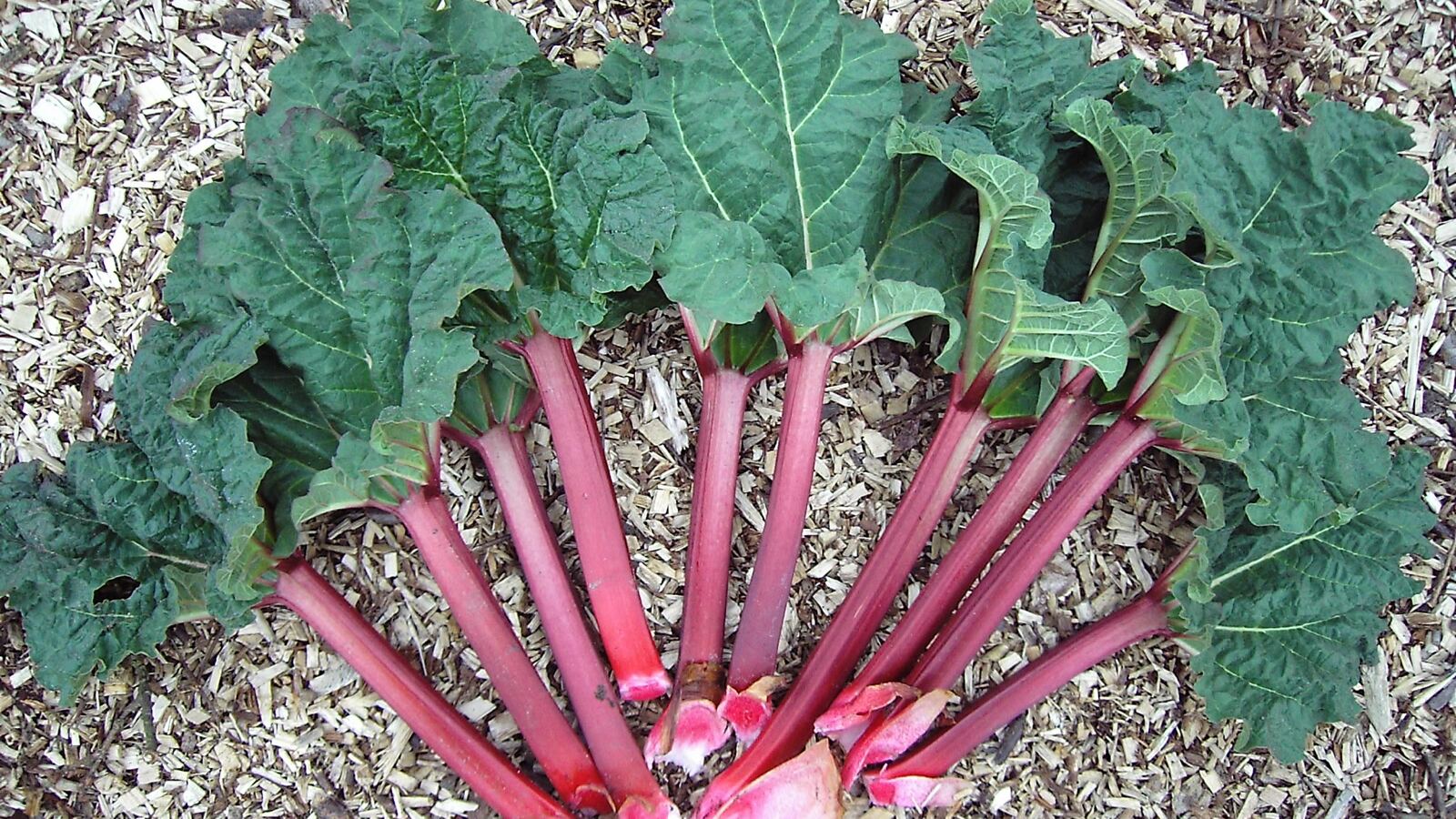
№ 393Rhubarb: A Vegetable Everyone Treats as Fruit
Forcing for early tender stalks, why the leaves are poisonous, and the perennial that produces for decades on almost no attention.
 № 394
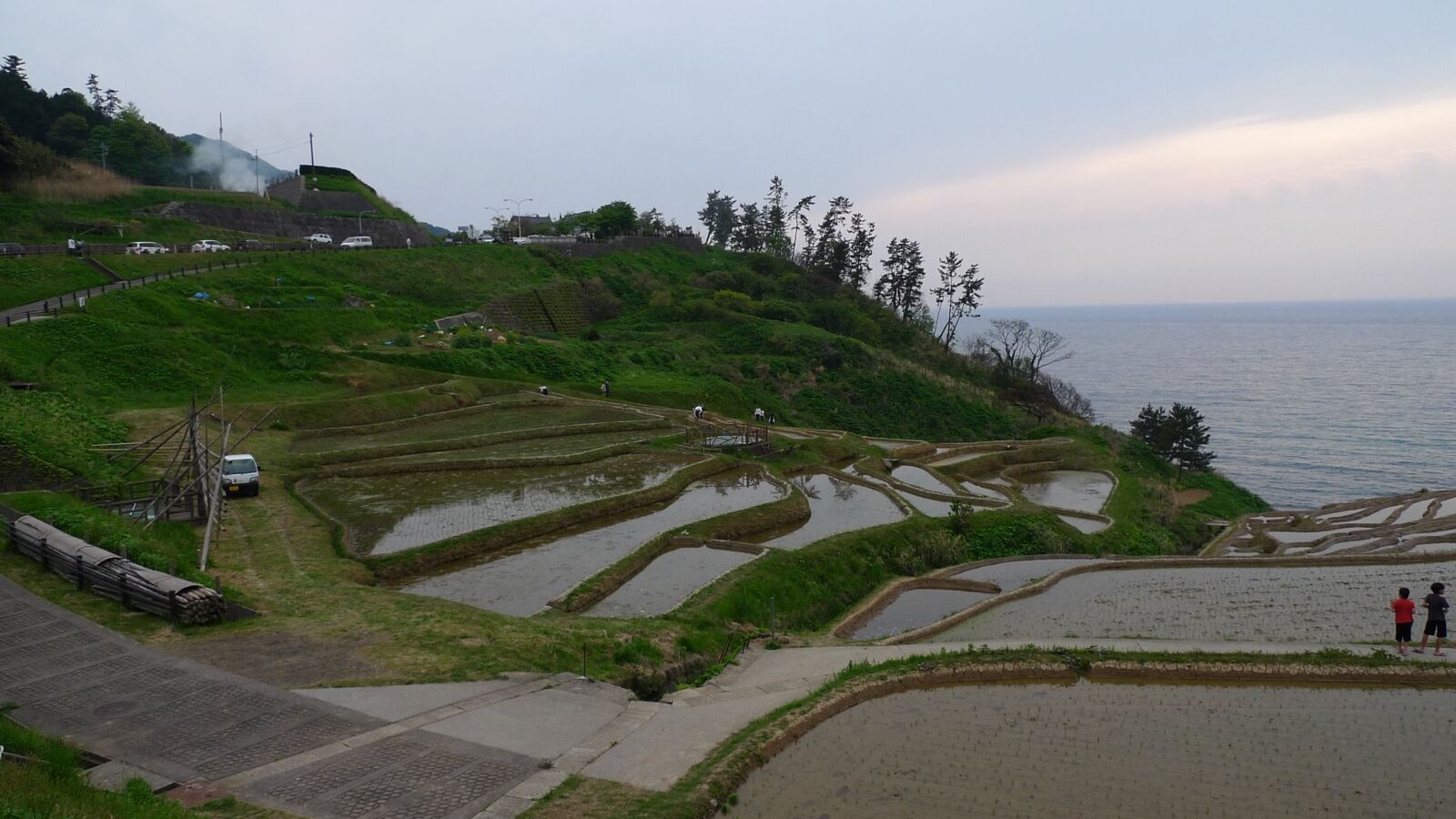
№ 394Rice: Paddies, Methane, and the System of Rice Intensification
Why flooding a field is weed control rather than a water requirement — and what happens to yields and emissions when you stop.
 № 403
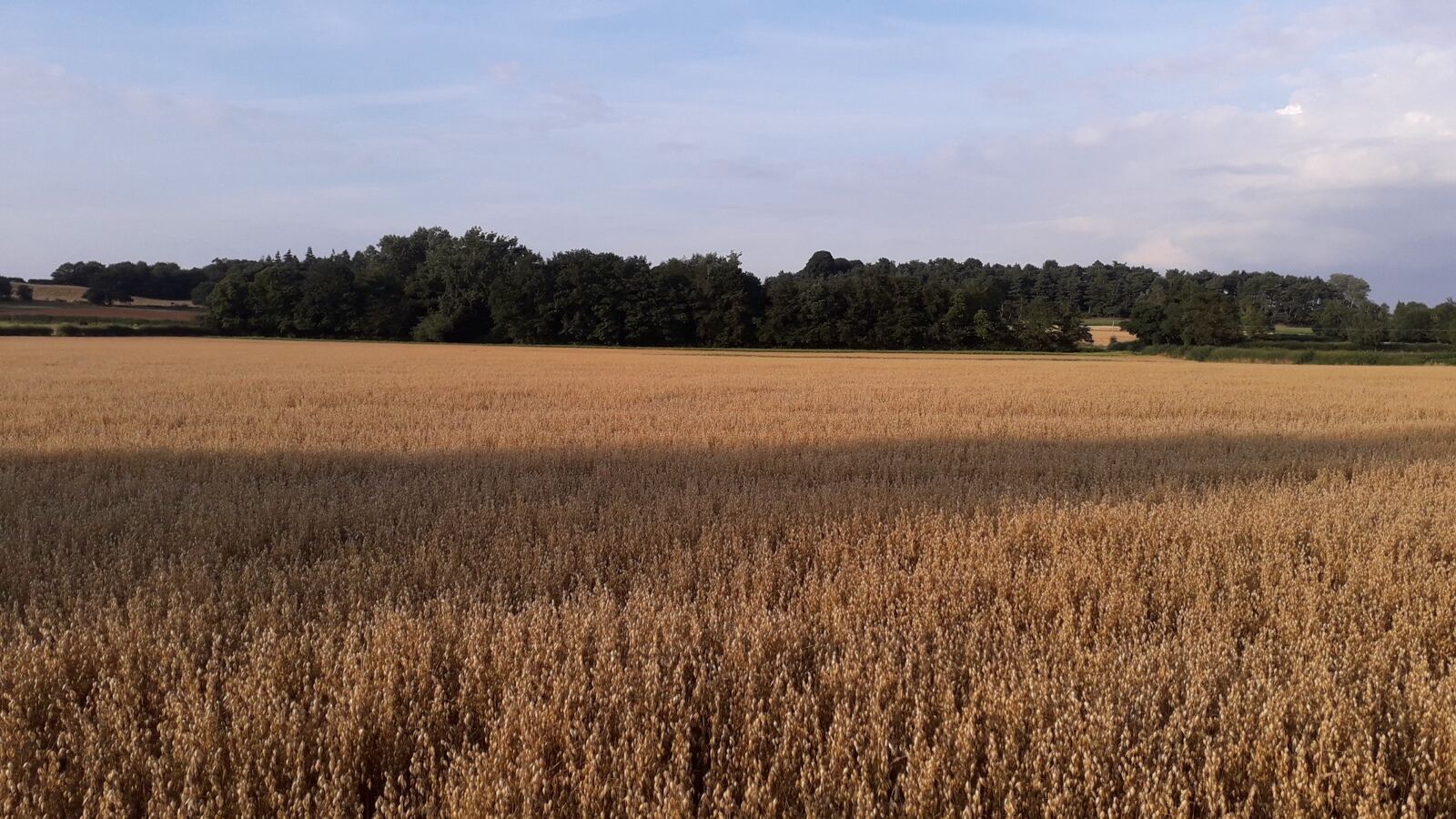
№ 403Rye and Oats: The Grains for Ground Nothing Else Wants
Weeds that became crops — rye's allelopathy and cold tolerance, oats' beta-glucan, and both as the best cover crops available.
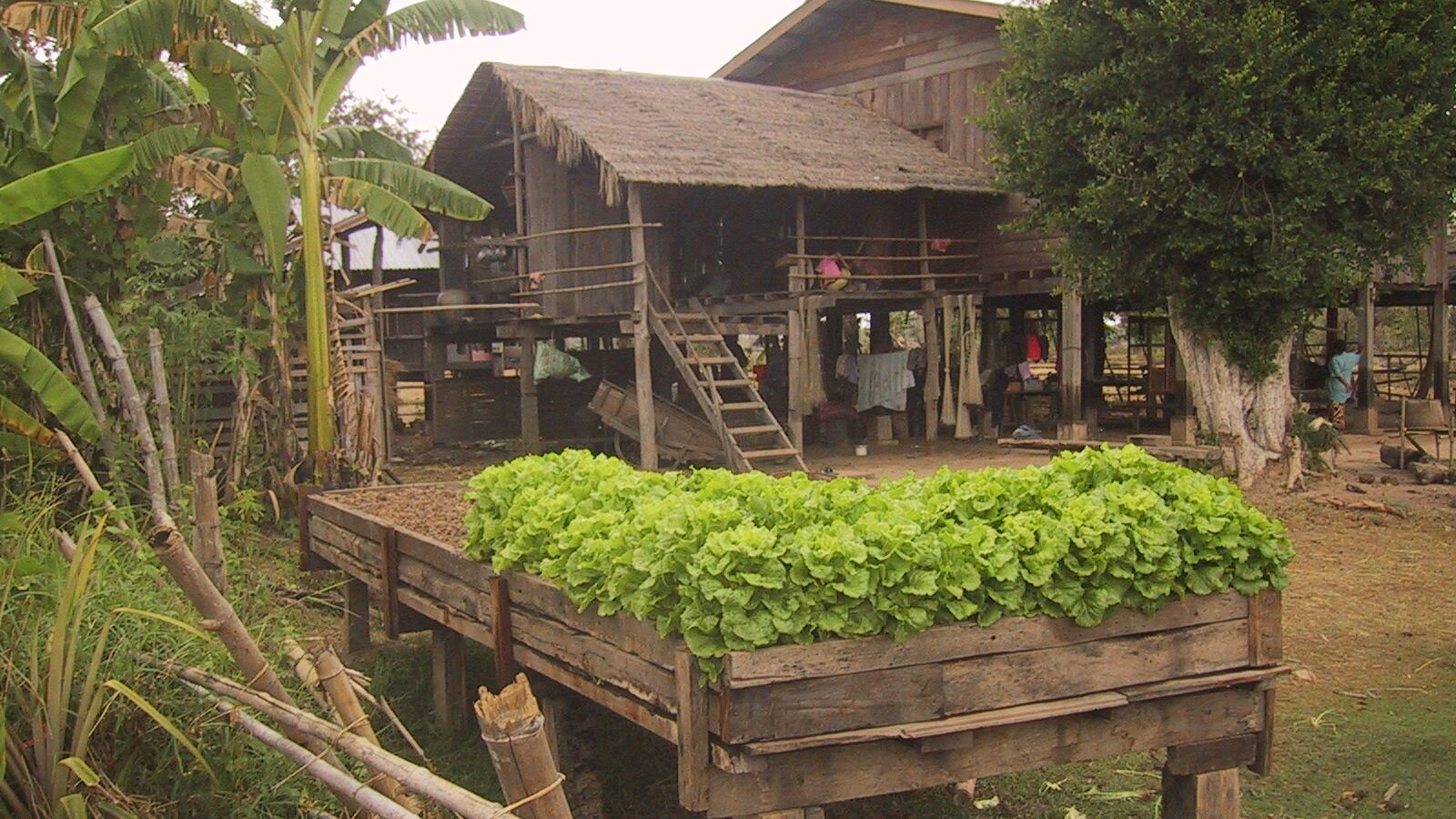 № 406
№ 406Salad Leaves: Cut and Come Again
Lettuce, rocket, mustards and chicory grown for continuous picking — bolting, bitterness, and how to keep leaves coming all year.
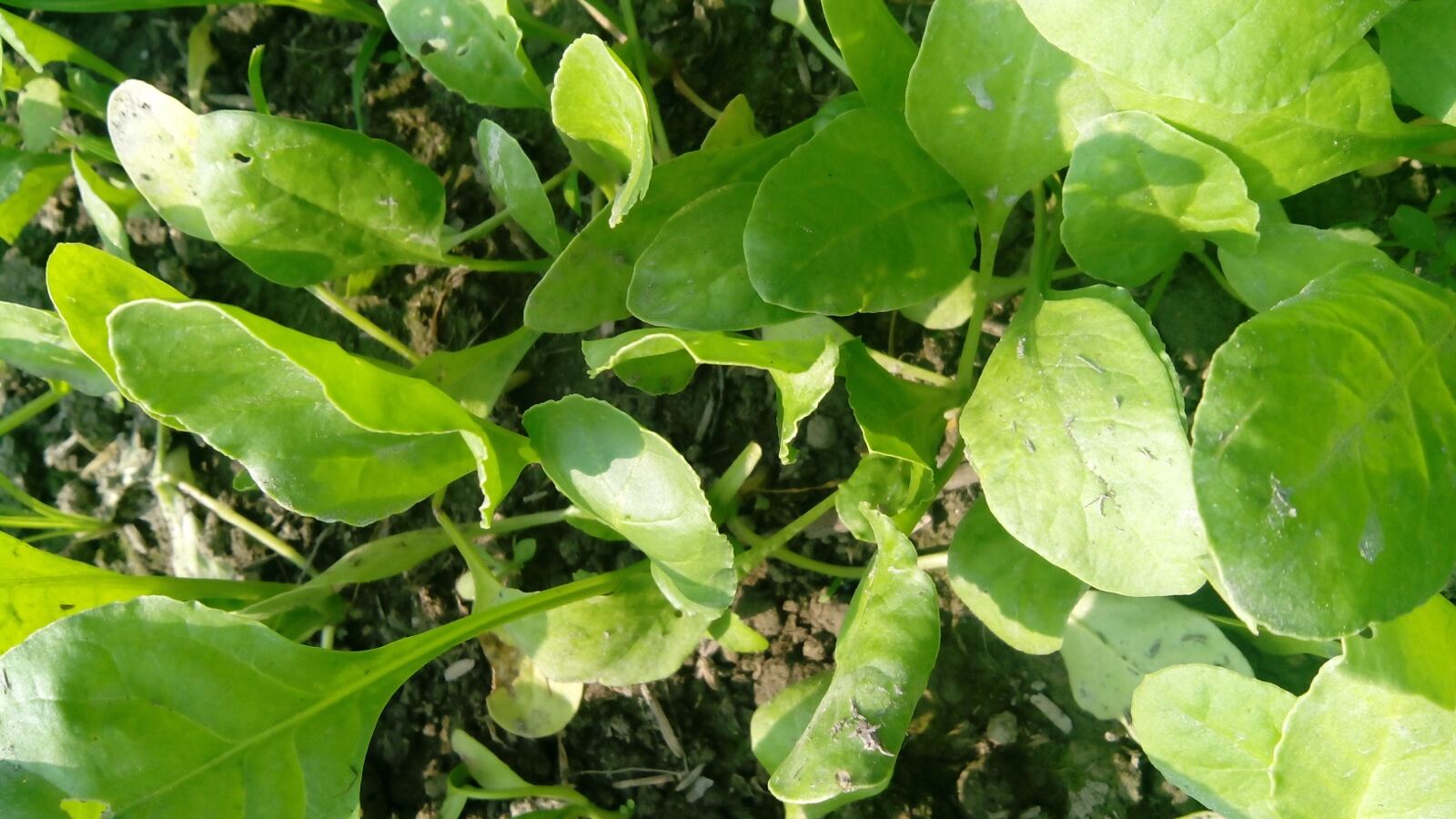 № 454
№ 454Spinach: Bolts the Moment You Turn Your Back
A long-day bolter that wants cold, why the oxalic acid matters, and the hot-climate substitutes that do the same job in summer.
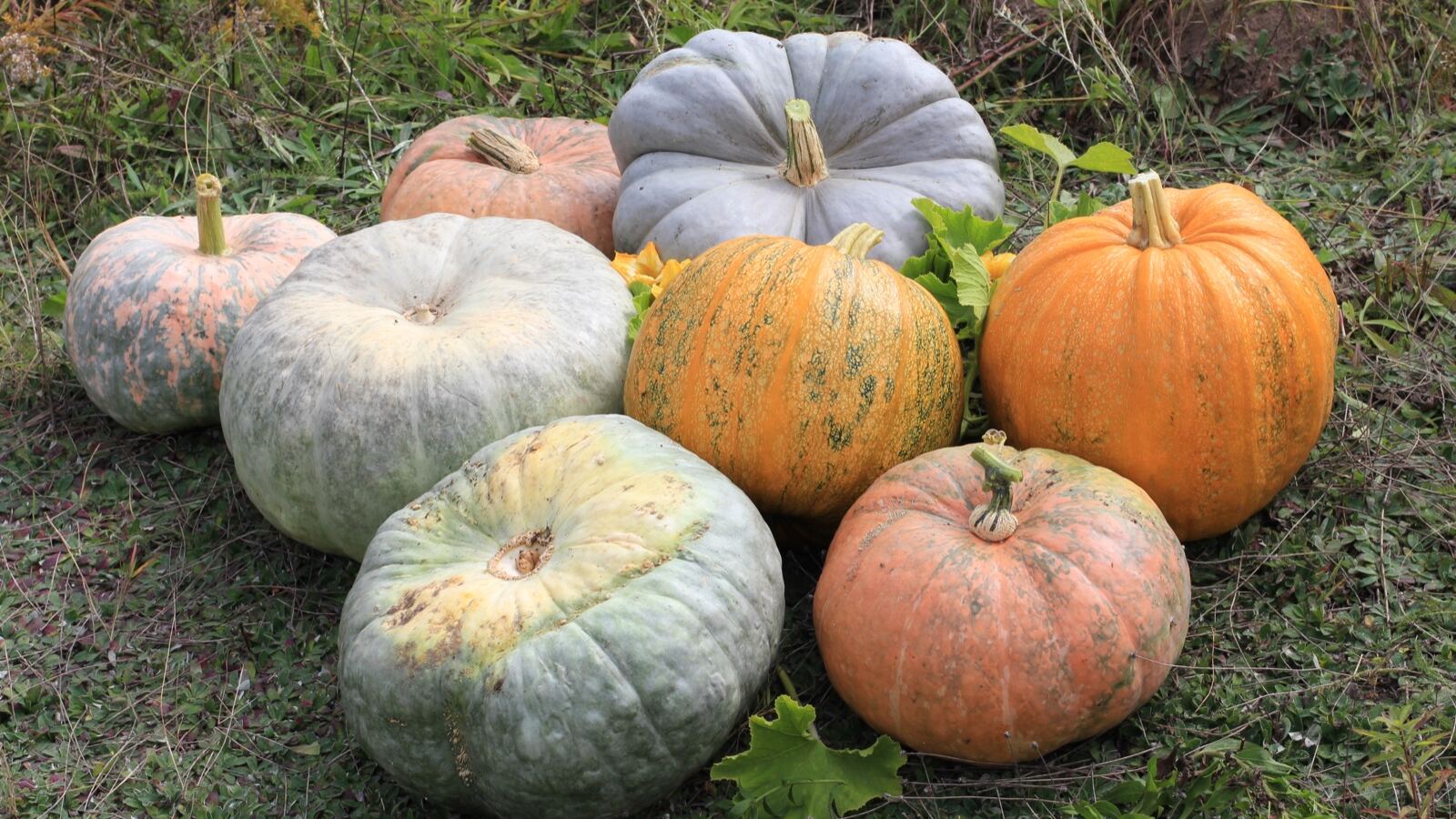 № 458
№ 458Squash and Courgettes: Separate Flowers, Huge Appetite
Male and female flowers on the same plant, why fruit rots at the tip, and the difference between a summer squash and a keeper.
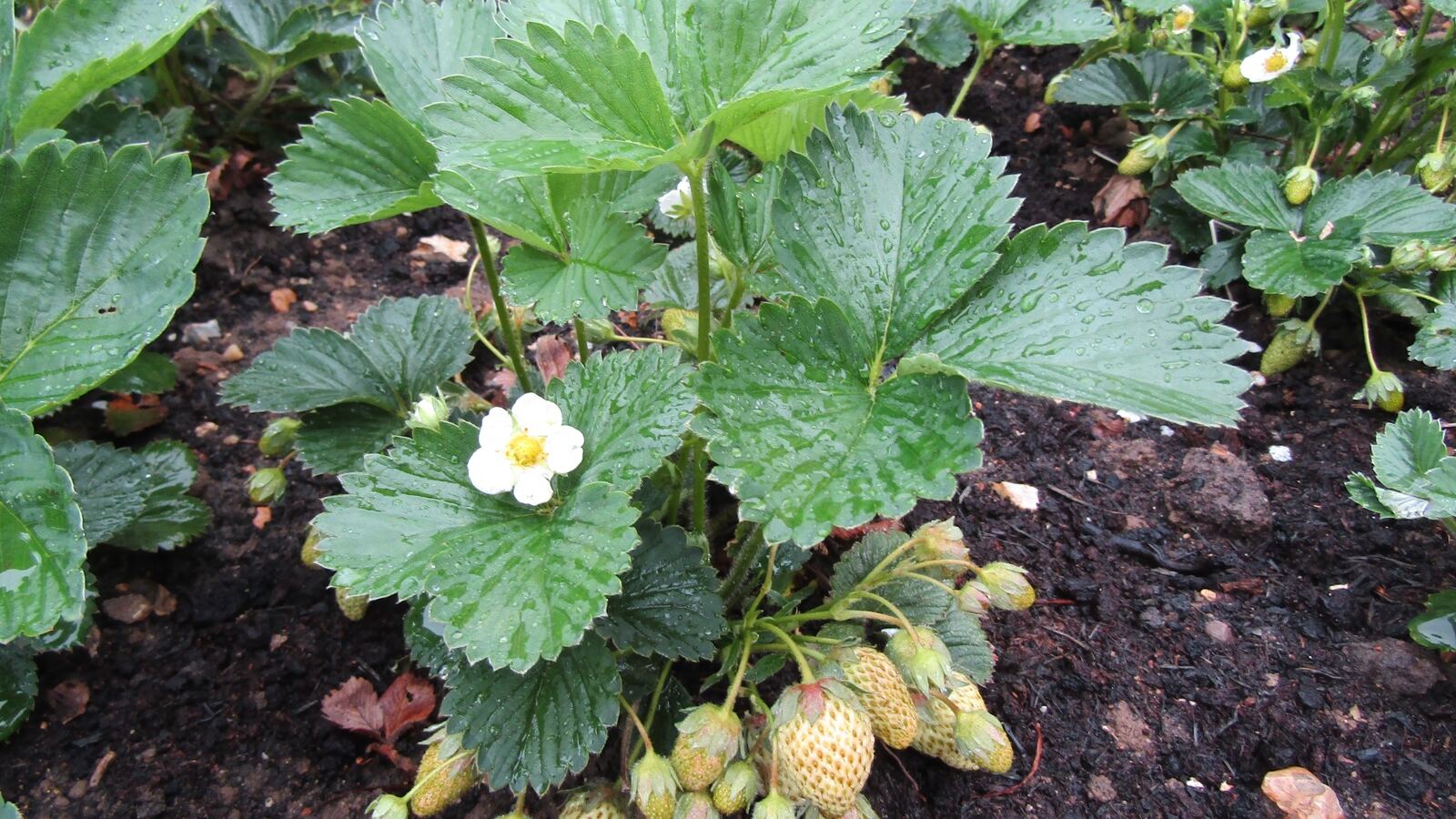 № 466
№ 466Strawberries: A Hybrid Accident and a Runner Problem
Every garden strawberry descends from two American species crossed in France — plus junebearers against everbearers, and why beds decline.
 № 476
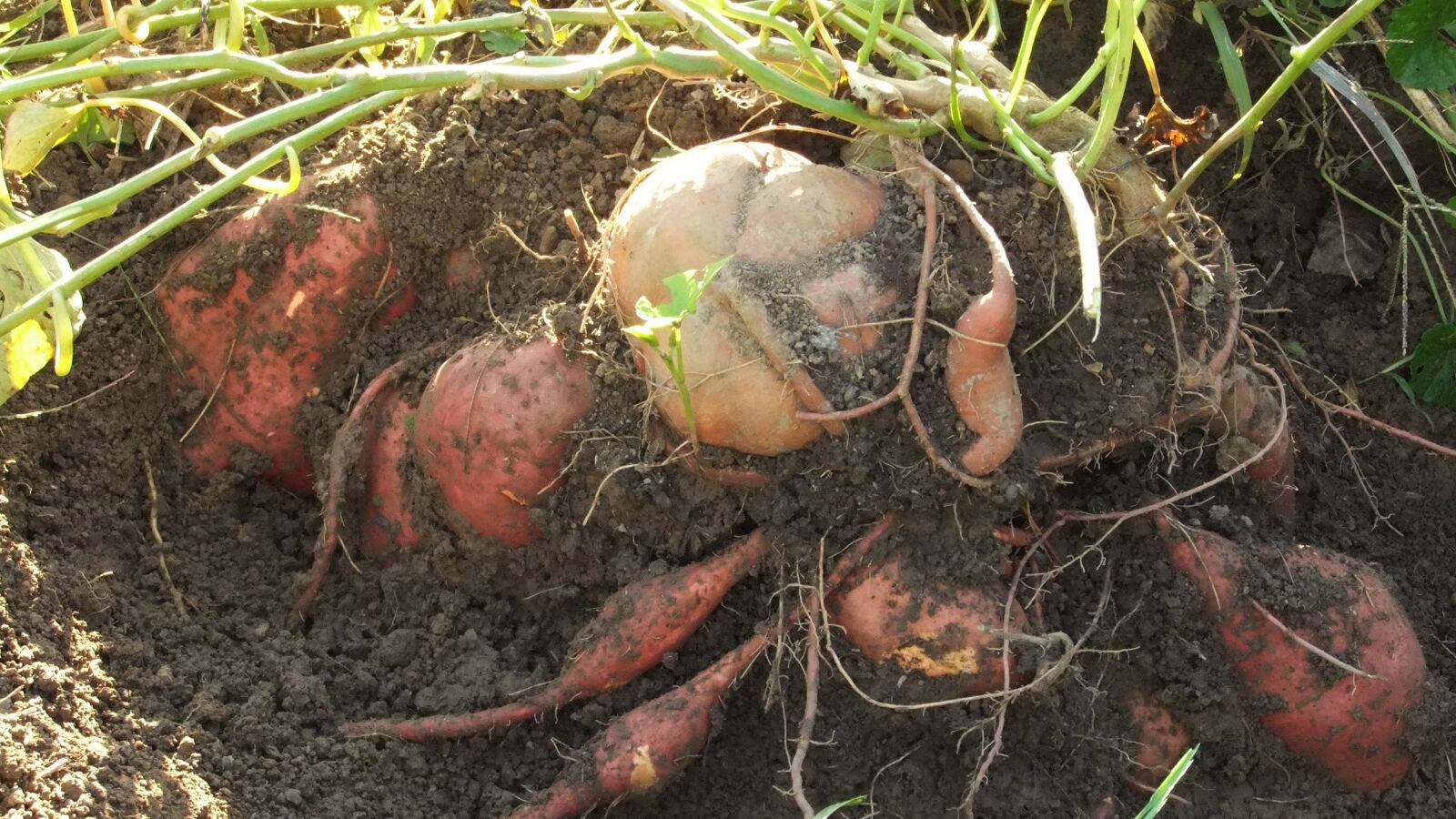
№ 476Sweet Potatoes: Slips, Heat, and a Hot Humid Cure
Not a potato and not a yam — grown from slips rather than tubers, and transformed from bland to sweet by curing.
 № 477
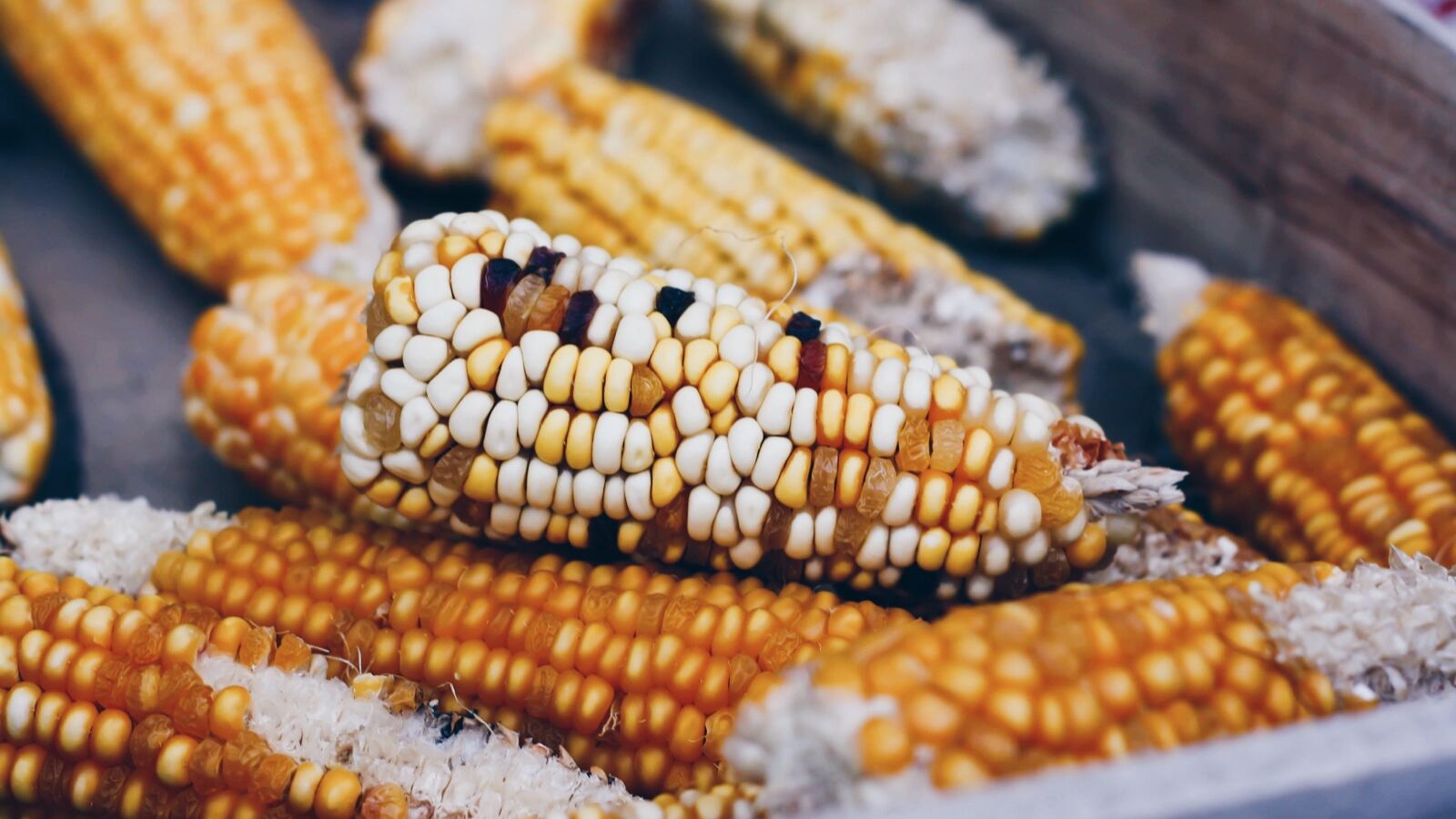
№ 477Sweetcorn: Plant in a Block, Not a Row
Wind-pollinated maize needs a block to fill its cobs, why sugar turns to starch within hours, and the varieties that must not cross.
 № 489
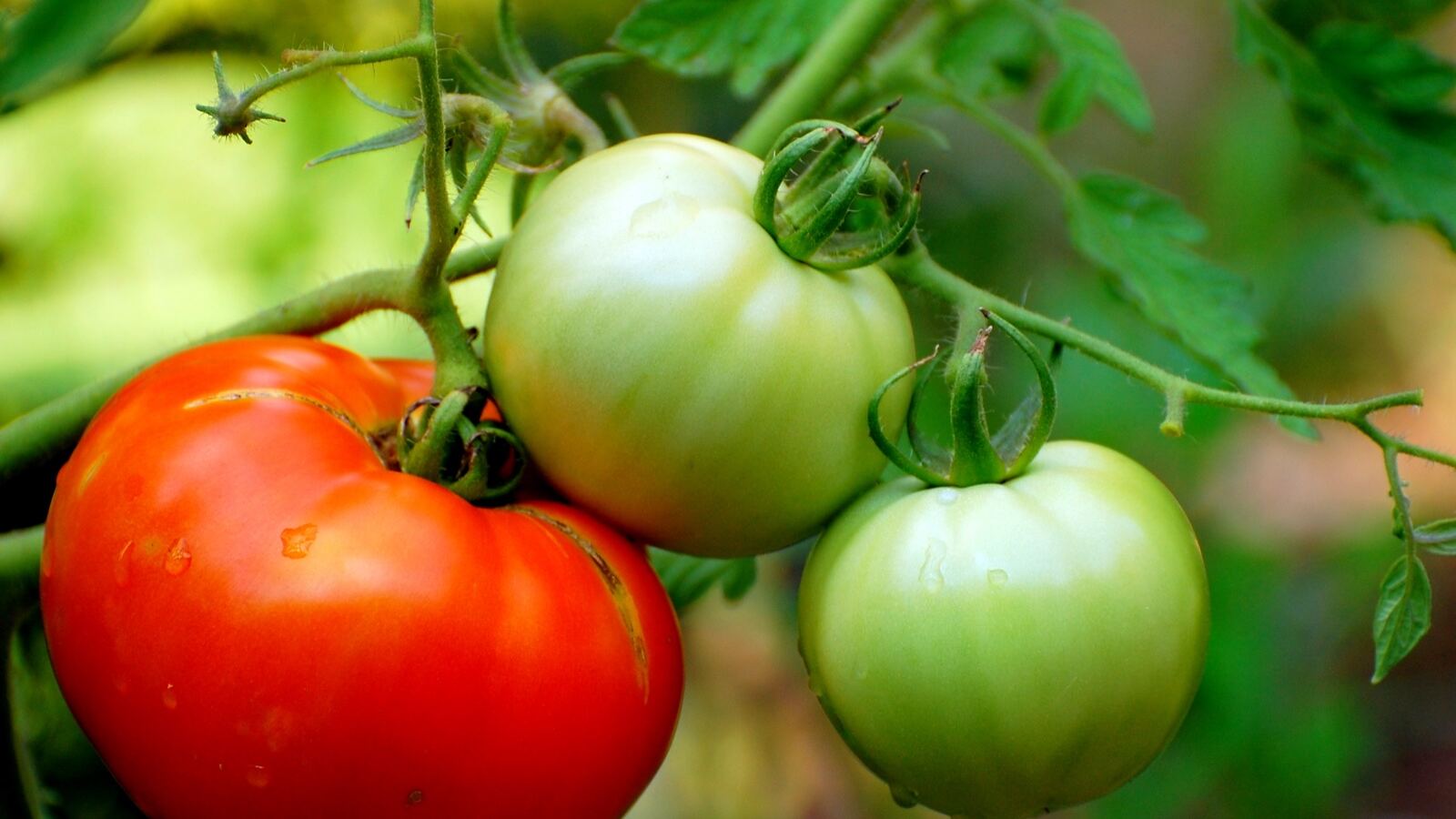
№ 489Tomatoes: Determinate, Indeterminate, and the Blight Clock
Choosing between bush and cordon types, why blossom end rot is a watering fault, and how to stay ahead of late blight.
 № 505
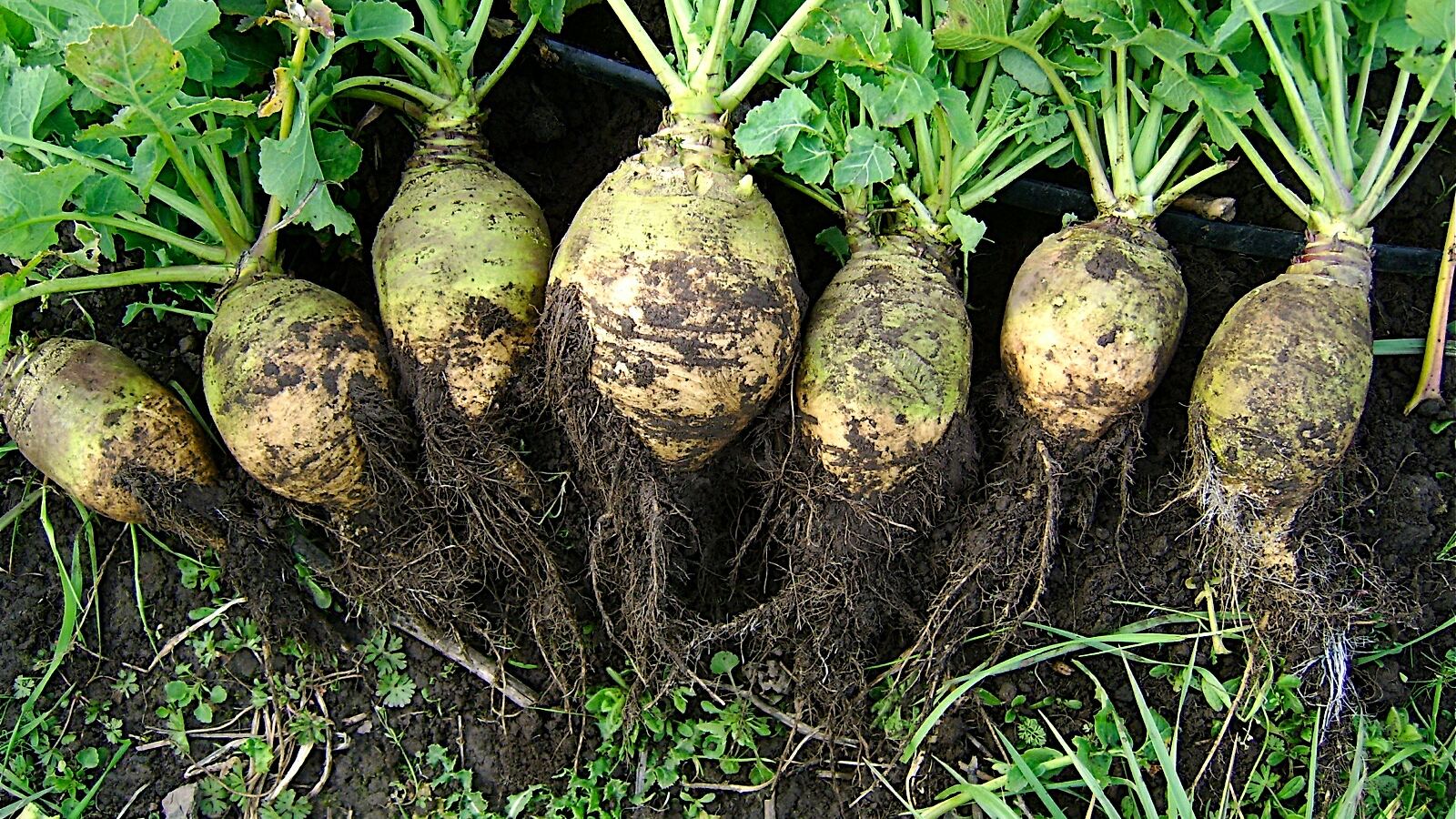
№ 505Turnips and Swedes: The Roots That Fed Winter
Two different species doing similar jobs, the fodder crop that changed European farming, and why swede needs the whole season.
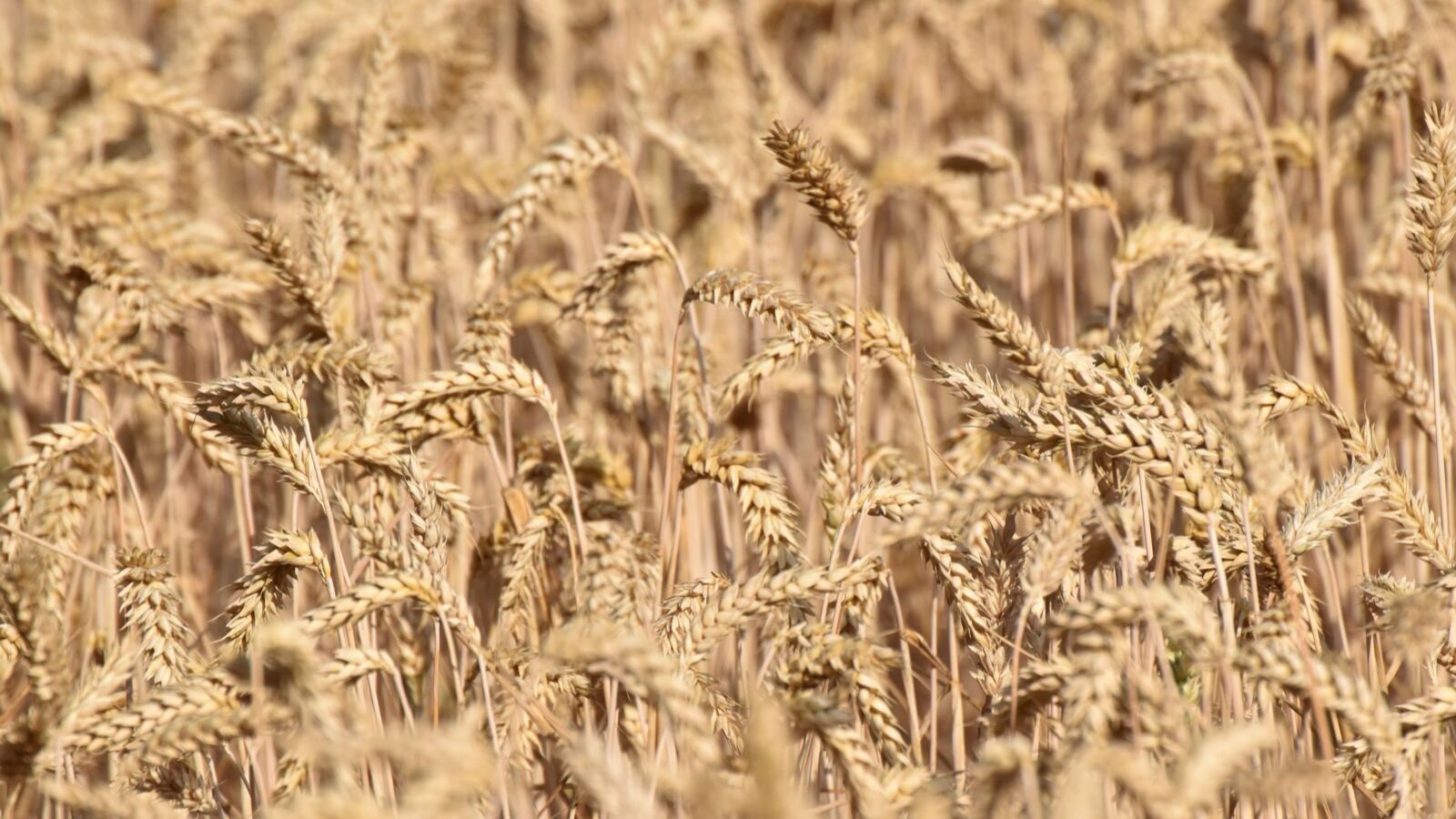 № 518
№ 518Wheat: The Crop That Built Cities
Einkorn to modern semi-dwarf — why gluten made wheat dominant, what the Green Revolution actually changed, and growing it at garden scale.