Growing
Companion planting, soil building, permaculture, food forests, and propagation techniques.
Growing Cheatsheet
Quick-reference best practices for growing food, building soil, and designing productive gardens.
Go deeper
 № 101
№ 101Container Growing: Productive Gardens Without Ground
Why pots dry out and starve, how to build a growing medium that lasts, and what genuinely produces on a balcony or hard yard.
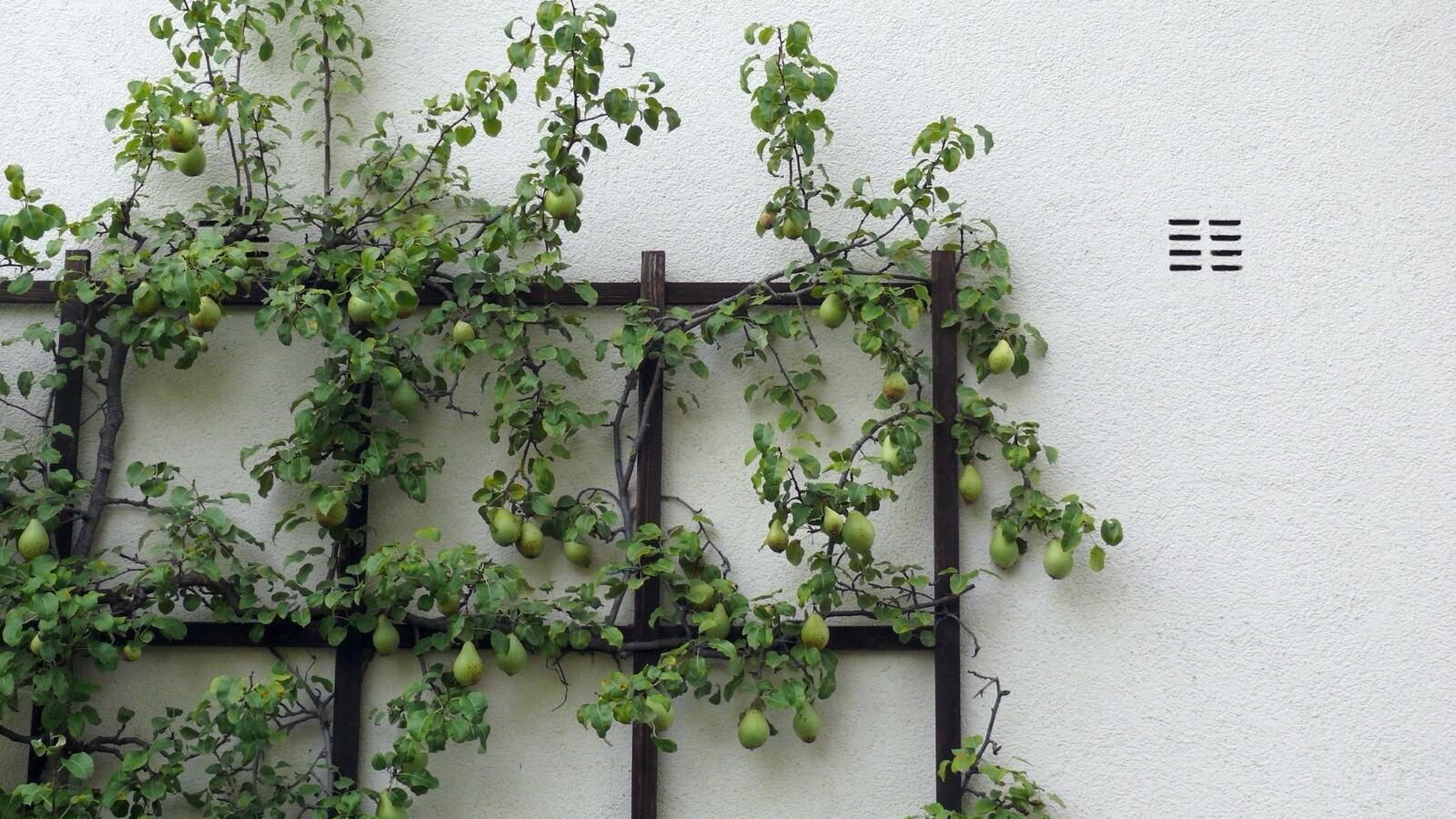 № 154
№ 154Espalier and Training: Fruit in Two Dimensions
Cordons, fans, and espaliers — how trained forms fit a full crop into no ground space, ripen earlier, and make everything easier to reach.
 № 177
№ 177Frost Protection and Season Extension
Frost pockets, radiation versus advection frost, and the cloches, fleece, and thermal mass that buy weeks at each end of the season.
 № 193
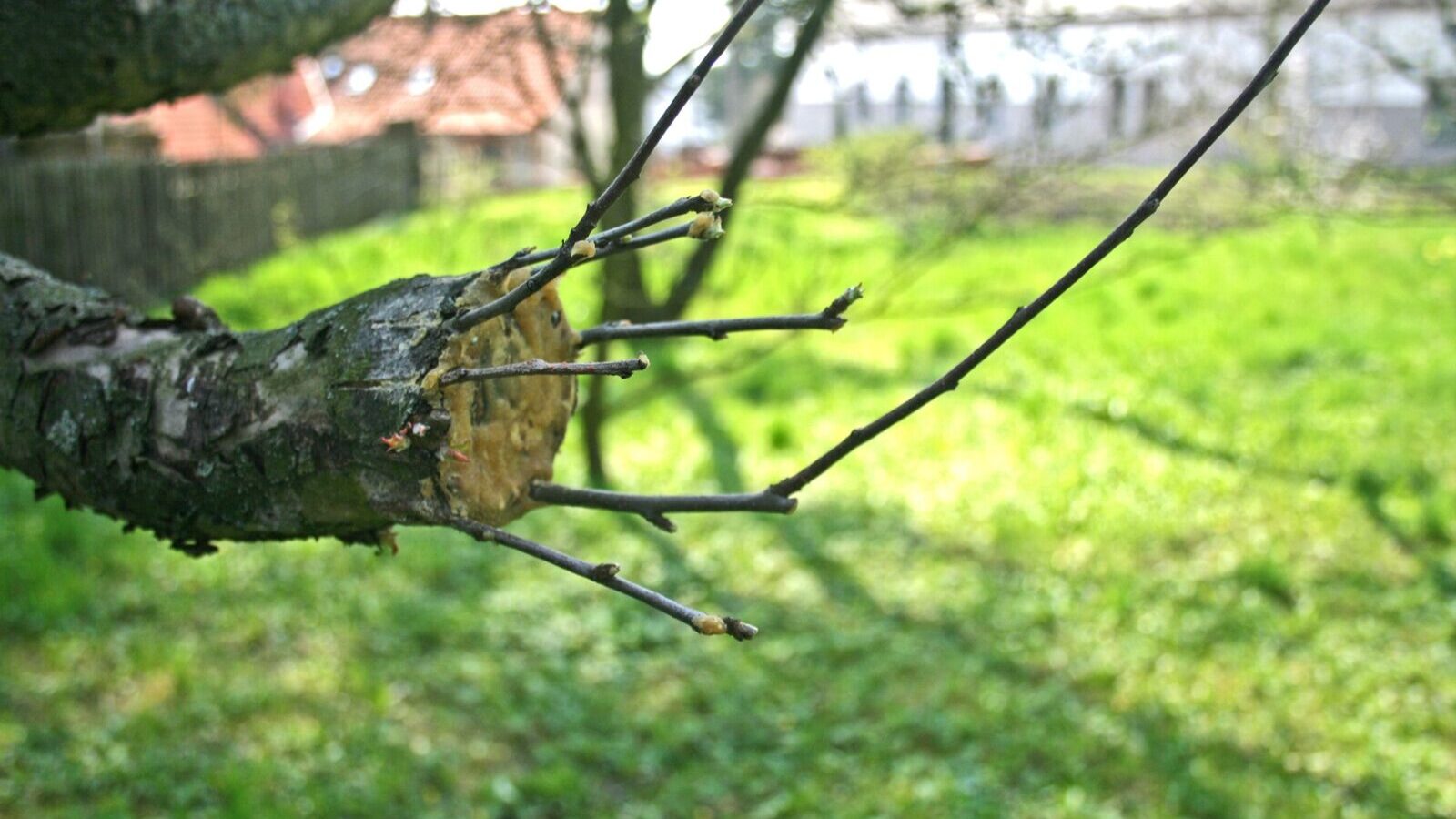
№ 193Grafting and Rootstocks: Choosing the Tree Beneath the Tree
Why every orchard apple is two plants, how rootstock decides final size and soil tolerance, and the four grafts worth learning.
 № 208
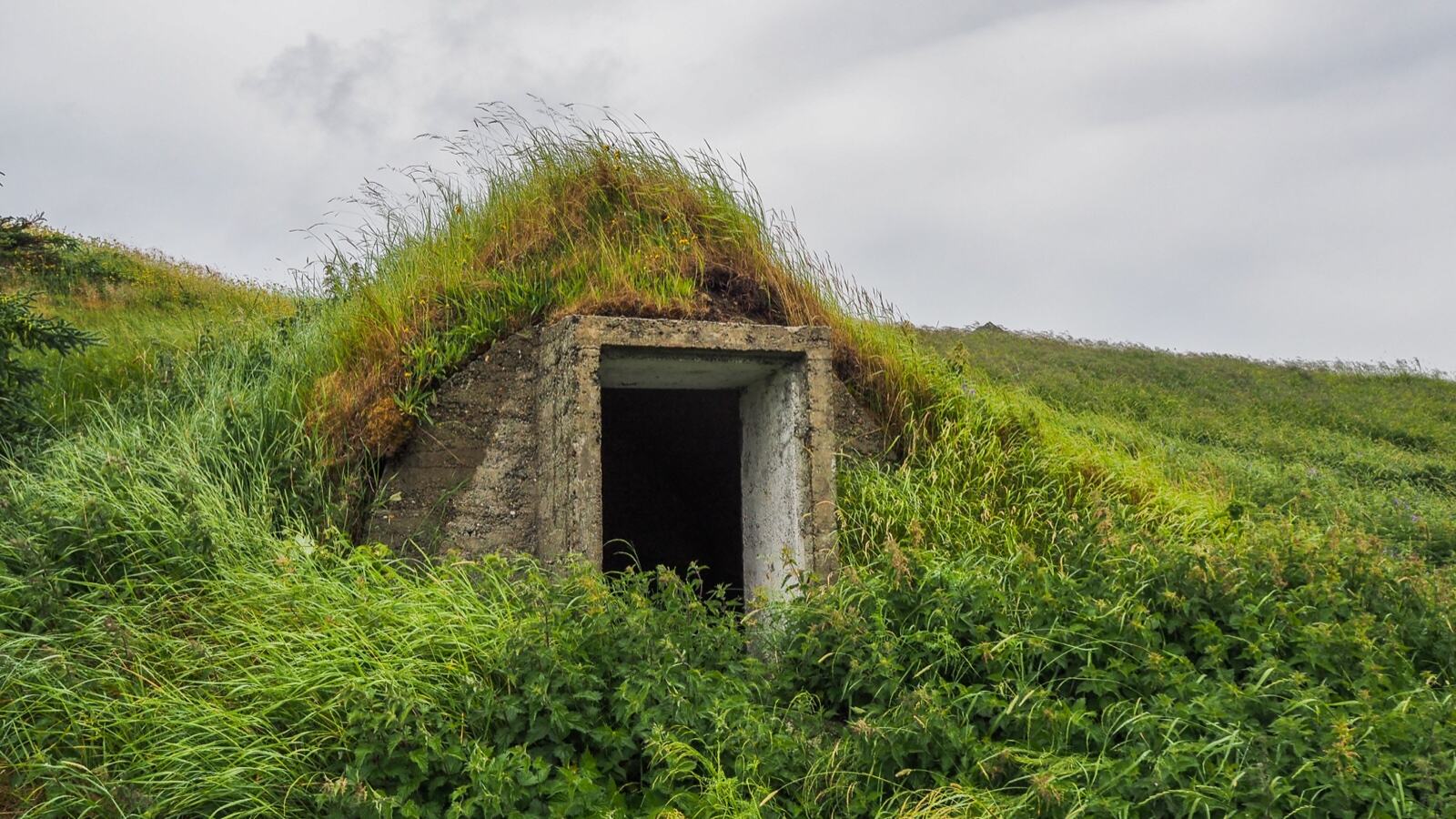
№ 208Harvest and Storage: Keeping What You Grew
Picking at the right stage, curing what needs curing, and the four storage conditions that decide whether a crop lasts a week or eight months.
 № 321
№ 321Nursery Stock: Choosing Trees That Will Actually Establish
Bare-root against containerised, why smaller trees overtake bigger ones, and the root defects that condemn a tree before it leaves the nursery.
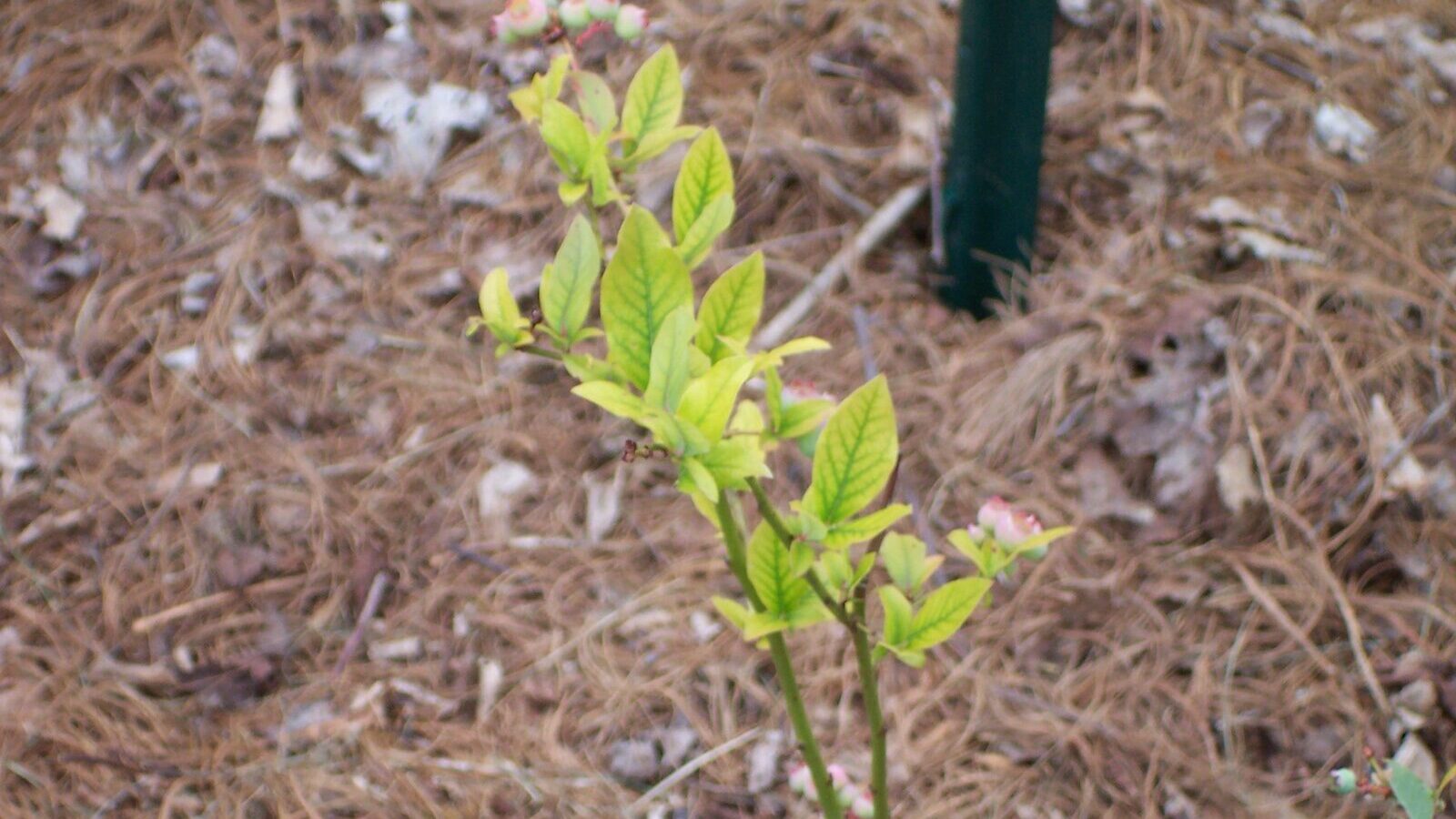 № 324
№ 324Nutrient Deficiency: Reading the Leaves
Diagnosing hunger from where the symptom appears, why mobile and immobile nutrients fail differently, and why the cause is usually not a missing nutrient.
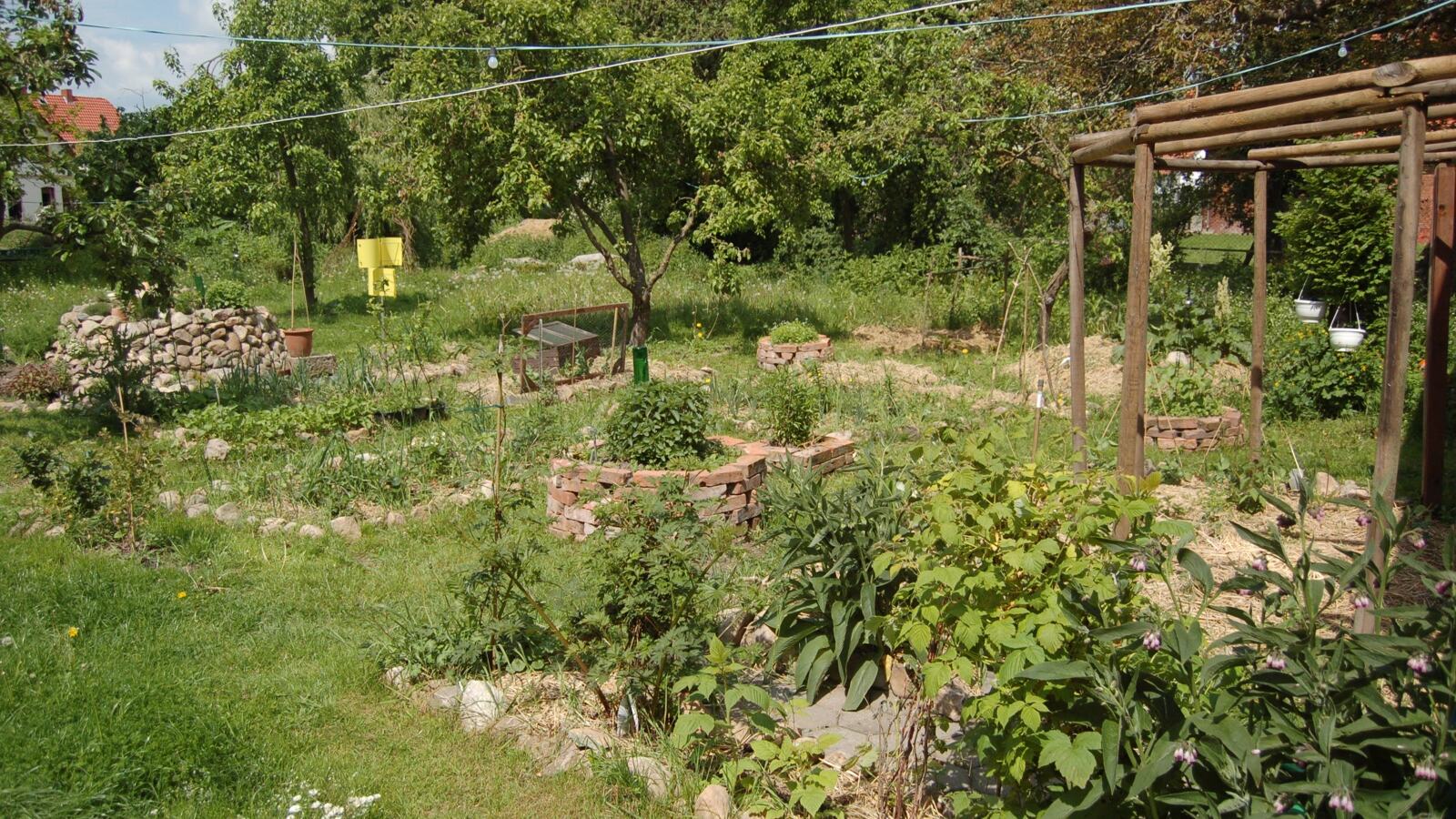 № 351
№ 351Permaculture Design: Zones, Sectors, and the Principles Behind Them
The design framework itself — zones by visit frequency, sectors for incoming energies, and why the principles are a checklist rather than a philosophy.
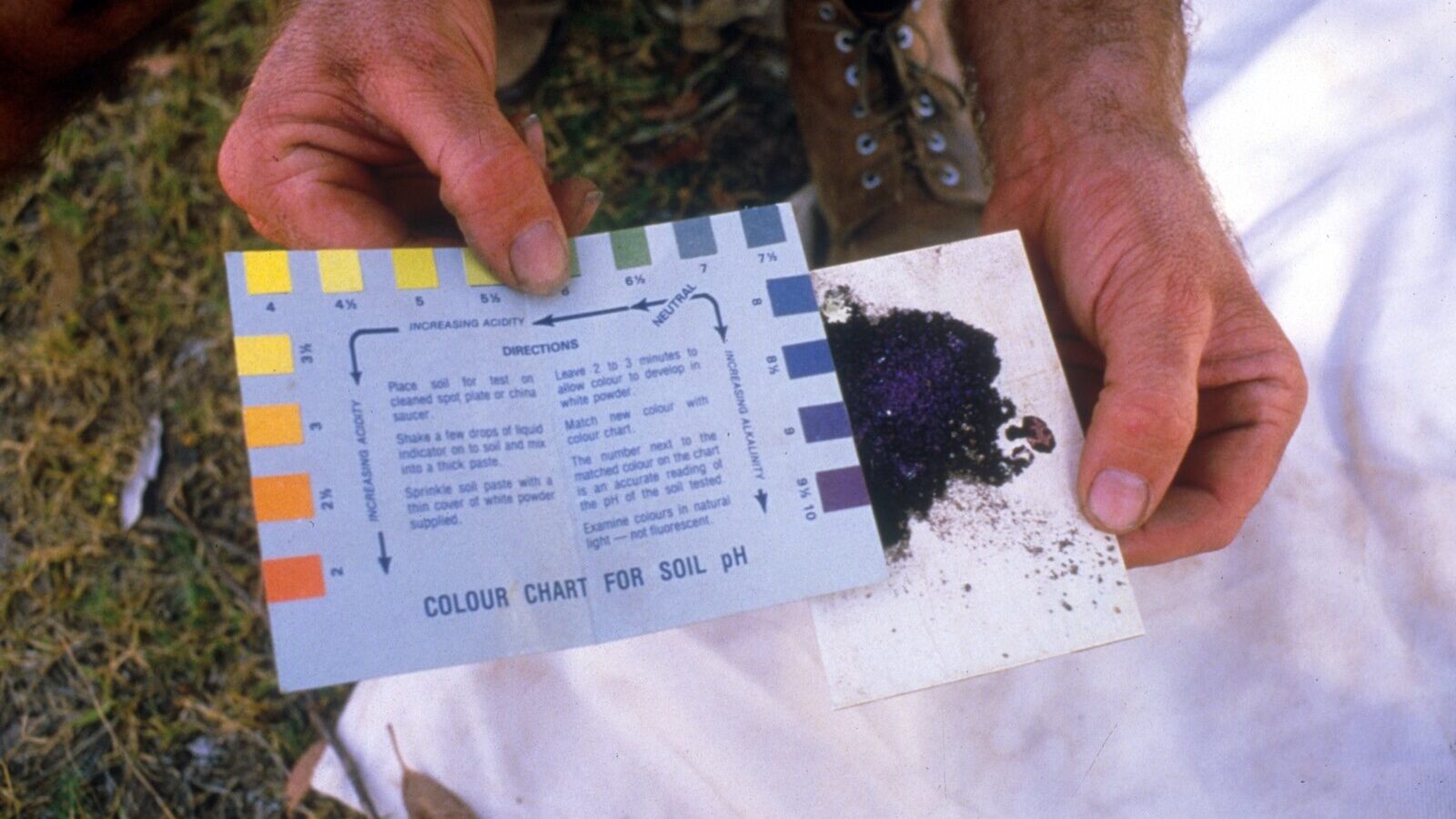 № 446
№ 446Soil pH: The Dial That Controls Everything Else
Why pH decides which nutrients a plant can reach, how to raise and lower it realistically, and when to stop fighting it and change the planting.
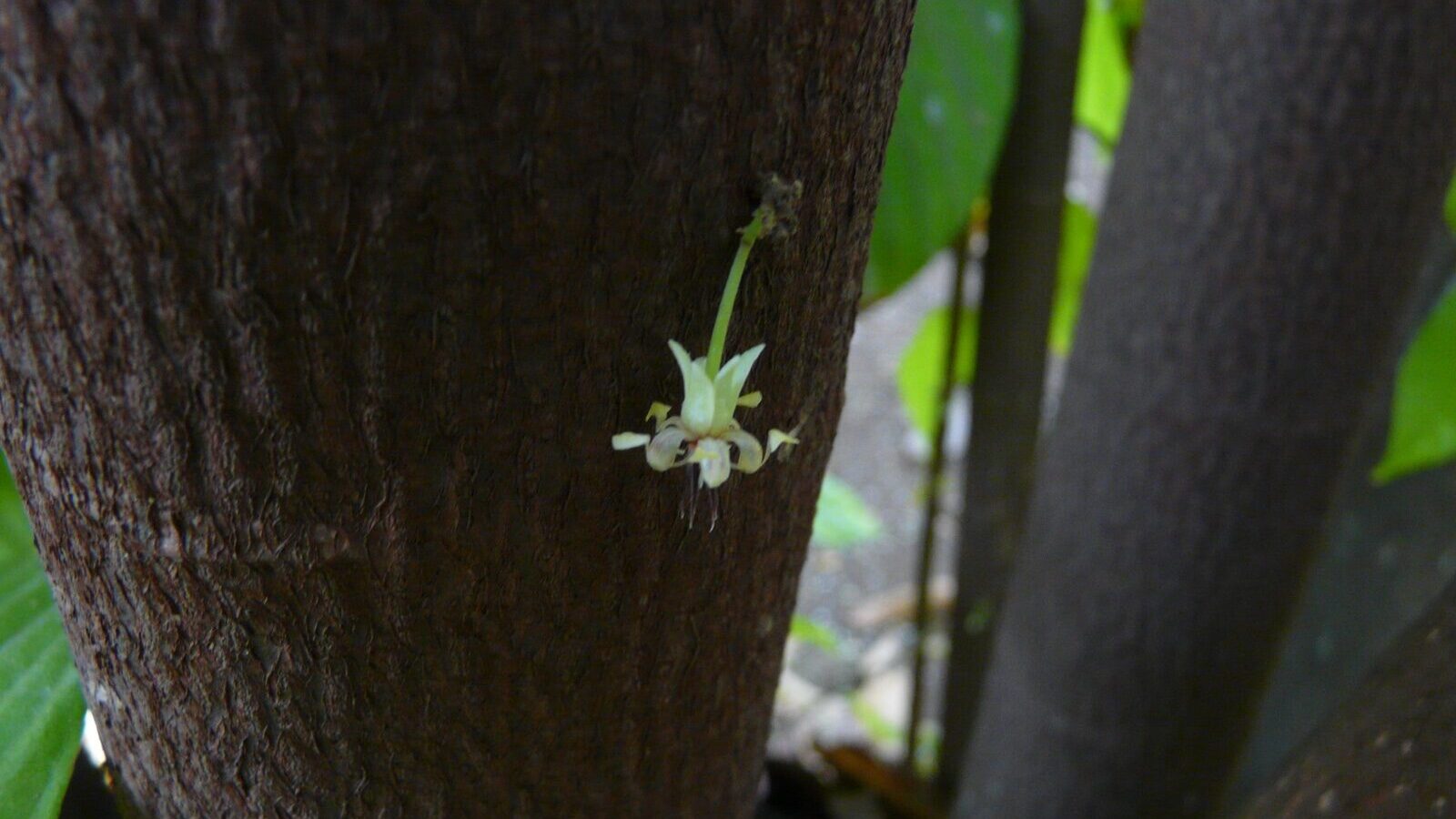 № 479
№ 479Syntropic Agriculture: Farming by Accelerating Succession
Ernst Götsch's system of dense stratified planting and heavy pruning, where the chainsaw is a fertility tool and succession is the crop rotation.
 № 490
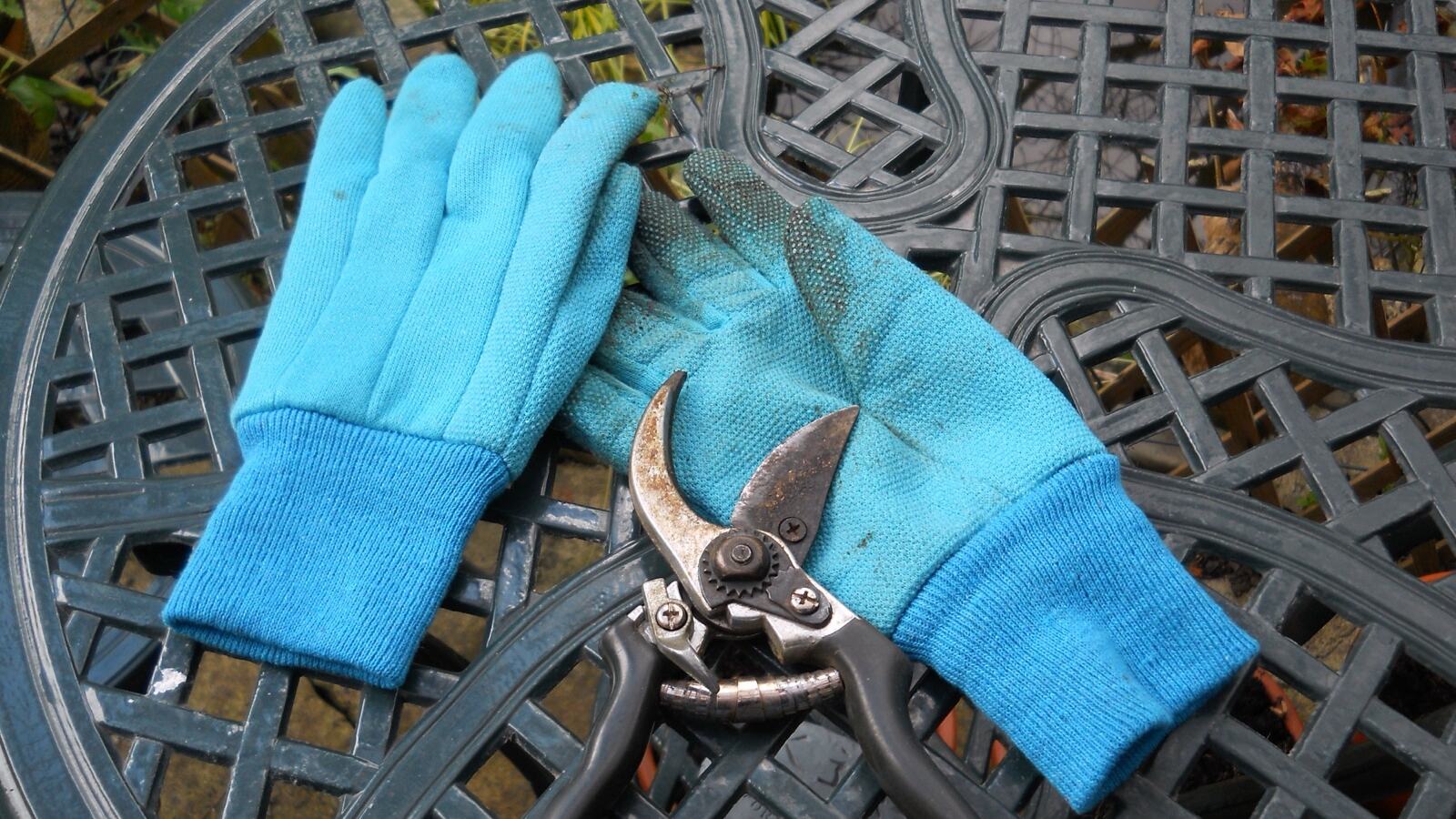
№ 490Tool Care and Safety: Sharp Edges and Falling Timber
Why a sharp tool is the safe one, hygiene between cuts, and an honest account of what chainsaw and felling work actually requires.
 № 498
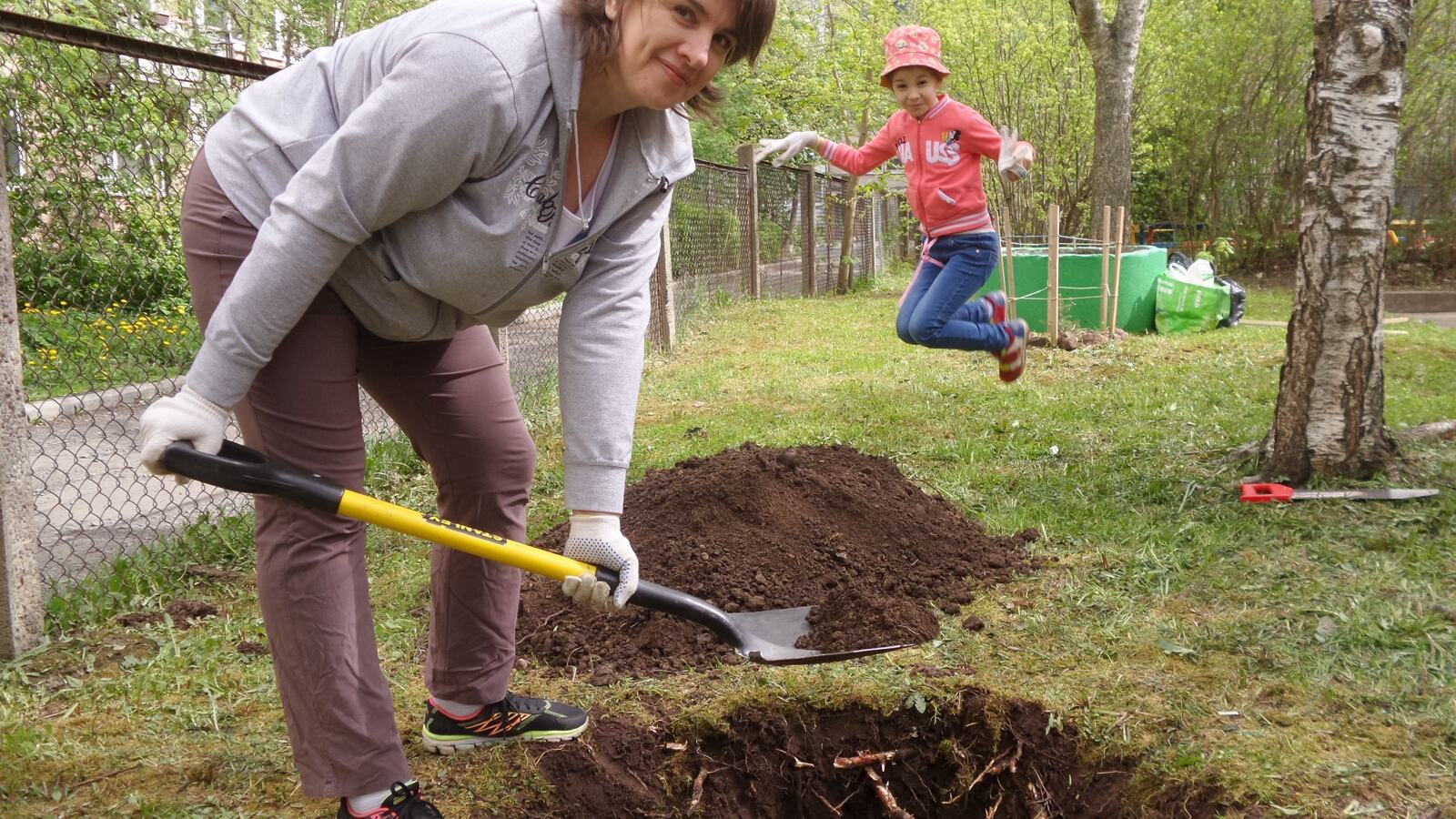
№ 498Planting a Tree: The First Hour Decides the First Decade
Hole preparation, root flare depth, backfill, watering in, and the staking mistakes that kill more young trees than drought ever does.
 № 515
№ 515Weeds: Read Them First, Then Manage Them
What weeds tell you about your soil, how the seed bank actually works, and the timing-based methods that beat pulling things up by hand.
 № 006
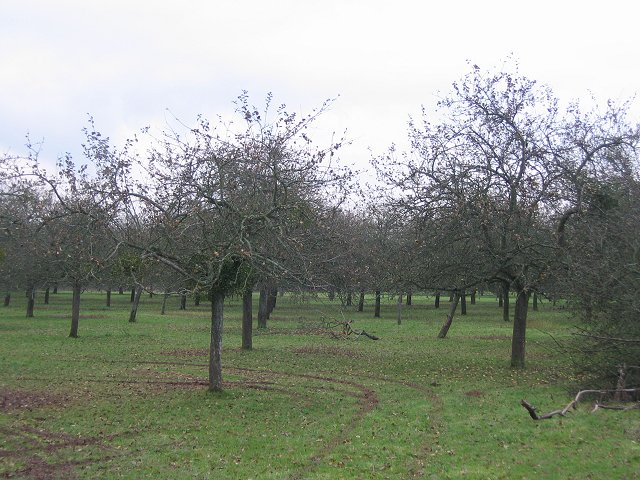
№ 006Aged Orchard Rejuvenation: The Five-Year Return
How to bring a neglected fruit orchard back to bearing without killing the trees. A five-year plan built on patience, sharp tools, and the 25 percent rule.
 № 171
№ 171Food Forest Maintenance: Stewarding a System That Outlives You
After year five the food forest is a young woodland. The work shifts from planting to canopy, succession, and learning when to leave things alone.
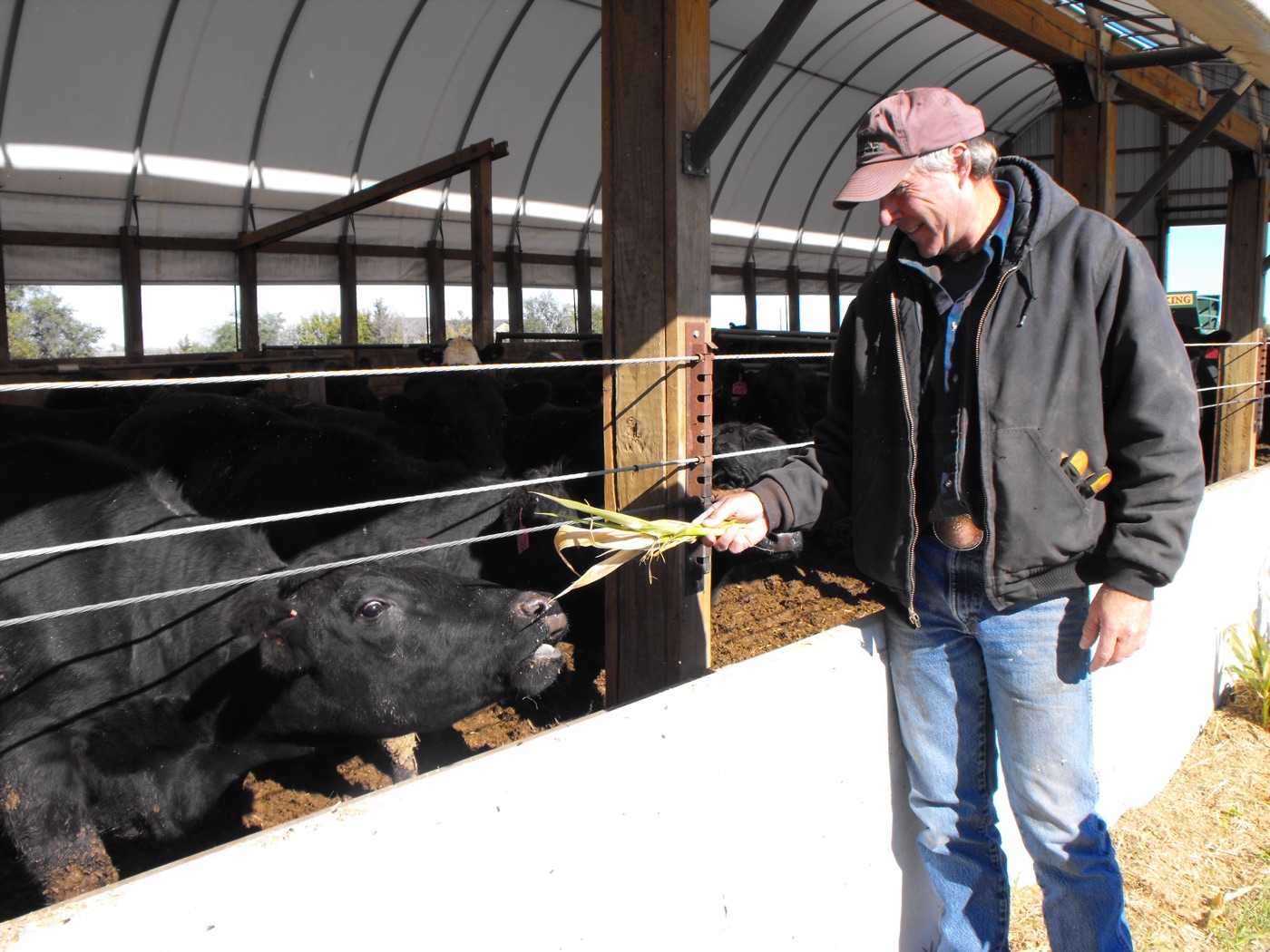 № 271
№ 271Long-Term Soil Care: A Decade-Scale Approach to Living Loam
Soil stewardship measured in decades. Organic matter targets, pH drift, earthworm counts, and the long arc from depleted plough field to living loam.
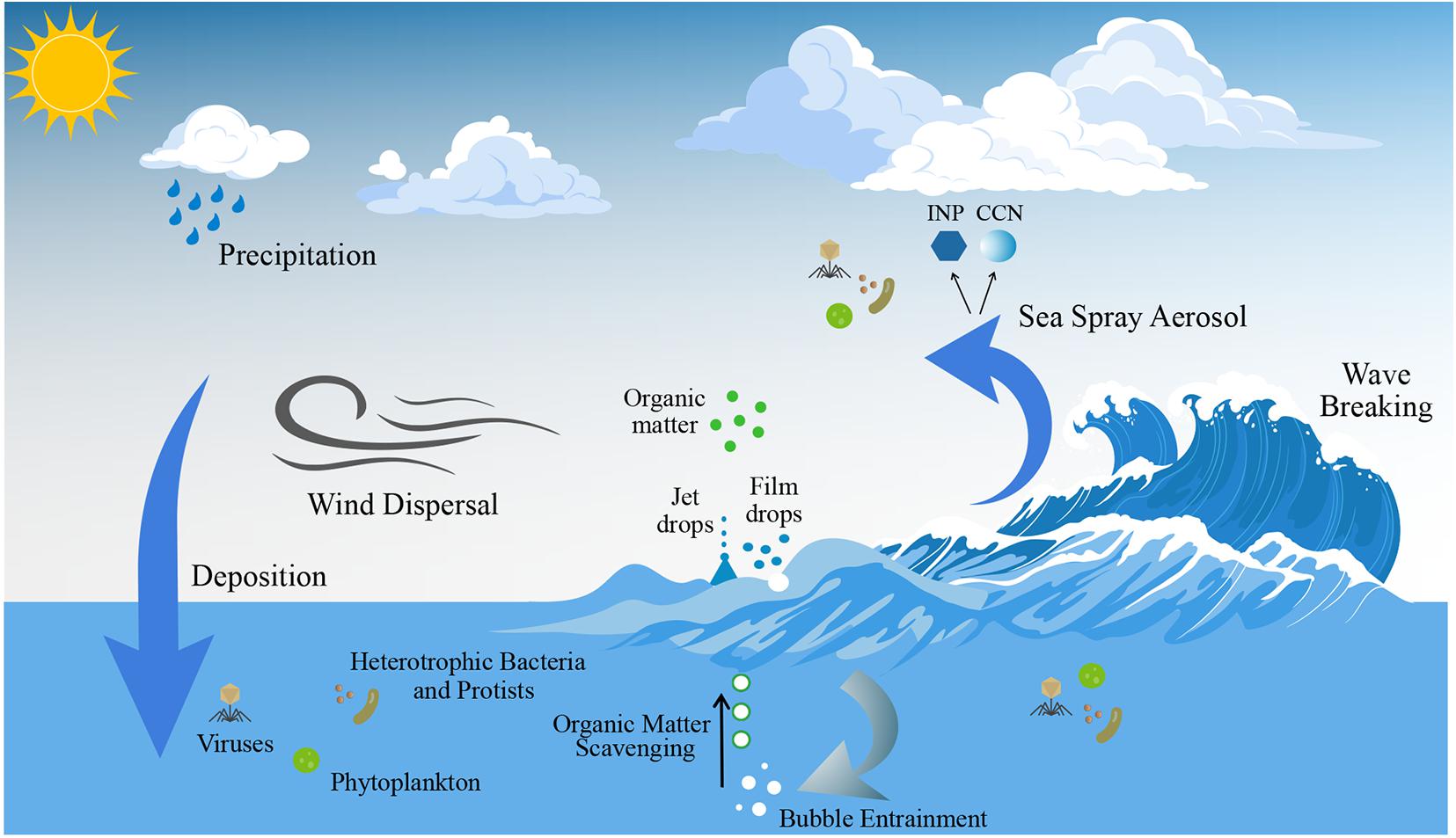 № 333
№ 333Organic Sprays: When to Reach for the Bottle
Neem, BT, kaolin, soap, oil, pyrethrin. What each one kills, what it spares, and why organic does not mean harmless.
 № 400
№ 400Row Covers and Barriers: Don't Let Them Touch the Crop
The most reliable pest control is physical exclusion. Fabric, mesh, tape, and wraps that keep insects and rodents off the crop before any spray is needed.
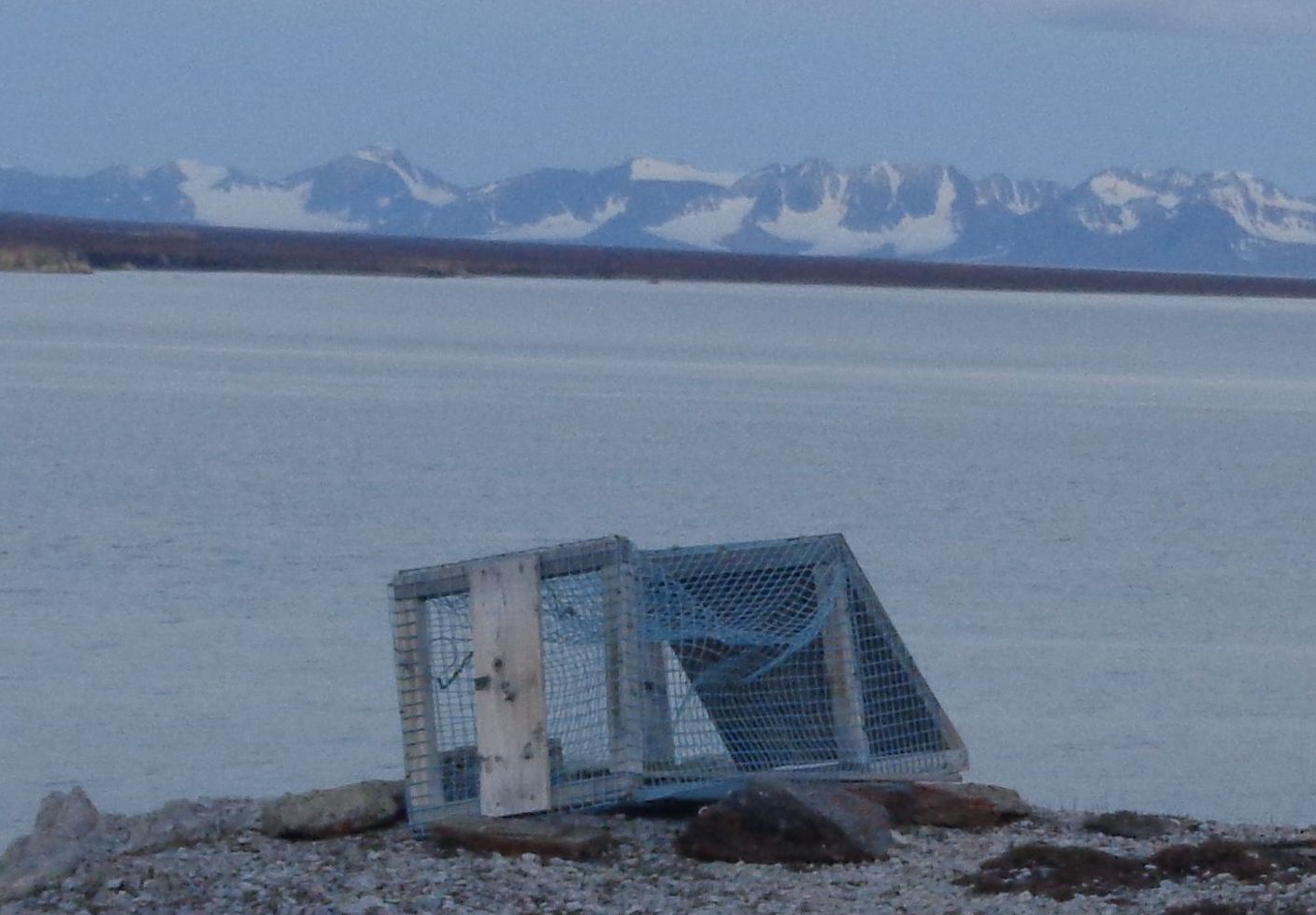 № 492
№ 492Trap Crops: Plant a Decoy, Save the Harvest
Pests have favorites. Plant the favorite at the edge, let them swarm it, then destroy the trap before the population builds.
 № 473
№ 473Swale to Garden: Passive Irrigation from the Landscape
Link rainwater swales to growing beds so the landscape waters your garden for you. The plumbing is gravity. The fuel is rain.
 № 042
№ 042Biochar: Ancient Carbon for Modern Soil
Charcoal made for soil, not fuel. How to make it, charge it, and apply it without stripping nutrients from your beds.
 № 084
№ 084Chop and Drop: Mulch Where It Falls
Cut plant material and leave it in place. Free mulch, free fertility, and a closed nutrient loop that mimics how every forest feeds itself.
 № 097
№ 097Compost Tea: Liquid Biology for Your Soil
How to brew aerated compost extract to multiply beneficial microbes and apply them as a soil drench or foliar spray, with honest notes on the science.
 № 110
№ 110Crop Rotation: Breaking Pest and Disease Cycles
Move plant families through your beds on a three or four year cycle. Pests starve. Soil rebalances. Disease pressure drops without sprays.
 № 124
№ 124Deep Watering: Stronger Roots, Less Water
Water deeply and rarely. Roots chase moisture down, and a garden that drinks once a week beats one sprinkled every evening.
 № 260
№ 260Leaf Mould: Forest Floor in a Bag
Collect autumn leaves and let fungi turn them into a dark, crumbly, moisture-holding mulch. The finest soil conditioner you can make for free.
 № 306
№ 306Mycorrhizal Fungi: The Underground Internet
How mycorrhizal fungi form partnerships with plant roots, extending their reach a hundredfold to transport water, nutrients, and chemical signals through an underground network.
 № 310
№ 310Native Plant Selection: Right Plant, Right Place
How locally adapted natives cut maintenance, feed wildlife, and build resilient landscapes, and when a non-native earns its place.
 № 325
№ 325Observation First: Watch Before You Act
Why a full year of watching your land beats any intervention, and how patience lets biodiversity solve problems that spraying cannot.
 № 329
№ 329Ollas: Ancient Clay Pot Irrigation
Bury unglazed clay pots near your plants and water seeps out to roots on demand, cutting water use by 50 to 70 percent.
 № 350
№ 350Perennials First: Plant Once, Harvest for Decades
Why the smartest long-term investment in any garden or homestead is to prioritise fruit trees, berry bushes, and perennial crops that compound their productivity year after year.
 № 363
№ 363Polyculture: Diversity as Pest Control
Mixed plantings beat monocultures on pests, soil, and resilience. Here is how to design diverse beds that actually work.
 № 371
№ 371Plant Propagation: Multiply Plants for Free
Cuttings, layering, grafting, and division. Turn one plant into dozens without spending a penny.
 № 417
№ 417Seasonal Planning: What to Plant When
How to build a planting calendar around frost dates, soil temperature, and day length, plus how to stretch the season with cloches, row cover, and cold frames.
 № 441
№ 441Soil Cover: Never Leave Ground Bare
Exposed soil loses life, moisture, and structure within hours. Mulch and living cover protect biology, hold water, and build fertility.
 № 447
№ 447Soil Testing: Know What You Have Before You Amend
Test pH, nutrients, and texture before amending. Guessing wastes money, stunts growth, and pollutes waterways downstream.
 № 470
№ 470Succession Planting: Continuous Harvest All Season
Stagger sowings every two to three weeks and the harvest stops being a glut. It becomes a conveyor belt.
 № 488
№ 488The Three Sisters: Corn, Beans, and Squash
Three plants, one mound. Corn for height, beans for nitrogen, squash for cover. A thousand years of Haudenosaunee farming distilled into a guild that still works.
 № 509
№ 509Vermiculture: Worm Farming for the Best Fertiliser on Earth
Worm castings, worm bins, and worm towers. The quiet engines that produce the richest natural fertiliser available.
 № 098
№ 098Composting Methods: From Kitchen Scraps to Black Gold
Hot, cold, bokashi, vermicomposting, Berkeley. A practical guide to every composting method, matched to your space, time, and materials.
 № 107
№ 107Cover Cropping: Green Manures That Build Soil
How sowing clover, vetch, rye, and other cover crops between seasons fixes nitrogen, prevents erosion, suppresses weeds, and feeds the soil food web.
 № 421
№ 421Seed Saving: Grow Your Own Resilience
Collect, dry, and store seed from your best plants to build locally adapted varieties and break the annual seed catalogue habit.
 № 318
№ 318No-Dig Gardening: Feed the Top, Skip the Fork
Stop turning soil. Layer compost on the surface, let worms and fungi do the work, and grow healthier crops with less effort.
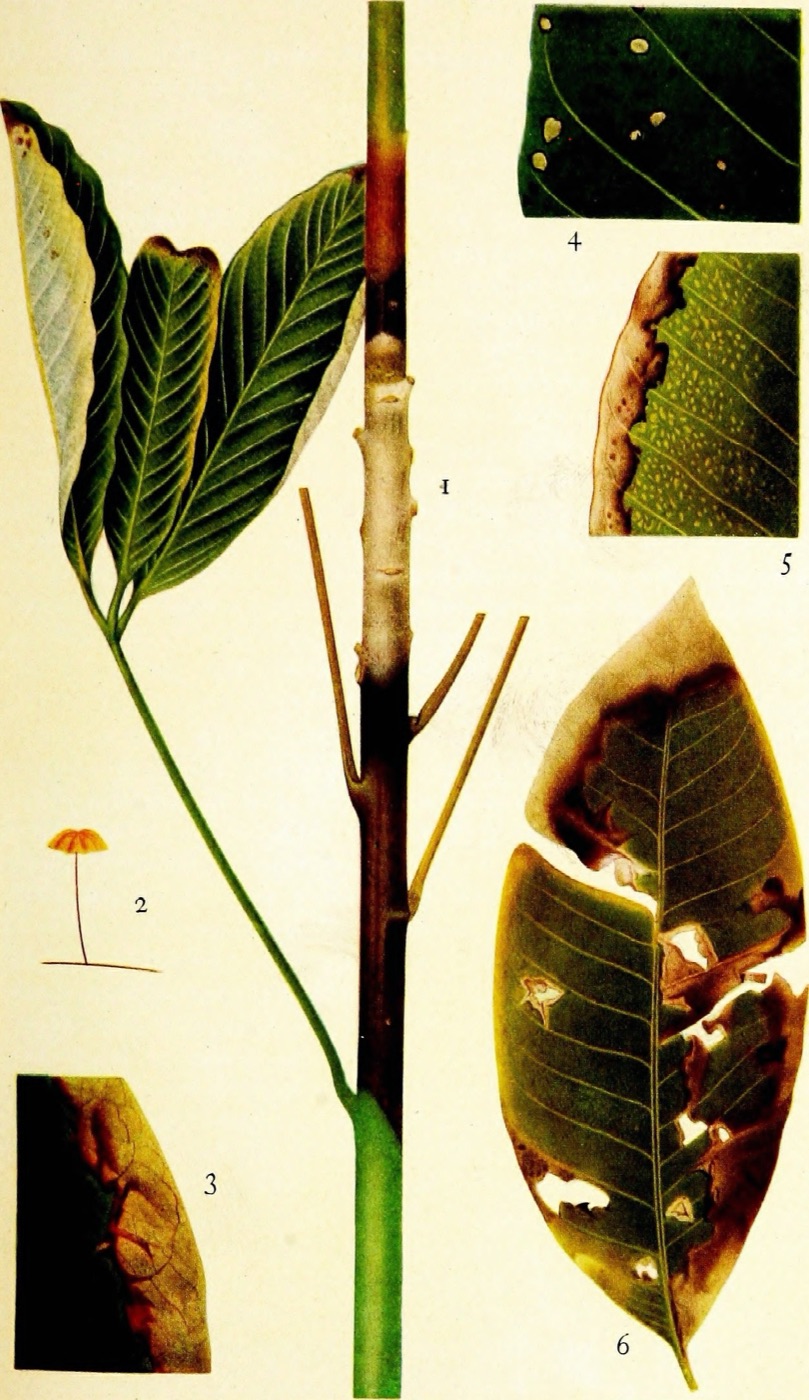 № 229
№ 229Tree Pests: Identification, Prevention, and Natural Control
Identify and manage bark beetles, termites, and root grubs through integrated pest management, healthy soil, and natural predators.
 № 372
№ 372Pruning Basics: When, Why, and How
A practical guide to pruning fruit, ornamental, and forest trees, covering timing, technique, and the biology behind every cut.
 № 170
№ 170Designing a Food Forest
How to stack seven layers of edible woodland that feeds you for decades while slowly shedding the chores of an annual garden.
 № 223
№ 223Hugelkultur: Building Soil with Buried Wood
Hugelkultur mounds bury logs under soil to hold moisture, release nutrients slowly, and produce food for two decades or more.
 № 095
№ 095Companion Planting Guide
Which plants grow well together, which fight, and how to design beds that suppress pests and feed each other.