Water
Rainwater harvesting, greywater systems, irrigation, and watershed restoration.
Water Cheatsheet
Quick-reference best practices for harvesting, storing, and managing water sustainably.
Go deeper
 № 087
№ 087Clay Pot Irrigation: The Buried Olla That Waters Its Own Roots
An ancient, astonishingly efficient method: a porous unglazed clay pot buried to its neck and filled with water seeps moisture straight to the roots on demand, wasting almost nothing to evaporation or runoff.
 № 102
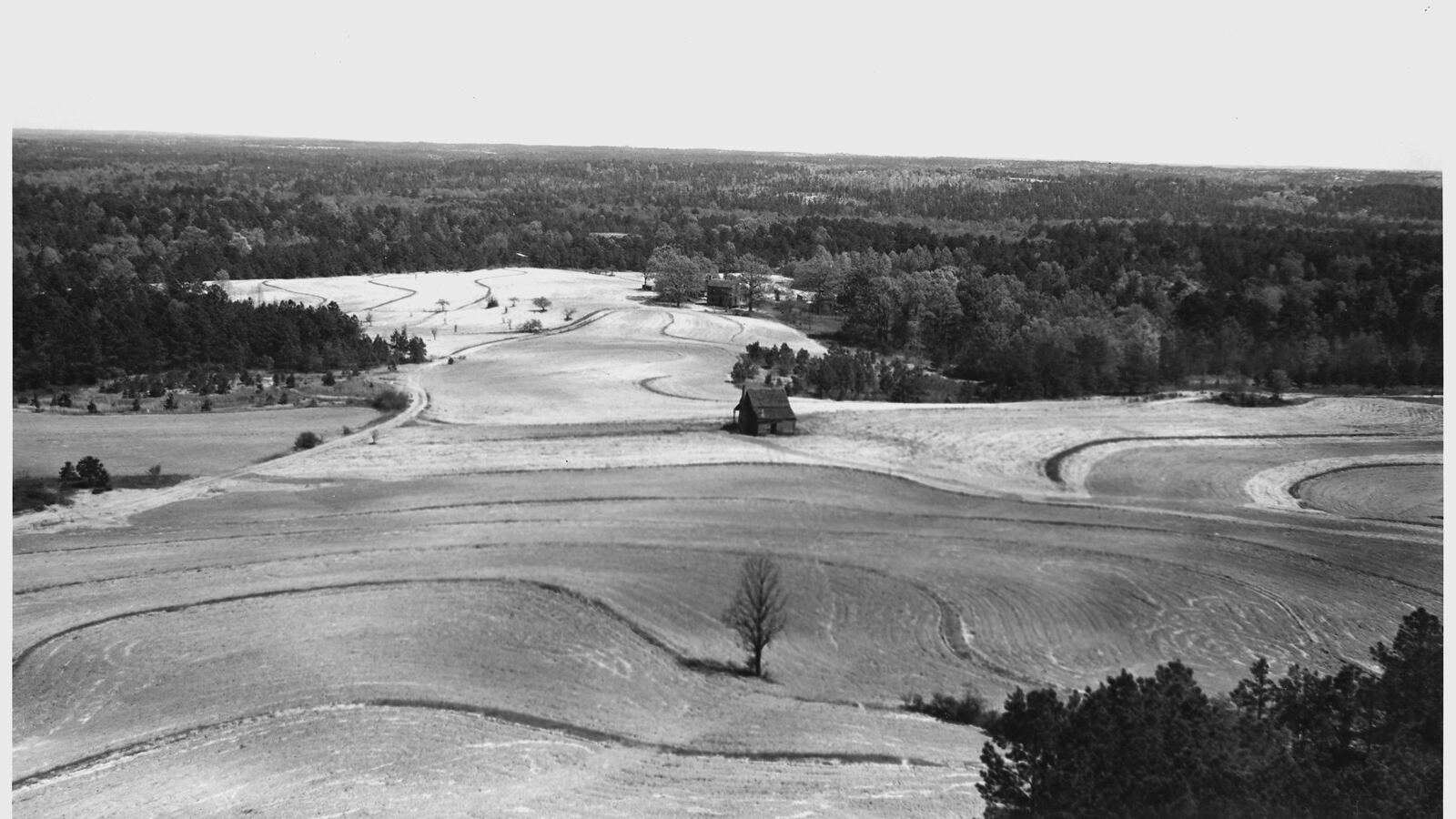
№ 102Contour Bunds: Stone Lines That Hold the Rain on the Slope
The low stone or earth walls laid along the contour that slow runoff, spread it across the land, drop its sediment, and let it soak in — the simplest and most widespread of all dryland water-harvesting structures.
 № 129
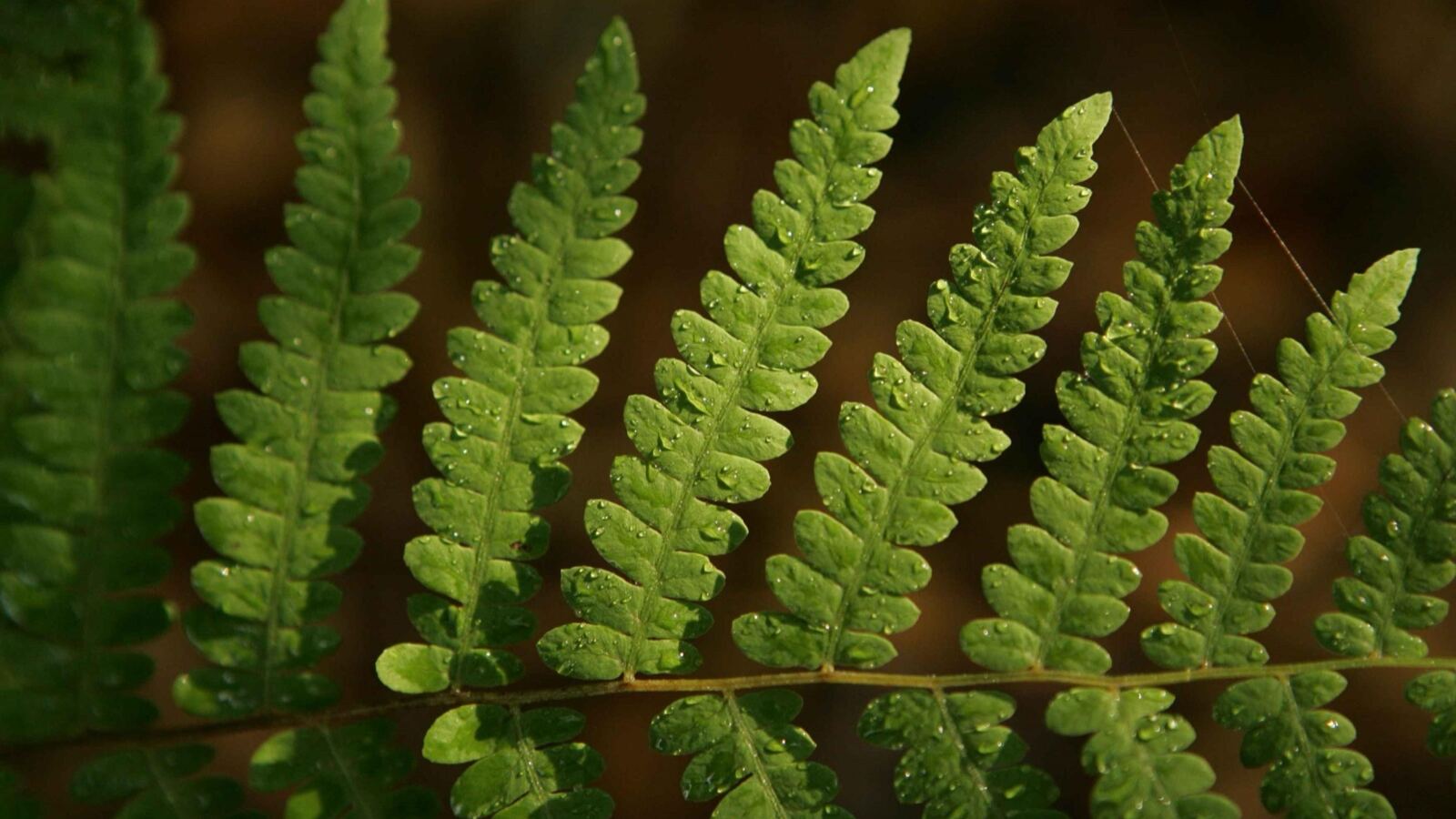
№ 129Dew Harvesting: Drinking from the Night Air
The old and new attempts to collect water from dew and condensation — from dew ponds and stone mulch to modern radiative condensers — a modest but real source where rain fails and even fog is absent.
 № 206
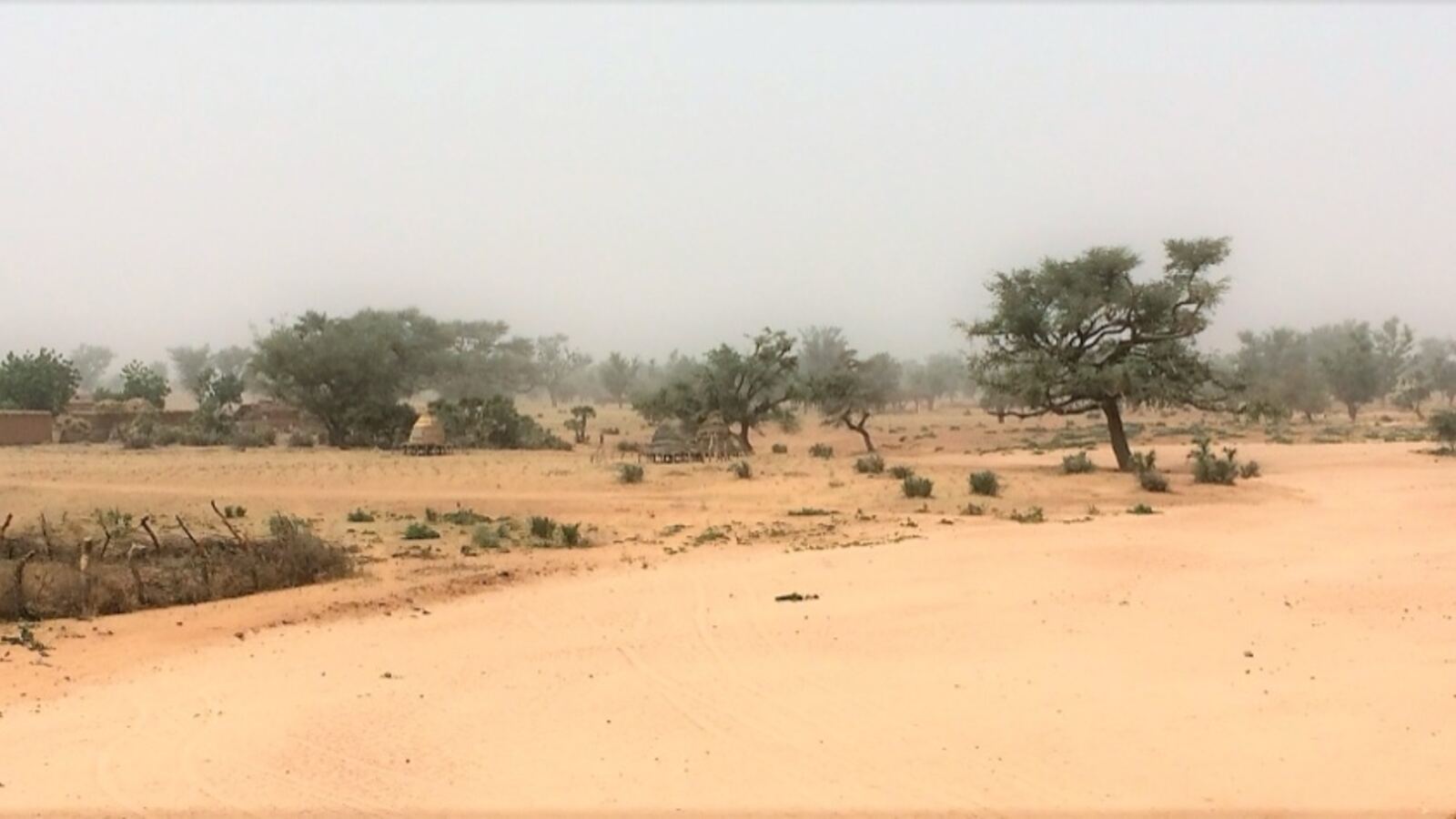
№ 206Half-Moons and Microcatchments: Catching Rain One Plant at a Time
The crescent bunds, negarim diamonds, and small basins that each harvest runoff from a patch of bare ground and concentrate it around a single tree or crop — the workhorse techniques of dryland restoration.
 № 374
№ 374Qanats and Karez: The Underground Canals of the Dry World
The ancient gently-sloping tunnels that tap mountain groundwater and carry it for miles underground to the desert's edge — gravity-fed, evaporation-proof, and self-limiting water systems that watered civilisations.
 № 408
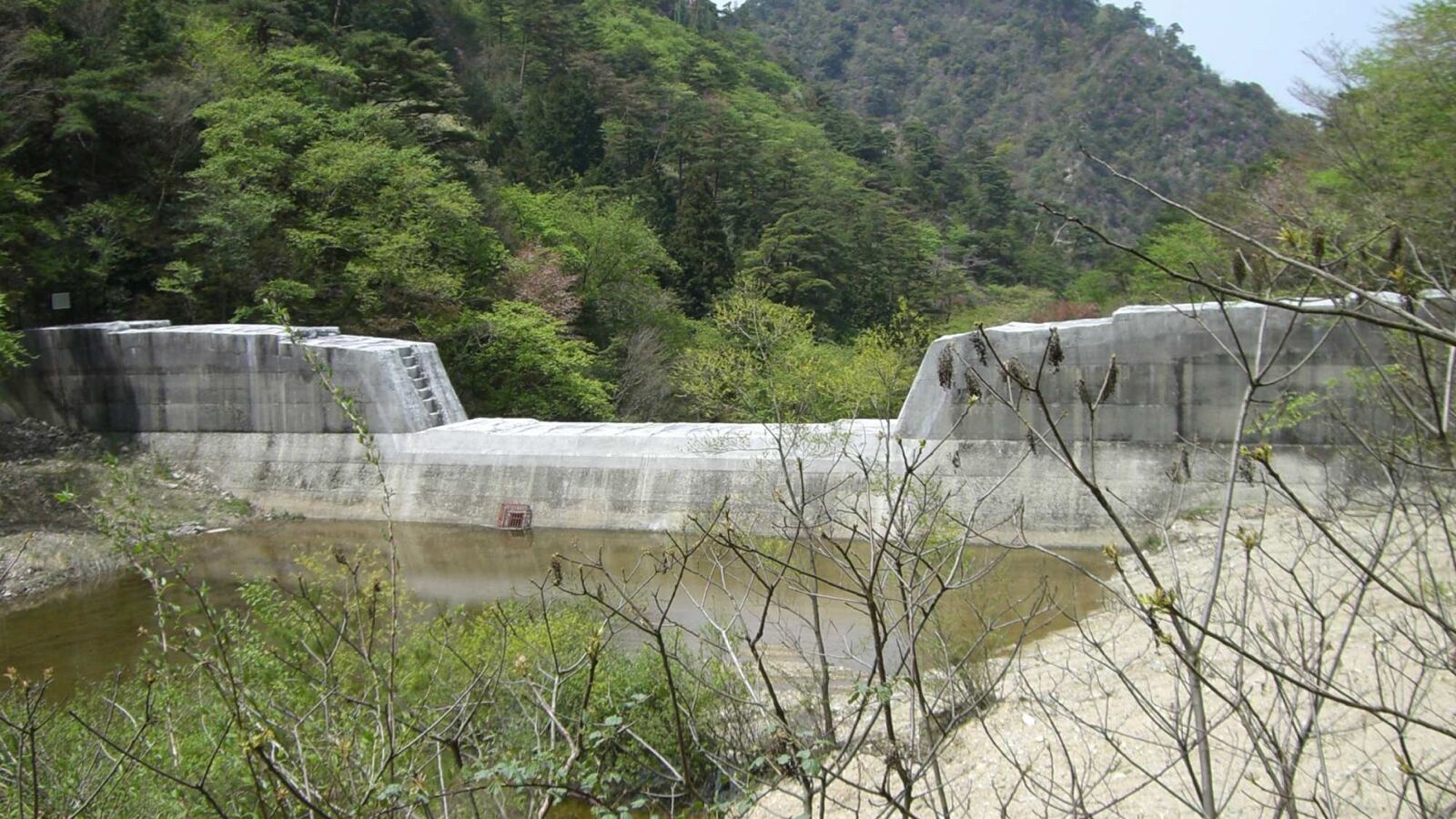
№ 408Sand Dams: Storing Water Inside a Riverbed
A concrete wall built across a seasonal sandy river traps sand behind it, and the sand stores water — a simple, cheap, evaporation-proof reservoir that has transformed water supply across the drylands of East Africa.
 № 452
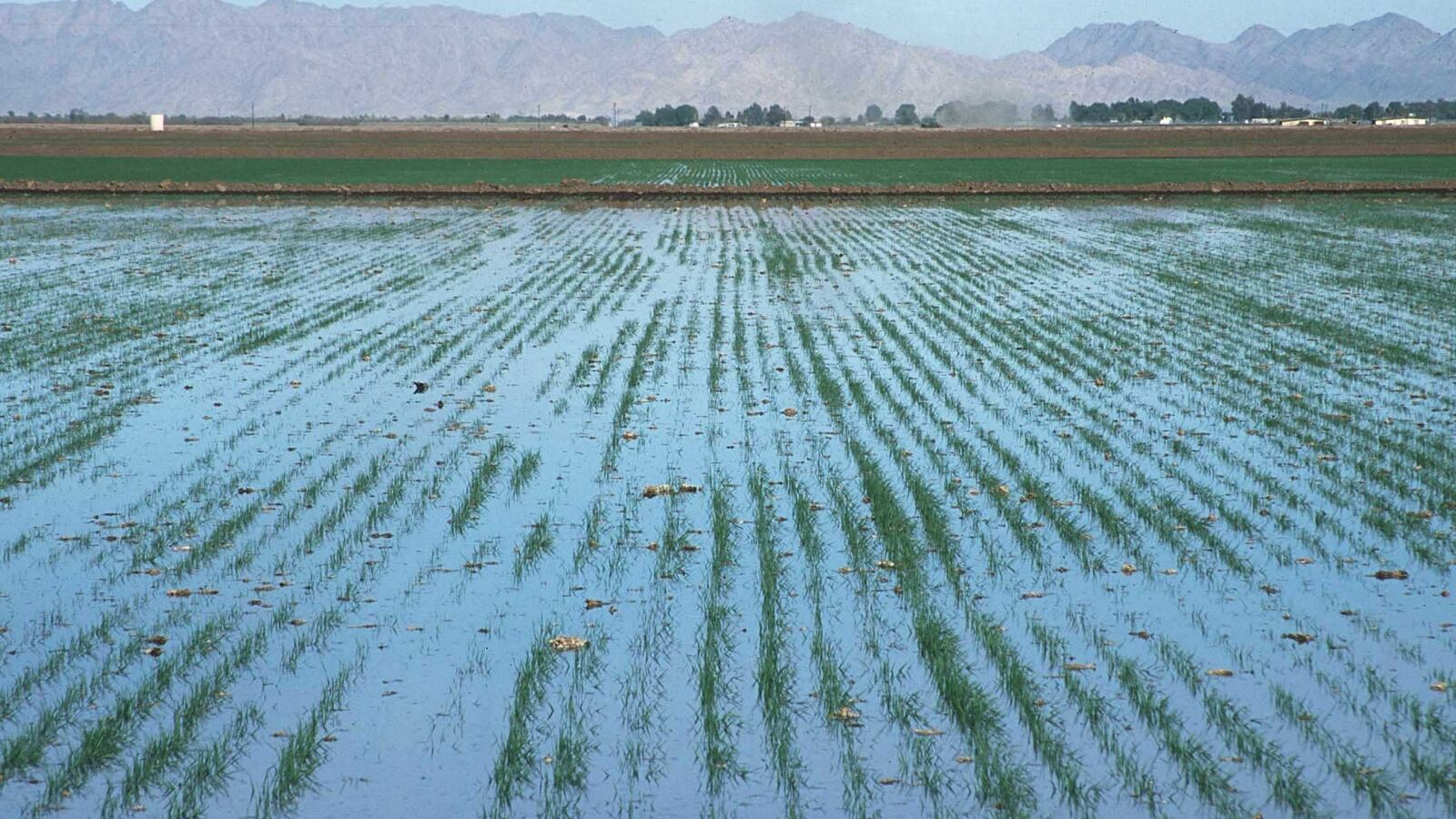
№ 452Spate Irrigation: Farming the Flash Flood
An ancient dryland method that diverts the brief, muddy floods of seasonal rivers onto fields — irrigating and fertilising them in a single event, and growing crops in places with almost no reliable rain.
 № 537
№ 537Zai Pits: The Planting Holes That Reclaimed the Sahel
The small manure-filled planting pits that catch rain, concentrate fertility, and have brought hardened, abandoned farmland back into production across the dry lands of West Africa.
 № 018
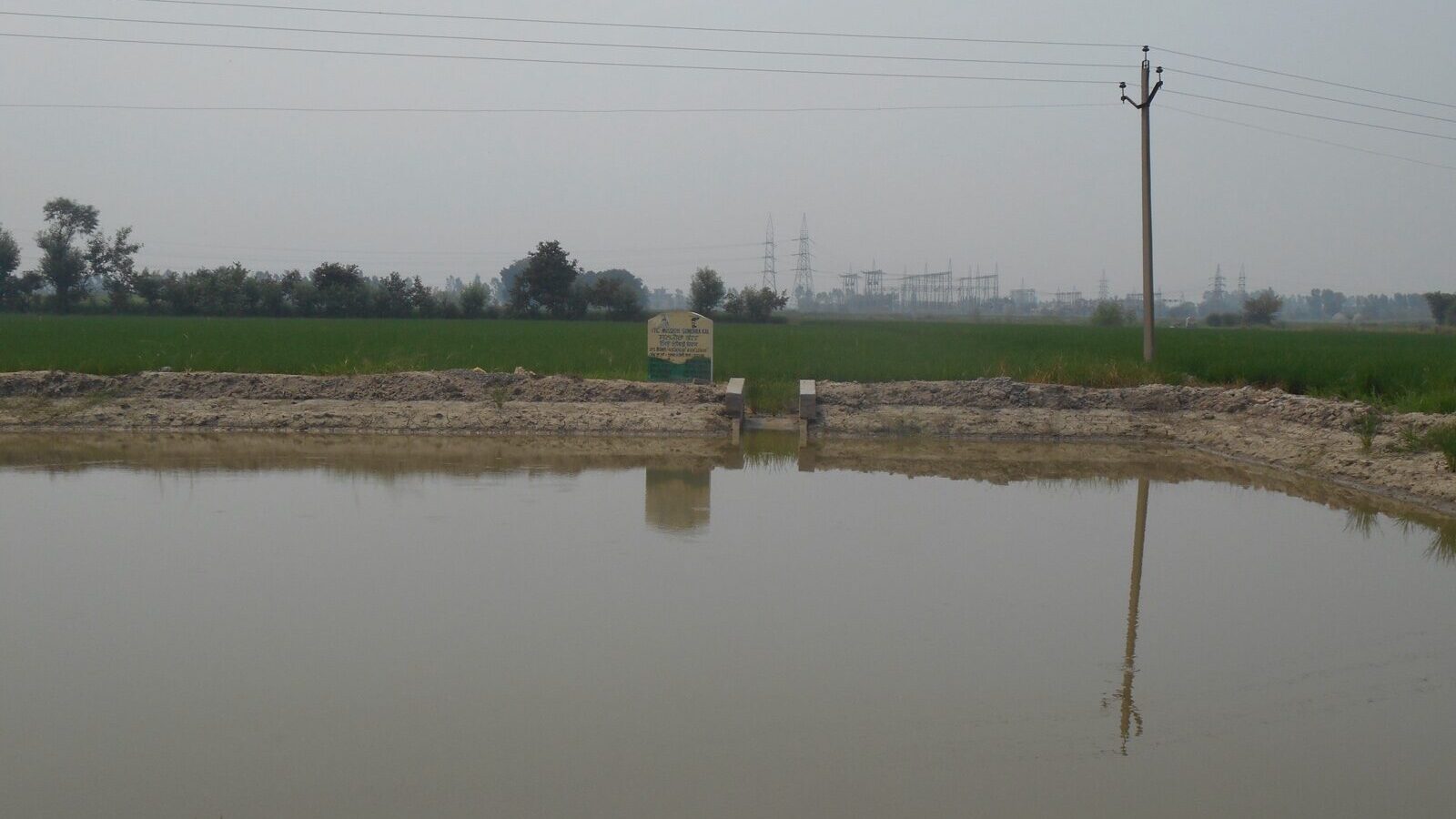
№ 018Aquifer Recharge: Putting Water Back Underground
Managed recharge from check dams to infiltration basins, why underground storage beats surface storage, and how to avoid recharging pollution.
 № 100
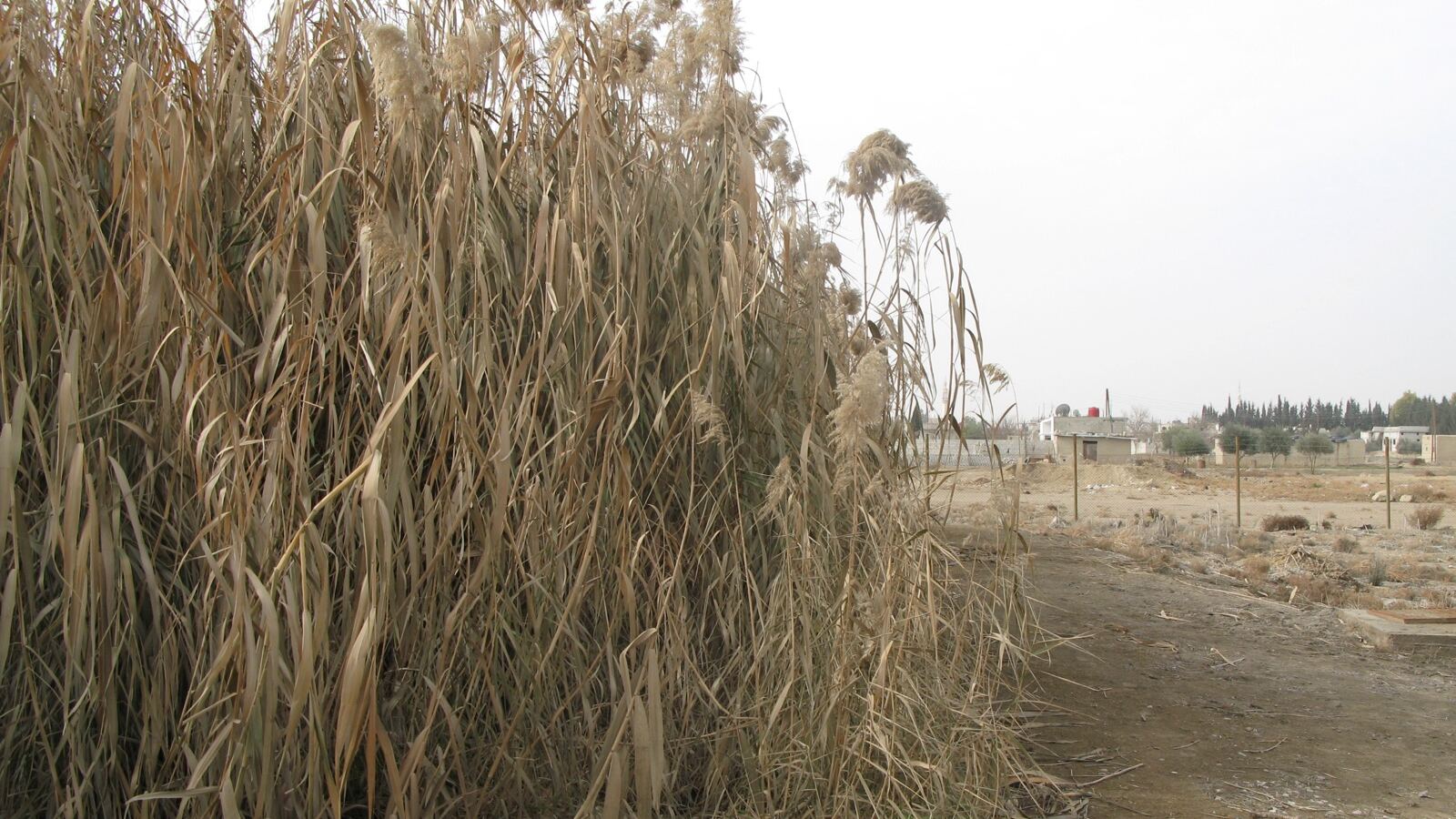
№ 100Constructed Wetlands: Treating Water With Plants and Gravel
Reed beds that clean wastewater using microbial films on root surfaces — how the flow types differ, and what they can and cannot handle.
 № 162
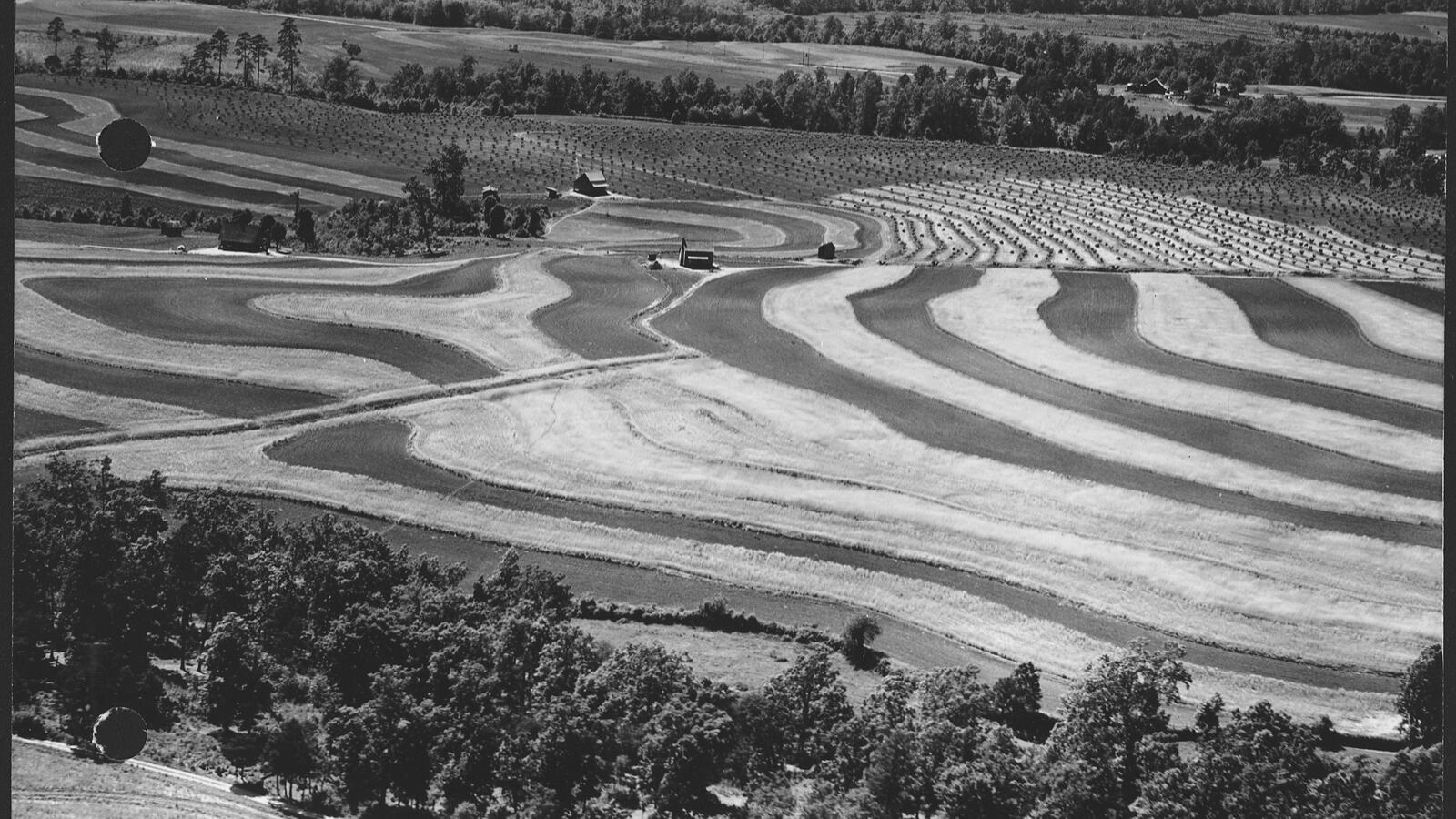
№ 162Finding Contour: The Level Line That Everything Depends On
A-frames, bunyip levels, and laser levels — how to mark a true level line across a slope before digging anything that has to hold water.
 № 233
№ 233Irrigation Scheduling: How Much, and When
Evapotranspiration, soil moisture deficit, and crop-critical stages — replacing guesswork and fixed timers with the two numbers that matter.
 № 385
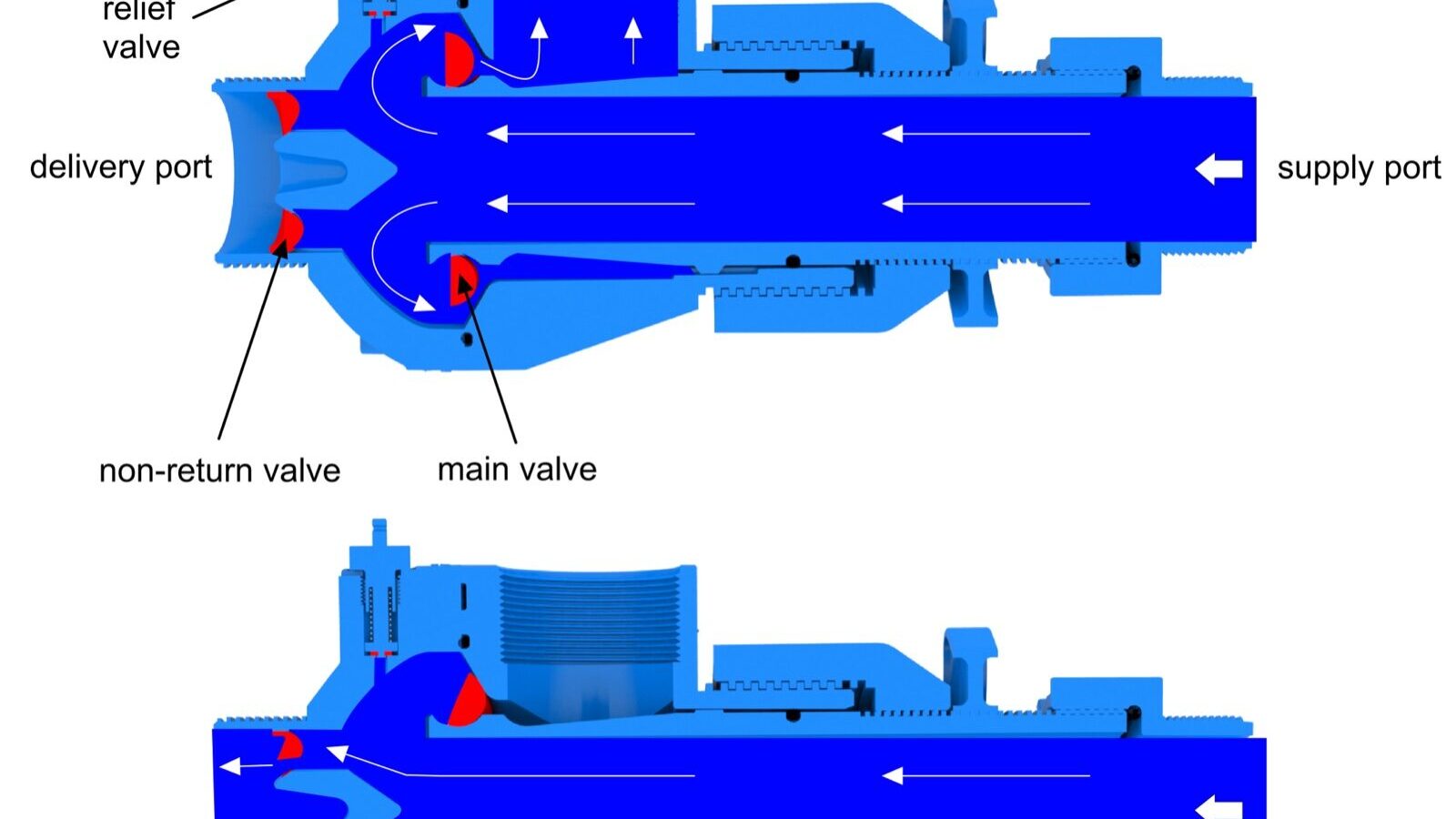
№ 385Ram Pumps: Lifting Water With Nothing but Water
The hydraulic ram uses the momentum of falling water to push a fraction of it uphill forever, with two moving parts and no power supply.
 № 407
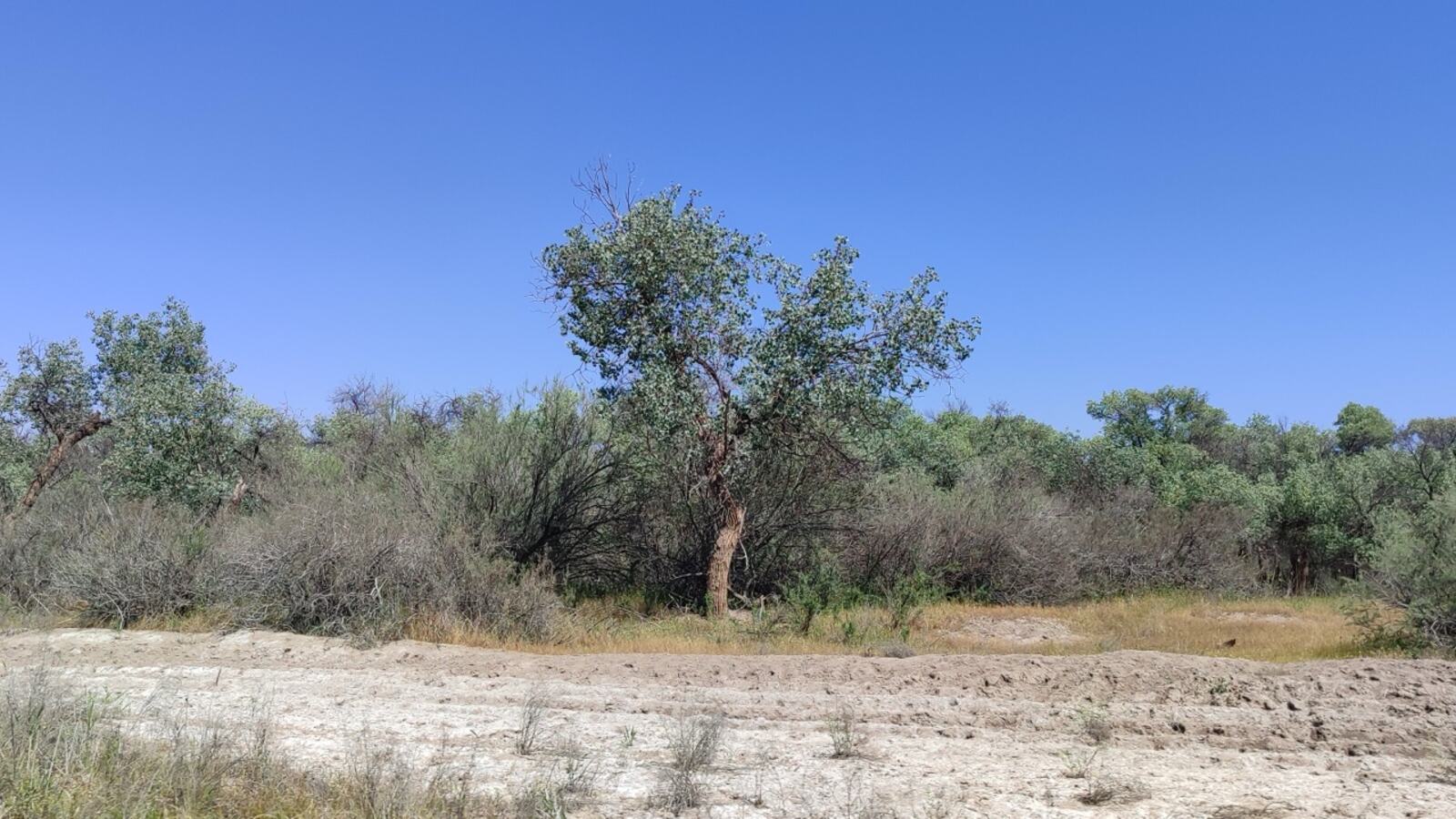
№ 407Salinity: The Slow Poisoning of Irrigated Land
How irrigation turns productive ground saline, the difference between salinity and sodicity, and the drainage and species choices that hold it back.
 № 456
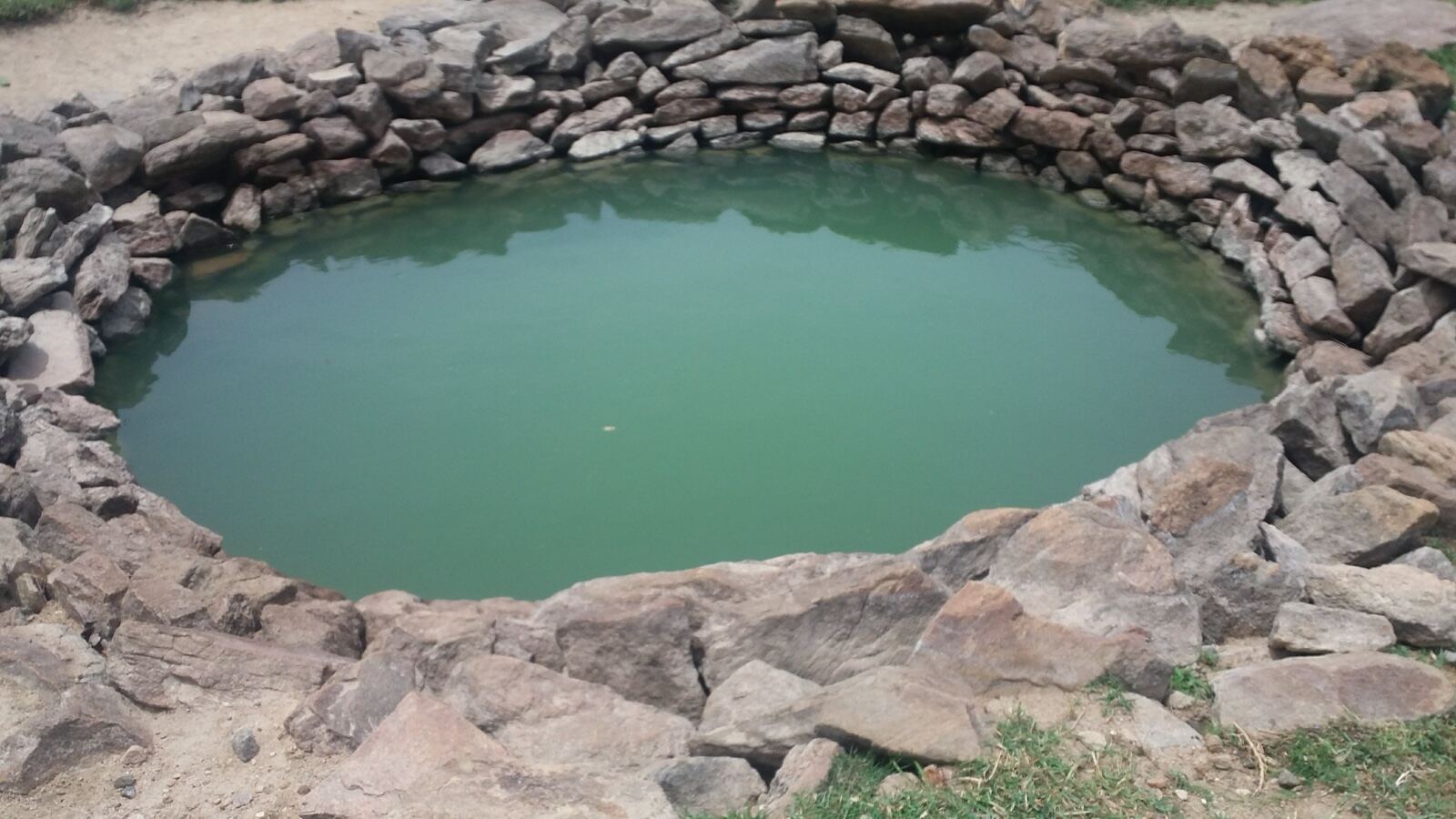
№ 456Spring Development: Capturing a Spring Without Ruining It
A spring is an aquifer surfacing — capture it at the source, protect the recharge area, and never let the collection box become the contamination point.
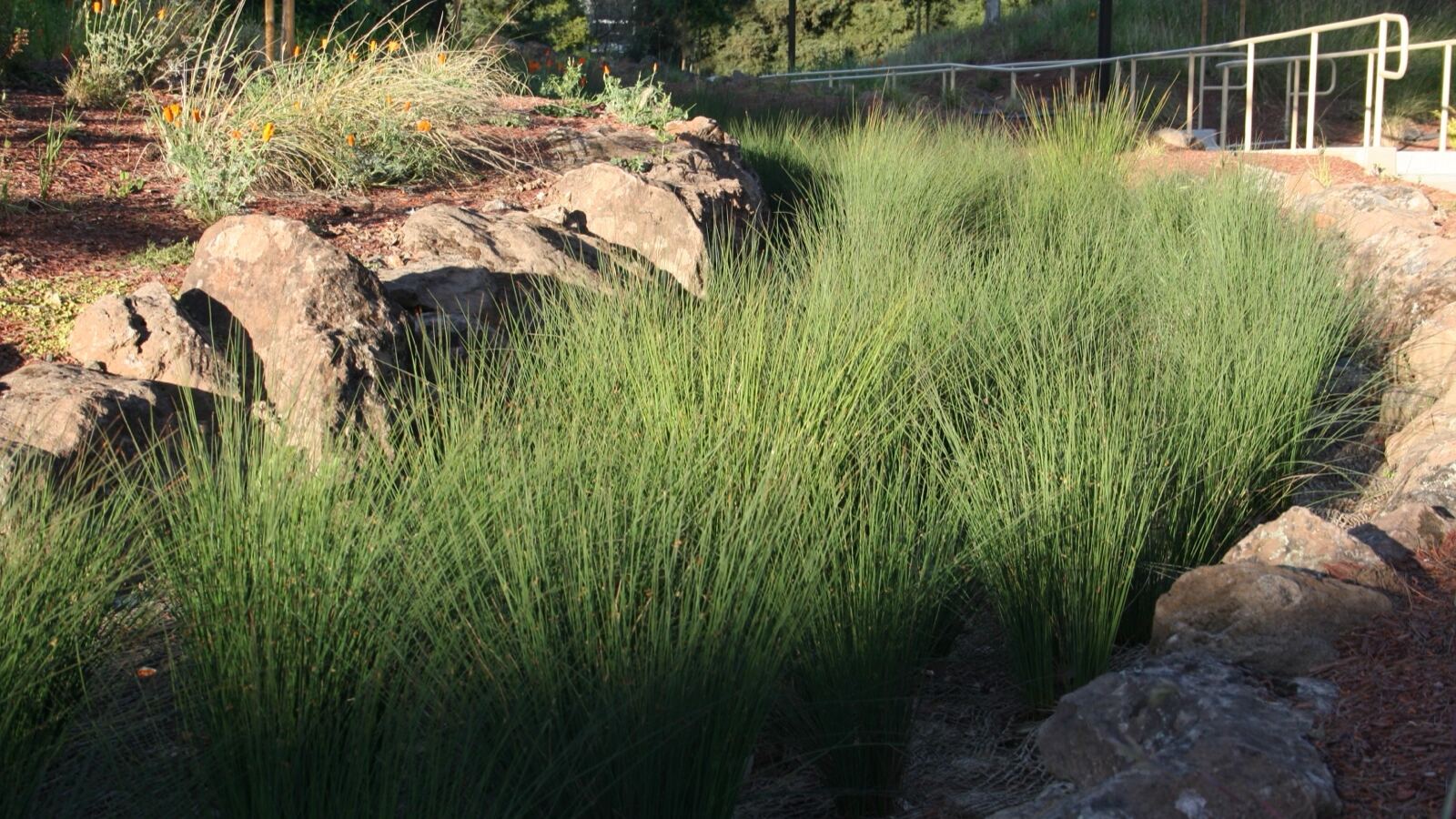 № 465
№ 465Stormwater Management: Slowing Water Before It Becomes a Flood
Impermeable surfaces turn rain into a flood peak — SuDS, the treatment train, and why upstream storage beats downstream pipes.
 № 513
№ 513Water Quality Testing: Knowing What You Actually Have
What to test for in rainwater, wells, and surface water, how often, and the treatment steps that match each class of contaminant.
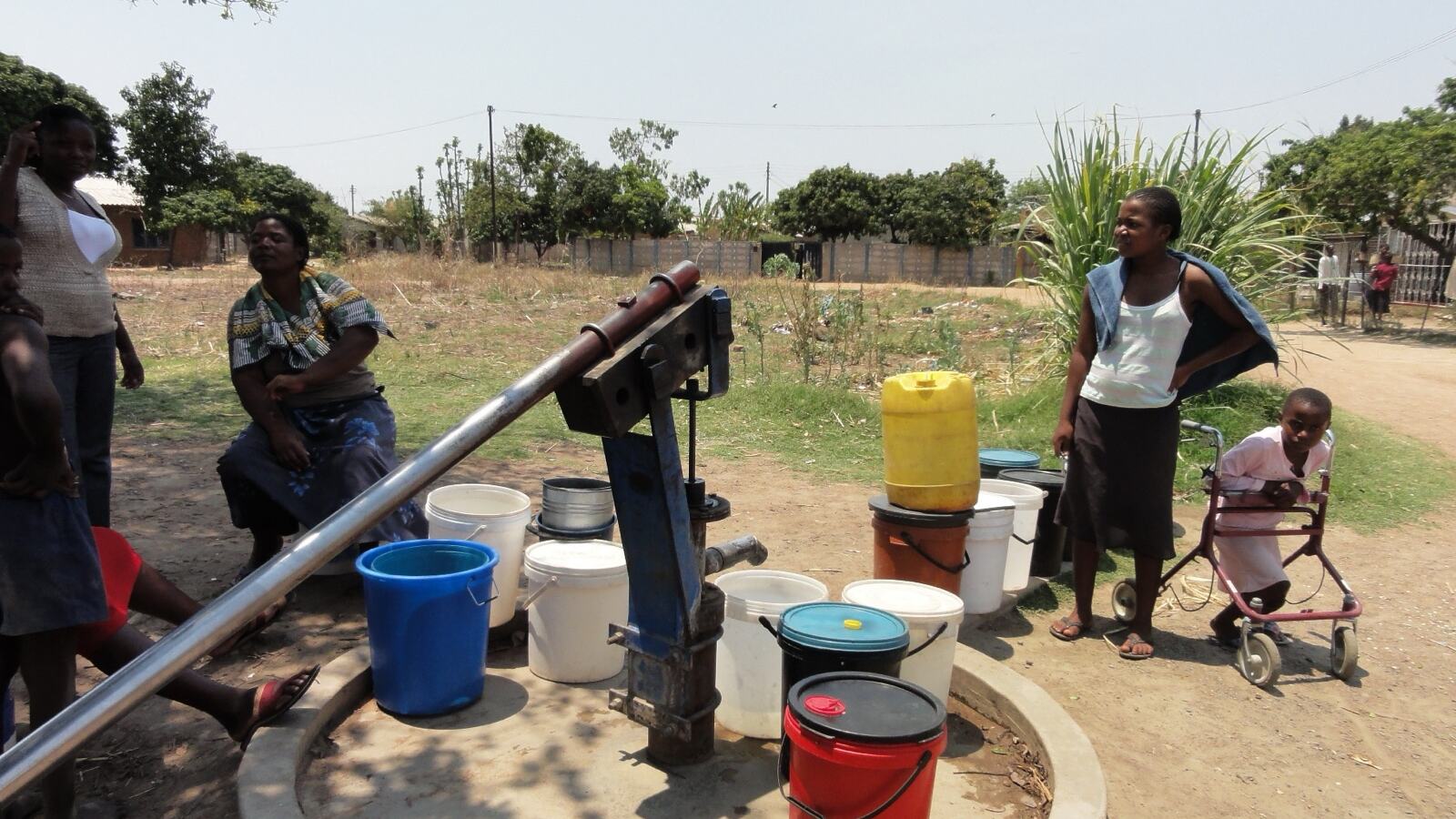 № 516
№ 516Wells and Boreholes: Taking Water from Underground
How aquifers actually behave, the difference between a dug well and a drilled borehole, and why the drawdown that matters is your neighbour's.
 № 248
№ 248Keeping Stored Water Clean: Tanks, Cisterns, and Ponds
Why stored water goes bad, why copper and zinc work, how to keep algae and mosquitoes out, and the boring physical fixes that handle 80% of the problem.
 № 422
№ 422Self-Sufficient Ponds: Building a Body of Water That Manages Itself
How a built pond becomes a real ecosystem: the first three years, the trophic layers it needs, and the small interventions that decide between a balanced pond and a green soup.
 № 070
№ 070Roof Catchment Calculation: Know Your Numbers
How to calculate rainwater yield from your roof area, accounting for runoff coefficients, losses, and annual rainfall to size your harvesting system correctly.
 № 138
№ 138Drip Irrigation: Precision Watering at 90% Efficiency
Drip delivers water straight to the root zone at 90 percent efficiency, cutting waste, disease, and labour against any overhead system.
 № 139
№ 139Drought-Tolerant Species: Gardens on Rainfall Alone
Mediterranean, Australian, and South African plants that thrive in summer-dry climates, plus the design rules that keep them alive.
 № 143
№ 143Earthworks and Contouring: Shaping Land to Hold Water
Landscape-scale water management through grading, contouring, and earth structures that slow, spread, and sink rainwater into the ground.
 № 166
№ 166First-Flush Diverters: Clean Water from the Start
How first-flush diverters work to remove dust, bird droppings, pollen, and debris from the initial roof runoff before it enters your rainwater tank.
 № 169
№ 169Fog Nets: Harvesting Water from Thin Air
Mesh panels intercept fog droplets to supply clean water in arid coastal and mountain zones where rain is scarce but fog is steady.
 № 197
№ 197Gravity-Fed Systems: No Pump, No Power, No Problem
Use elevation and gravity to move water from tanks to gardens, troughs, and taps with no pump, no power, and no ongoing energy cost.
 № 224
№ 224Hydrozoning: Group Plants by Water Needs
Group plants by water need, irrigate each group on its own schedule, and cut outdoor water use by 30 to 50 percent.
 № 303
№ 303Mulching for Moisture: Cut Evaporation by 70%
How a thick mulch layer shades the soil, blocks wind, and stops capillary loss, plus which materials work best for moisture retention.
 № 335
№ 335Overflow Management: Never Waste a Drop
Direct tank overflow into swales, rain gardens, and infiltration features so excess water builds landscape resilience instead of cutting erosion gullies.
 № 352
№ 352Permeable Surfaces: Let Rain Soak In Where It Falls
Replace impervious paving with surfaces that drink rain in place, recharge groundwater, and turn driveways into water harvesting assets.
 № 365
№ 365Ponds and Dams: Landscape-Scale Water Storage
How to site, build, and shape ponds and dams that store irrigation water, host wildlife, buffer microclimate, and defend against fire.
 № 426
№ 426Shade Management: Strategic Shade Saves Water
Thoughtful tree placement cuts soil evaporation, eases transpiration stress, cools buildings, and drops garden water demand by half.
 № 448
№ 448Soil Is Your Biggest Water Tank
How organic matter turns soil into a massive water reservoir, and the practical moves that increase your water-holding capacity.
 № 472
№ 472Surface Catchment: Every Hard Surface Is a Water Source
Direct runoff from driveways, paths, and patios into rain gardens, tree basins, and swales instead of the storm drain.
 № 484
№ 484Water Tank Placement: Shade, Elevation, and Gravity
Where to put a water tank so shade keeps it cool, elevation gives free pressure, and overflow feeds the landscape instead of eroding it.
 № 485
№ 485Tank Sizing: How Much Storage Do You Need?
Match roof supply to garden and household demand with a monthly water budget that reveals the real storage volume you need.
 № 507
№ 507Underground Cisterns: Buried Storage That Lasts
How buried water storage kills evaporation, blocks algae, and stays cool. Types, install notes, costs, and how to plumb the system.
 № 514
№ 514Watering Timing: When You Water Matters
Why the hour you irrigate shifts efficiency, plant health, and disease risk, and how to adjust your schedule across the seasons.
 № 520
№ 520Wicking Beds: Self-Watering from Below
Wicking beds hold a sub-surface reservoir and feed roots through capillary action, cutting evaporation and stretching tank water through dry weeks.
 № 526
№ 526Windbreaks: Hedgerows That Save Water
How permeable shelterbelts cut wind-driven evaporation by 20 to 30 percent while delivering fruit, timber, habitat, and pest control.
 № 078
№ 078Check Dams: Slowing Water, Building Land
How small rock, log, or earth barriers placed across drainage lines slow erosion, capture sediment, infiltrate water, and gradually rebuild degraded gullies.
 № 199
№ 199Greywater Systems: Recycling Household Water
Redirect shower, sink, and laundry water to fruit trees and orchards using simple mulch basins and a diverter valve.
 № 250
№ 250Keyline Design: Moving Water from Valleys to Ridges
P.A. Yeomans' keyline system reads the shape of the land and uses gravity to push water from wet valleys to dry ridges.
 № 382
№ 382Rain Gardens: Beautiful Water Filtration
Design a shallow planted depression that catches roof runoff, filters pollutants, recharges groundwater, and feeds pollinators.
 № 474
№ 474Swales on Contour: Passive Water Harvesting
Design and build contour swales that catch runoff, recharge groundwater, and turn dry hillsides into productive land.
 № 384
№ 384Rainwater Harvesting Basics
Catch the rain off your roof, hold it in a tank, and water your garden through the dry months. Here's how.