What it is
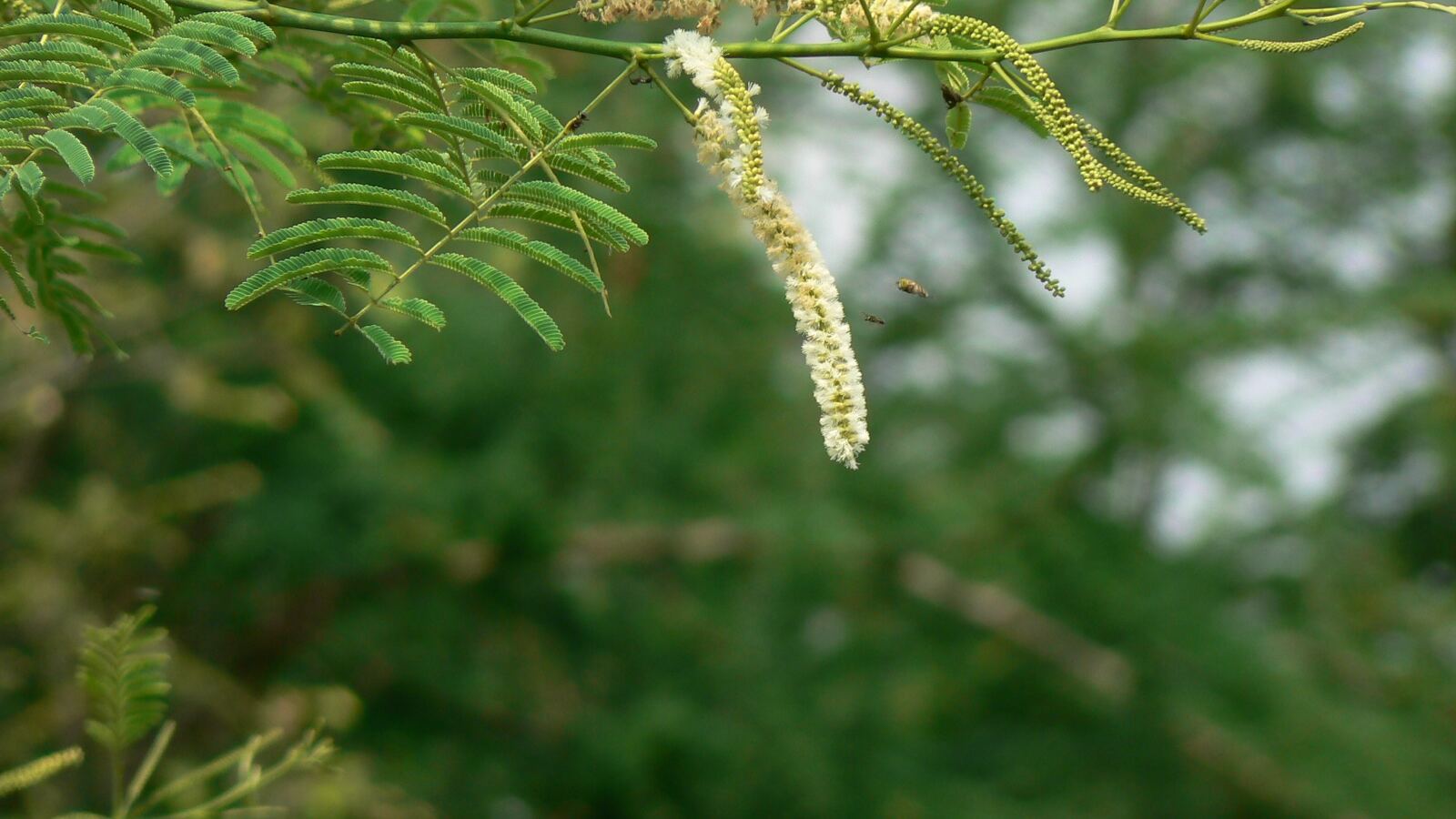
Senegalia catechu (long Acacia catechu), the catechu tree or khair — a thorny, deciduous, medium-sized leguminous tree of the dry forests of the Indian subcontinent and Southeast Asia, and a member of the vast acacia group.
From its heartwood is made catechu or cutch — a dark, astringent, tannin-rich extract produced by boiling down chips of the wood — one of the most widely used natural astringents, dyes, and tanning agents of Asia, and the origin of the chemical name "catechin" for the class of tannin compounds it contains (the same family of compounds found in tea and cacao).
The red of the betel quid
Catechu's most widespread use — reaching hundreds of millions of people daily — is as the essential reddening ingredient of the betel quid (paan).
Across South and Southeast Asia, the chewing of betel quid is a deeply ingrained custom: a leaf of the betel vine is smeared with slaked lime and catechu paste (kattha), wrapped around slivers of areca ("betel") nut and other flavourings, and chewed. It is the catechu, reacting with the lime and the areca, that produces the characteristic bright blood-red juice and stain of the betel chewer — the red-stained lips, teeth, and pavements that are one of the visual signatures of the region. Catechu gives the quid its astringency, colour, and flavour, and it is produced and traded in enormous quantity for this purpose. (Betel-quid chewing, it should be said, carries real health risks, especially oral cancer from the areca nut, though the catechu itself is the more benign ingredient.) This makes the humble khair tree, through cutch, part of the daily life of a huge share of humanity. See historical ecology.
Tannin, dye, and medicine
Beyond the betel quid, catechu is a major tannin and dye. Its extract was a significant material for tanning leather and, especially, for dyeing cotton and canvas the durable brown-to-khaki colours from which "khaki" (an Urdu word for dust-coloured) military and work cloth took its name and its dye — cutch dyed the sails, tents, fishing nets, and uniforms of empire. It is also an old and respected medicine, the astringent extract used across Ayurvedic and folk medicine for the mouth, throat, gums, wounds, and digestion, and the catechin compounds it contains are of continuing scientific interest as antioxidants.
As a legume, the catechu tree is also a nitrogen fixer and a valued tree of dry-forest agroforestry, providing (besides cutch) a hard durable timber, fuel, fodder, and a gum, and helping to hold and enrich poor, dry soils. See dryland restoration.
Growing it
Tropical to subtropical and adapted to hot, dry, seasonal climates, catechu is a tough, thorny, drought-hardy tree of poor and dry ground, wanting full sun and tolerating drought, poor soil, and a long dry season — the qualities of its dry-forest home — and, as a legume, improving the soil it grows in. It is frost-tender and a strong light-demander.
It is slow-to-moderate growing, long-lived, and grown from seed (scarified); the cutch is made by felling mature trees and boiling the heartwood chips, so sustainable production means managing and replanting the resource. As a source of a material woven into the daily life, industry, and medicine of Asia, the catechu tree is one of the quietly important trees of the dry tropics. See propagation.
See also
- Acacia and Gum Arabic its thorny leguminous relatives
- Tea and Cacao and Coffee other sources of the catechin compounds
- Quebracho and Myrobalan other great tannin-and-dye sources
- Nitrogen Fixers the soil-building legume role
- Palms the areca ("betel") palm whose nut the quid also contains
- Historical Ecology cutch, khaki, and the betel quid
- Betel Nut