What it is
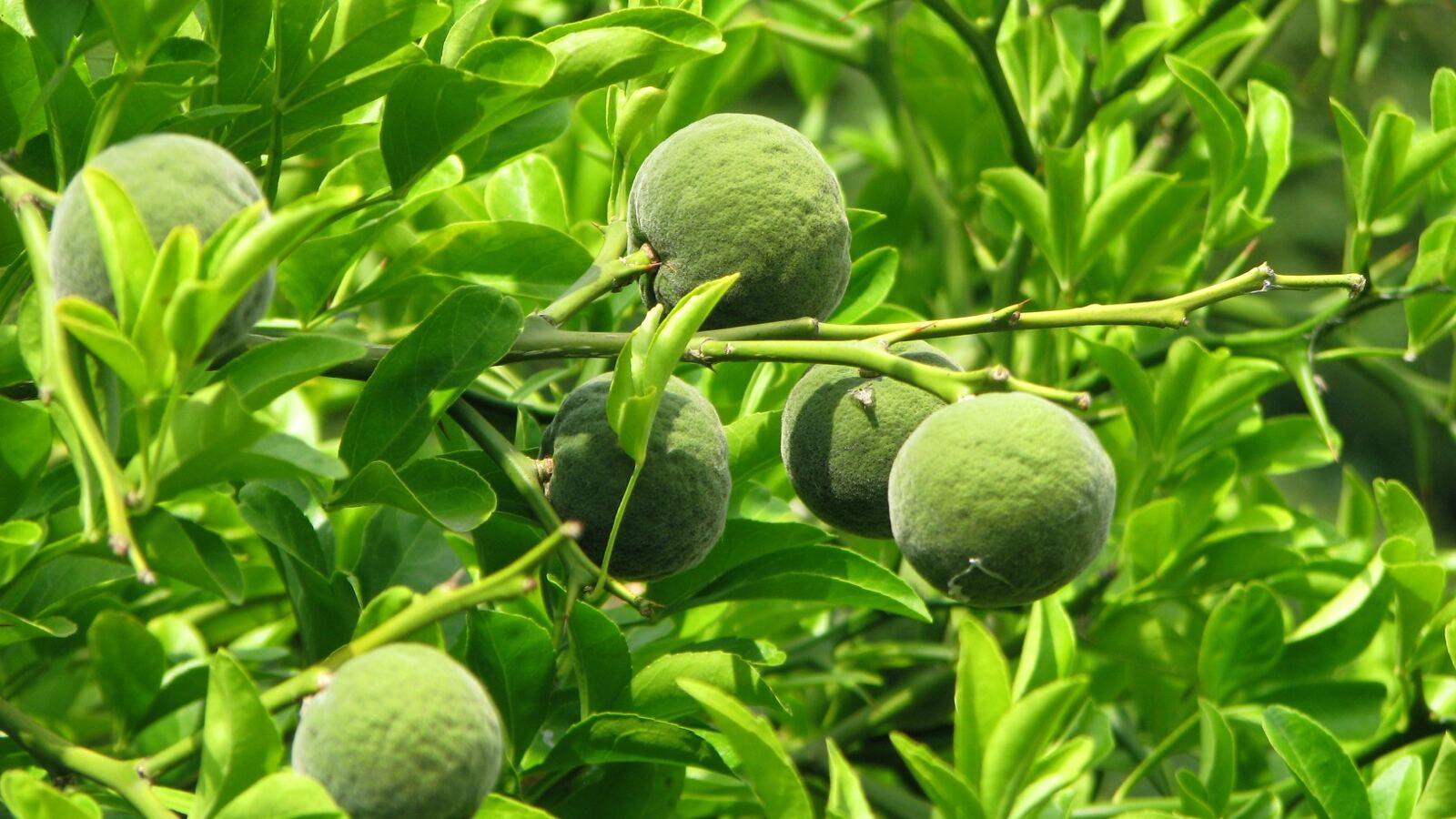
Citrus trifoliata (long known as Poncirus trifoliata), the hardy orange or trifoliate orange — a small, extremely thorny, deciduous tree of China and Korea, and the toughest, cold-hardiest member of the citrus tribe.
It is a close relative of the true citrus, and hybridises with them, but it stands apart in three ways: it drops its leaves in winter (nearly all other citrus are evergreen), it survives hard frost and snow that would kill an orange or lemon, and its fruit — small, downy, yellow, and aromatic — is too bitter and full of oil to eat. These oddities are exactly what make it so useful.
The rootstock beneath the orchard
The hardy orange's greatest importance is hidden underground: it is one of the most important rootstocks in the world's citrus industry.
Most cultivated citrus — oranges, lemons, mandarins, grapefruit — are not grown on their own roots but grafted onto the roots of a hardier, tougher relative, and the trifoliate orange and its hybrids (like the Citrange) are among the most widely used rootstocks, because they pass on a set of prized qualities to the tree grafted on top:
- Cold hardiness, letting citrus be grown a little further into cool climates;
- Dwarfing, keeping the grafted tree small and productive and easy to pick;
- Disease and pest resistance, notably tolerance of Phytophthora root rot and citrus nematodes, and resistance to some viruses;
- Tolerance of heavy and wet soils that other citrus roots dislike.
So beneath a great many of the world's orange and mandarin trees is a trifoliate-orange root system doing the hard work — a hidden citrus you never see, exactly as wild rose roots lie beneath garden roses and wild plum beneath orchard fruit. See grafting.
The living fence
Above ground, the hardy orange has a second use that follows from its fearsome armament. Its branches are set with stout, sharp, flattened thorns up to 5 cm long, and it grows into a dense, twiggy, interlocking mass — which makes it one of the most effective of all defensive hedges.
Planted and clipped, a hardy orange hedge becomes a genuinely impenetrable, stock-proof, intruder-proof living barrier — a thorny wall — and it was widely used as a defensive and boundary hedge, including as a historic military and prison barrier, in the same tradition as the thorny blackthorn and osage orange hedges. It also makes a curious, extremely hardy ornamental, grown for its thorns, its white spring blossom, its small golden autumn fruit, and its green winter twigs, and it is a popular subject for hardy bonsai. The fragrant flowers feed bees.
The usual caution: in the warm southeastern United States, the hardy orange has escaped and become a mildly invasive thorny thicket-former, so its status is worth checking there.
Growing it
Remarkably cold-hardy for a citrus — surviving to around −20°C, far colder than any true citrus — the hardy orange is otherwise easy and tough, wanting full sun and well-drained, preferably slightly acidic soil, and tolerating a wide range of conditions.
It is slow-to-moderate growing, deciduous, and thorny, and is grown from seed (which comes largely true, and is often polyembryonic) and cuttings — as a rootstock (budded with the desired citrus), as a defensive or ornamental hedge, and as a novelty hardy "citrus" for cold gardens where oranges cannot grow. The bitter fruit, though inedible fresh, can be made into a bitter marmalade or used for its aromatic peel. See propagation, grafting, and hedgerow care.
See also
- Citrus the family it toughens and roots as a rootstock
- Grafting how citrus is grafted onto hardy-orange roots
- Wild Roses the same hidden-rootstock principle in roses
- Blackthorn and Osage Orange other thorny defensive-hedge trees
- Bael and Curry Tree other members of the citrus family
- Hedgerow Care the hardy orange as an impenetrable hedge
- Sichuan Pepper