What it is
Celtis, around 70 species across the northern hemisphere — common hackberry, C. occidentalis, in eastern North America, sugarberry, C. laevigata, in the south, and the European nettle tree, C. australis, around the Mediterranean.
Long treated as an elm relative, and now placed in the hemp family, Cannabaceae, alongside hops and hemp. The kinship to elm shows in the asymmetric leaf base and the toothed, three-veined leaves.
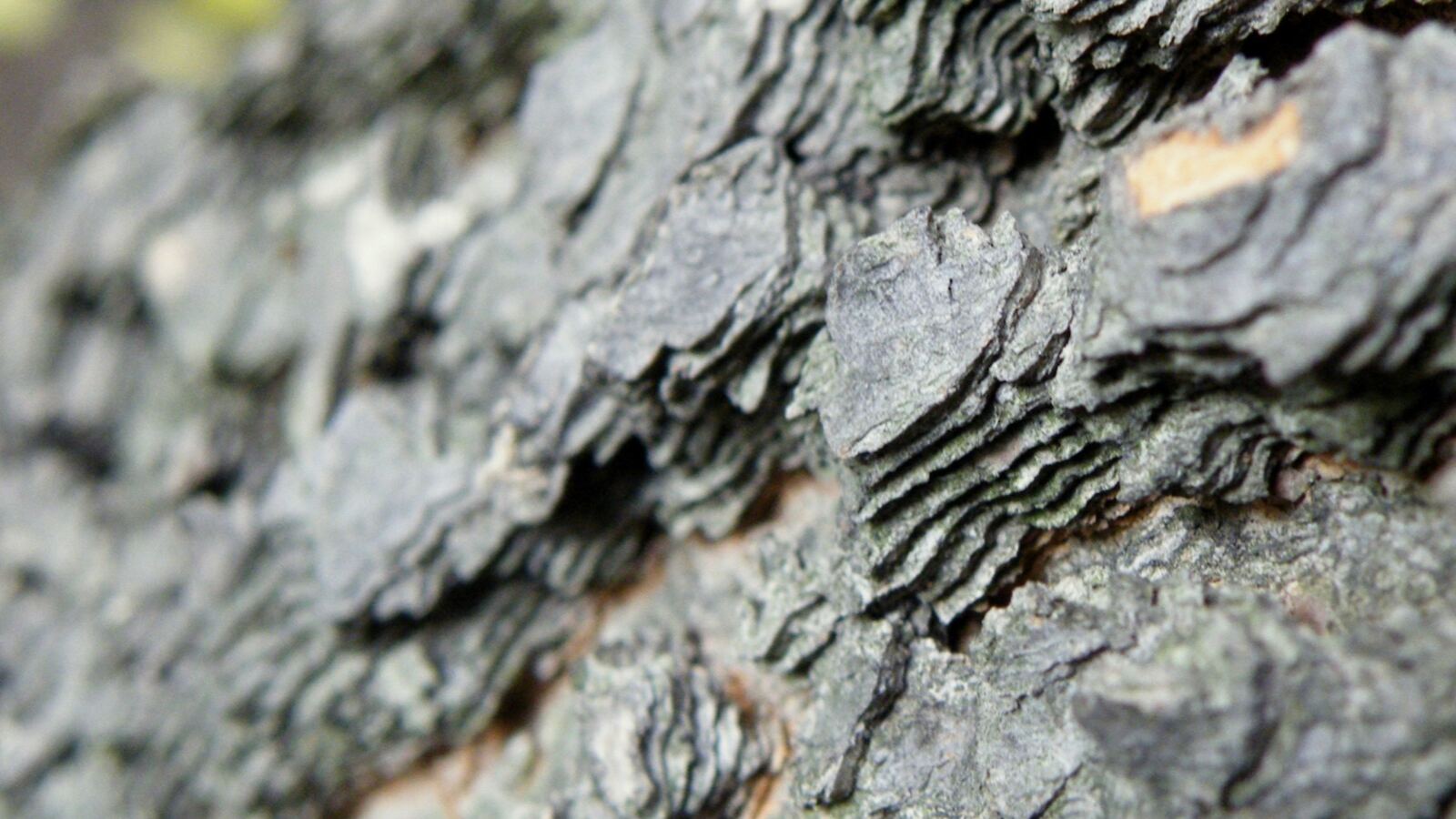
The identifying feature is the bark: grey and smooth on young trees, then developing distinctive warty, corky ridges and bumps that make an old hackberry unmistakable at a glance.
Tough where others fail
Hackberry's value is resilience, and it is one of the more reliable trees for hard sites.
It tolerates drought, heat, wind, poor and compacted soil, road salt, pollution, and periodic flooding — close to the full list of urban stresses. It is deep-rooted and notably wind-firm, standing where shallow-rooted species blow down.
That makes it a genuinely good street and parking-lot tree, and it is increasingly recommended as a climate-adapted urban species and a diversifier in tree populations dominated by maples and planes. See urban forestry and climate adaptation.
The European nettle tree fills the same tough-ornamental role around the Mediterranean, tolerant of heat and drought.
Wildlife value
For an unremarkable-looking tree, hackberry does a great deal for wildlife.
Berries. Small hard drupes, sweet and date-like around a large stone, that ripen in autumn and persist through winter. They are a major food for overwintering birds — waxwings, robins, thrushes, and many others strip them, and because they hang on into winter they matter at the point when other fruit is gone, like holly and rowan. See seed-dispersing birds and wildlife shrubs.
The berries are edible for people too — sweet, crunchy from the stone, and eaten by many cultures; one of the oldest human plant foods, found at very early archaeological sites.
Larval host. Hackberry supports a surprising range of butterflies whose larvae feed on nothing else — the hackberry emperor, tawny emperor, question mark, and mourning cloak among them. See butterflies and moths and caterpillars.
Nipple gall. Hackberry leaves are almost always covered in small raised galls caused by tiny psyllids. It is cosmetic, harmless, and universal — an old hackberry with clean leaves is the exception.
Growing it
Undemanding to the point of neglect-proof: full sun, almost any soil, wet or dry, acid or alkaline.
Fast when young, then moderate, reaching 15 to 25 m with a broad rounded crown and often gracefully drooping branch tips.
Grows readily from seed, which needs cold stratification, and it self-sows freely — enough to be weedy in some settings, and it is treated as a minor invasive in parts of Europe.
Witches' broom, dense congested twiggy growths caused by a mite and a mildew together, is common and cosmetic. Otherwise hackberry is largely free of serious problems, which is part of its appeal.
The timber is pale, tough, and used for furniture and boxes, though it is not durable outdoors and is prone to blue stain.
Hackberry is the sort of tree the whole urban forestry diversity argument is about: not showy, not a specimen, but tough, wildlife-rich, and reliable where fussier trees fail.
See also
- Elm the close relative it resembles
- Urban Forestry tough trees for hard city sites
- Climate Adaptation hackberry as a diversifier
- Wildlife Shrubs winter berries for birds
- Butterflies and Moths the emperors that need it
- Rowan and Whitebeam the other persistent-berry trees
- Osage Orange
- Zelkova
- Golden Rain Tree
- Maackia
- Galls and Gall-Formers