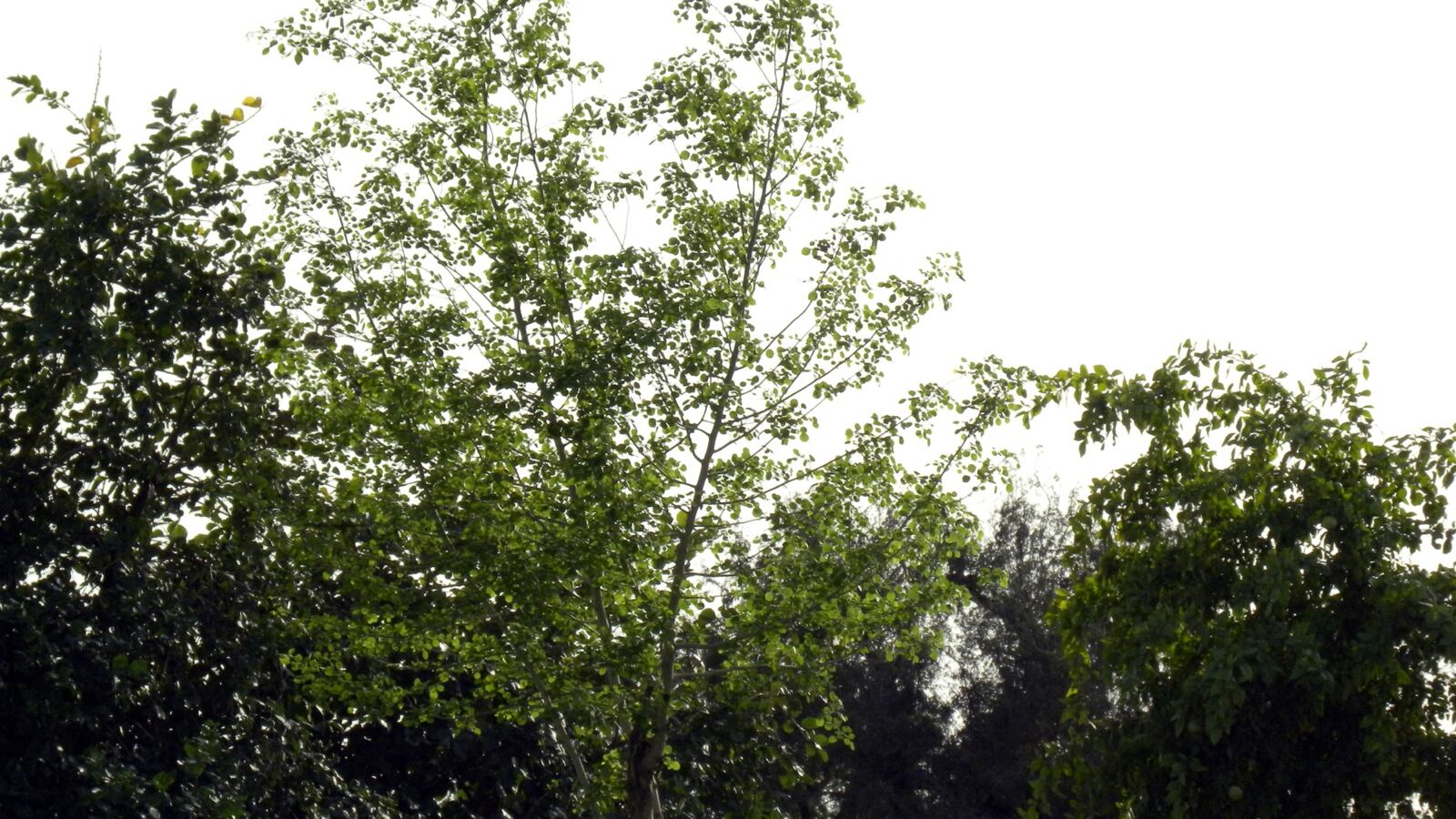
What it is
Dalbergia sissoo, the shisham, sissoo, or North Indian rosewood — a fast-growing deciduous leguminous tree of the Indian subcontinent, and one of the most important timber and agroforestry trees of northern India and Pakistan.
It belongs to the genus Dalbergia — the rosewood genus — which makes it a close relative of the great tropical rosewoods and of the African blackwood, and it shares their hard, handsome, durable timber, along with the padauk-and-legume family's nitrogen-fixing roots. It is a tough, adaptable, medium-to-large tree with a light, open crown of rounded leaflets, ubiquitous along the roads, canals, and field-edges of the North Indian plains.
The workhorse timber
Shisham's timber is the reason it is planted everywhere in its region. It is a hard, strong, heavy, durable, richly-figured golden-brown-to-dark-brown wood — a true rosewood — that is excellent for furniture, carving, cabinet-making, joinery, agricultural implements, and boat and building work, resistant to decay and insects and taking a fine polish.
In northern India and Pakistan, shisham is the furniture timber — the everyday hardwood of the region's carved beds, chairs, tables, doors, and cabinets — and, after teak, it is the most prized and valuable indigenous timber of the plains. It is exported and used for high-quality woodwork worldwide (much "Indian rosewood" furniture is shisham), and it is one of the mainstays of Indian forestry and the rural timber economy. See restoration economics.
The multi-purpose field tree
Beyond timber, shisham is a classic agroforestry tree of the North Indian plains, valued for the same reasons as the great leguminous farm trees:
- as a nitrogen fixer it enriches the soil, so it is grown on field bunds and in alley cropping and shelterbelts to improve the land;
- it is fast-growing and easily raised, giving quick fuel, fodder (the leaves), and small timber;
- it is deep-rooted, drought-hardy, and tolerant of a range of soils including poor and saline ground, so it is planted for erosion control, canal- and river-bank stabilisation, roadside avenues, and the reclamation of degraded and eroded land; and it is a mainstay of reforestation and afforestation across the plains and lower hills.
This combination of prime timber and soil-building toughness makes shisham one of the most valuable and widely-planted trees of its region — though, in recent decades, a serious dieback and wilt (a fungal disease) has become a major threat to shisham across the subcontinent, a concern for its future. See tree diseases.
Growing it
Subtropical to warm-temperate and reasonably hardy, shisham is tough and fast, wanting full sun and tolerating a wide range of soils — poor, dry, sandy, gravelly, and moderately saline — along with heat, drought, and seasonal flooding; it is a strong light-demander and grows especially well along watercourses. As a legume it improves the soil it grows in.
It is grown very easily from seed and from root suckers and cuttings (it suckers freely, which helps it colonise and can make it weedy on canal banks), and it is planted throughout northern South Asia for timber, fuel, fodder, soil improvement, and land stabilisation. As the rosewood of the North Indian field and workshop, shisham is one of the most useful and characteristic trees of the region. See propagation.
See also
- Rosewood and Sandalwood the Dalbergia rosewoods, shisham's close kin
- Ebony and Blackwood another Dalbergia, the African blackwood
- Padauk another richly-coloured, nitrogen-fixing legume timber
- Teak the only Indian timber more prized than shisham
- Nitrogen Fixers and Alley Cropping shisham's agroforestry roles
- Tree Diseases the dieback now threatening shisham