What it is
Prunus dulcis, the almond — botanically a stone fruit, in the same genus as the plum, cherry, and peach, but grown for the seed inside the stone rather than the flesh around it. The "nut" of the almond is the kernel of a small, dry, leathery drupe; the fibrous hull splits at maturity to release the familiar pitted shell and the seed within.
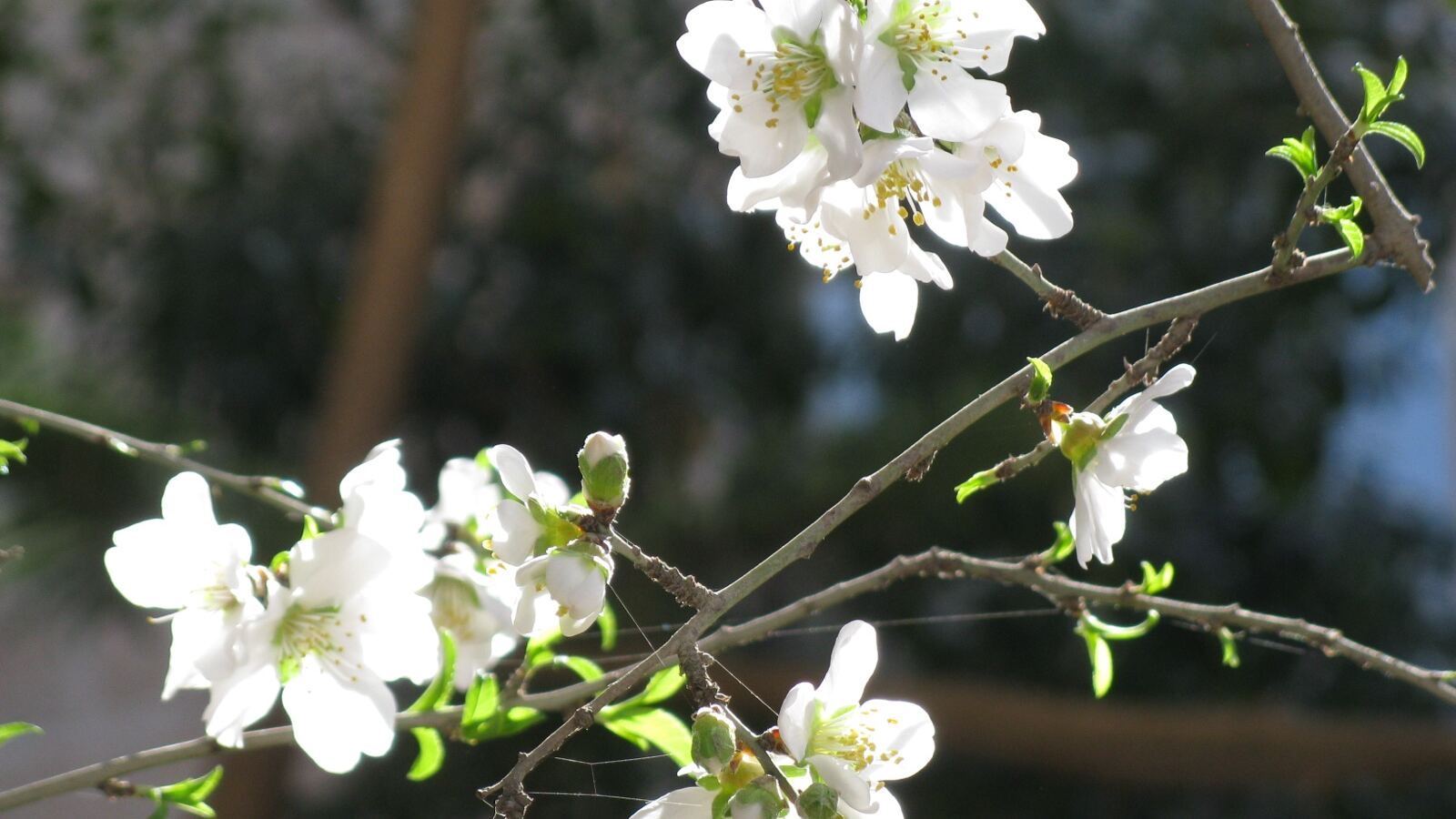
Native to western and central Asia, domesticated early, and spread by the ancient civilisations around the Mediterranean, the almond is one of the oldest cultivated nut trees and among the first trees to flower each year, wreathed in pale pink-and-white blossom in late winter — a signature sight of the Mediterranean and Californian spring.
Sweet and bitter almonds
There are two kinds, and the difference is a matter of life and death.
Sweet almonds are the edible nut. Bitter almonds — from wild and certain seedling trees — contain amygdalin, which releases hydrogen cyanide when the seed is chewed or crushed, and a small handful of raw bitter almonds can be fatal, especially to a child. Domestication of the almond was essentially the selection of a single genetic change that switches off the bitter, cyanide-producing compound, turning a poisonous wild seed into a safe food — one of the clearest examples of how domestication tamed a plant's chemical defences. Bitter almonds are still used, carefully and in tiny quantity, for flavouring (almond extract, marzipan, amaretto), the cyanide driven off by processing. The cyanide chemistry is shared, in smaller measure, with the seeds of the almond's stone fruit and apple relatives.
The great bee migration
The almond's most extraordinary modern story is not about the tree at all, but about the insects it depends on.
Almonds are self-incompatible — a tree cannot set nuts with its own pollen — so every almond orchard needs a second variety flowering at the same time and, above all, insects to carry pollen between them. And California grows the overwhelming majority of the world's almonds, in orchards covering enormous areas, all flowering in the same two or three weeks of late winter.
The result is the largest managed pollination event on Earth. Each February, commercial beekeepers truck most of the honeybee colonies in the United States — well over a million hives, from all over the country — to the Californian almond orchards, because no local bee population could remotely pollinate that concentration of bloom. The bees work the blossom for a fortnight and are then trucked away again to the next crop. This mass migration is lucrative for beekeepers but hard on the bees — crowding, disease transmission, pesticide exposure, and the stress of transport are all implicated in honeybee health problems, and the almond bloom's dependence on a single trucked-in pollinator is a stark illustration of how industrial monoculture strips out the local pollinator habitat that a diverse landscape would provide for free. It is the textbook case for why resilient farming needs wild and diverse pollinators, not one rented species. See native bees.
The water question
Like the avocado, the almond has become a symbol of the water cost of thirsty crops in dry places. Californian almonds are grown largely by irrigation in a drought-prone state, and the oft-quoted "gallons per almond" figure has made the crop a lightning rod in debates over agricultural water use. The trees are permanent and cannot be fallowed in a dry year without losing the whole orchard, which makes almond a rigid demand on a variable water supply.
Growing it
Warm-temperate to Mediterranean: the almond needs a distinct winter chill to flower and, crucially, a frost-free late winter, because its very early blossom is easily destroyed by spring frost — the main limit on where it can be grown, and why it fruits poorly in cooler maritime climates despite the tree being hardy.
Soil and site. Deep, well-drained soil in full sun; drought-tolerant once established but far more productive with irrigation. Plant at least two compatible varieties for cross-pollination.
Propagation. Named varieties are grafted, often onto peach, plum, or hybrid rootstocks that control vigour and suit the soil, exactly as with the other stone fruit. See grafting and propagation.
Problems. The usual stone-fruit troubles — peach leaf curl, brown rot, aphids, and the bacterial and fungal cankers — managed within integrated pest management. See pruning basics.
A pair of almond trees makes a beautiful, early-blossoming, drought-hardy addition to a warm garden or food forest, where local bees will pollinate them without a single truck.
See also
- Stone Fruit the plum-and-cherry relatives the almond belongs among
- Native Bees the pollinators behind the great almond bloom
- Pollinator Habitat why diverse wild pollinators beat one trucked species
- Avocado the other thirsty crop in the water debate
- Irrigation Scheduling the almond's rigid water demand
- Grafting how almond varieties are propagated
- Tropical Almond
- Honeybees and Beekeeping