What they are
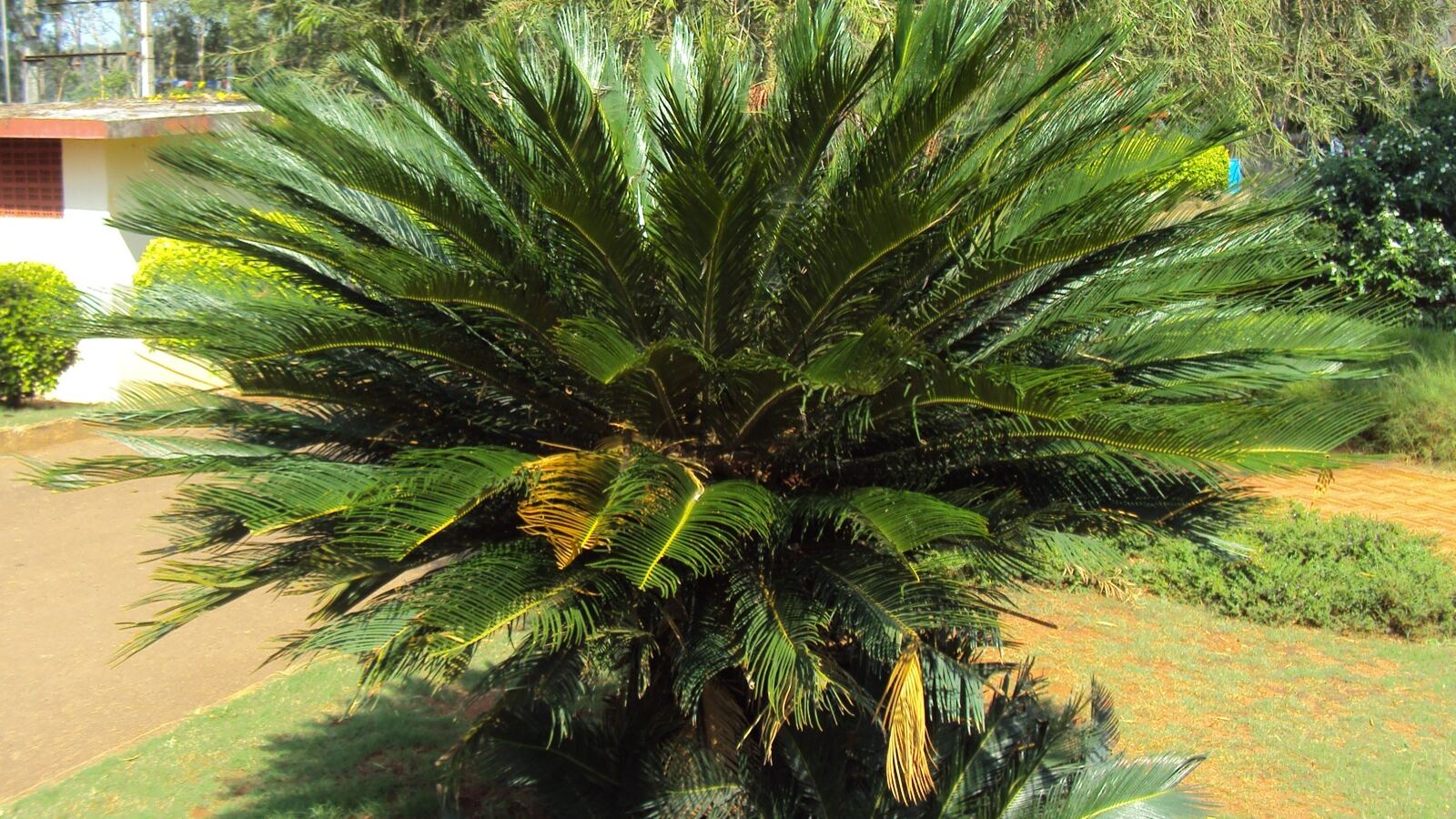
The cycads — Cycas, Encephalartos, Zamia, Dioon, and their kin — are an ancient group of seed plants that look, at a glance, like a cross between a palm and a fern: a stout, often unbranched trunk topped with a crown of stiff, pinnate, evergreen fronds.
They are not palms (which are flowering plants) and not ferns. They are gymnosperms — seed plants that bear naked seeds in cones, like the conifers and the ginkgo — and they are among the most ancient lineages of seed plant alive, essentially unchanged in form since long before the flowering plants existed. In the age of the dinosaurs cycads were so dominant that the period is sometimes called the "Age of Cycads." The few hundred species that survive today are true living fossils, relicts of a vanished flora, alongside the ginkgo and the wollemi pine.
Growing their own nitrogen
Cycads have a remarkable and unique adaptation that lets them thrive on poor soils: they fix their own nitrogen, and they do it in a way no other tree does.
A cycad grows special "coralloid roots" — clusters of stubby, branching roots that, unusually, grow upward toward the soil surface and the light. These roots are colonised by cyanobacteria (blue-green algae), which live inside them and fix atmospheric nitrogen, feeding it to the plant. It is the same nitrogen-fixing partnership that the legumes and the alder achieve with bacteria in their root nodules, but reached by an entirely different route and with a different microbe — one of several independent inventions of nitrogen fixation in the trees. It is why cycads flourish on nutrient-poor, sandy, and rocky ground where other plants starve. See nitrogen fixers and nitrogen-fixing bacteria.
Toxic seeds and a strange starch
Cycads are seriously poisonous. Their seeds and tissues contain toxins — cycasin and, notably, BMAA, a neurotoxic amino acid — that damage the liver and nervous system, and grazing on cycads causes a staggering "wobbles" disease in livestock. BMAA has been investigated as a possible factor in a cluster of neurodegenerative disease in Guam, where cycad seed flour was traditionally eaten, making cycads a subject of real medical interest.
Despite this, the starchy seeds and pith of some cycads have long been processed into food — sago and cycad flour — by careful washing, grinding, and fermenting to leach out the toxins, a painstaking traditional detoxification like that used for bitter cassava and other poisonous staples. It is a striking example of human ingenuity turning a poisonous plant into a survival food, but it must be done exactly right.
The cones themselves are often huge and brightly coloured, among the largest cones of any plant, and cycads are pollinated not by wind but by beetles — an ancient insect-pollination relationship that predates the bees and the flowers, and one of the oldest such partnerships known.
The most trafficked plants
Cycads have a grim modern distinction: they are among the most endangered and most illegally trafficked organisms in the world.
Because they are slow-growing, long-lived, architecturally striking, and collectible, rare cycads command extraordinary prices, and wild plants — some centuries old — are dug up and smuggled to collectors, driving several species toward extinction in the wild. Many are protected under CITES, and the trade in wild cycads is a serious conservation-crime problem, comparable to rhino horn in the passions and prices it involves. This makes seed banking, nursery propagation, and living collections in botanic gardens genuinely important to their survival, and makes buying only nursery-grown, legally-sourced plants an ethical necessity. See drought-tolerant species.
Growing them
Warm-temperate to tropical, mostly frost-tender (a few, like the sago "palm" Cycas revoluta and some Encephalartos, take light frost), wanting full sun to part shade and, above all, sharp drainage — cycads rot in wet ground.
They are extremely slow, extremely drought-hardy once established, and effectively permanent, which makes them prized architectural plants for pots and warm gardens. Grow them lean and dry. Propagate from seed (slow, and needing the toxic flesh cleaned off) and from offsets, and buy only legally propagated plants, never wild-collected ones. See propagation.
See also
- Ginkgo the other great living-fossil gymnosperm
- Wollemi Pine a living fossil rediscovered alive
- Nitrogen Fixers the cyanobacteria in cycad coralloid roots
- Conifers the fellow cone-bearing gymnosperms
- Seed Banking conserving trafficked and endangered cycads
- Monkey Puzzle another ancient gymnosperm relict
- Umbrella Pine
- Sago Palm