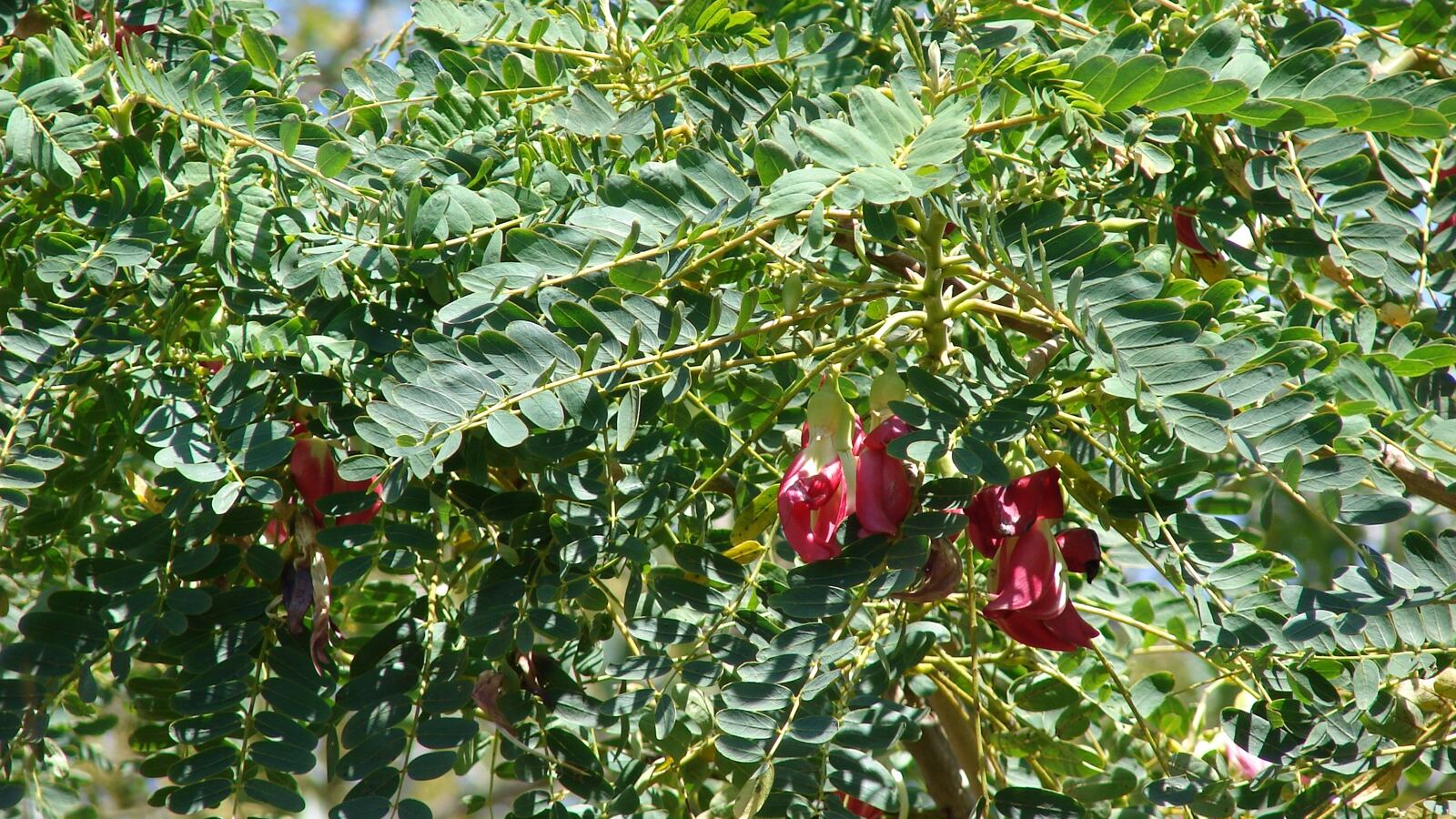
What it is
Sesbania, a group of fast-growing, soft-wooded leguminous trees and shrubs of the tropics — above all the agati or hummingbird tree (Sesbania grandiflora), grown for its edible flowers, and the green-manure sesbanias (S. sesban, S. rostrata) grown to feed the soil.
They are legumes, so all are nitrogen fixers, and their defining quality is speed: sesbanias are among the fastest of all leguminous trees, shooting up several metres in a single year, but soft-wooded and short-lived, so they are used as quick, disposable, soil-building "instant" trees rather than long-term ones — the sprinters of the nitrogen-fixing trees.
Green manure fast enough for the rice field
The green-manure sesbanias are one of the classic tools of tropical soil-building. Sown thickly, they grow into a dense leafy stand in a matter of weeks to a few months, fixing nitrogen all the while, and are then cut and dug or trampled into the soil as a green manure before the main crop — a fast, cheap shot of nitrogen and organic matter.
They are especially important in rice farming: a quick crop of sesbania grown and ploughed in before the rice dramatically raises the yield without artificial fertiliser, a traditional and still-valuable practice across Asia. One species, Sesbania rostrata, is remarkable for forming nitrogen-fixing nodules on its stems as well as its roots, letting it fix nitrogen even when its roots are waterlogged in the flooded paddy — an unusual adaptation that makes it an exceptional green manure for rice. Sesbanias are also grown for fast fodder, fuelwood, and quick shade and nurse cover, and in alley cropping and reclamation of poor and saline soils. See inga and leucaena and gliricidia for the slower, woodier agroforestry legumes.
Flowers on the plate
The agati or hummingbird tree (S. grandiflora) is grown for something quite different: its flowers, which are eaten as a vegetable.
It bears large, curved, hummingbird- or hook-shaped flowers — white, pink, or red, several centimetres long — in great quantity, and these fleshy flowers are a genuine and popular vegetable across South and Southeast Asia, picked by the basketful and cooked into curries, soups, stir-fries, and fritters (the bitter central parts are removed first). The young pods and leaves are eaten too. So the agati is a fast-growing tree that provides a leafy vegetable crop from its blossoms, along with fixing nitrogen, giving fodder and fuel, and flowering spectacularly — a true multi-purpose tree of the tropical dooryard and food forest. The big nectar-rich flowers are, as the name suggests, worked by birds (sunbirds in Asia), making it a good pollinator and wildlife tree. See moringa for another tree whose leaves and flowers are eaten as vegetables.
Growing them
Tropical to subtropical and frost-tender, the sesbanias are fast, easy, and undemanding — wanting full sun and warmth and tolerating poor, wet, waterlogged, and even saline soils that many trees dislike (which makes them valuable for reclaiming difficult ground) — but they are soft-wooded, brittle, and short-lived (a few years), so they are grown as quick, renewable trees, replaced as they age.
They are grown very easily and cheaply from seed, germinating and growing fast, which is the whole basis of their use as instant green manure and quick multi-purpose trees. As fast nitrogen-fixers that green the rice field, feed the soil, and put flowers on the plate, the sesbanias are among the most useful of the quick tropical legumes. See propagation and nitrogen-fixing shrubs.
See also
- Nitrogen Fixers and Nitrogen-Fixing Shrubs the soil-building legume role
- Leucaena and Gliricidia and Inga the woodier agroforestry legumes
- Moringa another tree with edible leaves and flowers
- Alley Cropping fast legumes in cropping systems
- Pollinator Habitat the bird-pollinated agati flowers
- Faidherbia another great agroforestry legume