The half of growing nobody plans for
A garden that produces well in August and has nothing in February has solved half the problem.
Storage is not an afterthought to growing. It determines which varieties are worth planting, when things get picked, and whether a glut is an asset or a compost heap.
Most storage failure traces back to one of three things: picked at the wrong stage, not cured, or stored in the wrong conditions for that crop.
Pick at the right moment
Ripeness for eating and ripeness for storing are frequently different, and this catches people out.
Apples for storage are picked slightly under-ripe, when the fruit parts from the spur with a gentle lift and twist rather than a pull. Fully ripe apples do not keep. Late varieties store for months; early varieties will not keep whatever you do, so eat them. See apples and pears.
Pears must be picked hard and ripened off the tree. A pear left to ripen on the branch goes gritty and collapses from the inside.
Onions and garlic are lifted when the tops fall over and begin to yellow, not before.
Potatoes for storage are left until the haulm has died back, then given two more weeks so the skins set. A potato with a skin that rubs off under thumb pressure is not ready and will not keep.
Winter squash must be fully mature, with a hard rind you cannot dent with a fingernail, and a corky stem. Always cut with a good length of stem attached, because a squash without its stem plug rots at the shoulder.
Beans and peas for drying stay on the plant until the pods are papery.
Time of day matters more than people expect. Harvest leaves and salads early in the morning when they are full of water and cool. Harvest anything for storage in dry conditions, never after rain.
Handle everything as if it bruises, because it does. A bruise is a wound, and a wound is an entry point for rot. Most storage losses start as handling damage.
Cure what needs curing
Curing is a deliberate drying and skin-hardening stage between harvest and storage. Skipping it is the commonest reason a crop that should last months rots in weeks.
Onions and garlic. Two to three weeks somewhere warm, dry, and airy until the necks are completely dry and the outer skins papery. Then store cool and dry.
Potatoes. Ten days to two weeks at around 15 C in the dark, humid, to set skins and heal small wounds. Then move to cold storage.
Winter squash and pumpkins. Ten days to two weeks at 25 to 30 C to harden the rind. Cured squash keeps for months; uncured squash does not. The exception is acorn-type squash, which is better stored without a warm cure.
Sweet potatoes need a hot humid cure, around 29 C at high humidity for a week, and they keep badly without it.
The four variables
Storage conditions come down to temperature, humidity, air movement, and light. Every crop wants a specific combination, and there are essentially four groups.
Cold and damp, around 0 to 4 C at 90 to 95 percent humidity. Carrots, beetroot, parsnips, turnips, cabbage, apples, pears. Most root vegetables shrivel in dry air, so the humidity is the critical part. Damp sand or leaves in boxes, or a root clamp outdoors, achieve this without any equipment.
Cold and dry, 0 to 4 C at 65 to 70 percent. Onions, garlic, shallots.
Cool and dry, 10 to 15 C at 50 to 70 percent. Winter squash, pumpkins, sweet potatoes. These are damaged by cold, and a squash in a fridge deteriorates fast.
Cool and dark, 4 to 10 C. Potatoes. Below about 4 C, starch converts to sugar and they go sweet and darken when cooked. Light turns them green and produces solanine, so darkness is not optional.
Keep apples away from everything else. Ripening fruit emits ethylene, which accelerates ripening and sprouting in anything nearby. Apples stored with potatoes make the potatoes sprout; potatoes stored with apples taint them.
Places that work
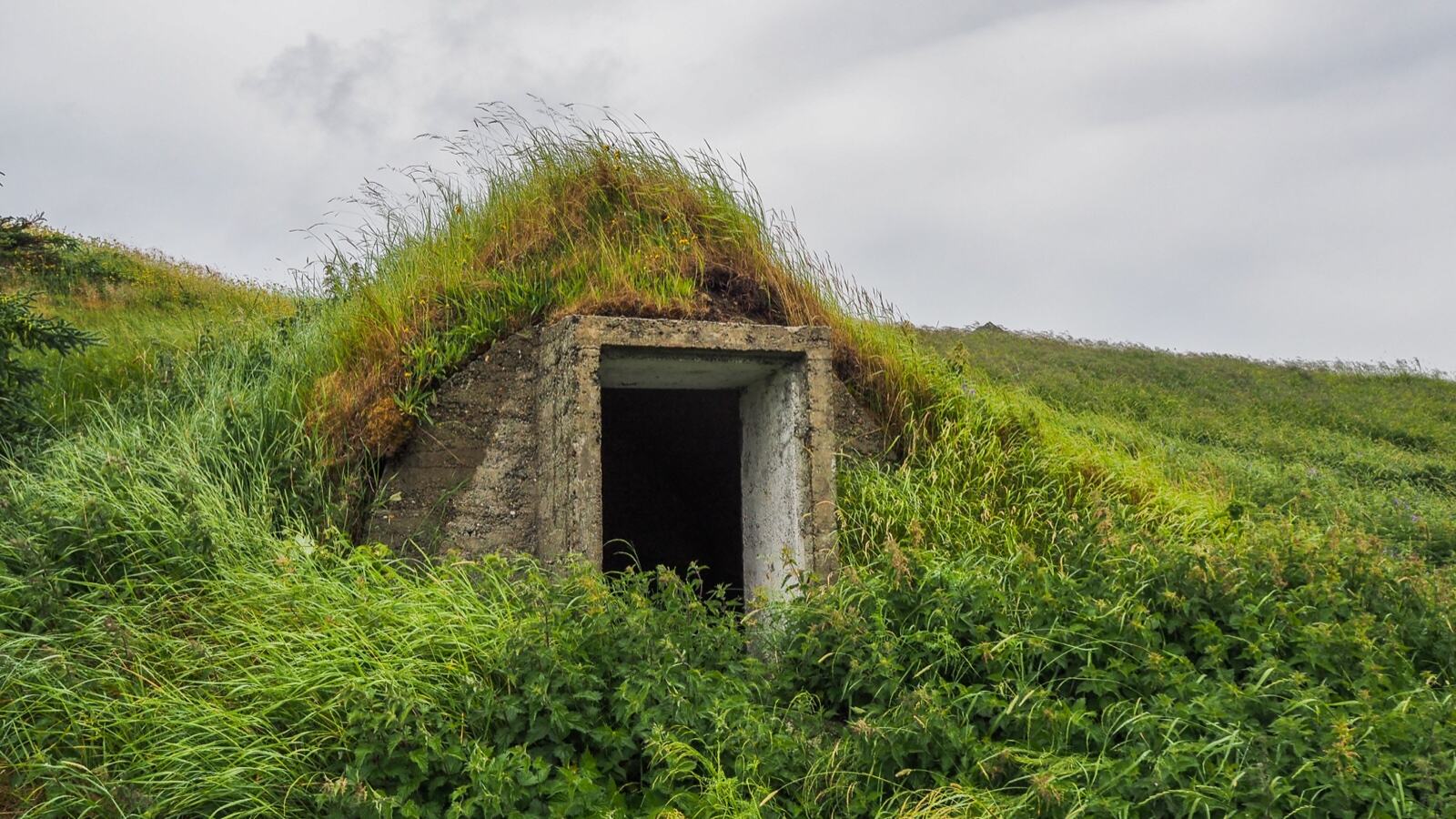
A root clamp. Roots piled on straw on the ground, covered with more straw and then soil, with a ventilation chimney. Ancient, free, and it holds exactly the cold damp conditions roots want.
An unheated shed, garage, or north-facing outbuilding. Adequate for most purposes with some monitoring.
A cellar. The traditional answer, naturally cool and humid.
Sand boxes. Roots layered in slightly damp sand, not touching, in a box. Prevents shrivelling and stops rot spreading between individuals.
Slatted trays for apples, single layer, not touching, in the dark, checked regularly.
Hanging in nets for onions, garlic, and squash, where air circulates freely.
Whatever you use, inspect regularly. One rotting fruit infects its neighbours, and the phrase about a bad apple is a literal description of fungal spread.
The other methods
Not everything stores fresh, and the traditional preservation methods each suit particular crops.
Drying. Beans, peas, chillies, herbs, apple rings, tomatoes. The oldest method and the least equipment-dependent.
Freezing. Best for peas, beans, soft fruit, and anything blanched briefly first. Blanching deactivates the enzymes that otherwise degrade quality over months.
Fermenting. Sauerkraut, kimchi, and salt-preserved vegetables. Preserves without power, adds nutritional value rather than losing it, and handles brassica gluts well.
Bottling and canning. For fruit, tomatoes, and anything acid. Low-acid vegetables need pressure canning to be safe.
Leaving it in the ground. Genuinely the best storage for parsnips, leeks, swedes, and kale in mild climates. Parsnips improve after frost. The constraints are ground freezing solid and slug damage. See frost protection.
In-ground storage also frees the shed and costs nothing, which is why it was standard practice before refrigeration.
Storage begins in the growing season
What happens months before harvest largely determines how well a crop keeps.
Variety choice. Some varieties are bred to store and some are not, and no amount of careful handling changes that. If winter supply is the aim, choose keeping varieties at seed-ordering time. See seed saving and seasonal planning.
Do not over-feed with nitrogen. Soft, sappy, fast growth from high nitrogen stores badly across almost every crop. Potassium, by contrast, improves storage quality and disease resistance. See nutrient deficiency.
Even watering. Irregular watering causes splitting and cracking, and a split is a rot entry point. See watering timing.
Stop irrigation before harvest on storage crops, so tissue is not waterlogged when lifted.
Healthy crops store better. Anything with fungal infection at harvest will spread it in store. See integrated pest management.
Plan the calendar backwards
The useful planning exercise is to work back from what you want to eat in the hungry months, February to April in temperate climates, and ask what has to be sown and when for that to exist.
Most people plan forwards from spring sowing and end up with a summer glut and a bare winter. Planning from the winter plate instead changes the sowing list substantially, adding storage roots, brassicas, leeks, and keeping varieties of onion and apple.
That is the real purpose of storage: not preserving surplus, but deliberately growing for the season when nothing grows. See succession planting and perennials first.
See also
- Seasonal Planning sowing for the winter plate
- Apples and Pears picking and keeping top fruit
- Seed Saving the other thing you store
- Frost Protection leaving crops in the ground
- Nutrient Deficiency why nitrogen ruins keeping quality
- Succession Planting spreading the harvest
- Potatoes
- Onions
- Squash and Courgettes
- Beetroot and Chard
- Sweet Potatoes
- Leeks
- Quince and Medlar
- Wheat
- Lentils and Chickpeas
- Feijoa