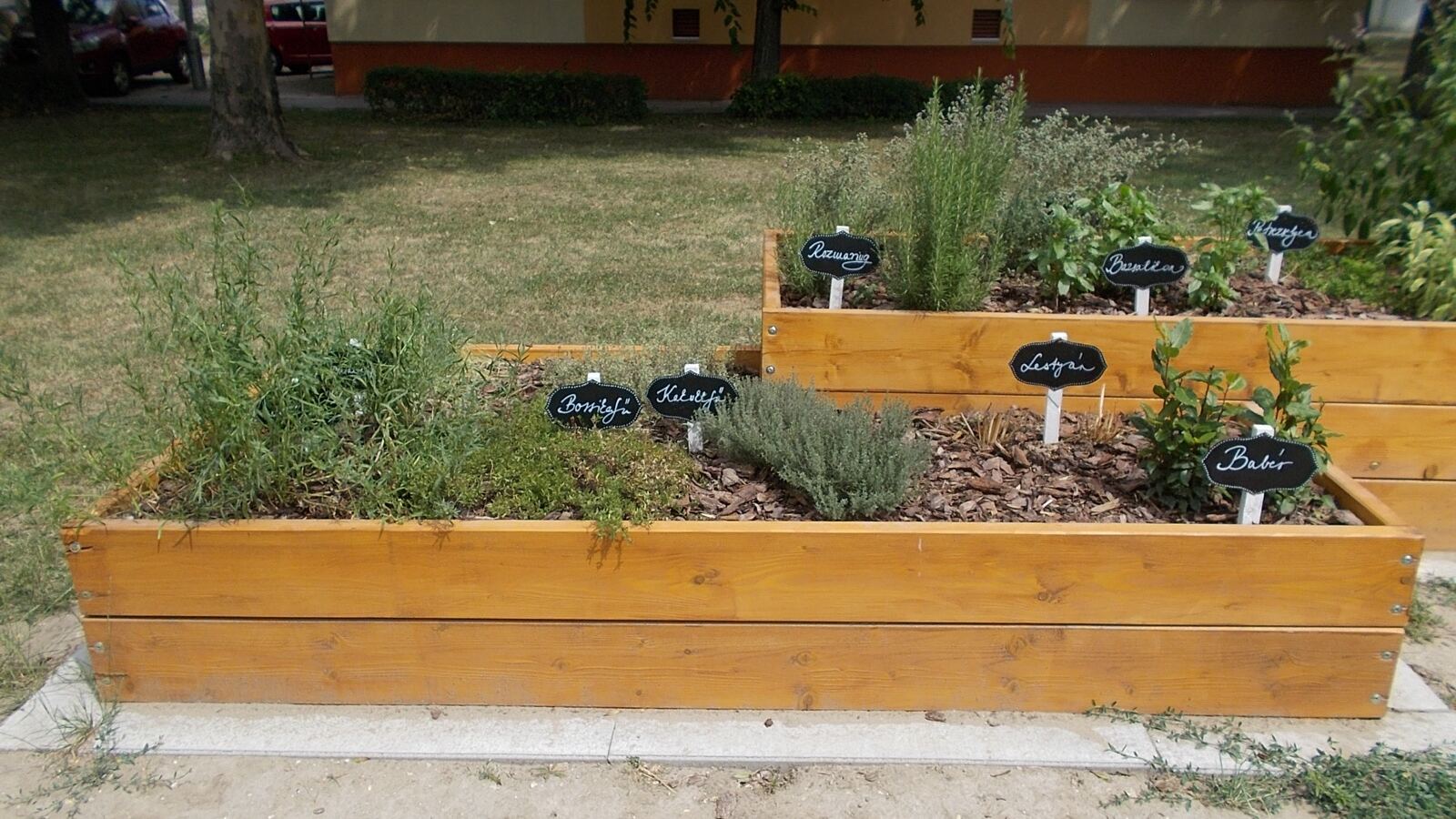
Why herbs first
If you grow nothing else, grow herbs.
They are expensive to buy, they deteriorate within a day of cutting, they are used in small quantities constantly, and many are perennial — planted once, harvested for a decade. Nothing else in a garden returns as much value per square metre or per hour of work.
They also belong closest to the door. A herb bed at the far end of the plot goes unused in the rain; one by the kitchen gets picked daily. This is permaculture design zone one, and herbs are the textbook case.
The split that governs everything
Culinary herbs divide into two groups with opposite requirements. Treating them alike is why herbs fail.
Mediterranean woody herbs — rosemary, thyme, sage, oregano, marjoram, lavender, savory, bay.
Adapted to thin, poor, stony, alkaline soil and summer drought. They want full sun, sharp drainage, and neglect. Rich soil and regular watering produce soft, sappy growth with weak flavour that rots at the base in winter. More of these are killed by kindness — wet feet and rich compost — than by cold.
The essential oils that give them flavour are a drought and heat adaptation, and they concentrate under stress. A thyme grown hard on gravel tastes far stronger than one grown fat in compost.
Plant them on a slope, in gravel, in a raised bed, or in pots. Add grit rather than compost. Do not mulch with anything moisture-holding against the stems.
Soft annual and herbaceous herbs — basil, parsley, coriander, dill, chervil, chives, mint, lovage, tarragon.
These want the opposite: rich, moisture-retentive soil and steady water. They are leafy crops and behave like salad leaves — they bolt under heat and drought stress, and quality collapses when they do.
Get this one distinction right and most herb problems disappear.
The perennials
Rosemary. Evergreen shrub, lives for years, needs sun and drainage. Prune lightly after flowering; never cut hard into old bare wood, which rarely reshoots.
Thyme. Low, spreading, extremely drought-tolerant. Replace or layer every 3 to 4 years as plants go woody and sparse. Superb bee plant.
Sage. Woody, gets leggy — trim after flowering and take cuttings every few years.
Oregano and marjoram. Oregano is hardier; marjoram sweeter and more tender. Flavour is strongest on poor soil in full sun.
Bay. A tree, Laurus nobilis, reaching 10 m if allowed, and very happy clipped in a pot. Tender below about minus 5 C when young.
Chives. An allium, fully hardy, dies back and returns. Divide every few years. Flowers are edible and excellent for pollinators.
Mint. Vigorous to the point of invasiveness — the running rhizomes will take a bed. Grow it in a pot, or a bottomless bucket sunk in the ground. Unlike the rest, mint wants moisture and tolerates part shade.
Tarragon. Insist on French tarragon, which is propagated by division and has the flavour; Russian tarragon grows from seed and is nearly tasteless.
Lovage and sorrel. Large, hardy, perennial, and among the first things up in spring.
The annuals
Basil. Warm-season and frost-tender. Needs heat, and sulks below about 12 C. Best under cover in cool climates. Pinch the growing tips constantly to keep it bushy and delay flowering — an unpinched basil bolts and stops.
Coriander. Bolts at the first excuse — heat, drought, root disturbance. Sow direct rather than transplanting, sow in succession every few weeks, and choose slow-bolting varieties for leaf. Once it bolts, let it: the seed is coriander spice, and the flowers are excellent for hoverflies.
Parsley. Biennial, grown as an annual. Slow to germinate, up to a month. Flat-leaf has better flavour, curly is hardier. Bolts in its second year.
Dill and chervil. Both bolt readily in heat; sow in succession, and give chervil some shade.
Harvest and preserving
Pick constantly. Regular harvesting keeps plants productive and delays flowering. An unpicked herb runs to seed and stops.
Best flavour is just before flowering, in the morning after dew has dried, when essential oil concentration peaks.
Drying suits woody Mediterranean herbs — rosemary, thyme, oregano, sage, bay — which retain flavour well. Hang in small bunches somewhere dark and airy.
Drying does not suit soft herbs. Dried basil, parsley, coriander, and chives are pale imitations. Freeze these instead: chopped in ice cube trays with water or oil, or as pesto.
Salt-preserving and herb vinegars and oils are worth knowing.
Cut woody herbs back after flowering to keep them compact. Do not cut into old bare wood on rosemary, lavender, or sage.
See harvest and storage.
What they do for the rest of the garden
Herbs earn their place beyond the kitchen.
Nectar. Thyme, oregano, marjoram, sage, lavender, and chives in flower are among the best bee plants available, and they flower over a long season. Letting some herbs bloom rather than cutting them all back is a deliberate choice worth making. See native bees and pollinator habitat.
Umbellifer flowers — dill, coriander, fennel, chervil, parsley in its second year — feed hoverflies and parasitic wasps whose larvae eat aphids. This is one of the most practical pest-control interventions in a garden. See predator-prey balance.
Aromatic confusion. Strongly scented herbs interplanted among vegetables make it harder for pests to locate host plants by smell. See companion planting guide.
Guild components. Aromatic and deep-rooted herbs are standard in fruit tree guilds, where comfrey mines potassium and alliums deter.
Mediterranean herbs are also the backbone of a dry garden — see Mediterranean shrubs and drought-tolerant species.
Propagation
Most woody herbs root readily from softwood or semi-ripe cuttings in summer — rosemary, thyme, sage, and lavender all strike easily, which means one bought plant becomes a hedge. Thyme and oregano also layer themselves.
Chives, mint, tarragon, and lovage divide.
Annual herbs come from seed, and coriander, dill, and parsley self-seed freely if you let a few flower.
See propagation and seed saving.
See also
- Container Growing herbs by the kitchen door
- Companion Planting Guide aromatic confusion
- Mediterranean Shrubs the dry-garden relatives
- Hoverflies what umbellifer flowers feed
- Propagation cuttings and division
- Permaculture Design why herbs belong in zone one
- Beneficial Predators
- Fennel and Chicory
- Bay and Laurels