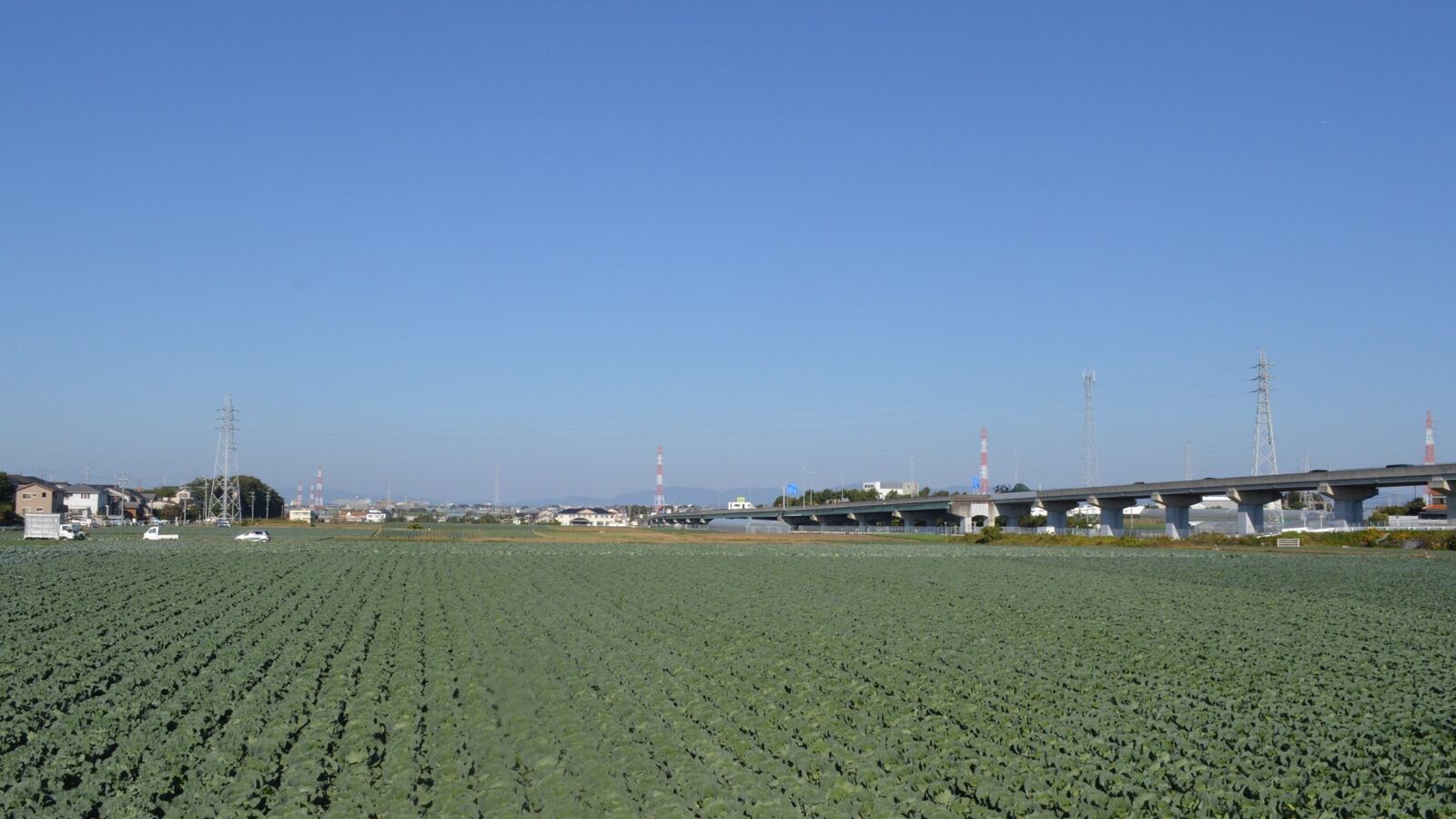
One species, many vegetables
Brassica oleracea is a single species, and human selection has turned it into six familiar vegetables by exaggerating six different organs.
Cabbage — the terminal bud, selected into a tight head. Kale — the leaves, left open. Brussels sprouts — the lateral buds. Kohlrabi — the stem, swollen into a globe. Cauliflower — the flower head, arrested before it opens. Broccoli — the flower head, taken slightly later.
All of them will cross with each other, because they are the same species. This is why saving brassica seed requires real isolation, and it is one of the most striking demonstrations of what selection can do.
Related species in the family: turnip and swede (B. rapa and B. napus), mustards, rocket, radish, and — through shared pests and diseases — everything below applies to them too.
They are hungry and they want firm ground
Two requirements that catch people out.
Rich soil and steady nitrogen. Brassicas are among the hungriest crops. Manure the ground the previous autumn, or follow a nitrogen-fixing legume, which is the classic rotation pairing. See crop rotation and cover cropping.
Firm soil, not fluffy. Tall brassicas — sprouts and kale especially — rock in wind on loose ground, which breaks fine roots and produces blown sprouts and stunted plants. Tread the bed before planting, plant deep and firm the soil hard around each plant, and stake the tall ones on exposed sites.
Lime to around pH 6.5 to 7. Brassicas dislike acid ground, and higher pH directly suppresses clubroot. See soil pH.
Most are raised in modules and transplanted, which suits their long season and lets you use the ground for something else first. Plant deep, up to the seed leaves.
Clubroot
The disease that defines brassica growing. A slime mould, Plasmodiophora brassicae, that causes swollen distorted roots, wilting in sun, and stunted plants.
The spores survive in soil for up to 20 years. There is no cure. Like allium white rot in onions, it is a permanent alteration to the ground.
Management is prevention and mitigation:
Raise the pH to 7 or slightly above with lime. This is the most effective single measure.
Improve drainage. Clubroot is far worse in wet soil.
Rotate on a long cycle, and never bring in soil, plants, or muddy tools from infected ground.
Raise strong transplants in modules so plants go out with a good root system and can outgrow mild infection.
Grow resistant varieties, which now exist for several types.
On badly infected ground, grow brassicas in containers or raised beds with clean medium.
Caterpillars and the rest
Cabbage white butterflies — large white, small white, and the cabbage moth. Their caterpillars can strip a plant to ribs in days.
The reliable answer is a physical barrier: fine netting with a mesh small enough to exclude butterflies, on hoops, kept off the foliage and sealed at the ground. Butterflies lay through netting that rests on leaves. See row covers and barriers.
Where netting is impractical, hand-picking eggs from leaf undersides works at small scale, and the parasitoid wasps and insectivorous birds that take caterpillars do real work if you have habitat for them. See predator-prey balance.
Cabbage root fly. Larvae eat the roots of young transplants. A collar of cardboard or felt around the stem base stops the female laying at soil level, and it is cheap and effective.
Whitefly and mealy cabbage aphid, both overwintering on brassica stumps — so clear old plants rather than leaving them standing. See aphids and whiteflies and spider mites.
Flea beetles on seedlings, especially rocket and mustards. See flea beetles.
Pigeons, which strip winter brassicas comprehensively and are the reason netting stays on through winter.
Type by type
Kale is the toughest and most forgiving. Stands hard frost, improves after it, and crops through winter when little else does. Start here if you are new to brassicas.
Cabbage comes in spring, summer, autumn, and winter types, and with a sensible choice of varieties you can cut a cabbage in almost any month.
Brussels sprouts need a long season and firm ground. Pick from the bottom upward as sprouts firm. Frost improves them.
Sprouting broccoli is one of the best value crops in the garden: sown in spring, it stands all winter and produces spears in the hungry gap of early spring when almost nothing else is ready. Purple sprouting in particular. Pick the central spear first to trigger the side shoots.
Cauliflower is the difficult one. It needs uninterrupted growth — any check from drought, cold, or transplant shock causes premature small heads, called buttoning. Keep it watered and unchecked, and shade developing curds from sun by bending a leaf over them.
Kohlrabi is fast, underrated, and best eaten young at tennis-ball size before it goes woody.
Harvest and keeping
Cut cabbages with a sharp knife and leave the stump with a cross cut in it — it often produces a second flush of small heads.
Firm winter cabbages store for months somewhere cool and airy. Kale and sprouts are best left standing in the ground and picked as needed, which is both the simplest storage and the best. See harvest and storage.
Brassicas also make a good cover crop and green manure — mustard in particular grows fast and biofumigates as it breaks down, though it must not be used where clubroot is a concern, since it hosts the disease. See cover cropping.
See also
- Crop Rotation the long clubroot gap
- Soil pH liming to suppress clubroot
- Row Covers and Barriers netting against butterflies and pigeons
- Caterpillars the main pest
- Cover Cropping legumes before brassicas
- Harvest and Storage standing crops through winter
- Turnips and Swedes
- Radishes
- Butterflies and Moths