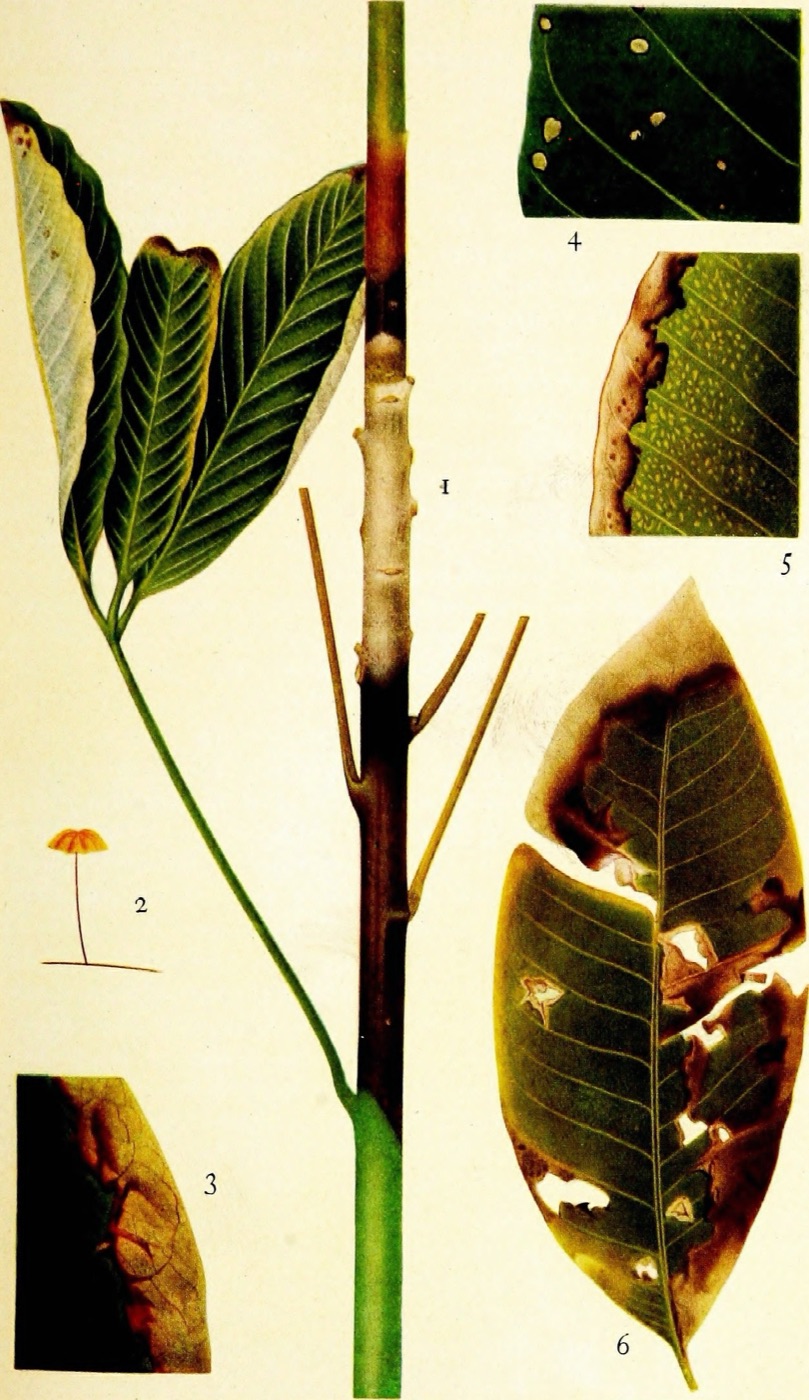
Bark beetles and borers
Bark beetles tunnel under the bark and lay eggs. The larvae eat the cambium, the thin living layer between bark and heartwood. A serious infestation girdles the tree from inside.
Signs. Pencil-lead entry holes. Fine frass in bark crevices. Pitch tubes where the tree pushed resin out to flush the invader.
Peel back loose bark on a dying branch. You will find a central egg gallery with larval tunnels radiating out like feather spines.
Longhorn and jewel beetles drive deeper into heartwood. Look for oval exit holes, coarse wood-shaving frass, and branches that snap in wind. In orchards, flatheaded appletree borer goes for stressed young trees with sunscald on the south side.
Why healthy trees resist
Vigorous trees produce more resin. They flush beetles back out of entry holes by sheer pressure.
Stressed trees do the opposite. Drought, compacted roots, sloppy pruning: all of it triggers volatile chemicals that attract beetles. Stress is the signal.
Water deeply. Mulch wide but not deep against the trunk. Keep machinery off the root zone. Cut out infested branches and burn or chip them before adults emerge. For prized trees under attack, pheromone traps and Braconid parasitoid wasps both pull weight.
Termites
Subterranean termites enter through root wounds and hollow the heartwood. The bark and sapwood look fine. Inside, the trunk is empty.
Mud tubes. Pencil-width tunnels running up the trunk or along surface roots. Termites build these from soil and saliva to stay out of light.
Tap the trunk with a mallet. A solid tree thuds. A hollow one rings papery. Look for alate exit holes and patches of spongy bark.
Prevention beats treatment. Leave a 10 cm gap between mulch and the root flare. Pull dead stumps and buried timber away from valuable trees. Cardboard traps soaked in water draw foragers; pull them up after a few weeks and burn them. Bait stations can collapse a colony over several months. If hollowing is advanced, call an arborist to judge structural risk.
Root grubs
Below ground, beetle and moth larvae chew fine roots. The damage stays invisible until the canopy starts to fail.
Chafer grubs are the fat white C-shaped larvae you turn up with a spade. They destroy nursery stock. Vine weevil larvae are smaller and brutal on container-grown trees. Cockchafer and June beetle grubs hit newly planted trees in late summer.
Symptoms. Yellow leaves. Weak growth. Wilting despite water. In bad cases the tree rocks loose in its planting hole because the roots are gone.
Dig around the base. You will find grubs curled in the top 15 to 30 cm of soil. Starlings, rooks, hedgehogs, and ground beetles eat them in volume. Protect the predators.
For direct control, water in Heterorhabditis bacteriophora nematodes in late summer when grubs feed near the surface. The nematodes kill the host within 48 hours and leave earthworms and plants alone. For pots, drench with Bacillus thuringiensis var. galleriae.
Building resilience
Pest outbreaks are a symptom of imbalance. A diverse system with living soil, layered species, and predator habitat rarely crashes. Designing a food forest builds that buffer from day one.
Monocultures invite specialists. A row of identical apples or a block of one timber species lets a single pest run unchecked. Mixed plantings force pests to hunt, and the in-between species feed the hoverflies, parasitoid wasps, and ground beetles that hold the line.
Underplant with flowering herbs. Leave a patch of long grass. Keep dead wood for beetle banks and overwintering.
Observation is the cheapest tool. Walk the trees weekly. Catch discolored leaves, oozing sap, frass, and wilting tips early. Keep a photo log so you can read trends across seasons.
Identify the species before you treat. A ladybird larva looks like a monster and eats 400 aphids a week. A wilting tree may be thirsty, not infested. Accurate diagnosis saves money and beneficial insects.
See also
- Pruning Basics
- Companion Planting Guide
- Food Forest Design
- Dead Wood Habitat
- Hoverflies
- Soil Food Web
- Tree Diseases
- Brassicas
- Beneficial Predators
- Neem
- Box and Privet
- Carambola
- Fruit Tree Pests
- Parasitoid Wasps