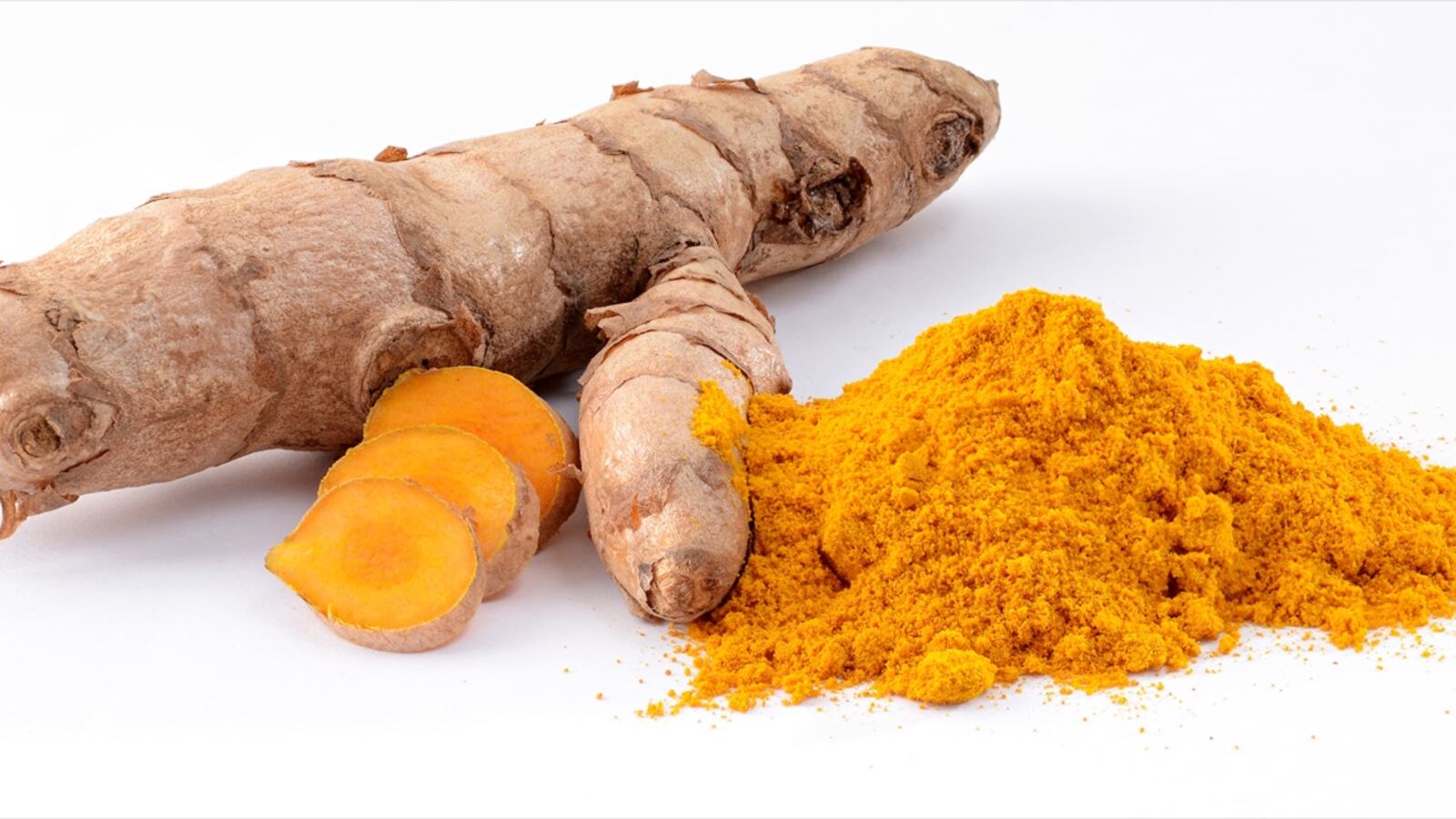
What they are
Both are in the Zingiberaceae, tropical understorey plants from South and Southeast Asia, grown for their underground rhizomes — swollen horizontal stems, not roots.
Ginger, Zingiber officinale, which no longer exists in the wild and is known only in cultivation.
Turmeric, Curcuma longa, likewise entirely cultivated, a sterile triploid propagated only vegetatively.
Both are relatives of cardamom and galangal, and both have been traded across Eurasia for well over two thousand years.
Being understorey plants matters practically: they want warmth, humidity, and dappled shade rather than full sun, which is unusual among crops and makes them well suited to a spot that would be too shaded for most vegetables.
Growing them in a container
Genuinely feasible in a cool temperate climate, and one of the more rewarding container crops. See container growing.
Start with viable rhizome. Supermarket ginger is frequently treated with a sprouting inhibitor and may never grow. Look for pieces that already show plump pale growth buds — small pointed nubs — or buy seed rhizome from a supplier. Organic ginger is usually untreated and works. Turmeric is less often treated.
Presprout. Sit the rhizome somewhere warm on damp kitchen paper or in a bag until the buds swell, which takes a couple of weeks.
Cut into pieces of 3 to 5 cm, each with at least one bud, and let the cut surfaces dry for a day to reduce rot.
Plant shallow, 5 cm deep, buds upward, in a wide rather than deep container — the rhizomes spread horizontally, so a broad shallow pot beats a tall narrow one.
Rich, free-draining, moisture-retentive medium with plenty of organic matter.
Warmth is the requirement: 20 to 30 C. A greenhouse, conservatory, or warm windowsill. Growth is slow and grudging below 20.
Humidity and part shade. Direct hot sun scorches the leaves.
Water generously in growth, and never let it stand wet. Rhizome rot is the main failure.
Feed through the growing season.
The season
Both take 8 to 10 months from planting to a full harvest, which in a cool climate means planting in late winter under cover and harvesting the following autumn.
You can take young ginger much earlier — from about four to five months — by lifting the whole plant or cutting a piece from the edge of the clump and returning the rest. Young ginger has thin pale skin that needs no peeling, is far less fibrous, and is mild and juicy. It is genuinely better than mature ginger for many uses and is almost unobtainable in shops, which is a good reason to grow it.
Mature harvest comes when the leaves yellow and die back in autumn. Stop watering, let the foliage collapse, then lift the whole clump.
Save the best pieces to replant, storing them somewhere frost-free and slightly damp over winter.
Turmeric stains everything
Not a minor caveat.
Curcumin, the compound responsible for the colour and most of the pharmacological interest, is an intense yellow-orange dye that stains hands, worktops, cloth, and plastic more or less permanently.
Wear gloves when handling fresh turmeric, use a board you do not mind marking, and expect stains on anything porous. Sunlight fades the stains on fabric over time.
Curcumin is also the basis of turmeric's large research literature. The honest position: it has genuine anti-inflammatory activity in laboratory work, and very poor oral bioavailability — it is poorly absorbed, rapidly metabolised, and quickly cleared. Piperine from black pepper substantially increases absorption, which is the pharmacological basis for a traditional pairing that long predates the explanation. Claims made for turmeric supplements considerably outrun the clinical evidence.
Turmeric is also traditionally used as a dye and in ritual and cosmetic use across South Asia, and it is the yellow in most commercial curry powder and in some mustards.
Ginger's chemistry
Fresh ginger's pungency comes from gingerols. Two transformations matter:
Drying converts gingerol to shogaol, which is roughly twice as pungent — which is why dried ground ginger is hotter and sharper than fresh, and why they are not interchangeable in a recipe.
Cooking converts gingerol to zingerone, which is milder and sweeter — which is why long-cooked ginger mellows.
So fresh, dried, and cooked ginger are three genuinely different ingredients from one rhizome.
Ginger's effectiveness against nausea, particularly motion sickness and pregnancy nausea, is among the better-supported herbal uses.
In a wider system
In the tropics both are classic understorey crops in a layered planting — grown beneath banana, tropical fruit trees, or a light canopy, alongside cacao and coffee in the shade layer.
That makes them a good illustration of the layering argument in food forest design: a crop that actively prefers shade turns the understorey from wasted space into productive ground.
Both are also grown in rotation with rice and vegetables in South Asian smallholdings, and turmeric in particular tolerates partial shade well enough to interplant.
Related crops worth knowing
Galangal, Alpinia galanga, grown and used similarly, essential in Southeast Asian cooking.
Cardamom, Elettaria cardamomum, another shade-loving Zingiberaceae, and one of the most valuable spice crops in the world — grown almost entirely under forest canopy in the Western Ghats and Guatemala, which makes it a genuine agroforestry crop.
Myoga and Japanese ginger, grown for the flower buds and shoots, and notably hardier — surviving outdoors in mild temperate gardens.
See also
- Container Growing the practical route in a cool climate
- Food Forest Design crops that prefer the understorey
- Cacao and Coffee the other shade-grown tropical crops
- Culinary Herbs the wider flavouring group
- Harvest and Storage keeping rhizomes over winter
- Tropical Fruit Trees the canopy above them
- Coconut