What they do
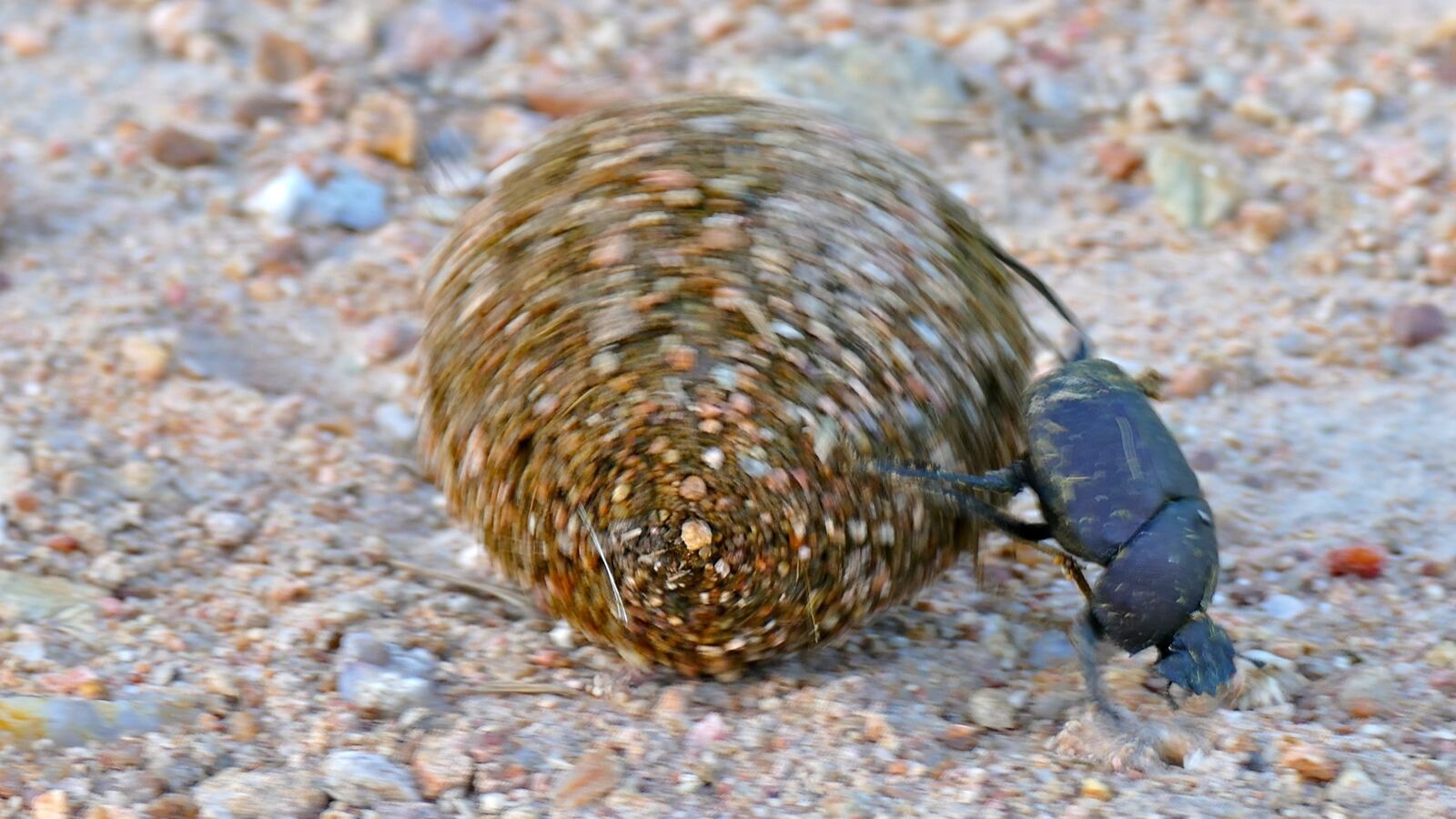
Dung beetles are exactly what their name says — beetles that live on animal dung, feeding on it and, crucially, burying it. In doing so they perform, entirely for free, one of the most valuable ecosystem services in any grazed landscape, and a pasture with a healthy dung-beetle population works very differently from one without.
They come in three working styles: rollers, which shape a ball of dung and roll it away to bury (the scarabs the ancient Egyptians revered as a symbol of the sun and rebirth); tunnellers, which dig straight down beneath a dung pat and drag it under; and dwellers, which simply live and breed in the pat. Between them they get the dung off the surface and into the soil fast.
Why burying dung matters
When dung beetles bury dung, a cascade of benefits follows, all of which fail when they are absent and the dung simply sits and dries on the surface:
- Fertility. The nutrients in dung are carried down into the root zone and incorporated into the soil, rather than being lost to the air (as ammonia) or washed off the hard surface — a large, free transfer of fertility from the animal to the pasture. See nutrient cycling.
- Soil structure and water. The tunnelling aerates the soil, improves drainage and water infiltration, and carries organic matter down to feed earthworms and the soil food web.
- Pasture use. Cattle refuse to graze the rank grass around a dung pat ("fouling"); by clearing the pats, dung beetles free up pasture and increase the grazeable area.
- Parasite and fly control. Dung is where cattle's gut parasites and pest flies (horn fly, bush fly) breed. By burying the dung quickly, dung beetles destroy the breeding habitat of these parasites and flies, reducing worm burdens and fly plagues — a natural herd-health service. This is why Australia, drowning in unburied cattle dung and its flies, famously imported dung beetles to deal with it.
The value of all this, across the world's grazing lands, has been estimated in the billions — a vast, invisible subsidy from an insect that lives in muck.
The drug that kills them
There is one widespread and self-defeating threat to dung beetles, and every grazier should know it: some livestock wormers, especially the avermectin (ivermectin) dewormers, pass through the animal and out in the dung still active, where they poison and kill the dung beetles (and the other dung fauna) that come to bury it.
The irony is sharp: a drug used to control the animal's parasites destroys the beetles that would bury the parasite-breeding dung, so the treatment can worsen the very fly-and-parasite problem it targets, while dung pats pile up unburied and pasture and fertility suffer. The remedy is to use these wormers sparingly and strategically — targeting only animals that need it, at times of year and in formulations less harmful to dung fauna — rather than blanket-dosing the whole herd. Supporting dung beetles, through both wormer care and diverse rotational grazing, is one of the quietly important pieces of healthy silvopasture and regenerative grazing. See decomposers.
See also
- Rotational Grazing the grazing system dung beetles thrive under
- Silvopasture trees, pasture, and the dung-beetle service
- Nutrient Cycling the fertility dung beetles bury into the soil
- Earthworms and Soil Food Web the soil life dung beetles feed
- Decomposers the wider recycling community
- Ecosystem Services the value of the dung-burial service