Animals as functions
The permaculture framing is that every element should perform several functions, and poultry is the clearest example available on a small holding.
A chicken is simultaneously a scratcher, a pest predator, a manure spreader, a compost turner, and eventually eggs and meat. What determines whether those are benefits or damage is entirely stocking density and duration, not the birds.
Left in one place, poultry destroy ground comprehensively: bare soil, compaction, nitrogen overload, and root damage. Moved appropriately, they do work that would otherwise take machinery or chemicals.
The whole skill is timing.
What each species is good at
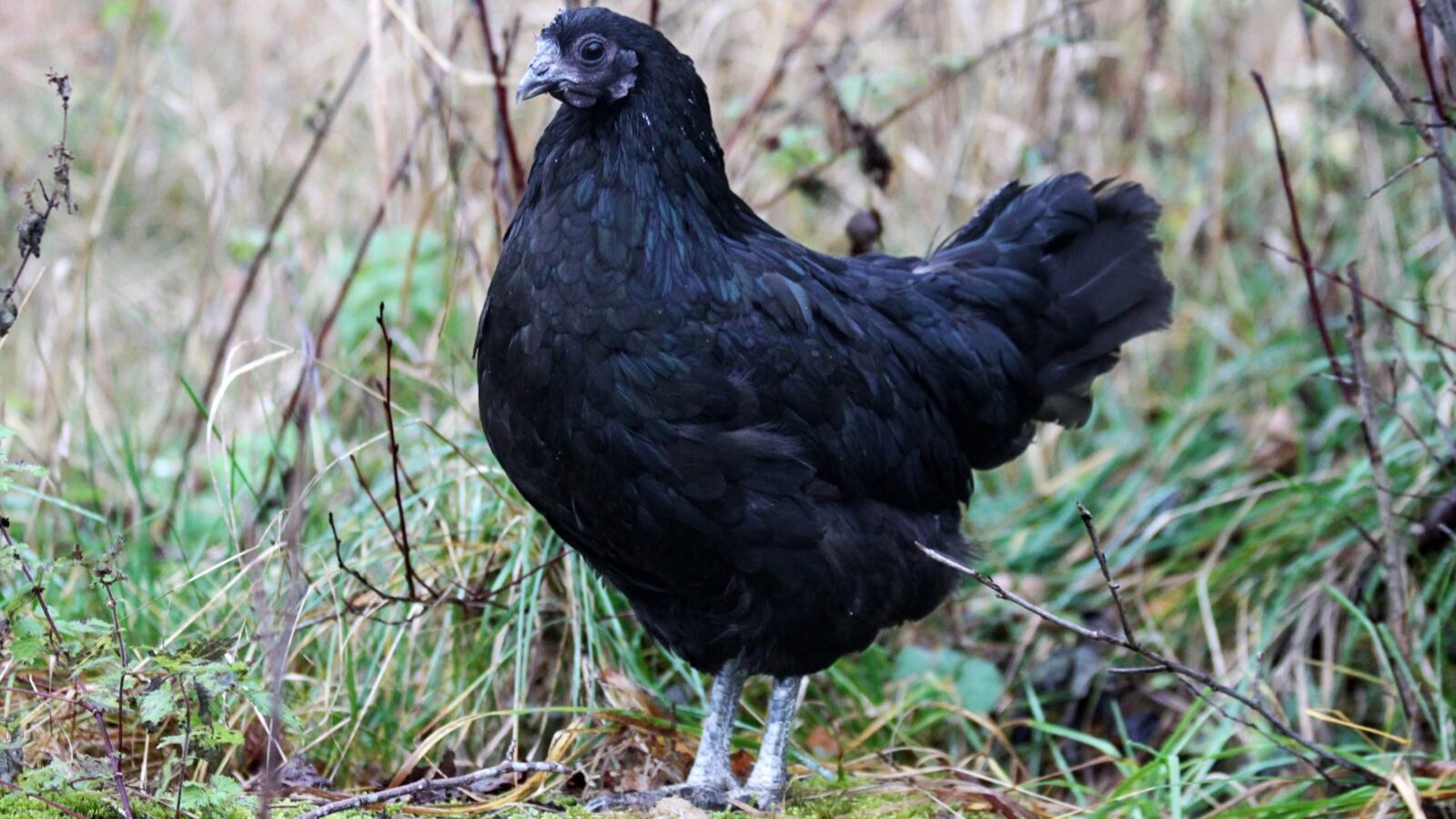
Chickens scratch. They dig into litter and topsoil looking for invertebrates, which makes them excellent at disturbing surface layers and breaking pest cycles, and destructive to seedlings, mulch, and shallow roots. They eat almost anything, and they will strip a vegetable bed in an hour.
Ducks do not scratch. They forage by dabbling and probing, so they leave mulch and soil structure largely intact, which makes them far safer around growing crops.
Ducks are the outstanding slug and snail predators. Indian Runners in particular will clear a slug problem from a vegetable garden while doing minimal damage to the plants. They do puddle wet ground and will damage very soft soil, and they need water for their beaks and eyes even if not a full pond.
Geese are grazers, eating grass rather than invertebrates. They were traditionally used for weeding between row crops, and they will keep an orchard sward down. They also make effective sentinels.
Guinea fowl eat ticks and larger insects and are less destructive to soil than chickens, though considerably noisier and inclined to wander.
Poultry in the orchard
The classic integration, and it works for reasons that are specific rather than general.
Many orchard pests spend part of their life cycle on or in the ground. Codling moth larvae leave fallen fruit and pupate in litter and soil. Sawfly and apple maggot do similar. Fallen infested fruit is the reservoir for next year's infestation.
Poultry ranged through an orchard eat fallen fruit, scratch out pupae, and break that cycle directly, and trials of poultry in orchards have shown meaningful reductions in these pests.
Timing matters. Ranging birds after harvest and through winter targets the overwintering stages, which is when the intervention is most effective and when there is least crop to damage.
The manure is a genuine benefit and a genuine risk. Poultry manure is high in nitrogen and phosphorus, and concentrated too heavily it burns roots, pollutes runoff, and produces excessive vegetative growth at the expense of fruit. Spread thinly by moving birds regularly, it is a good fertility input.
Keep them off the root zone of newly planted trees, and protect young trunks. See tree planting, aged orchard rejuvenation, and integrated pest management.
The chicken tractor and rotation
A chicken tractor is a floorless moveable pen. It sits on a patch, the birds work it, and it moves on daily or every few days.
Used on a bed before planting, chickens clear vegetation, eat weed seed and slug eggs, scratch the surface, and manure it. A few days is enough. Longer and they compact and over-fertilise it.
Used in rotation on pasture, moving the birds daily gives a controlled dose of disturbance and manure and a long rest period, which is precisely the logic of rotational grazing.
Electric poultry netting achieves the same thing with more space and less structure, moved every week or two.
The essential rule in every version: move them before the ground goes bare. Bare ground is the signal you left them too long, and recovery takes far longer than the extra grazing was worth.
Deep litter
For a fixed house or run, the deep litter system converts a fouling problem into a composting one.
Instead of removing droppings, keep adding dry carbon: wood chip, straw, leaves, shredded paper. The birds scratch it constantly, mixing nitrogen-rich manure into carbon-rich bedding and aerating it. The bed composts in place, stays dry and largely odourless, and generates a little warmth in winter.
Once or twice a year the accumulated material is removed as excellent partly-composted material. Finish it in a heap before using it on crops, since fresh poultry manure is too strong and carries pathogen risk.
Getting the carbon-to-nitrogen ratio right is the whole trick, and the signals are simple: smell or damp means add more carbon. See composting methods and organic matter building.
A run surfaced with deep wood chip is also an excellent place to grow mushrooms afterwards, and the material is ideal for hugelkultur and mulch paths.
Where they cause damage
Vegetable beds in growth. Chickens will destroy them. Use ducks, or exclude.
Under mulch. Chickens scratch mulch off beds and paths within hours. Anything mulched needs protecting or edging.
Young trees and shrubs. Scratching at the base exposes and damages surface roots.
Wet ground. Ducks in particular poach saturated soil into mud, and the compaction is real. See decompaction.
Watercourses. Poultry manure entering water is a genuine pollution source. Keep birds away from streams and pond margins, or fence a buffer. See riparian buffers.
Wildlife. Free-ranging poultry take amphibians, lizards, and ground-nesting bird eggs, and their feed attracts rats. Confine them where the habitat matters. See amphibians and reptiles.
Keeping them alive
Predators decide whether the system works. Foxes, badgers, mustelids, birds of prey, and dogs. Electric netting, a secure house locked every night, and an automatic pop-hole door solve most of it. Overhead cover from shrubs and trees reduces losses to raptors, and birds range far more confidently under a canopy, which is another argument for orchard integration.
Shelter and shade. Poultry originate as forest-edge birds and are uncomfortable in open ground. They use woody cover, and they range further and forage better when it exists. See edge effects.
Parasites. Rotation is the main control, since long rest periods break worm and coccidiosis cycles. Fixed runs accumulate parasite burdens and are the commonest health problem.
Feed. Ranging birds obtain a meaningful proportion of their diet by foraging, and it is a supplement rather than a replacement for balanced feed. Claims that poultry can be fed entirely from a small garden do not survive contact with winter.
See also
- Rotational Grazing the same timing logic
- Slugs and Snails what ducks are for
- Integrated Pest Management poultry in orchard pest cycles
- Composting Methods deep litter as compost
- Silvopasture livestock under trees, scaled up
- Permaculture Design stacking functions
- Rice