The kitchen garden year
A full rotation through the vegetable beds — what to sow, when it feeds you, and how to keep it through winter.
- 01
 Growing№ 4174 min
Seasonal Planning: What to Plant When
How to build a planting calendar around frost dates, soil temperature, and day length, plus how to stretch the season with cloches, row cover, and cold frames.
- 02
 Crops№ 4065 min
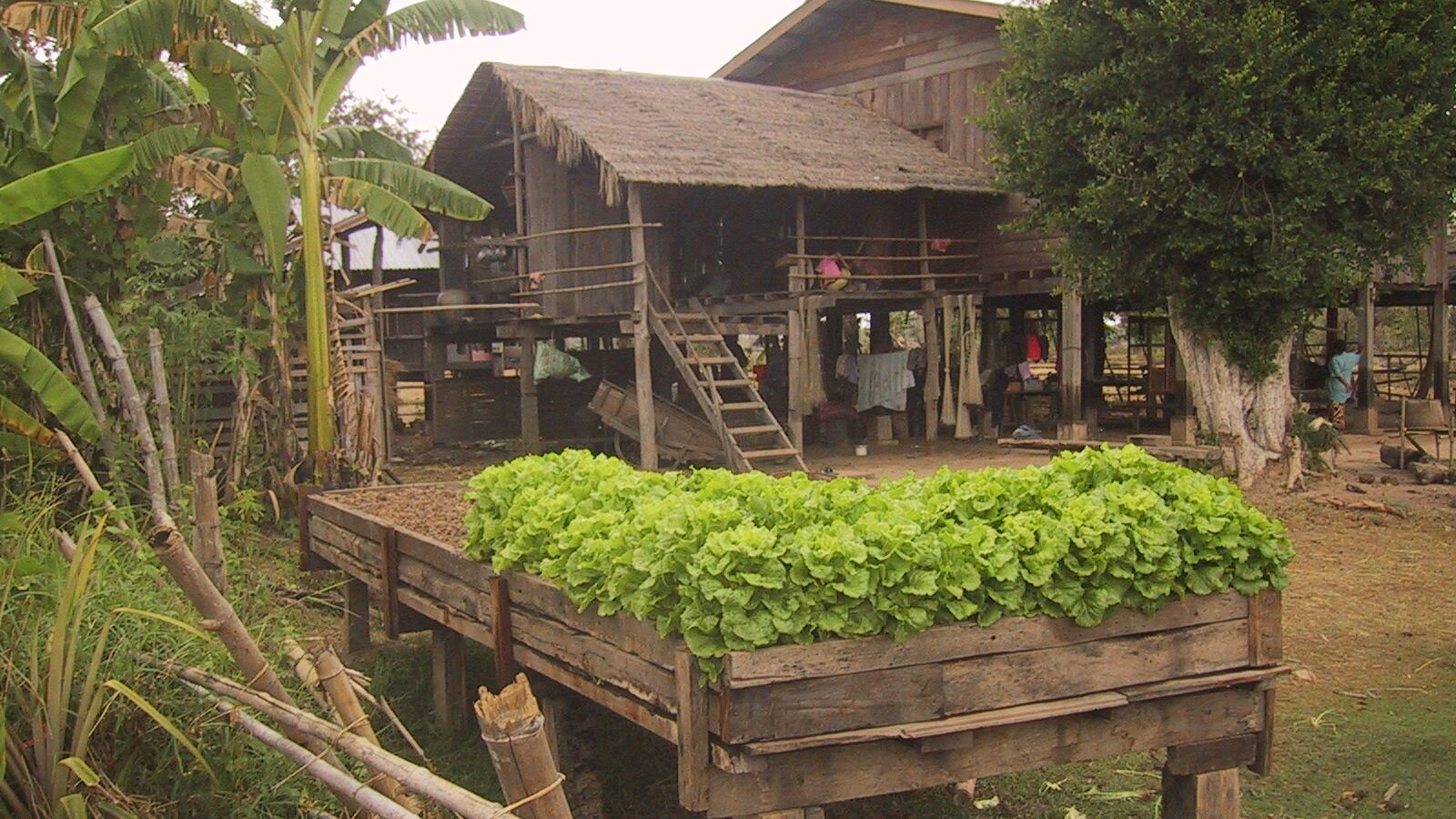
Salad Leaves: Cut and Come Again
Lettuce, rocket, mustards and chicory grown for continuous picking — bolting, bitterness, and how to keep leaves coming all year.
- 03
 Crops№ 4545 min
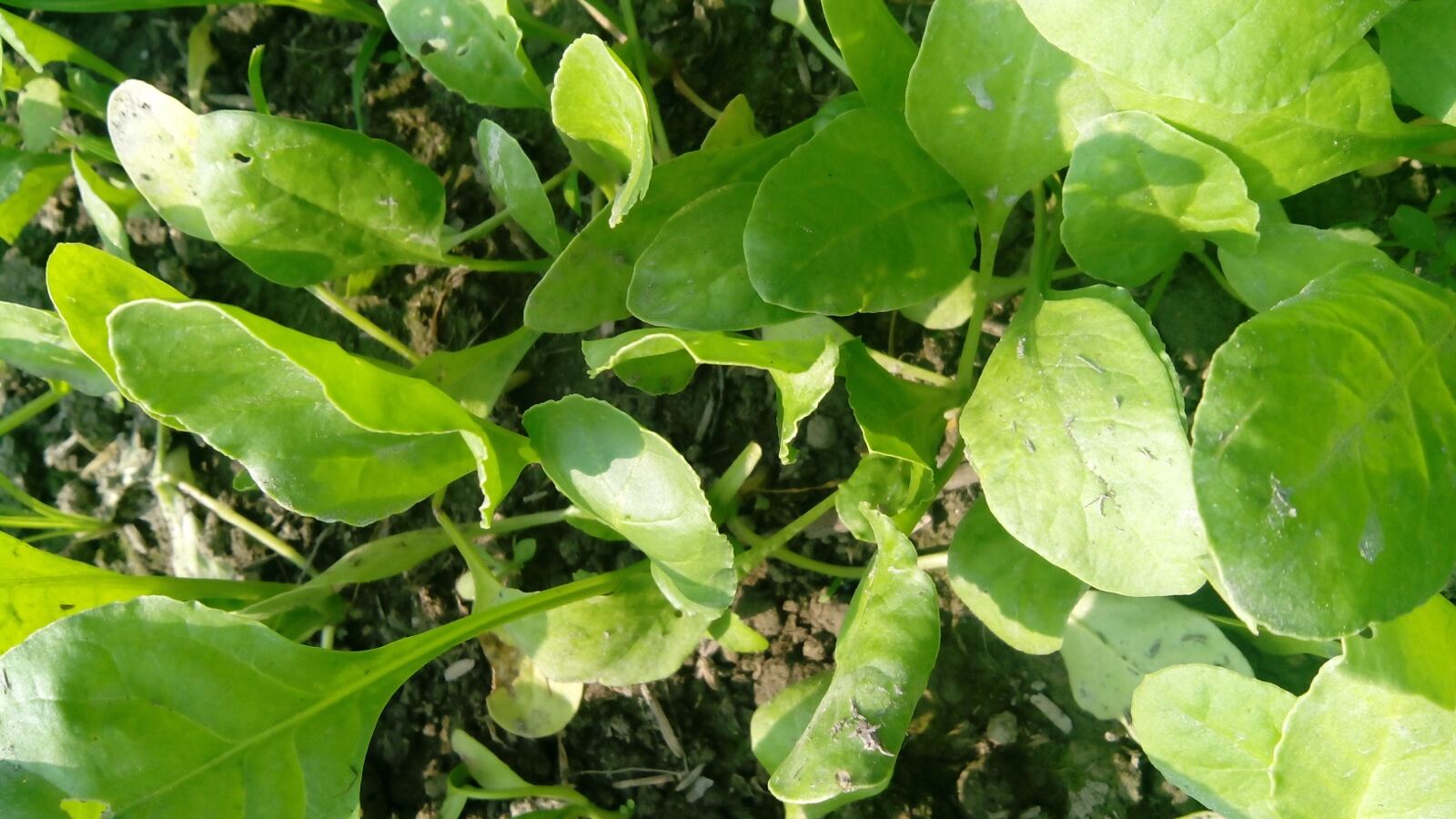
Spinach: Bolts the Moment You Turn Your Back
A long-day bolter that wants cold, why the oxalic acid matters, and the hot-climate substitutes that do the same job in summer.
- 04
 Crops№ 3805 min
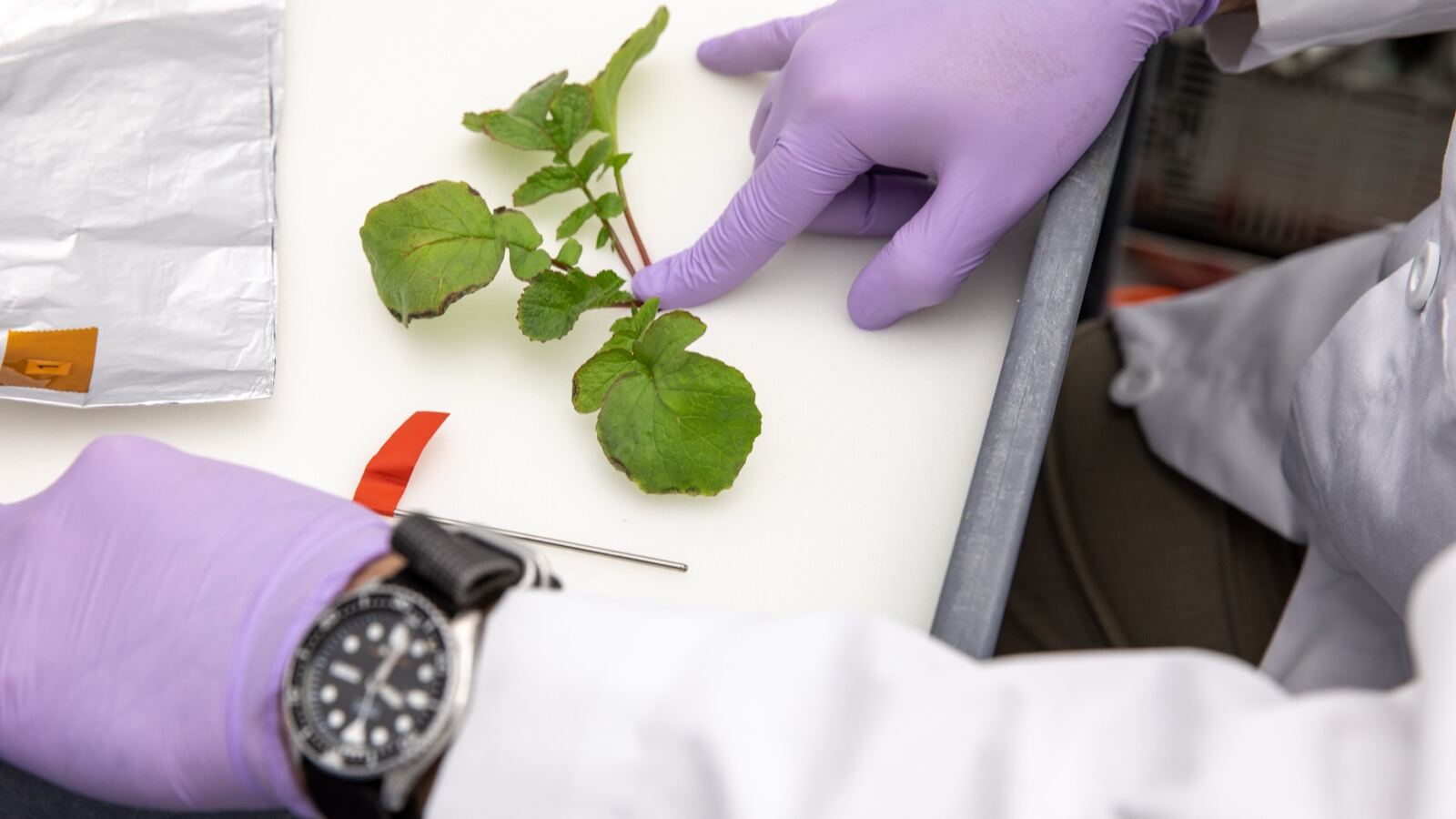
Radishes: Three Weeks From Sowing to Plate
The fastest crop in the garden, why they go hot and hollow, and the winter types that are a different vegetable entirely.
- 05
 Crops№ 3465 min
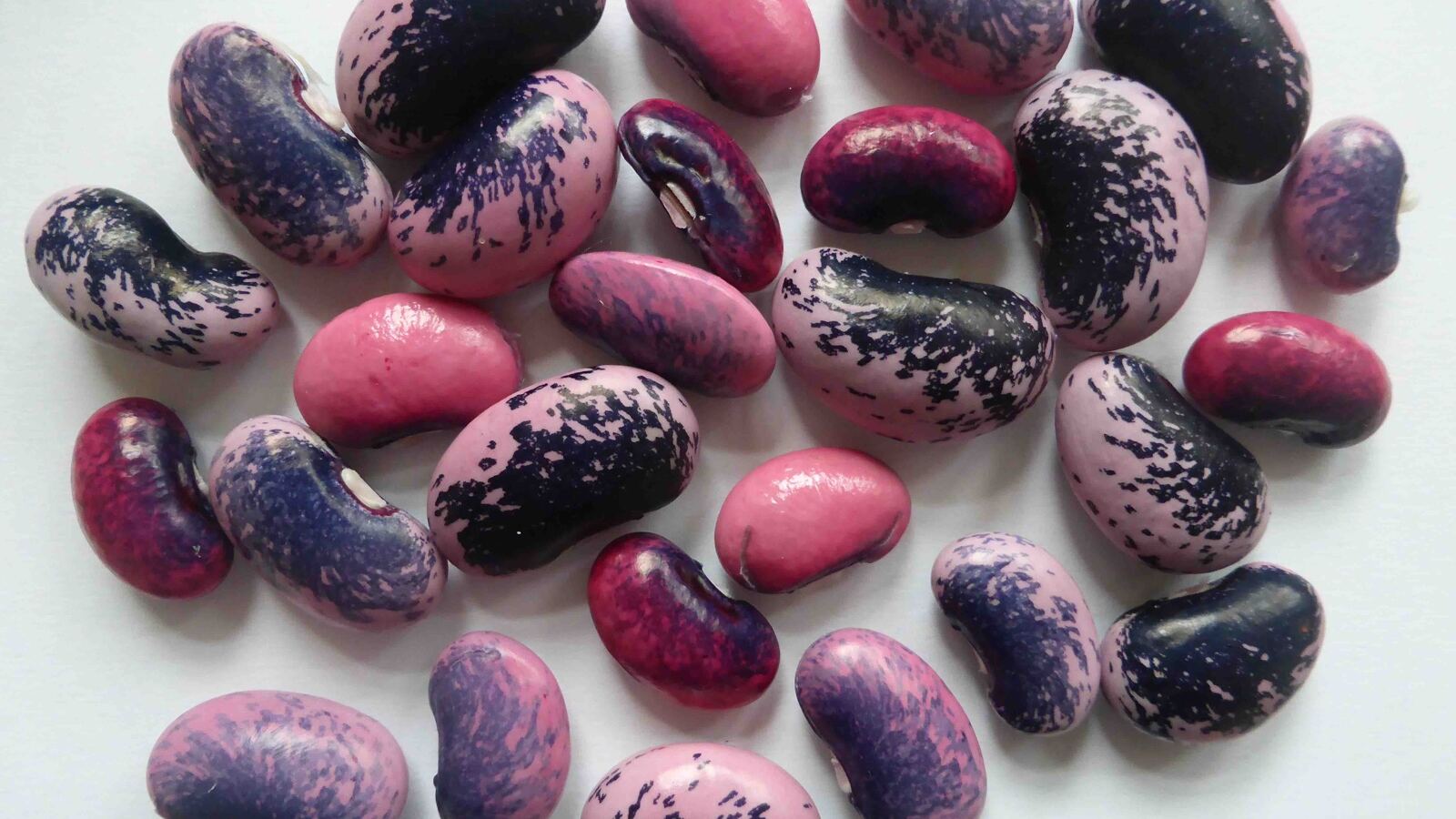
Peas and Beans: The Crops That Pay Rent
Legumes that fix their own nitrogen, why you cut the tops and leave the roots, and the difference between broad, French, and runner beans.
- 06
 Crops№ 0535 min
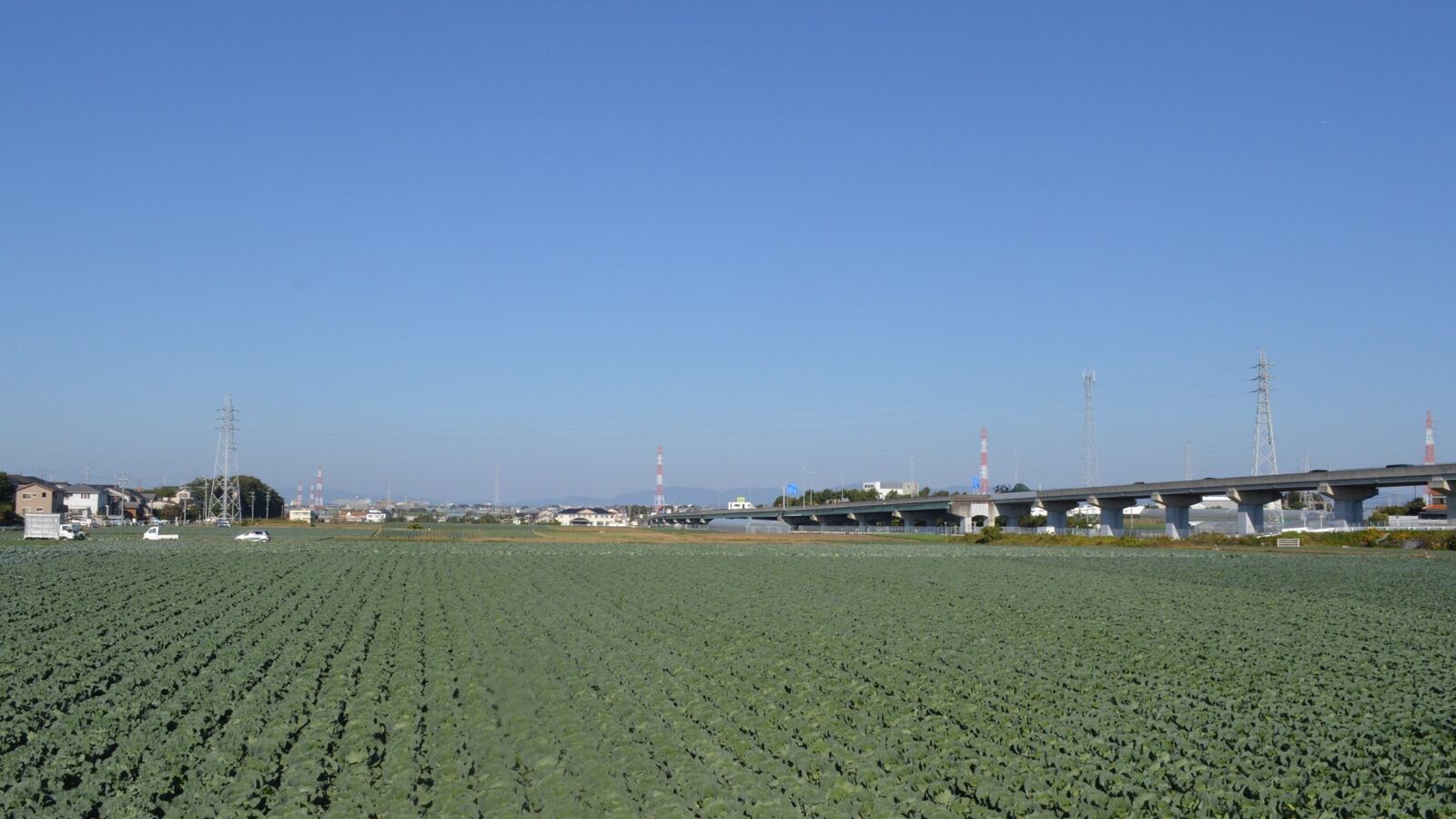
Brassicas: One Species, Six Vegetables
Cabbage, kale, broccoli, cauliflower, sprouts and kohlrabi are the same plant bred for different organs — plus clubroot and the caterpillar problem.
- 07
 Crops№ 5054 min
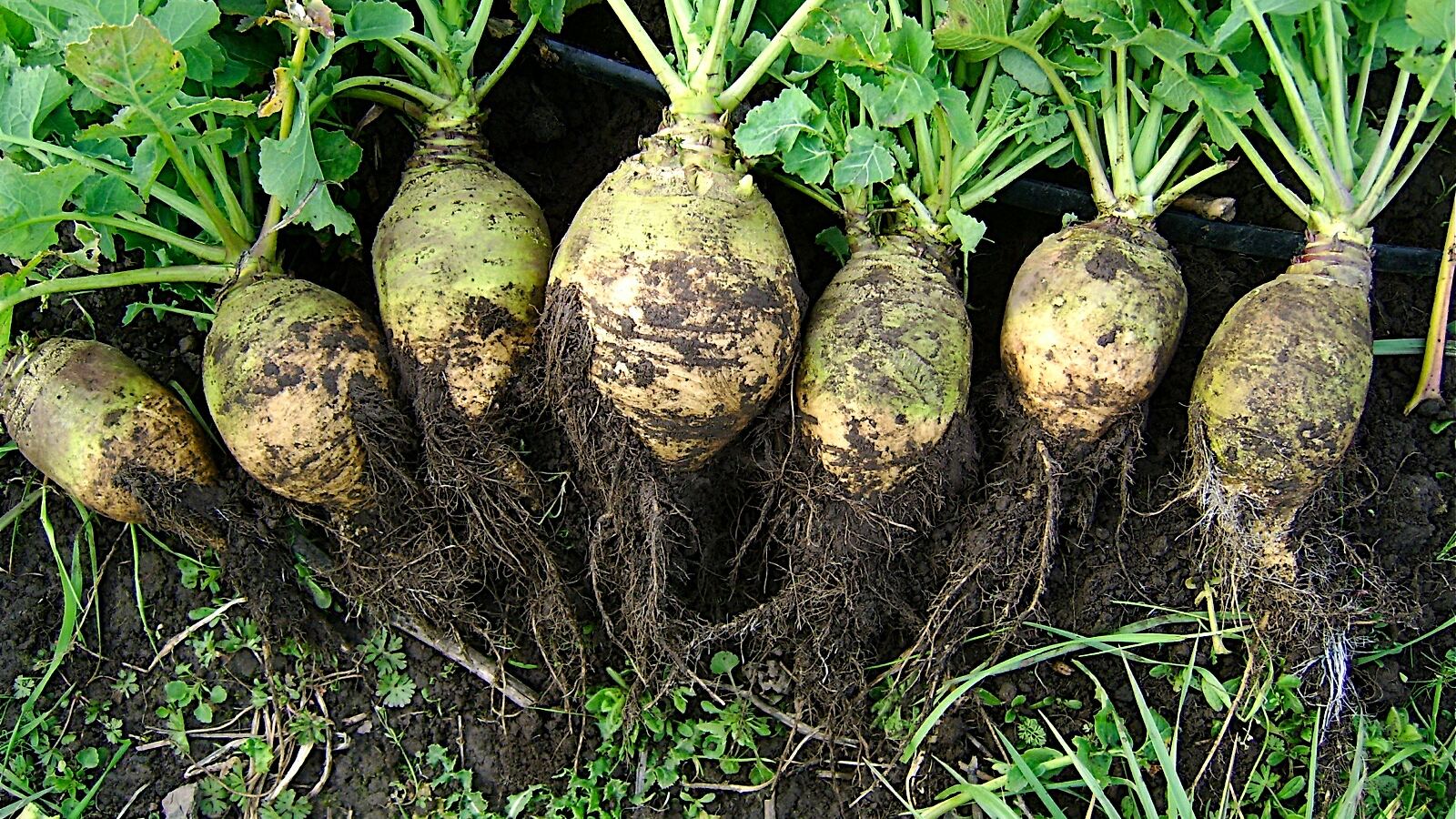
Turnips and Swedes: The Roots That Fed Winter
Two different species doing similar jobs, the fodder crop that changed European farming, and why swede needs the whole season.
- 08
 Crops№ 3686 min
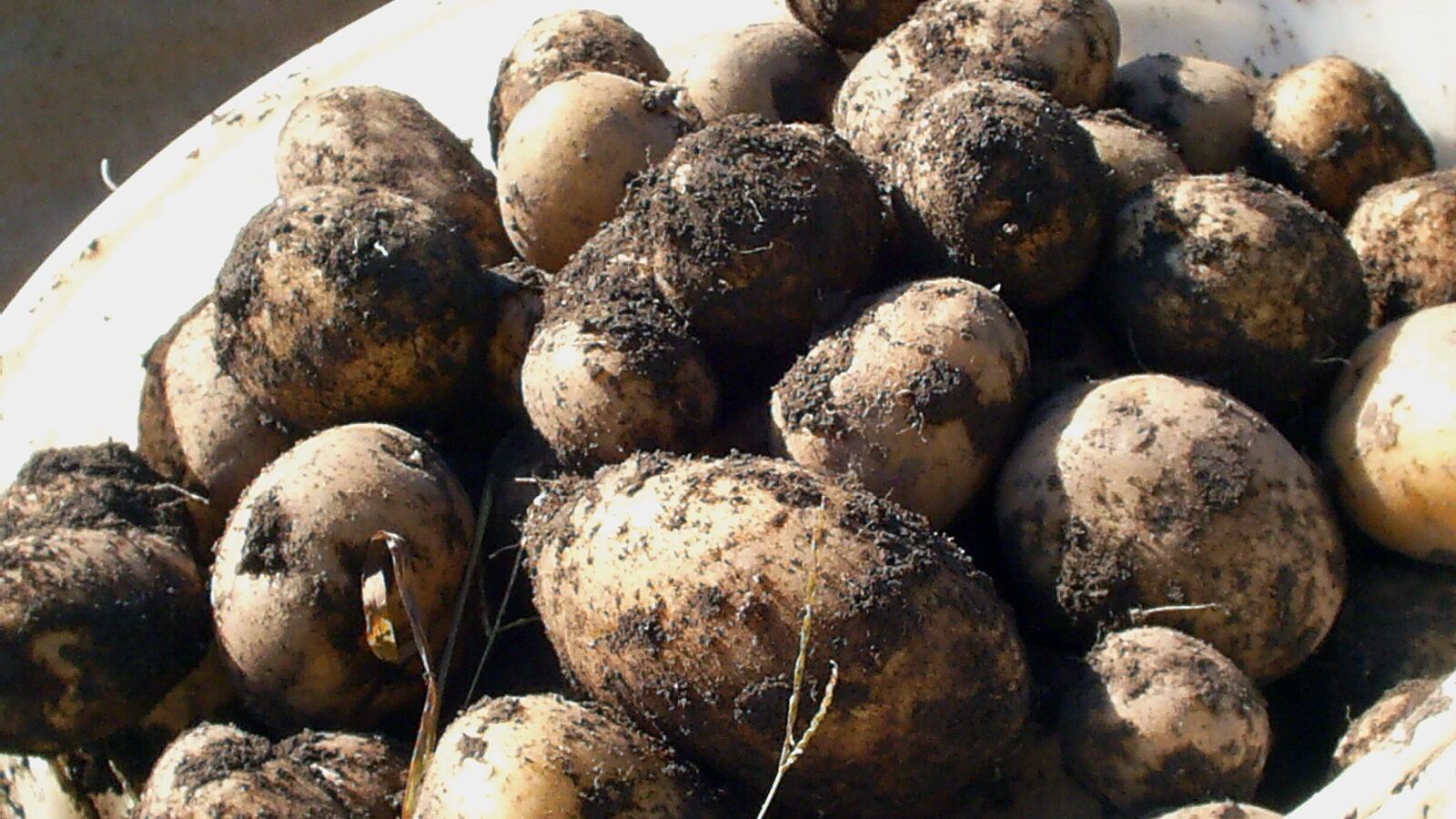
Potatoes: Earlies, Maincrop, and Why You Earth Them Up
Seed tubers over supermarket spuds, what chitting actually buys you, and the blight timing that decides whether you get a maincrop.
- 09
 Crops№ 0655 min
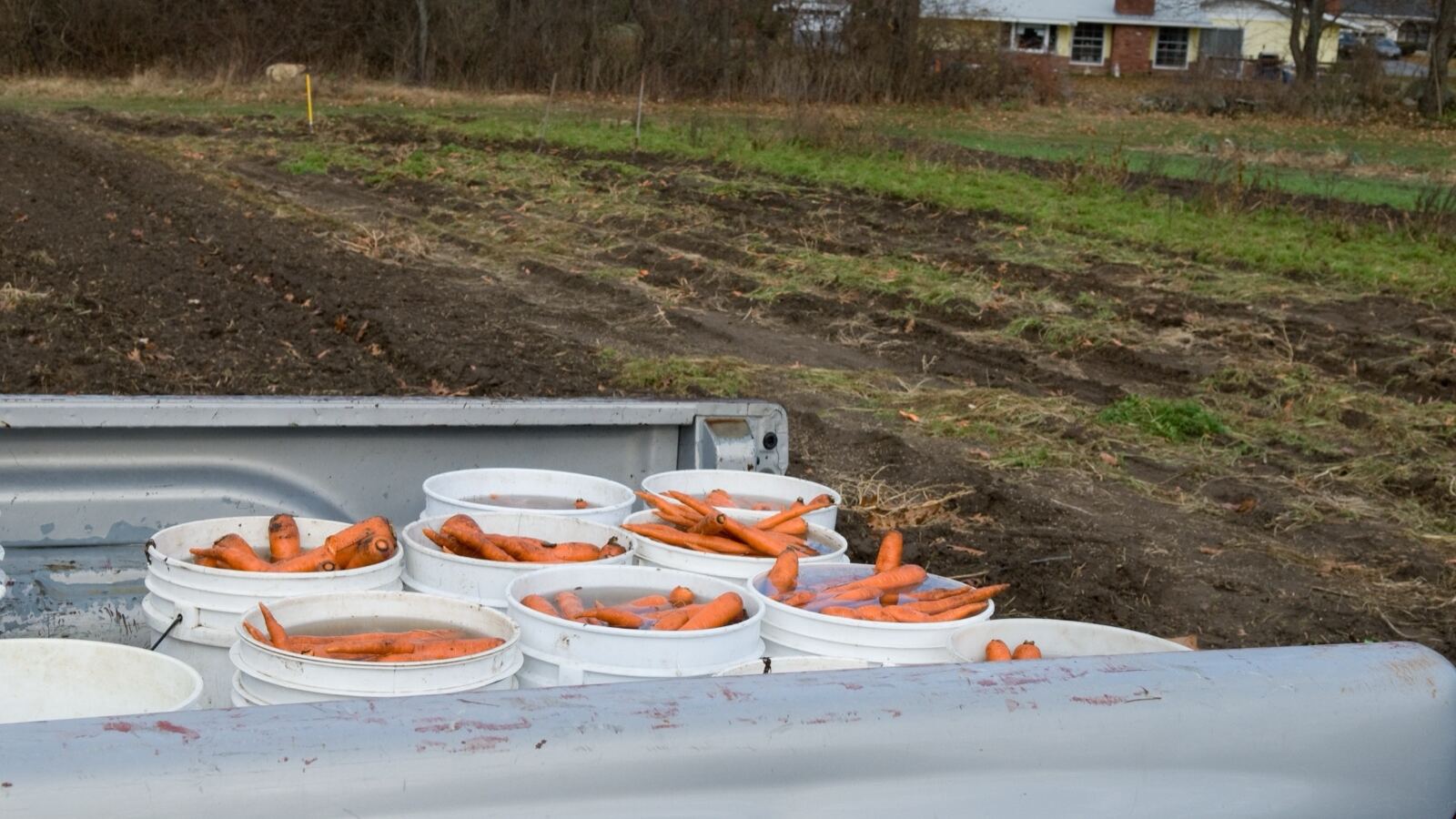
Carrots: Stones, Forks, and the Carrot Fly
Why carrots fork, why they must be direct-sown, and the barrier that beats carrot fly without a single spray.
- 10
 Crops№ 0385 min
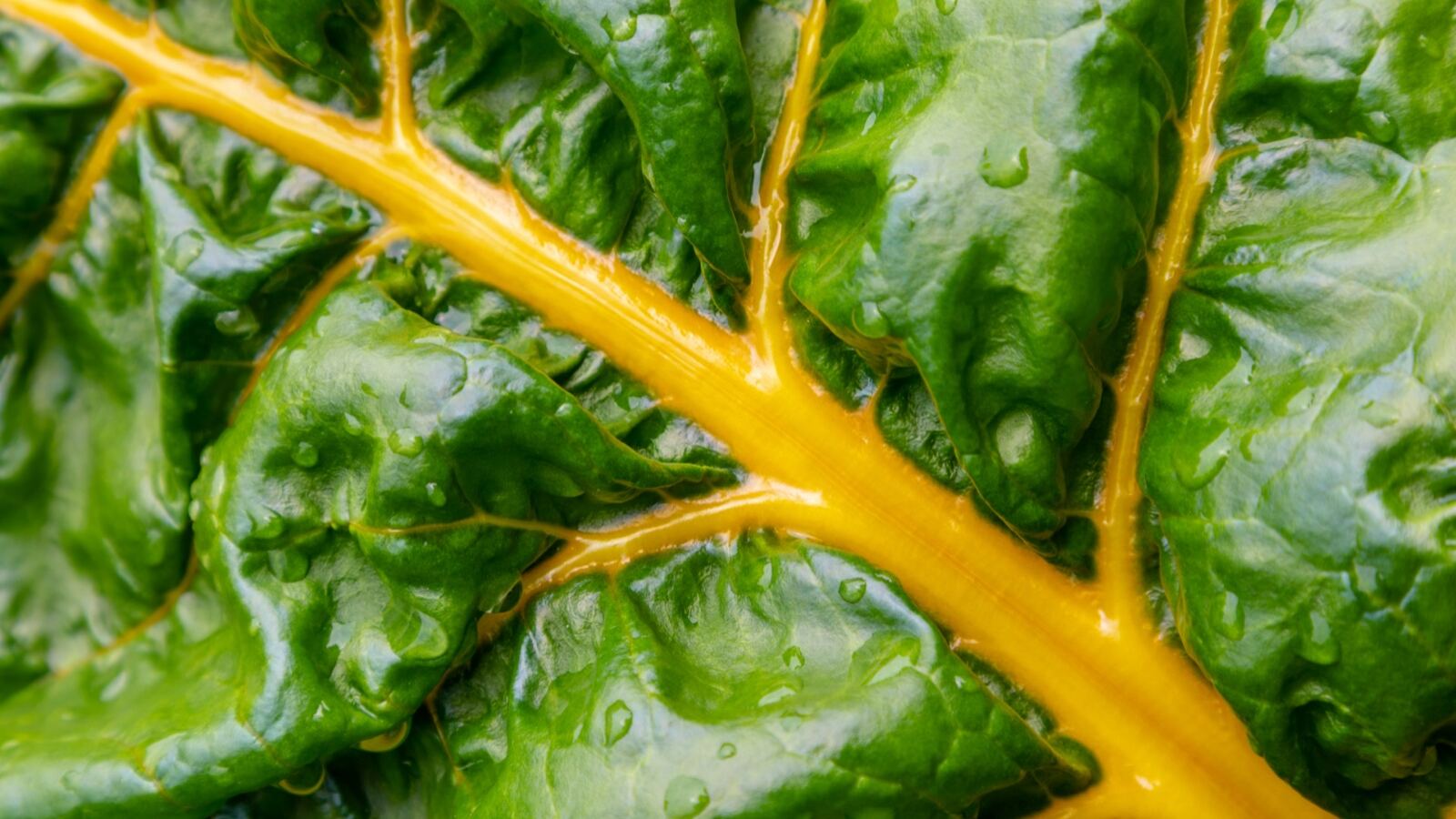
Beetroot and Chard: One Species, Root or Leaf
Beta vulgaris bred two ways, why every beet seed is a cluster, and the crop that shrugs off heat when spinach gives up.
- 11
 Crops№ 3315 min
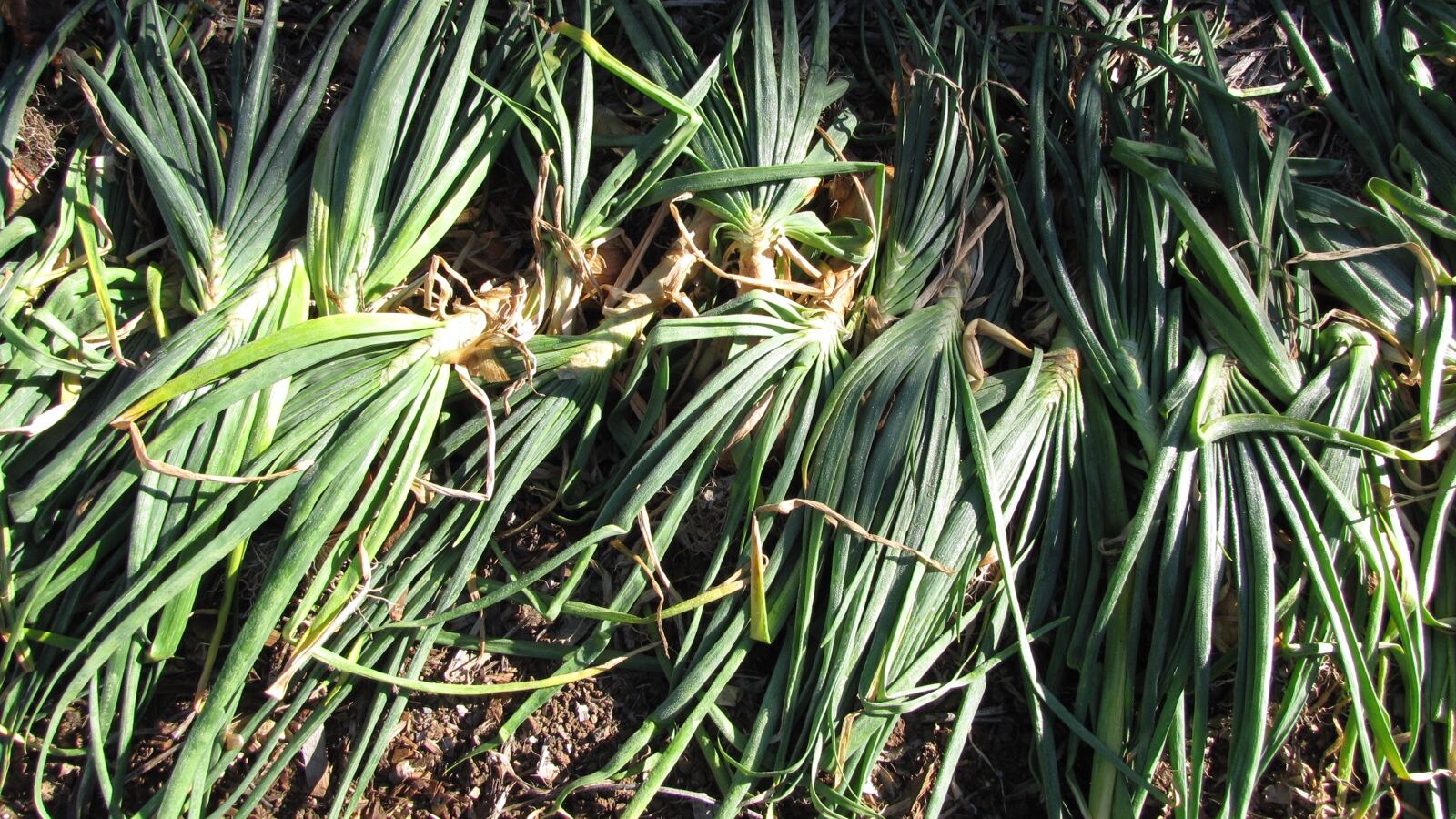
Onions: Day Length Decides the Bulb
Why an onion variety from the wrong latitude will never bulb, sets against seed, and the curing that separates a keeper from a rotter.
- 12
 Crops№ 2625 min
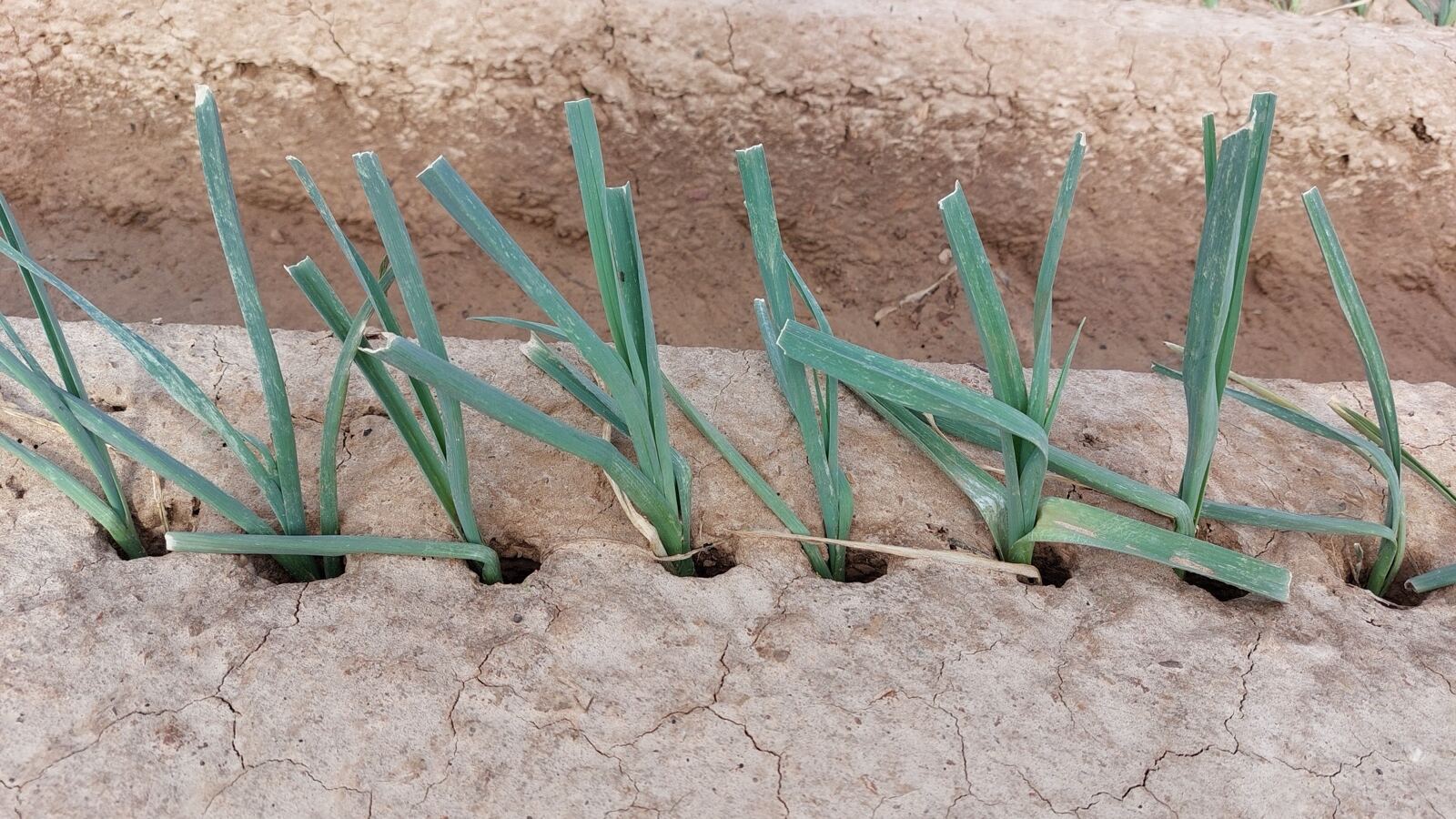
Leeks: Standing Through Winter in the Ground
Dibbed deep and puddled in, blanched for white shank, and the hardiest allium — the crop that stores itself outdoors until spring.
- 13
 Crops№ 1825 min
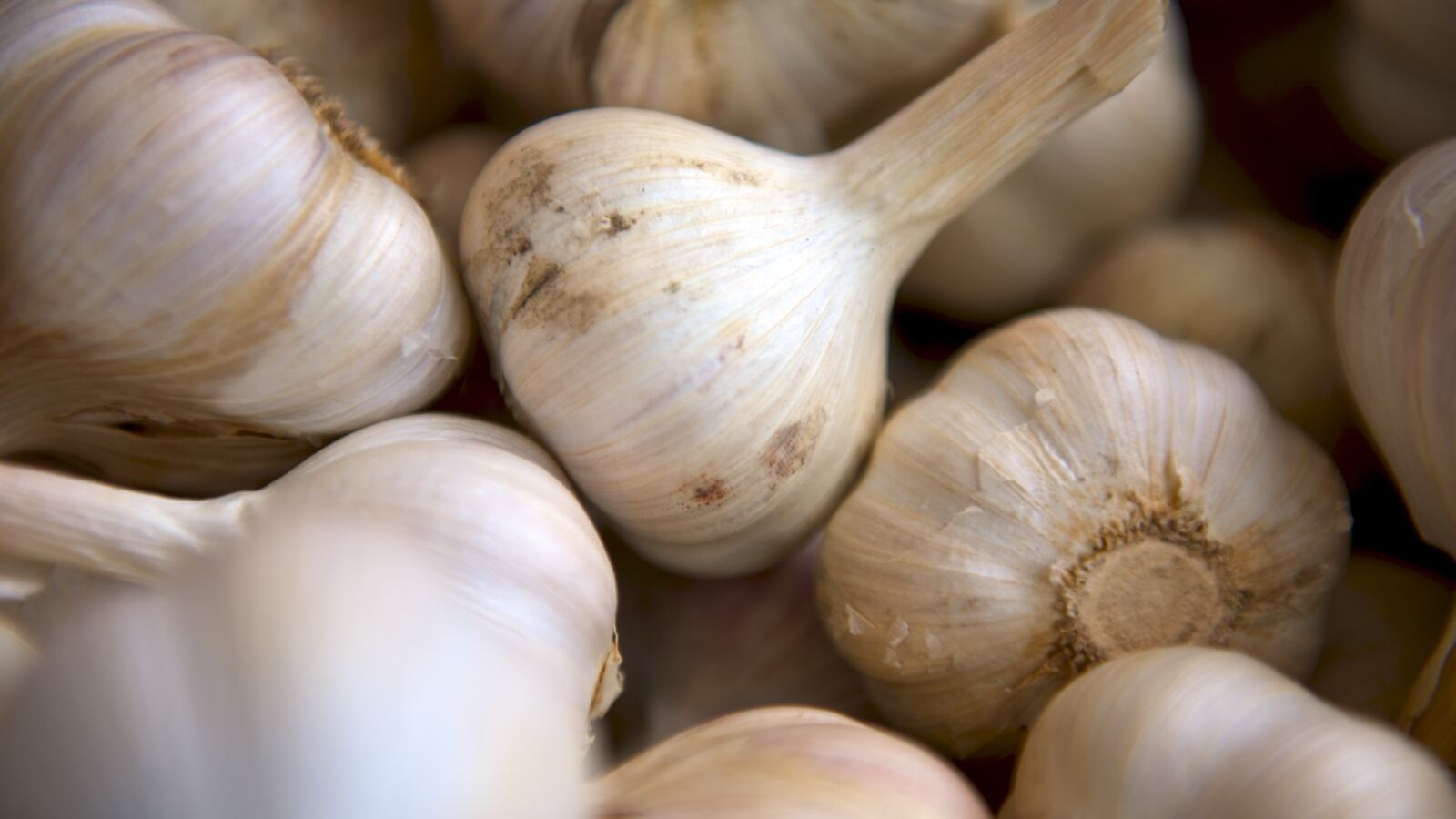
Garlic: Plant in Autumn, Harvest in Summer
Hardneck against softneck, why garlic needs a cold spell to split into cloves, and the scapes worth cutting.
- 14
 Crops№ 4896 min
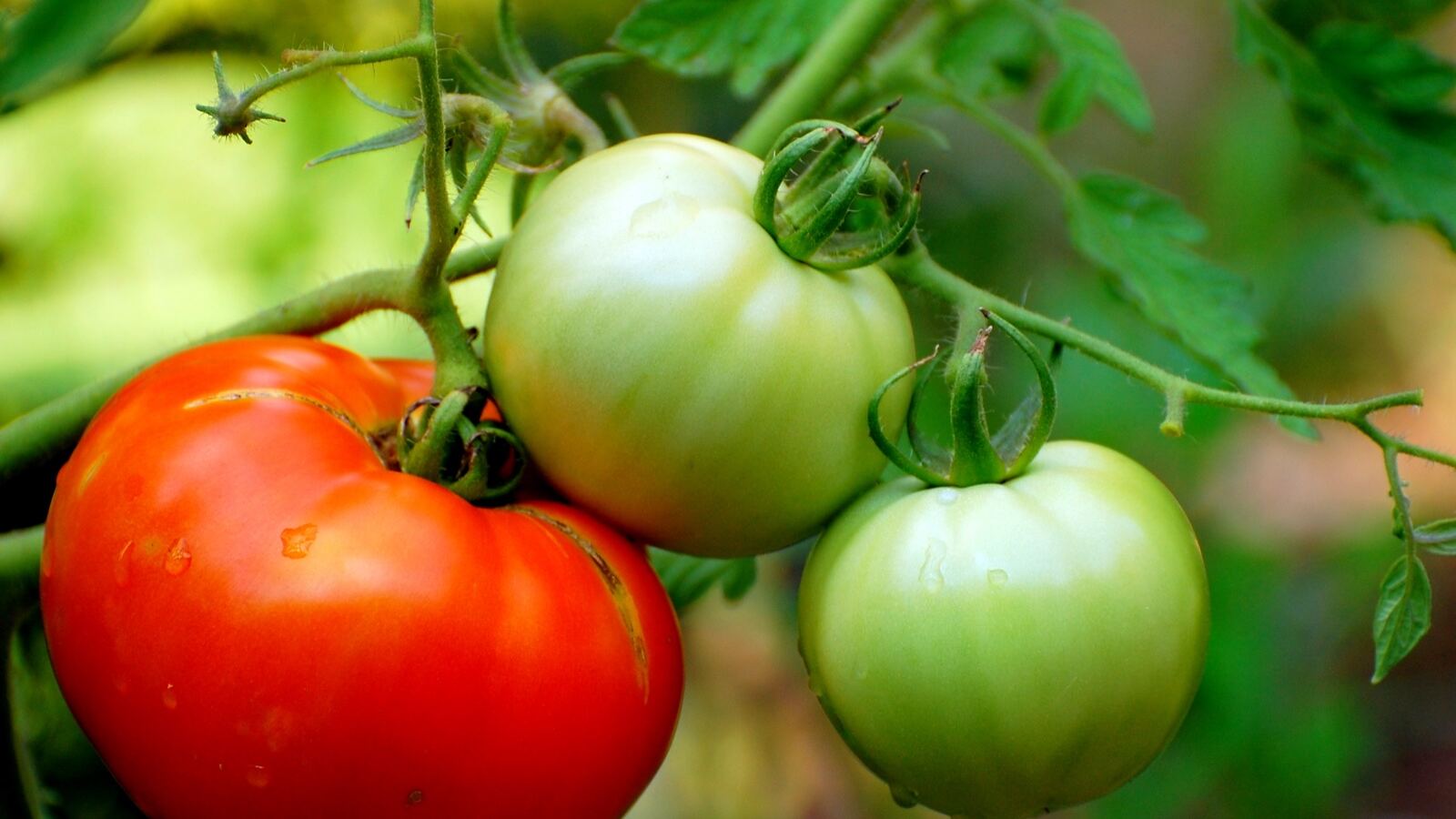
Tomatoes: Determinate, Indeterminate, and the Blight Clock
Choosing between bush and cordon types, why blossom end rot is a watering fault, and how to stay ahead of late blight.
- 15
 Crops№ 1125 min
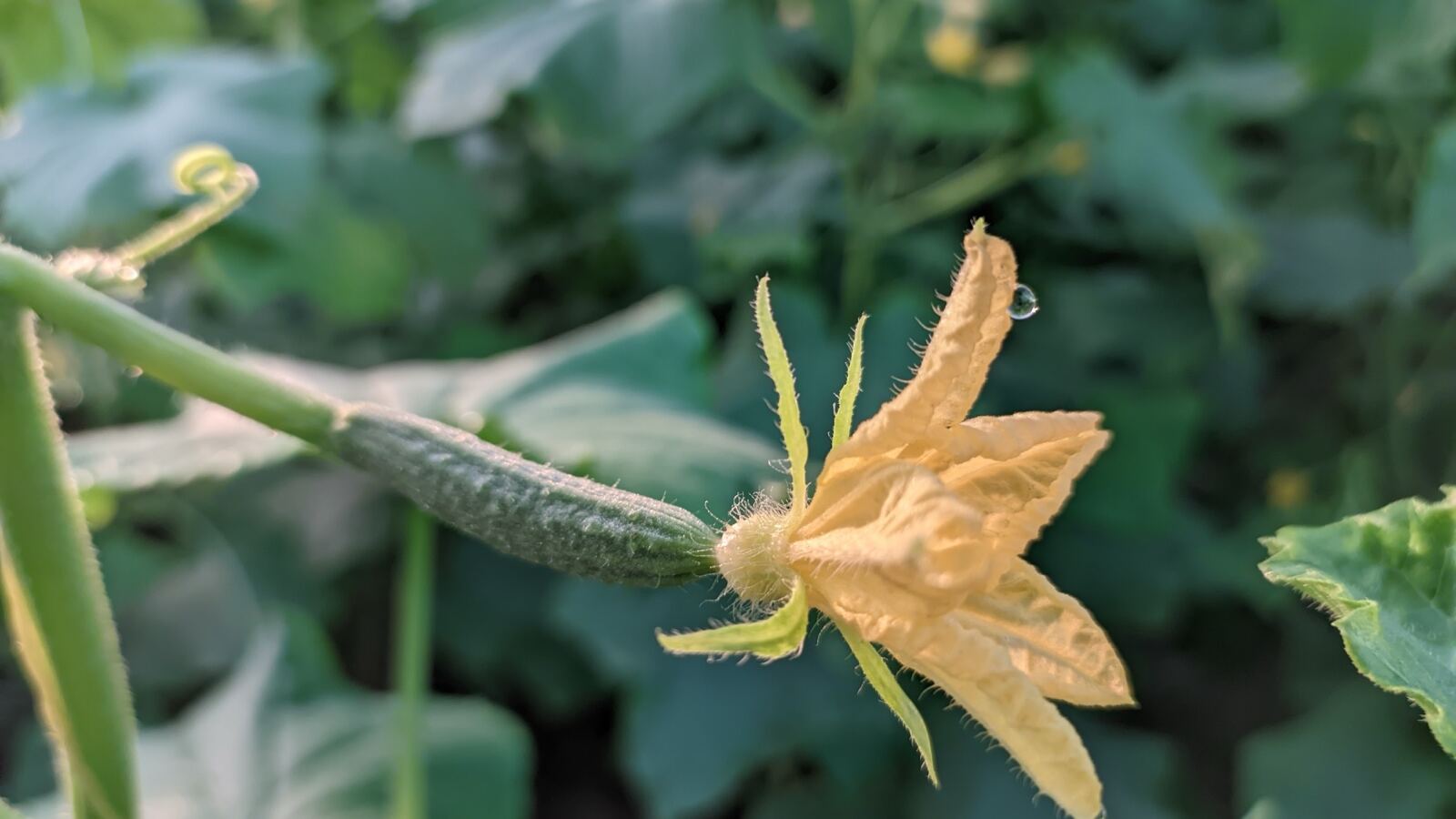
Cucumbers: All-Female Flowers and Bitter Fruit
Why greenhouse cucumbers must not be pollinated, what makes a cucumber bitter, and the difference between ridge and indoor types.
- 16
 Crops№ 4586 min
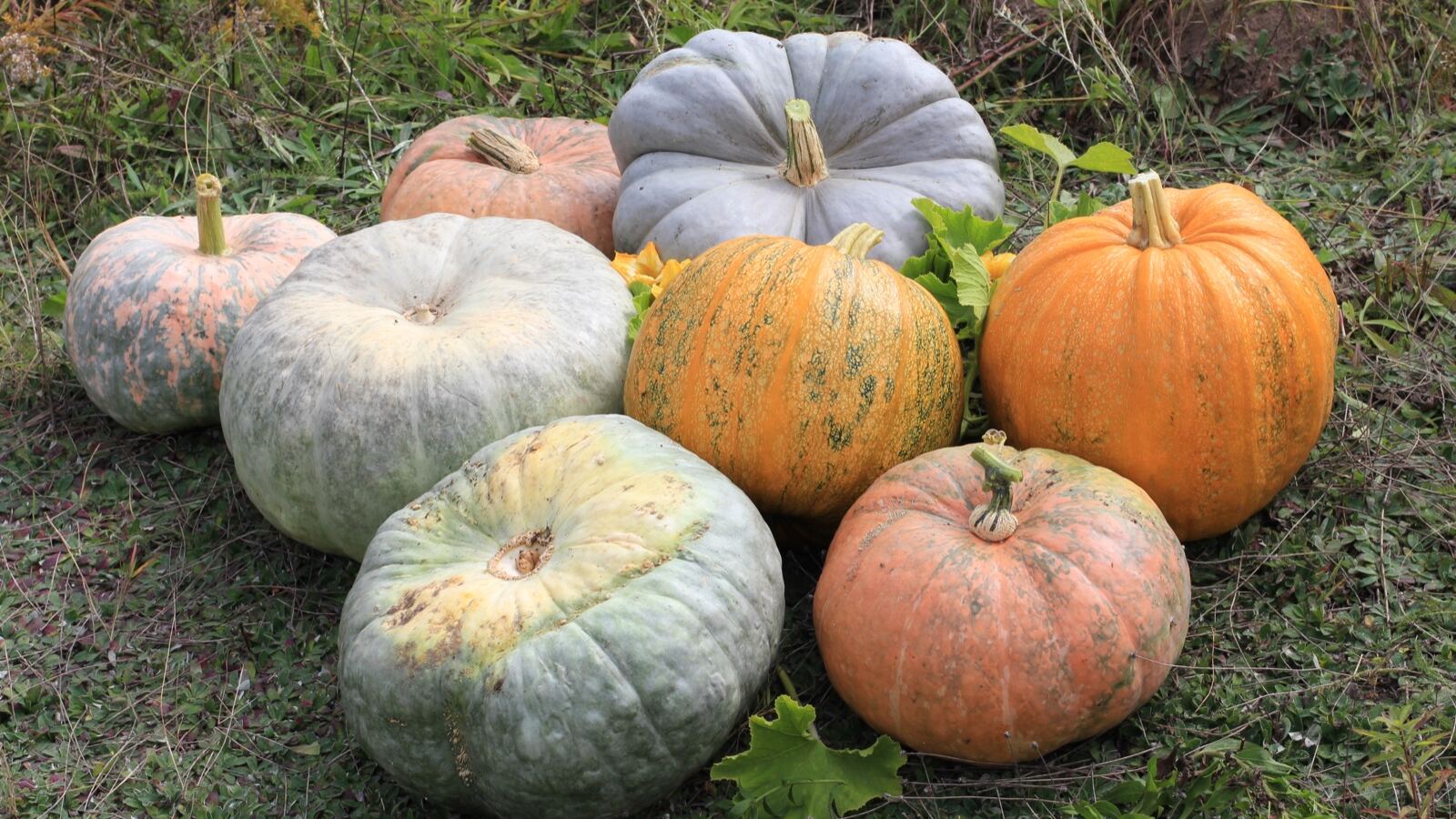
Squash and Courgettes: Separate Flowers, Huge Appetite
Male and female flowers on the same plant, why fruit rots at the tip, and the difference between a summer squash and a keeper.
- 17
 Crops№ 4775 min
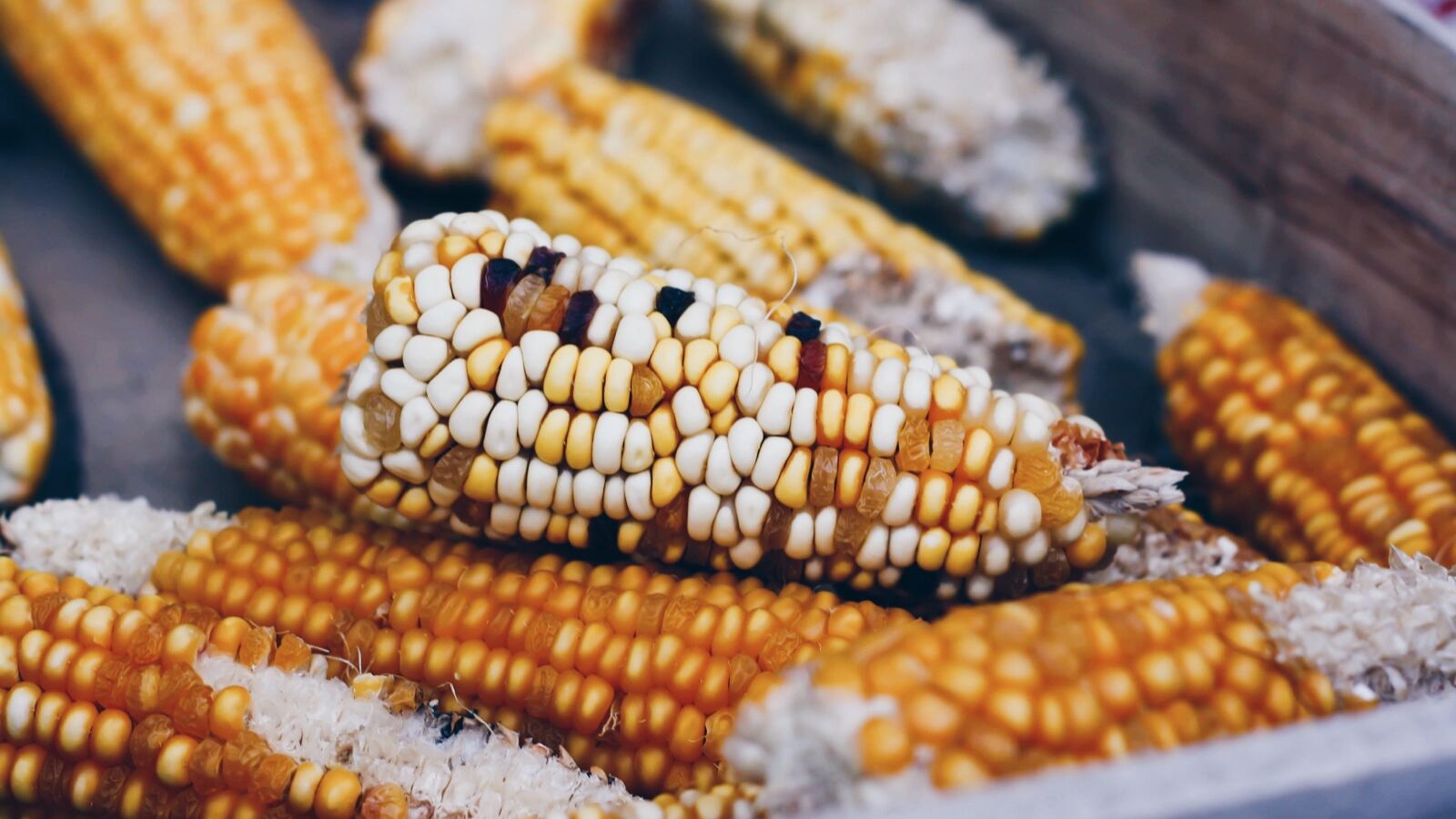
Sweetcorn: Plant in a Block, Not a Row
Wind-pollinated maize needs a block to fill its cobs, why sugar turns to starch within hours, and the varieties that must not cross.
- 18
 Crops№ 0755 min
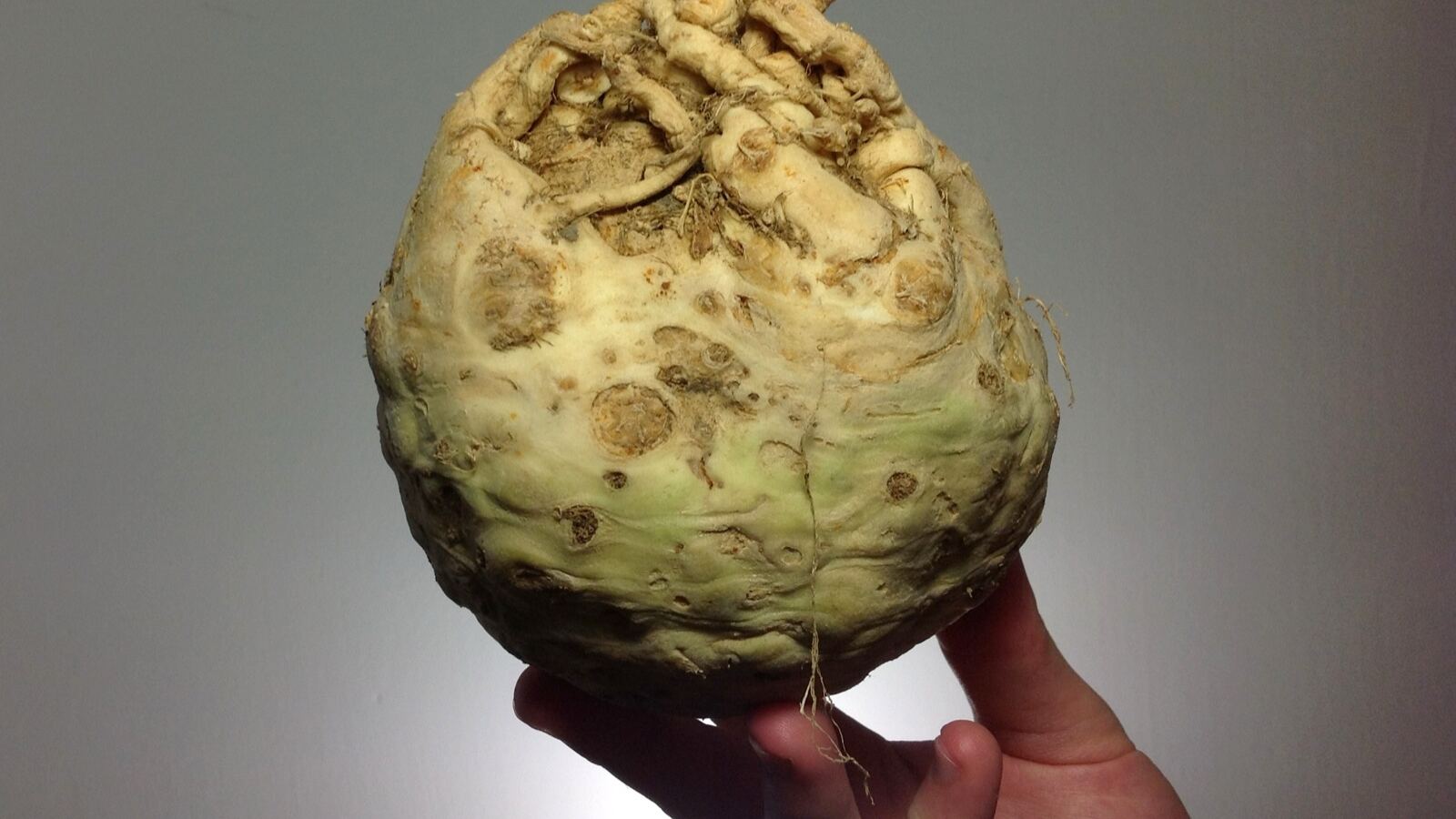
Celery and Celeriac: The Crop That Never Forgives a Dry Week
Bog plants in a vegetable bed — self-blanching against trench celery, why celeriac needs the whole season, and the boron problem.
- 19
 Growing№ 1104 min
Crop Rotation: Breaking Pest and Disease Cycles
Move plant families through your beds on a three or four year cycle. Pests starve. Soil rebalances. Disease pressure drops without sprays.
- 20
 Growing№ 2087 min
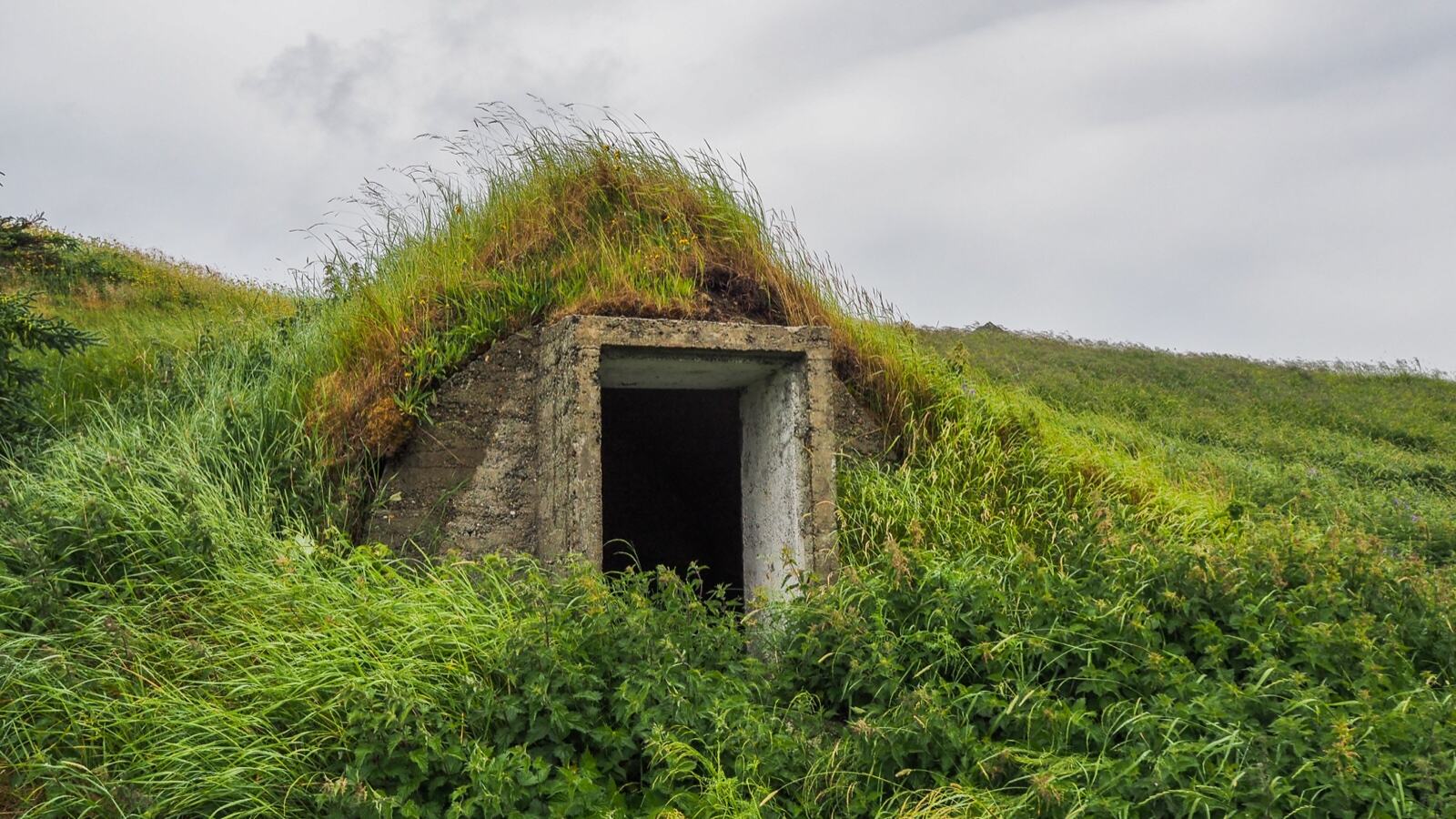
Harvest and Storage: Keeping What You Grew
Picking at the right stage, curing what needs curing, and the four storage conditions that decide whether a crop lasts a week or eight months.