Not only competition
Ecology is often told as a story of struggle — competition, predation, survival of the fittest. But just as much of life runs on cooperation: partnerships between different species, each getting something it cannot get alone. These living-together relationships are called symbiosis, and the win-win kind — where both partners benefit — is mutualism. Mutualisms are not rare curiosities; they quietly underpin whole ecosystems, and much of this encyclopedia.
The great mutualisms
Some of the most important relationships on Earth are mutualisms:
- Mycorrhizae — the partnership between plant roots and fungi, in which the fungus extends the root's reach for water and nutrients (especially phosphorus) and the plant pays in sugar. The vast majority of plants depend on it, and it links whole forests underground. See mycorrhizal fungi.
- Nitrogen fixation — the partnership between legumes (and alders, casuarinas, and others) and the bacteria in their root nodules that turn air into fertiliser, feeding the plant and, in time, the soil. See nitrogen-fixing bacteria and nitrogen fixers.
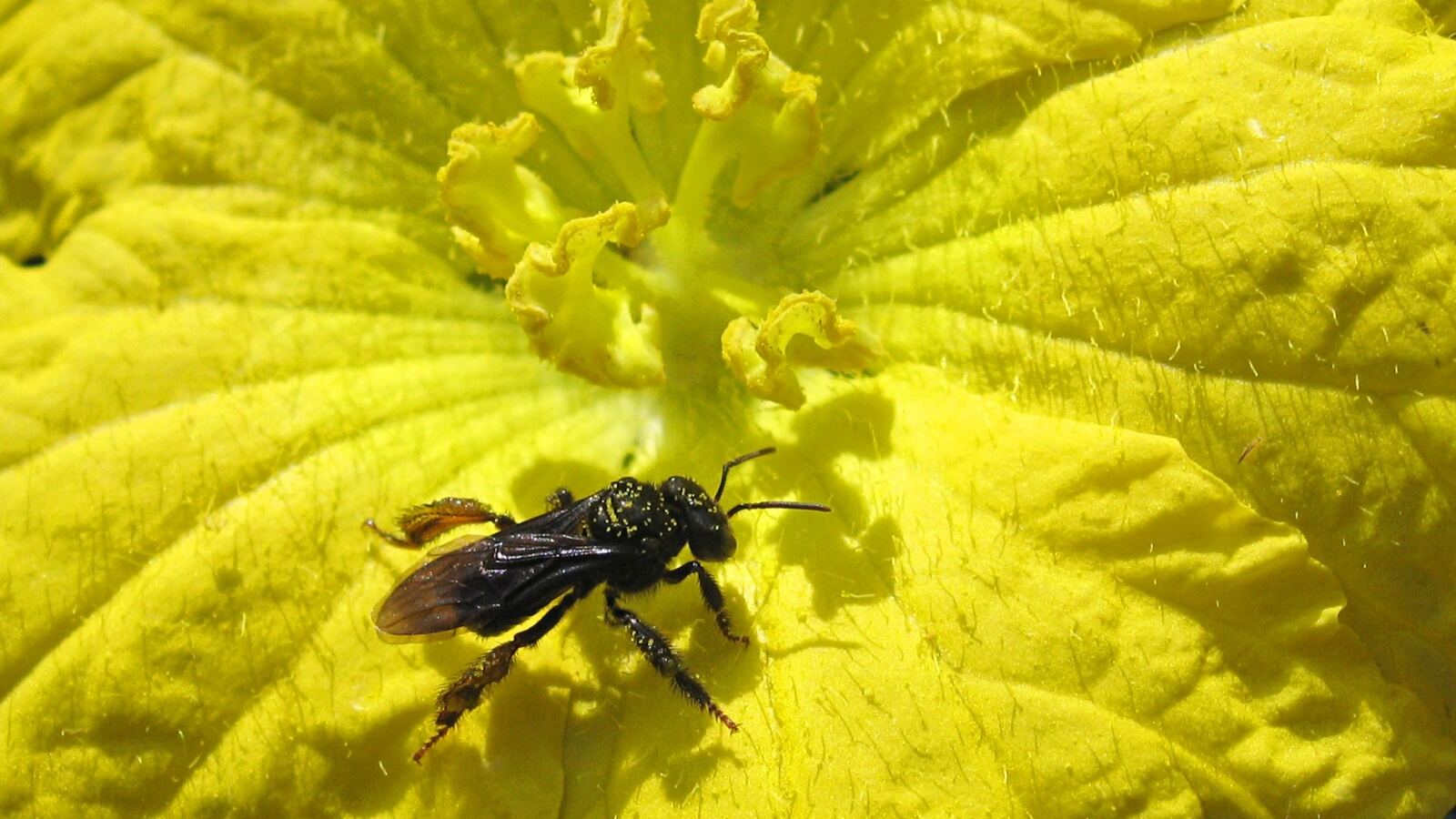
- Pollination — the partnership between flowering plants and the bees, moths, birds, and bats that carry their pollen in exchange for nectar and pollen. See pollinator habitat.
- Seed dispersal — the partnership between fruiting plants and the birds and mammals that eat their fruit and carry the seeds away. See seed dispersal.
Between them, these four mutualisms feed, fertilise, pollinate, and spread most of the plant life on the planet — the machinery on which food webs and forests are built.
The tightest partnerships
Some mutualisms are so specific that neither partner can live without the other — obligate mutualisms, often the product of long coevolution. This encyclopedia is full of them: the fig and its wasp, each fig species pollinated by its own wasp; the yucca and its moth, which deliberately pollinates the flower it lays its eggs in; the brazil nut, which needs a particular orchid bee to set seed and an agouti to plant it. These exquisite partnerships are wonders of evolution — and vulnerabilities, because losing one partner dooms the other.
The spectrum of living together
Mutualism is one end of a spectrum of symbiosis, and it helps to see the whole range:
- Mutualism — both partners benefit (+/+): the bee and the flower.
- Commensalism — one benefits, the other is unaffected (+/0): an epiphyte perched on a tree, or a bird nesting in its branches.
- Parasitism — one benefits at the other's expense (+/−): mistletoe drawing sap from a tree, or the sandalwood and quandong tapping their neighbours' roots.
The boundaries are blurry and can shift — a partner can turn freeloader, a mutualism can tip toward parasitism under stress — and this fluidity is itself part of how ecosystems work. But the central insight stands: life is woven together as much by cooperation as by conflict, and pulling one thread can unravel far more than it seems. Understanding mutualism is understanding why the pieces of an ecosystem need each other. See biodiversity.
See also
- Coevolution how the tightest partnerships evolve
- Mycorrhizal Fungi the great root-and-fungus partnership
- Nitrogen Fixers the plant-and-bacteria partnership
- Pollinator Habitat the plant-and-pollinator partnership
- Seed Dispersal the plant-and-disperser partnership
- Competition the other side of how species interact