What it is
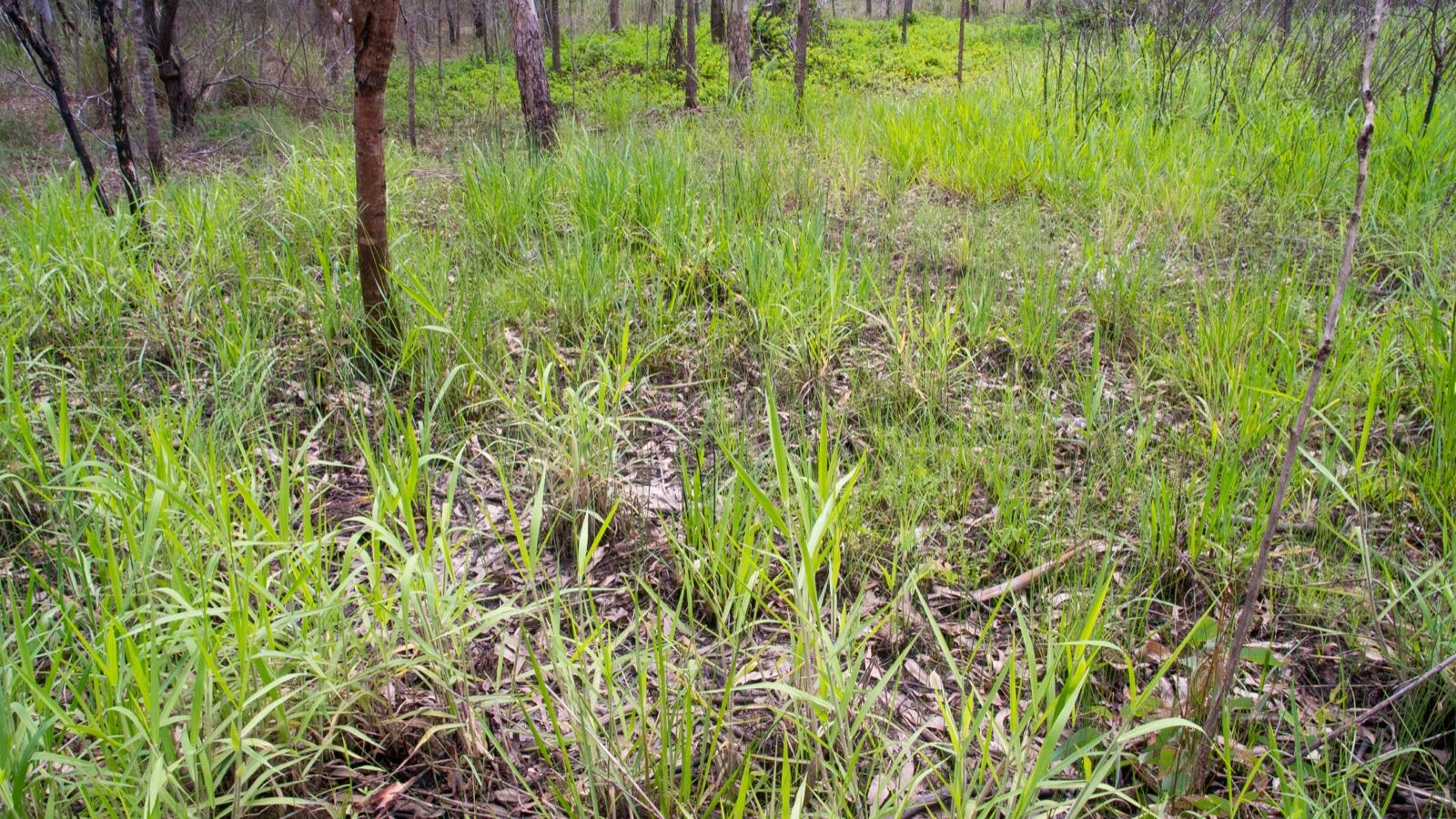
Resilience is an ecosystem's capacity to absorb disturbance and still keep working — to take a shock (a drought, a fire, a pest outbreak) and either shrug it off or recover its former character afterwards. A resilient system bends without breaking; a fragile one shatters.
It is worth separating two related ideas:
- Resistance — how much a system withstands a shock without changing in the first place.
- Resilience (recovery) — how well and how fast it bounces back after being changed.
Some systems are highly resistant but slow to recover if finally pushed over; others are easily knocked about but spring back fast. Both matter, and together they describe how a system copes with a world that is always throwing disturbances at it.
What makes a system resilient
The sources of resilience are, encouragingly, the same things this encyclopedia recommends everywhere:
- Biodiversity — especially "response diversity," having several species that do a similar job but respond differently to stress, so that when one fails another carries on (the insurance effect). A diverse system has spare parts and backups.
- Redundancy — overlapping roles and dense food-web connections, so no single failure breaks the whole.
- Intact function — living soil, working nutrient cycles, present pollinators and decomposers and predators, so the machinery of recovery is in place.
- Connectivity — links to other habitats (corridors) that let a damaged patch be recolonised from outside.
Simplify a system — strip its diversity, break its connections, degrade its soil — and you strip its resilience, so that a shock it once absorbed can now push it over. A monoculture is the opposite of resilient.
Tipping points and alternative states
The most important and sobering idea in resilience is the tipping point — the threshold beyond which a system does not just degrade gradually but flips suddenly into a completely different state, one that then resists returning.
Ecosystems often have more than one stable state, and a system can be pushed — slowly, with little apparent change — toward a threshold, and then tip abruptly into the other state, where new self-reinforcing feedbacks lock it in. Classic examples:
- Clear lake → algae-choked lake. A lake can absorb rising nutrient pollution for a long time, staying clear — then tip suddenly into a murky, algae-dominated state that stays murky even if the pollution is later reduced.
- Grassland → desert. Overgrazed dryland can cross a threshold into bare, eroded desert that no longer catches rain or grows grass, and will not recover on its own — the desertification trap.
- Coral reef → algal reef, forest → savanna, kelp forest → urchin barren (see trophic cascades) — all are flips between alternative stable states.
The dangerous feature of tipping points is hysteresis: it is far harder to push the system back than it was to push it over. Once flipped, the degraded state defends itself, and simply removing the original pressure is not enough — which is why restoring a crossed threshold (regreening a desert, clearing a flipped lake) is so slow and costly, and why it is far cheaper to keep a system on the healthy side of the line than to drag it back. See carrying capacity.
Managing for resilience
The practical goal, then, is to keep a system resilient and well back from its thresholds: maintain diversity and connectivity, keep the soil and water cycles intact, avoid pushing any pressure (grazing, pollution, harvest, warming) toward the edge, and watch for early-warning signs that a system is losing its capacity to recover. In a world of accelerating change and shocks, resilience — not maximum short-term yield — is increasingly the wiser thing to manage for. It is the ecological case for diversity, redundancy, and restraint. See ecosystem services and disturbance ecology.
See also
- Biodiversity the main source of resilience
- Disturbance Ecology the shocks resilience absorbs
- Trophic Cascades flips between alternative stable states
- Carrying Capacity overshoot as a route to a tipping point
- Dryland Restoration dragging a system back over a crossed threshold
- Wildlife Corridors the connectivity that aids recovery