What it is
Biodiversity — biological diversity — is the variety of life, and it is usually measured at three nested levels:
- Genetic diversity — the variation within a species, the different genes carried by different individuals and populations. It is what lets a species adapt, and its loss is the danger of a monoculture or a tiny population (see minimum viable populations).
- Species diversity — the number and variety of different species in a place, the sense most people mean by "biodiversity."
- Ecosystem diversity — the variety of habitats and ecosystems across a landscape or region.
These levels interlock: genetic diversity underpins species, species diversity builds ecosystems, and diverse ecosystems shelter more species. Losing diversity at any level erodes the others.
Why diversity is worth having
Biodiversity is not just a moral or aesthetic good; a diverse living system works better, and this is one of the best-established findings in ecology. A diverse community tends to be:
More productive. More species, using resources in more different ways (resource partitioning), capture more of the available sunlight, water, and nutrients between them than any single species could — so diverse plantings, meadows, and forests generally grow more total biomass than monocultures.
More stable. Because different species respond differently to a given stress, a diverse system is buffered: when drought, frost, or a pest knocks back one species, others carry on, and the whole holds steady — the "insurance effect." A monoculture, by contrast, can all fail at once.
More resilient. Diversity provides the raw material for recovery and adaptation — spare species to fill a gap, spare genes to meet a new threat — so diverse systems bounce back from disturbance and cope with change far better than simplified ones. See ecological resilience.
This is exactly why structural diversity, mixed hedgerows, diverse urban forests, and polycultures are recommended throughout this encyclopedia: diversity is the cheapest and most reliable insurance a grower, restorer, or forester can buy. The recurring disasters of this encyclopedia — the chestnut blight, Dutch elm disease, the Panama disease threatening the clonal banana — are all failures of diversity.
The uneven spread of life
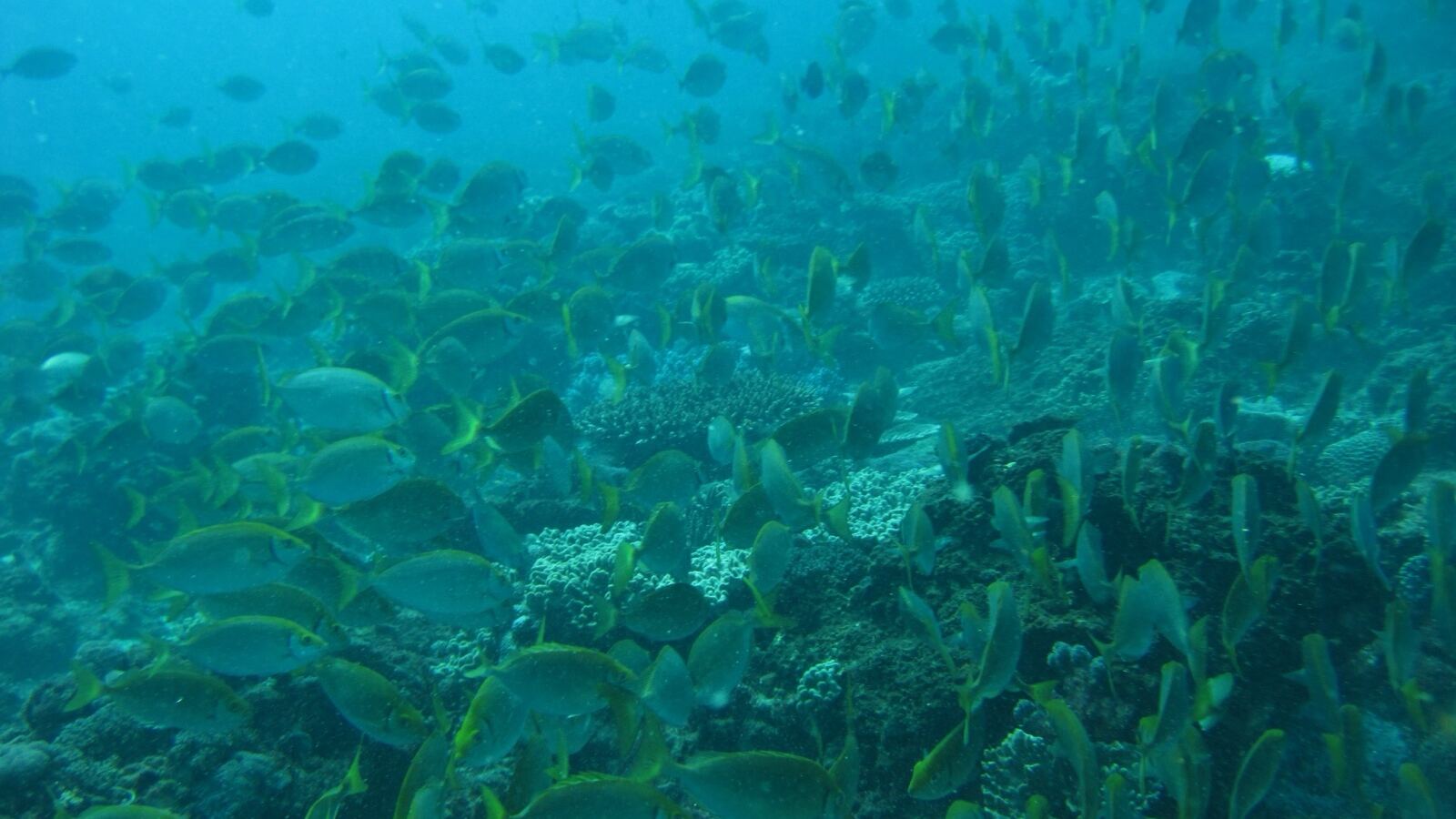
Biodiversity is not spread evenly. It is highest in the tropics (a tropical rainforest or coral reef holds more species than anywhere else) and falls toward the poles, and it is concentrated in "biodiversity hotspots" — regions like Madagascar, the tropical Andes, and the Mediterranean basin that hold exceptional numbers of unique species and are under exceptional threat. Certain groups and certain trees do disproportionate work: the figs, oaks, and other keystone species support far more life than their numbers suggest.
The world is now losing biodiversity at a rate fast enough to be called a mass extinction, driven by habitat loss, invasive species, pollution, over-exploitation, and climate change — which is why so much of restoration is, at bottom, an effort to rebuild diversity.
Building diversity back
For the grower and restorer, encouraging biodiversity is mostly a matter of providing variety and structure: many species rather than few; a range of habitats and structural layers; native species that local wildlife can use; dead wood, water, and undisturbed corners; and connectivity between habitats so species can move. Do that, and the productivity, stability, and resilience of a diverse system come as the reward.
See also
- Structural Diversity diversity of habitat layers, not just species
- Ecological Resilience how diversity lets a system absorb shocks
- Keystone Species the species that hold disproportionate diversity
- Minimum Viable Populations genetic diversity and survival
- Ecosystem Services what biodiversity does for people
- Food Webs the connections diversity is made of
- Biomes which of the world's ecosystem types hold the most life