Matter cycles, energy flows
The single most important thing to grasp about how ecosystems work is the difference between energy and matter. Energy flows through — it enters as sunlight, passes up the food web, and leaves as heat, and must be constantly resupplied. Matter cycles round — the same atoms of carbon, nitrogen, phosphorus, and the rest are used over and over, passed from soil to plant to animal to decomposer and back to the soil, in loops that can turn indefinitely.
A natural ecosystem, run on these closed loops, produces essentially no waste: every dead leaf, body, and dropping is food for something else, and its nutrients are captured and reused. Nutrient cycling is the machinery that makes this possible, and understanding it is the key to fertility, to composting, and to why some farming depletes the land while nature does not.
The great cycles
Several nutrients cycle through every ecosystem; three matter most:
Carbon. Plants pull carbon dioxide from the air and build it into sugars and tissue (photosynthesis); it passes up the food web; and it returns to the air as carbon dioxide when things respire, decompose, or burn. Some is locked away for long periods in wood, soil organic matter, peat, and (over geological time) fossil fuels — which is the basis of carbon accounting and of using trees and soil to store carbon.
Nitrogen. The air is four-fifths nitrogen, but in a form almost nothing can use. The nitrogen cycle turns on the microbes that make it available: nitrogen-fixing bacteria (in the roots of legumes, alder, and others) that convert air nitrogen into plant food, and the decomposers that release it again from dead matter — with other microbes returning it to the air. See nitrogen fixers.
Phosphorus. Unlike carbon and nitrogen, phosphorus has no gaseous form — it cycles slowly through rock, soil, and living things, which is why it is so often the limiting nutrient, and why mycorrhizal fungi, which mine it from the soil for plants, matter so much.
The engine: decomposition
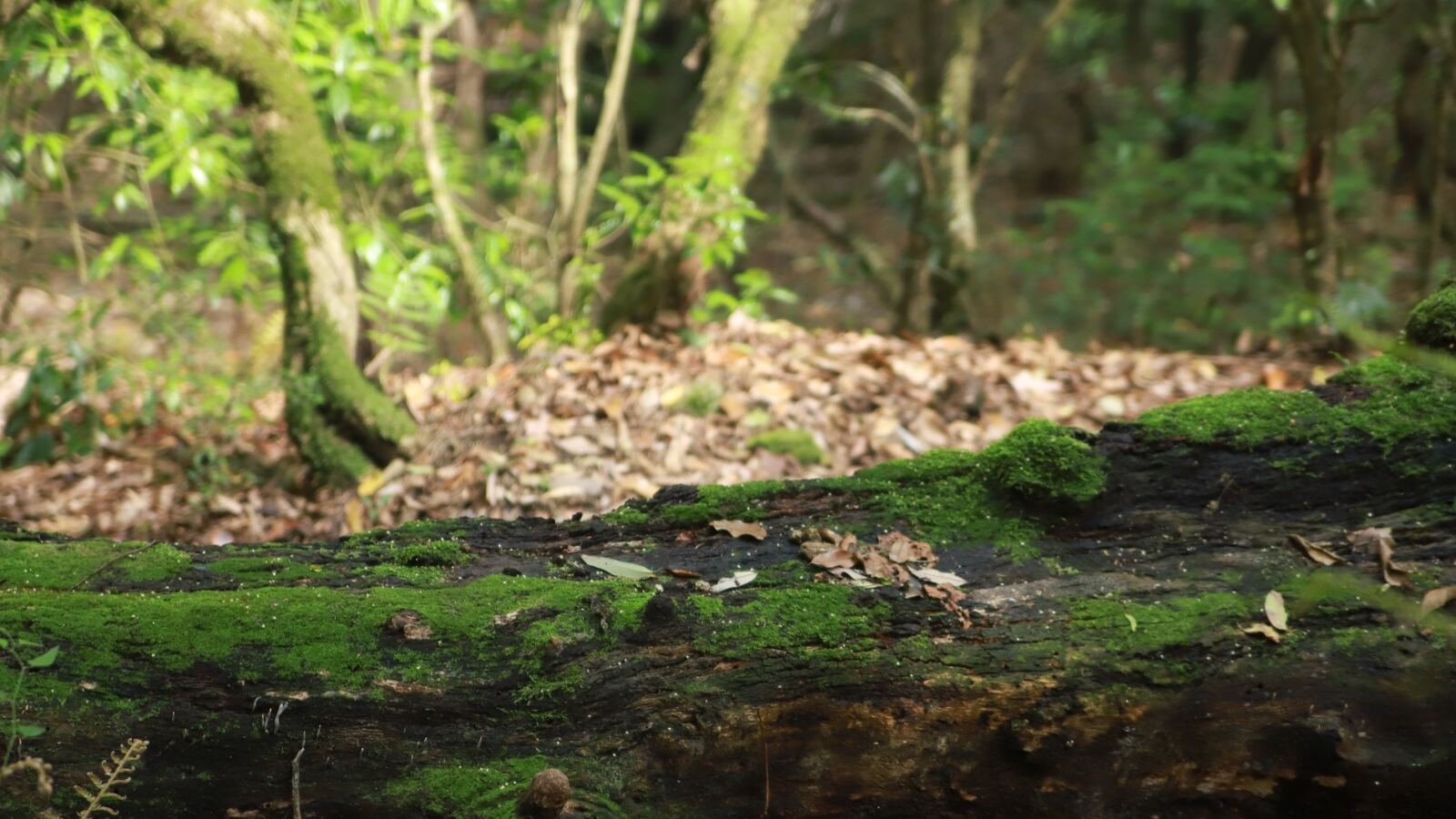
At the heart of every nutrient cycle is decomposition — the breaking down of dead matter by decomposers, earthworms, fungi, and the whole soil food web — which unlocks the nutrients bound up in dead tissue and returns them to the soil for plants to take up again. Decomposers are the unsung recyclers on which the entire system depends; without them, nutrients would stay locked in a growing pile of dead matter and the cycle would stop. This is why building and feeding the soil life is the foundation of fertility, and why dead wood and leaf litter are assets, not mess.
Closing the loop — and how farming breaks it
The practical genius of a natural system is that its nutrient loops are closed — what grows there decomposes there, and the fertility stays. Much of agriculture, by contrast, breaks the loop: it harvests nutrients in crops and carries them away (to the market, the table, the sewer), so the fertility steadily drains from the land and must be replaced from outside, historically with manure and now largely with mined and manufactured fertiliser.
The whole thrust of regenerative growing is to close the loops again — to return nutrients to the soil rather than export them:
- Composting and composting turn wastes back into fertility;
- Cover crops, green manures, and chop-and-drop keep nutrients on site;
- Nitrogen-fixing plants pull fertility from the air;
- Mulching and no-dig keep the soil life — the recyclers — alive and working.
Every one of these practices is, at bottom, an effort to make a farm or garden behave more like a forest: cycling its nutrients rather than losing them. See organic matter building.
See also
- Food Webs energy flowing while nutrients cycle
- Decomposers and Earthworms the engine of the cycle
- Soil Food Web the community that does the recycling
- Nitrogen Fixers topping up the nitrogen cycle from the air
- Composting Methods closing the loop in the garden
- Ecosystem Services nutrient cycling as a service nature provides