More than an address
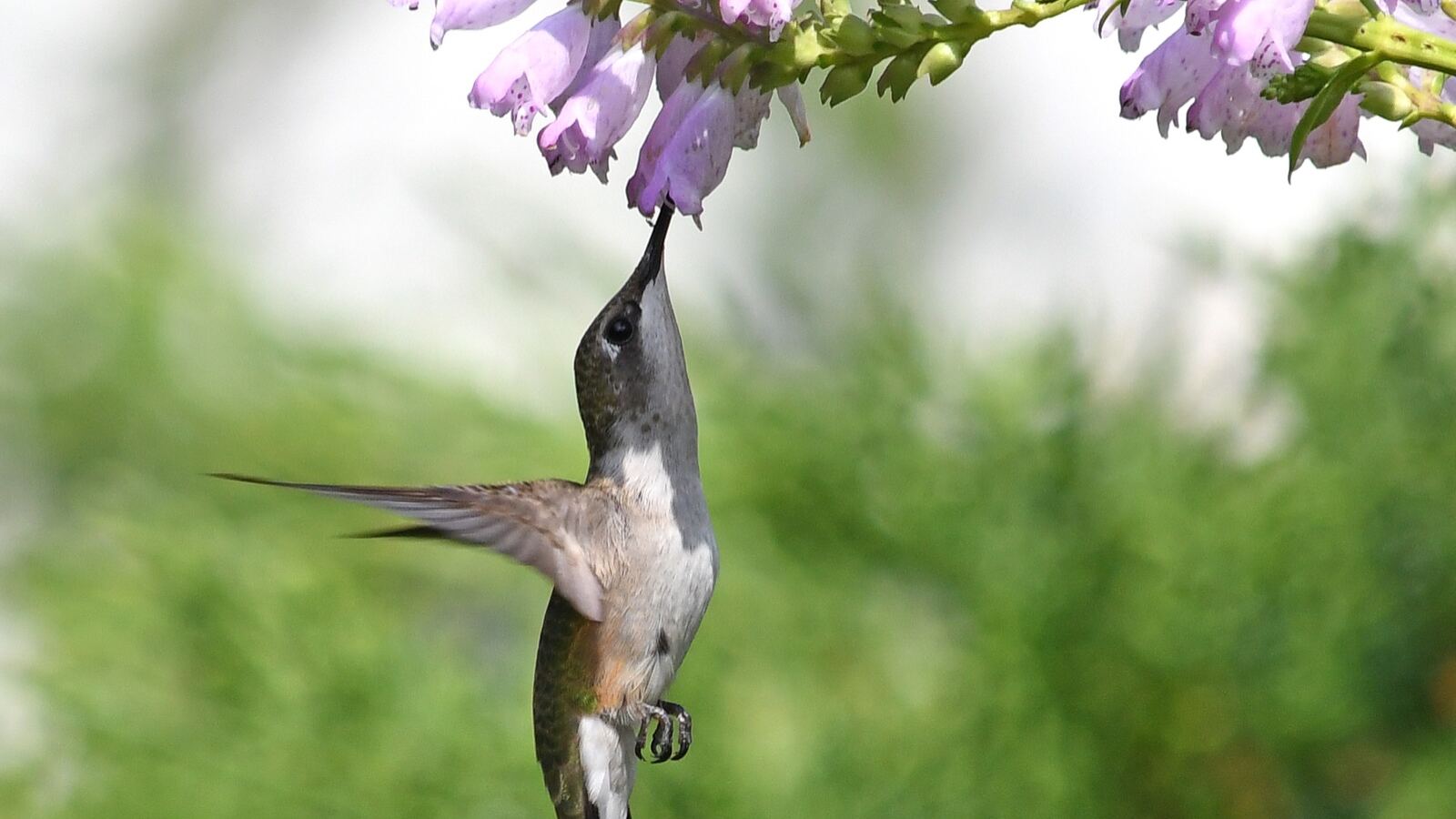
If a species' habitat is its address — where it lives — its niche is its profession: not just where it is, but how it makes its living. The ecological niche is the full role a species plays in its community and the full range of conditions it needs to survive: what it eats and what eats it, when and where it is active, what it tolerates in temperature, water, and soil, and how it interacts with everything around it.
The niche is a rich, multi-dimensional idea — the sum of all a species' requirements and relationships — and it is one of the most useful concepts in ecology, because so much else follows from it.
Fundamental and realised
Ecologists distinguish two versions of a niche:
- The fundamental niche is the full range of conditions in which a species could live, if nothing else interfered — its potential.
- The realised niche is the narrower slice it actually occupies, once competition, predation, and other species have pushed it around.
A species is usually confined to less than it could tolerate, squeezed by competitors into its realised niche. Remove the competitor — or move the species to a new land without its usual rivals and enemies — and it may expand toward its fundamental niche. This is one reason invasive species can explode: freed from the competitors, predators, and diseases that hemmed them in at home, they occupy far more of their potential niche abroad.
Generalists and specialists
Species differ hugely in how broad their niche is:
- Generalists have wide niches — they eat many things, tolerate many conditions, and live in many places. The fox, the hackberry, the dandelion. Generalists are adaptable and hard to displace, and they cope well with disturbed and changing environments (including the ones people make).
- Specialists have narrow niches — they depend on one food, one host, one narrow set of conditions. The koala on its eucalyptus, the fig wasp on its fig, the brimstone butterfly on its buckthorn.
There is a trade-off: specialists are often superbly efficient in their narrow niche and can out-compete generalists there — but they are fragile, because if their one resource fails, they have nowhere to go. The tight mutualisms and specialist relationships that make nature so intricate are also what make specialists the first to vanish when habitats are simplified or the climate shifts. Much of the extinction crisis is the loss of specialists as generalists (and the species people move around) take over.
No two species share a niche
A key consequence, following from the competitive exclusion principle, is that no two species can occupy exactly the same niche in the same place for long — one would out-compete the other. So coexisting species must differ in their niches, dividing resources between them (resource partitioning). The number of niches a place offers, in effect, sets how many species it can hold — which is why complex, structurally diverse habitats, offering many niches, support more biodiversity than simple ones.
Why it matters to growers and restorers
The niche concept is quietly practical. Matching a plant to the conditions it needs is matching it to its niche. Filling the different niches of a system — canopy, understorey, ground, roots, the different guild roles — is how a food forest or a polyculture captures more resources and leaves fewer gaps for weeds and pests. And understanding that a bare or simplified habitat has empty niches waiting to be filled explains both why weeds and invaders rush in, and why adding the right diversity crowds them out.
See also
- Competition the exclusion principle and resource partitioning
- Structural Diversity how complex habitats offer more niches
- Biodiversity why more niches means more species
- Invasive Species invaders expanding into their fundamental niche
- Fruit Tree Guilds filling the niches of a designed system
- Mutualism and Symbiosis the specialist partnerships niches produce
- Biomes the same niches filled by different species across the world