What it is
Island biogeography is the study of what controls the number of species on islands — and it grew into one of the most influential ideas in conservation, because it turned out to describe not only real islands but any patch of habitat cut off from its surroundings.
Its core insight is simple: the number of species on an island settles at a balance between two rates — the rate at which new species arrive (colonisation) and the rate at which resident species die out (extinction). And two features of an island govern that balance: its size and its isolation.
Bigger and closer holds more
The theory makes two robust predictions, confirmed again and again:
Larger islands hold more species than small ones. A big island has more space, more habitats, and larger populations — and larger populations are less likely to go extinct by chance (see minimum viable populations). So bigger islands lose species more slowly and accumulate more.
Closer islands hold more species than remote ones. An island near a mainland (or near other islands) is easy to reach, so colonists arrive often, replacing any that die out and adding new kinds. A remote island is hard to reach, so extinctions are not made good, and it holds fewer species.
Put together: a large island close to a source is species-rich; a small, remote island is species-poor. The same reasoning explains why isolated islands are full of unique species found nowhere else — few arrive, but those that do evolve in isolation, as on Madagascar, the Galápagos, or the dragon tree's Socotra.
The unsettling lesson: fragments are islands
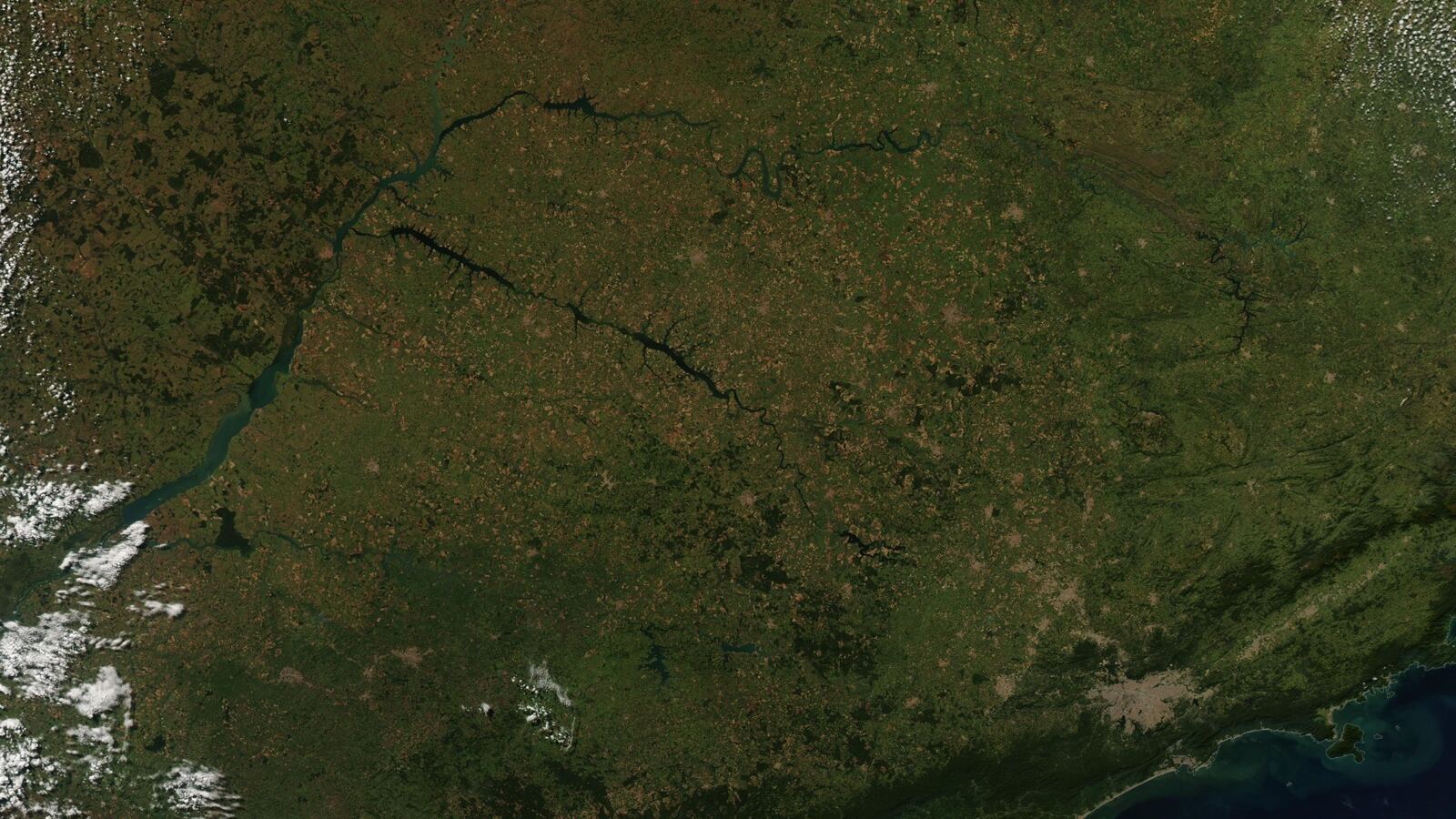
The idea became urgent when ecologists realised that a patch of habitat surrounded by farmland, roads, or city is an island too — an "island" of forest in a "sea" of fields — and behaves by the same rules.
As people carve continuous habitat into ever-smaller, more isolated fragments, each fragment becomes a small, remote island: too small to hold viable populations of the species that need space, and too cut off for new colonists to reach it and replenish what is lost. So a fragmented landscape slowly bleeds species — the fragments losing their wildlife one by one over years and decades, a phenomenon called "extinction debt," in which the full cost of fragmentation is paid long after the habitat is first broken up. Large, wide-ranging, and specialist species go first; the top predators and the specialists that need intact habitat vanish, and their loss can unravel what remains.
This is why habitat fragmentation — not just outright habitat loss, but the breaking of what remains into isolated pieces — is one of the great drivers of the extinction crisis, and why edge effects, which degrade fragments further from their margins inward, make small fragments even less valuable than their area suggests.
The conservation answer: bigger, closer, joined
Island biogeography gives conservation a clear design rulebook. To hold the most species, habitat should be:
- Large rather than small — big reserves beat small ones;
- Connected rather than isolated — linked by wildlife corridors and stepping-stones that let species move between fragments, colonise, and recolonise, so the fragments function as one larger system rather than many tiny islands;
- Buffered and clustered rather than scattered.
This is the ecological foundation of the whole movement to build corridors, buffer zones, and connected reserve networks — of "rewilding" landscapes back into connection — and of why a hedge network, a chain of ponds, or a green corridor through a city is worth so much more than the sum of its parts: it turns islands back into a continent. See wildlife corridors and rewilding edges.
See also
- Wildlife Corridors reconnecting fragments into a functioning whole
- Edge Effects how fragmentation degrades habitat from the margins in
- Minimum Viable Populations why small populations wink out
- Biodiversity what fragmentation slowly erodes
- Trophic Cascades the unravelling when large species are lost first
- Rewilding Edges restoring connection to the landscape