What it is
A trophic cascade is what happens when a change at the top of a food web ripples down through the levels below, reshaping the whole ecosystem. Add or remove a top predator, and the effects cascade — through the herbivores it eats, to the plants they eat, to the soil, the water, and every creature that depends on them.
It is one of the most powerful ideas in ecology, because it shows that top predators — often the first species lost when people move in — are not an optional luxury at the top of the pyramid but a force that structures everything below.
The wolves of Yellowstone
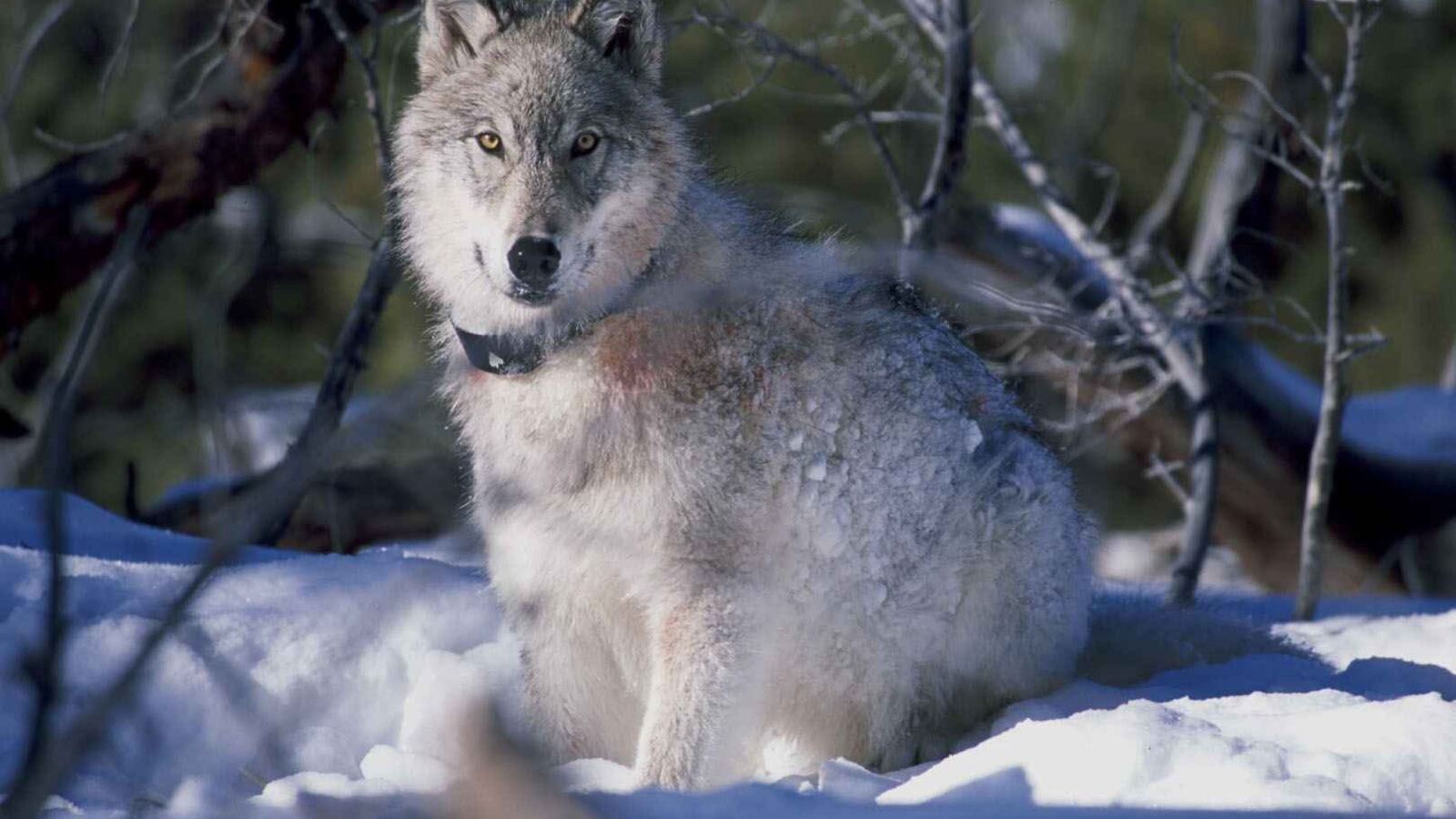
The most famous trophic cascade is the return of the wolf to Yellowstone. Wolves had been exterminated from the park by the 1920s, and in their absence elk multiplied and browsed heavily and without fear, stripping the young willows, aspens, and cottonwoods along the streams.
When wolves were reintroduced in 1995, the cascade followed:
- the wolves reduced elk numbers and, as importantly, changed elk behaviour — the elk avoided the open valleys and riverbanks where they were vulnerable (an "ecology of fear");
- the young willows and aspens, no longer constantly browsed, grew back along the streams;
- returning trees brought back beavers (which need willow), and beaver dams created ponds and wetlands;
- the recovering streamside vegetation stabilised the banks, so the rivers ran clearer and even changed their course;
- and birds, fish, amphibians, and other wildlife returned to the richer, more complex habitat.
A single predator, in other words, rippled all the way down to the shape of the river. The Yellowstone story is sometimes told too neatly — the real changes are more tangled and debated than the simplest version suggests, and other factors (climate, bears, human hunting) played parts — but the core lesson holds: predators shape ecosystems from the top down.
Otters, urchins, and kelp
The other classic case is marine. Sea otters eat sea urchins, and sea urchins eat kelp. Where otters were hunted out (for the fur trade), urchin numbers exploded and mowed down the kelp forests, leaving barren "urchin barrens"; where otters remain or return, they keep the urchins in check and the great kelp forests — themselves a habitat for countless species — flourish. The otter is a classic keystone species, and the cascade runs otter → urchin → kelp → whole ecosystem.
Why it matters
Trophic cascades explain why the loss of top predators — wolves, big cats, sharks, otters — so often triggers ecological unravelling far beyond the predator itself: unchecked herbivores or mesopredators multiply, vegetation is stripped or communities are simplified, and the effects reach the soil and water. And they are the ecological engine behind rewilding — the idea that restoring top predators (or the disturbance they create) can set a whole degraded system healing from the top down.
They are a vivid demonstration of how interconnected a food web really is, and of why predator-prey balance and the keystone species that maintain it matter to everything else. The gardener's version is smaller but real: keep the beneficial predators and the pests keep themselves in check.
See also
- Keystone Species the species whose removal triggers a cascade
- Food Webs the network a cascade travels through
- Predator-Prey Balance the dynamics at the heart of it
- Beavers the ecosystem engineer the Yellowstone cascade restored
- Rewilding Edges restoring ecosystems from the top down
- Beneficial Predators the garden-scale version of predator control
- Owls