The fundamental trade-off
No organism can do everything at once. The energy it captures must be divided between growing, staying alive, and reproducing, and every bit spent on one is a bit not spent on the others. How a species divides that budget — how fast it grows, how long it lives, how early and how much it reproduces, how large and how well-provisioned its offspring — is its life-history strategy, and there are deep trade-offs that no species escapes.
The most important trade-off is in reproduction: a fixed amount of energy can be poured into many cheap offspring or a few expensive ones — but not both. This single trade-off, played out across the living world, explains an enormous amount, including the difference between a weed and a redwood.
r-strategists and K-strategists
Ecologists describe the two ends of this spectrum as r-selected and K-selected (from the symbols in the equations of population growth):
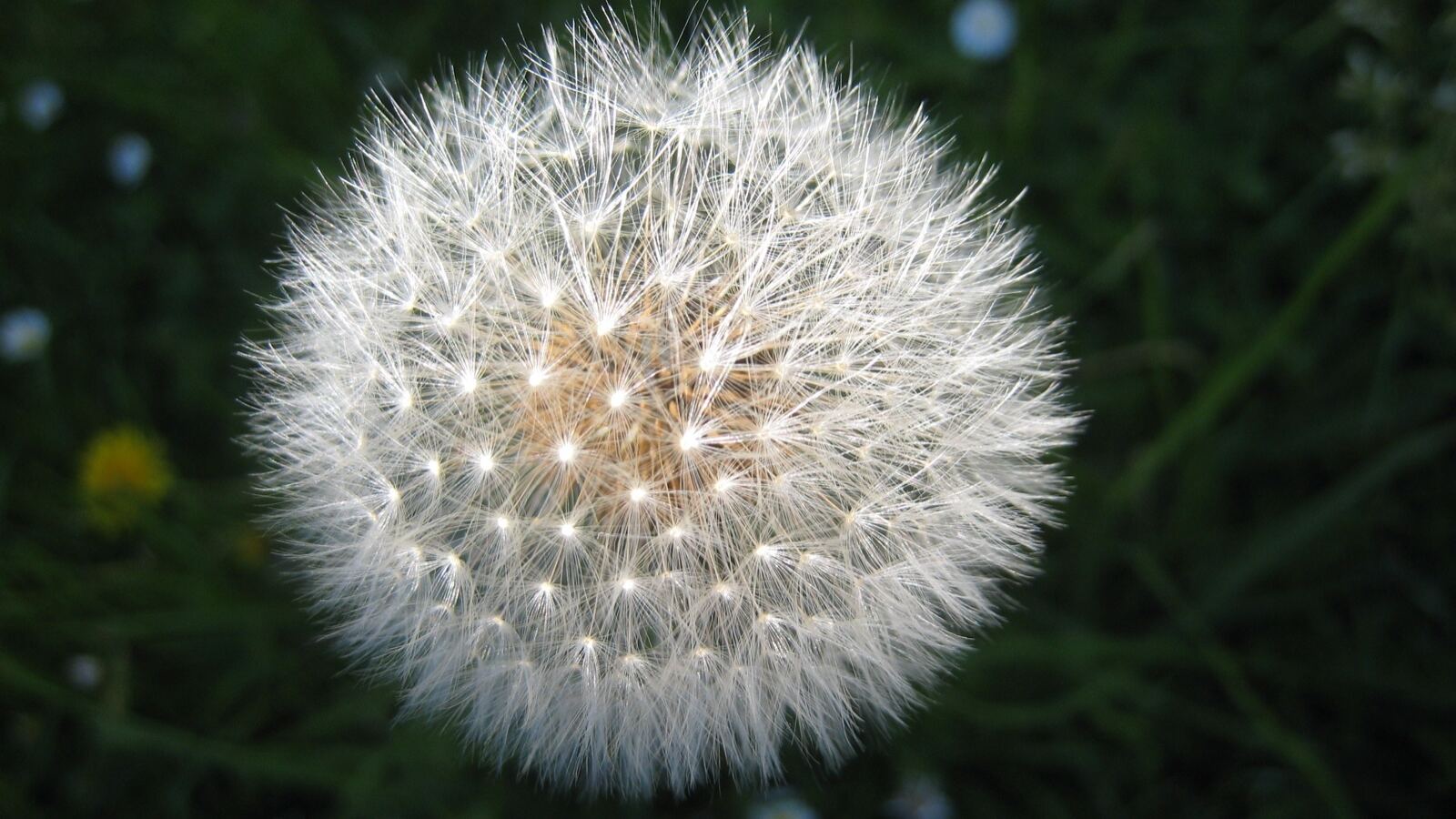
r-strategists — fast-and-many. These species bet on quantity and speed: they grow fast, mature young, reproduce early and prolifically with many small, cheap offspring, and often die young. They are gamblers, flooding the world with propagules in the hope that some land in a lucky spot. They are boom-and-bust specialists of disturbed, unpredictable, empty environments — the first to arrive, quick to exploit a windfall, and quick to crash. Among trees, the pioneers — the birch, willow, balsa, and pioneer species generally, and among plants the weeds — are r-strategists: fast, short-lived, prolific-seeding, and built to colonise bare ground.
K-strategists — slow-and-few. These species bet on quality and endurance: they grow slowly, mature late, live long, and produce few, large, well-provisioned offspring that they (in animals) tend or (in plants) equip with big food reserves. They are built for stable, crowded, competitive environments, where success means not flooding the world with seed but producing a few strong offspring that can survive the shade and competition. The great climax trees — the oak, beech, mahogany, and the immensely slow, long-lived bristlecone pine — are K-strategists, as are large, slow-breeding animals like elephants and whales.
Most species, of course, fall somewhere along the spectrum rather than at the extremes, and the labels are a simplification — but the trade-off they describe is real and everywhere.
Why it matters
This framework quietly explains much of ecology and land management:
- Succession is a procession from r-strategists to K-strategists: fast pioneers seize the open ground, then are replaced by slow, long-lived competitors — the whole arc is a shift along the life-history spectrum. See pioneer species and nurse trees.
- Weeds and invasives are overwhelmingly r-strategists — fast, prolific, disturbance-loving — which is exactly why they thrive on the disturbed ground people create, and why bare soil is an invitation.
- Conservation risk falls hardest on K-strategists: slow to mature, slow to breed, few offspring, they cannot bounce back quickly from over-harvesting or habitat loss, which is why the slow, valuable timber trees, the mahogany, and large slow animals are the ones pushed to the edge, while weeds and pests flourish.
- Restoration and growing work with the sequence: use fast r-strategist pioneers and nurses to cover and improve bare ground quickly, under whose shelter the slow, valuable K-strategist climax trees can then establish — planting the succession, rather than fighting it.
Understanding whether a species is a fast gambler or a slow endurer tells you how it will behave, where it belongs, and how to work with it. See carrying capacity, whose symbol K gives the K-strategists their name.
See also
- Succession the shift from fast pioneers to slow climax trees
- Pioneer Species the classic r-strategists of bare ground
- Nurse Trees using fast species to shelter slow ones
- Carrying Capacity the K the endurers are named for
- Invasive Species why weeds and invaders are fast-and-many
- Bristlecone Pine an extreme slow-and-few endurer