biodiversity
Every article and hero in Arborpedia that touches this subject.
 № 033Wildlife
Bats: Night Shift Pollinators and Pest Control
Why bats are the most underrated garden allies on the planet, eating thousands of insects nightly, pollinating night-flowering crops, and dispersing seeds across kilometres.
Jun 2026Read →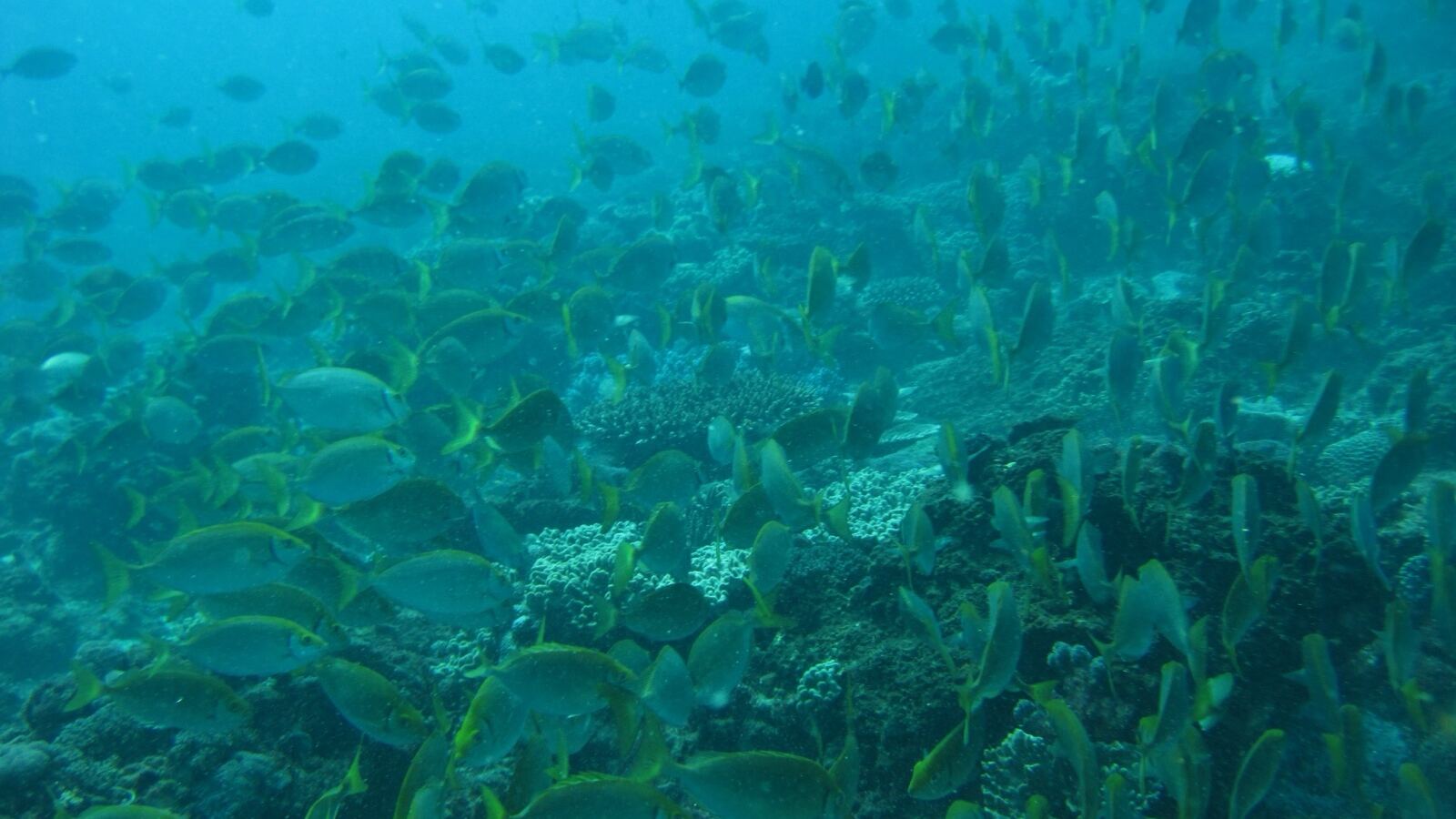 № 043Ecology
Biodiversity: Why Variety Is the Insurance of Life
The variety of life at three levels — genes, species, and ecosystems — and why a diverse system is more productive, more stable, and more able to survive shocks than a simplified one.
Jul 2026Read → № 121Restoration
Dead Wood Habitat: Leave It, Add More
Why standing and fallen dead wood is one of the most important habitats in any forest, supporting over twenty percent of woodland biodiversity.
Nov 2025Read → № 149Ecology
Edge Effects: Where Two Habitats Meet
Why the boundary between two habitats hosts more species than either alone, and how to design landscapes for more edge, not less.
Jun 2026Read → № 181Wildlife
Garden Pests: A Worldview, Not a War
A pest is a forager whose appetite collides with yours. Most outbreaks are biodiversity gaps. Here is how to think before you spray.
Jun 2026Read → № 226Ecology
Indicator Species: Reading Ecosystem Health at a Glance
How lichens, amphibians, dragonflies, and earthworms reveal the real condition of air, water, and soil on your site.
Nov 2025Read → № 308Wildlife
Native Bees: 20,000 Species Beyond the Honeybee
The world's 20,000 wild bee species are mostly solitary, mostly overlooked, and outperform honeybees on most crops they touch.
Nov 2025Read → № 309Trees
Native Oaks: Backbone of Temperate Forests
Why native oaks support more biodiversity than almost any other tree genus, and how to grow them for restoration and food production.
Sep 2025Read → № 311Ecology
Native Over Exotic: Why Local Species Matter
How native plants anchor local food webs, why genetic provenance shapes restoration outcomes, and where the native-exotic line gets blurry.
Nov 2025Read → № 325Growing
Observation First: Watch Before You Act
Why a full year of watching your land beats any intervention, and how patience lets biodiversity solve problems that spraying cannot.
Nov 2025Read → № 362Restoration
Pollinator Habitat: Beyond Honeybees
Support the 20,000 bee species and the butterflies, moths, hoverflies, and beetles that hold ecosystems together.
Nov 2025Read → № 392Restoration
Rewilding Edges: The Biodiversity of Untidiness
Why the boundaries you stop mowing become the richest part of your land, and how to manage the social pushback while nature reclaims the margins.
Nov 2025Read → № 396Restoration
Rock and Log Piles: Messy Gardens Are Biodiversity Gardens
How to build deliberate piles of rock, wood, and brash that house reptiles, amphibians, beetles, fungi, and the predators that eat your pests.
Jun 2026Read → № 422Water
Self-Sufficient Ponds: Building a Body of Water That Manages Itself
How a built pond becomes a real ecosystem: the first three years, the trophic layers it needs, and the small interventions that decide between a balanced pond and a green soup.
Jun 2026Read → № 468Ecology
Structural Diversity: Layers Equal Niches Equal Species
Ground cover, shrubs, understory, canopy, emergents. Each vertical layer doubles the species count. Design for layers.
Jun 2026Read → № 517Restoration
Wetland Restoration: The Most Productive Ecosystems on Earth
How to restore wetlands by blocking drains, creating ponds, and reconnecting floodplains so they filter water, store carbon, and buffer floods.
Nov 2025Read → № 523Restoration
Wildlife Corridors: Connecting Fragmented Habitats
How hedgerows, riparian strips, and green bridges reconnect isolated habitat patches, keeping gene flow alive and preventing local extinctions.
Oct 2025Read →
- № 12

Jadav Payeng
India · 1959–present
Indian environmental activist who single-handedly planted a 1,360-acre forest on a barren sandbar in Assam over four decades.
- № 25

Vandana Shiva
India · 1952–present
Indian physicist and activist who founded the Navdanya seed bank network to protect biodiversity and farmers' rights.