Species
Trees, plants, fungi, ecosystems, biodiversity, and species identification.
Species Cheatsheet
Quick-reference guide to key species, ecosystems, and biodiversity principles.
Go deeper
 № 003
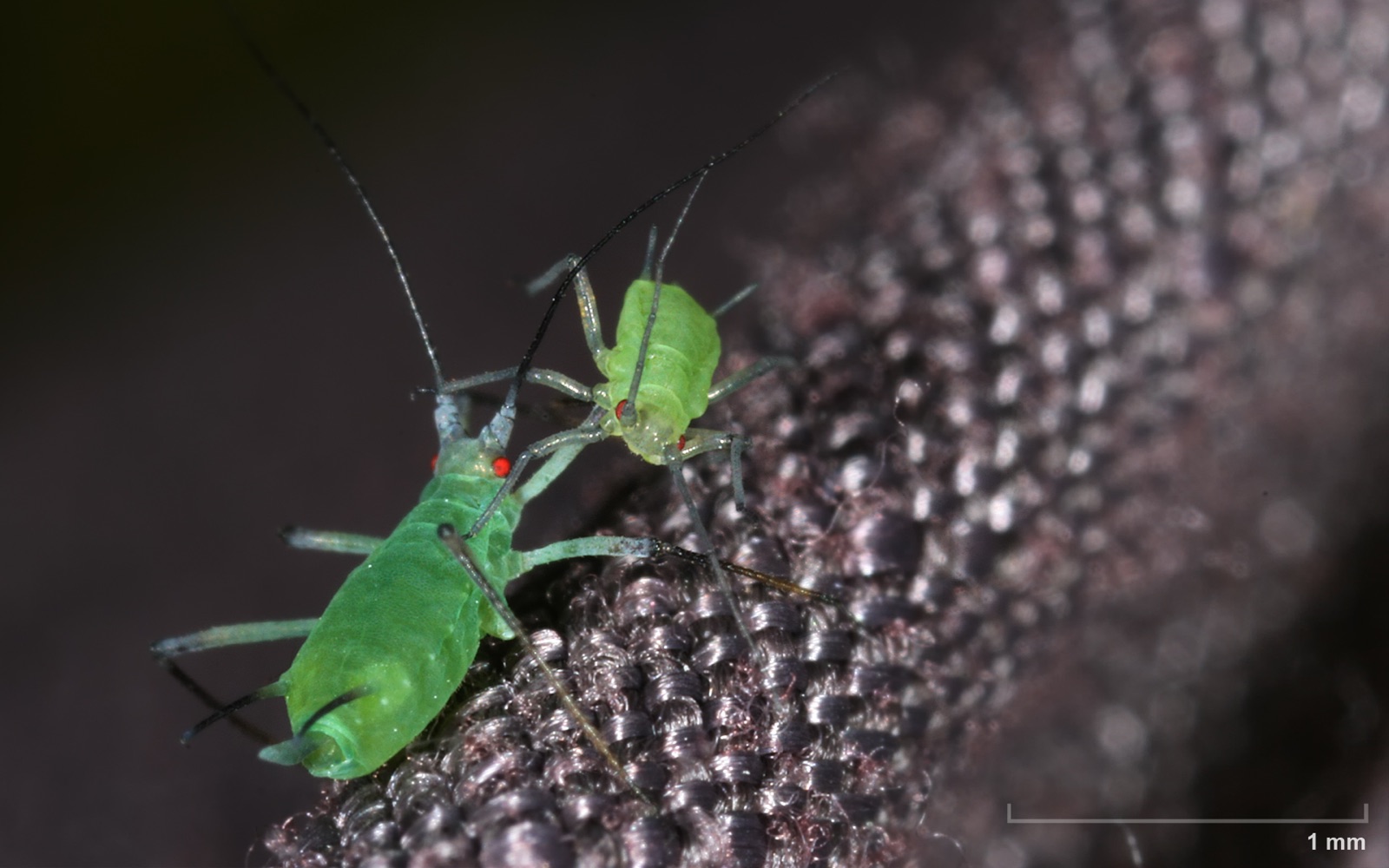
№ 003Aphids: Clone Armies on the Underside of the Leaf
The sap-sucking superfamily that vectors viruses, farms with ants, and collapses overnight when you let the right predators in.
 № 007
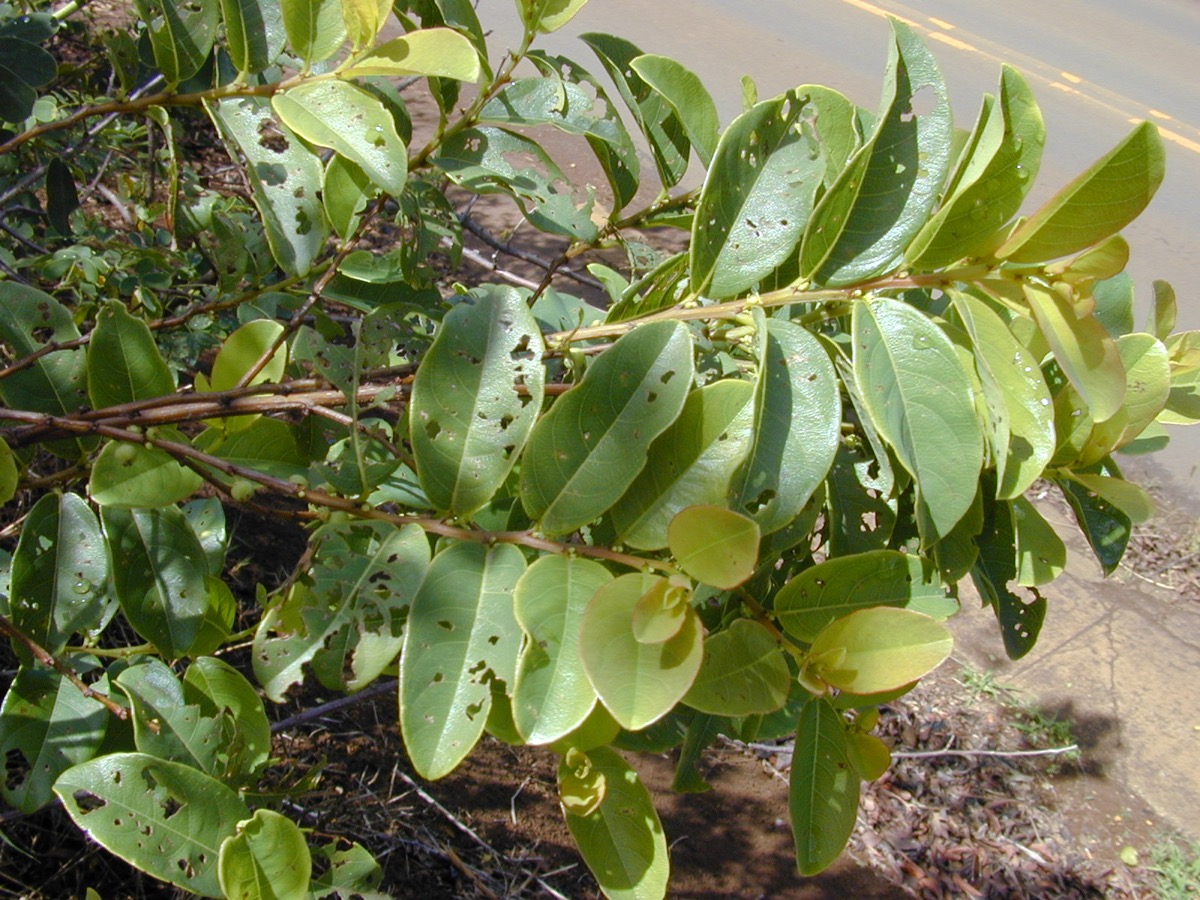
№ 007Berry Bushes: Currants, Gooseberries, Honeyberry, Aronia
Cool-temperate workhorses for the cold corner where blueberries refuse. Currants, gooseberries, jostaberry, honeyberry, aronia. Pruning, yields, blister rust.
 № 010
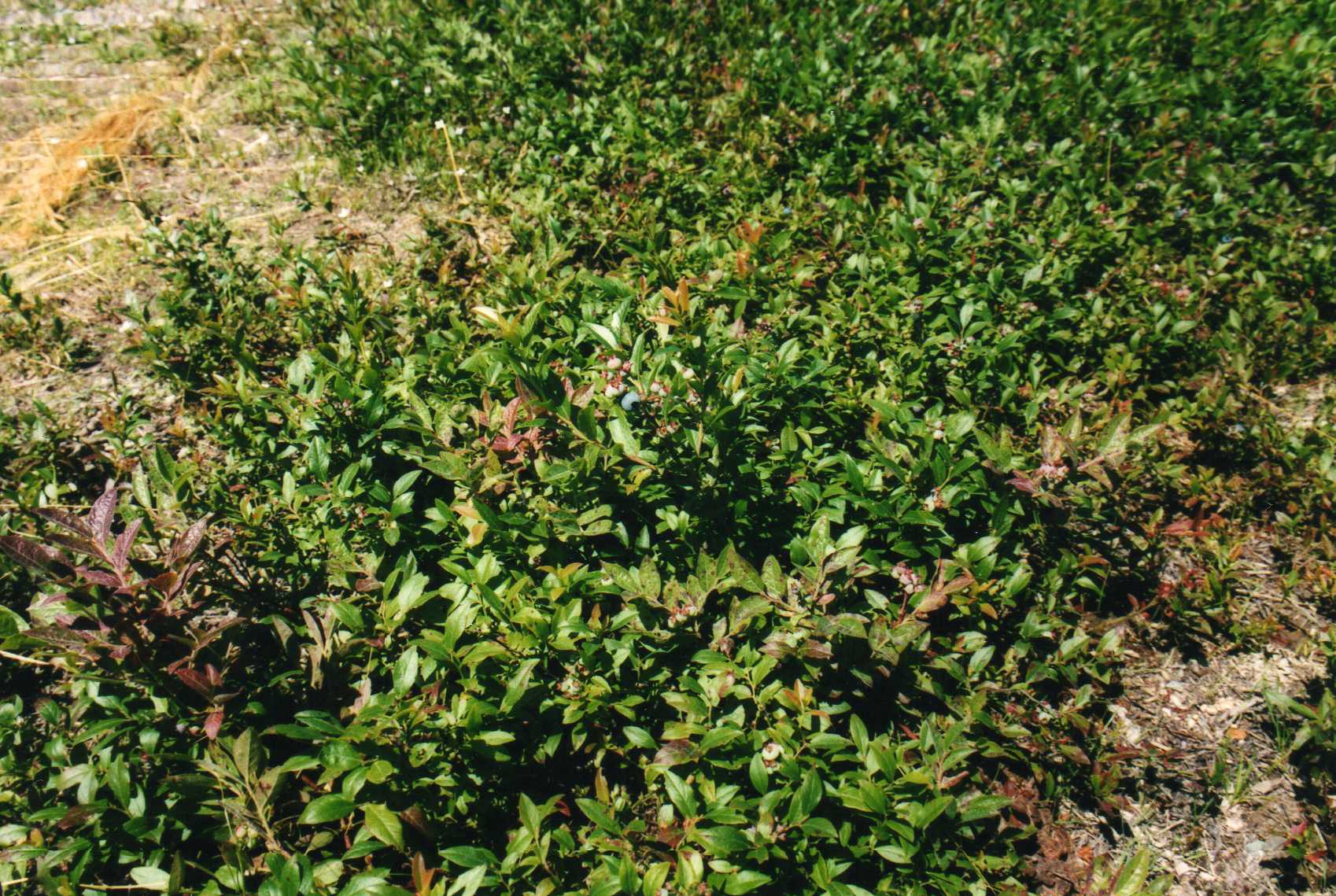
№ 010Blueberry and Acid Shrubs: Building a pH 4.5 Garden
Vaccinium and friends want soil most plants would die in. How to build that soil, choose the right cultivars, and keep a stand productive for thirty years.
 № 012
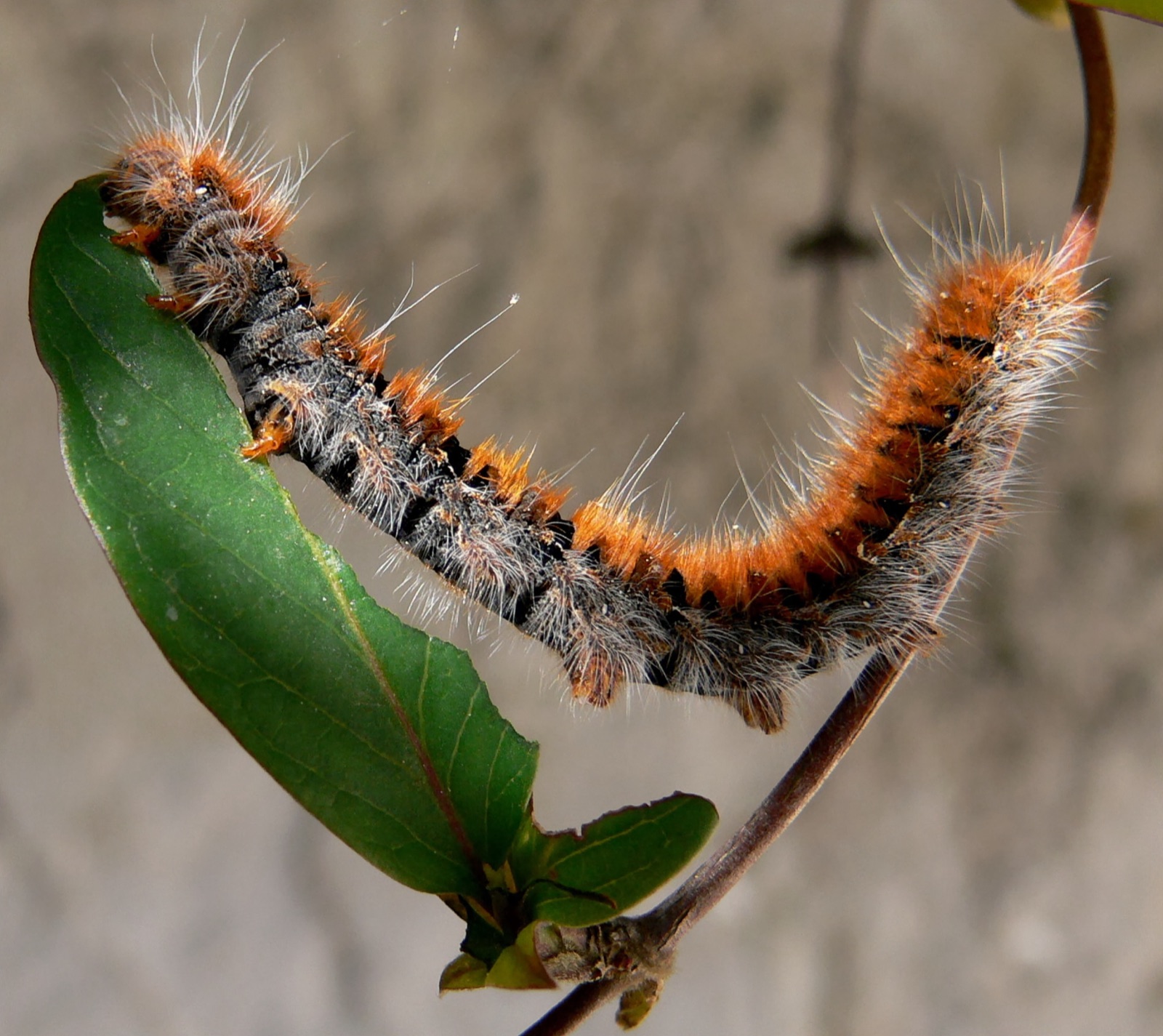
№ 012Caterpillars: Reading the Flight Calendar
The five caterpillars that hit a temperate garden hardest, when their parent moths fly, and how to break the cycle without spraying everything dead.
 № 028
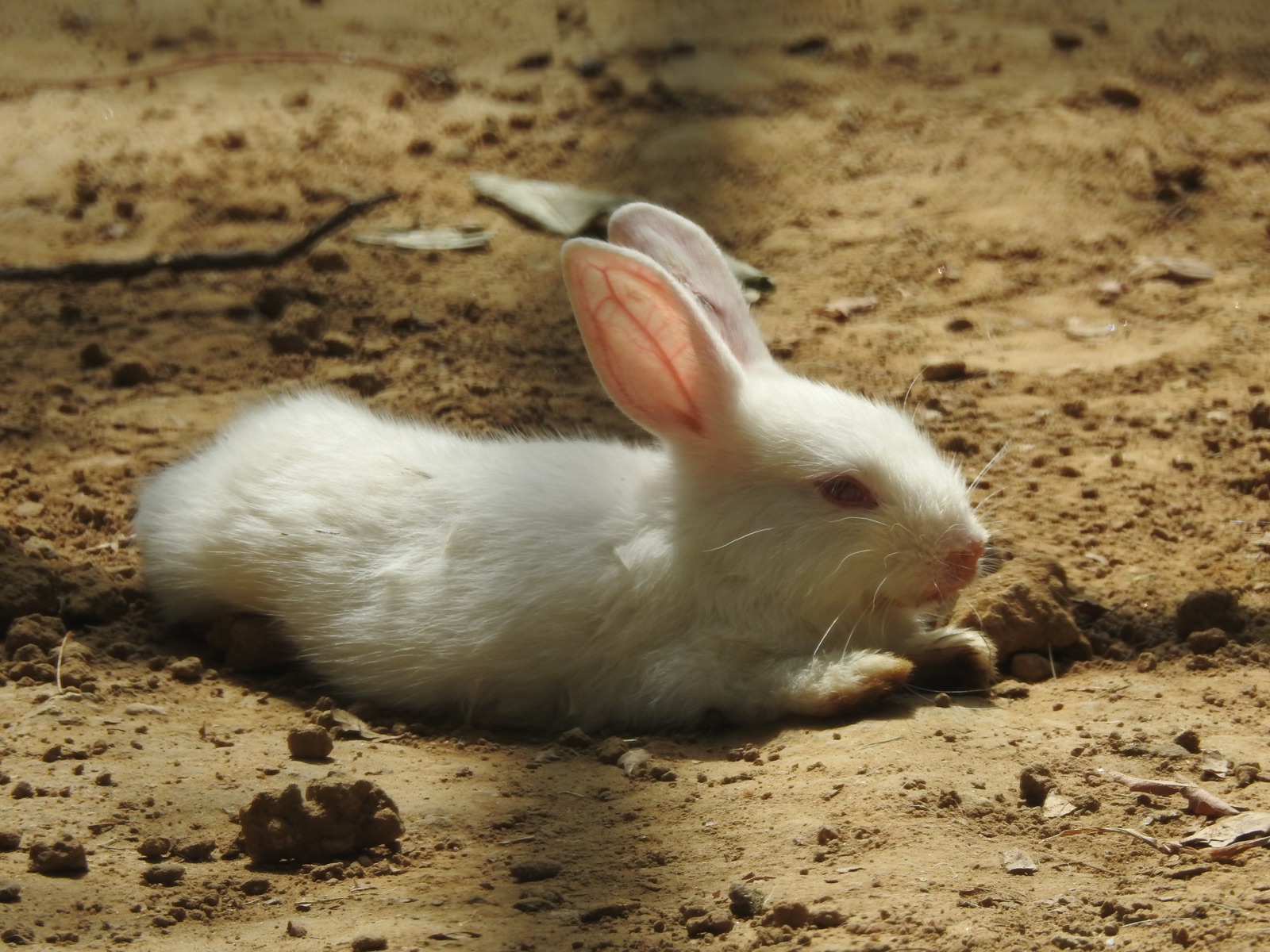
№ 028Deer and Rabbits: The Browse Problem
Browse pressure kills more young trees than drought or frost. How to fence, tube, and plant around the animals that eat your reforestation.
 № 035
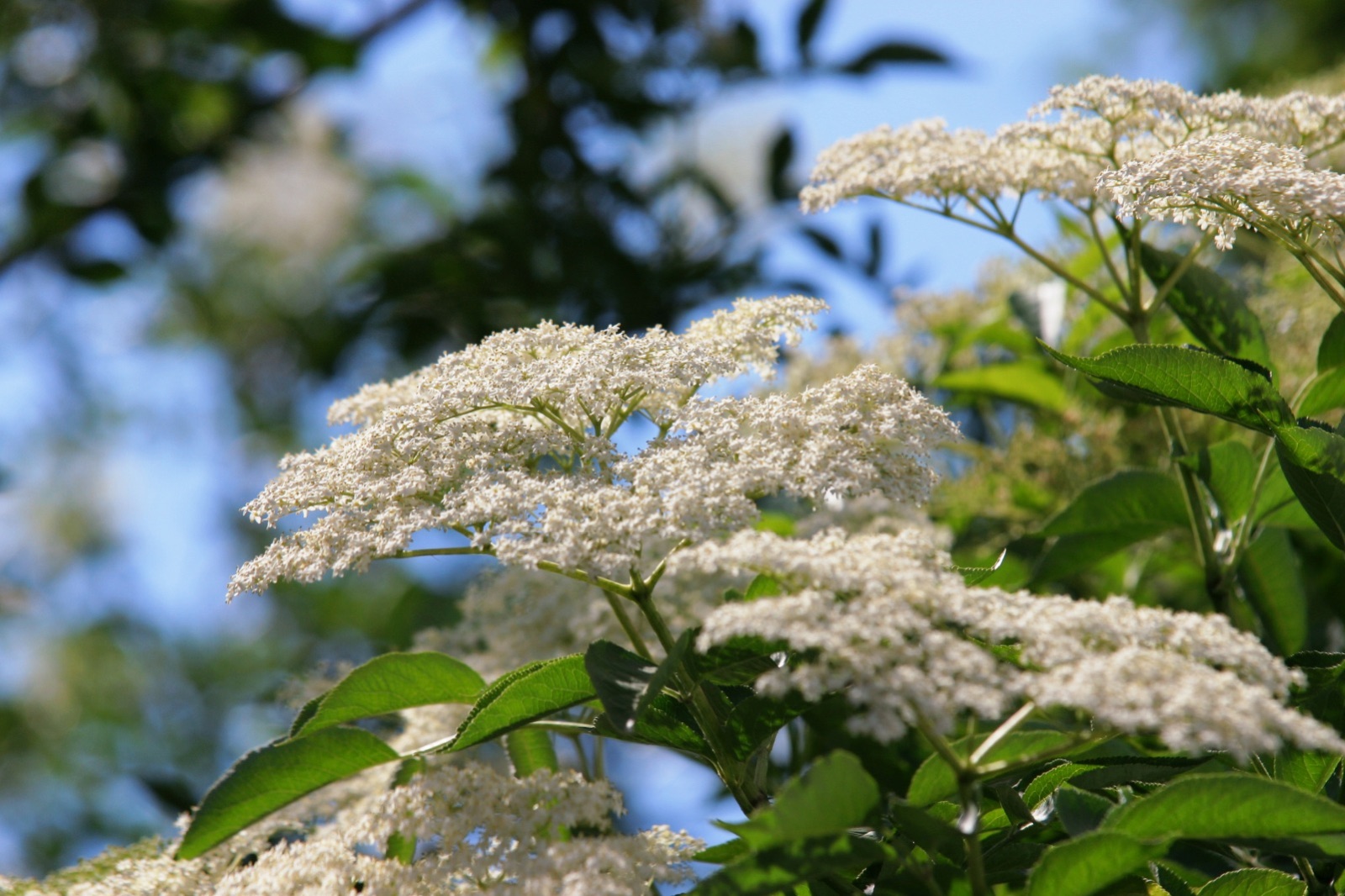
№ 035Elderberry: The Hedge Shrub That Pays Rent
Sambucus nigra and S. canadensis. A keystone berry shrub for birds, cordial, and tincture. Roots from a winter stick. Just don't eat it raw.
 № 041
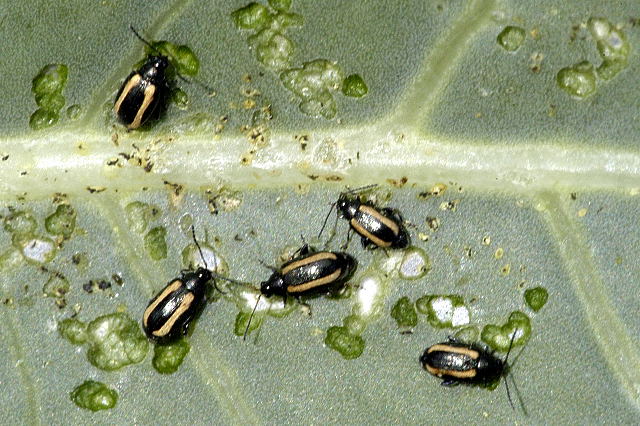
№ 041Flea Beetles: The Shothole Specialists
Tiny jumping beetles that lace young brassica leaves with pinholes. How to keep them off your seedlings without nuking the bed.
 № 046
№ 046Garden Pests: A Worldview, Not a War
A pest is a forager whose appetite collides with yours. Most outbreaks are biodiversity gaps. Here is how to think before you spray.
 № 049
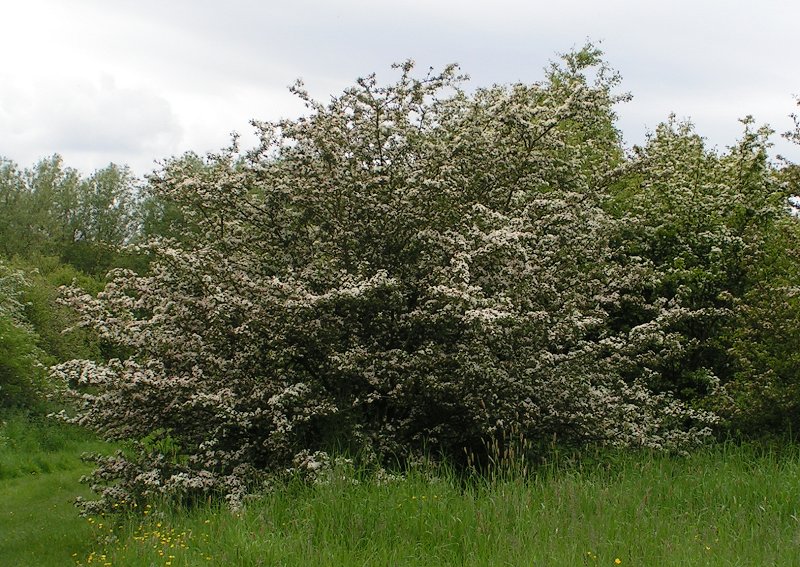
№ 049Hawthorn: The Hedge that Outlives the Hedger
Crataegus monogyna and 280 cousins. The thorned backbone of the British mixed hedge, a 500-year tree, and a heart medicine in one shrub.
 № 050
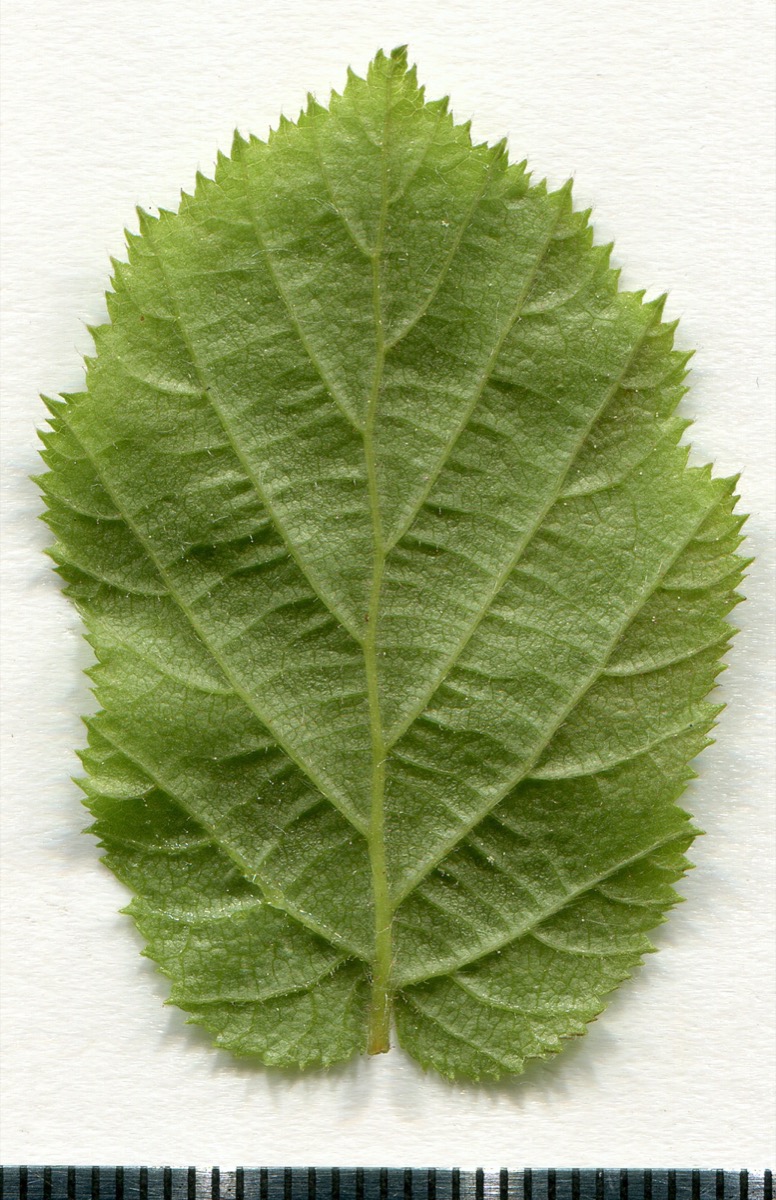
№ 050Hazel: The Coppice Workhorse
Corylus avellana. A nut tree that doubles as a stake factory. Cut it every seven years and it pays in poles, pollen, and filberts.
 № 061
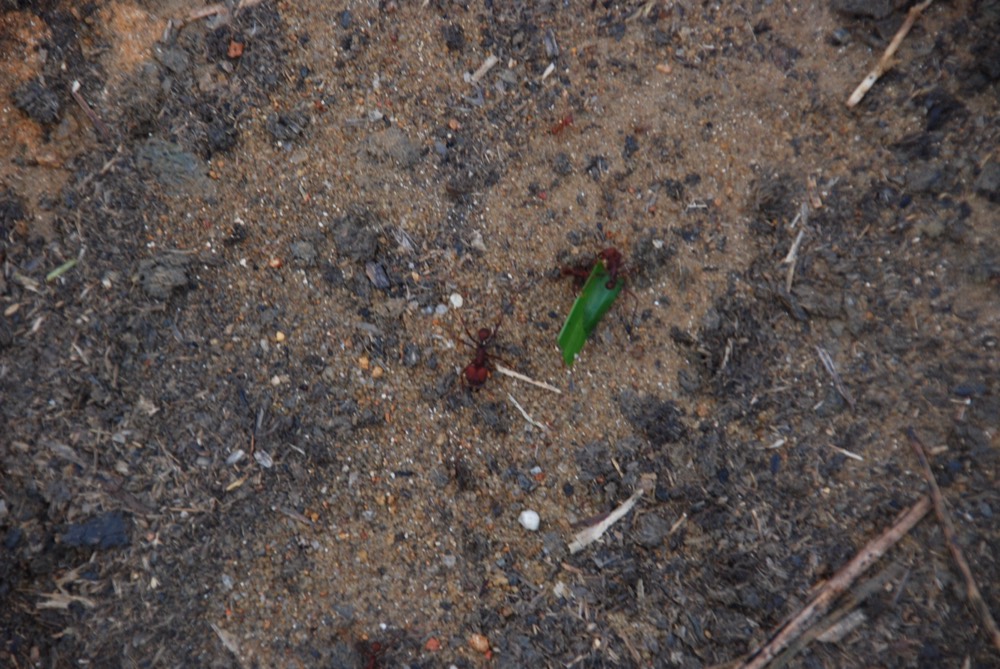
№ 061Leafcutter Ants: The Underground Farmers
The Atta and Acromyrmex species that defoliate a young tree overnight, and how to live alongside them without losing the orchard.
 № 065
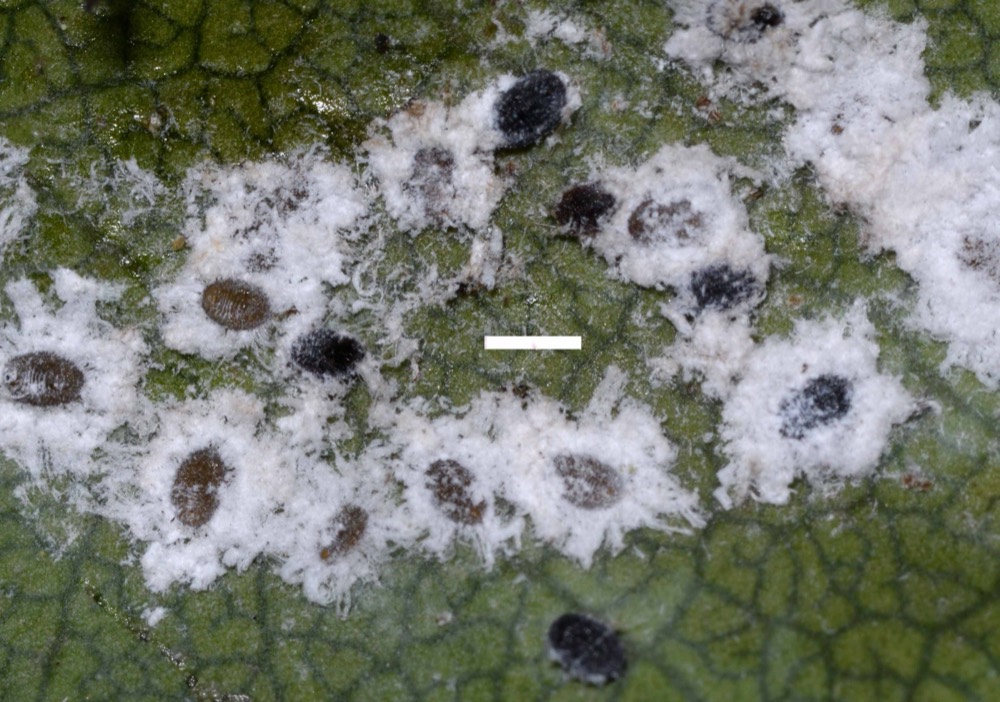
№ 065Mealybugs and Scale: The Sap Drinkers
Cottony cushion scale, soft scale, and mealybugs. How to break the honeydew loop with cotton swabs, oil, beetles, and an ant fence.
 № 066
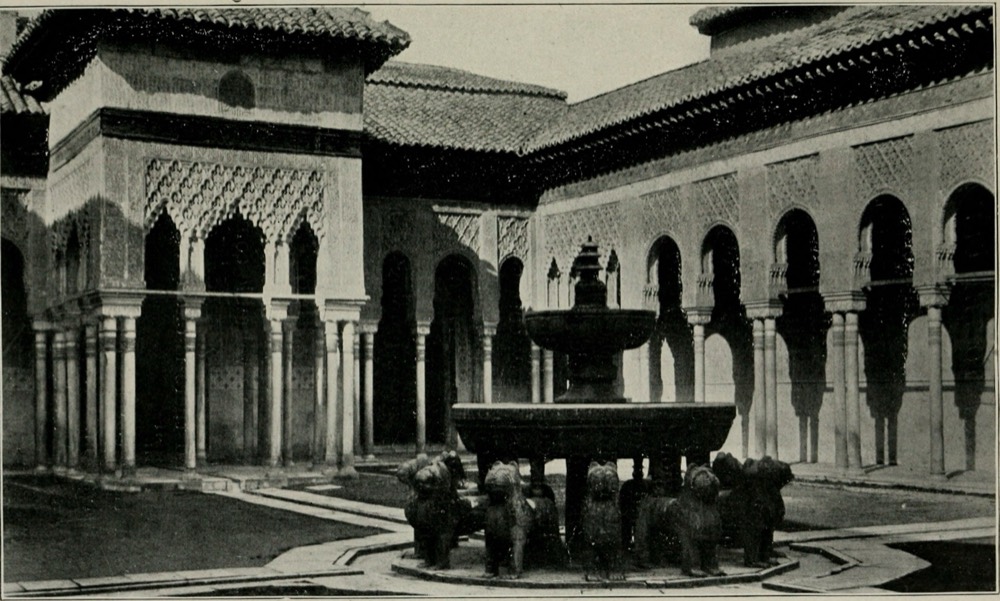
№ 066Mediterranean Shrubs: The Dry-Garden Backbone
Rosemary, lavender, sage, cistus, oleander. Aromatic woody plants built for sun, stone, and almost no water once they take.
 № 080
№ 080Nitrogen-Fixing Shrubs: The Frankia Partnership
Sea buckthorn, goumi, Siberian pea, and their kin. Shrubs that host Frankia bacteria and pull 70 to 180 kg of nitrogen per hectare out of thin air.
 № 102
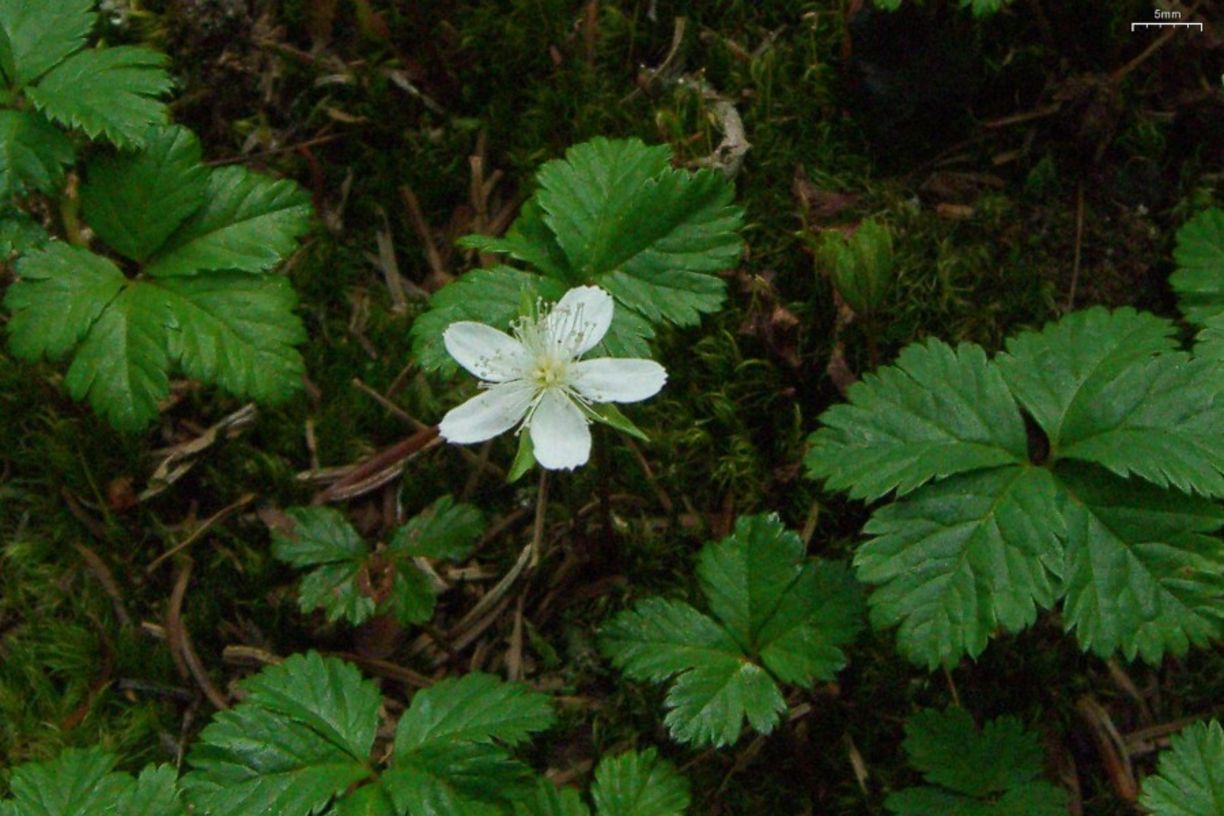
№ 102Raspberry and Bramble: The Rubus Genus at Work
Raspberries, blackberries, and their wild cousins. Cane biology, pruning by type, and bramble as a restoration species for raw ground.
 № 113
№ 113Shrubs and Bushes: The Forgotten Middle Layer
Multi-stemmed, waist-to-chest-high, and chronically under-planted. Shrubs do the work trees and herbs cannot, and most growers skip them entirely.
 № 117
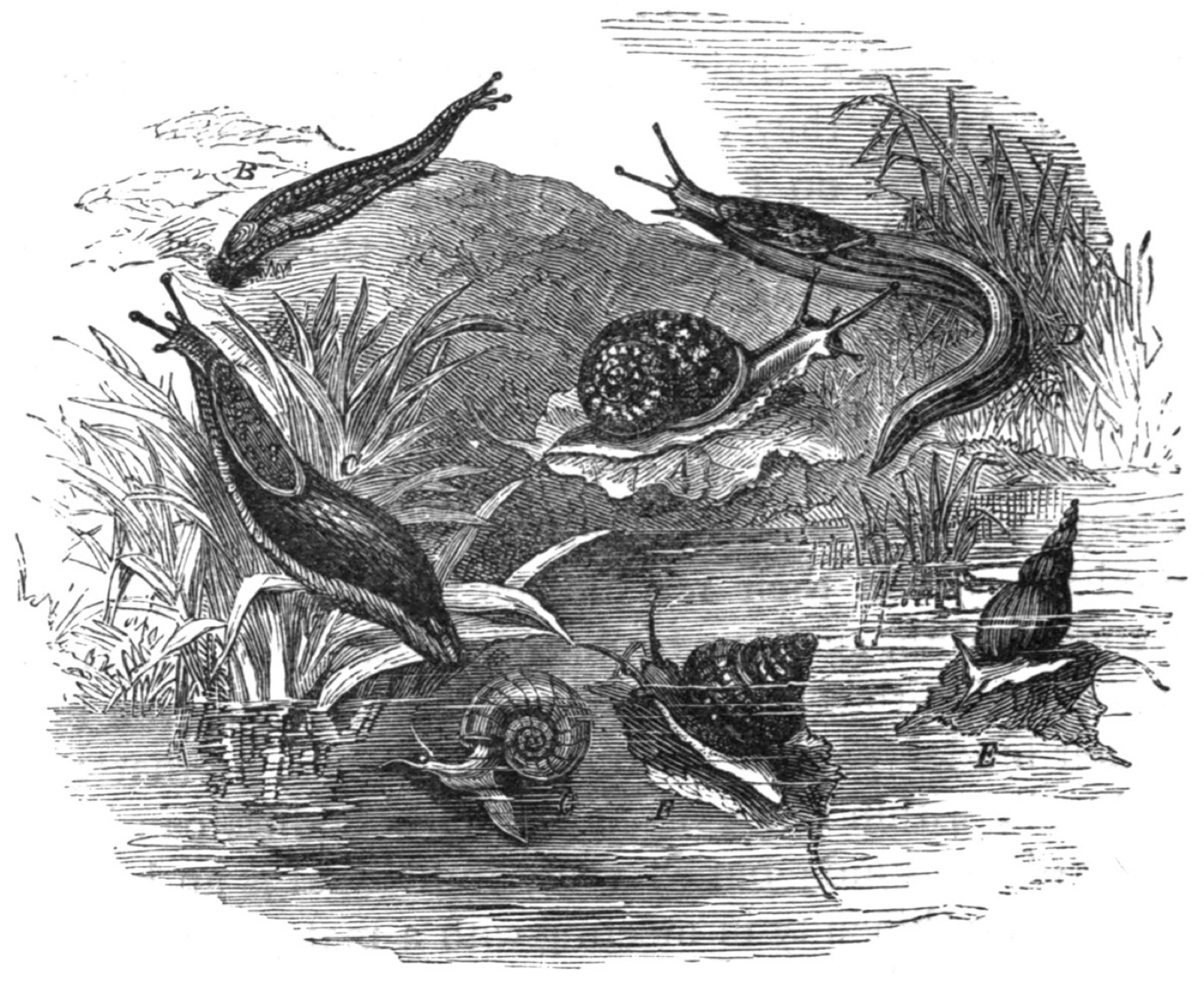
№ 117Slugs and Snails: The Pest Most Punished, Least Controlled
Why the beer traps and copper rings barely work, and what actually moves the needle: ducks, ground beetles, and habitat you stop offering.
 № 136
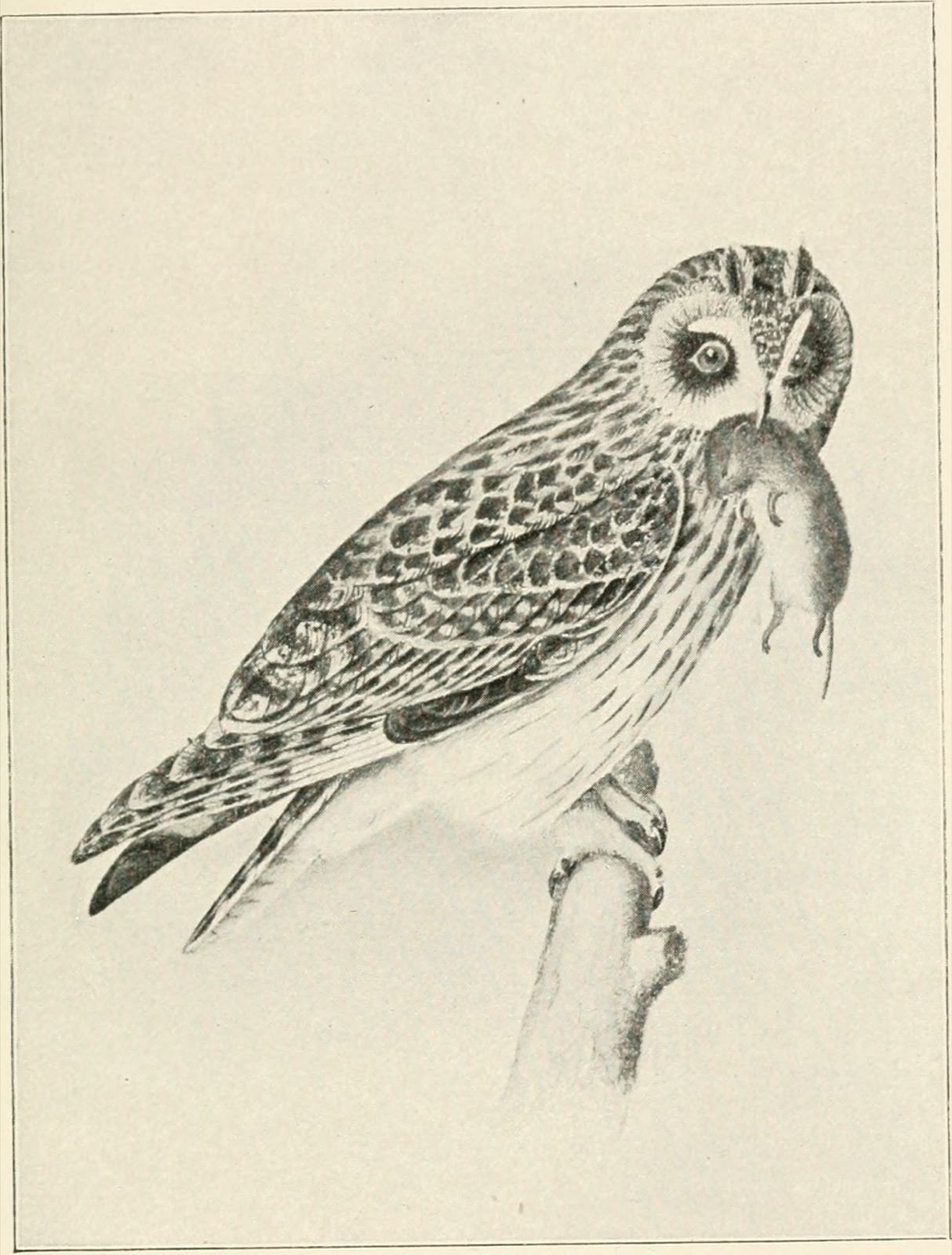
№ 136Voles and Gophers: The Winter Bark Strippers
Two different rodents, two different problems. How to tell Microtus runways from Geomyidae mounds, and how to keep young trees alive through winter.
 № 141
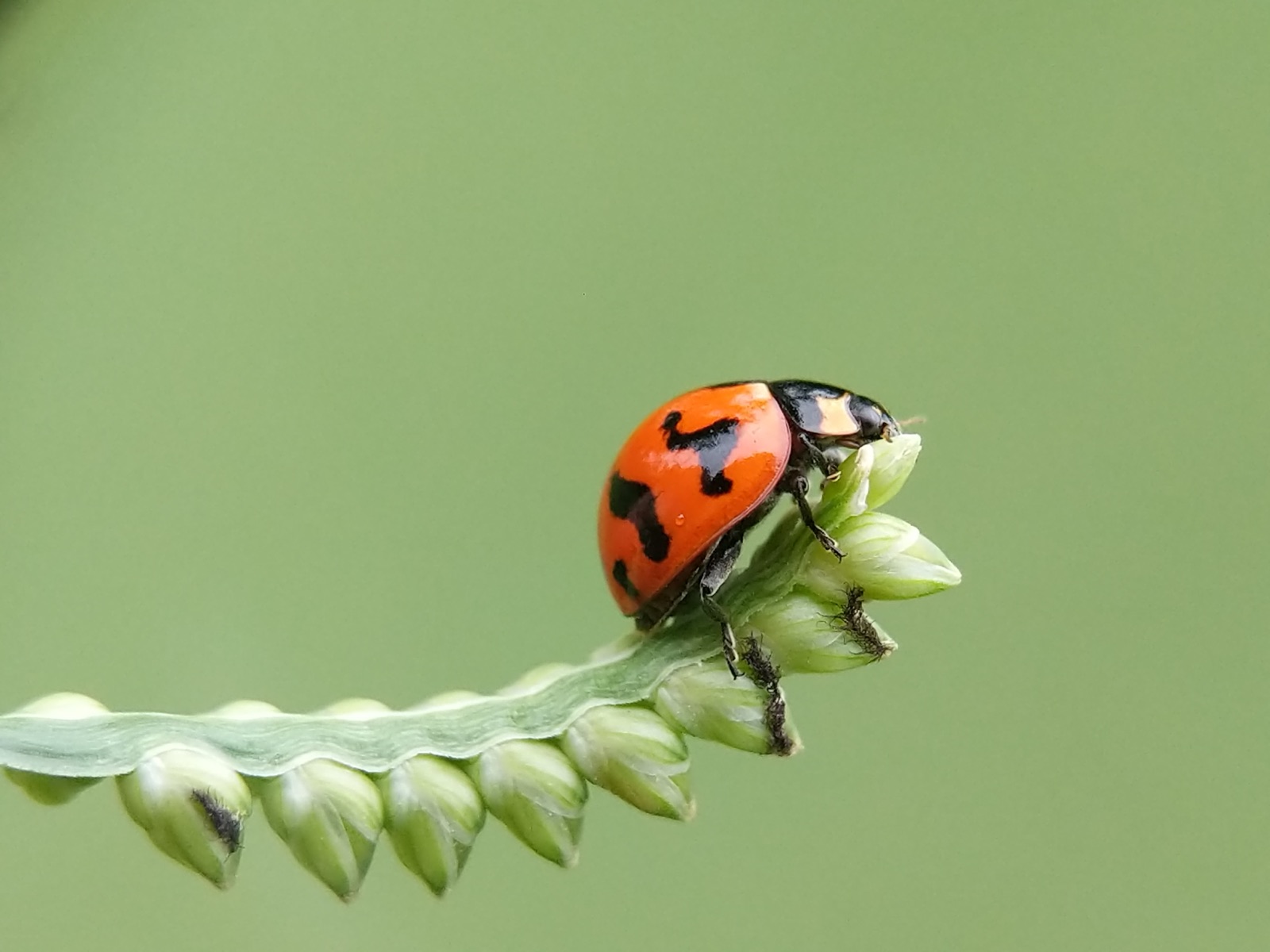
№ 141Whiteflies and Spider Mites: The Greenhouse Twins
One pest loves humidity, the other loves drought. Together they cover the whole greenhouse year. How to read them, knock them down, and ship in their predators.
 № 144
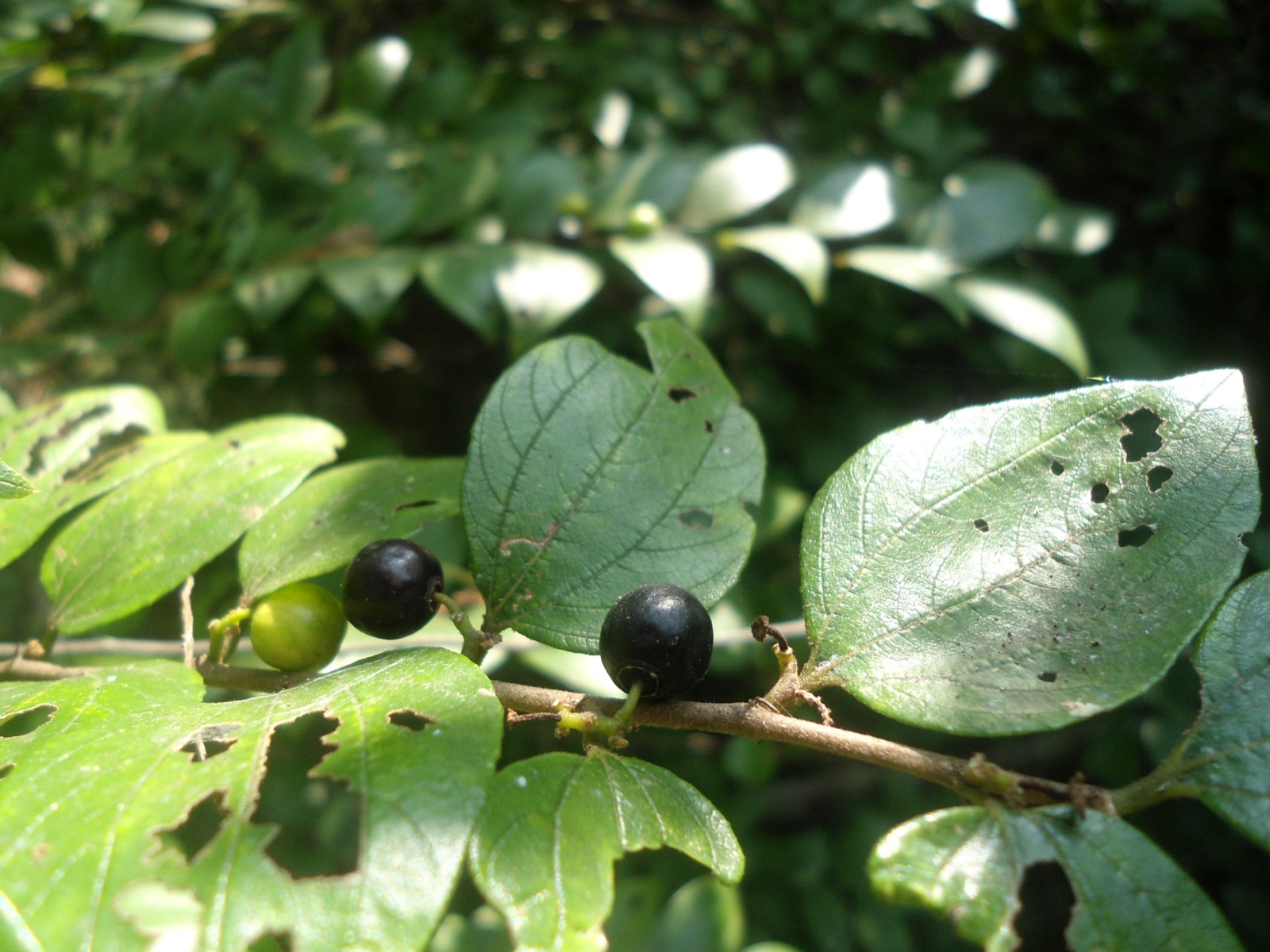
№ 144Wildlife Shrubs: Feeding the Hedge Through Winter
Guelder rose, dogwood, holly, blackthorn, wayfaring tree. The five shrubs that turn a fence line into a working hedgerow for birds, bees, and nesting cover.
 № 006
№ 006Bats: Night Shift Pollinators and Pest Control
Why bats are the most underrated garden allies on the planet, eating thousands of insects nightly, pollinating night-flowering crops, and dispersing seeds across kilometres.
 № 034
№ 034Edge Effects: Where Two Habitats Meet
Why the boundary between two habitats hosts more species than either alone, and how to design landscapes for more edge, not less.
 № 067
№ 067Minimum Viable Populations: How Small Is Too Small
Why isolated populations below a few hundred individuals slide toward extinction even when habitat looks fine, and how corridors and connectivity prevent it.
 № 079
№ 079Nitrogen-Fixing Food Trees: Carob, Honey Locust, Mesquite
Trees that feed the soil and feed you. Carob, honey locust, mesquite, and a handful of others deliver food, fodder, and free nitrogen.
 № 083
№ 083Nut Pines: Stone Pine, Korean Pine, Pinyon
Long-lived cold-hardy pines that drop high-calorie nuts, build soil, and produce excellent timber. Plant for your grandchildren and feed yourself in the meantime.
 № 097
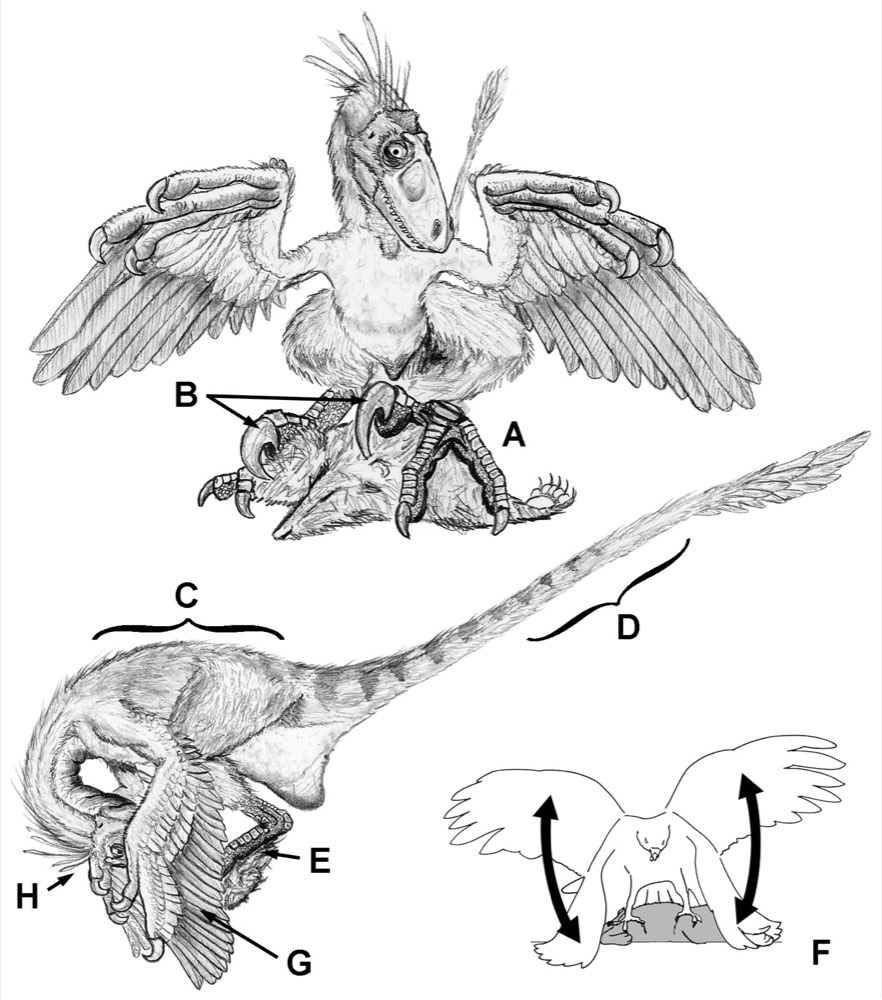
№ 097Predator-Prey Balance: Build Habitat, Skip the Sprays
How to attract ladybirds, lacewings, ground beetles, owls, and snakes so they do the pest control work that pesticides do badly.
 № 125
№ 125Structural Diversity: Layers Equal Niches Equal Species
Ground cover, shrubs, understory, canopy, emergents. Each vertical layer doubles the species count. Design for layers.
 № 002
№ 002Alder: The Nitrogen-Fixing Wet-Site Pioneer
How alder partners with Frankia bacteria to fix nitrogen, hold stream banks, and turn waterlogged ground into fertile soil for the trees that come next.
 № 014
№ 014Chestnut: The Tree That Fed Civilisations
How chestnuts fed mountain Europe for millennia, why the American chestnut nearly vanished, and how to fit chestnuts into a working food forest.
 № 026
№ 026Decomposers: The Hidden Recyclers
Fungi, bacteria, beetles, and worms unlock nutrients from dead matter. Without them, soils never form and forests collapse within years.
 № 033
№ 033Earthworms: Nature's Tillers
Why Darwin called earthworms the most important creature on earth, and how to count, feed, and protect the populations that build your soil.
 № 037
№ 037Eucalyptus: Controversial Giant, Essential Keystone
Why eucalyptus is not one tree but over 700 species, irreplaceable in Australia and disruptive when planted as monocultures elsewhere.
 № 038
№ 038Fig Species: Tropical Keystones That Feed Everything
Why 750-plus species of Ficus are the most important tree genus in the tropics, fruiting year-round and feeding more wildlife than almost any other plant.
 № 045
№ 045Fruit Tree Guilds: Self-Fertilising Systems
Design plantings around a fruit tree so nitrogen fixers, dynamic accumulators, ground covers, and pest confusers feed the system and reduce inputs every year.
 № 053
№ 053Hoverflies: Pollinator and Pest Controller in One
How hoverflies deliver both pollination and aphid control in one insect family, and why flat-topped umbellifer flowers pull them in.
 № 056
№ 056Indicator Species: Reading Ecosystem Health at a Glance
How lichens, amphibians, dragonflies, and earthworms reveal the real condition of air, water, and soil on your site.
 № 073
№ 073Native Bees: 20,000 Species Beyond the Honeybee
The world's 20,000 wild bee species are mostly solitary, mostly overlooked, and outperform honeybees on most crops they touch.
 № 076
№ 076Native Over Exotic: Why Local Species Matter
How native plants anchor local food webs, why genetic provenance shapes restoration outcomes, and where the native-exotic line gets blurry.
 № 078
№ 078Nitrogen-Fixing Bacteria: Free Fertiliser in Every Root
How Rhizobium, Frankia, and free-living bacteria pull atmospheric nitrogen into the living world and feed every productive ecosystem.
 № 089
№ 089Paulownia: The Fastest Growing Hardwood on Earth
Paulownia grows faster than any hardwood on earth. That power makes it valuable on degraded land and dangerous in the wrong place.
 № 109
№ 109Birds as Seed Dispersers: Recruitment Services for Free
Fruit-eating birds carry seeds kilometres from parent trees, drive forest regeneration, and stitch fragments together when you plant the right fruiting species.
 № 114
№ 114Silver Birch: Light Canopy, Deep Roots
How silver birch colonises bare ground, connects with over a hundred fungal species, and nurses slower trees toward maturity.
 № 137
№ 137Walnut: High-Value Timber and Food
Walnut pairs premium timber with calorie-dense nuts. Design around juglone allelopathy and you get one of the most profitable trees in temperate agroforestry.
 № 145
№ 145Willow: The Pioneer That Grows from a Stick
Willows root from bare cuttings, stabilise riverbanks, coppice endlessly, and serve as living infrastructure across temperate landscapes.
 № 119
№ 119The Soil Food Web: Life Beneath Your Feet
The invisible ecosystem in healthy soil: bacteria, fungi, protozoa, nematodes, and arthropods that cycle nutrients and build structure.
 № 005
№ 005Baobab: The Tree of Life
The ancient baobab stores thousands of litres of water, feeds people and pollinators, and anchors African savannas for two thousand years.
 № 063
№ 063Mangroves: Coastal Guardians
Salt-tolerant trees that build coastline, store carbon at five times the rate of upland forest, and feed three quarters of tropical fisheries.
 № 074
№ 074Native Oaks: Backbone of Temperate Forests
Why native oaks support more biodiversity than almost any other tree genus, and how to grow them for restoration and food production.
 № 070
№ 070Moringa Oleifera: The Miracle Tree
Everything you need to know about growing and using Moringa oleifera, the fast tropical tree with edible leaves and seed-based water purification.