What it is
Most failed reforestation does not die of drought. It gets eaten.
A whitetail will browse 2 to 4 kg of green tissue a night. A single rabbit takes 200 to 500 g. Multiply that across a winter and a young planting disappears in weeks. Across temperate Europe and North America, browse pressure is the largest single cause of plantation failure on unprotected sites. Foresters who track survival rates know this. Most new planters learn it the expensive way.
The animals are not the enemy. The fence you did not build is.
Why the lists lie
Every nursery sells a deer-resistant list. Most are honest in a normal year and useless in a hard one.
Deer avoid strong aromatic oils, bitter alkaloids, and fuzzy or spiny foliage. The genuinely reliable plants: lavender, rosemary, sage, thyme, daffodil, foxglove, hellebore, ferns, bearded iris, Russian sage. Rabbits skip most of the same list plus alliums and euphorbias.
Then comes a starvation winter. Snow buries the understory. The deer eat hellebore. They strip yew. They peel the bark off mature apples. The list is a probability, not a rule.
Browse pressure rises every year that hunting drops or predators vanish. North American whitetail densities now run two to ten times pre-colonial levels in many counties. The list that worked for your grandparents will not hold today.
Fence math
Fencing is the only method that actually works at scale. The numbers are not negotiable.
Deer. 2.4 m (8 ft) woven wire is the standard. Anything shorter, a determined whitetail clears from a standstill. Black polypropylene deer netting at the same height works for 5 to 7 years and disappears visually at 10 m. Budget around 8 to 15 USD per linear meter installed.
The two-fence trick. Deer judge depth poorly. Two 1.5 m fences set 1 m apart will turn back almost any deer that will not jump a single 2.4 m fence. Cheaper materials, easier installation, same result. Angle one outward at 45 degrees for the same effect with one fence.
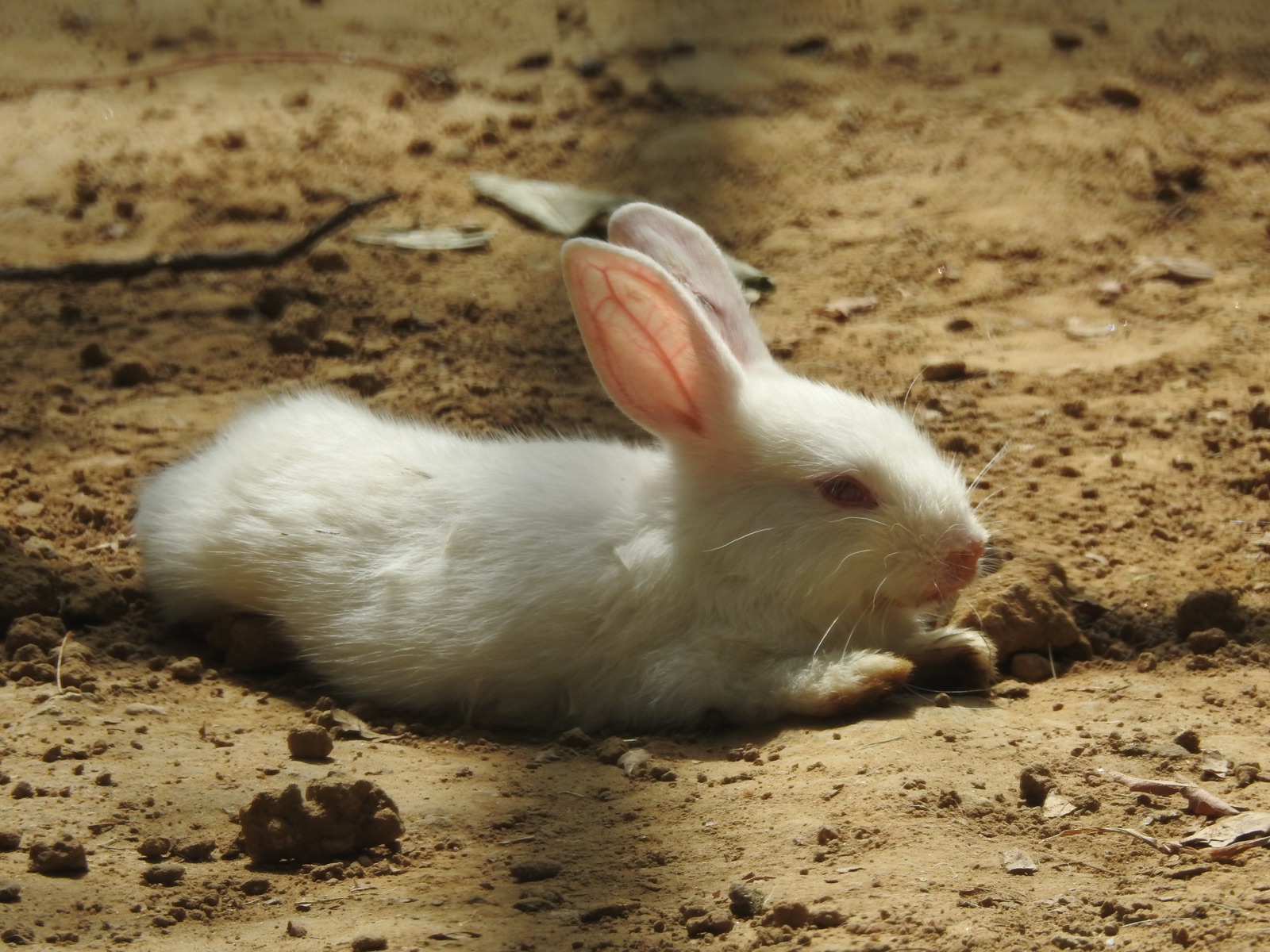
Rabbits. 1 m of 25 mm hex wire mesh, with the bottom 30 cm buried or flared outward along the ground. Skip the bury and they tunnel in within a week. The flared apron works as well as digging and survives frost heave better.
Voles and hares. Hares clear a 1 m rabbit fence. Push to 1.2 m if hares run your area. Voles need a hardware-cloth collar at each trunk. See voles and gophers.
Tree tubes and guards
For most reforestation work, tubes beat full fencing.
Tubex, Plantra, and similar translucent shelters run 1.2 to 1.5 m tall, slide over a young tree, and stake to a 1.5 m bamboo or chestnut post. They block browse, raise humidity, and bump first-year growth by 20 to 60 percent on hardwoods. Oak, hornbeam, hazel, walnut all respond. Conifers do not. The greenhouse effect cooks them.
Use mesh guards on conifers and on hardwoods over 2 m tall. Hardware cloth or galvanised welded mesh, 1.2 m high, 30 cm diameter, two stakes.
Vole collars. Wrap the lower 30 cm of every trunk with 6 mm hardware cloth. Bark stripping at ground level under snow kills more young apples than browse from above. Cheap to add, fatal to skip.
Pull tubes after 5 to 7 years, before the tree girdles itself on the shelter wall. Recycle them. The polypropylene is good for another rotation.
Scent and taste deterrents
Sprays buy you weeks, not seasons.
Plantskydd (dried blood and oil) and Bobbex (rotten egg, garlic, fish) are the two that work in independent trials. Each holds 4 to 6 weeks in dry weather, 2 to 3 weeks in rain. Apply before the first browse, not after. Once deer have learned a plant tastes good they ignore the smell.
Rotate products through the season. Deer habituate to a single scent in 6 to 8 weeks. Switching to a different active compound resets the response.
Home brews (egg, hot pepper, garlic) work for a fortnight and need reapplication after every rain. Fine for a small garden, useless for a hectare. Hair, soap, urine, and motion lights all fail on suburban deer that grew up watching humans water lawns.
The cropping question
Hunting and culling shift the problem. They rarely solve it.
A removed deer is replaced by another from the surplus next door within a season. Studies of suburban whitetail populations show density rebounds to pre-cull levels in 12 to 18 months unless removal continues every year at 30 to 50 percent of the herd. Few landowners can sustain that. Most projects that rely on cropping discover they have outsourced their browse pressure to whoever stopped hunting last.
Predators are different. A landscape with wolves, lynx, or coyotes shifts deer behaviour. They feed less in open ground. Browse damage drops even where deer numbers do not. See predator-prey balance and wildlife corridors.
Plan the fence first. Treat cropping as one input.
When it goes wrong
Tubes blow over. Stake was too short or set in soft ground. Use 1.5 m stakes driven 40 cm deep. In windy sites add a second stake on the leeward side.
Bark stripped above the tube. Deer learned to reach over. Replace with a taller tube or add a 30 cm extension.
Fence holds deer, rabbits get in anyway. Check the bottom every spring. Frost heaves the apron, rabbits tunnel under in a week. Re-seat and re-staple.
Spray stops working in week three. Rain washed it off, or the herd habituated. Reapply on dry foliage and switch products.
Tree pushed sideways inside the tube. Loosen the ties. A tube that grips the leader cuts it.
The honest endpoint is protection, not absence. Build for the worst winter you have ever seen, not the average one. Walk the rows after every storm.
See also
- Site Protection
- Reforestation Techniques
- Row Covers and Barriers
- Voles and Gophers
- Predator-Prey Balance